Ajdovi žganci is the national dish of Slovenia, consisting of buckwheat flour and water. The word žganci is derived from žgati, meaning to burn. Originally, the dish was a basic meal for most people, a breakfast used to provide the daily nutrients and energy to farmers for their hard work during the day. Žganci was consumed as a substitute for bread, while the leftovers used to be toasted with lard the following day, so that no food went to waste. Today, the dish can be found throughout the country, but it is prepared differently in each region of Slovenia. It is commonly served with sauerkraut and grilled sausages on the side. Ajdovi žganci are considered the ultimate comfort food on cold winter days.
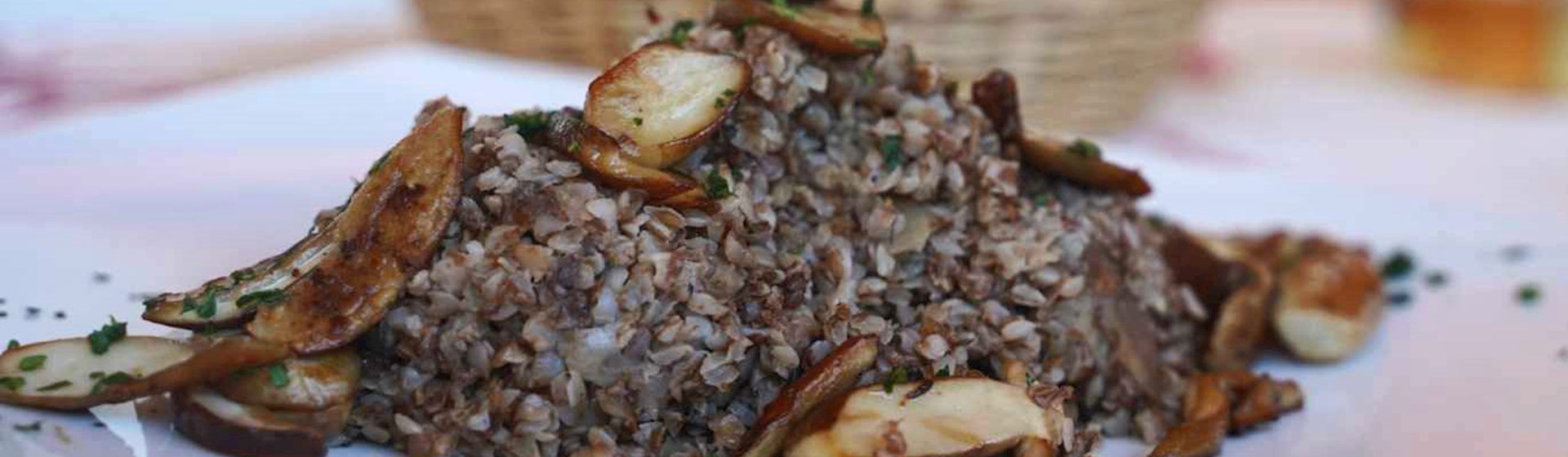
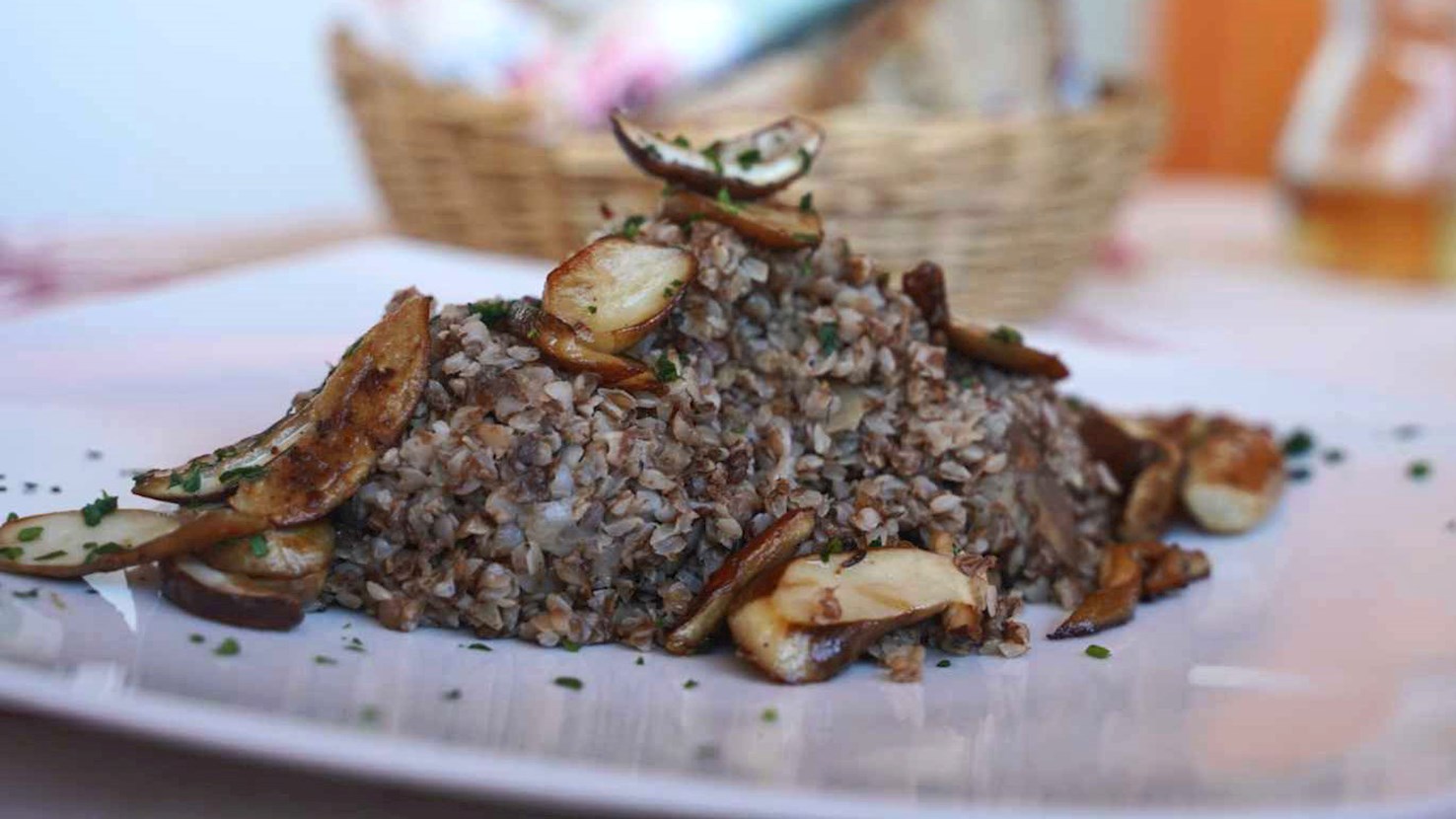
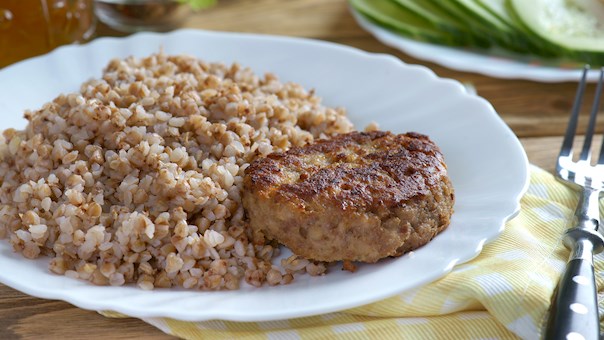
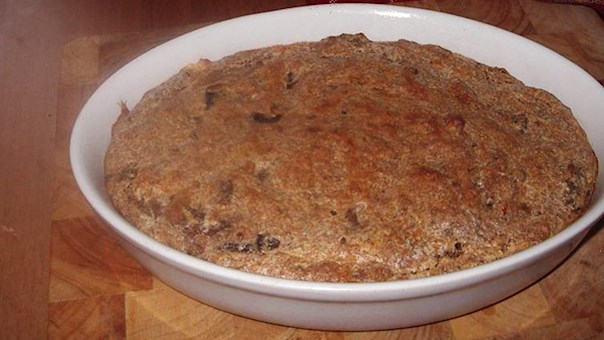
Ajdova kaša is a traditional dish originating from Slovenia. Although there are many variations, it's usually made with a combination of buckwheat, vegetable stock, onions, garlic, mushrooms, bay leaves, fat, parsley, salt, and pepper. The buckwheat groats are covered with the stock and slowly simmered in a pot with bay leaves and salt. The onions are sautéed in oil or butter and mixed with the mushrooms, garlic, salt, and pepper. The mixture is cooked until the water evaporates and it's sprinkled with chopped parsley. It is then mixed with the buckwheat, and ajdova kaša is typically served with roast meat or sauerkraut.
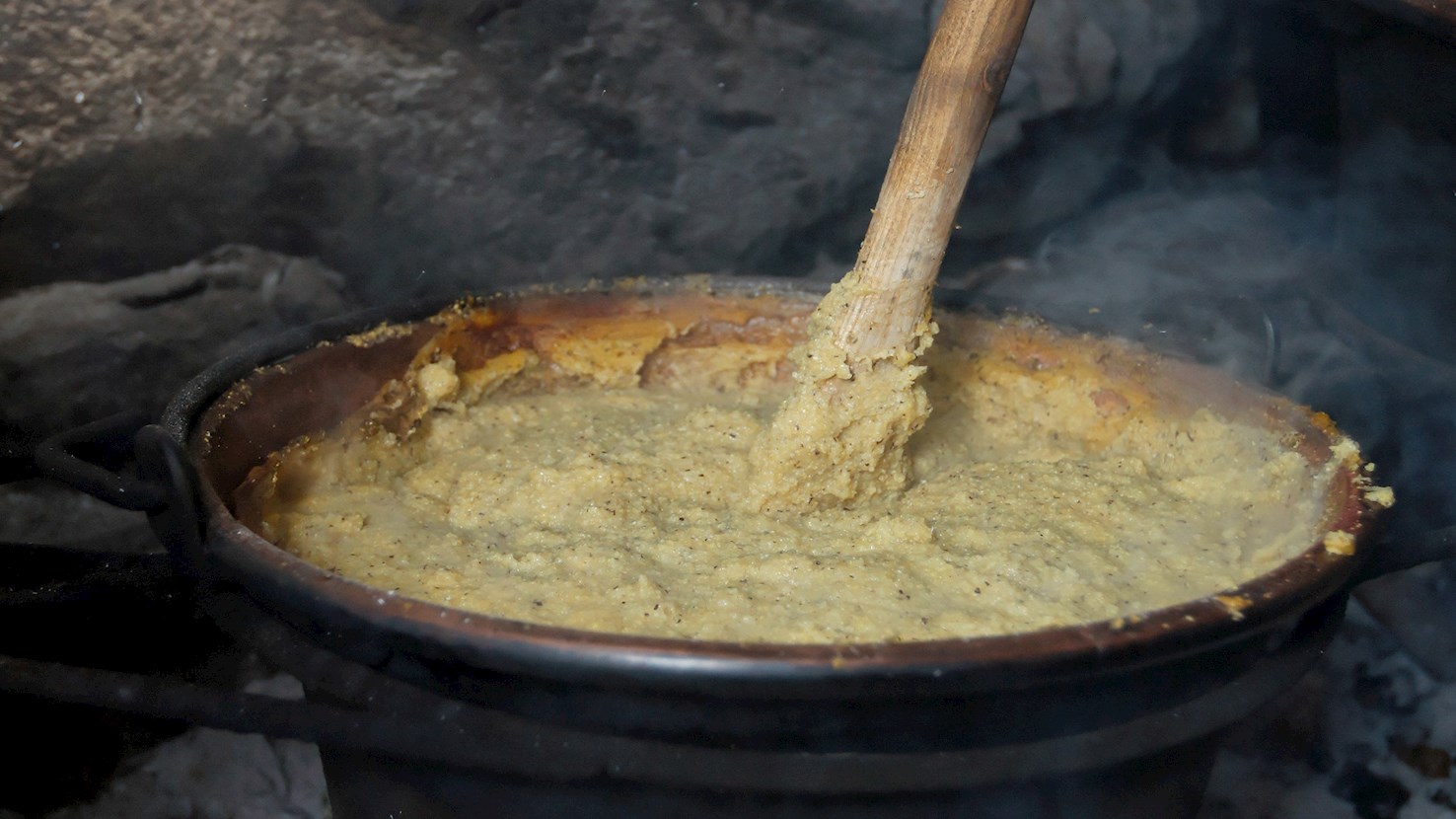
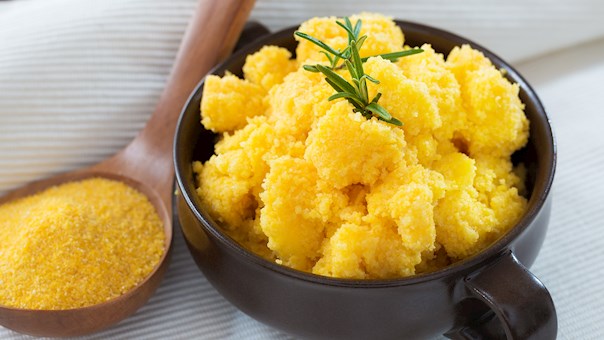
The authentic Ticino polenta should be cooked on an outdoor fire (or in a fireplace), but sadly, the practice is not common anymore. However, there are a few restaurants in the region that offer this traditional dish, prepared in the most authentic way – slowly and over a crackling fire. In order to cook the dish, coarse polenta is slowly cooked in water and frequently stirred for approximately two hours until it develops a wonderful golden color. Butter is usually stirred into the polenta for extra creaminess. When served, the polenta is traditionally accompanied by a vast number of Ticino specialties such as cheeses, mortadella, or braised meat.
A very old and traditional Polish dish called kasza gryczana ze skwarkami is a buckwheat porridge topped with cracklings. It consists of buckwheat groats cooked in salted boiling water, which are combined with fried bits of bacon, and sometimes fried sausage bits, onions, and garlic cloves. To preserve its warmth, people used pillows or small duvets to cover the dish, which is usually garnished with chopped parsley and accompanied by a glass of kefir or buttermilk. It pairs well with a variety of dishes, including sauces, casserole dishes, and meat dishes such as goulash. In Poland, kasza dishes, which consist of grains or seeds cooked in water or milk, are an essential part of Polish cuisine, dating back to medieval times.
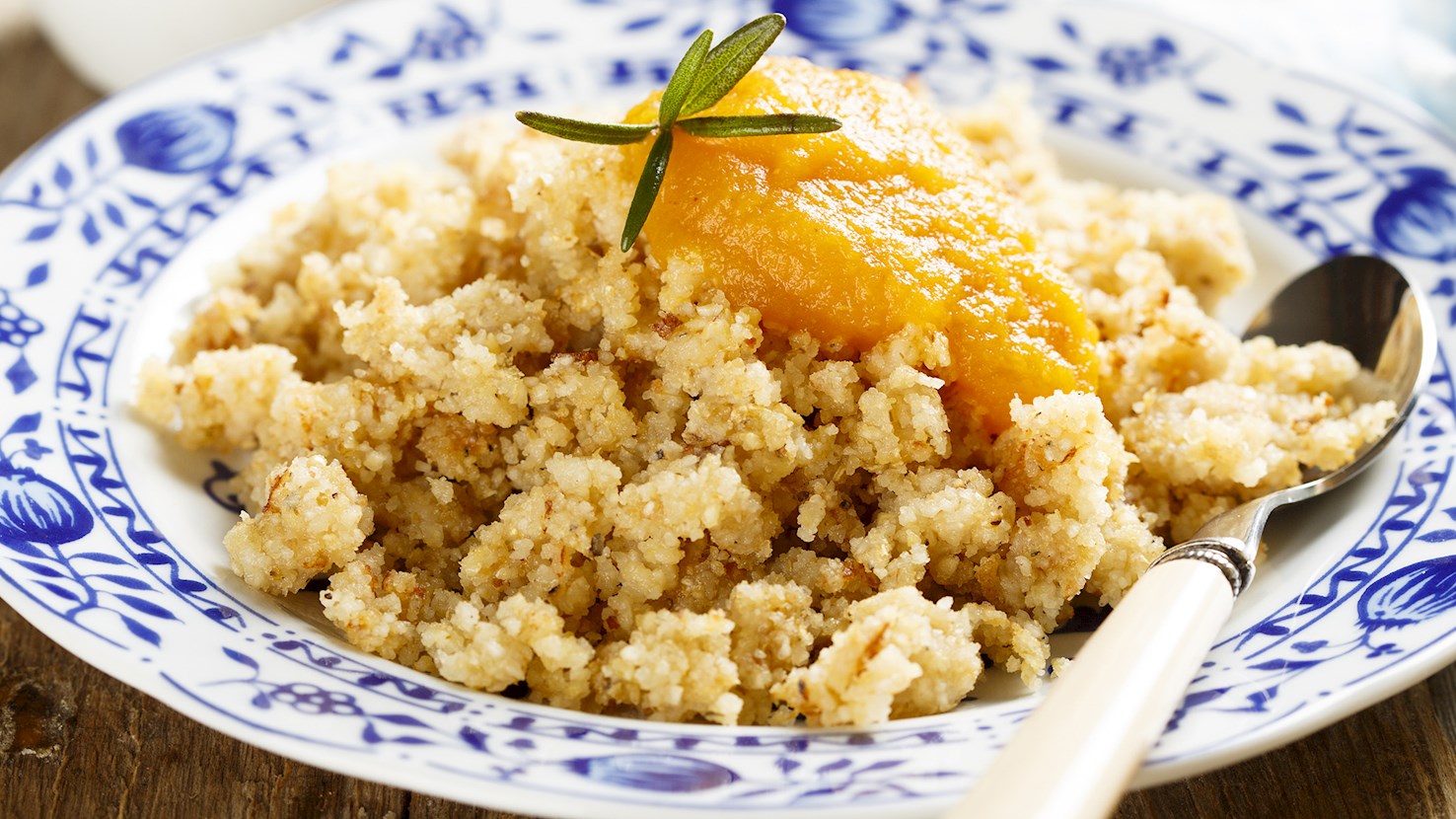
Riebel is a traditional dish originating from Vorarlberg. The porridge is made with a combination of cornmeal, milk, butter, and salt. The combination is left to simmer on the stove for a long time until it swells significantly. It is then fried in clarified butter while poking and cutting the mass into smaller pieces, usually with a large wooden spoon. This dish is traditionally served with stewed fruit, local cheese, or applesauce. Interestingly, until the 1970s, Riebel was a filling breakfast staple of farmers and poor families, but today it's usually prepared for dinner or lunch. Although sweet dessert versions are more classic than the savory ones, Riebel can also be enriched with mushrooms and cheese, and it is then served as an accompaniment to meat.
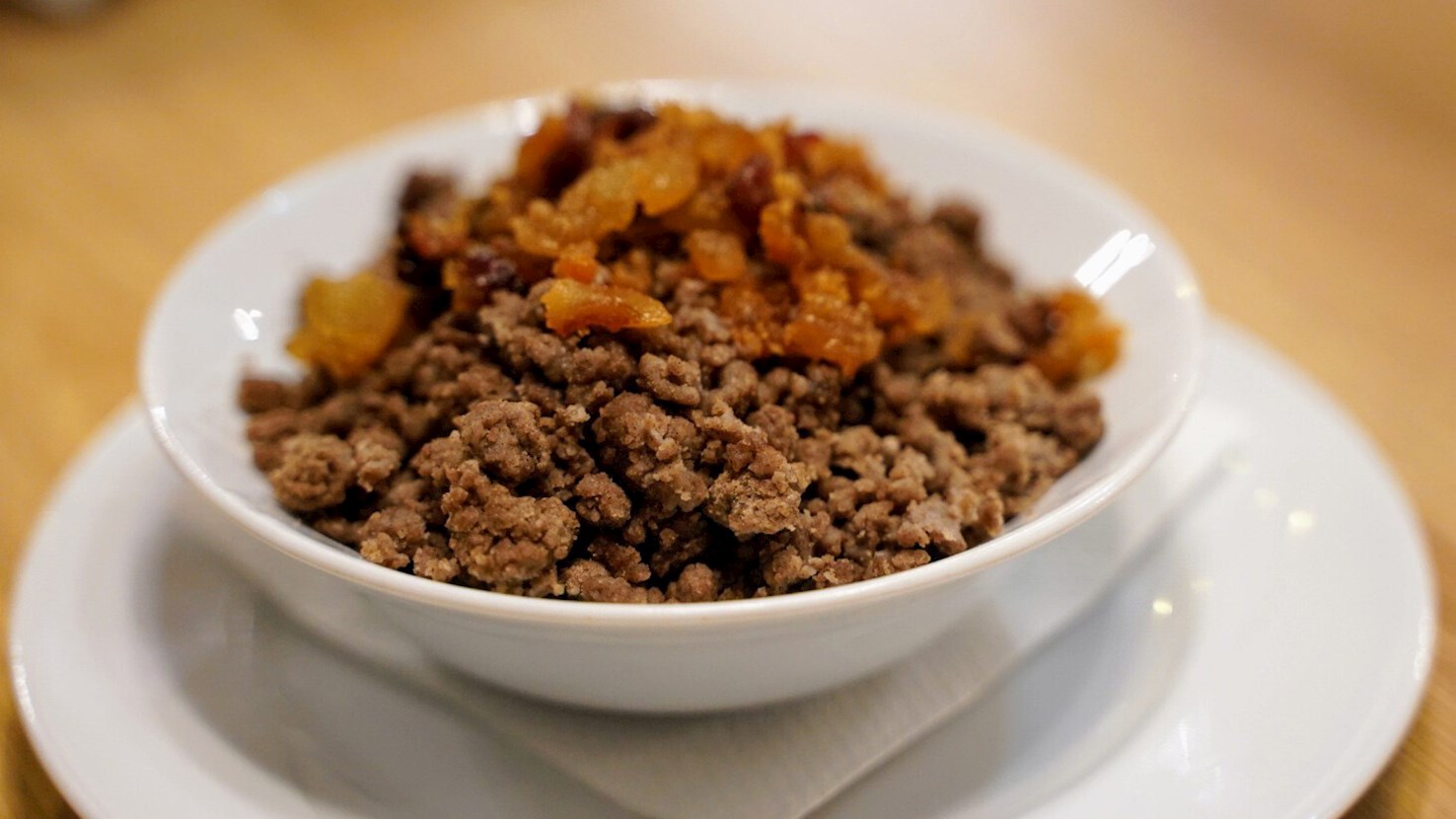
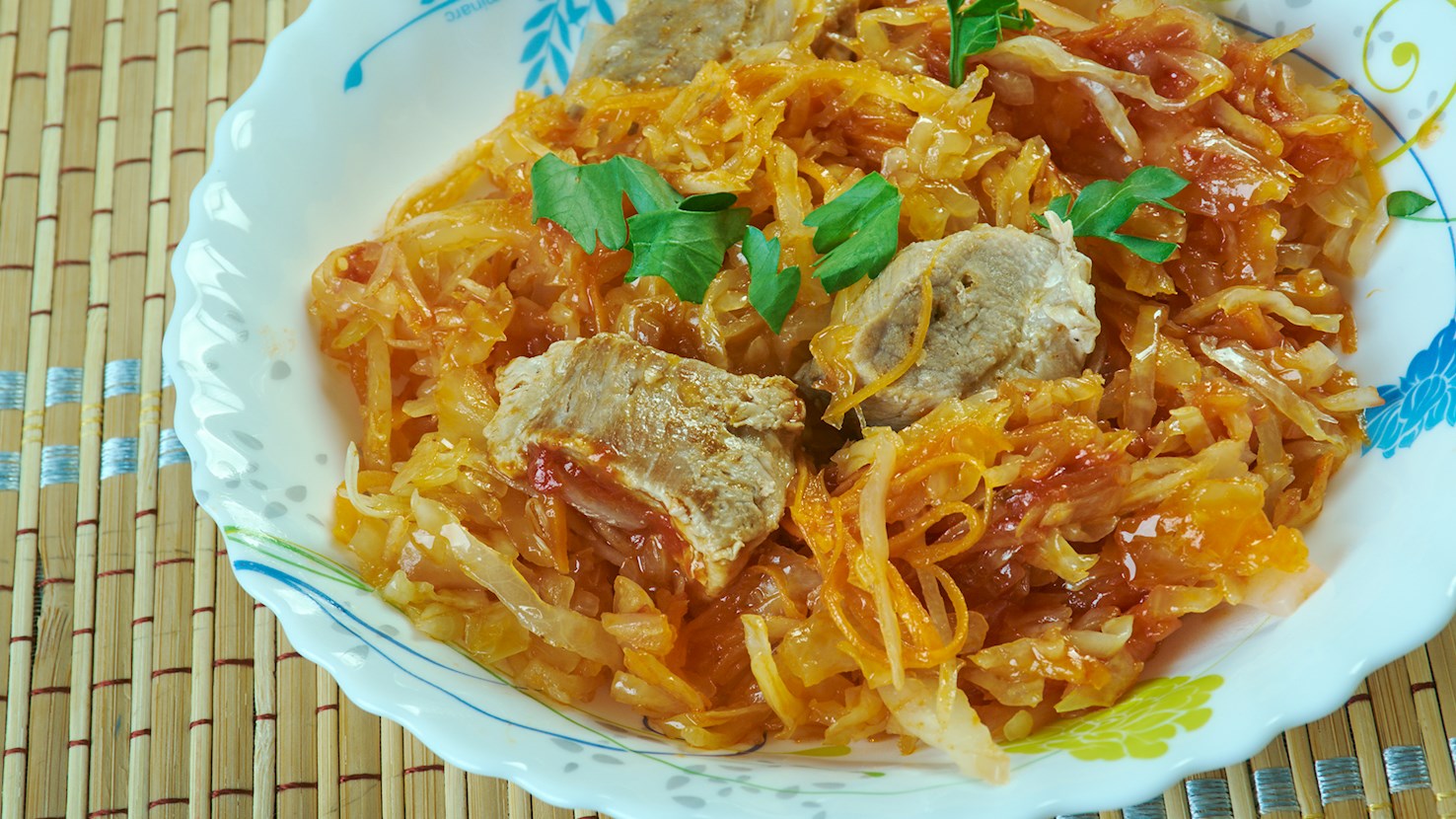
This hearty porridge is traditionally prepared with a combination of sour turnip, millet, and pork bones that have some meat and fat on them such as pork head, skin, or neck cuts. The dish is usually seasoned with zaseka - a preserve or a pâté made from cooked bacon, various spices, and local pumpkin seed oil. This once frugal dish was traditionally prepared during the annual pig slaughter, but nowadays it is one of the best representatives of traditional Prekmurje cuisine. It can be enjoyed as a main course or as an accompaniment to meat and potatoes.
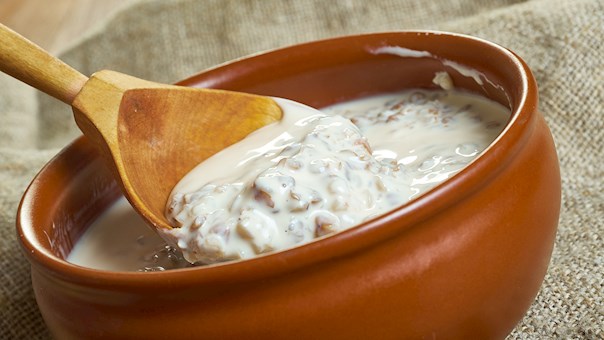
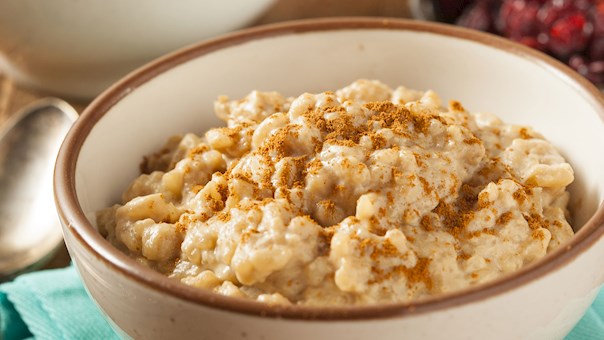
Grutjespap, also known as gruttenpap or boekweitgruttenpap, is a porridge made by gently cooking buckwheat groats in milk or buttermilk until they soften and thicken the surrounding liquid. Unlike flour-based porridge, it retains the small pieces of buckwheat, giving it a slightly grainy, substantial texture and a mild, earthy flavor. It is commonly served warm with butter, sugar, honey, or stroop. The main ingredient is boekweitgrutten: hulled buckwheat seeds that have been cracked or coarsely broken into smaller pieces. Despite its name, buckwheat is not a type of wheat or even a cereal grain. It belongs to the knotweed family, although its seeds have long been used in much the same way as grains. The groats do not normally need to be soaked overnight. They can be mixed directly with cold milk or buttermilk and then heated, or stirred into warmed dairy. Modern finely broken buckwheat groats cook particularly quickly, while coarser forms take somewhat longer. For a milk-based version, whole milk is heated gently with a small pinch of salt. The buckwheat groats are stirred in and cooked over low heat until they become soft, and the liquid thickens. Around 15 to 20 minutes is usually sufficient rather than a full hour. The porridge needs regular stirring, particularly toward the end, because the thickening buckwheat can easily stick to the bottom of the pan. A version made with karnemelk, or buttermilk, has a noticeably sharper, more acidic flavor. The buttermilk is heated particularly gently to keep it from separating. One method starts by mixing the groats and salt with a small amount of cold buttermilk, adding the rest gradually, and then heating everything slowly while stirring. As the groats cook, they absorb liquid and release enough starch to create a thick porridge while still retaining some texture. The finished consistency can range from loose and spoonable to firm enough to hold its shape, depending on the proportion of groats to liquid and the length of cooking. Grutjespap is usually served hot in a bowl or deep plate. One of the most characteristic ways of eating it is with a knob of butter placed in the center, and stroop poured over or around it. The butter melts into the warm porridge while the syrup adds sweetness to the earthy buckwheat. Sugar, honey, apple syrup, or fruit compote can also be used. Stroop should not be defined specifically as syrup made from sugar beets. In Dutch cooking, the word refers broadly to a thick syrup. Different kinds can be served with grutjespap, including pouring syrup and appelstroop, a concentrated fruit syrup based largely on apples. A particularly old-fashioned variation starts with an intentionally very thick porridge. Once cooked, the remaining gruttenpap is poured into a shallow dish and allowed to cool completely. As the buckwheat starch sets, the porridge becomes firm enough to cut into slices. The cold slices are then fried in butter until browned and crisp on the outside while remaining soft inside. This gebakken gruttenbrij could be served with butter and stroop and was also eaten as an alternative to a bread meal. It was not merely a way of rescuing leftovers but an established way of serving thick buckwheat porridge. Using plain water instead of dairy produces another old form. Buckwheat groats can be cooked with water into an especially firm porridge and then served with butter and syrup. Buttermilk may also be added toward the end of cooking rather than used as the main cooking liquid, which helps preserve its acidity and reduces the chance of curdling. Grutjespap belongs to the long history of buckwheat eating in the Netherlands. Buckwheat reached Europe from Central and East Asia during the Middle Ages and became particularly useful in regions where poorer soils made other crops more difficult to grow. It performed well on sandy soils and on prepared peatlands and became an important crop in several parts of the Netherlands. It was especially important in Drenthe and Groningen, where large areas of sandy and peat soil were suitable for buckwheat. Peatland cultivation involved draining the ground and burning the dry upper layer, after which buckwheat was sown into the nutrient-rich ash. Large areas of the Groningen-Drenthe peatlands were cultivated this way during the nineteenth century. Buckwheat was also grown elsewhere, including Overijssel, Brabant, and the sandy soils of the Gooi. In eighteenth-century Huizen, for example, buckwheat was one of the main crops because the poor sandy soil supported few alternatives, and the harvested seeds were processed into groats used for porridge and other foods. The crop became closely associated with inexpensive rural food. In Groningen it was regarded as volksvoedsel, everyday food associated particularly with poorer households, and buckwheat appeared in porridges, pancakes, poffert, and several other regional foods. In nineteenth-century Drenthe, buckwheat was particularly important to peat workers and poorer agricultural households. Records from Westerbork in 1878 describe peat buckwheat as especially important to the laboring population, and buckwheat porridge was one of the foods eaten regularly by peat workers. Frying buckwheat pancakes required relatively expensive fat or oil, making simple porridge the more economical option. Buckwheat cultivation declined sharply around the beginning of the twentieth century. The crop was vulnerable to frost and unpredictable weather, responded poorly to the fertilizers that benefited competing grains, and became less attractive as inexpensive grain became more widely available. Buckwheat porridge consequently shifted from an everyday staple toward an old-fashioned regional food.
Bryjka is a traditional dish that encompasses a number of dishes based on flour that is cooked in boiling water and typically served with some melted fat or butter in the center. Other ingredients are added to the porridge-like mixture to make it either savory or sweet, such as pork cracklings, pork fat, mushrooms, salt, herbs, chopped fruits, honey, sugar, and nuts. This dish is often associated with the Podhale region, where it is considered a traditional highlander soup that is believed to date back to the 19th century. The Podhale variant of bryjka was made by boiling flour in salted water until thick, then rubbing the flour mixture into wooden or earthenware bowls and serving it with pork fat, linseed oil, or lard, and sometimes buttermilk or milk whey. Proto-Polish Slavic tribes had their own version of bryjka that consisted of mashed bruised grains such as oats, millet, barley, or wheat, which was consumed either as a sweet dish or a savory one. This traditional flour dish is also considered a regional specialty of Stary Sącz, where the official name of the humble preparation is cyr, but it is generally called bryjka or highland pudding.
Steirischer heidensterz is a traditional rural dish made with buckwheat flour. Believed to have originated in the 15th century in the Austrian state of Styria, it is made by quickly pouring the buckwheat flour into boiling water with a pinch of salt, which creates large flour lumps. The water is then drained, and the lumps are mashed and mixed in a pot of melted lard. The compound is lightly stirred and left to cook for another few minutes until it is firm. Traditionally, the dish is served with a local version of mushroom soup or dumpling soup, but it can also be accompanied by sour milk. Heidensterz started out as peasant food because of the accessibility of the ingredients and its nutritional value, but in the early 19th century, it was declared a national dish in Styria and a culinary delicacy for all citizens, not only peasants.
Stip is a popular Dutch buckwheat porridge with a hole in the middle. The hole is traditionally filled with fried bits of bacon and syrup. The porridge is usually consumed by taking a piece of the porridge from the outside and dipping it into the syrup. Stip is especially popular among children, and it is very easy to prepare. The name of the dish is derived from the word stippen, meaning to dip into, referring to the traditional way of consuming the porridge.
TasteAtlas food rankings are based on the ratings of the TasteAtlas audience, with a series of mechanisms that recognize real users and that ignore bot,
nationalist or local patriotic ratings, and give additional value to the ratings of users that the system recognizes as knowledgeable.
TasteAtlas Rankings should not be seen as the final global conclusion about food. Their purpose is to promote excellent local foods,
instill pride in traditional dishes, and arouse curiosity about dishes you haven’t tried.










What People Say