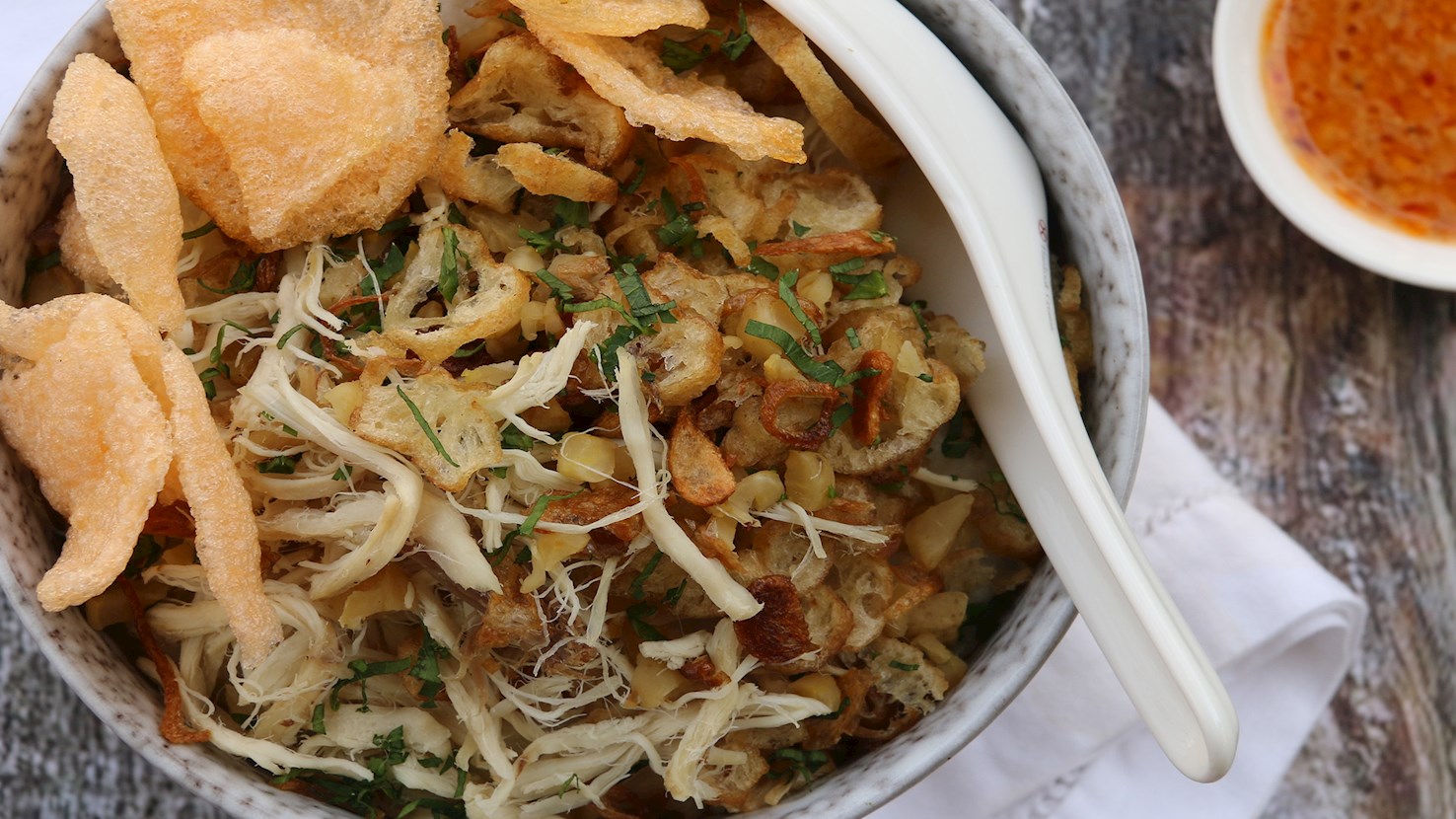
Bubur ayam is the Indonesian version of chicken congee, a thick rice porridge topped with shredded chicken and various savory condiments. This breakfast staple probably originates from the Chinese rice porridge, but it employs regionally available ingredients and toppings to create an authentic Indonesian dish. The process starts with boiling chicken (usually darker, on the bone pieces), and the same broth is typically used to cook the rice until it becomes dense in consistency. Besides rice porridge and shredded chicken, bubur ayam can employ a myriad of other ingredients. It is commonly topped with sliced scallions, crispy fried shallots, chopped cilantro, crushed peanuts, fried crullers, and sliced boiled eggs. Before it is served, bubur ayam is usually generously doused with soy sauce, sesame oil, or fish sauce. Unlike other traditional Indonesian dishes, this chicken porridge is not overly spicy, but the fiery sambal sauce can be served on the side, if desired. Bubur ayam is one of the most common street food varieties in Indonesia - each morning, numerous street vendors can be seen selling this comforting porridge as a nutritious breakfast dish.
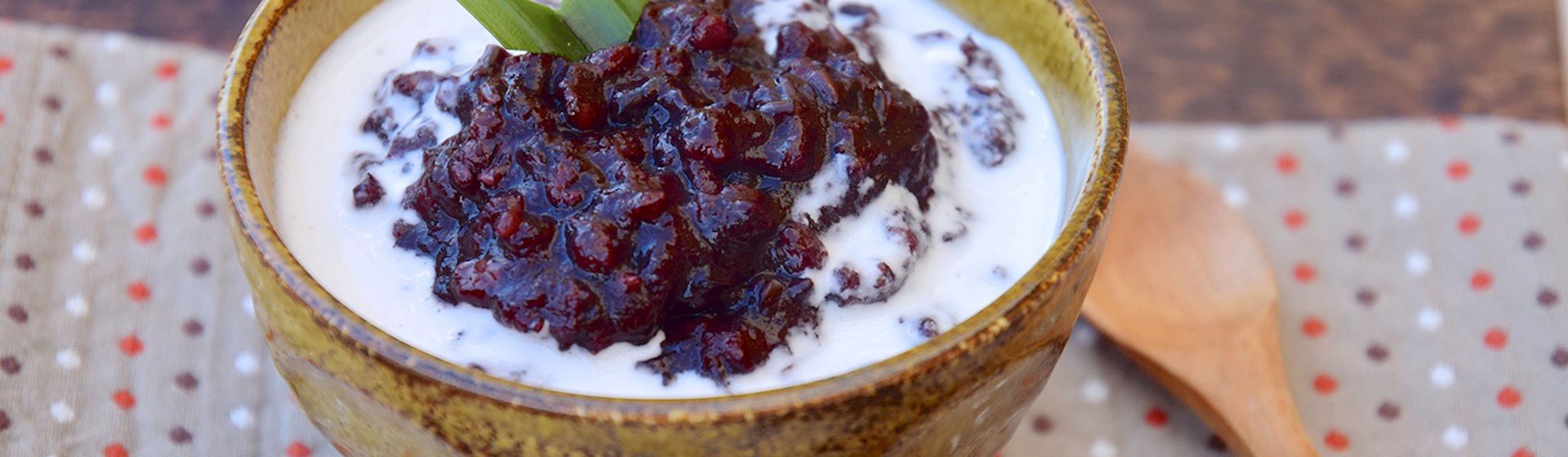
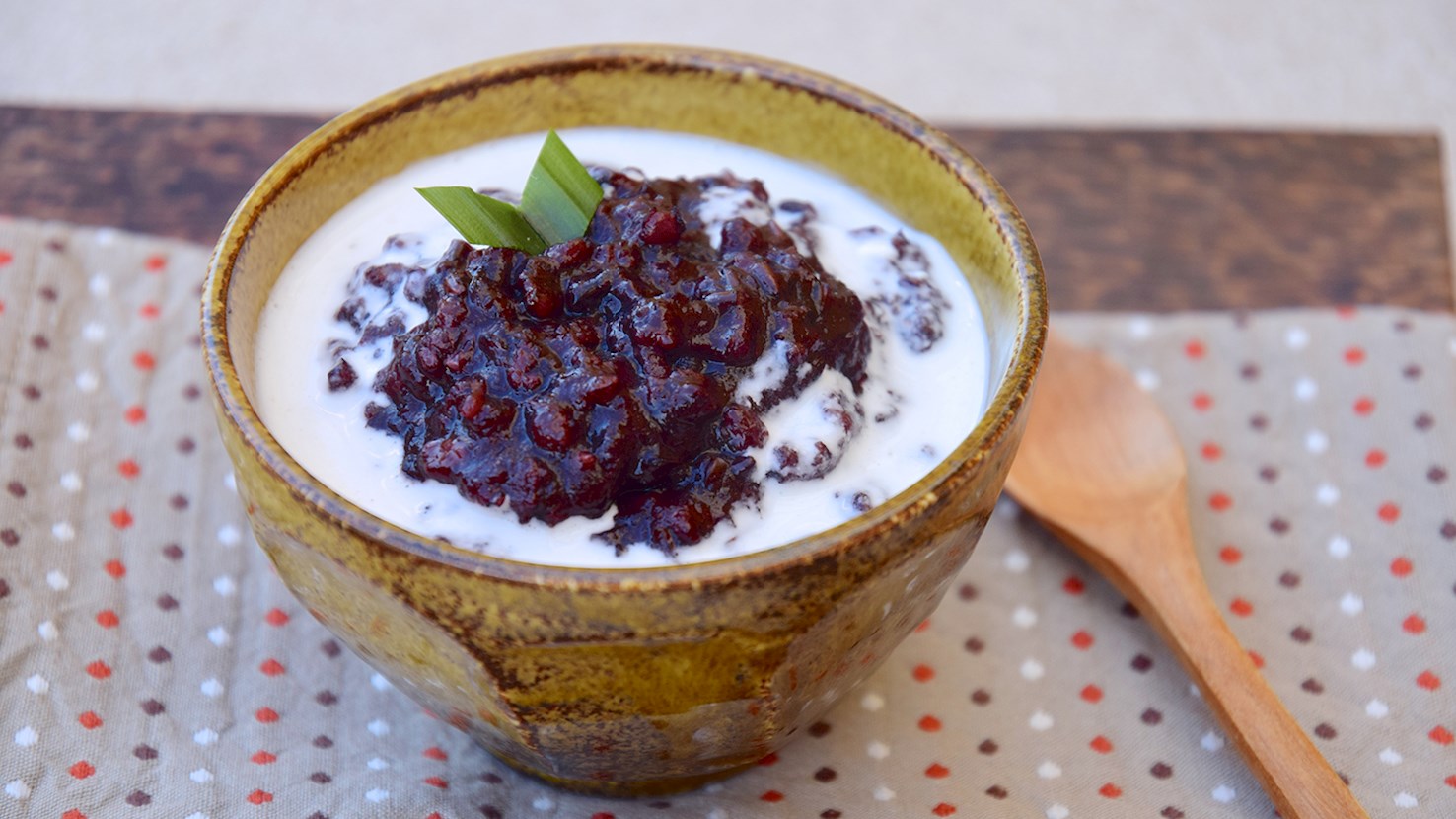
Bubur ketan hitam is an Indonesian dessert made from black glutinous rice that is slowly cooked into a thick, sweet porridge and typically served with coconut milk. It originates from Java but is enjoyed throughout Indonesia and across other parts of Southeast Asia with minor regional variations. The name translates directly to “black glutinous rice porridge,” where "bubur" means porridge, "ketan" refers to glutinous or sticky rice, and "hitam" means black. The dish is commonly eaten as a snack or dessert, particularly in the afternoon or during the fasting month of Ramadan as part of iftar meals. The main ingredient, black glutinous rice, is soaked for several hours or overnight to reduce cooking time and improve texture. It is then simmered in water until soft and slightly broken down, forming a thick consistency. During the final stages of cooking, palm sugar or granulated sugar is added to sweeten the porridge. The defining element is the topping of coconut milk, which is usually lightly salted to contrast with the sweetness of the rice. The balance of sweet and salty, along with the chewy texture of the rice and the creaminess of the coconut milk, creates a layered and satisfying flavor. Bubur ketan hitam is often served warm but can also be eaten at room temperature or chilled, depending on personal preference and climate. In some areas, it is combined with mung beans or bananas, or garnished with fried shallots or grated coconut, though these additions are optional and vary by region or household. The dish is widely available from street vendors, in food markets, and at home, where it is commonly prepared in large batches.
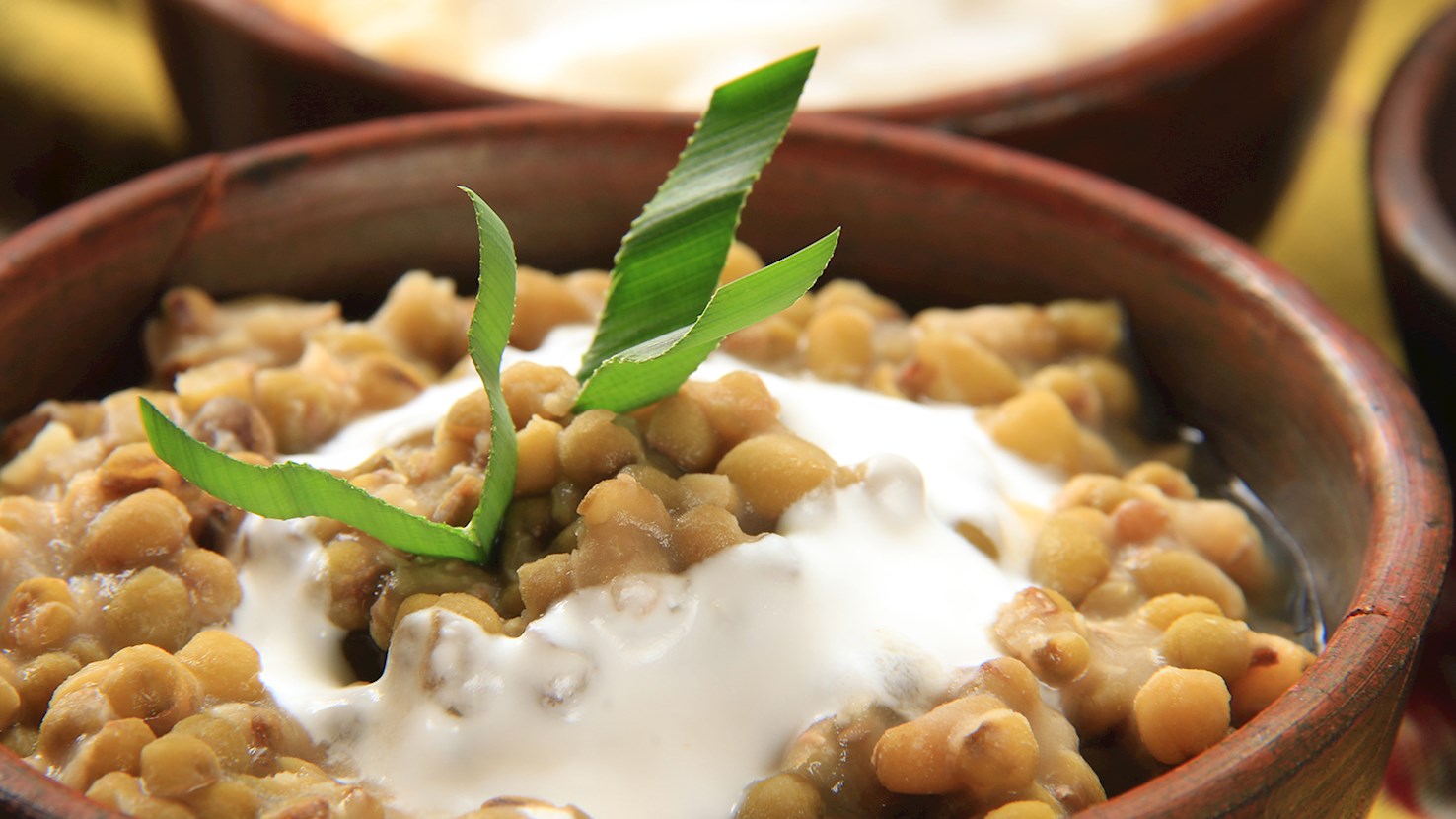
Bubur kacang hijau is an Indonesian dessert porridge made from mung beans, coconut milk, and palm sugar, commonly enjoyed across the archipelago as a breakfast, afternoon snack, or comforting dessert. The mung beans are slowly simmered until tender, then sweetened with rich, dark palm sugar and finished with creamy coconut milk, creating a porridge that is soft, fragrant, and naturally sweet with subtle earthy undertones. Bubur kacang hijau is typically served warm, though it is also enjoyed chilled or at room temperature, especially in the tropical climate where a cool, creamy bowl offers refreshing comfort. In many regions, the dish is enhanced with sticky rice or a pinch of salt in the coconut milk to balance the sweetness, and sometimes a swirl of condensed milk is added for extra richness. Despite its simplicity, preparing this porridge well requires patience, as overcooking can cause the beans to lose their shape, while undercooking leaves them too firm. The perfect version features intact yet tender mung beans suspended in a thick, slightly sweetened broth enriched by the fragrant, velvety coconut milk. It is sold by street vendors, served in local eateries, and made at home for both casual enjoyment and modest celebration.
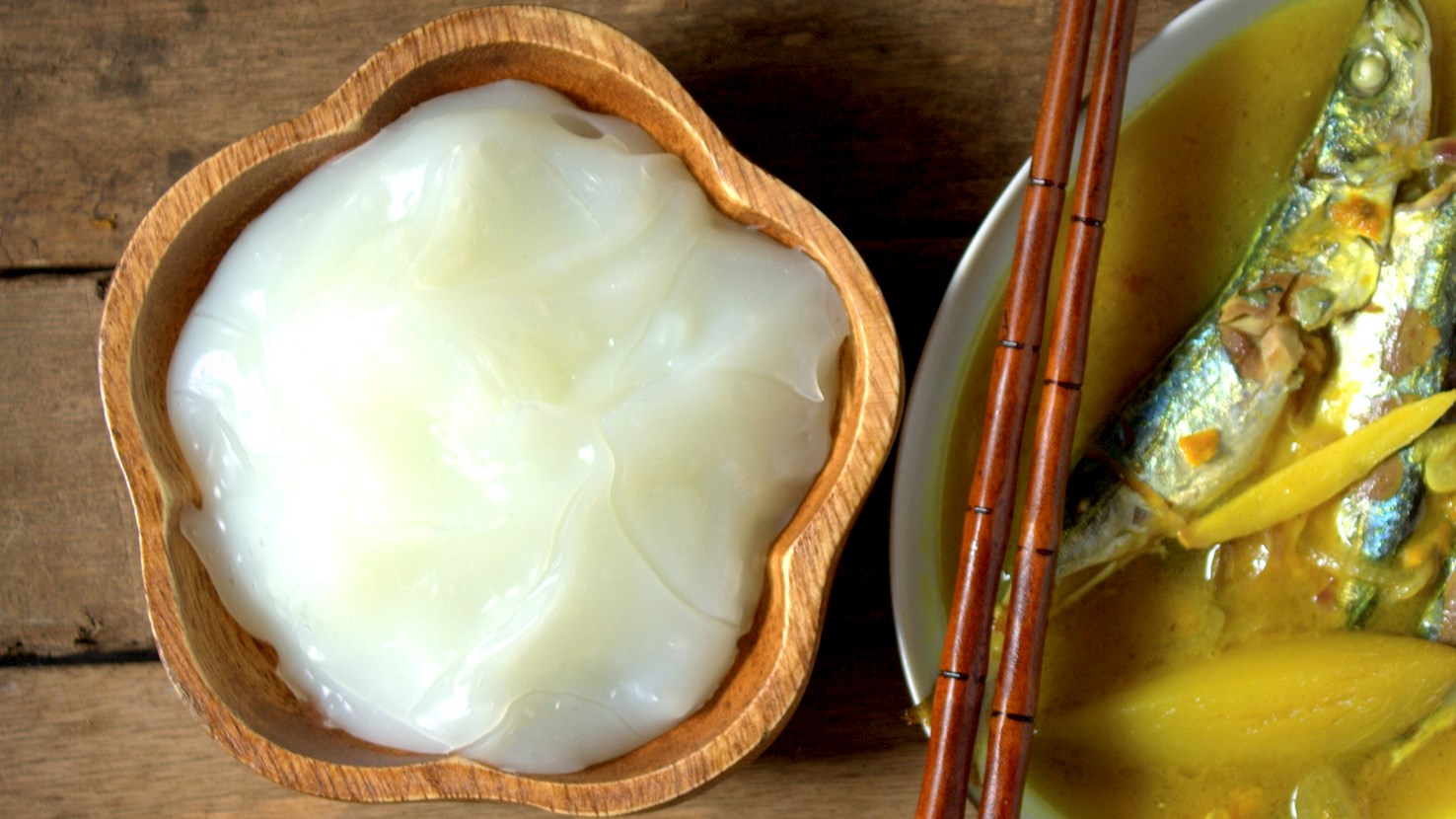
Papeda is a staple sago-based porridge from eastern Indonesia, particularly prominent in Papua and Maluku, known for its smooth, glue-like texture and neutral taste. Made by stirring sago starch with hot water until it thickens into a translucent, sticky porridge, papeda is typically served as a carbohydrate component in meals, much like rice in other parts of the country. It is almost always paired with rich and flavorful side dishes such as yellow spiced fish soup made with turmeric, or sautéed vegetables, which provide the necessary contrast and seasoning to balance its bland base. Eaten communally, papeda is scooped using chopsticks or a fork and twirled until it forms a manageable portion, then dipped or swirled into accompanying dishes. The dish reflects the agricultural and cultural realities of eastern Indonesia, where rice is less prevalent and sago palms provide a sustainable and locally sourced starch. Extracted from the pith of the sago palm trunk, the starch is dried and stored, then reconstituted with boiling water for daily use. The preparation and sharing of papeda is a deeply ingrained practice in local communities, often associated with family gatherings, ceremonies, and daily meals.
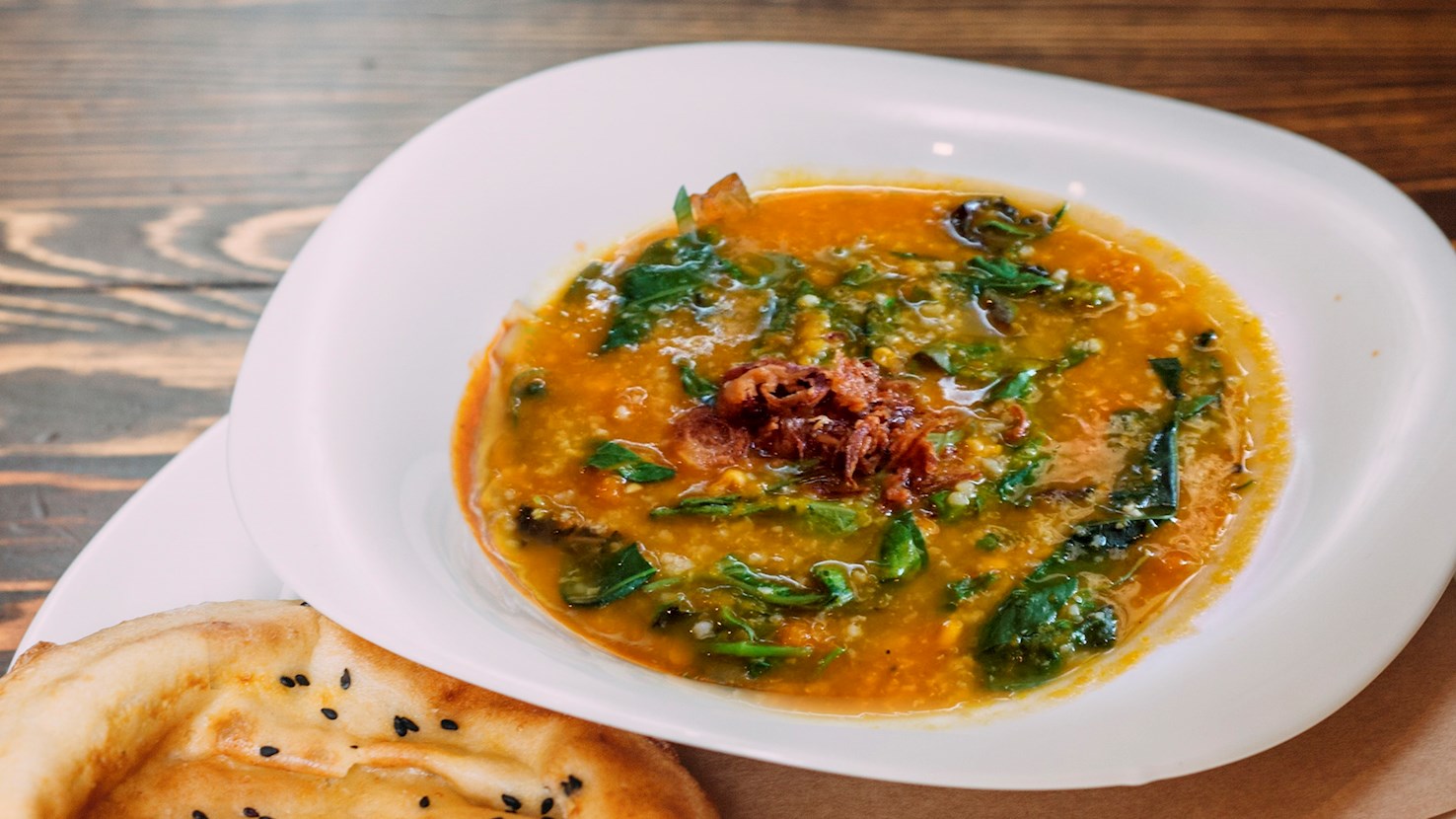
Tinutuan is a hearty rice porridge originating from Manado, the capital of North Sulawesi in Indonesia. It is considered a regional breakfast staple, widely appreciated for its comforting texture and use of locally available vegetables and herbs. Often referred to as Manadonese porridge, tinutuan reflects the agricultural and coastal influences of North Sulawesi, where rice, corn, and leafy greens are readily grown and incorporated into everyday cooking. Unlike plainer rice porridges found in other parts of Indonesia or Asia, tinutuan is notable for its rich combination of starches and vegetables, creating a thick, savory dish that is both filling and nutrient-dense. The base of tinutuan is made by simmering rice with corn kernels, cassava, or sweet potatoes until everything breaks down into a soft, porridge-like consistency. Toward the end of cooking, a variety of chopped vegetables are added, commonly including spinach, water spinach (kangkung), pumpkin, and sometimes basil or melinjo leaves. The mixture is cooked until the greens are wilted and well integrated into the porridge. The result is a flavorful and textured dish that combines sweetness from the corn, earthiness from the greens, and a soft, spoonable consistency from the rice and root vegetables. Tinutuan is typically served warm and accompanied by a range of side dishes and condiments. These may include fried shallots, salted fish, boiled eggs, sambal (chili paste), and sometimes smoked skipjack tuna or fermented soybeans (tempeh). The toppings vary according to availability and personal preference, but the balance of the base with savory and spicy accompaniments is central to the eating experience. In Manado, it is common to find tinutuan sold by street vendors or small eateries in the morning, often alongside other Minahasan breakfast items. The dish has also become a symbol of local culinary identity. In efforts to promote it more broadly, the local government of Manado has supported tinutuan as a signature dish of the city. A dedicated area known as “Wakeke Street” in Manado is even known for its morning porridge stalls that specialize in tinutuan and its variations.
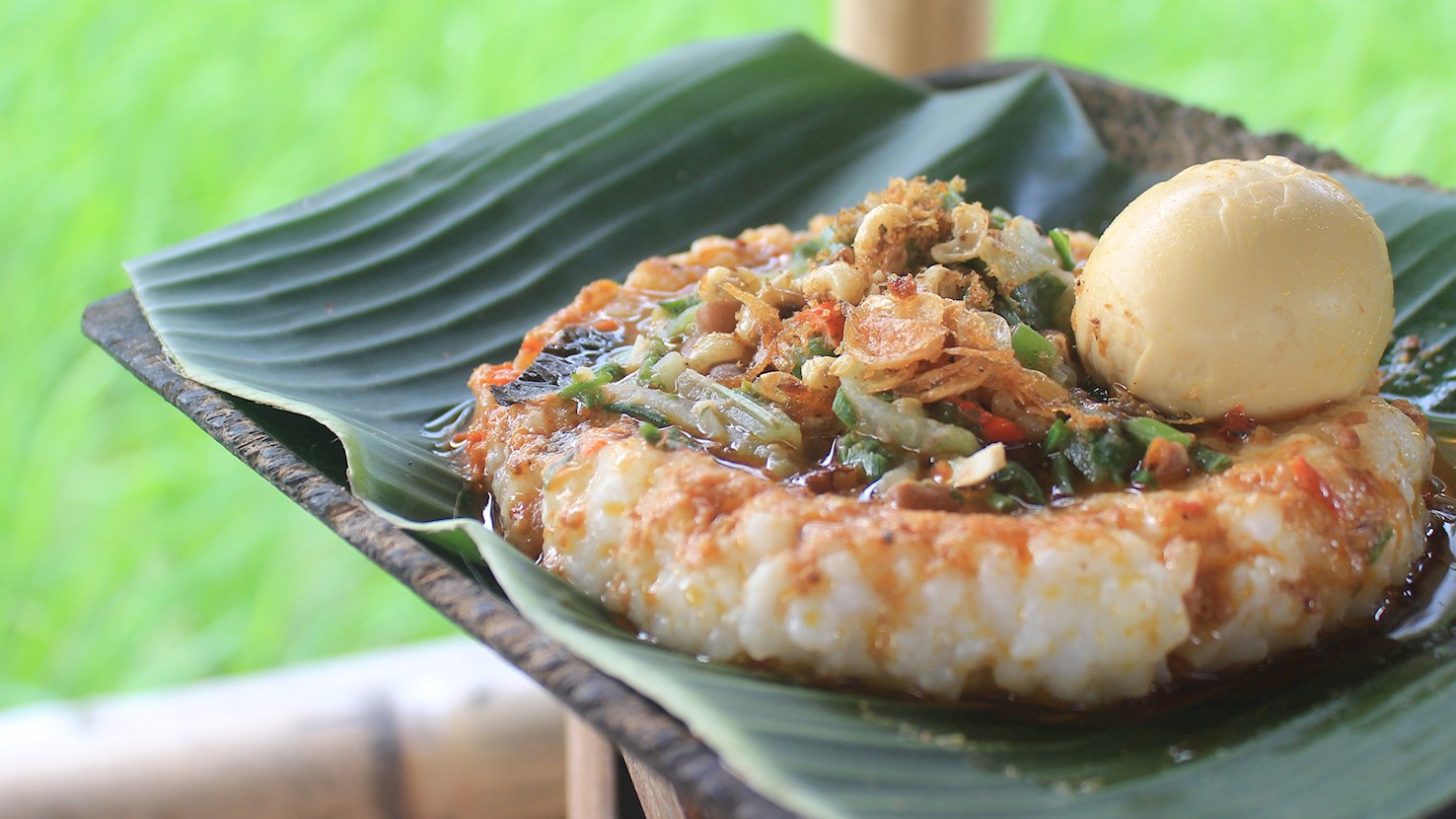
Nasi tepeng is a traditional Balinese dish that is particularly popular in the Gianyar region of Bali, a type of porridge made from rice that is cooked with a variety of vegetables and a rich blend of Balinese spices and herbs. The result is a comforting and flavorful dish that is enjoyed for breakfast or as a warm, nourishing meal at any time of the day, often served with a side of sambal (a spicy chili paste) for those who prefer an extra kick. The base of nasi tepeng is made from white rice that is cooked until it reaches a soft, porridge-like consistency. To this, a mixture of local vegetables such as eggplant, spinach, jackfruit, and sometimes cassava leaves are added. What truly sets nasi tepeng apart, however, is the use of a specific Balinese spice paste known as base gede or bumbu Bali. This paste is a complex blend of ingredients including garlic, shallots, ginger, turmeric, galangal, chili peppers, lemongrass, and more, giving the dish its distinctive flavor profile.
TasteAtlas food rankings are based on the ratings of the TasteAtlas audience, with a series of mechanisms that recognize real users and that ignore bot,
nationalist or local patriotic ratings, and give additional value to the ratings of users that the system recognizes as knowledgeable.
TasteAtlas Rankings should not be seen as the final global conclusion about food. Their purpose is to promote excellent local foods,
instill pride in traditional dishes, and arouse curiosity about dishes you haven’t tried.



What People Say