





shutterstock

Top 18 Italian Porridges

Last updated on June 15, 2026
01

Polenta taragna

3.9 ·

Polenta taragna is an elaborate polenta spin-off made with a mix of yellow cornmeal and buckwheat flour, enriched with butter and cheese that are mixed in right before serving. The name comes from the word tarai or tarel, referring to the wooden tool traditionally used to stir the polenta that's cooked in a copper pot hung inside the fireplace. The main characteristics of polenta taragna are its dark grayish color, due to the use of buckwheat flour, and rich creaminess coming from the cheese. The cheeses used in the dish may vary, but they’re commonly local, semi-fat, medium-ripened cow-milk cheeses such as Valtellina Casera, Bitto, Branzi, or Fontina. Polenta taragna can be enjoyed on its own, as the main course, or served alongside cold cuts and Italian pickles. Buckwheat production in Valtellina dates back to the 1600s, so it is no surprise that it is used in many traditional local dishes such as this one.

02

Polenta concia

3.8 ·

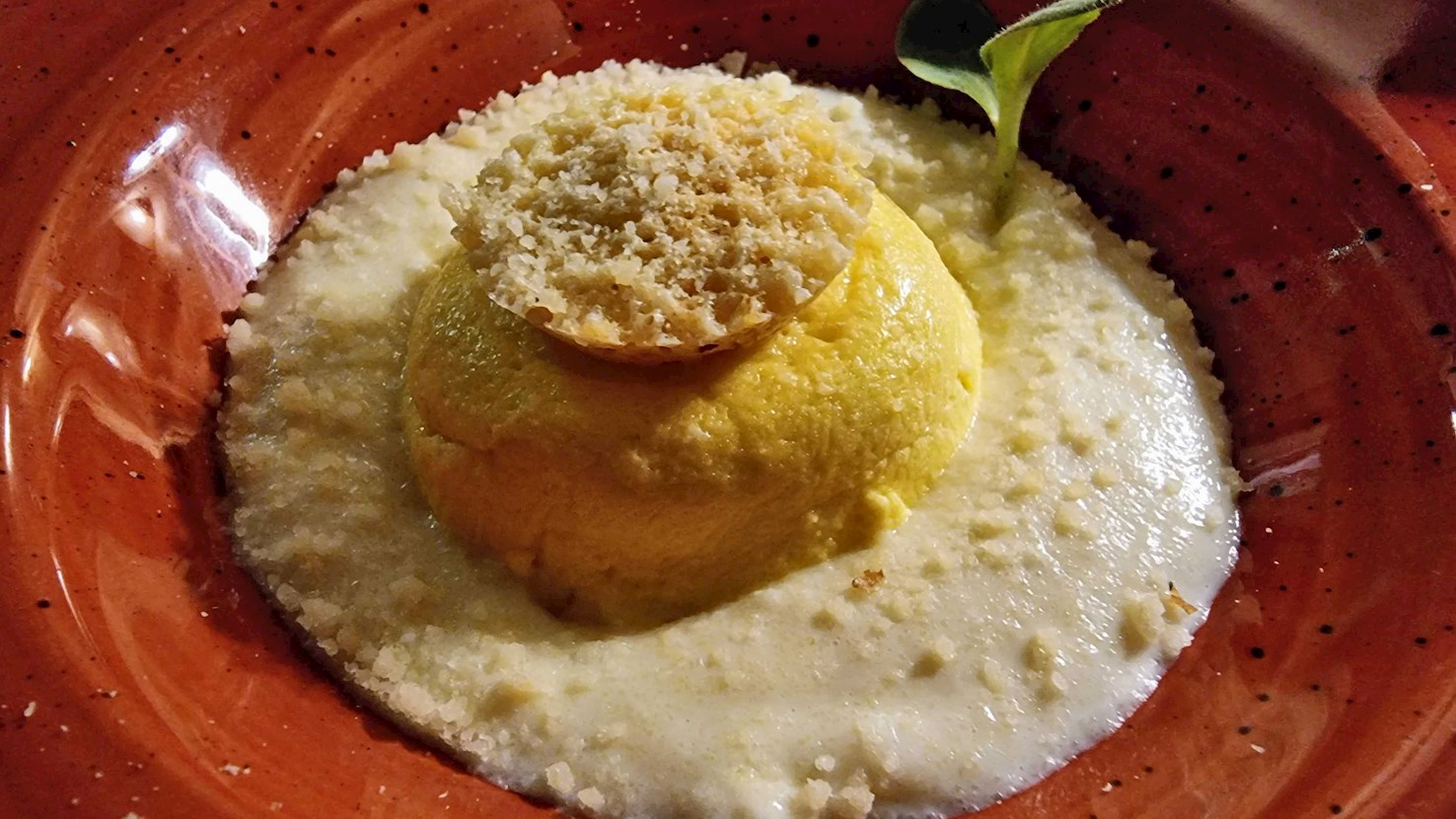
Polenta concia (or cunsa in local dialect) is a rich, creamy version of polenta that is traditionally prepared in a copper pot. The list of ingredients explains why it is also known as polenta grassa, meaning fat polenta: the dish consists of cooked polenta and Fontina Valdostana cheese (or similar Alpine cheeses) that are topped with sizzling melted butter. Just like many other mountain dishes, polenta concia definitely isn’t low on calories, but it is a perfect comfort food for cold winter days, especially when paired with a glass of full-bodied local red wine such as Enfer d'Arvier.

03

Polenta

3.6 ·

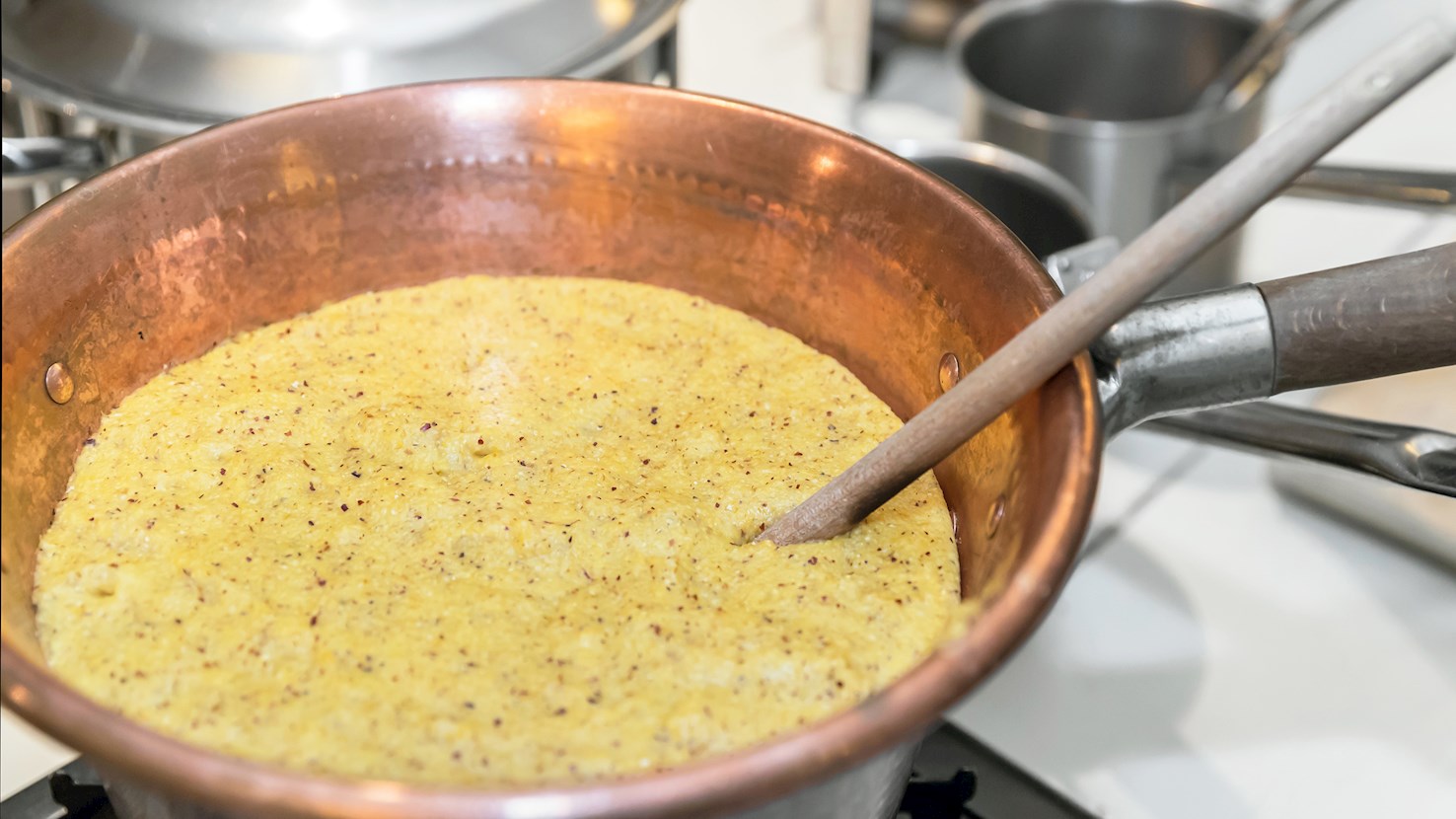
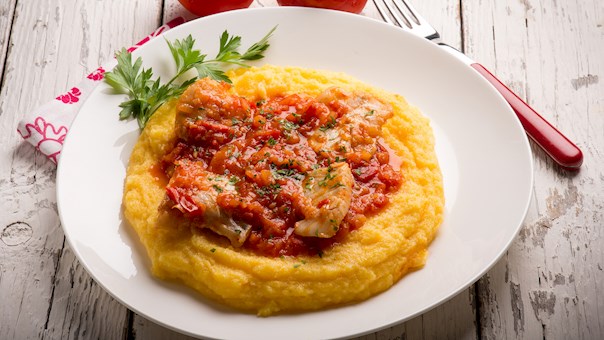
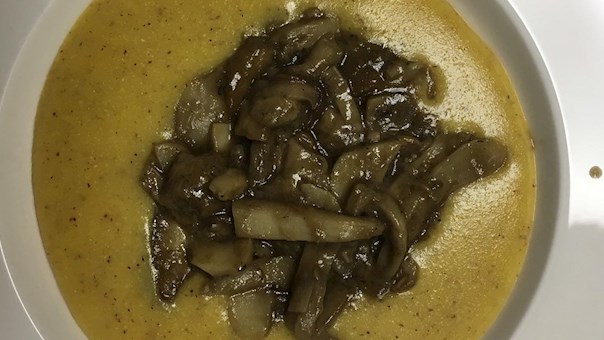
Polenta is an ancient dish of Northern Italian origin, most commonly made from coarse corn flour cooked in water. Although polenta today is characterized by its intense yellow color, before the arrival of corn in Europe in the 16th century, it was made with spelt, rye, and buckwheat, which gave it a much darker color. In Roman times, polenta was called pulmentum, and it was a staple of both peasants and Roman soldiers, who were given portions of grain as field rations. In Italy today, polenta is still made using a copper pot called a paiolo and a long wooden spoon known as a tarello. The boiled polenta is poured onto a flat surface or into a pan and left to cool and harden, and the cooled polenta cake is then traditionally cut into slices with a wooden knife or a cotton thread. Polenta is also characterized by its versatility; it can replace bread or pasta, it can serve as a side to fish or meat, or it can even be grilled and served with tomatoes and mushrooms. Despite its humble beginnings, in recent years, polenta has made a steady move towards gourmet audiences and high-end restaurants.

04

Polenta taragna della Valchiavenna

3.5 ·

Polenta taragna della Valchiavenna is a variation on the traditional polenta, originating from the Valchiavenna area in northern Italy. The porridge is made with a combination of wheat flour, cornmeal, local dark buckwheat flour, butter, salt, and cheeses such as Bitto, Magnuca, and Parmigiano-Reggiano. All types of flour are added to boiling salted water and cooked in a copper pot for an hour while stirring. Near the end of cooking, when the porridge has thickened, the cheeses are added to the mix and melted completely. This type of polenta taragna is then served hot, typically on a basla, a traditional wooden serving dish.

05

Cuccia

n/a ·

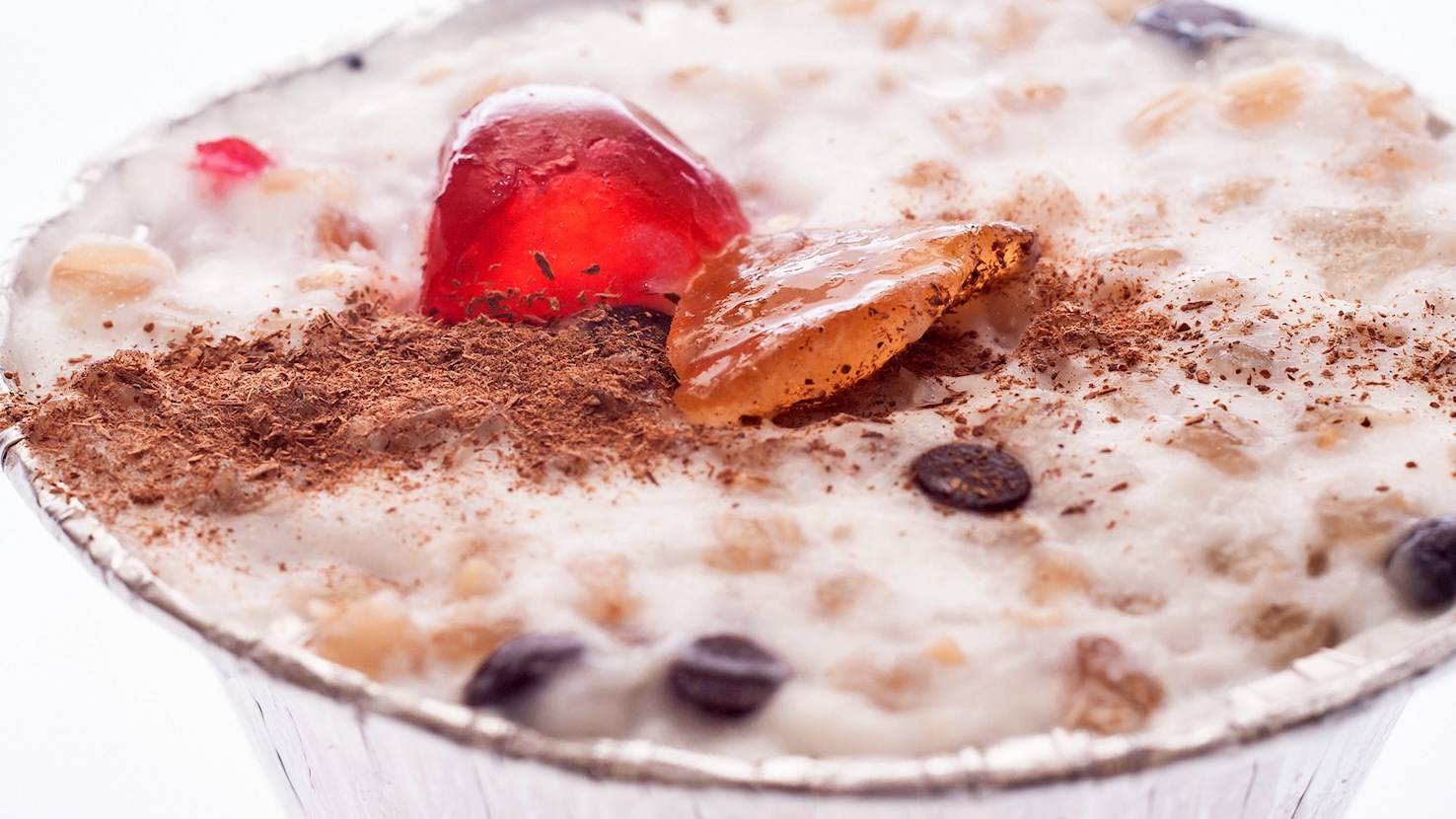
Cuccia or dolce di Santa Lucia is a unique Sicilian dessert consisting of wheat berries, ricotta cheese, and sugar. Some cooks like to add dark chocolate, cinnamon, or candied fruit into the combination in order to enhance the flavors. The dish is traditionally consumed on December 13, known as the Feast of Santa Lucia, celebrating the eponymous martyr who ended famine in Sicily by bringing a ship full of wheat to Syracuse. Cuccia requires a few days of preparation and it's traditionally served cold.

06

Polenta e bogoni

n/a ·

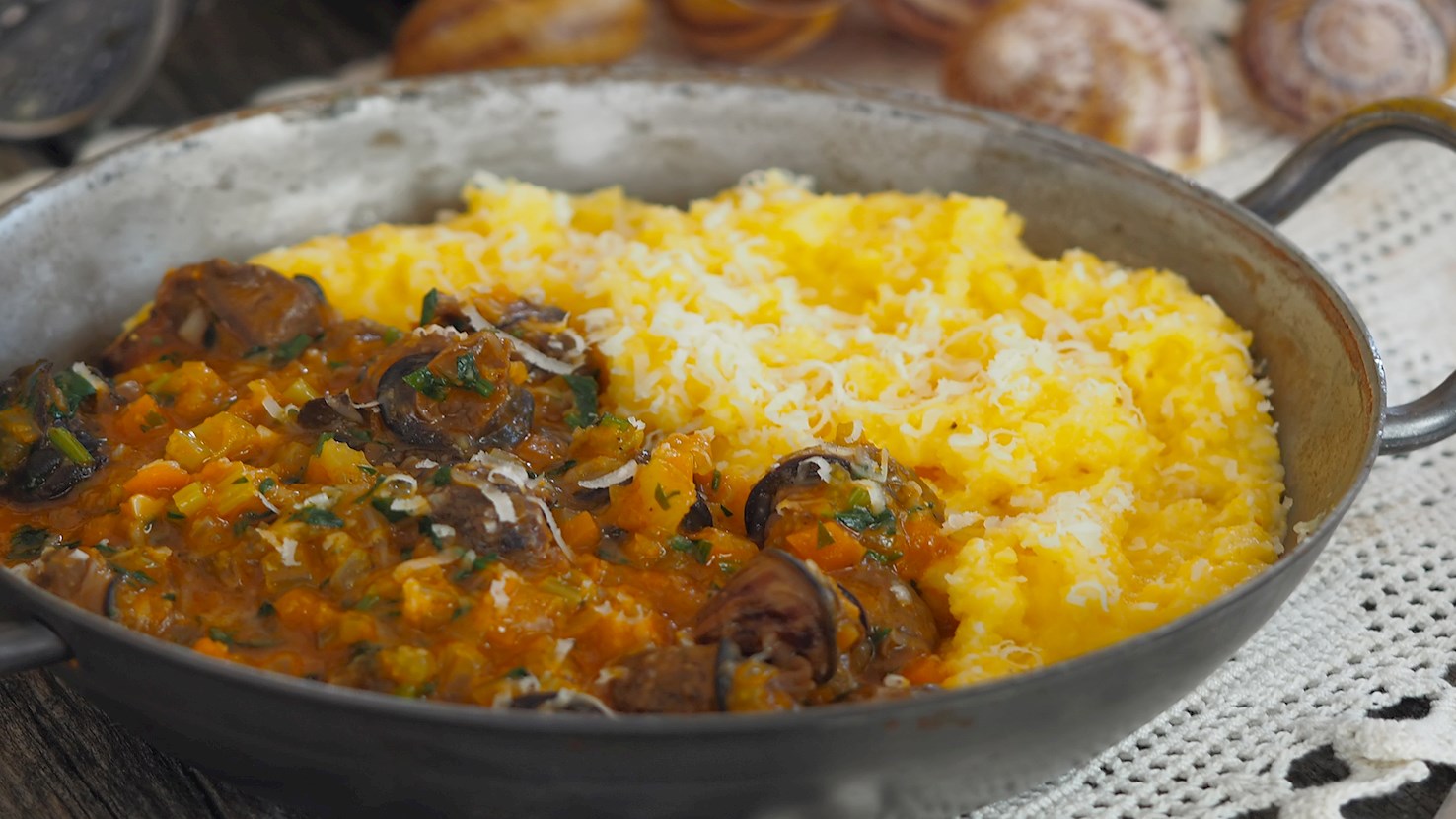
Polenta e bogoni is a traditional dish of the Veronese cuisine that is especially popular in the area of Garda. In order to prepare the dish, snails are first cleaned, parboiled, washed with salt and vinegar, then boiled one more time with vinegar, garlic, bay leaves, celery, and onions. The snails are then baked or cooked with lemon zest, chopped onions, parsley, and garlic. If desired, white wine and butter can also be added to the pan. It takes about four hours for the snails to cook, and once properly prepared, they are served on a bed of tender and creamy polenta.

07

Zuf

n/a ·

Zuf is a traditional dish originating from the countryside of Friuli. The dish is usually made with a combination of pumpkin, flour, cornflour, water, milk, sage leaves, and salt. The pumpkin and sage leaves are cooked in boiling salted water. Once cooked, both are mashed with a fork and mixed with the two types of flour while stirring in order to prevent lumps. The heat is lowered and the mixture is cooked for about half an hour. The dish is served hot in individual bowls and it's often accompanied by a small ladle of cold milk. This pumpkin porridge is typically eaten for breakfast and it was usually served in the winter as a hearty meal for farmers and field workers. If desired, add a bit of butter to zuf for extra richness, or add sugar for more sweetness.

Best restaurants
08

Polenta cröpa o crupa

n/a ·

Polenta cröpa o crupa is a traditional porridge originating from the Valtellina area of Lombardy, where it was once prepared by shepherds in the mountain pastures. Nowadays, this version of polenta in fiur is made with a combination of local dark buckwheat flour, cornmeal, potatoes, cream, cheese, and salt. The potatoes are boiled, puréed, then added to boiling cream in a pot, along with cornmeal and dark buckwheat flour. The mixture is continuously stirred until it becomes thick. For the final touch, cubes of semi-fat cheese are added to the polenta until they melt, and the dish is then ready to be served, typically on a basla, a traditional wooden serving dish.

09

Polenta nera

n/a ·

Polenta nera or black polenta is a variation on the traditional polenta, originating from the Valtellina area of Lombardy. The porridge is made entirely with local dark buckwheat flour with no added cornmeal. Other ingredients include potatoes, butter, cheese, and salt. Unlike polenta in fiur, this version is not cooked in cream, but in water, just as regular polenta. In order to prepare the dish, the potatoes are boiled in salted water, mashed, then mixed with the dark buckwheat flour and butter. The porridge is cooked for an hour while continuously stirring. Just before the end of cooking, when the mixture becomes thick, cubes of semi-fat cheese are added to the black polenta, and the dish is then ready to be served.

10

Polenta in fiur

n/a ·

Polenta in fiur is a traditional porridge originating from the Valtellina area of Lombardy. This type of polenta is made with local dark buckwheat flour instead of cornmeal. Other ingredients include salt, Valtellina Casera cheese, and cream, which is used as a replacement for water. The cream is brought to a boil with a bit of salt, and dark buckwheat flour is then added a bit at a time while continuously stirring the porridge with a wooden spoon in order to prevent lumps from forming. When the mixture becomes thick and comes off easily from the sides of the pot, polenta in fiur is ready. Before it's removed from the heat, the cheese is stirred in, and the creamy dish is then ready to be served, typically on a basla, a traditional wooden serving dish.

Read more
View all
View map
About this ranking

TasteAtlas food rankings are based on the ratings of the TasteAtlas audience, with a series of mechanisms that recognize real users and that ignore bot, nationalist or local patriotic ratings, and give additional value to the ratings of users that the system recognizes as knowledgeable. For the “Top 18 Italian Porridges” list until June 15, 2026, 436 ratings were recorded, of which 377 were recognized by the system as legitimate. TasteAtlas Rankings should not be seen as the final global conclusion about food. Their purpose is to promote excellent local foods, instill pride in traditional dishes, and arouse curiosity about dishes you haven’t tried.

Similar lists