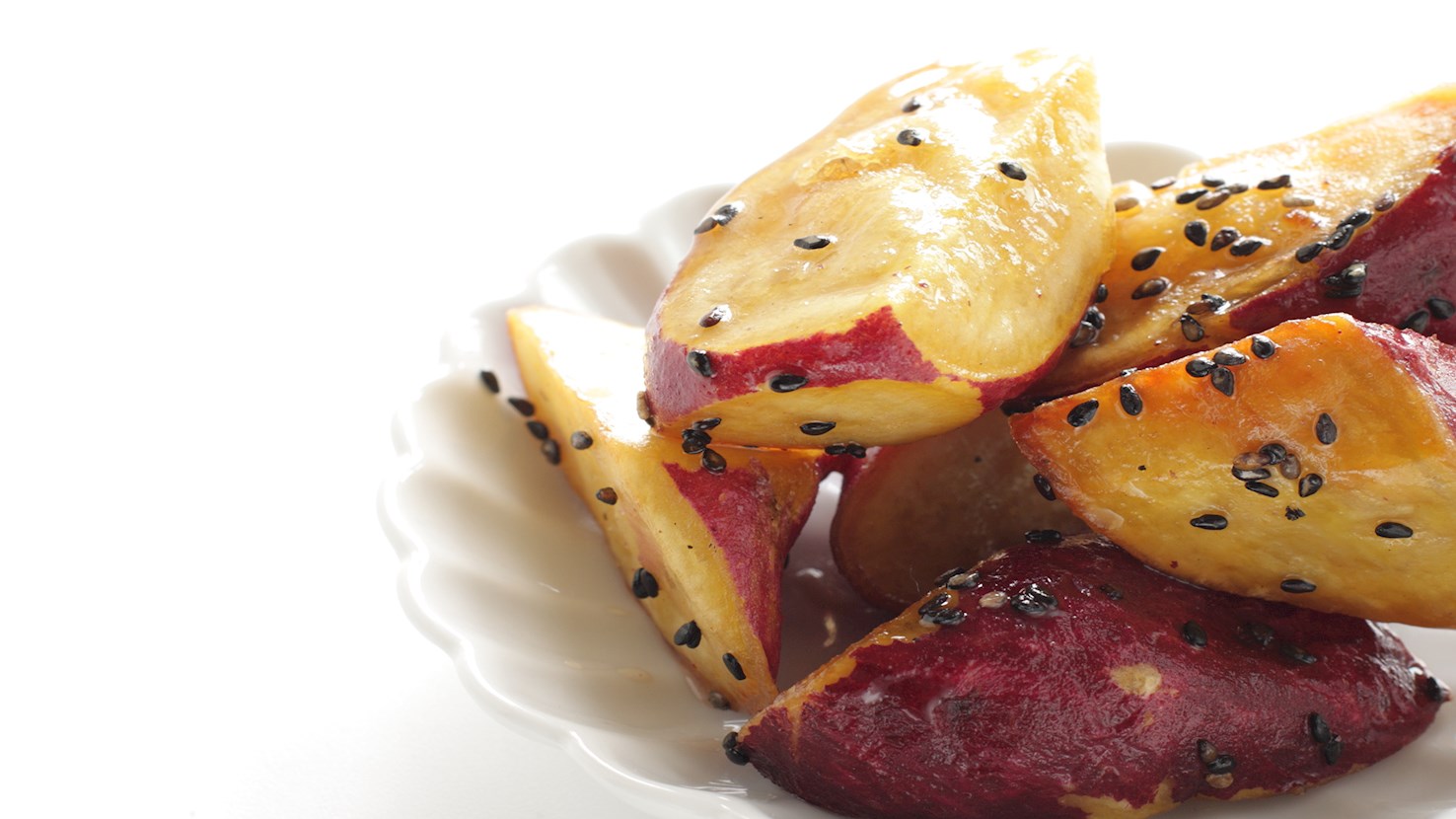
The crispy daigaku imo are Japanese deep-fried potatoes coated with a sweet sugar glaze. Glossy and crispy from the outside, the potato chunks stay juicy, tender, and soft on the inside. Since the name of this affordable treat translates to university potatoes, it is believed they first appeared among the student population in the early 1900s, and they are still prepared and sold at numerous student fairs. Prior to serving, they are traditionally sprinkled with toasted sesame seeds and enjoyed as a nutritious snack.
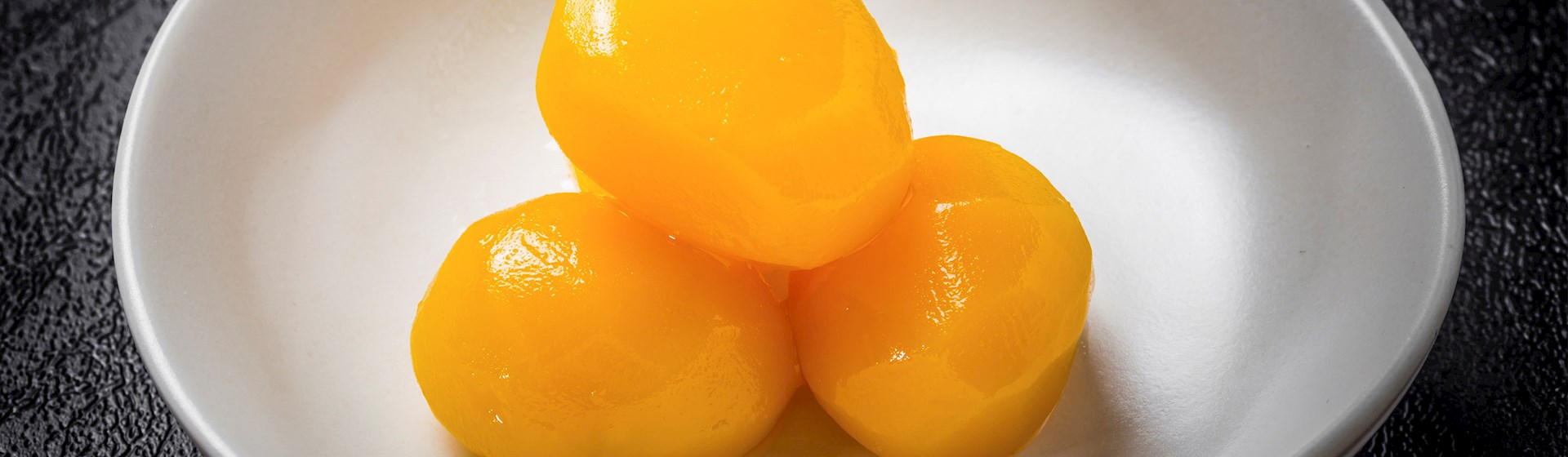
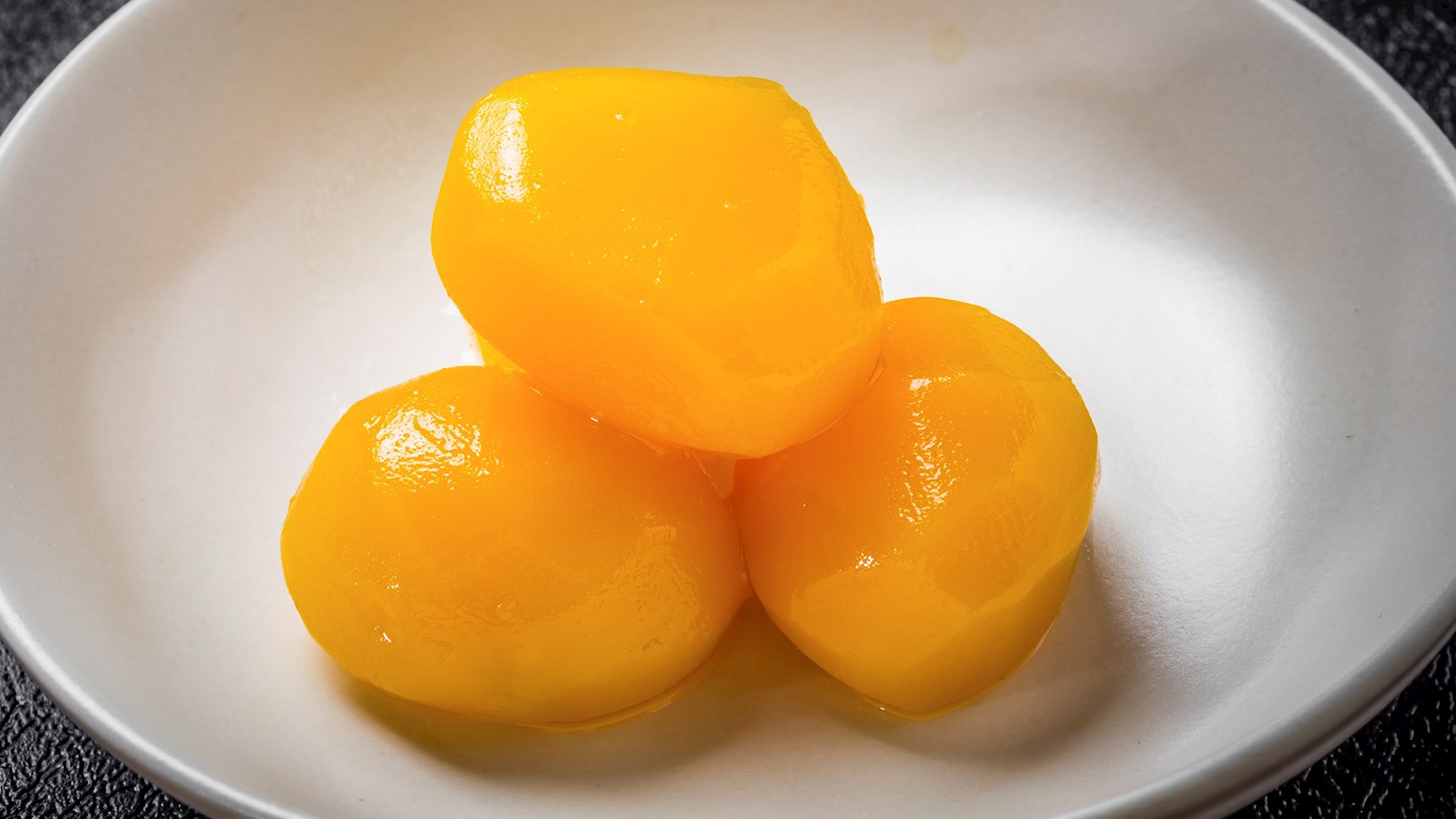
Kuri kinton is a traditional meal consisting of mashed sweet potatoes and chestnuts in chestnut syrup and mirin. Literally translated, it means chestnut gold mash, its bright, golden yellow color symbolizing economic prosperity and wealth, which is the reason why kuri kinton is traditionally consumed on New Year. Although the dish is quite sweet, it is not considered a dessert in Japanese cuisine. It is recommended to use Japanese sweet potatoes called satsumaimo instead of regular sweet potatoes, since they are much sweeter than the regular variety. Dried gardenia pods are a welcome addition to the dish, giving it a more intense yellow color.
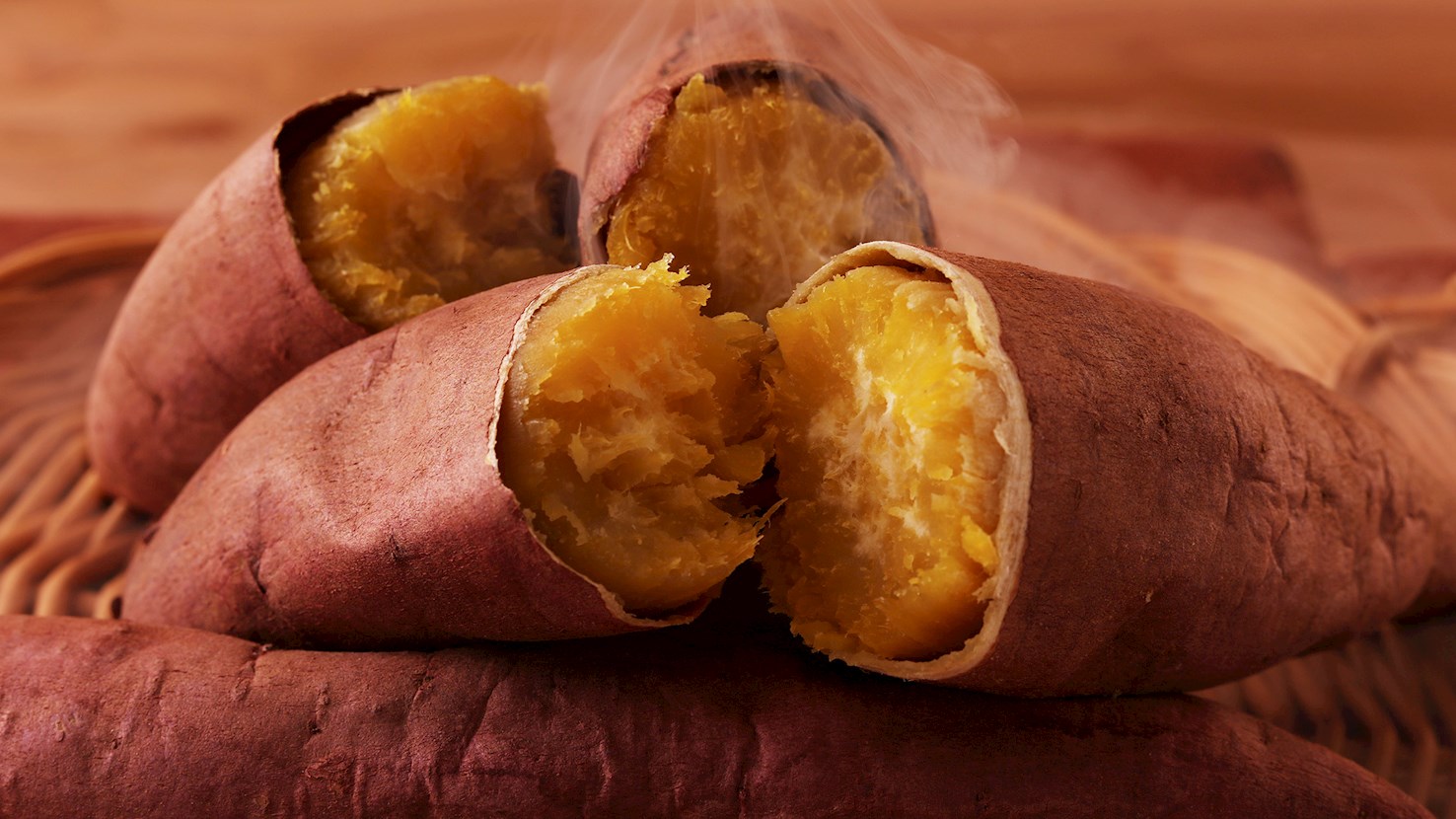
Sweet roasted potatoes, known as yaki imo in Japanese, are one of the favorite and most comforting winter snacks eaten in the country. Even though different varieties can be employed, yaki imo is usually prepared with traditional Japanese potatoes - large in size and with a dark purple skin and bright yellow center. The potatoes are mainly sold by street vendors who grill them on hot black stones. Originally, street vendors had hand pulled trolleys, but today the majority of them prepares their delicacies on specially designed trucks equipped with traditional stoves and grilling stones. Many Japanese convenience stores also offer yaki imo during the cold winter months. Whether bought at a store or from a street vendor, they are always served with the skin intact, fresh and piping hot, usually in simple brown paper bags. Their dense texture and sweet flavor reminiscent of chestnuts makes them an incredibly satisfying snack and a comforting street food item.
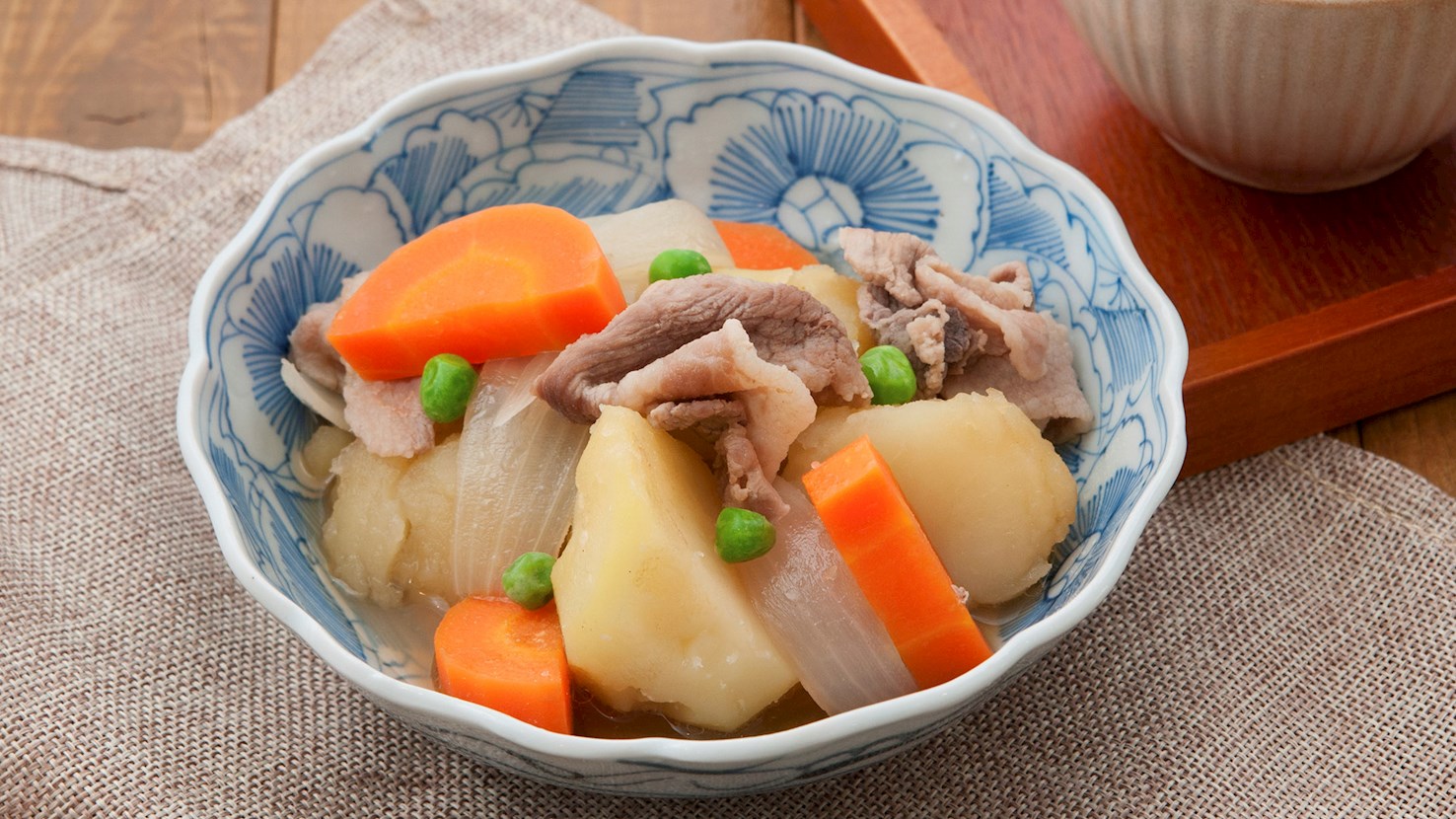
Nikujaga is a dish of thinly sliced meat, starchy potatoes, and sweet onions, gently simmered to tender perfection in a savory-sweet broth made from dashi, soy sauce, sake, and mirin. Translating literally to "meat and potatoes," this soulful stew is widely celebrated across Japan as the ultimate ofukuro no aji, or "taste of mother's cooking," evoking a deep sense of nostalgia and domestic warmth. The dish traces its origins to the late 19th century, during the Meiji period, with culinary legend attributing its creation to Admiral Tōgō Heihachirō of the Imperial Japanese Navy, who, having studied in Portsmouth, England, supposedly ordered his naval chefs to recreate the hearty beef stews he had enjoyed abroad. Lacking European staples like red wine, butter, and demi-glace, the resourceful cooks turned to traditional Japanese pantry items to flavor the broth, inadvertently creating a masterpiece of cultural adaptation that seamlessly blended Western stewing concepts with classic Japanese flavor profiles. The preparation of nikujaga relies heavily on the harmonious absorption of flavors, often using an otoshibuta—a traditional drop lid that rests directly on the simmering ingredients—to prevent the delicate potatoes from breaking apart and to ensure the sweet, umami-rich liquid is evenly distributed. Regional variations dictate the choice of protein, with highly marbled, thinly sliced beef favored in western regions like Kansai, and pork taking precedence in eastern areas like Kanto, yet both versions typically include translucent shirataki (konjac) noodles, which act as miraculous flavor sponges. Once cooked properly, the meat melts in the mouth, the carrots and onions offer a gentle sweetness, and the potatoes, thoroughly saturated with the mahogany cooking liquid, become incredibly rich and savory. Nikujaga is served simply alongside a steaming bowl of short-grain white rice and a comforting cup of miso soup.
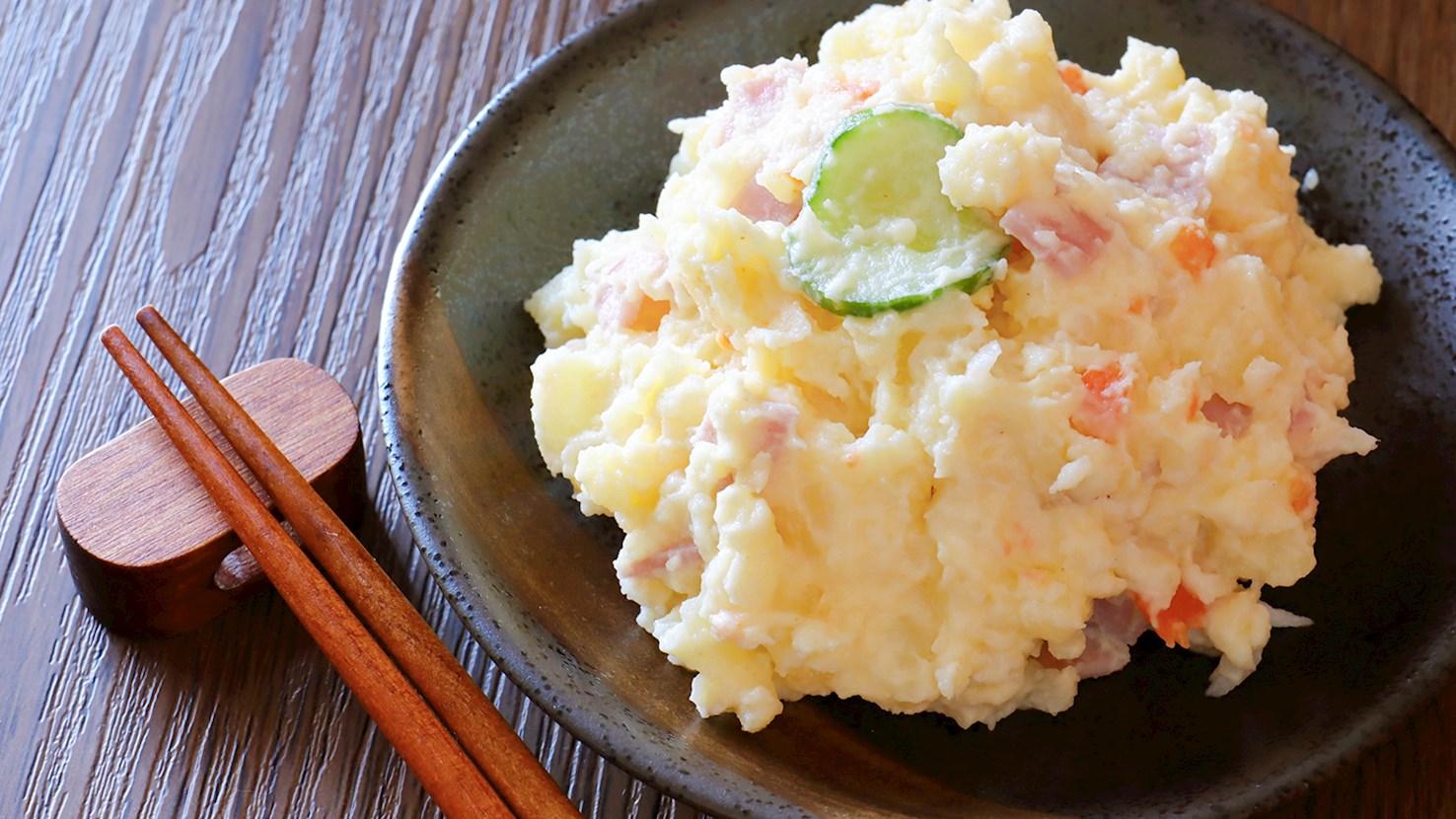
Japanese potato salad is a traditional salad that's a staple at izakayas (informal bars), but it's also often prepared at home. Although there are many variations and many ingredients can be added to the salad, it's usually made with a combination of half-mashed potatoes, sliced carrots and cucumbers, hard-boiled eggs, and sometimes ham. The salad is seasoned with Japanese kewpie mayonnaise and sometimes rice vinegar. It's often enjoyed as a side dish in bento lunch boxes. Japanese potato salad can be served warm or cold, but what's important is that it should always be both creamy and crunchy. If there are any leftovers, they can be used to make potato salad sandwiches.
TasteAtlas food rankings are based on the ratings of the TasteAtlas audience, with a series of mechanisms that recognize real users and that ignore bot,
nationalist or local patriotic ratings, and give additional value to the ratings of users that the system recognizes as knowledgeable.
TasteAtlas Rankings should not be seen as the final global conclusion about food. Their purpose is to promote excellent local foods,
instill pride in traditional dishes, and arouse curiosity about dishes you haven’t tried.


What People Say