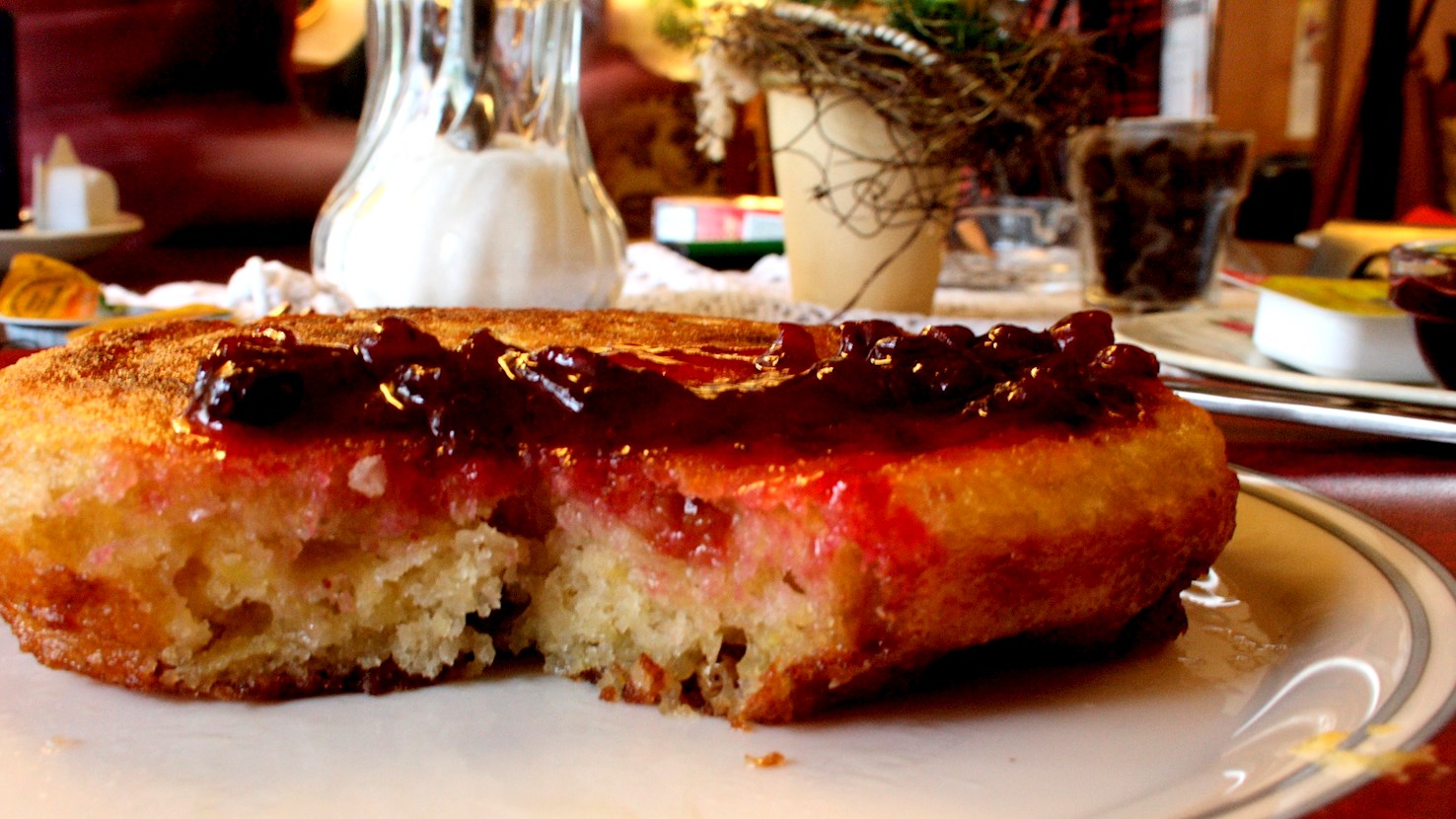
Potthucke is a traditional potato cake originating from the Sauerland region in Westphalia. It's made with a combination of potatoes, eggs, milk, sour cream, butter, salt, and pepper. Half of the potatoes are boiled and grated, and the remaining half is boiled and mashed. The two are mixed together with sour cream, milk, eggs, seasonings, and the white starch from the cooking liquid. The batter is poured into a greased loaf pan, dotted with butter, and baked until browned and crisp. Once cooled, the loaf is typically cut into thin slices and sautéed in butter on both sides before it's served hot. Potthucke is traditionally washed down with schnapps or beer. This savory cake has many variations, so it can also contain ingredients such as bacon and onions.
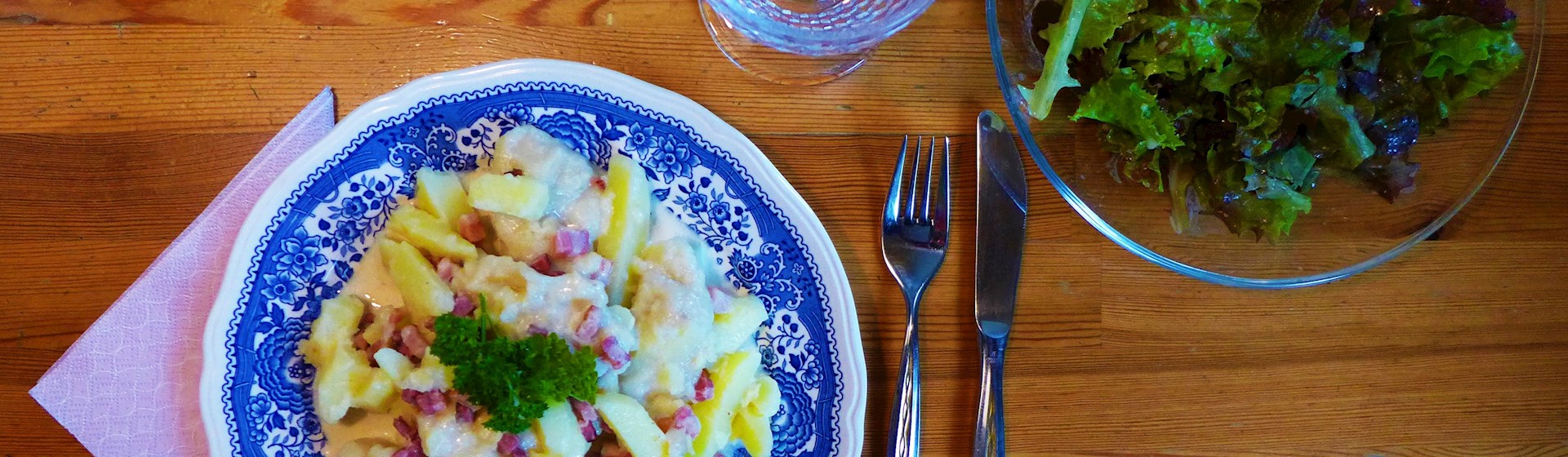
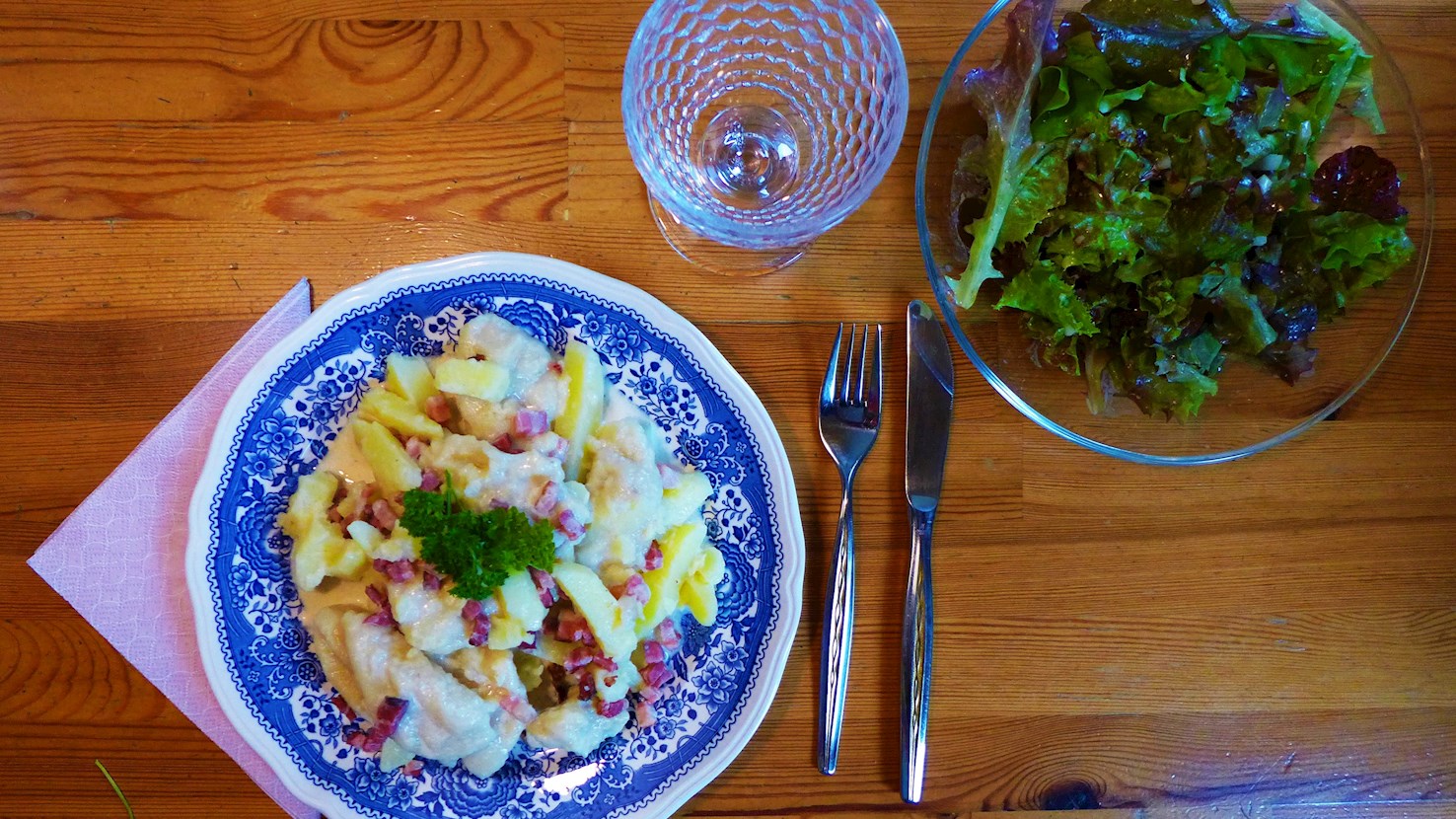
Hailing from Saarland, verheiratete is a combination of boiled potatoes, flour-based dumplings, and a creamy bacon sauce. This simple German dish is known by the names of verheiratete and geheirate (also geheiratete or geheirade), both with the same meaning of married, the married ones, or a married couple. The name refers to the act of joining or marrying separate ingredients together into one meal, just like when two people are united together in marriage. In Saarland, this dish used to be a part of the poor people’s diet due to the simple, everyday ingredients of which it consists. Over the years, the dish evolved into a comfort food beloved by everyone.
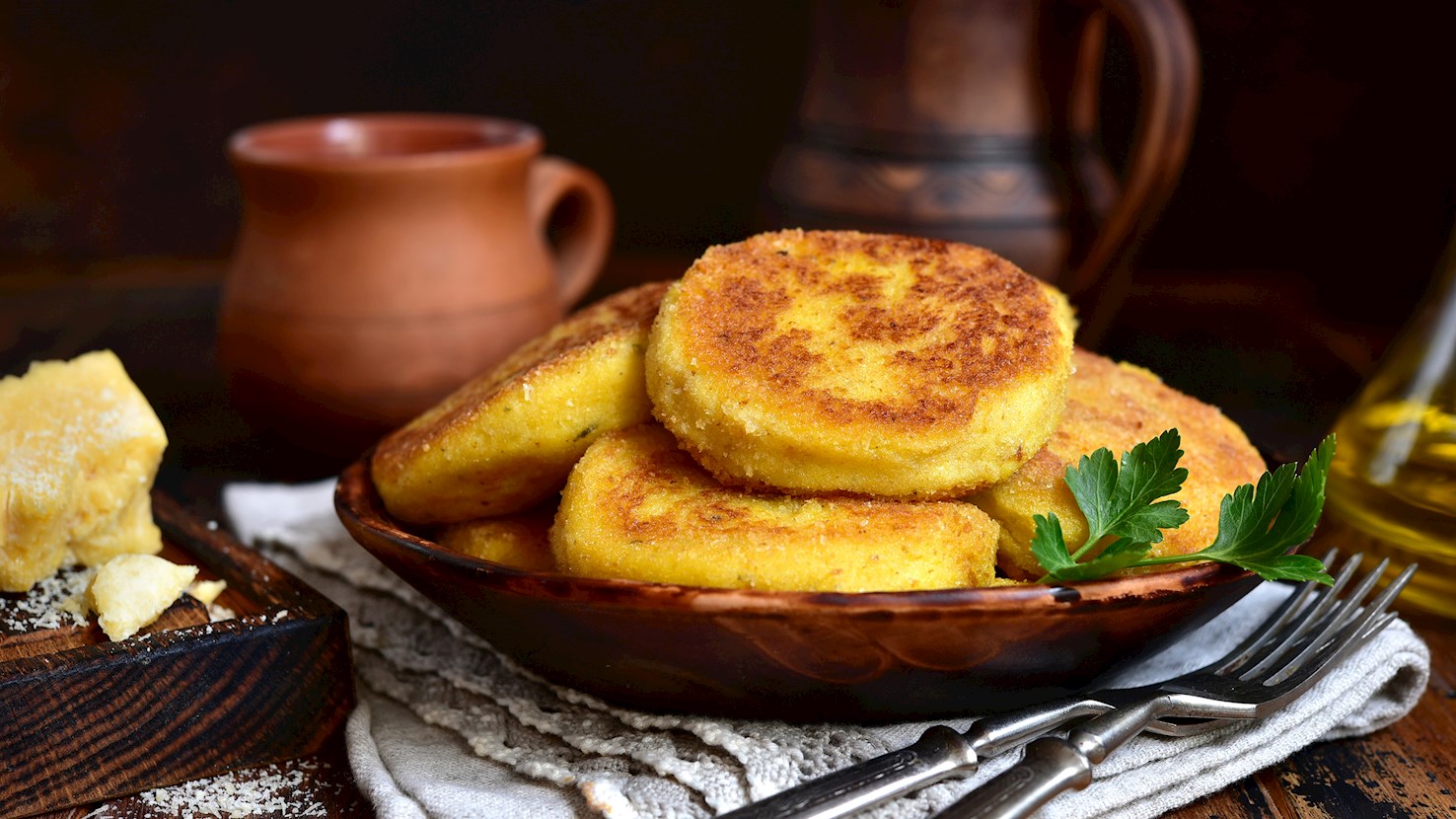
Gedadschde is a traditional dish originating from the Palatinate region. These simple patties are made with a combination of mashed potatoes, flour, milk, salt, sugar, and oil. Shredded cheese can be added to the mixture if desired. The mixture is shaped into patties, then fried in oil on both sides until golden brown. The patties are served as a side dish or a snack, and it’s recommended to pair them with a dollop of mayonnaise.
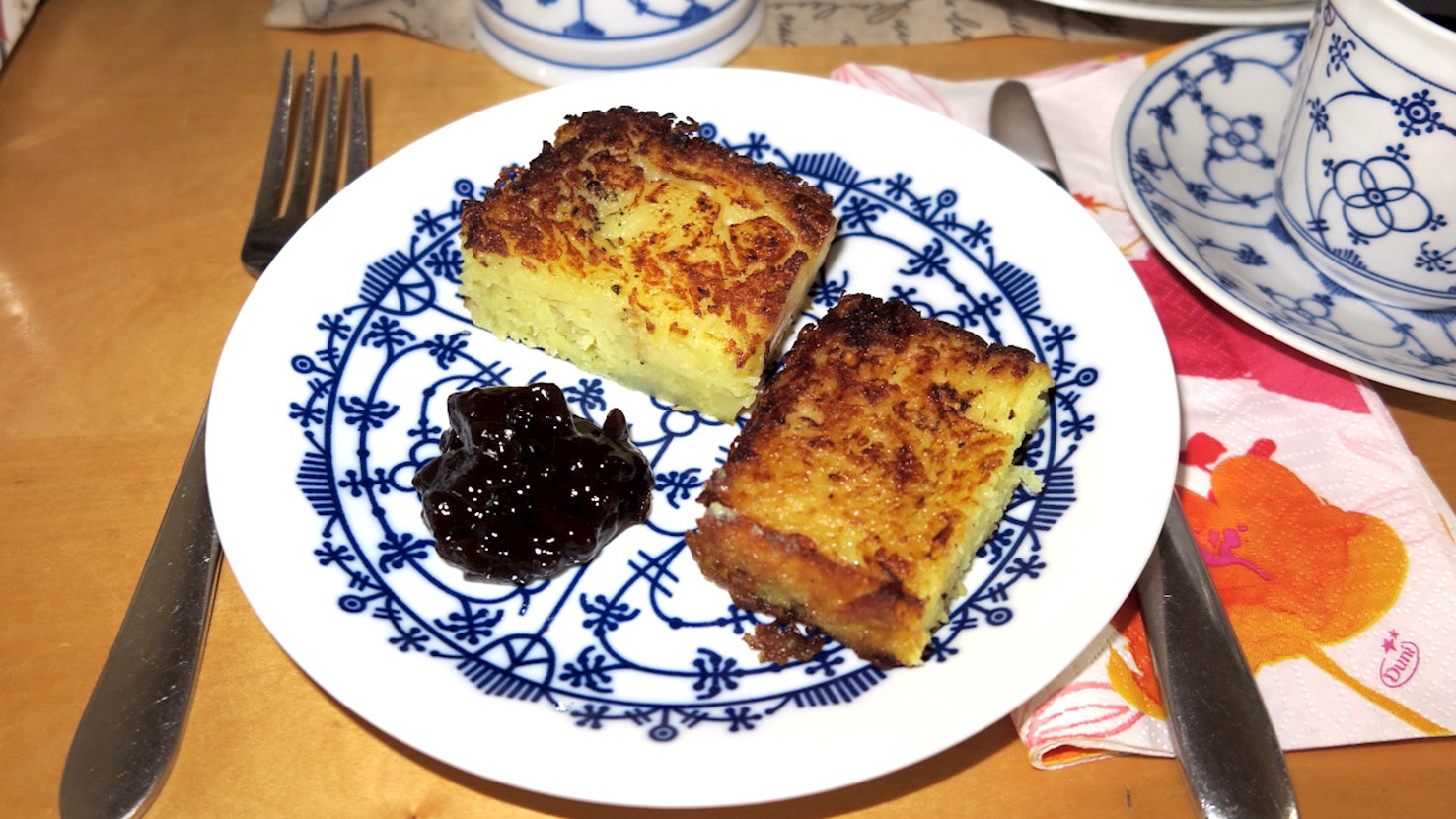
Pickert is a German dish originating from Westphalia. It can best be described as a combination of a fritter, a potato pancake, and a waffle. The key ingredients include flour, grated potatoes, eggs, milk, yeast, salt, sugar, oil, and raisins. When the batter is prepared, pickert can be fried or baked. In the past, it was a peasant dish because it is inexpensive and nourishing, just about right for a day of hard work in the fields. Nowadays, people consume it with fruit compotes, sugar, cinnamon, or even leberwurst liver sausage.
Backesgrumbeere is a baked potato dish from the Palatinate region. The dish developed in the Palatinate in connection with village baking ovens, where families cooked full meals alongside bread while the oven was hot, and potatoes became a central ingredient after they spread widely in regional farming. Preparation begins by peeling and thinly slicing raw potatoes, cutting pork and onions into pieces, layering everything in a greased baking dish, seasoning each layer, adding a little water or broth, covering the dish, and baking it slowly until the potatoes are soft and the meat has released its fat, with the cover removed at the end to brown the top. Common variations include using fresh or smoked pork, adjusting the amount of onion, or adding small amounts of other herbs, while the basic structure of raw potatoes and pork baked together stays the same. The dish is eaten hot and served as a main course in homes, taverns, and regional events, most often with green salad or pickled vegetables, and it is usually paired with beer or dry white wine.
Rheinischer kartoffelsalat is a potato salad from the Rhineland that is made from potatoes, mayonnaise, onions, pickles, pickle liquid or vinegar, salt, pepper, and frequently apples or boiled eggs. Potatoes became a staple food in the Rhineland during the eighteenth century as agriculture expanded along the Rhine, and potato salads developed in a region shaped by trade, preserved foods, and a preference for dishes that could be prepared ahead and served cold. Preparation commonly involves boiling waxy potatoes in their skins, cooling and peeling them, cutting them into slices or cubes, mixing them with finely diced onions and pickles, and folding them into a dressing of mayonnaise seasoned with pickle liquid or vinegar, salt, and pepper, often lightened with a small amount of broth or yogurt, followed by a resting period so the flavors blend evenly. Common variations include the addition of diced apples for freshness, chopped hard-boiled eggs, mustard for sharper seasoning, or herbs such as chives or parsley, and some versions reduce the amount of mayonnaise in favor of sour cream or yogurt, while vinegar-only dressings are uncommon. The salad is eaten cold or at room temperature and is served in homes, taverns, butcher shops, and at gatherings, most often alongside sausages, cold cuts, roast meats, or fish dishes, with bread and beer or local wine typically accompanying it.
Hessischer kartoffelsalat is a salad from Hesse, where cooked waxy potatoes are cut into cubes and mixed with a vinaigrette made from clear broth, vinegar, and oil, combined with diced onions, pickles or gherkins, and bacon. Potatoes became established in Hessian kitchens as a staple crop in the eighteenth century, and potato salads developed there in response to local food culture, where hearty meals based on potatoes, bread, sausage, and cured meats were common, and simple, durable salads were valued for their ability to accompany these components. Preparation begins with boiling firm, waxy potatoes in their skins until tender, then cooling and cutting them into cubes, sautéing small cubes of bacon until just crisp and setting them aside, finely dicing onions and pickles, and then preparing a dressing by mixing clear vegetable or meat broth with vinegar and neutral oil before combining all ingredients so the potato cubes absorb the seasoned liquid and rest until the flavors unify. Common variations include the ratio of broth to vinegar in the dressing, the amount and type of bacon used, the inclusion of gherkins or other mild pickles, and the optional addition of a small amount of sour cream or crème fraîche for a creamier feel, while some versions add other vegetables such as bell pepper or radish for texture contrast. The salad is eaten cold or at room temperature and is served in homes, taverns, and at family meals throughout Hesse, often alongside sausages such as Frankfurter or broad white sausage, cold cuts, roast meats, or as part of a larger meal with bread and the regional apple wine or beer.
Pfälzer kartoffelsalat is a salad from the Palatinate that combines sliced cooked potatoes with a warm vinegar-based dressing, onions, and bacon. Potatoes became a staple food in the Palatinate during the eighteenth century alongside pig farming and wine production, and the salad developed as a filling and practical accompaniment to meat-centered meals common in rural households and wine villages. Preparation begins with boiling waxy potatoes in their skins, peeling and slicing them while still warm, gently cooking diced bacon until just crisp, softening onions in the same pan, and combining vinegar, broth, salt, and pepper with the hot mixture before pouring it over the potatoes so the slices absorb the liquid, with the bacon and onions folded through and the salad left to rest until evenly seasoned. Common variations include the choice of beef or vegetable broth, adjustments to vinegar strength, small amounts of sugar to balance acidity, chopped herbs such as parsley or chives, and occasional mustard, while mayonnaise is not used and pickles are generally avoided. The salad is eaten warm or at room temperature and is served in homes, wine taverns, and at regional gatherings, most often alongside sausages, cured or roasted pork, and other hearty dishes, with bread and local wine commonly accompanying it.
TasteAtlas food rankings are based on the ratings of the TasteAtlas audience, with a series of mechanisms that recognize real users and that ignore bot,
nationalist or local patriotic ratings, and give additional value to the ratings of users that the system recognizes as knowledgeable.
For the “Top 8 Western German Potato Dishes” list until June 15, 2026, 18 ratings were recorded, of which 12 were recognized by the system as legitimate.
TasteAtlas Rankings should not be seen as the final global conclusion about food. Their purpose is to promote excellent local foods,
instill pride in traditional dishes, and arouse curiosity about dishes you haven’t tried.