


shutterstock

Top 49 Chinese Poultry Dishes

Last updated on May 15, 2026
01

Beijing kao ya (Peking duck)

4.3 ·

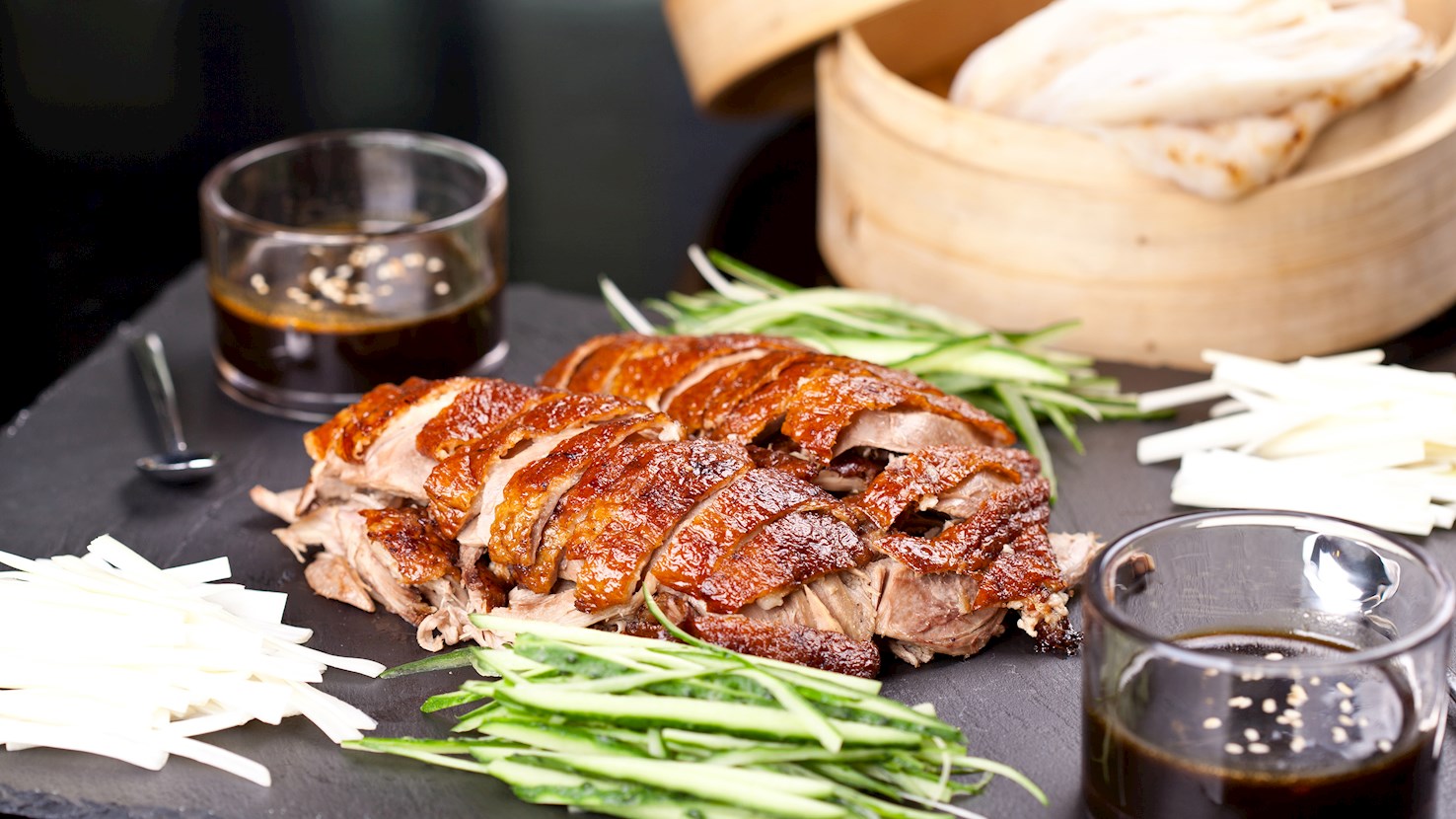
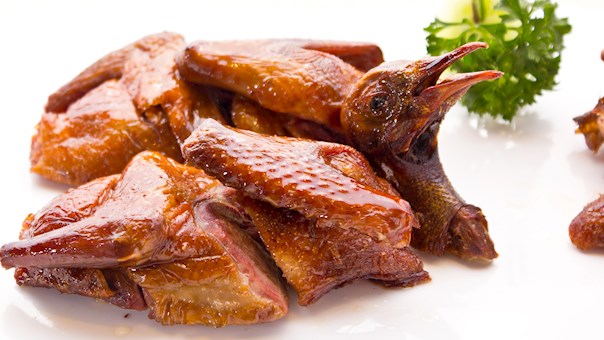
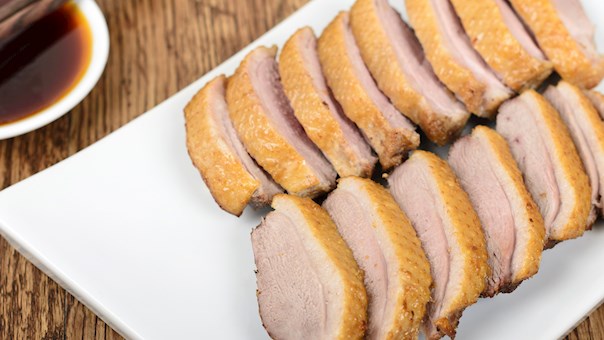
The history of Peking duck goes back to China's Yuan Dynasty of the 13th century. Bianyifang, Beijing's oldest restaurant specializing in Peking duck has been in business since the Jiajing reign of the 16th century, serving as a testament to the popularity of this succulent, tantalizing dish. The duck is cooked until the skin turns golden and crispy and the meat becomes tender, slightly sweet, and moist. Both the meat and the skin are then folded in thin pancakes or steamed white buns. To make an authentic Beijing kao ya, the duck must be a white feathered American Pekin, hung for 24 hours, and pumped with air through a small puncture between the breasts and wings. It is usually brushed with a mixture of ginger, oil, hoisin sauce, honey, and rice vinegar, then vertically hung and slowly roasted to perfection. When the dish is served, the skin will often come first as an appetizer, followed by the meat which is accompanied by cucumbers, scallions, hoisin sauce, buns, and pancakes. With its 400-year history, exquisite flavors, and elaborate preparation, it comes as no surprise that Peking duck is one of the most famous Chinese dishes.

02

Zhaziji (Crispy fried chicken)

4.2 ·

A traditional dish of the Cantonese cuisine, crispy fried chicken consists of chicken that is first steamed and dried, then deep-fried in a special way so that the skin remains extremely crunchy, and the meat underneath gets tender. The chicken is steamed with spices such as cinnamon, Sichuan pepper, ginger, anise, and nutmeg. Later, it usually gets drizzled over with a combination of sugar and vinegar, helping the skin achieve its typical crispiness in the process. According to tradition, crispy fried chicken is a dish that should be eaten at night, while it is also regularly consumed at most Chinese wedding feasts. It is usually accompanied by two side dishes: prawn crackers and pepper salt.

03

Làzǐjī (Chongqing chicken)

4.2 ·

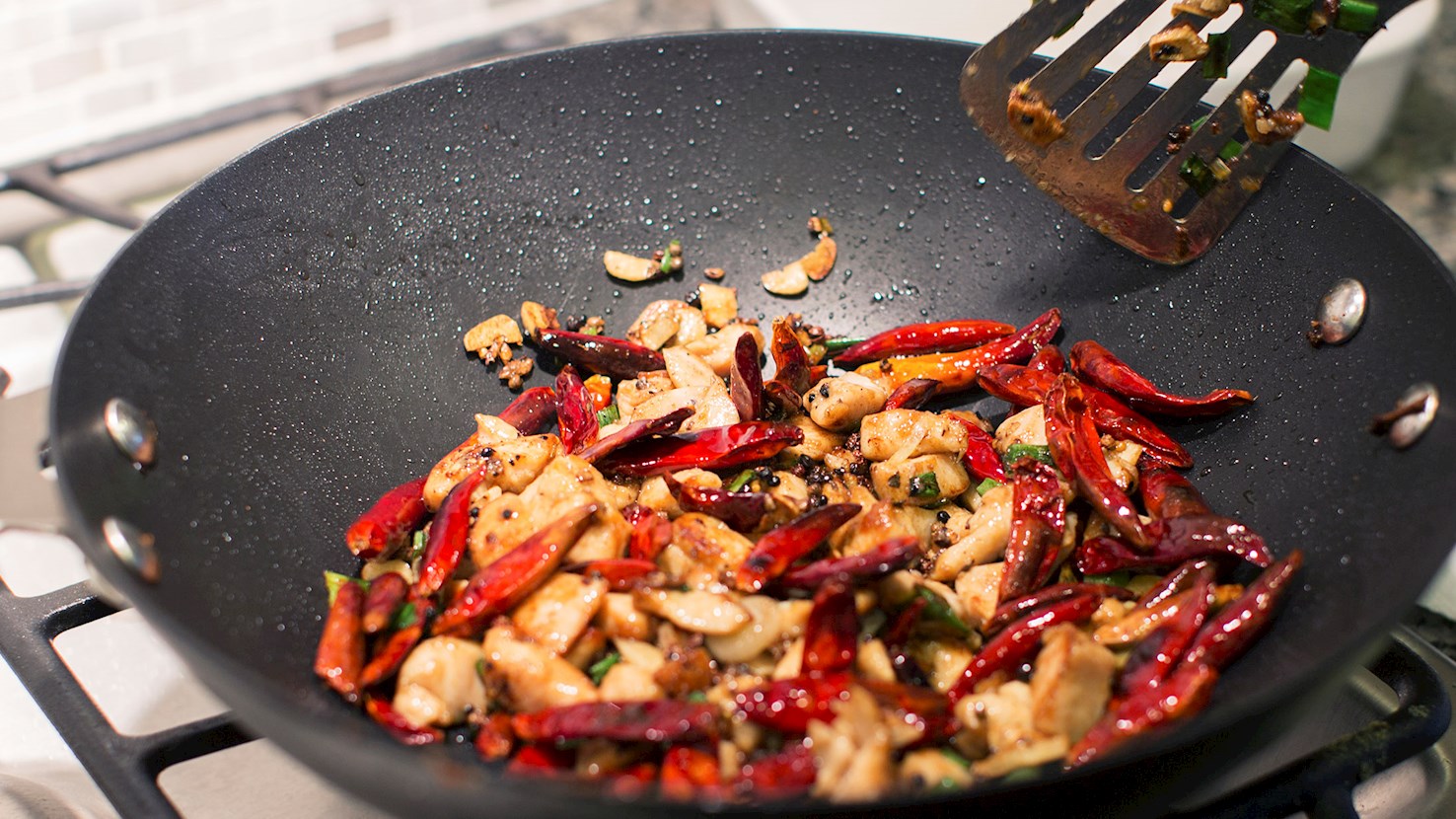
Chongqing chicken is a famous Sichuan dish consisting of chicken and chilis. The dish is usually made with chicken on the bone, which is then chopped into small pieces, marinated, and deep-fried. Traditionally, there is almost always more dried red chili peppers in the dish than chicken, nearly covering the meat underneath. The combination of ingredients is usually stir-fried with ginger and garlic. Chongqing chicken is consumed by picking out the pieces of chicken with chopsticks, often leaving out the remaining chili peppers in the bowl.

04

Gong bao (Kung pao chicken)

4.1 ·

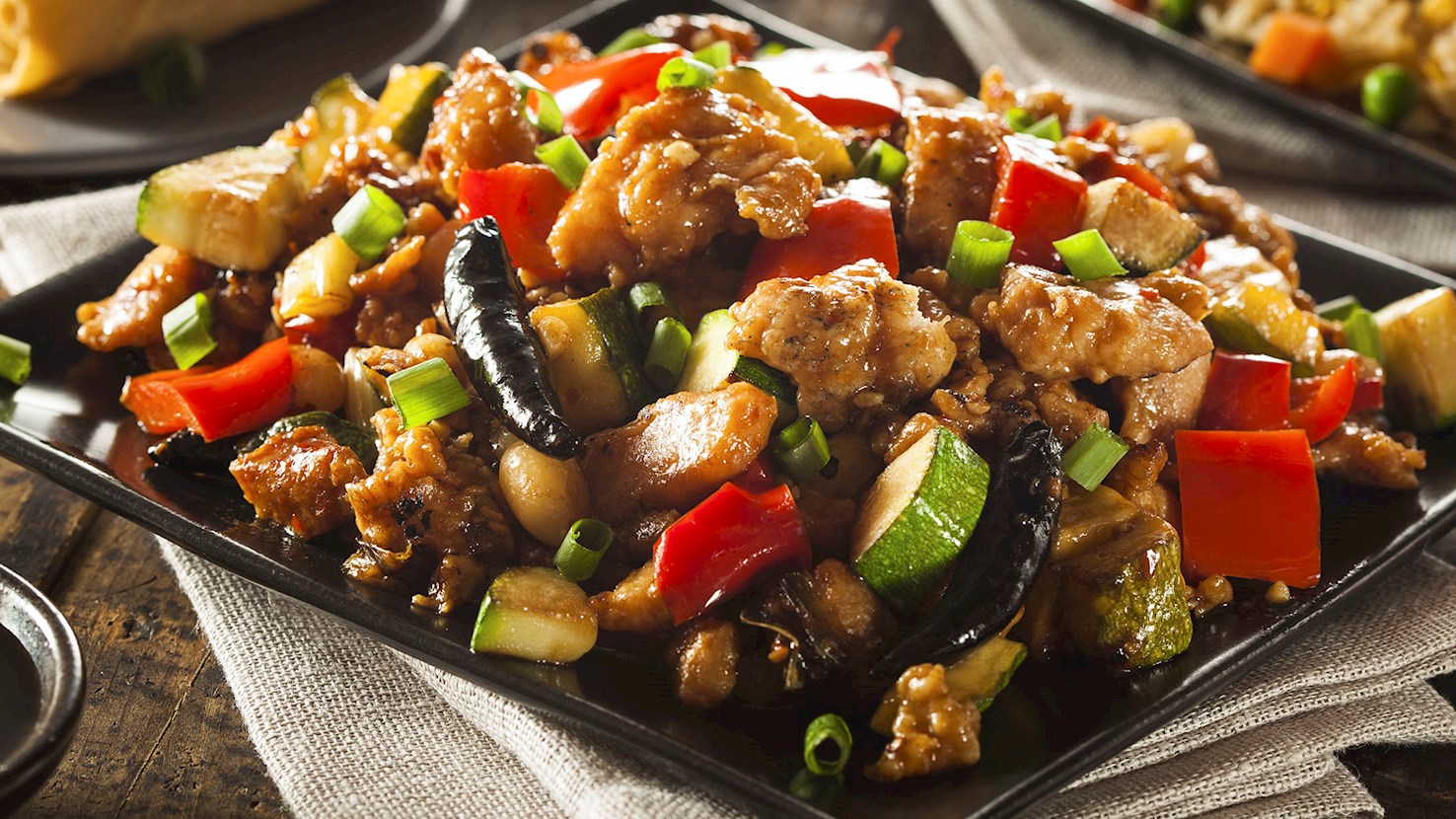
A staple of westernized Chinese cuisine and one of the favorite dishes of foreigners in China, kung pao chicken is a spicy stir-fry dish made with diced chicken, vegetables, peanuts, and Sichuan peppercorns. It was invented in the Sichuan province and has a unique, interesting origin story. In the 19th century, a boy named Ding Baozhen fell into a river and almost drowned. A passing stranger saved him, and as the years went by, Ding grew up to become a government official. He went to visit the man who saved him and ate a dish made with diced chicken, peanuts, and spicy peppercorns while visiting his home. Ding loved the dish so much that he asked the chef for a recipe, and then started serving it to his guests. The dish quickly spread in the Sichuan province, and many years later, it is still popular both in China and in the rest of the world. Although it's commonly eaten in North America, the dish is cooked differently and lacks the unique spice that makes the original so flavorful, because it was illegal to import it to the United States until 2005. However, it remains one of the most popular dishes in most Chinese restaurants throughout the world.

05

See yao gai (Soy sauce chicken)

4.1 ·

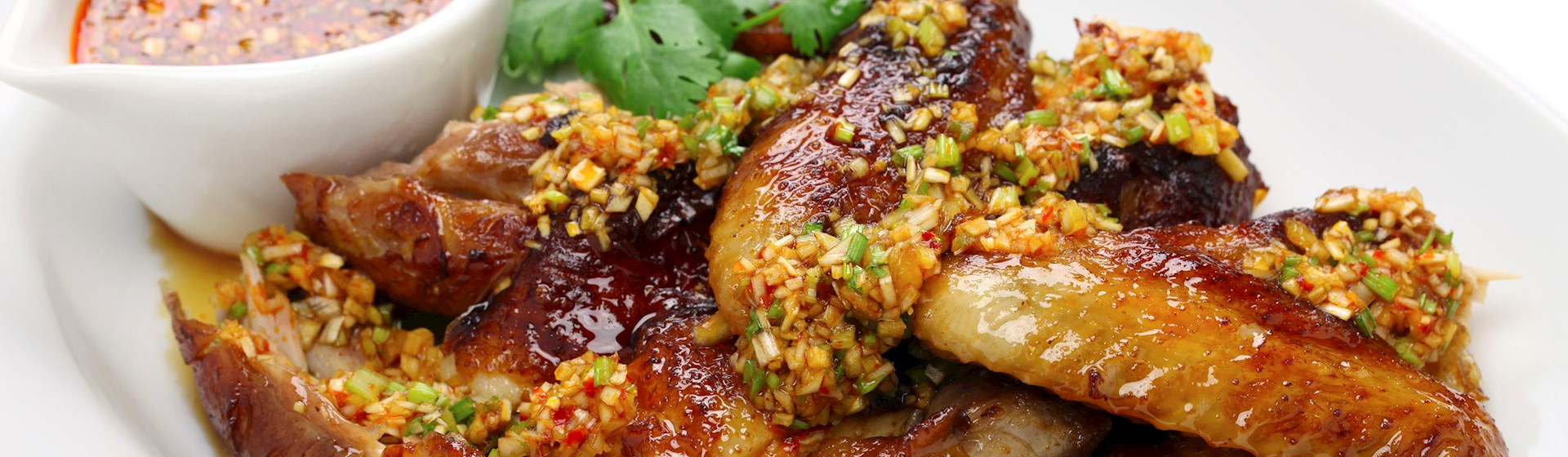
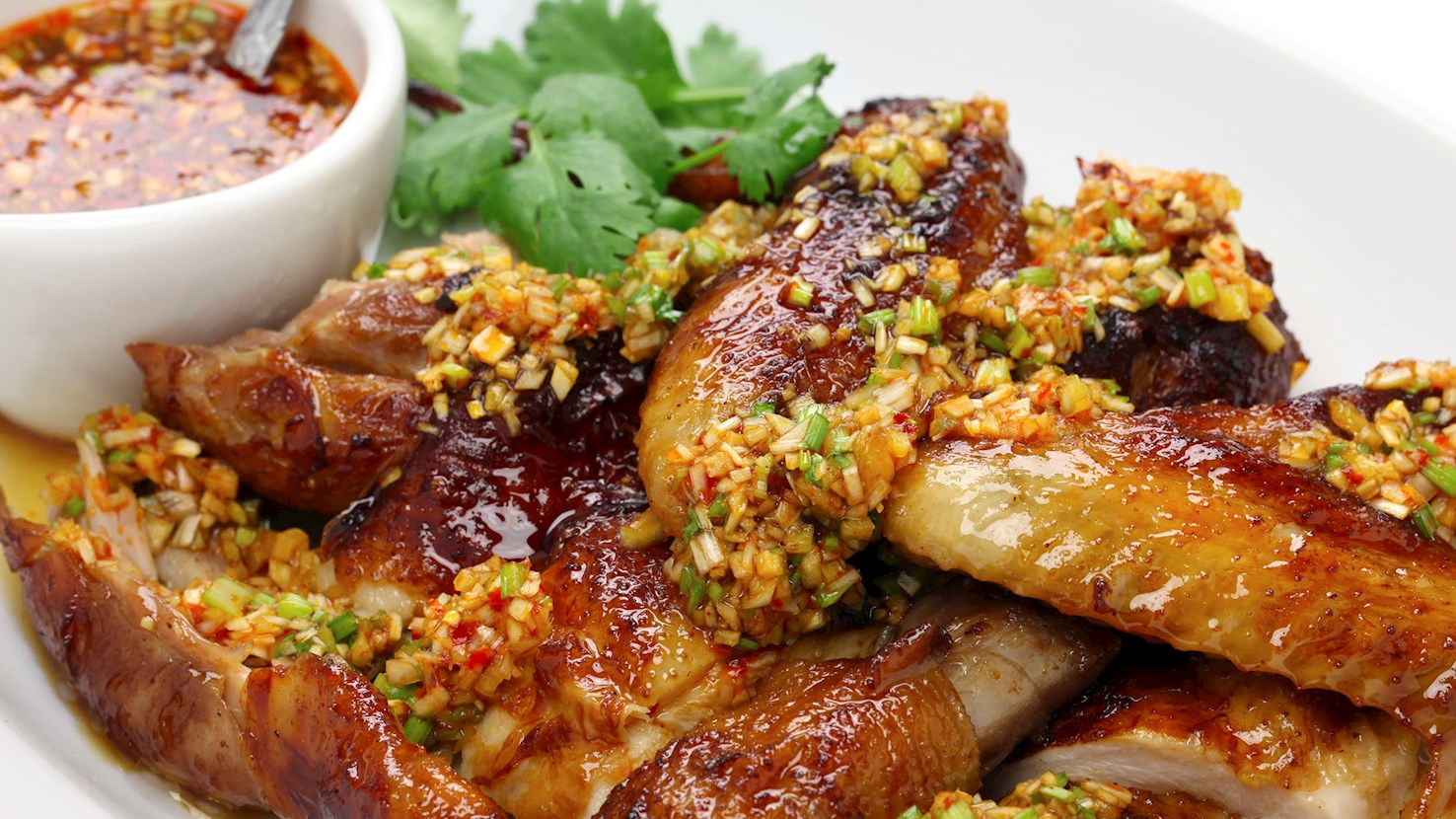
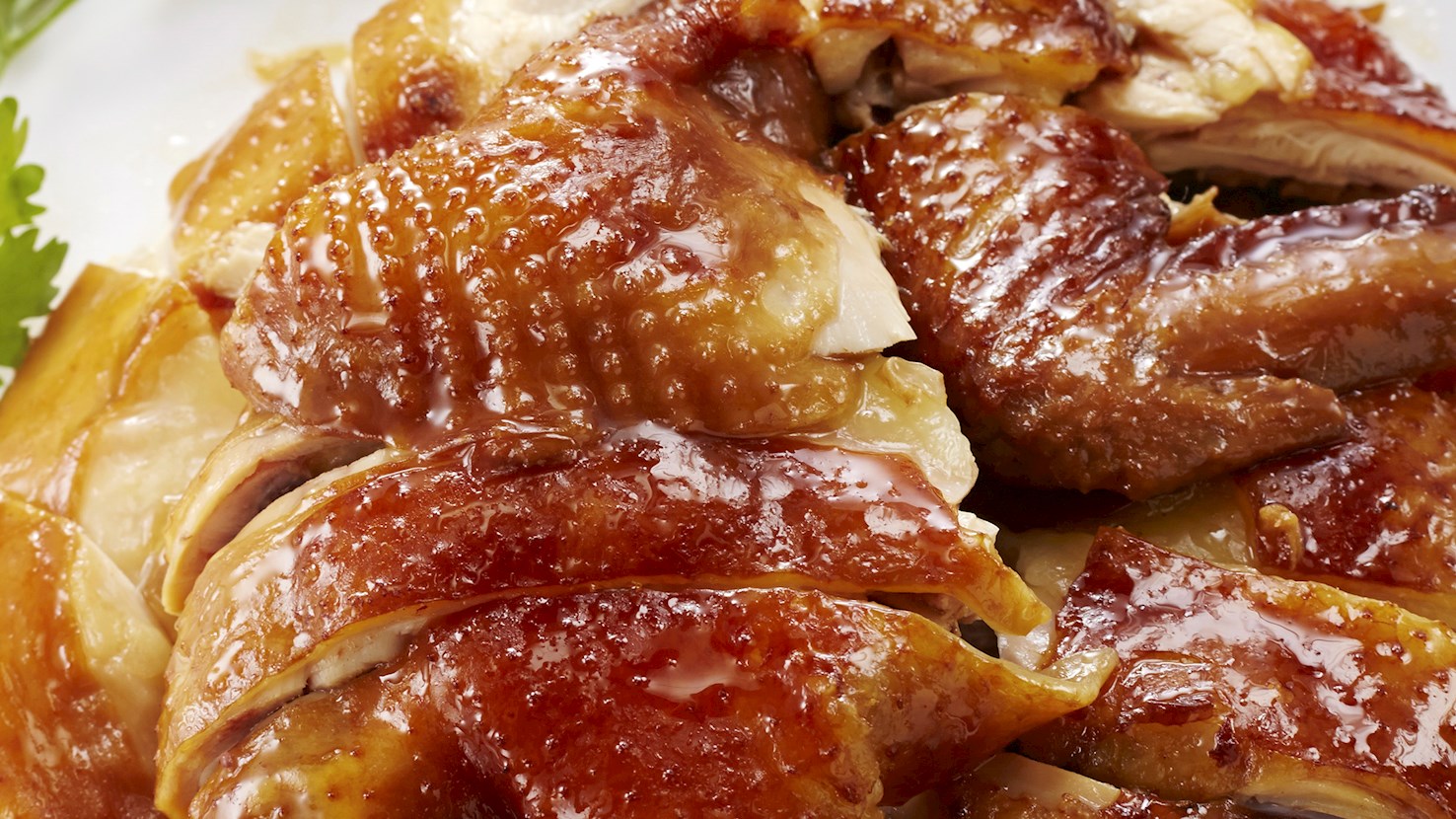
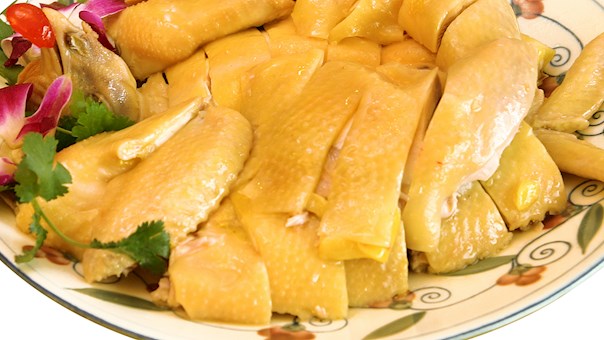
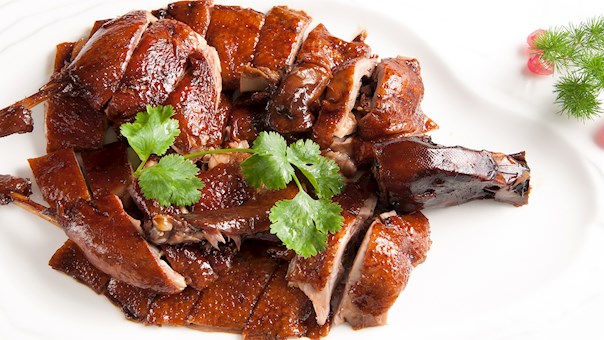
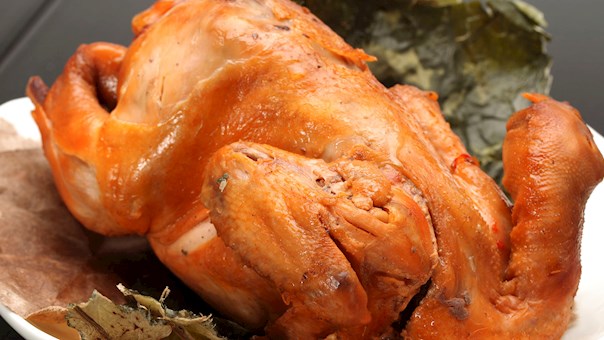
Soy sauce chicken is a traditional Cantonese dish and a classic example of red cooking technique, where meat is simmered in a soy sauce-based liquid along with various seasonings. It results in tender, succulent meat that falls off the bone. Although most cooks use chicken quarters for the dish, some like to use smaller pieces such as legs, drumsticks, and wings. Soy sauce chicken made with chicken quarters is also a traditional dish for the Chinese New Year. It is recommended to pair the chicken with side dishes such as rice or stir-fried lo mein noodles, while the typical accompaniment is a dipping sauce made with oil, ginger, chicken stock, onions, and salt.

06

Chen pi ji (Orange chicken)

4 ·

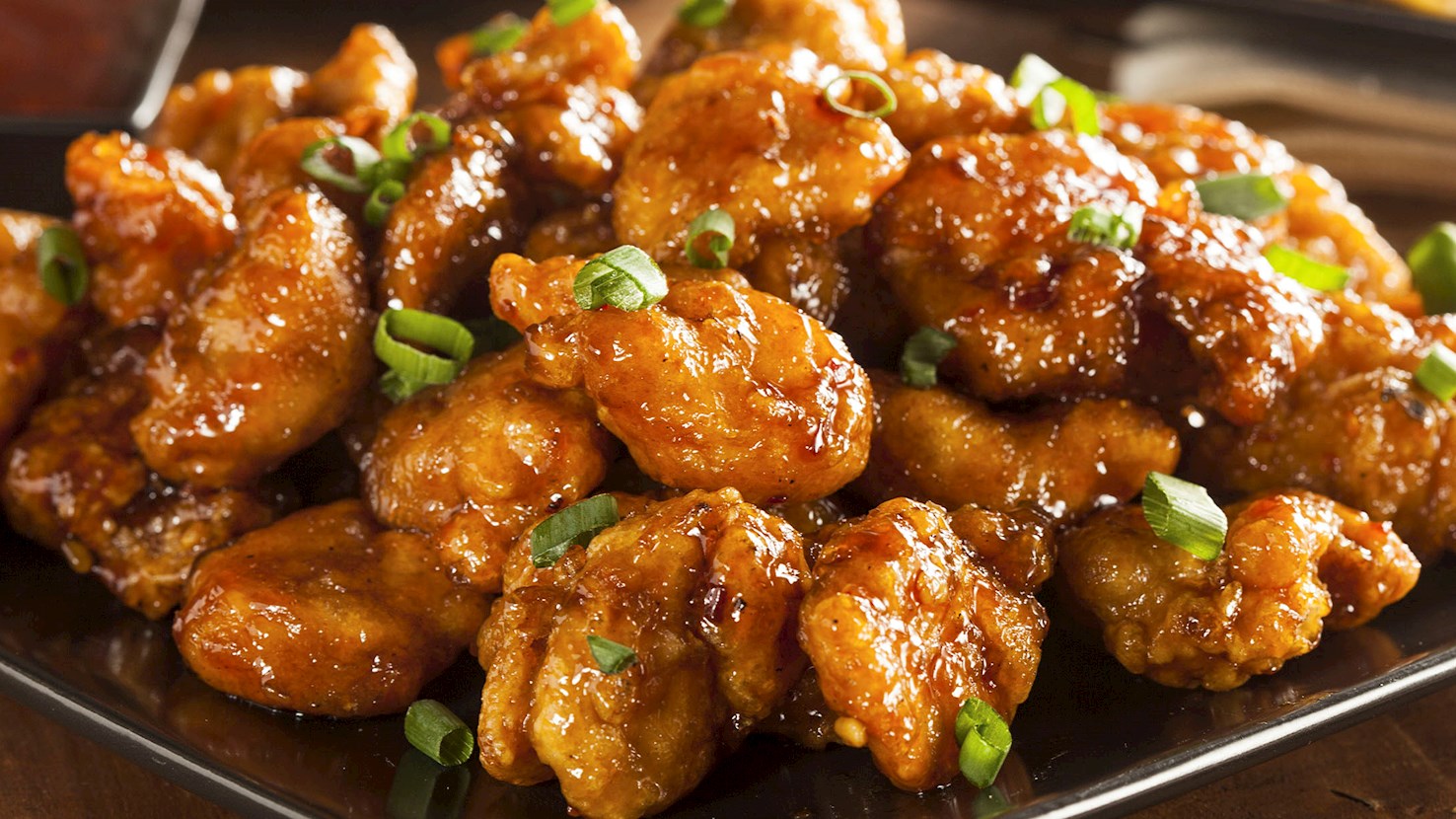
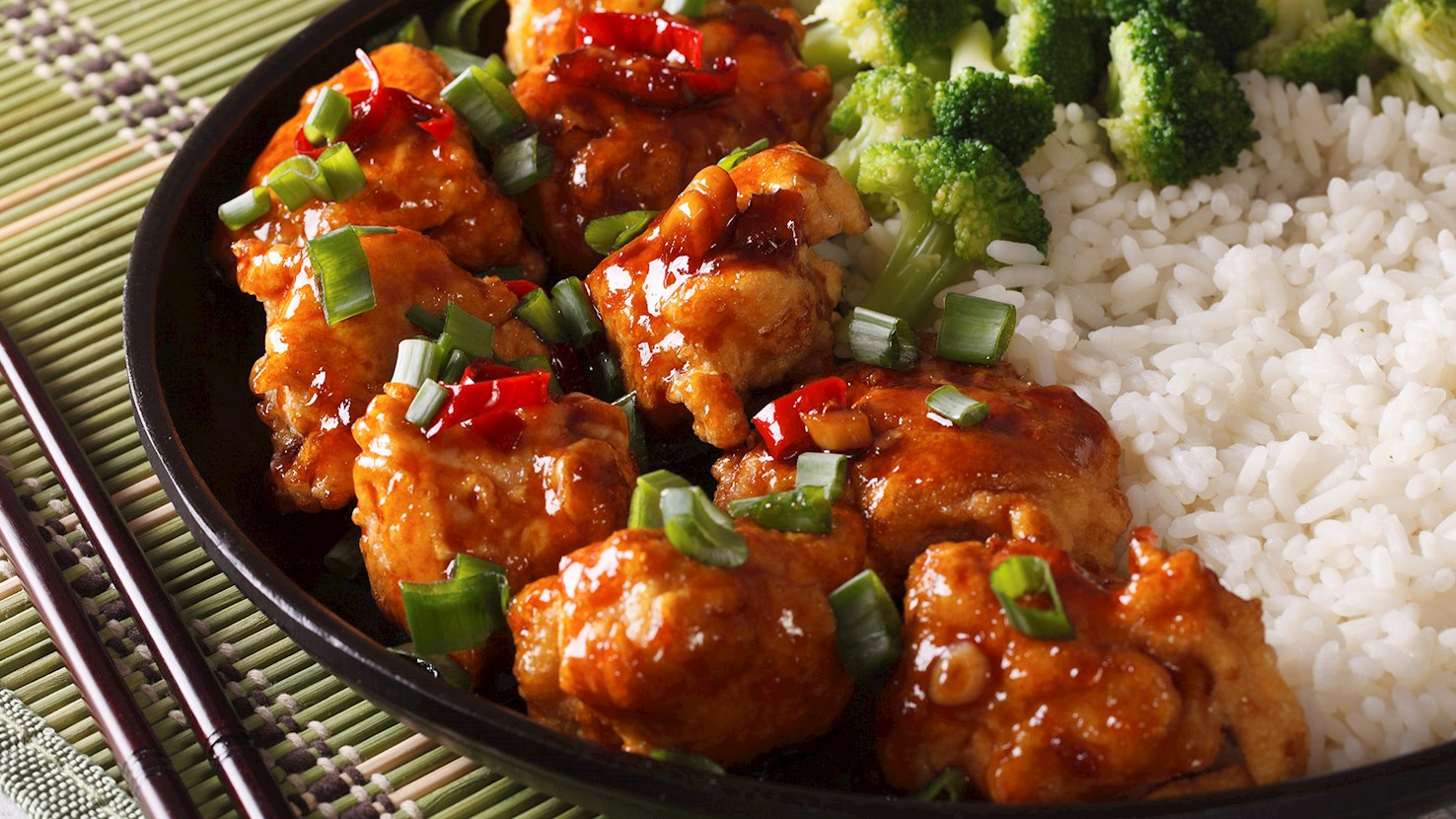
Orange chicken is an American-Chinese dish that was invented as a variation on General Tso's chicken. The dish consists of battered chicken that is fried with sweet and sour orange and chili sauce. In the United States, a chain restaurant called Panda Express credits itself with the invention of the dish, evolving it into a meal that is much sweeter than the dish it was modeled after - the original tangy and spicy version from Hunan, where the subtropical climate with mild winters makes it ideal for growing oranges, tangerines, and lemons that are native to Asia. Orange chicken is traditionally accompanied by steamed rice on the side.

Best restaurants
07

Shāo'é (Roast goose)

4 ·

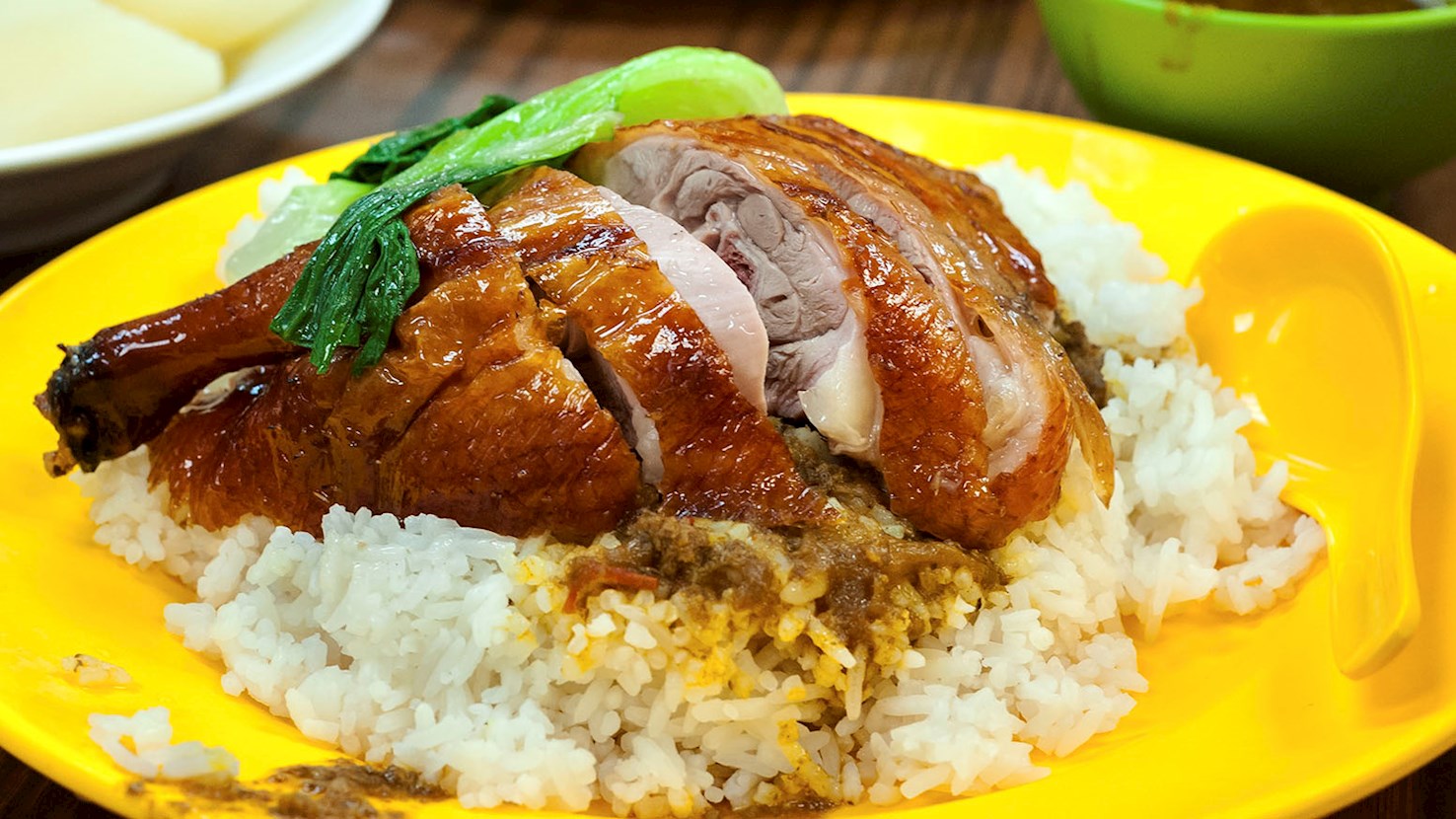
Roast goose is a Cantonese specialty and Hong Kong's national treasure, a dish consisting of plump, succulent, and tender meat with a delicately crispy skin, traditionally served over white rice with sweet plum sauce on the side. The goose is typically roasted in a charcoal furnace at very high temperatures so that the fatty skin becomes crispy. As the fat melts during the roasting, the meat takes it all in, resulting in an extremely succulent and juicy dish once it's done. Roast goose is sliced and served with the flavorful drippings poured on top of it. Other accompaniments to the dish might include pancakes, thinly cut green onions, Chinese broccoli, cucumbers, or sweet bean sauce.

08

Ling moong gai (Lemon chicken)

4 ·

Ling moong gai is a traditional chicken dish originating from China. The dish is usually made with a combination of chicken, soy sauce, lemon juice and zest, sesame oil, ginger, cornflour, scallions, and sugar. The chicken is cut into quarters and rubbed with soy sauce. The lemon zest and juice are mixed with soy sauce, sesame oil, sugar, and water. The chicken is browned in a wok on both sides and it's mixed with ginger and lemon juice mixture. Once the liquid starts to boil, the dish is simmered over low heat until the chicken is tender. The meat is removed and cut into bite-sized pieces. Cornflour and water are stirred into a paste that's added to the sauce. The sauce is boiled until thick and it's then spooned over the chicken. The dish is usually garnished with scallions and lemon slices, and it's accompanied by rice on the side.

09

Zuǒ Zōngtáng jī (General Tso's chicken)

3.9 ·

General Tso’s chicken is a Chinese-American sweet and spicy dish consisting of chicken dices that are first deep-fried, then stir-fried together with ginger, garlic, scallions, and hot chili peppers in a sauce made from sugar, soy sauce, rice vinegar, and rice wine. Although named after General Tso Tsungtang, the dish has no real-life connection with him. The dish is most likely a descendant of a simple Hunanese chicken dish, and two immigrant chefs, Chinese and Taiwanese - respectively, claim to be its inventors. The sweetness and spiciness of the dish can be adjusted according to one's taste, and the dish is served with either steamed or fried rice.

10

Mut jup mun gai yik (Honey-soy braised chicken wings)

3.7 ·

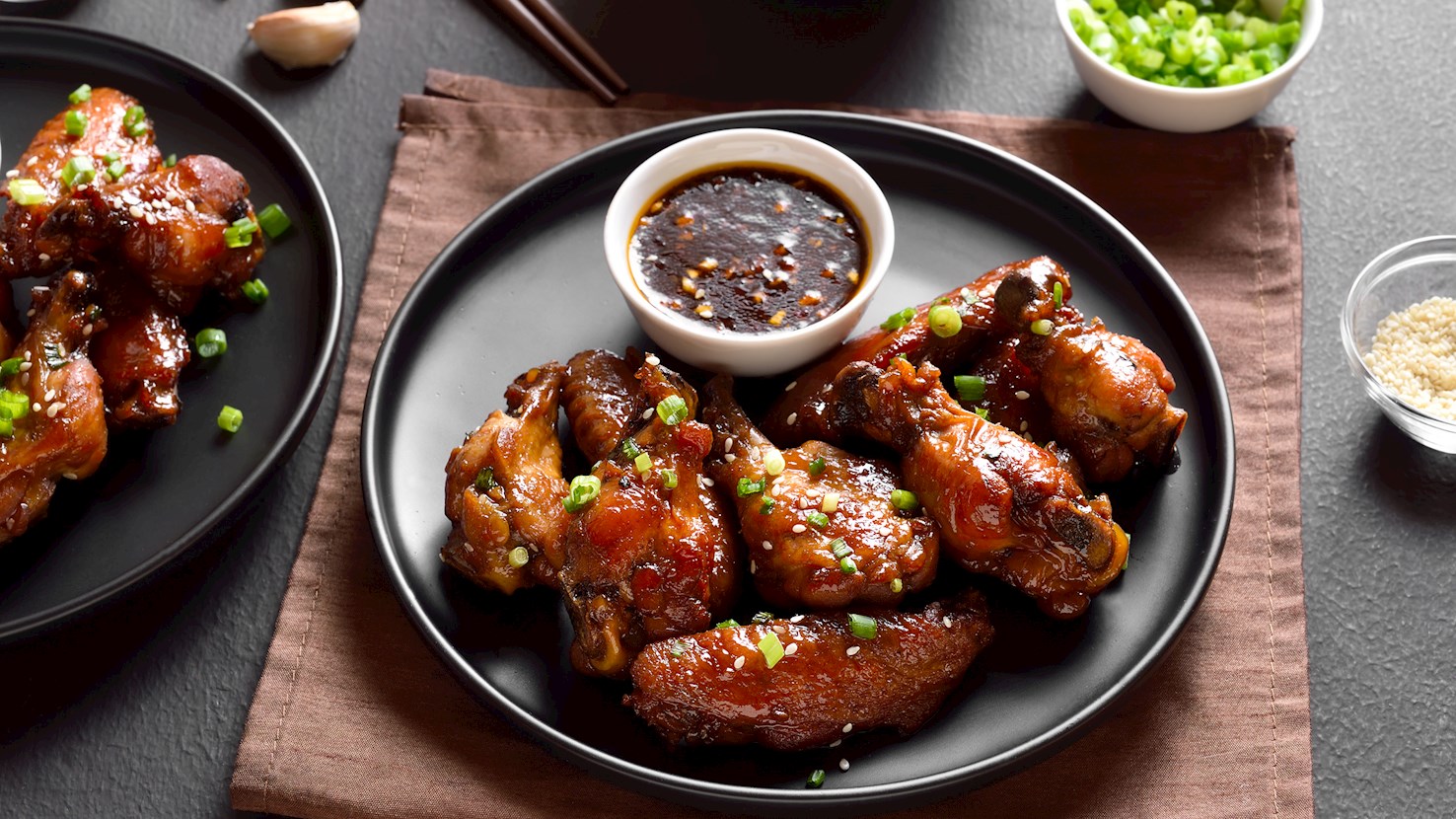
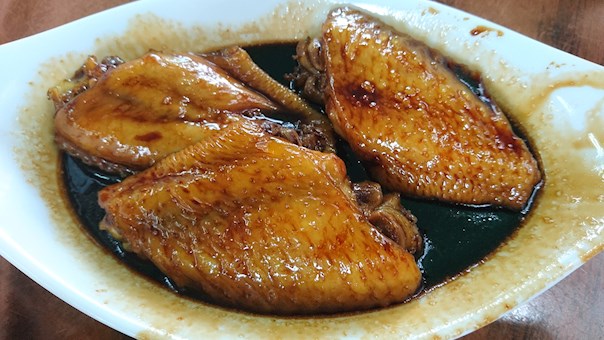
Mut jup mun gai yik is a traditional dish originating from Guangzhou. The dish is usually made with a combination of chicken wings, soy sauce, honey, peanut oil, Shaoxing wine or sherry, garlic, and ginger. The chicken wings are stir-fried in peanut oil in a wok over high heat until browned. A mixture of soy sauce, wine, garlic, ginger, and honey is added to the wok and the mixture is stirred until the wings are coated with the sauce. The dish is simmered over low heat until the wings are tender. Honey-soy braised chicken wings are typically served warm or at room temperature as an appetizer.

Read more
View all
View map
About this ranking

TasteAtlas food rankings are based on the ratings of the TasteAtlas audience, with a series of mechanisms that recognize real users and that ignore bot, nationalist or local patriotic ratings, and give additional value to the ratings of users that the system recognizes as knowledgeable. For the “Top 49 Chinese Poultry Dishes” list until May 15, 2026, 2,033 ratings were recorded, of which 1,766 were recognized by the system as legitimate. TasteAtlas Rankings should not be seen as the final global conclusion about food. Their purpose is to promote excellent local foods, instill pride in traditional dishes, and arouse curiosity about dishes you haven’t tried.

Similar lists