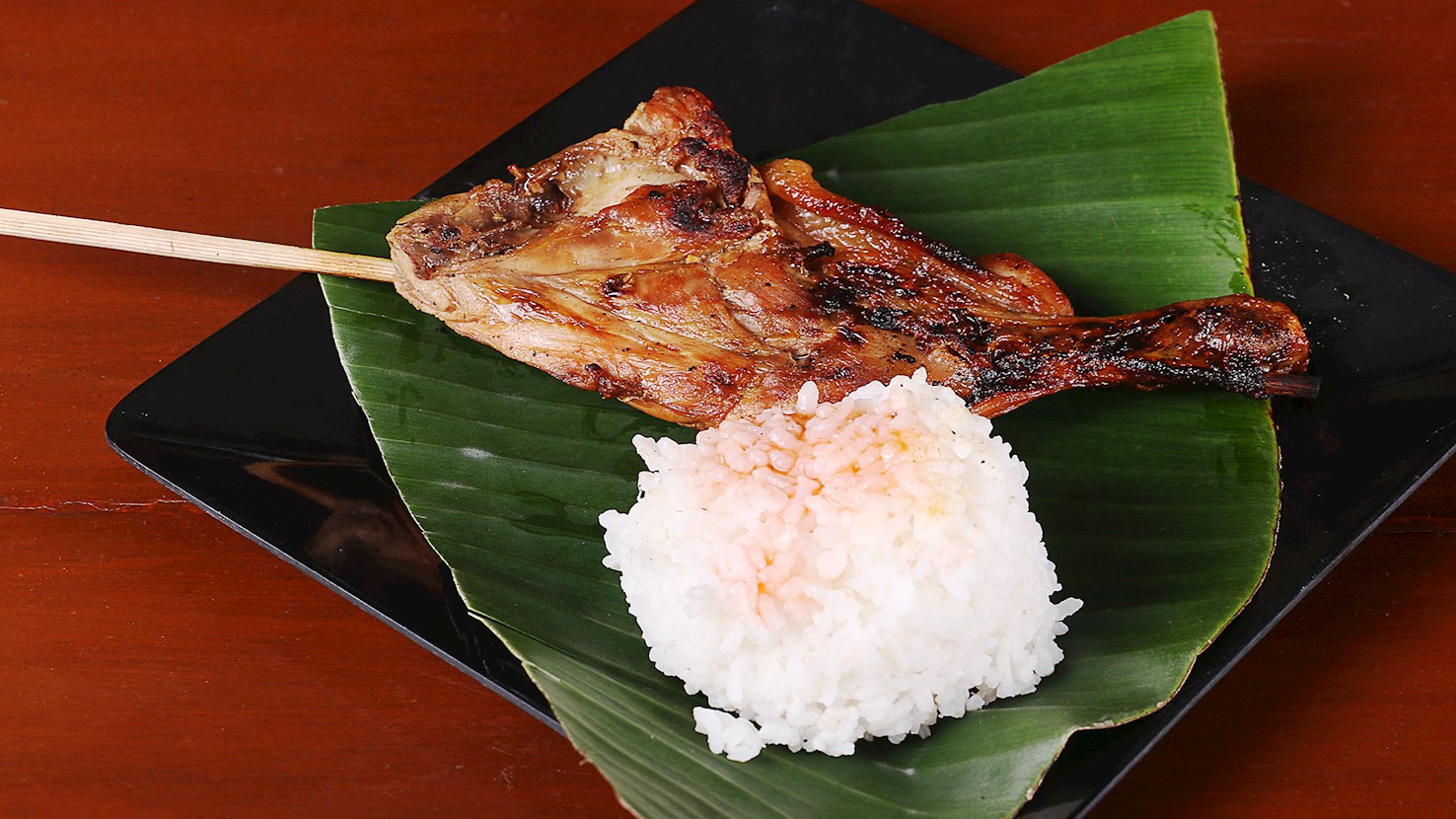
Inasal na manok is a unique Filipino grilled chicken dish which originated in Western Visayas and became the signature dish of the entire region. It employs various chicken cuts marinated in a mixture of vinegar and numerous spices such as lemongrass, garlic, and ginger. During grilling, the meat is brushed with the annatto-infused oil which provides the chicken with an appetizing golden color and a unique peppery flavor. The dish is usually served alongside annatto-flavored garlic rice and spiced vinegar. In 2022, the city of Bacolod declared the dish an important cultural property.
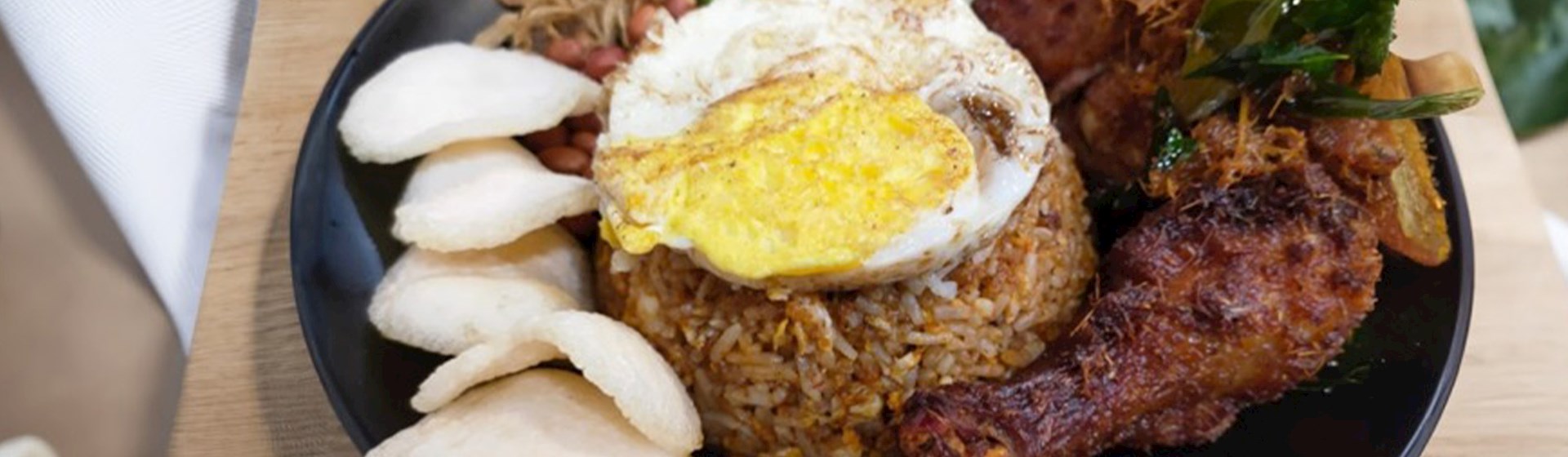
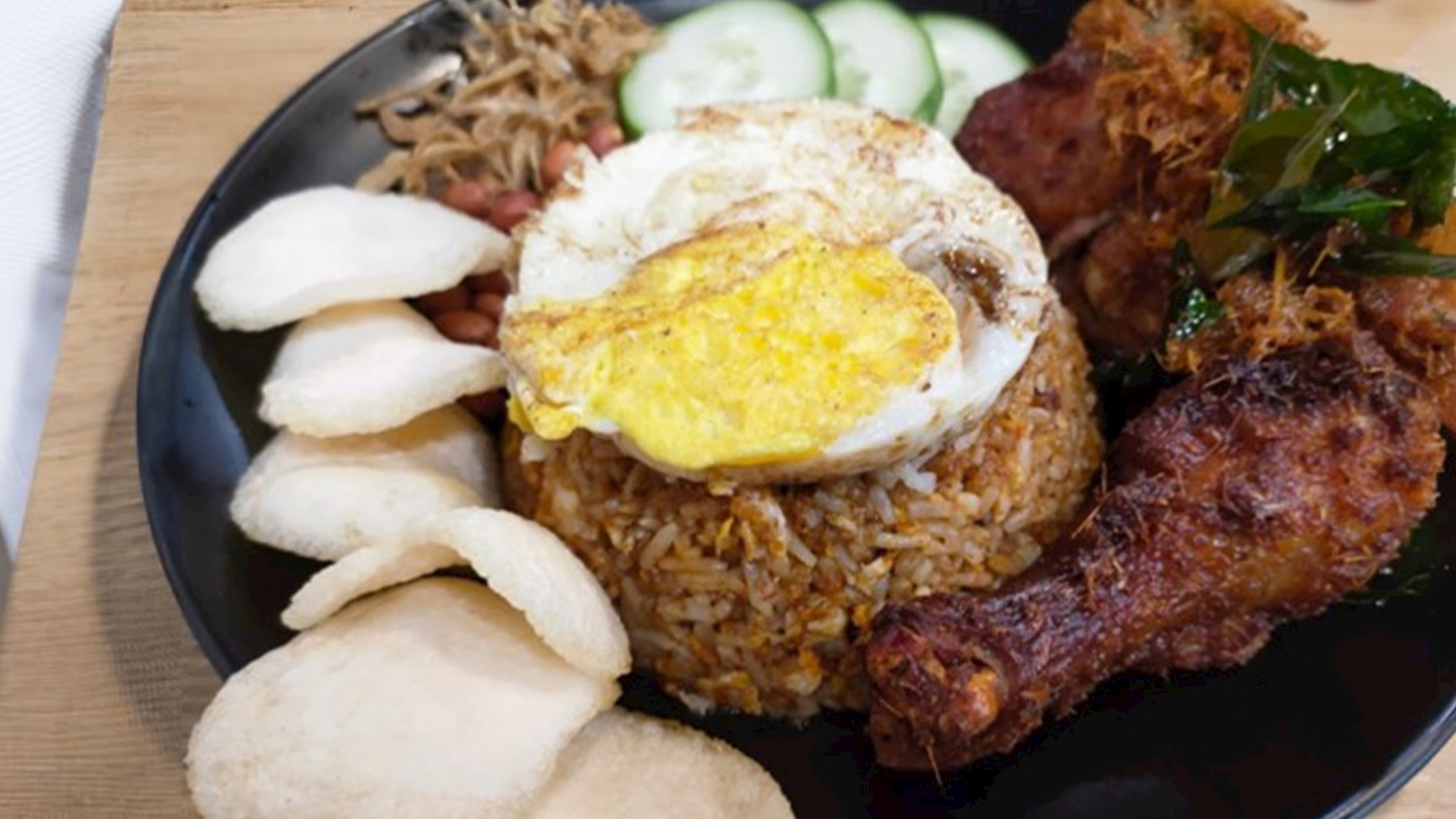
Nasi goreng ayam is a traditional fried rice dish that's also popular in Singapore, Brunei, and Malaysia. Although there are many versions of this nasi goreng variety, it is usually made with a combination of chicken thighs, oil, salt, white pepper, shallots, rice, turmeric, soy sauce, fish sauce, galangal, ginger, garlic, scallions, kecap manis, and hot peppers. Most of the ingredients are fried with rice, and the dish is then topped with fried eggs, fried shallots, and sliced chili peppers. It's recommended to serve nasi goreng ayam with prawn crackers on the side.
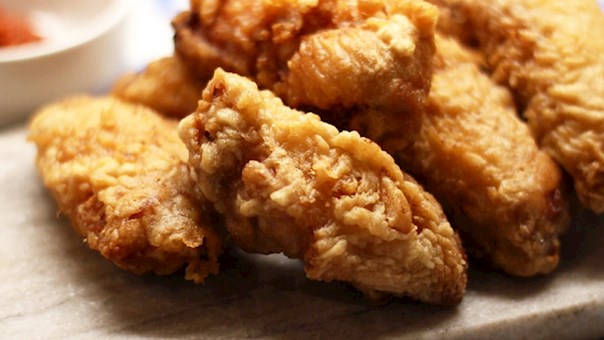
In its basic form, Indonesian-style fried chicken consists of chicken cuts, preferably bone-in pieces such as thighs and drumsticks, which are marinated in spices, then shortly braised before being fried until golden and crispy. The marinade is typically based on traditional spices such as lemongrass, galangal, turmeric, and tamarind, but since the dish is enjoyed throughout the country, it comes in numerous regional variations that may include other spices and marinades, or various additions such as grated coconut or rice flour crumbs. All varieties of ayam goreng can be enjoyed as individual dishes, usually accompanied by rice and fresh vegetables or salads, but ayam goreng is also a common side dish at Indonesian banquet-style meals.
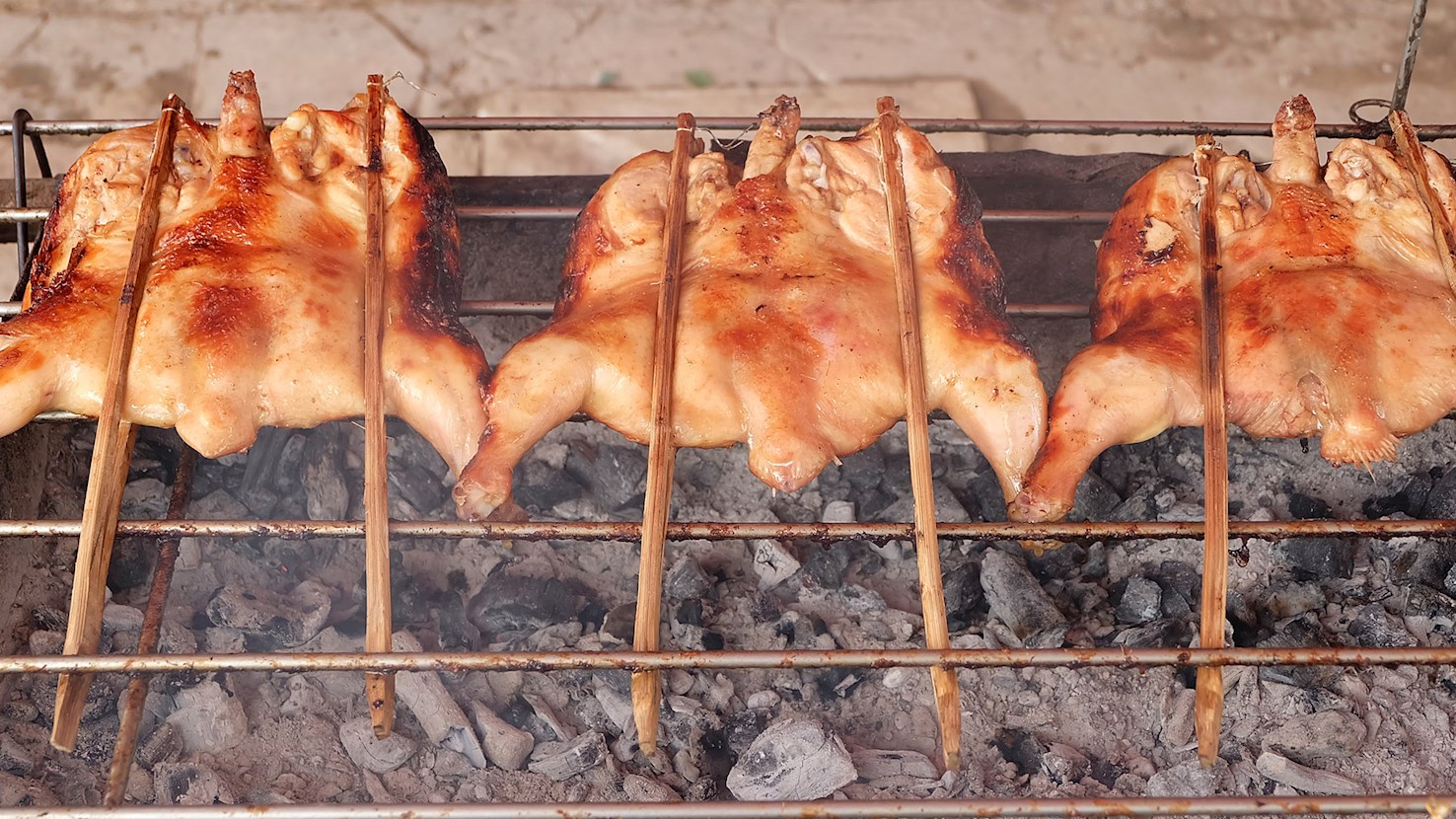
Kai yang is a poultry dish made by grilling or barbecuing a whole, marinated chicken. Although the dish has origins with the Lao people of northeastern Thailand, today it is extremely popular and commonly eaten throughout the country. The chicken is typically paired with sticky white rice, dipping sauces (sweet sauce in the Central region, sour sauce in the Northeast), and a vegetable salad called som tam. It can be found at numerous street stalls all over Thailand. Kai yang differentiates itself from other grilled chicken dishes by its marinade, which is made from numerous ingredients such as soy sauce, ginger, white pepper, fish sauce, vinegar, hoisin sauce, and herbs such as cilantro, lemongrass, and garlic. The dish is also characterized by the method of preparation: the chicken is cooked slowly in order for the meat to absorb all of the flavors from the marinade. Although not much is known about the origin of kai yang, it is believed that the dish was reserved only for the wealthy people in the past, since Lao people primarily consumed seafood, and other types of protein were very rare.
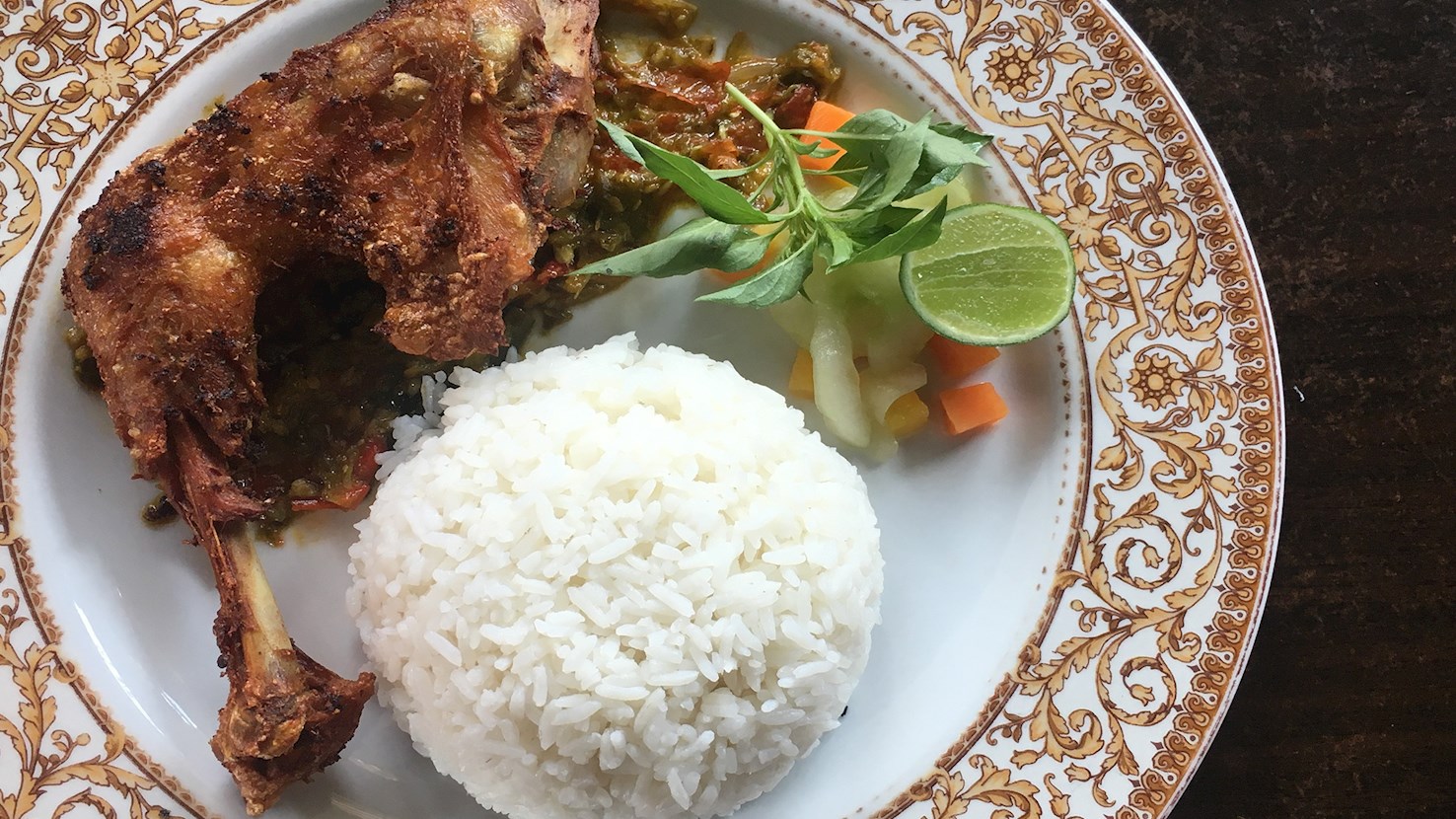
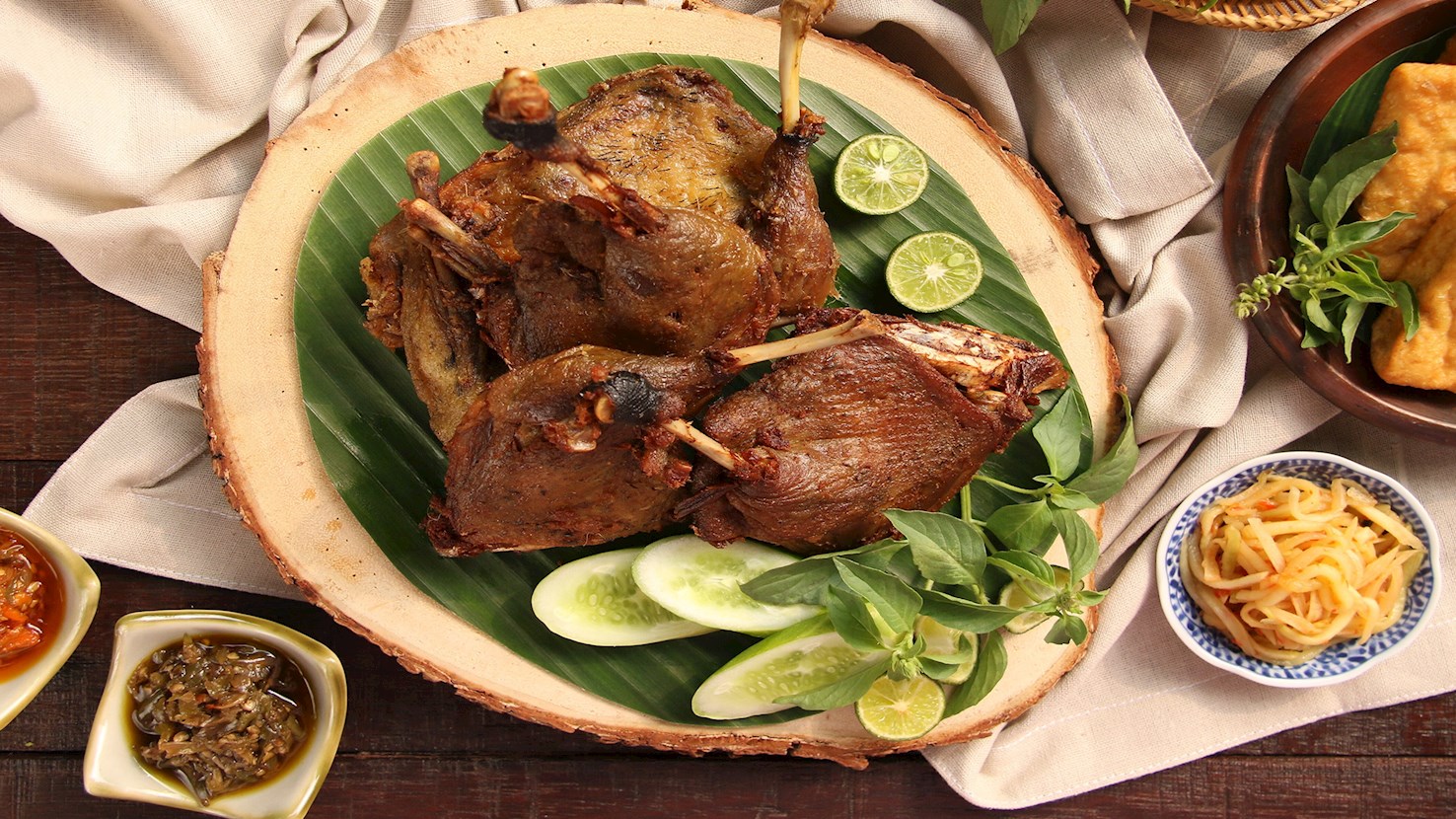
Fried duck is an Indonesian delicacy that is prized for its crispiness as well as its tender, succulent meat. The duck is usually cut into pieces, boiled or steamed, and then deep-fried until crispy. Before it is fried, the pieces are generously coated in spices such as garlic, ginger, turmeric, galangal, or coriander. Bebek goreng is eaten throughout the country and is traditionally accompanied by rice, fresh vegetables such as cucumber or cabbage, and the spicy sambal served on the side.
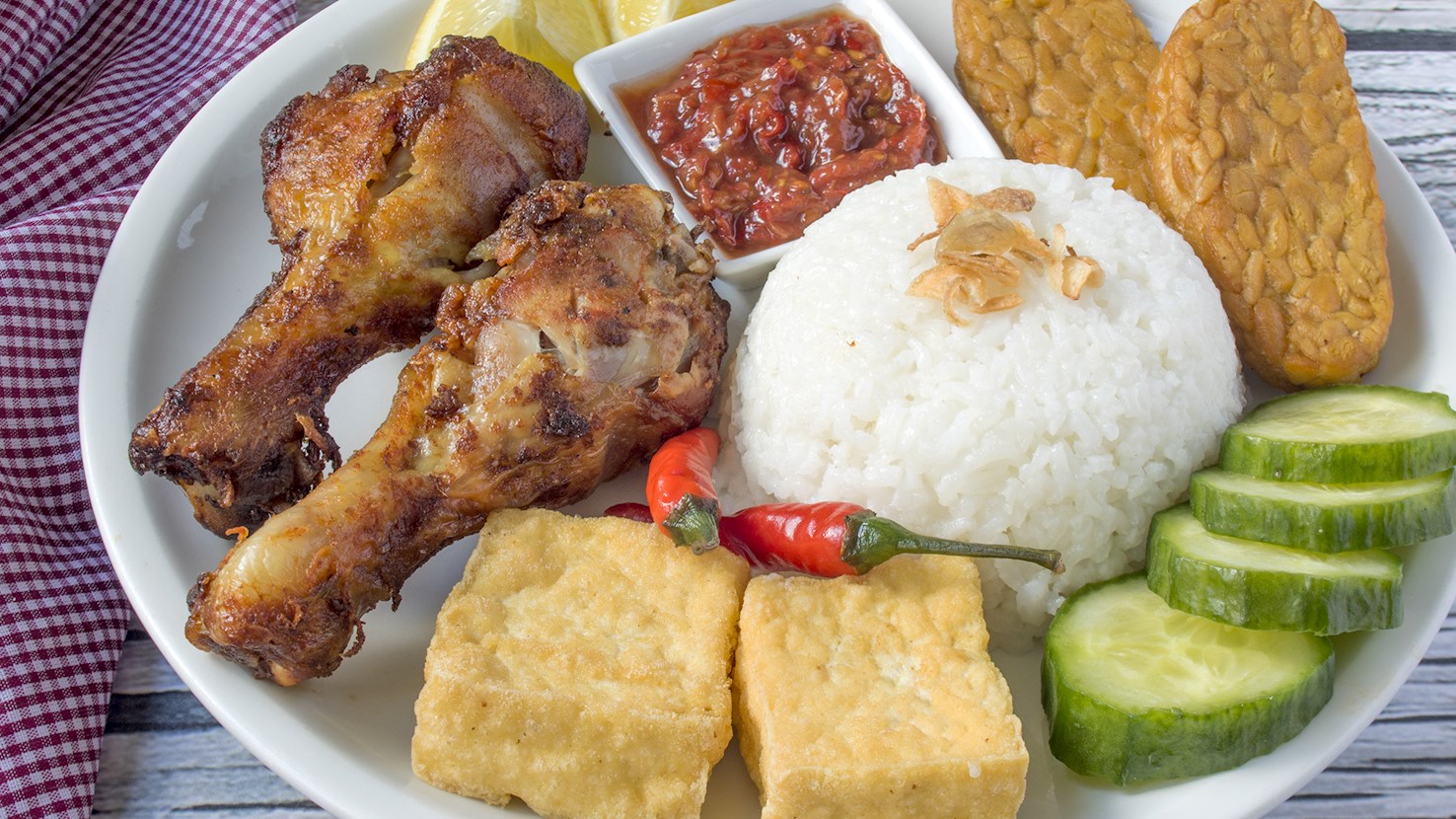
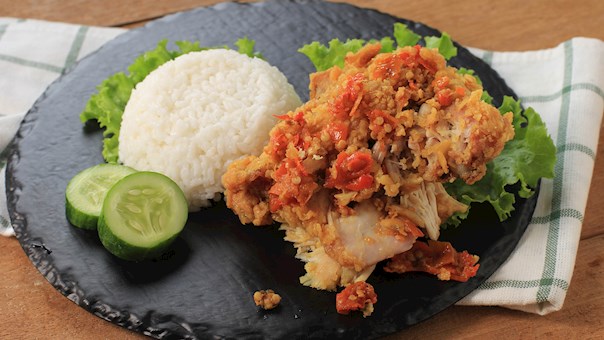
This Indonesian dish consists of pieces of fried chicken that are served coated in sambal, a popular chili paste. The word penyet from the name of this dish means to press or push, referring to the preparation method in which the chicken is pressed by a pestle in order to make the meat more tender. Some versions tenderize the chicken after frying, at the same time coating it with sambal. The dish is served with extra sambal on the side, usually accompanied by fresh vegetables, tempeh, tofu, and rice. Although it hails from East Java, ayam penyet is found throughout the country and is also popular in Singapore.
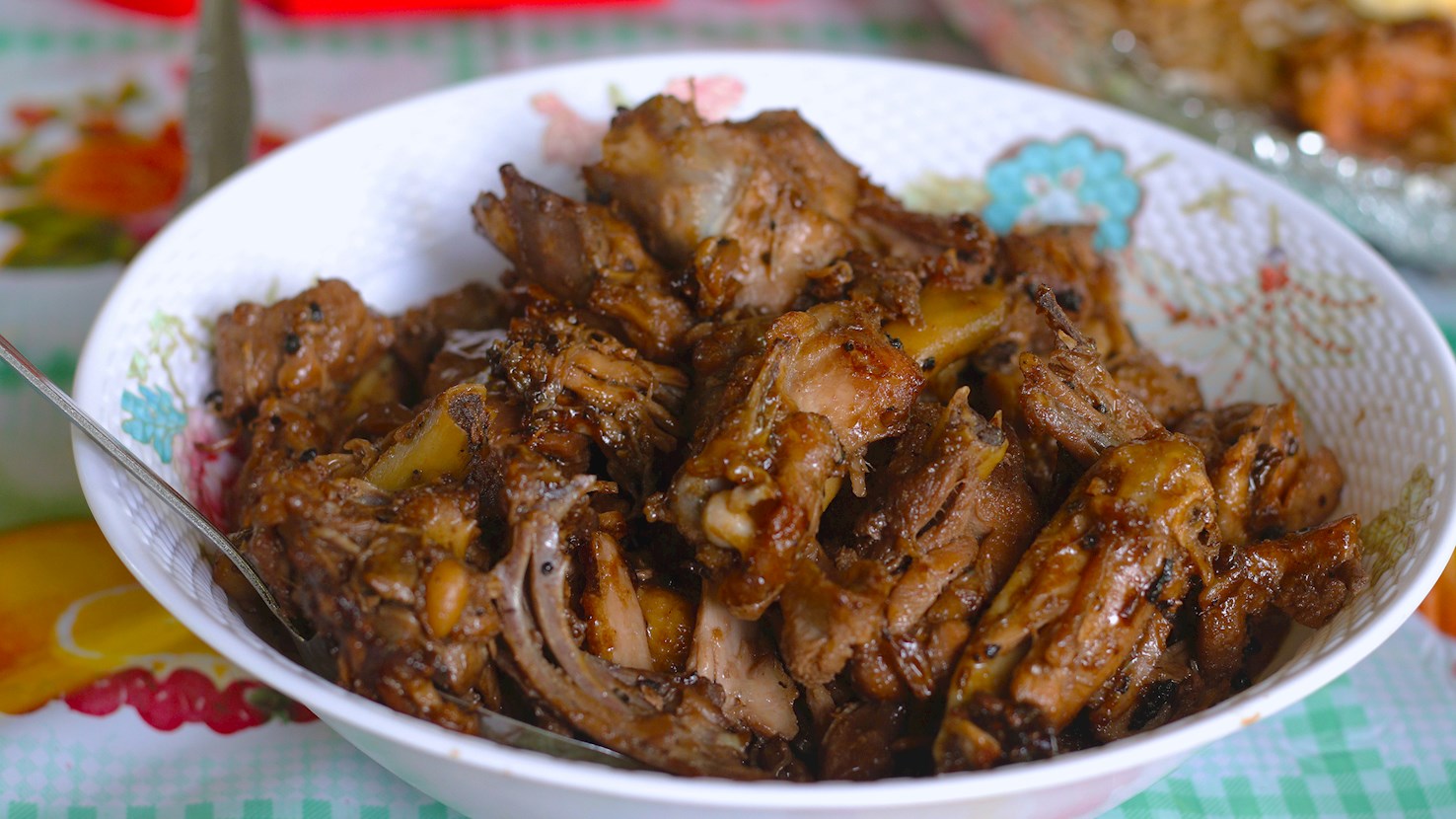
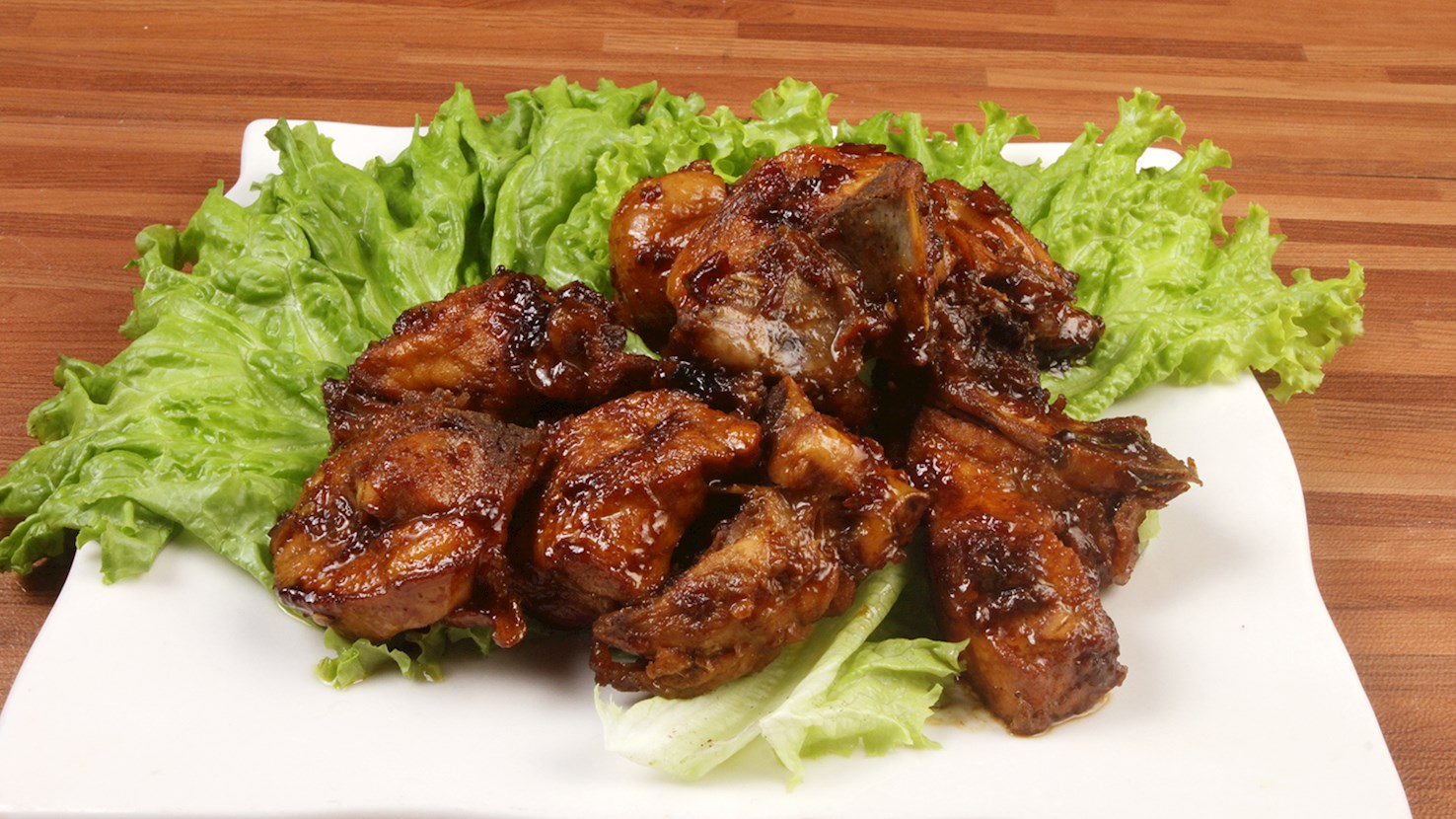
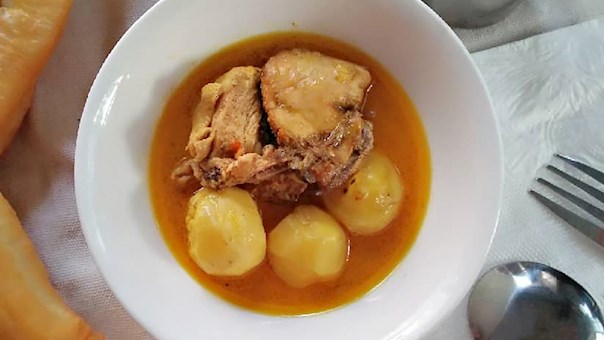
Adobong manok is a traditional stew originating from the Philippines. This type of Filipino adobo is made with a combination of chicken, garlic, onions, bay leaves, peppercorns, oil, brown sugar, soy sauce, and white vinegar. The chicken is cut into pieces and marinated in a mixture of all the mentioned ingredients (except oil). It is then cooked in oil over medium heat until browned. The rest of the marinade is mixed with water and the mixture is poured over the browned chicken. The dish is simmered over high heat until the chicken is fully cooked, and adobong manok is then served with white rice on the side.
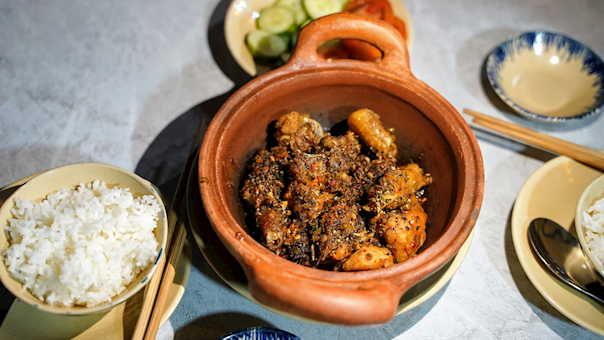
Ayam bakar is a traditional Indonesian grilled chicken dish, beloved across the archipelago for its bold, smoky flavors and deeply aromatic marinade. The name "ayam bakar" translates directly to "grilled chicken" in Bahasa Indonesia. Unlike Western-style grilled chicken that’s often seasoned simply with salt and pepper or barbecue sauce, ayam bakar is marinated and simmered in a rich spice mixture before being finished on a charcoal grill. This spice mixture usually includes garlic, shallots, turmeric, galangal, coriander, candlenuts, lemongrass, tamarind, palm sugar, and sweet soy sauce (kecap manis). The chicken is first slow-cooked in this mixture—sometimes with coconut milk—until tender, allowing it to soak up all the intense, sweet-savory flavors. Once partially cooked, the chicken is then grilled over charcoal or open flame, which gives it a beautifully charred exterior, smoky aroma, and caramelized glaze from the sweet soy sauce. The contrast between the juicy, flavorful meat and the slightly crisp, smoky skin is what makes ayam bakar so irresistible. There are many regional variations throughout Indonesia. In Java, ayam bakar tends to be sweeter due to heavier use of kecap manis, while in Padang or Sunda, the flavor is spicier and more robust, with less sugar and more chili heat. Ayam bakar is typically served with steamed rice, slices of cucumber or tomato, fried tofu or tempeh, and a fiery sambal terasi (chili paste with shrimp paste) on the side.
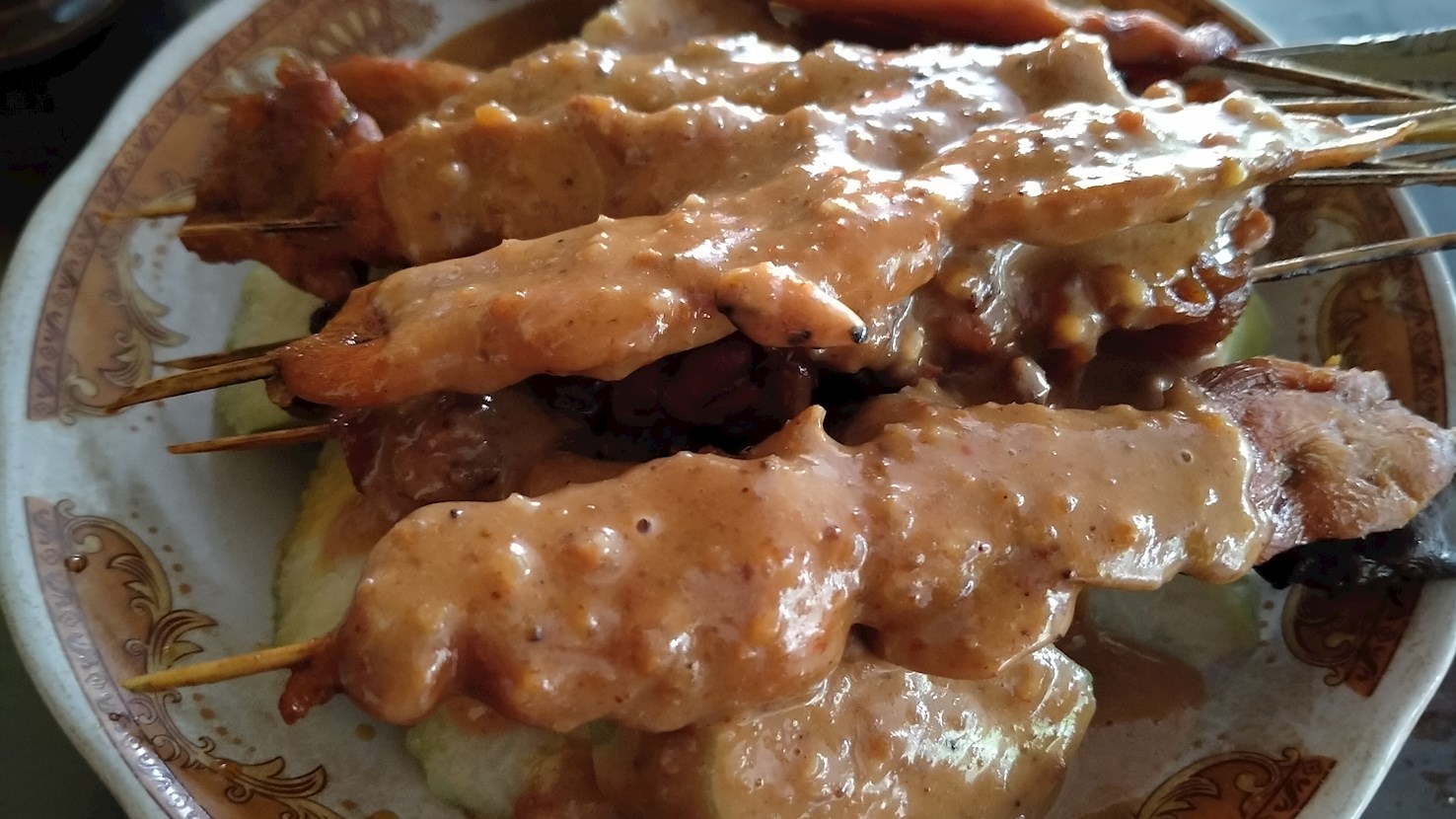
Sate Ponorogo is a regional satay dish originating from Ponorogo, a regency in East Java, Indonesia. It is a distinct variation of Indonesian chicken satay, known for its specific marination technique, longer and thinner meat slices, and rich peanut sauce that differs from the versions found in Central Java or Jakarta. The chicken is sliced in broad, flat pieces instead of cubes, allowing it to absorb the marinade more effectively and cook evenly on skewers. The preparation of sate Ponorogo begins with marinating chicken pieces in a mixture of shallots, garlic, coriander, candlenuts, turmeric, galangal, salt, and a generous amount of sweet soy sauce or palm sugar-based seasoning. The marinade is sometimes applied in two stages to allow deeper flavor absorption, often involving hours or even overnight soaking. Unlike other satay types where the meat is threaded onto skewers in smaller chunks, the pieces used for sate Ponorogo are cut lengthwise and arranged on bamboo skewers with more space between them, helping them cook faster and develop a slightly charred edge while staying tender. Grilling is done over charcoal, with repeated basting using a similar sweet-savory sauce derived from the marinade. The cooking process is closely monitored, and the skewers are turned regularly to ensure even grilling. The accompanying peanut sauce is smoother and slightly thinner compared to the Central Javanese variety, often mixed with sweet soy sauce and a small amount of chicken broth or leftover marinade for depth. It is served separately or poured over the satay along with sliced shallots, lime wedges, and fresh chili. Sate Ponorogo is commonly eaten with rice cakes known as lontong, or with steamed rice, and is typically served at specialized stalls or street vendors in Ponorogo, some of which have operated for generations. While variations of chicken satay exist throughout Indonesia, sate Ponorogo is notable for the prominence it gives to the marinade and the specific slicing and skewering method that define its appearance and texture. The dish has gained recognition beyond its region, with stalls in Surabaya, Jakarta, and even other provinces offering it under the same name, though the most sought-after versions remain those sold in the town of Ponorogo itself.
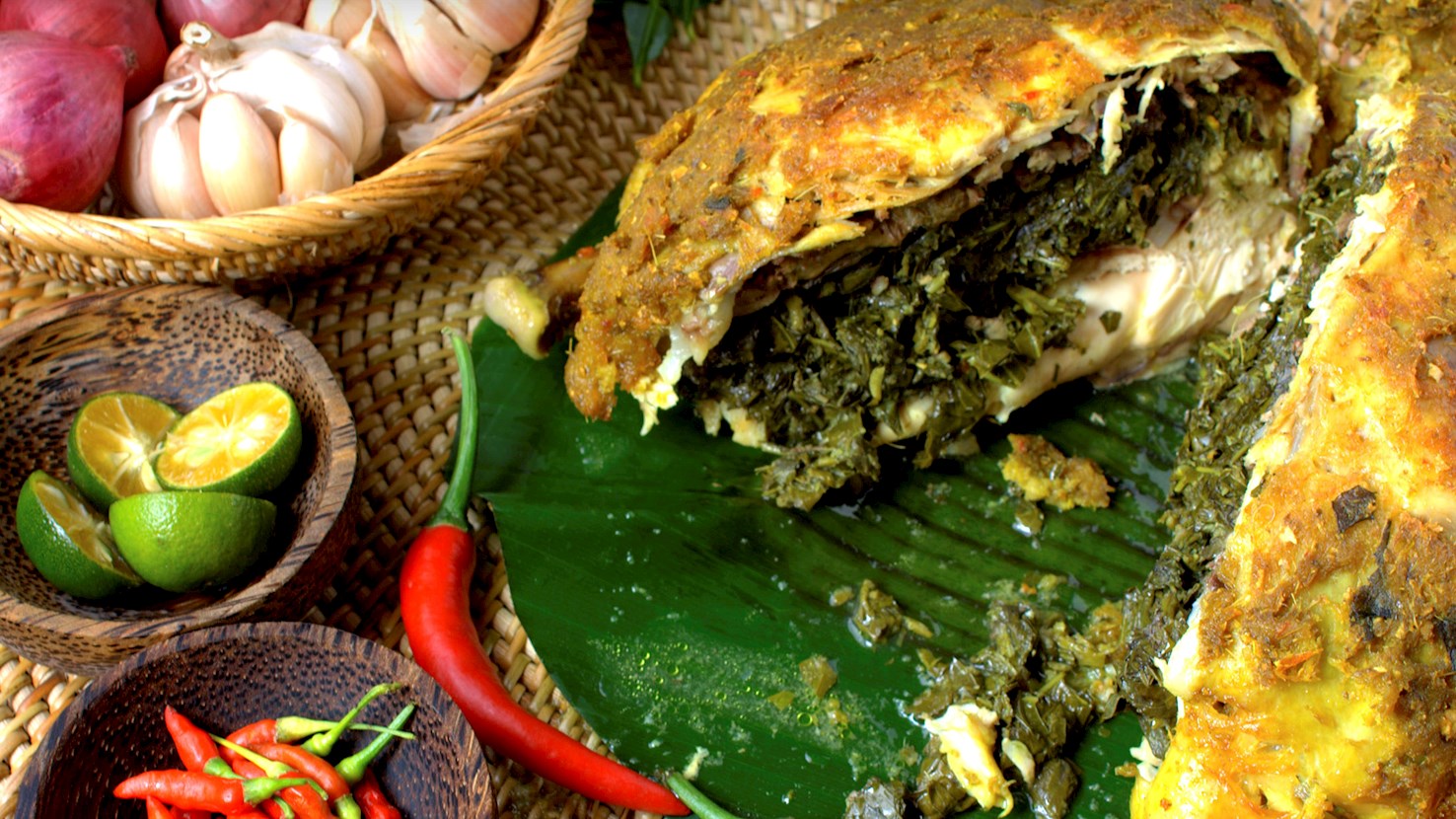
This ceremonial Balinese dish comes in two versions: the chicken-based ayam betutu, or the traditional duck version that goes under the name bebek betutu. The whole animal is rubbed and stuffed with a mixture of local spices such as turmeric, ginger, pepper, chili, and shrimp paste. Though the dish is nowadays mainly barbecued, the traditional procedure includes wrapping the seasoned duck or chicken in leaves, placing it in an earth oven, then steaming it over hot coals. If prepared in an old-fashioned way, the dish should always be ordered at least a day ahead. Long steaming time and fragrant spices produce a dish that is moist and full of flavor, and it is usually served at weddings and other important ceremonies.
TasteAtlas food rankings are based on the ratings of the TasteAtlas audience, with a series of mechanisms that recognize real users and that ignore bot,
nationalist or local patriotic ratings, and give additional value to the ratings of users that the system recognizes as knowledgeable.
For the “Top 55 Southeast Asian Poultry Dishes” list until June 15, 2026, 1,653 ratings were recorded, of which 1,227 were recognized by the system as legitimate.
TasteAtlas Rankings should not be seen as the final global conclusion about food. Their purpose is to promote excellent local foods,
instill pride in traditional dishes, and arouse curiosity about dishes you haven’t tried.