


shutterstock

Top 4 Icelandic Preserved Fish and Fish Products

Last updated on July 01, 2026
01

Harðfiskur

3.4 ·

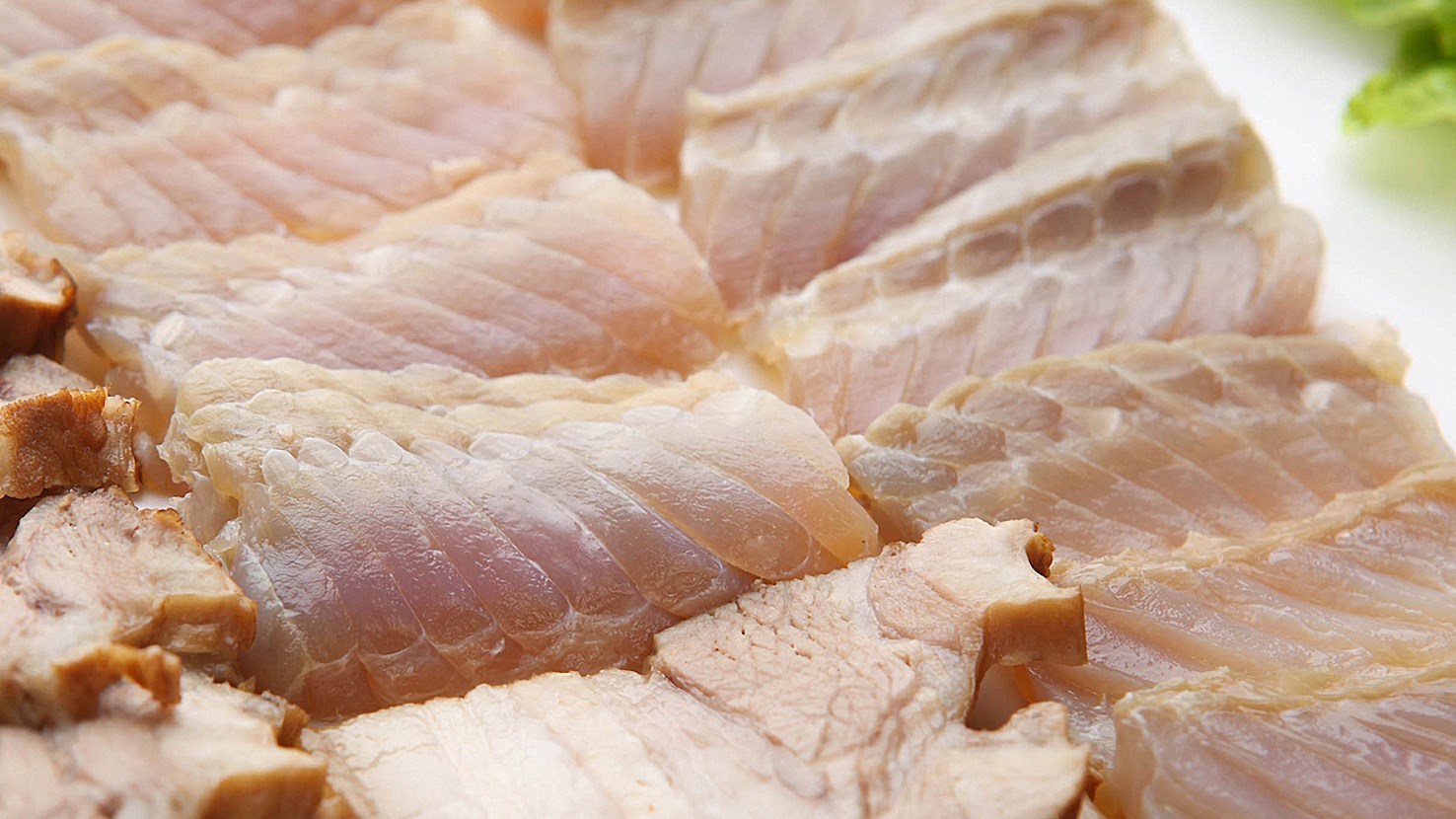
One of the staples of traditional Icelandic diet, harðfiskur is a fish delicacy made by following an old preserving method that involves drying fresh fish on wooden racks, outdoors in the cool Icelandic wind. The fish may be soaked in a weak brine before being dried for a slightly saltier flavor of the finished product. Typical fish include haddock, cod, and wolfish, although fish such as flounder or arctic char can also be used. After drying for several weeks, the fish obtains a tough, papery, and chewy texture, and a characteristic yellowish hue, while the flavor is salty with a strong odor. The fish needs to be pounded well before consumption so that it becomes flakier and softer, and is then typically enjoyed smeared with cold, salted butter as a snack. High in protein, omega-3 fatty acids, and vitamins, this fish delicacy is often enjoyed as packed lunch or used in stews or soups, and it is also an essential part of the Icelandic þorramatur buffet, which is traditionally consumed during the midwinter festivals (Þorrablót) in Iceland. Once food for the poor, harðfiskur is today an expensive food item in Iceland, and it can be found in almost any grocery store.

02

Stenbitsrom

3.3 ·

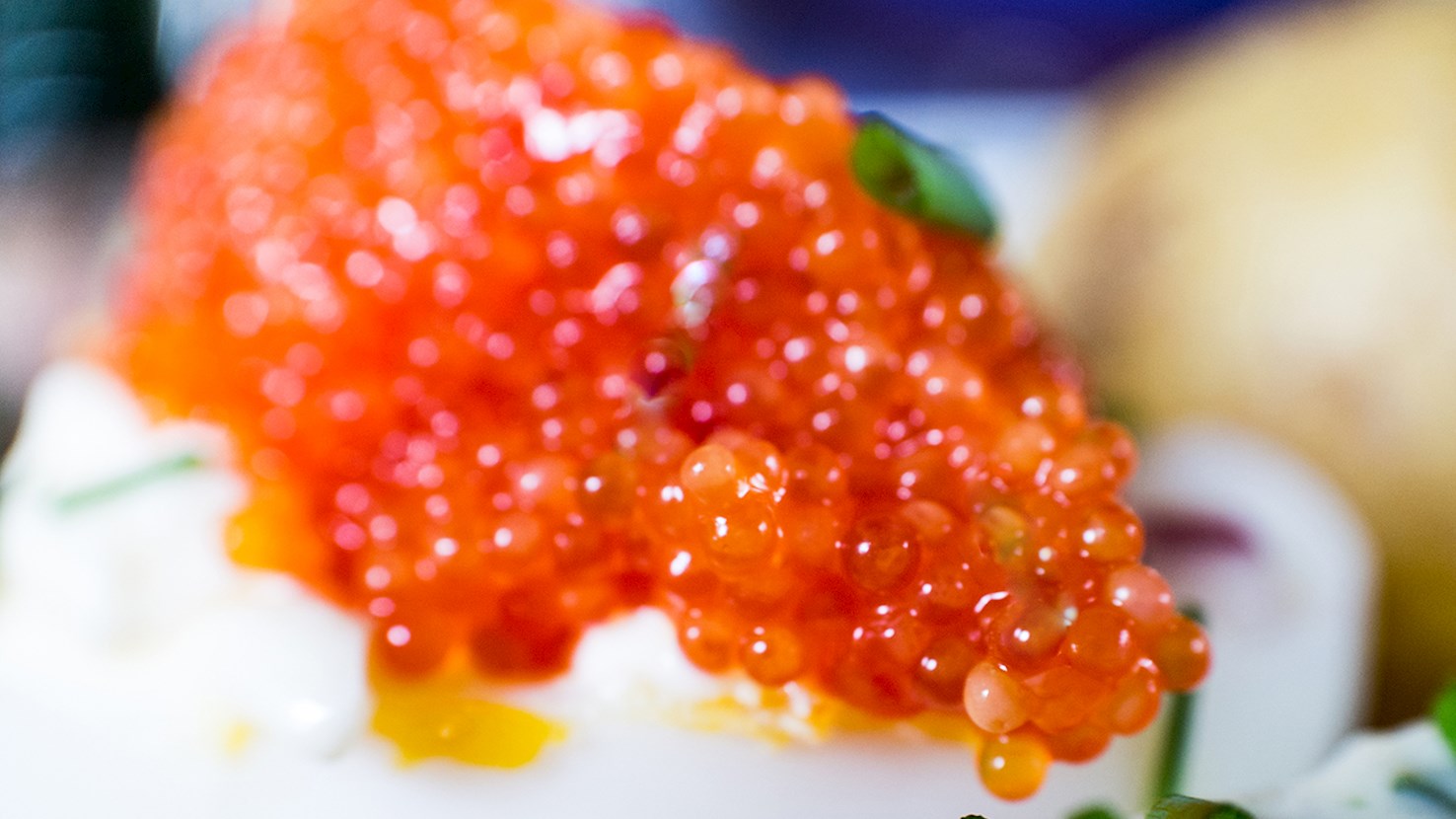
Lumpfish roe is one of the more available roe varieties, and it is usually reasonably priced. It is harvested from lumpfish (Cyclopterus lumpus), which is mostly found in the cold waters of the North Atlantic. The natural color of the roe can vary, though it is usually pale gray or dusty pink. However, most producers opt for artificial coloring to attain appealing red or black hues. The beads are small, mildly-flavored, briny, and subtly sweet. Lumpfish roe is an excellent addition to appetizers, salads, soups, or seafood-based main dishes. The major producers of lumpfish caviar are Denmark, Germany, Iceland, and Sweden, while the main importing countries are France, Germany and the United States of America.

03

Hákarl

1.9 ·

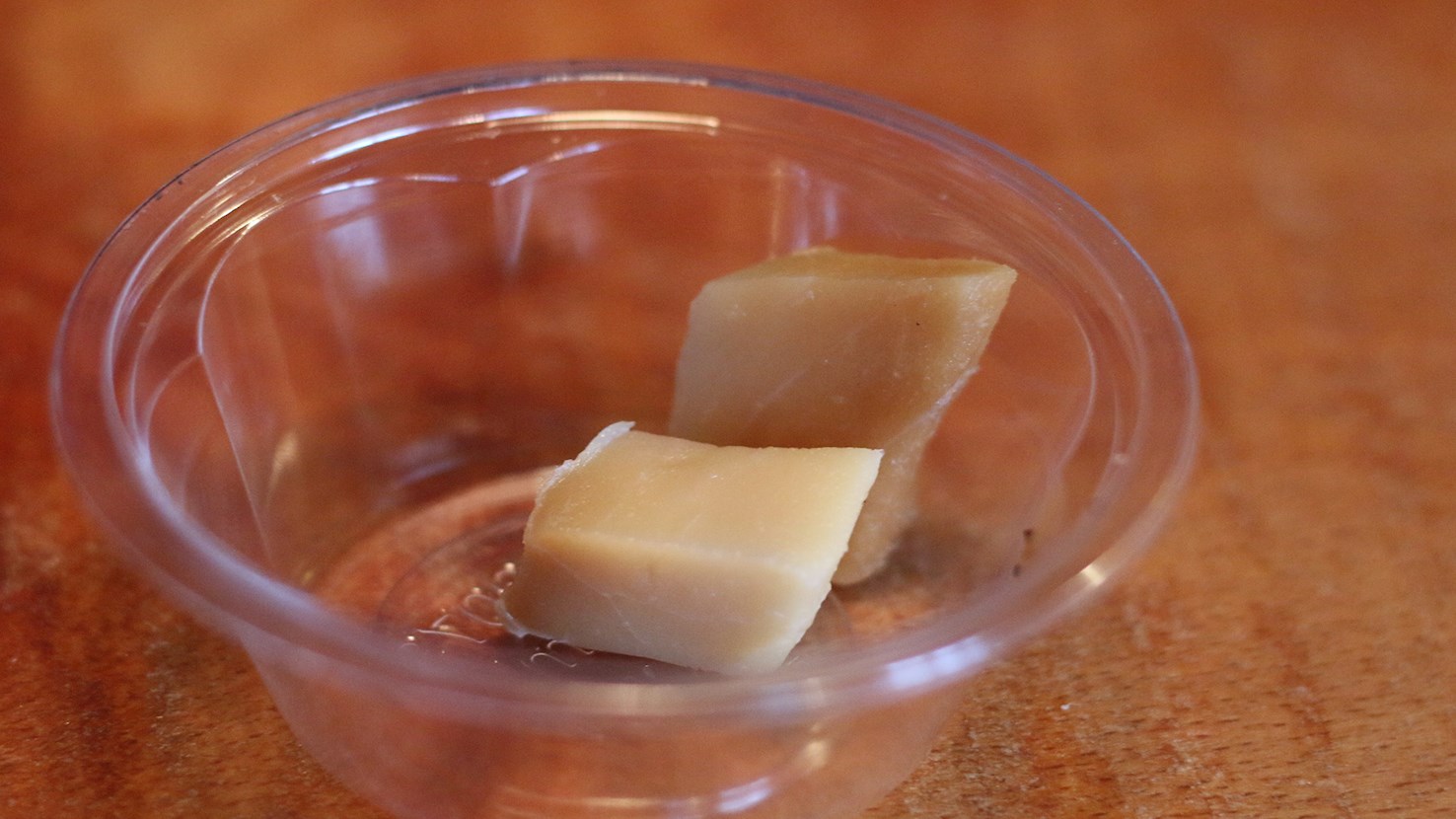
Hákarl is Iceland's national delicacy made from cured shark flesh, namely Greenland shark and other sleeper sharks. The meat is first fermented for up to three months, then hung and left to dry for another four to five months. There are two varieties of the dish: the chewy, reddish glerhákarl, and tender, white skyrhákarl. It is often considered to be food for the brave, because the high ammonia content often makes people gag. The cured shark meat is typically cut up into cubes and served on toothpicks with an accompanying shot of a local spirit known as brennivin.

04

Kæst skata

n/a ·

Known for its rather pungent smell, kæst skata is an Icelandic winter specialty consisting of fermented skate. Skate fish is typically buried in sand and left to ferment for 6 months - a process which gives the fish its recognizable smell of ammonia. The fish is occasionally salted, which significantly diminishes its strong smell. In Iceland, this fish specialty has long been an indispensable part of the holiday table for Þorláksmessa (Mass of St. Thorlák, celebrated on December 23), although its popularity has been on the decline in recent years. Kæst skata is mostly consumed in the West Fjords area, and it is typically accompanied by boiled potatoes and turnips, lamb fat, and buttered slices of rye bread, as well as some brennivín schnapps (traditional Icelandic beverage) and cold beer on the side. As for the flavor of the dish, opinions are divided between those who truly appreciate its flavor and regard the dish as a delicacy and those who are entirely repelled by its smell, so much that they won't even try it.

Read more
View all
View map
About this ranking

TasteAtlas food rankings are based on the ratings of the TasteAtlas audience, with a series of mechanisms that recognize real users and that ignore bot, nationalist or local patriotic ratings, and give additional value to the ratings of users that the system recognizes as knowledgeable. For the “Top 4 Icelandic Preserved Fish and Fish Products” list until July 01, 2026, 156 ratings were recorded, of which 114 were recognized by the system as legitimate. TasteAtlas Rankings should not be seen as the final global conclusion about food. Their purpose is to promote excellent local foods, instill pride in traditional dishes, and arouse curiosity about dishes you haven’t tried.

Similar lists