shutterstock

Top 4 Andalusian Preserved Fish

Last updated on June 04, 2026

Best Andalusian Preserved Fish
01

Herpac

4.7 ·
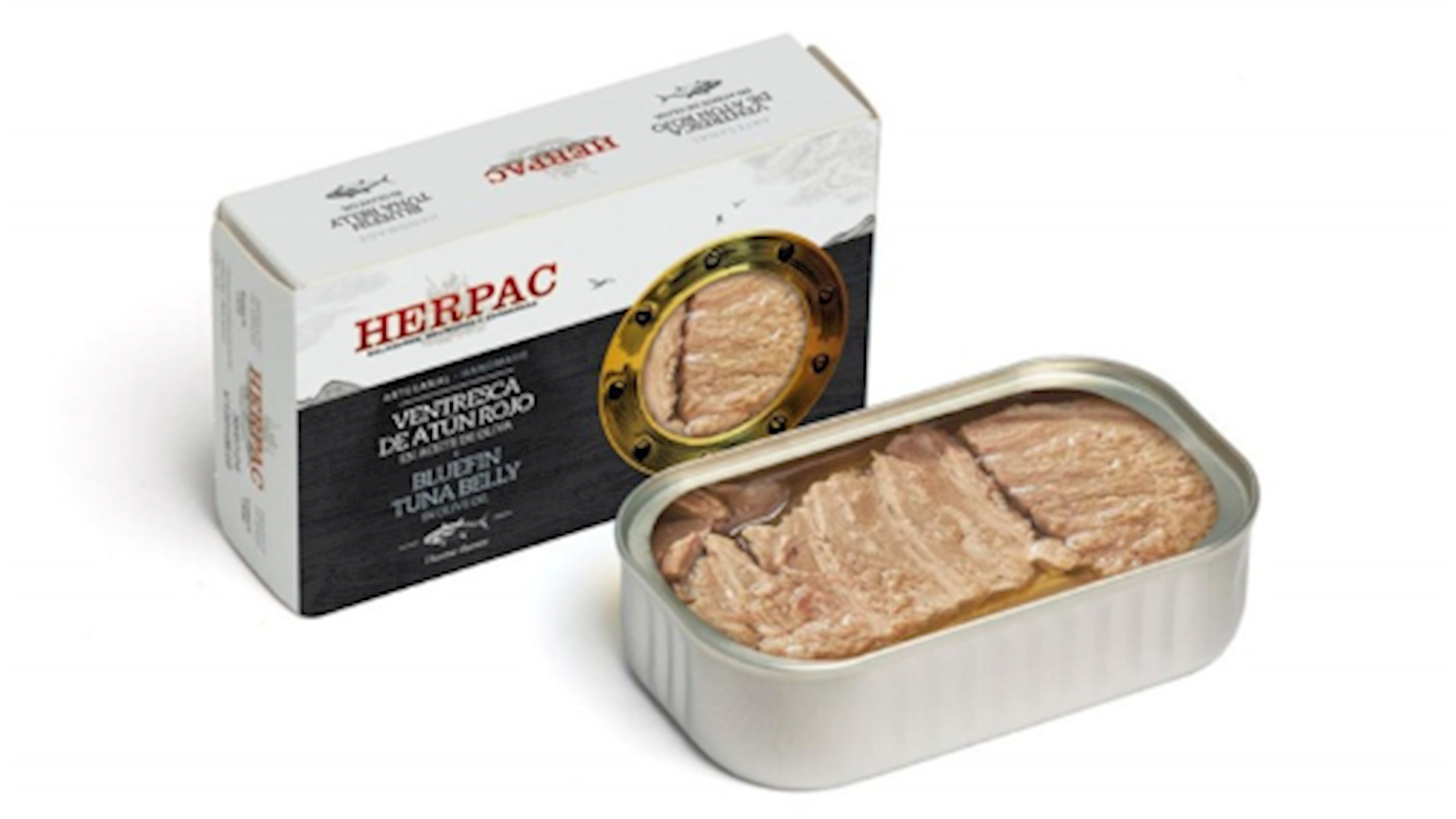
Herpac is a family-owned company based in Barbate, Cádiz, a coastal area historically linked to bluefin tuna fishing through the traditional almadraba method. Founded in 1986 by the Pacheco brothers, the company began as a small operation focused on salting and processing tuna, gradually evolving into a recognized producer of canned and cured seafood products. Its portfolio includes canned tuna, ventresca, smoked items, and regional specialties such as mojama, a salt-cured tuna product typical of southern Spain. Production is still strongly rooted in manual work, with fish cutting and preparation carried out by hand to maintain control over quality and consistency. The company combines these traditional techniques with modern processing standards, aiming to preserve the original characteristics of the raw material without excessive intervention. Sourcing is closely tied to local fisheries and regulated catches, reinforcing a connection to the territory and more responsible fishing practices. Although Herpac distributes its products internationally, it continues to operate with a family-driven approach, emphasizing origin, craftsmanship, and continuity in production methods rather than large-scale industrialization.

Best Andalusian Preserved Fish Types
01

Caballa de Andalucia

3.7 ·

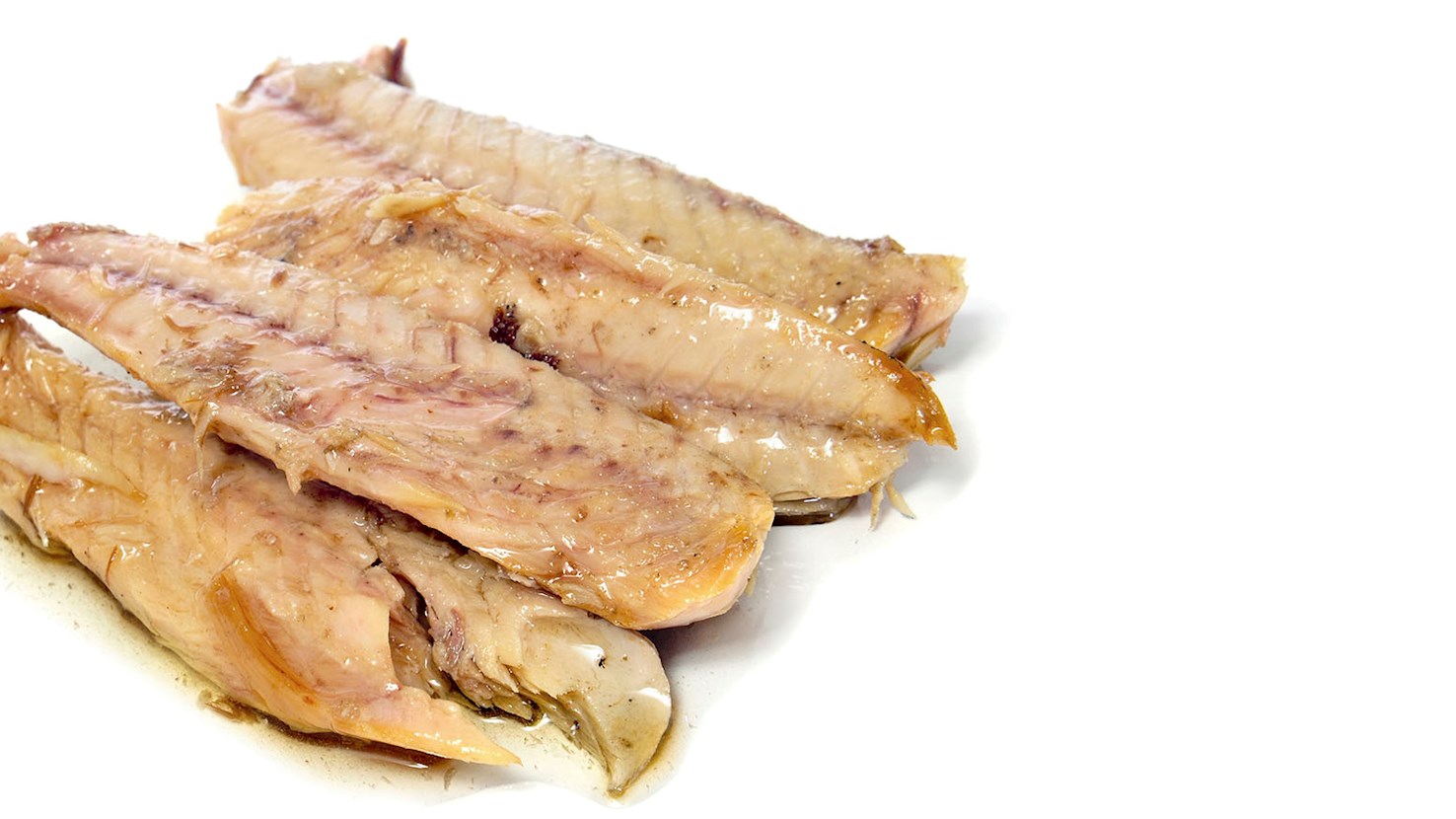
Caballa de Andalucia are mackerel fillets of the species Scomber japonicus, fresh or preserved in sunflower or olive oil. This particular species has been fished in the south of Spain for three thousand years and is to this day preserved using traditional, non-industrial methods. Caballa de Andalucia is produced by boiling the mackerel fillets in salted water, skinning them by hand and covering them in oil in glass or metal containers. In spite being labor-intensive, these methods help avoid the use of chemicals, thus ensuring a higher quality product. These premium-quality fillets are white, smooth and juicy in texture and very aromatic.

02

Mojama de Isla Cristina

3.7 ·

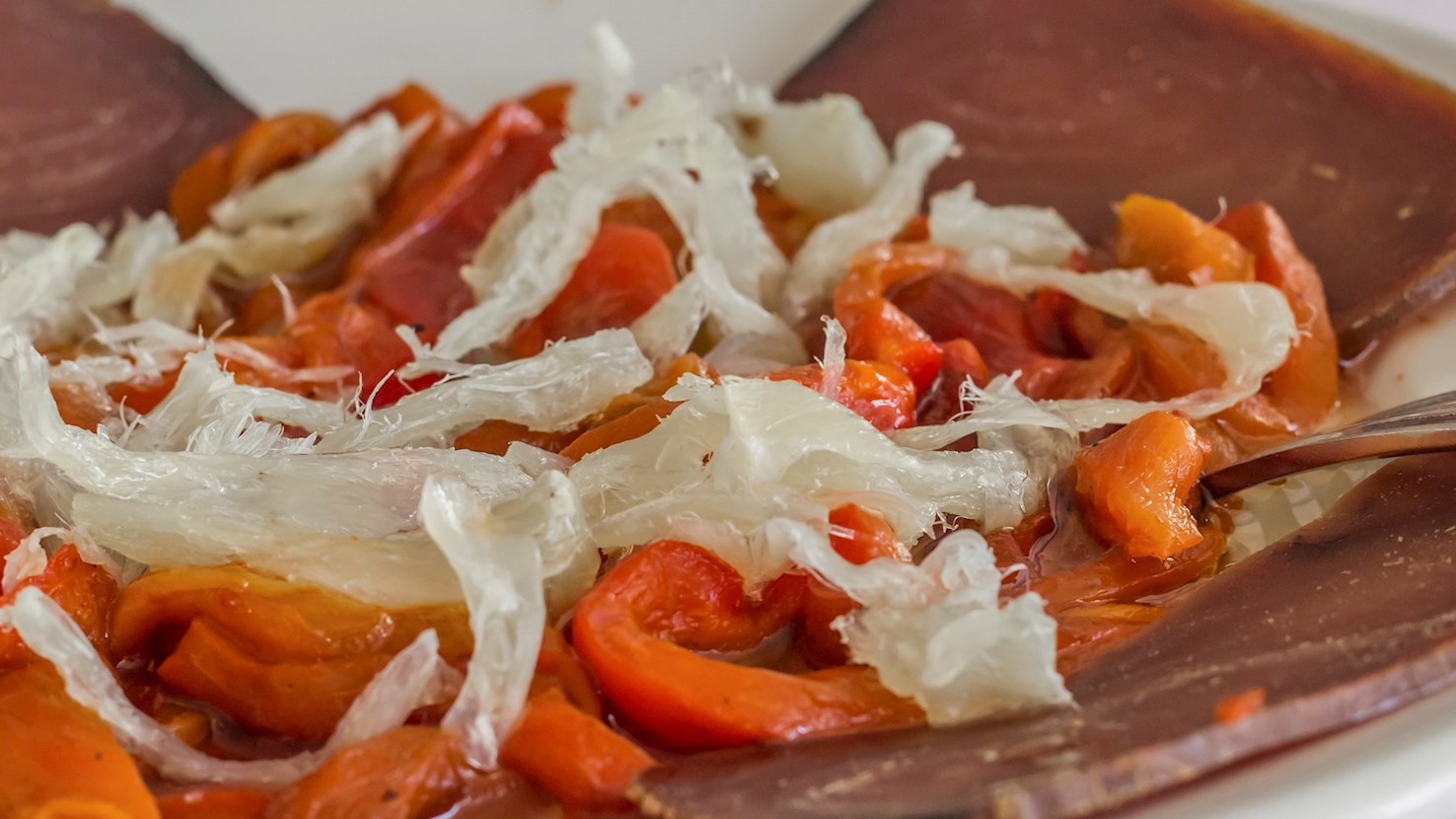
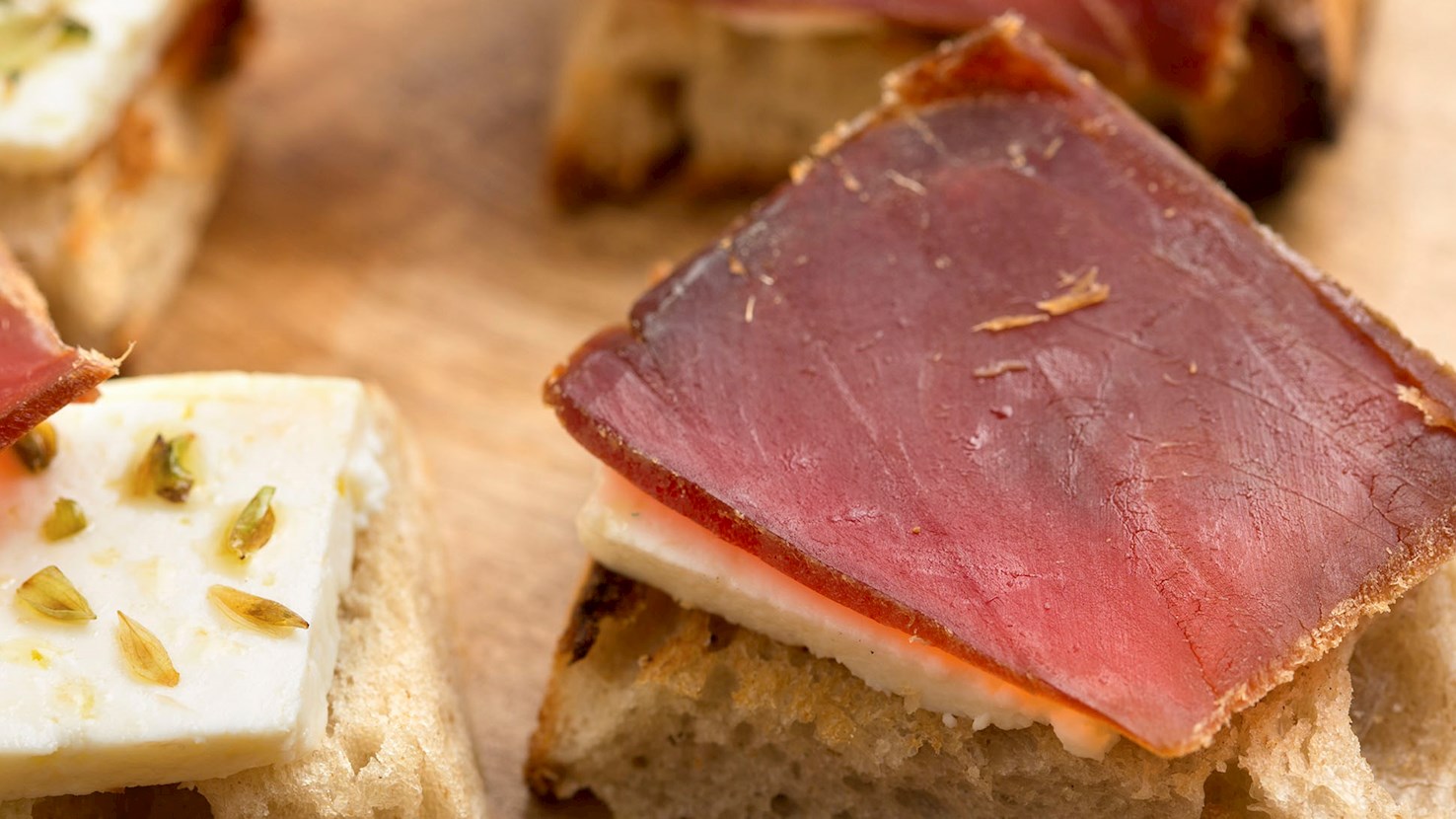
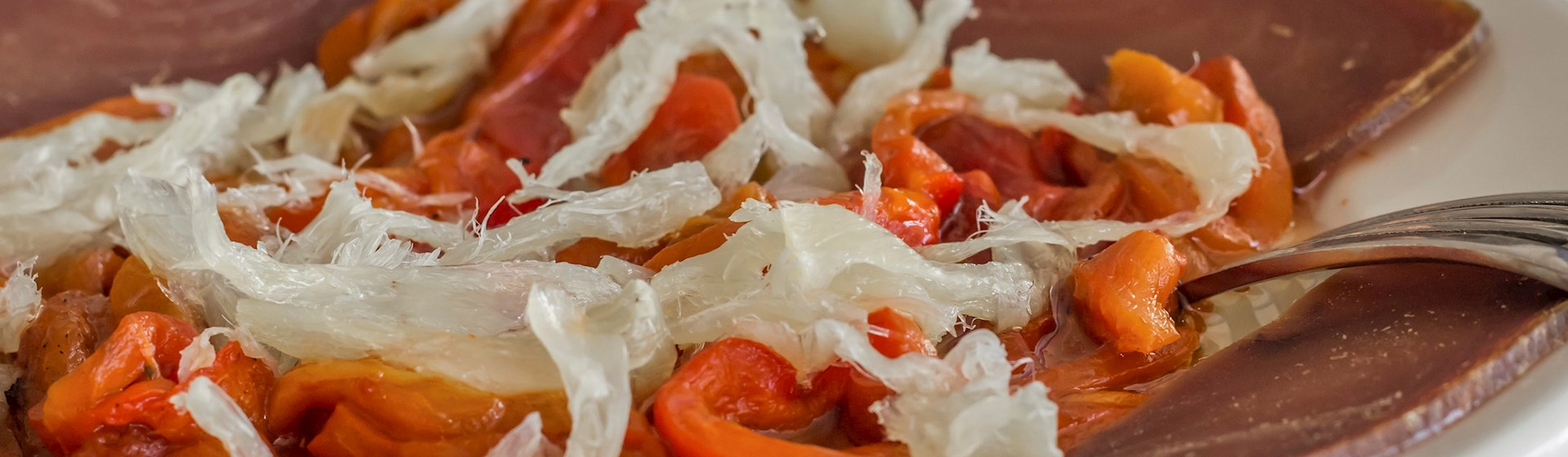
Mojama de Isla Cristina is a cured and dried tuna fish loin made in the municipalities of Isla Cristina, Lepe, Cartaya and Ayamonte in the province of Huelva. There are two types of mojama; Extra - which is made from the inside part of the loin, and Primera - made from the adjacent loin parts. Mojama de Isla Cristina is made from both yellowfin and bluefin tuna. The fish is prepared, salted and washed, and is then left to cure and dry. This slow process allows for all the flavors and nuances to fully develop, creating the complex and characteristic flavor. Smooth and succulent mojama is then sliced and either vacuumed or covered in olive oil in a jar. This rich brown fish is rich in protein and healthy omega 3 fatty acids.

03

Mojama de Barbate

n/a ·

Mojama de Barbate is a cured and dried tuna fish loin made in the municipalities of Barbate and Vejer de la Frontera, in the province of Cádiz. There are two types of mojama; Extra - which is made from the inside part of the loin, and Primera - made from the adjacent loin parts. Mojama de Barbate is made from both yellowfin and bluefin tuna, which is salted and washed, after which it is cured and dried. It is usually sold sliced and vacuumed or covered in olive oil in glass jars. Mojama de Barbate is deep red to brown in color, very smooth and never fibrous in texture. It has a complex flavor characteristic for fatty blue fish. Nutritionally, mojama is rich in protein and omega 3 fatty acids.

04

Melva de Andalucia

n/a ·

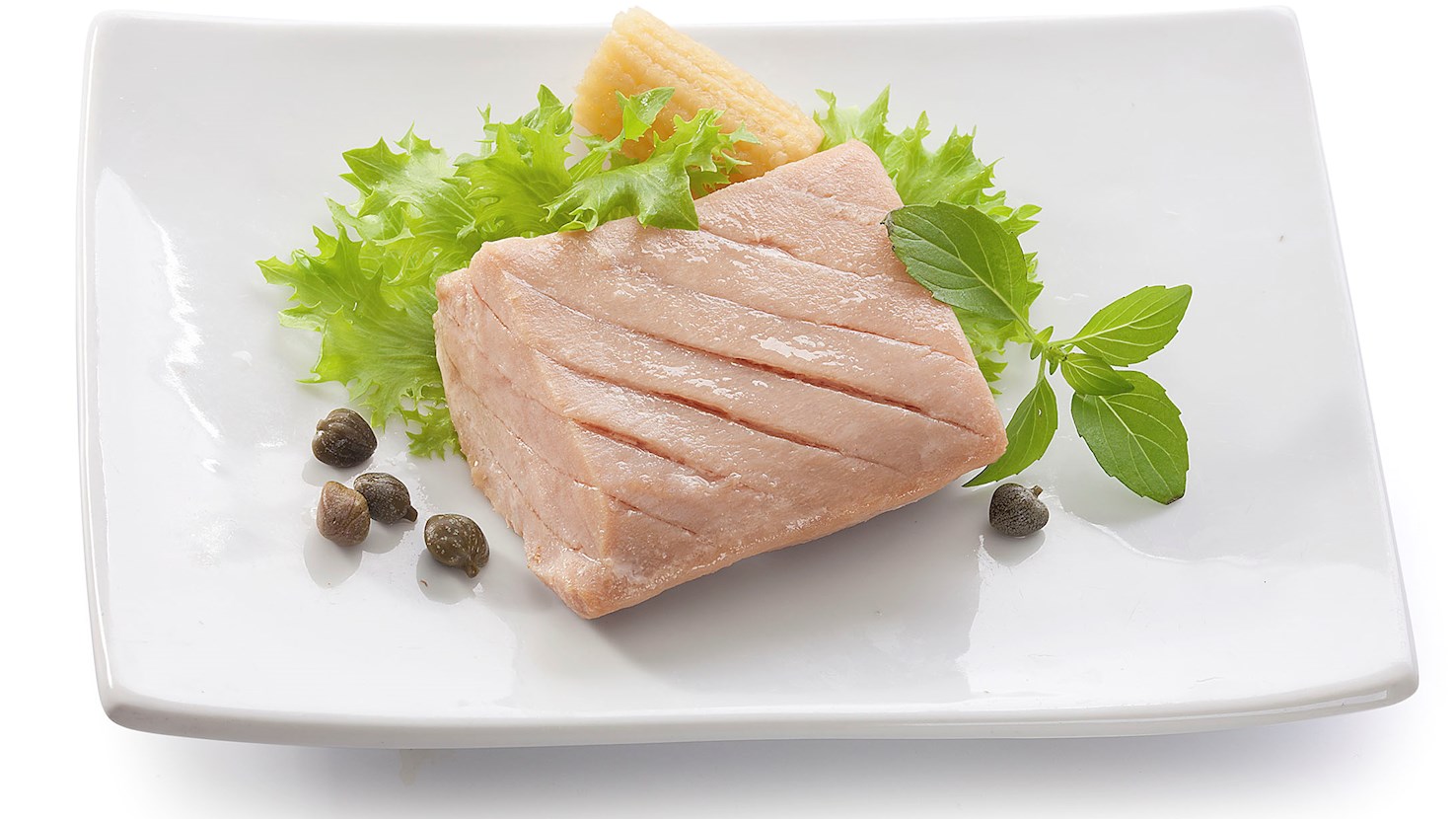
Melva de Andalucia are preserved tuna fillets, produced by hand using traditional methods in the province of Almería. This tuna is packaged either in tins or glass jars and can be preserved using water, or either olive or sunflower oil. Melva de Andalucia is a gourmet product made by hand-skinning the tuna, lightly salting and canning the meat. Every step of the production, from catching the fish to canning the fillets, must take place in the municipalities of Almería, Adra, Carboneras, Garrucha and Roquetas de Mar in the province of Almería. By avoiding standard industrial methods of canning fish, and utilising traditional ways of preservation, manufacturers have achieved the product of exceptional quality and unmistakable flavor.

Read more
View all
View map
About this ranking

TasteAtlas food rankings are based on the ratings of the TasteAtlas audience, with a series of mechanisms that recognize real users and that ignore bot, nationalist or local patriotic ratings, and give additional value to the ratings of users that the system recognizes as knowledgeable. For the “Top 4 Andalusian Preserved Fish” list until June 04, 2026, 31 ratings were recorded, of which 23 were recognized by the system as legitimate. TasteAtlas Rankings should not be seen as the final global conclusion about food. Their purpose is to promote excellent local foods, instill pride in traditional dishes, and arouse curiosity about dishes you haven’t tried.

The initial list of top producers was compiled based on available reviews, awards, local recommendations, media and blog coverage, and consumer reviews. The list will be updated with ratings from TasteAtlas local ambassadors and TasteAtlas users.

Similar lists