In China, pickling food is an ancient tradition dating back to the Zhou dynasty era, and today there are more than 130 different kinds of Chinese pickles. Home pickling is so important that there are even special porcelain urns used only for the preparation of this flavorful appetizer or side dish. Most commonly, the pickled ingredients include cabbage, eggs, lettuce hearts, cucumbers, mustards, radishes, and bamboo shoots. The ingredients are pickled in a combination of water and vinegar that can be enhanced with anything from Sichuan peppercorns to ginger, in order to give the pickles a unique flavor. When served on the side, they are often used as a palate cleanser. Regardless of the endless varieties of Chinese pickles, the only important thing is that they are all extremely flavorful and provide extra crunch to a variety of main dishes.
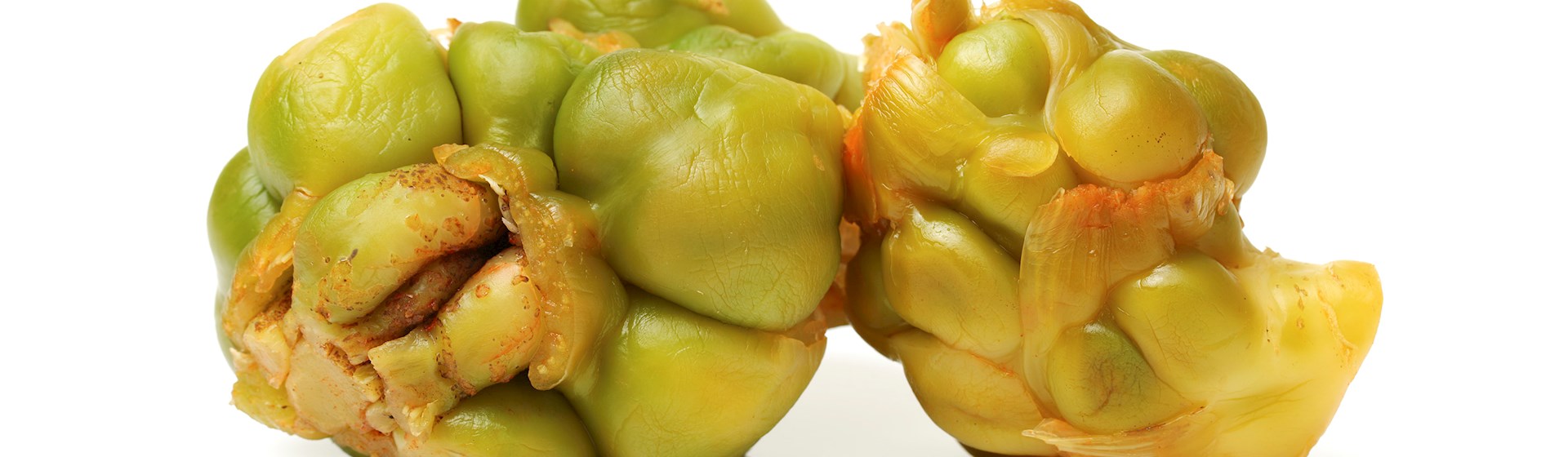
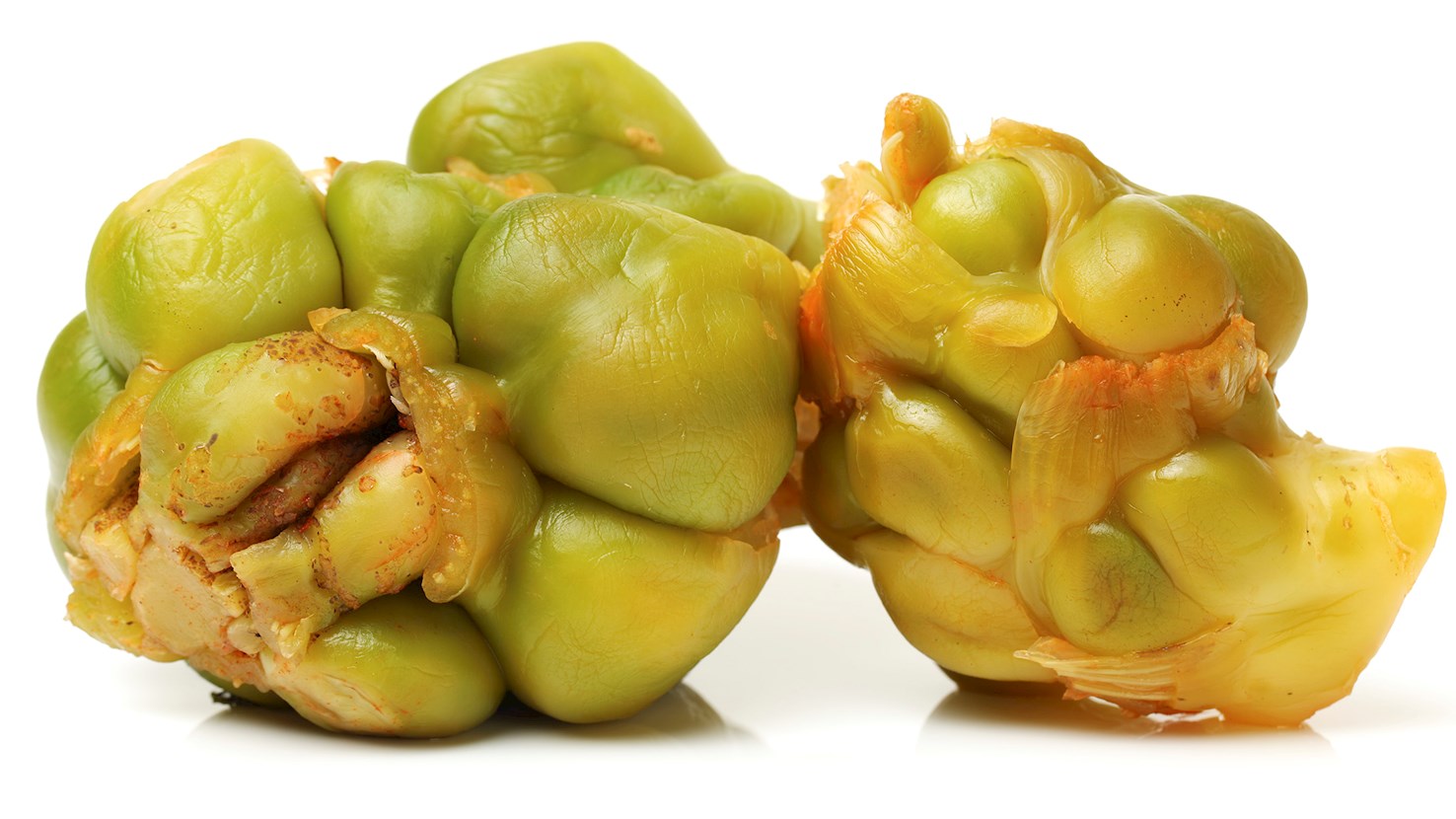
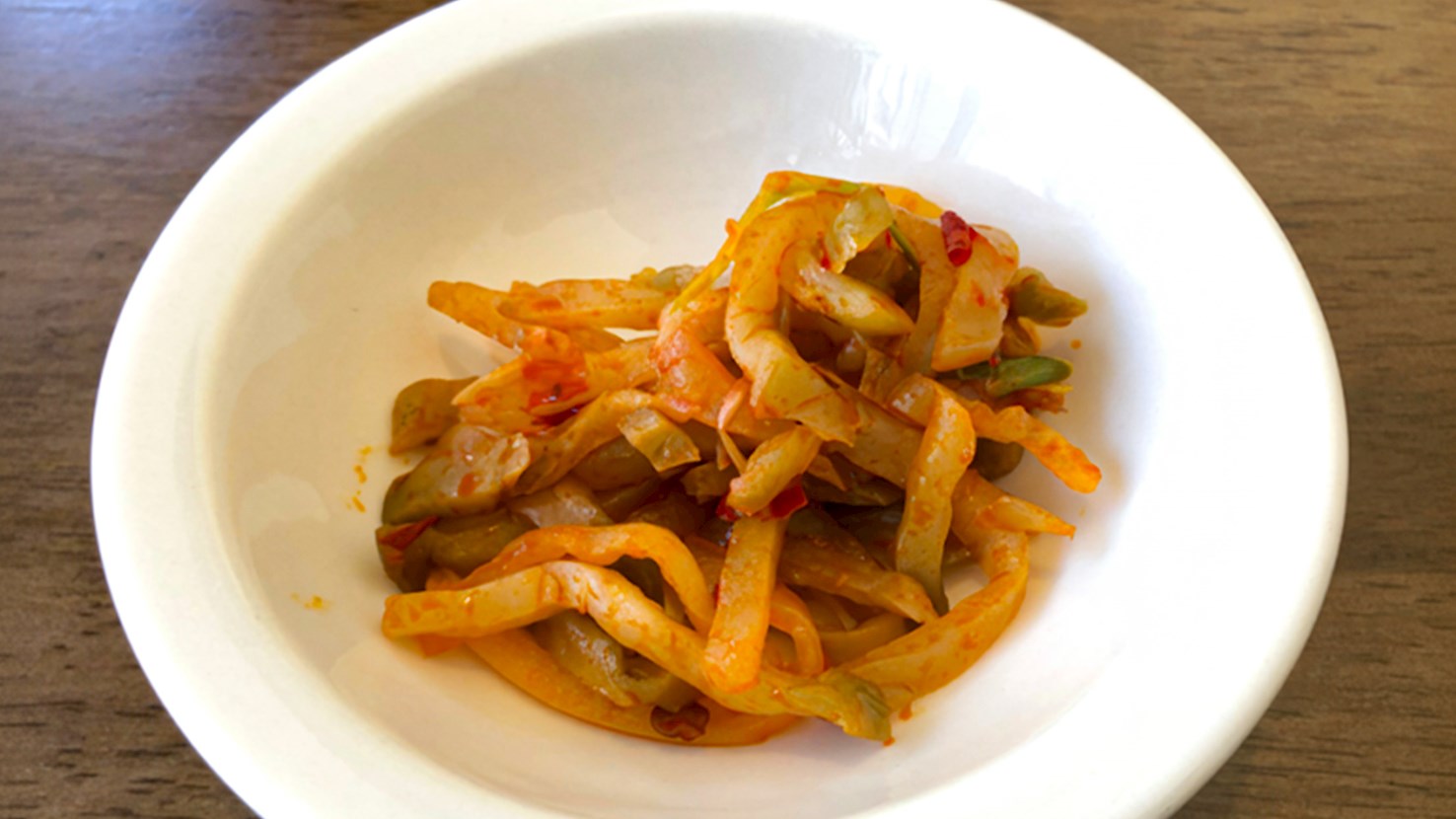
Zha cai is pickled stem of mustard cabbage from Sichuan. The stems are traditionally rubbed with salt and pressed in order to release excessive moisture. Later on, they get rubbed with spicy, red chili paste and are left to ferment in large earthenware vessels. Zha cai can be used in a number of dishes and is usually braised, cooked, stir-fried, placed in soups, or consumed on its own as a pickle. The pickle is rich in umami and adds a flavorful savoriness to foods. It has a crisp, firm texture and a unique, sweet, spicy, and salty flavor. Many people like to consume it with rice and fried eggs or as a garnish on top of numerous noodle soups.
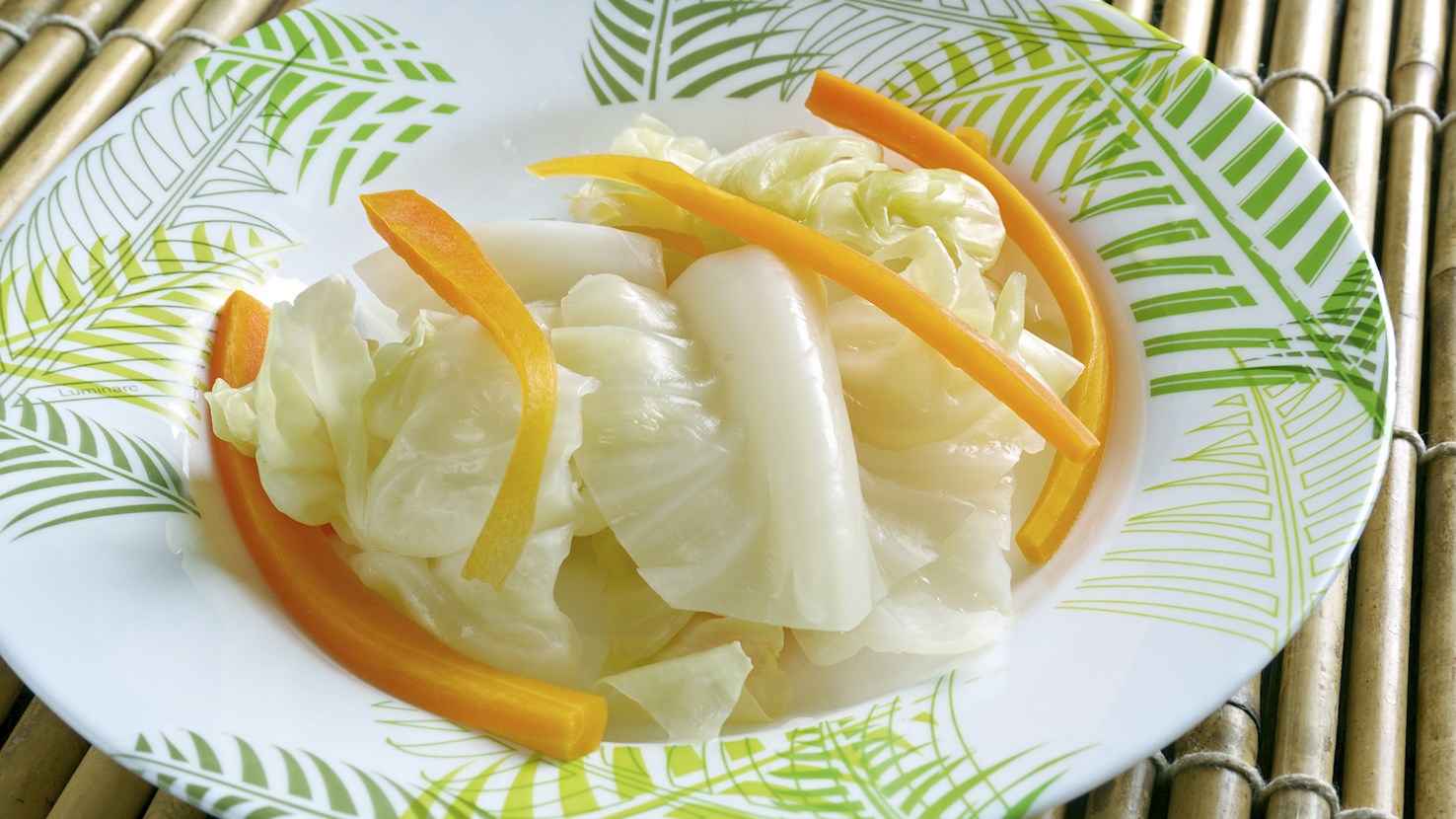
Served as an appetizer, palate freshener, or a side dish, pào cài is a Sichuan-style pickle made with various vegetables, mostly Chinese cabbage, carrots, mustard stems, long beans, daikon radish, turnips, cucumbers, ginger, and hot peppers. In Sichuanese cuisine, these crunchy, tangy pickles are always on hand, and almost every family keeps a large clay pot in their kitchen, filled with a variety of seasonal vegetables in a simple water and vinegar brine seasoned with salt, sugar, and Sichuan peppercorns. The sweet, sour, and spicy pào cài is most common in northern and western China, but is also easily found in restaurants across the country. It can be served with noodles or Chinese dumplings, but it is most often enjoyed with congee, a silky, savory, slow-cooked rice porridge which is as an everyday breakfast meal popular in China and many other Asian countries.
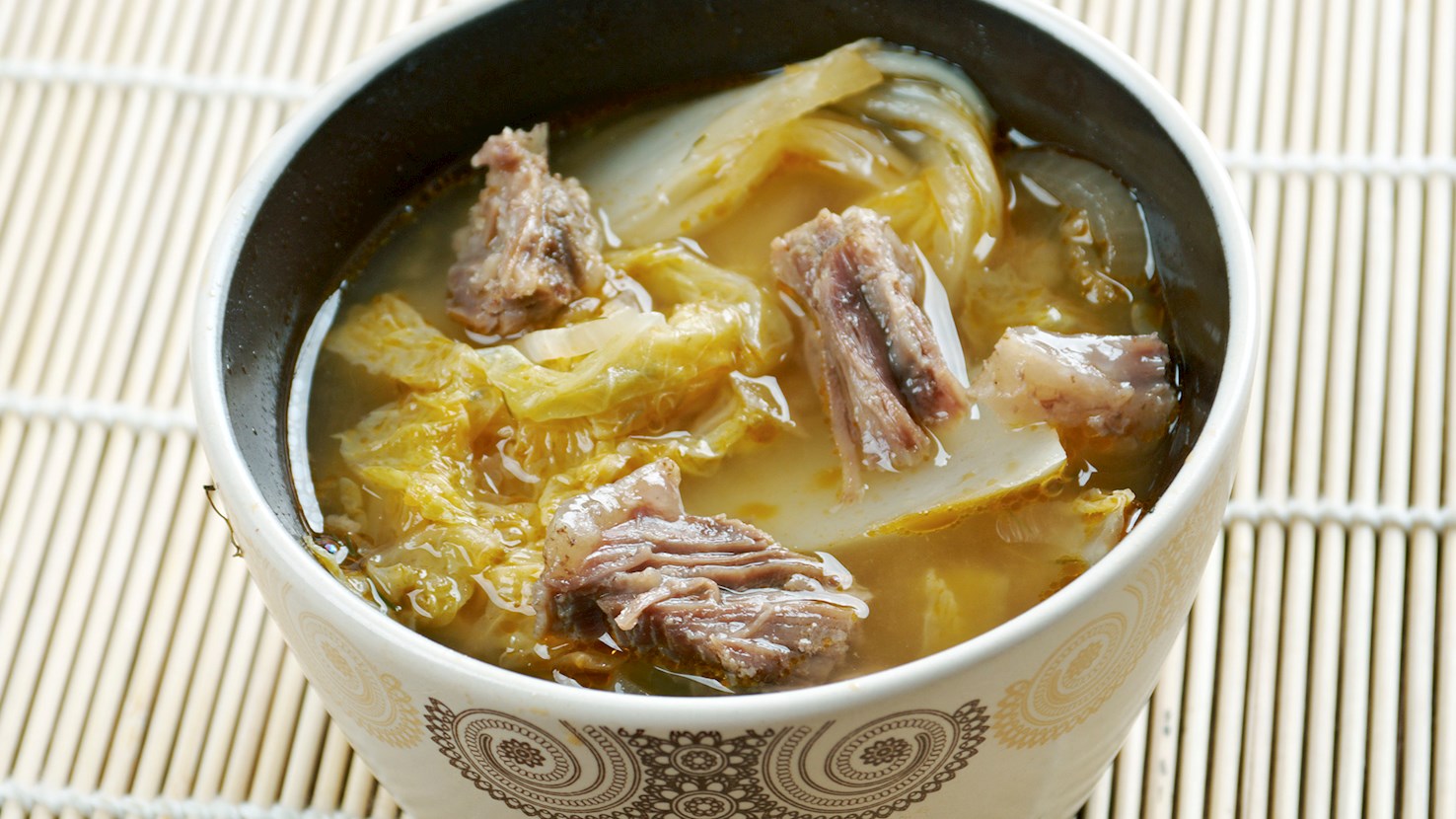
Even though sauerkraut is a German word meaning sour cabbage, Chinese sauerkraut or suan cai, sometimes also called xiān cài, is probably the very first version of sauerkraut, as it is known that the laborers who built the Great Wall of China ate it as standard fare over 2000 years ago. In fact, sauerkraut is thought to have originated in the north of China among the Mongols, and was most likely brought to Europe in the 13th century with the Mongol invasion and the migration of nomadic tribes. Traditionally, suan cai from Northern China uses shredded napa cabbage, which is shortly blanched, salted, and then fermented in its own juice with the addition of rice wine, while in the southern parts of the country Chinese mustard greens are used instead. Just like European sauerkraut, suān cài makes for a perfect accompaniment to various meats, especially pork, but it is also often used as a topping for noodle soups.
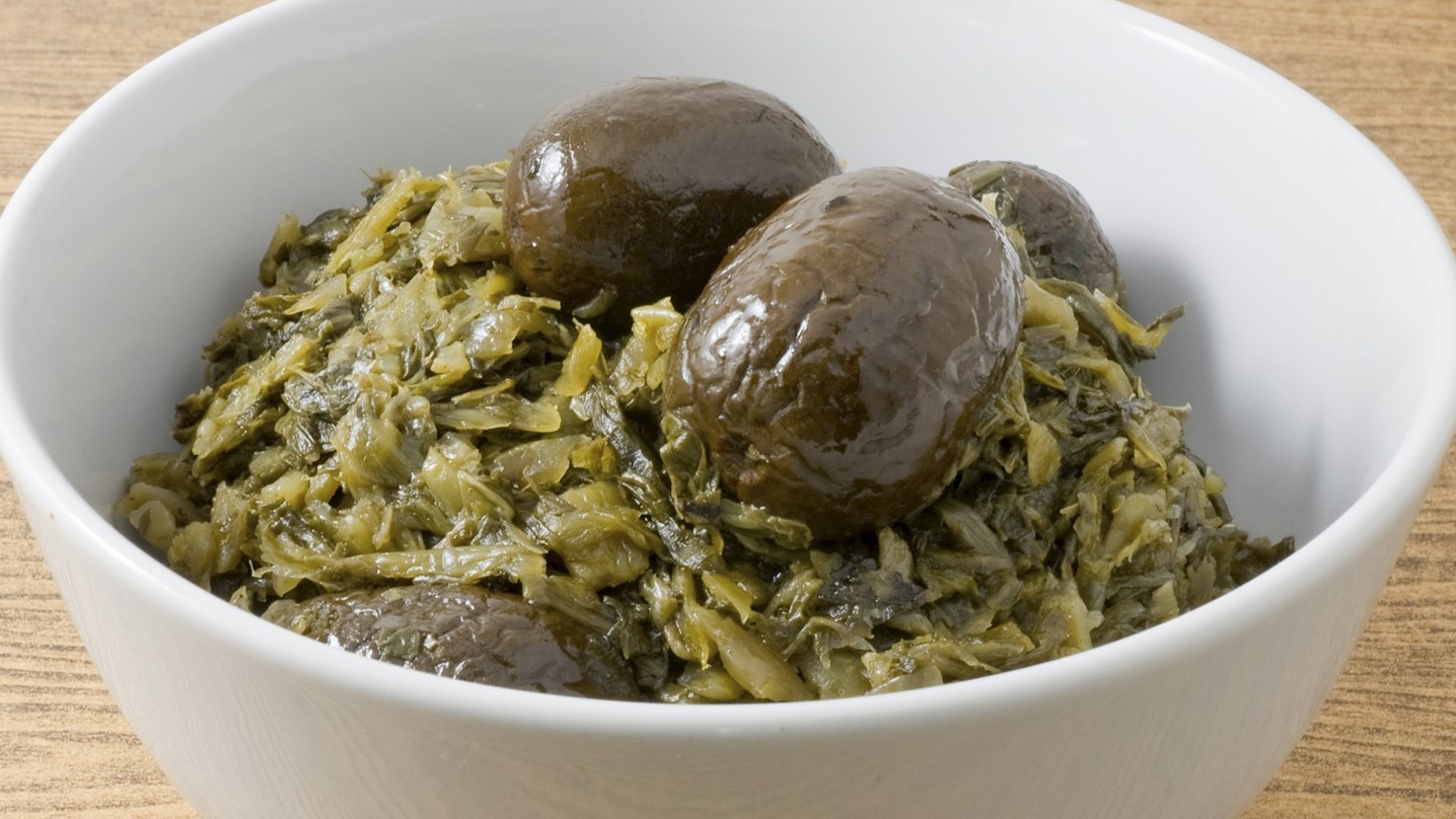
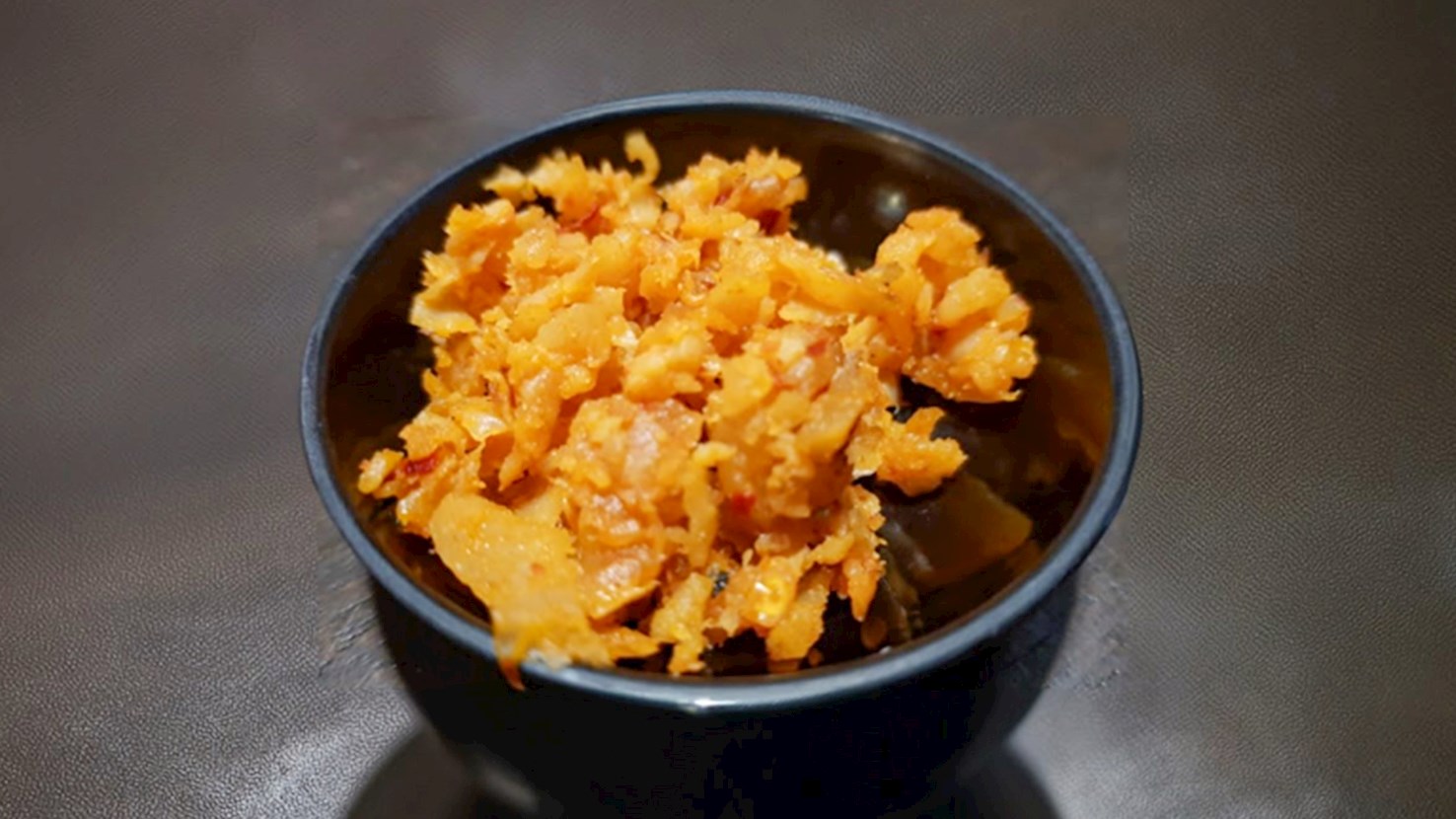
Suìmǐ yácài is a finely chopped preserved mustard stem from Yibin in Sichuan, widely used as a seasoning and topping in local cuisine. It is made from the stems of a specific variety of mustard green that are fermented, flavored, and aged to develop a deeply savory taste and complex aroma. The product’s name, which translates to “crushed rice sprout vegetable,” refers to its texture, chopped so finely that the pieces resemble grains of rice. Its role in Sichuan cooking is foundational, as it brings concentrated umami, subtle sweetness, and aromatic depth to a variety of dishes without dominating them. The roots of suìmǐ yácài are closely tied to the development of Yibin’s preserved vegetable industry, which grew from household preservation methods used to store vegetables for use throughout the year. Fermenting mustard stems was an effective way to preserve the harvest in a humid climate, and over time, Yibin gained a reputation for producing some of the most aromatic and well-balanced pickled vegetables in the region. The technique was refined and commercialized, and the finely minced version emerged as a convenient format particularly suited for restaurant kitchens and street vendors, who valued its ability to integrate seamlessly into sauces and toppings. Preparation begins with mustard stems that are cleaned, salted, and left to ferment in earthenware containers, allowing lactic acid bacteria to develop and transform the vegetable’s flavor. Once fermented, the stems are drained, chopped into a fine, rice-like consistency, and then seasoned with soy sauce, sugar, and spices before undergoing a second aging process to intensify their taste and aroma. The resulting product is dark brown, slightly sticky, and intensely fragrant, with a balance of salty, sweet, and earthy notes. Suìmǐ yácài is rarely eaten on its own but is used as a flavor enhancer in many dishes. It is perhaps most famous for its role in dàn dàn miàn, where it adds depth to the sauce and balances the heat of chili oil and the nuttiness of sesame paste. It also appears in stir-fried minced pork, steamed buns, noodle soups, and rice toppings, where its fine texture allows it to distribute evenly throughout a dish. Its concentrated flavor means that only a small amount is needed to have a noticeable impact, and its versatility makes it a staple in both home and restaurant kitchens across Sichuan. It complements bold spices, chili oil, and soy-based sauces especially well, enhancing the complexity of dishes without overpowering them.
Yacai is a traditional ingredient originating from Yibin in Sichuan. This pickled vegetable is made from the upper stems of mustard plant. The mustard greens are harvested in the 9th lunar month. The leaves are discarded, the stems are sliced into strips, and the strips are dried, then mixed with salt and fermented from 3 to 6 months in sealed containers. They are then boiled with brown sugar and hung to dry again. Sichuan pepper, star anise, and other spices are added, and the mustard greens are fermented for another 3 to 6 months befor consumption. Yibin yacai is often used in stir-fries with vegetables and meat, and it's a crucial ingredient in dishes such as ganban sijidou (dry-fried green beans) and dan dan noodles.
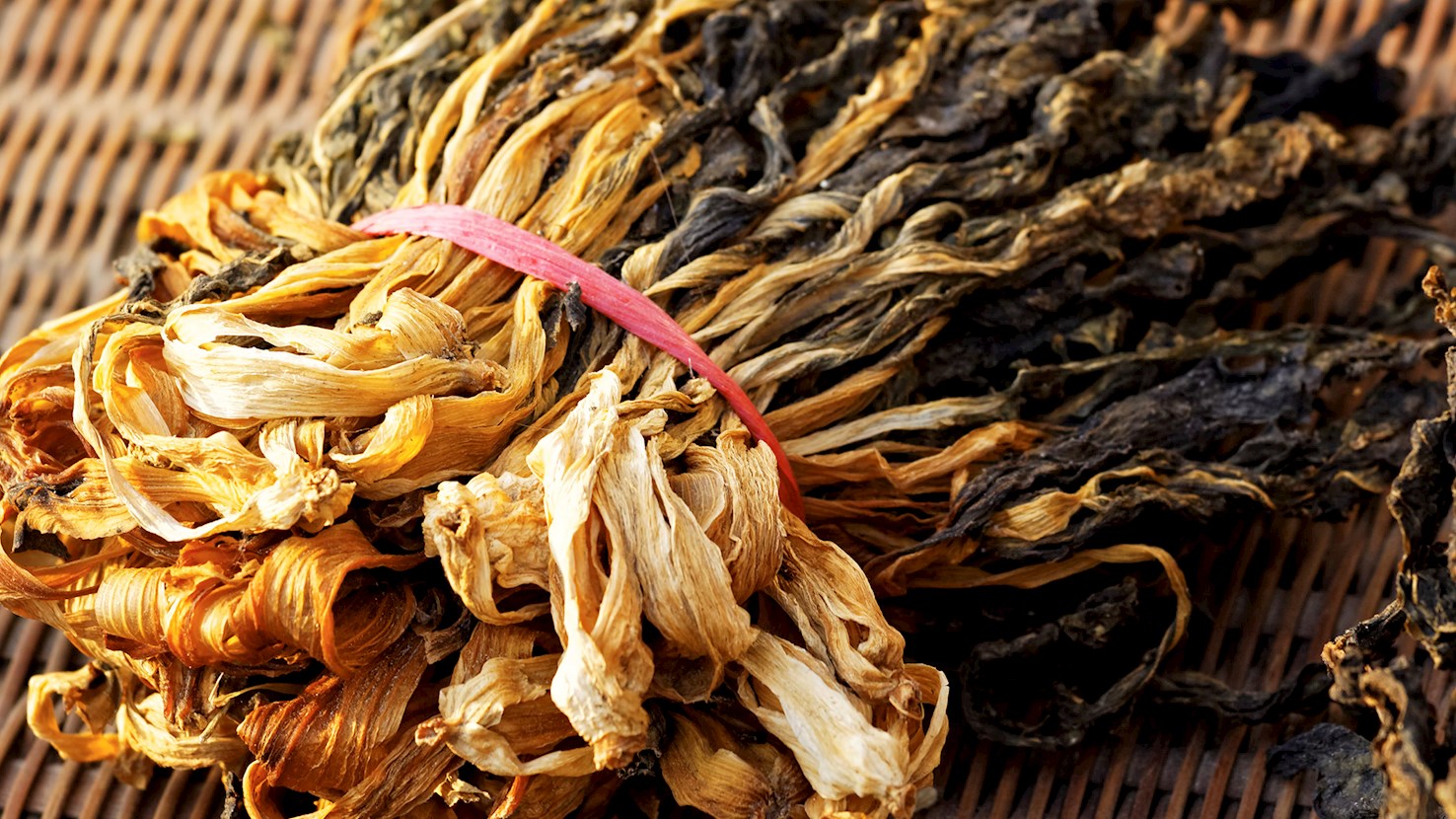
One of the most prized ingredients in the common red-braised dishes in central and southern China, mei gan cai is a type of dried pickle made with either Chinese cabbage or mustard greens that have undergone quite an elaborate production process that takes several weeks. Once they are harvested, the vegetables are sun-dried, salted, fermented, steamed, and finally dried again. However, preserved like that, mei gan cai can be kept for years without deterioration. Given the various stages of drying, brining, and fermenting, this Chinese dried pickle tastes uniquely complex, while its flavor imparts a pronounced savory-herbaceous note to the sweet soy sauce-braised dishes. Before use, mei gan cai needs to be shortly rehydrated in water, and a mere handful added to any braised dish will be enough to deliver a serious kick of umami to your meal.
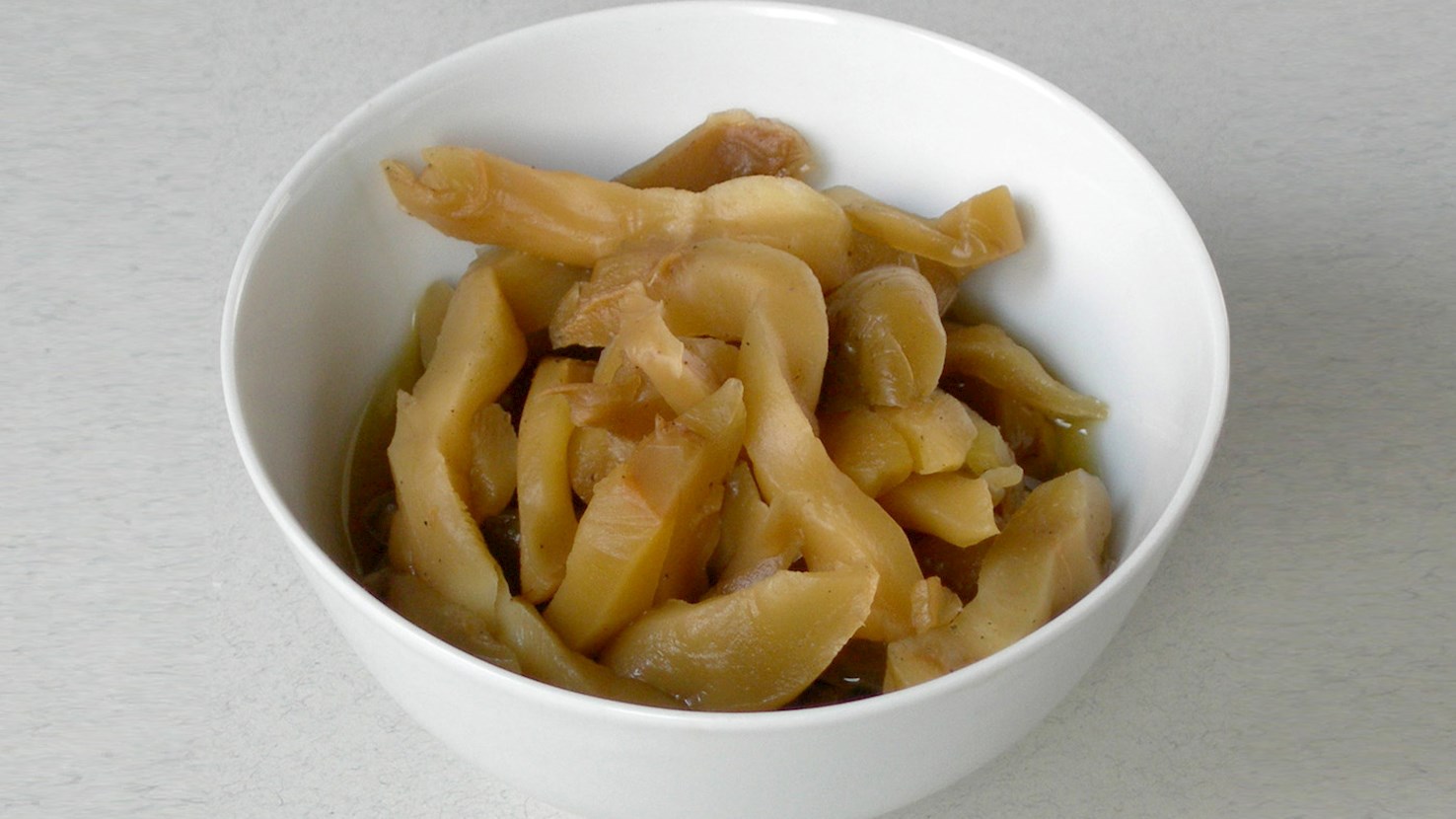
Fúlíng zhàcài is preserved mustard greens from Fuling, a district of Chongqing, known for its firm texture, salty-sour flavor, and pungent aroma. It is made from the swollen stem of the mustard plant, which is pickled, pressed, and aged to create a condiment that is both intensely flavored and versatile. Its origins lie in the agricultural landscape of the Yangtze River basin, where mustard plants were widely cultivated and preservation techniques were developed to ensure a stable food supply throughout the year. Over time, the preserved tuber from Fuling gained recognition beyond its local context, becoming one of the most well-known pickled vegetables in China and an important part of Sichuan and Chongqing cuisine. The development of zhàcài was shaped by both practical necessity and culinary innovation. Farmers discovered that the thick, knobby stem of certain mustard varieties could be salted and fermented in large clay jars, transforming its dense, fibrous structure into a tender yet crisp product with a distinctive taste. By the late Qing dynasty, the pickling methods had been refined, and production in Fuling became organized on a larger scale, supplying households and markets throughout China. Its unique flavor profile, a combination of saltiness, tang, and a slight peppery heat, made it a valued ingredient in a variety of regional dishes. Preparation begins with freshly harvested mustard tubers, which are peeled, salted, and pressed to draw out moisture. They are then rubbed with chili powder and spices before being packed into earthenware containers to ferment and age, sometimes for several months. During this process, the tuber’s flavor deepens and its texture becomes pleasantly crunchy. Once cured, the zhàcài is washed to remove excess salt and can be sliced, shredded, or diced depending on how it will be used. Fúlíng zhàcài is consumed in many ways. It can be eaten as a cold side dish, served with plain rice or congee, where its intense flavor provides contrast to mild staples. It is also commonly stir-fried with pork, tofu, or vegetables, lending complexity and seasoning without the need for additional spices. Its fine balance of salt, spice, and acidity allows it to enhance noodle soups, fried rice, and even steamed buns. It is widely regarded as a pantry essential in southwestern China and is often served as part of a shared meal, complementing richer main dishes and balancing their flavors. Outside China, it has also found a place in fusion cooking, where chefs use it as a condiment or garnish to add a punch of umami and spice to contemporary dishes.
Chai poh refers to preserved radish, a common ingredient in Chinese and Southeast Asian cuisine. It is made by salting and fermenting daikon radish, resulting in a salty, slightly sweet condiment with a unique, umami-rich flavor. Chai poh can be found in two main varieties: sweet and salty. The process of making chai poh involves drying the radish under the sun after it has been salted and then preserving it in sugar and salt, which contributes to its distinctive taste. The preserved radish needs to be rinsed and sometimes soaked before use to remove excess salt. One of the most famous dishes featuring chai poh is chai poh neng, a steamed omelette with preserved radish, popular in both Chinese and Peranakan (Nonya) cuisine. Chai poh is also a key ingredient in radish cake (luo bo gao), a savory cake made from rice flour and shredded radish, steamed and then often fried until crispy on the outside.
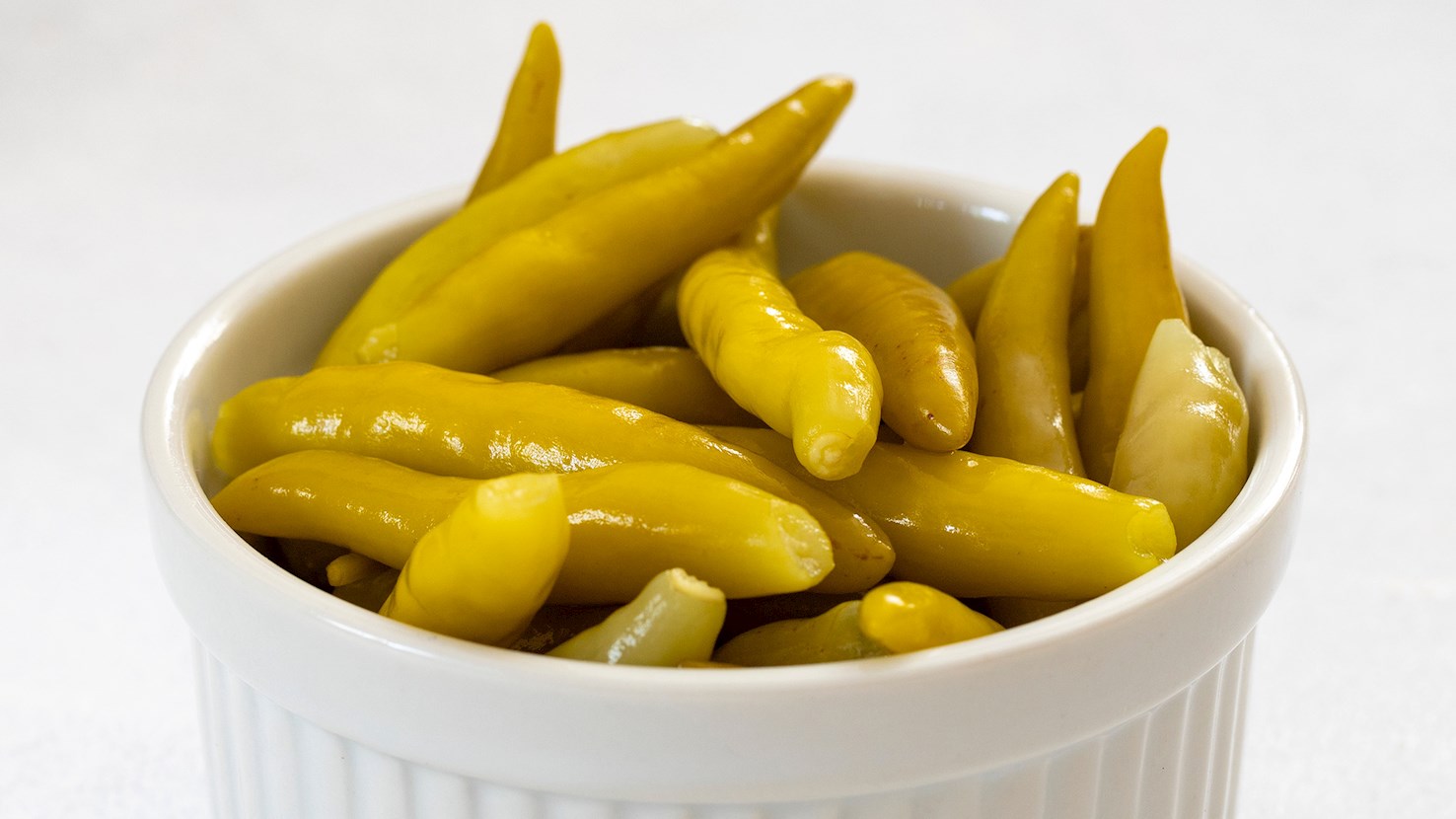
Paojiao is a Chinese term that literally translates to "pickled pepper." It refers to chili peppers that have been pickled, usually in a brine of salt, water, and sometimes other ingredients. Paojiao is a popular condiment and ingredient in various Chinese dishes, especially in the cuisine of Sichuan province, which is known for its bold flavors and spicy heat. Paojiao can be used in a variety of dishes to add spiciness and a tangy flavor, such as in stir-fries, stews, and braises. Additionally, pickled chili paste or sauces may be derived from these pickled chilies.
TasteAtlas food rankings are based on the ratings of the TasteAtlas audience, with a series of mechanisms that recognize real users and that ignore bot,
nationalist or local patriotic ratings, and give additional value to the ratings of users that the system recognizes as knowledgeable.
TasteAtlas Rankings should not be seen as the final global conclusion about food. Their purpose is to promote excellent local foods,
instill pride in traditional dishes, and arouse curiosity about dishes you haven’t tried.





What People Say