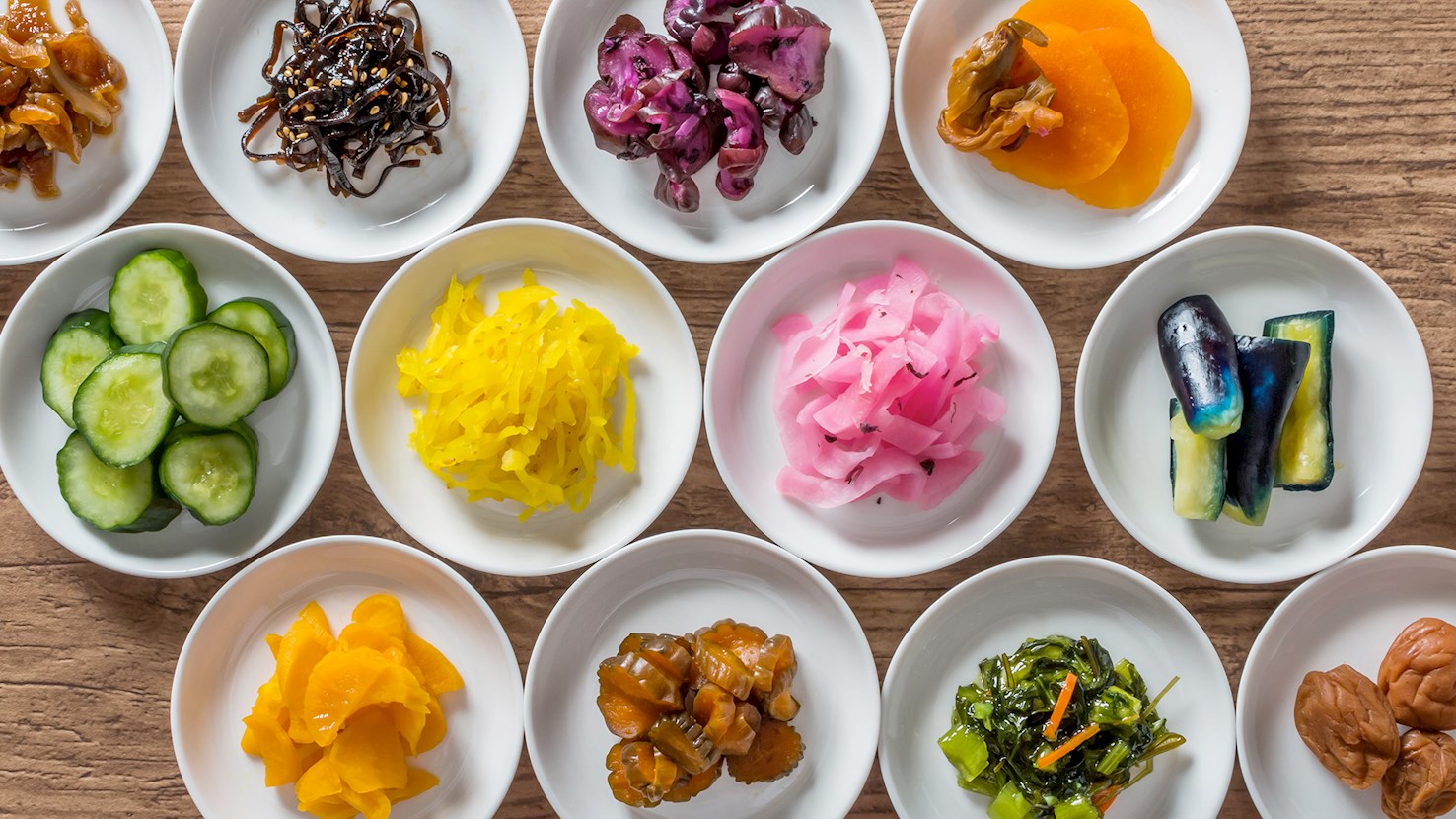
Thinly sliced Japanese pickles collectively called tsukemono (lit. pickled things) are an indispensable part of almost every washoku, a traditional Japanese meal. Tsukemono can be served as an accompaniment or garnish for meals, but it can also be served with rice as an okazu (side dish), with drinks as an otsumami (snack), or even as a part of chanoyu, the Japanese tea ceremony. These pickles of various colors and shapes are made from many different preserved fruits and vegetables; the most popular include daikon radish, aubergine, cucumbers, sour plums, turnips, carrots, gobo root, nappa cabbage, ginger, and shiso buds. Even though they can easily be prepared at home, Japanese pickles are available for purchase in most Asian grocery stores, and depending on the type of preservation, tsukemono comes in countless varieties and regional specialties. Some of the most popular are salt-pickled shiozuke, the simplest and easiest tsukemono to prepare; suzuke pickles brined in Japanese rice vinegar; the sweet and salty shoyuzuke tsukemono pickled in soy sauce which is usually combined with vinegar and sugar; and misozuke pickles cultured in miso paste seasoned with mirin, garlic, and ginger. There is also fukujinzuke, a crunchy chutney-like seven pickle relish cured in soy sauce that is commonly served as a garnish for Japanese curry; and nukazuke, one of the most complicated tsukemono pickled in rice bran - the hard outer layers of rice which are roasted and mixed with salt, kombu seaweed, and water to make a mash called nukamiso or nukadoko. Apart from providing nutritional and health benefits of lactic-acid fermentation, the tangy bits of tsukemono serve an important purpose of cleansing the palate during a meal, lend refreshing tartness to counter the heaviness of umami-rich foods, and bring color, texture, and fragrance to a meal, which is why tsukemono is sometimes also called konomono (lit. fragrant things).
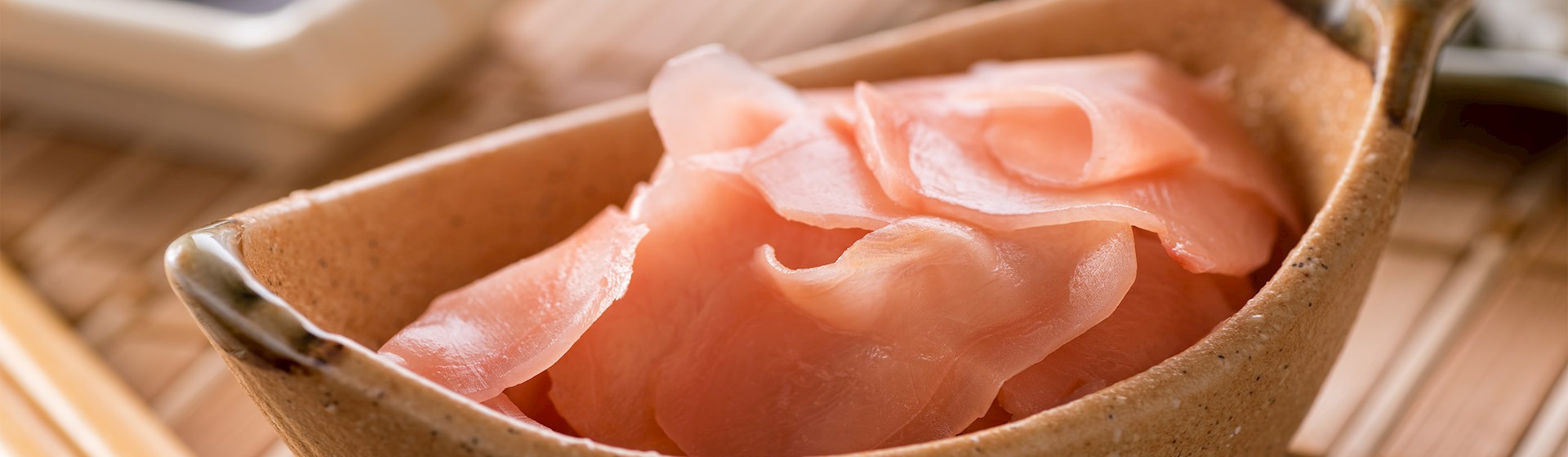
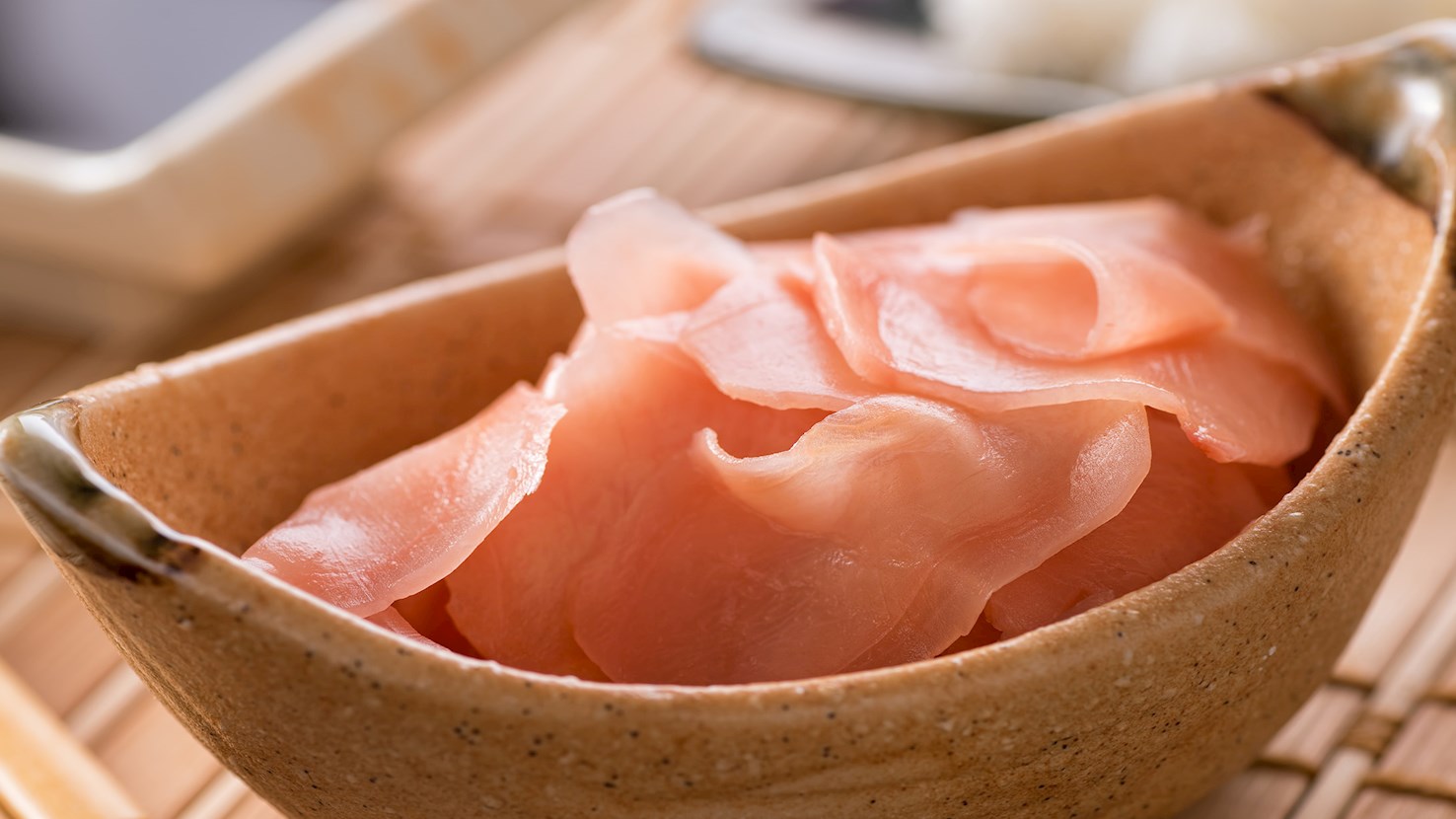
Gari is the Japanese term for pickled ginger, the crucial element of every sushi meal. Because of its tender texture, translucent skin, and mild flavor, top-quality gari is usually prepared with early-harvested young ginger. If the ginger is fresh and young, it should have pink-colored tips which give the dish a discerning pale pink color. The pickling procedure starts with thin slices of ginger which are shortly boiled in water, drained, then dried. The slices are later stored in jars or containers and doused in a boiled pickling mixture made with rice vinegar, salt, and sugar. Gari can be consumed after a couple of days, and if properly stored, it has a relatively long shelf life. Although it is typically used as a palate cleanser alongside different sushi and sashimi varieties, it can also be incorporated in other Japanese dishes. Whether it is served as a condiment, mixed with sushi rice, or served inside deep-fried tofu known as aburaage, gari gives each dish a refreshing and balanced flavor. This unique Japanese product is easily prepared at home, but it is also readily available at numerous international stores around the world.
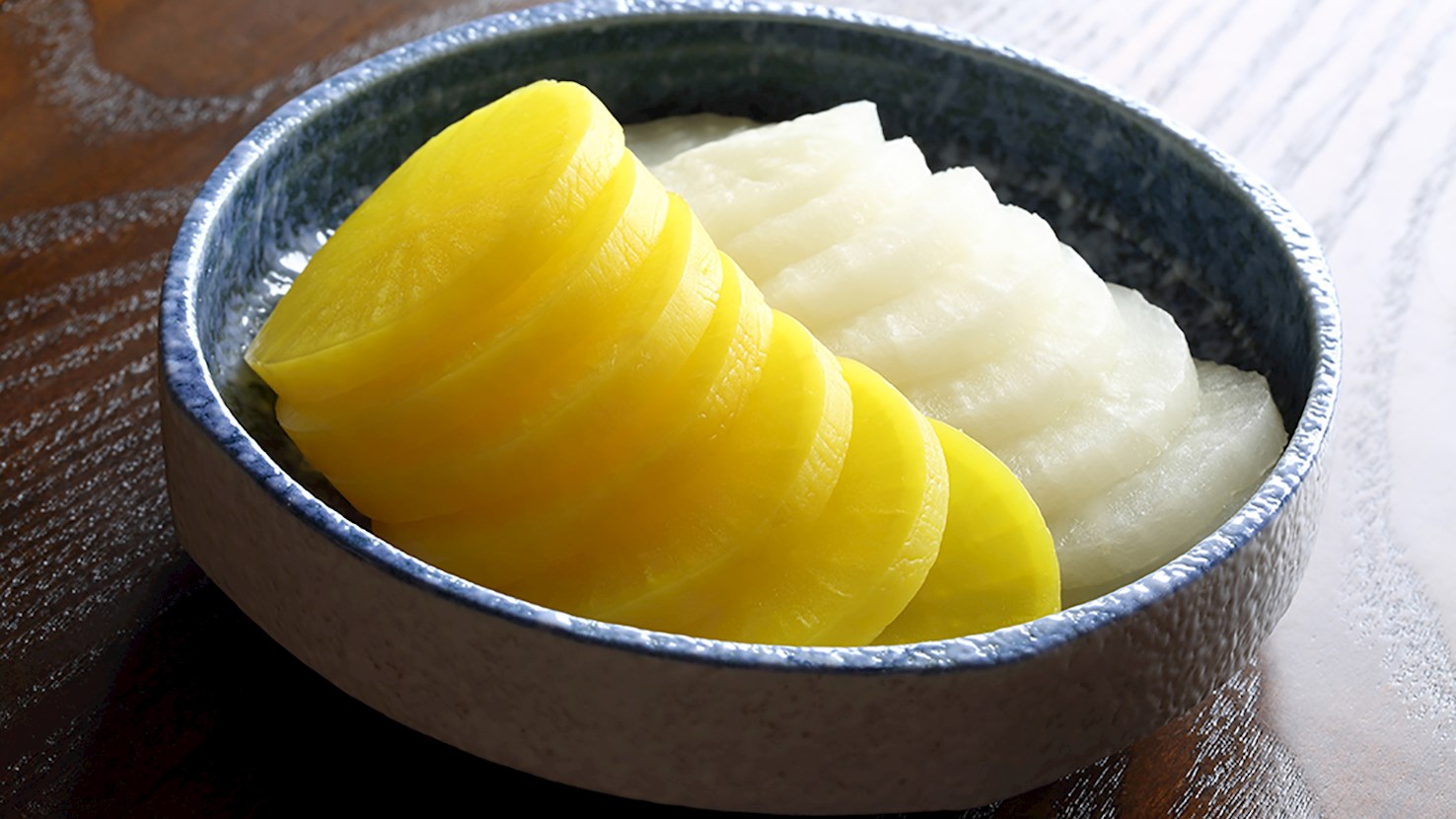
Takuan is pickled Japanese daikon radish, and as such, it belongs to the group of tsukemono pickles. The Japanese daikon is very crunchy and has sweet and mild flavors. It's typically sun-dried, seasoned with salt and various spices, then left in the pickling solution of turmeric, rice wine vinegar, sugar, salt, and water for a few months. Once finished, the daikon is yellow in color and slightly pungent. In Akita Prefecture, takuan is smoked, and it's then known as iburigakko. In South Korea, takuan is called danmuji. It's usually served with other tsukemono pickles or used in salads, stir-fries, and as an ingredient in sushi. Takuan is also sometimes served at the end of a large meal because it aids digestion, or as a snack at teatime.
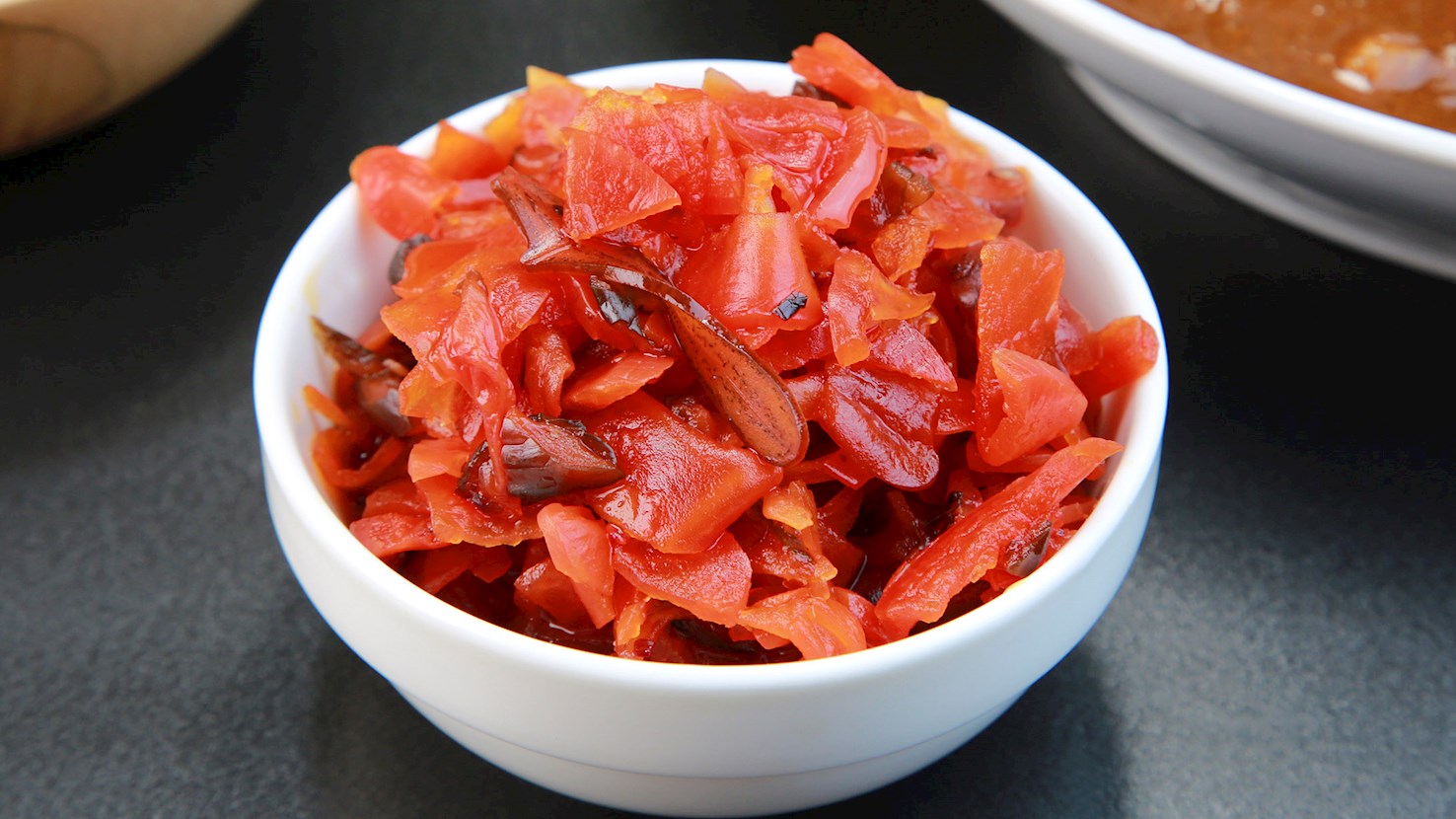
Usually served as a side dish, fukujinzuke is the name of the Japanese-style pickled vegetables. The unique characteristic of the dish is the pickling procedure in which the vegetables are not traditionally pickled, but shortly brined and marinated in a mixture of soy sauce, rice vinegar, sake, and sugar. Since the name of the dish derives from the term used to refer to the Seven Gods of Good Fortune - a group of deities native to China, India, and Japan - the pickle should traditionally include seven different ingredients. This tradition has been partially neglected, and nowadays it is not uncommon to use a variable number of components, which may include eggplants, shiitake mushrooms, daikon, radish, cucumber, carrots, and many other combinations. All vegetables are cut into bite-sized pieces, brined in a mixture of water and salt and drained. They are then shortly boiled in a combination of soy sauce, vinegar, sake, and sugar. Stored in jars, these pickled vegetables can be eaten a couple of days after they have been made. Over time, the flavors will intensify and the marinade will thoroughly penetrate the vegetables. Fukujinzuke is traditionally served alongside Japanese-style curries, in which the tangy and crunchy vegetables perfectly match the spiciness of the curry. It can also be eaten as a snack on its own, wrapped in salads, or accompanied by plain boiled rice.
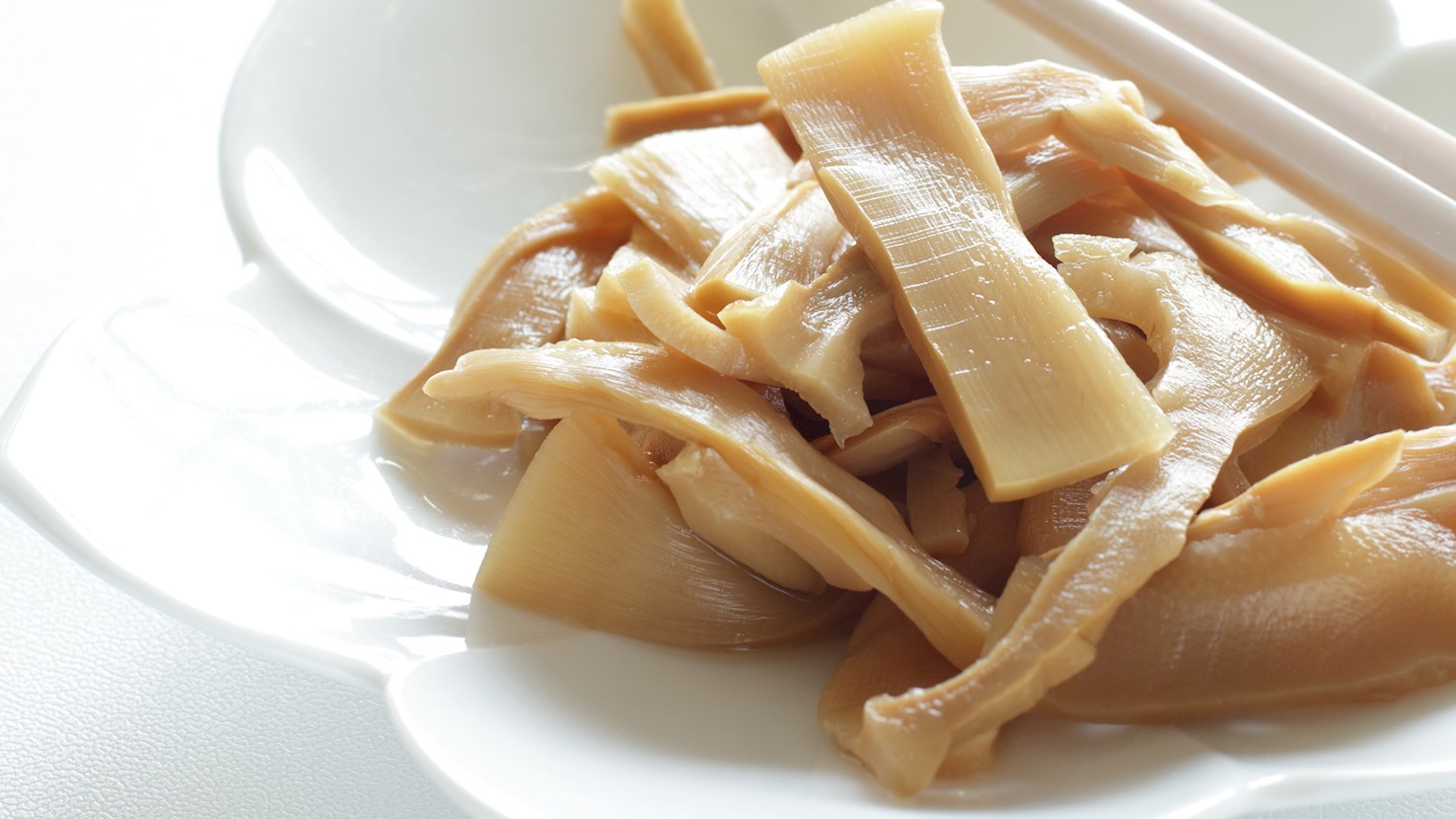
Menma is a Japanese condiment that is commonly used as a ramen topping. It consists of lactate-fermented bamboo shoots which have, in most cases, previously been dried in the sun and seasoned with sesame oil, sugar, salt, and soy sauce. These bamboo shoots are typically produced in Taiwan and China, so menma is also known as shinachiku, meaning Chinese bamboo. It can be bought in jars or big vacuum packs in Japanese grocery stores. Apart from being used as a ramen topping, menma can also be consumed as a tasty side dish when served with rice.
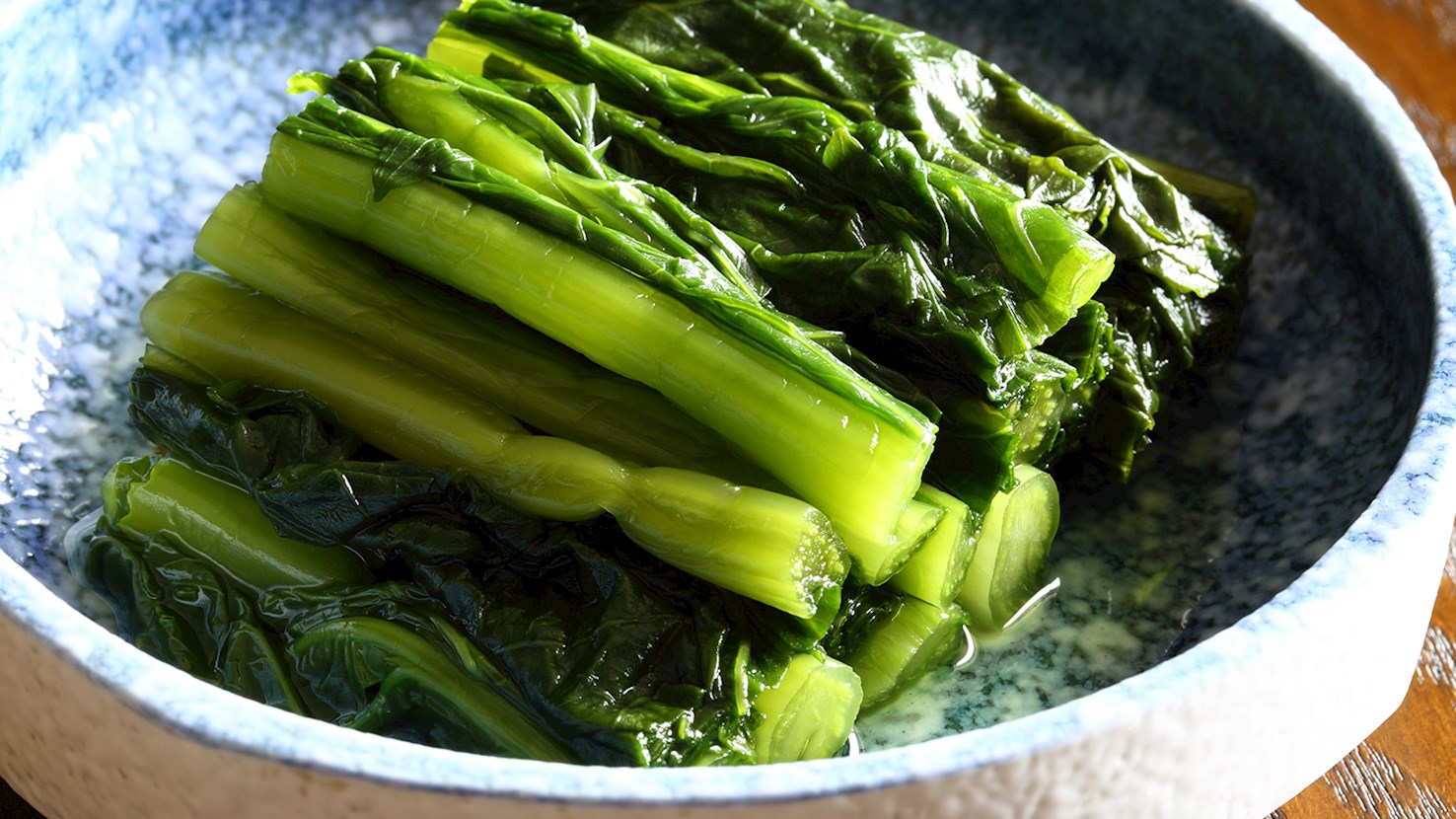
Nozawana is a traditional leafy vegetable coming from the common turnip, but it’s also a type of mustard leaf. The dark green, long leaves are used for tsukemono – Japanese pickled dishes. The flavor of nozawana is mild and the texture is tender. The leaves are usually pickled in a combination of soy sauce, vinegar, mirin, kombu, sugar, and chili. Alternatively, they can be stir-fried or steamed with various vegetables, but the leaves are usually pickled because they spoil quickly after they’ve been picked.
TasteAtlas food rankings are based on the ratings of the TasteAtlas audience, with a series of mechanisms that recognize real users and that ignore bot,
nationalist or local patriotic ratings, and give additional value to the ratings of users that the system recognizes as knowledgeable.
For the “Top 6 Japanese Preserved Vegetables” list until June 04, 2026, 369 ratings were recorded, of which 340 were recognized by the system as legitimate.
TasteAtlas Rankings should not be seen as the final global conclusion about food. Their purpose is to promote excellent local foods,
instill pride in traditional dishes, and arouse curiosity about dishes you haven’t tried.