
shutterstock

Top 57 Preserved Vegetables
in the World

Last updated on July 01, 2026

Best Preserved Vegetable Types in the World

01

Escabeche de cebolla

4.4 ·

Escabeche de cebolla is a traditional Yucateco pickle made by placing red onions in red wine vinegar with peppercorns, oregano, cumin, and garlic. Once prepared, the pickle should be refrigerated for at least four hours before serving. Escabeche de cebolla is beloved in Yucatán because the onions soak up the flavor of cumin and oregano. It is recommended to serve escabeche de cebolla with fresh seafood and grilled meat dishes, or use it in tacos and sandwiches.

02

Nošovické kysané zelí

4.3 ·

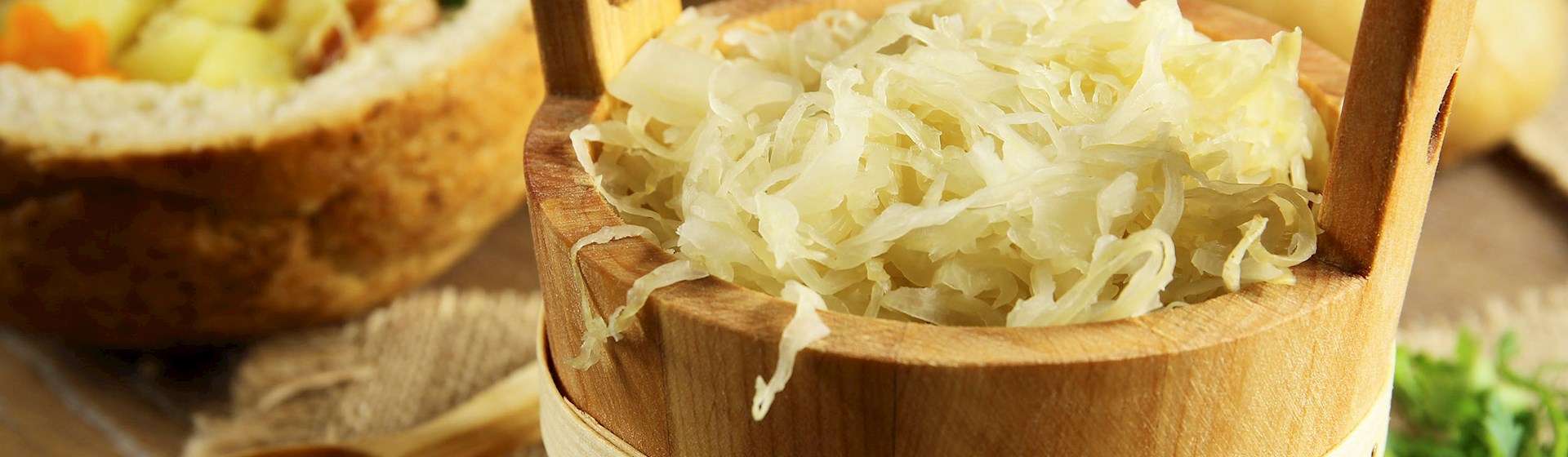
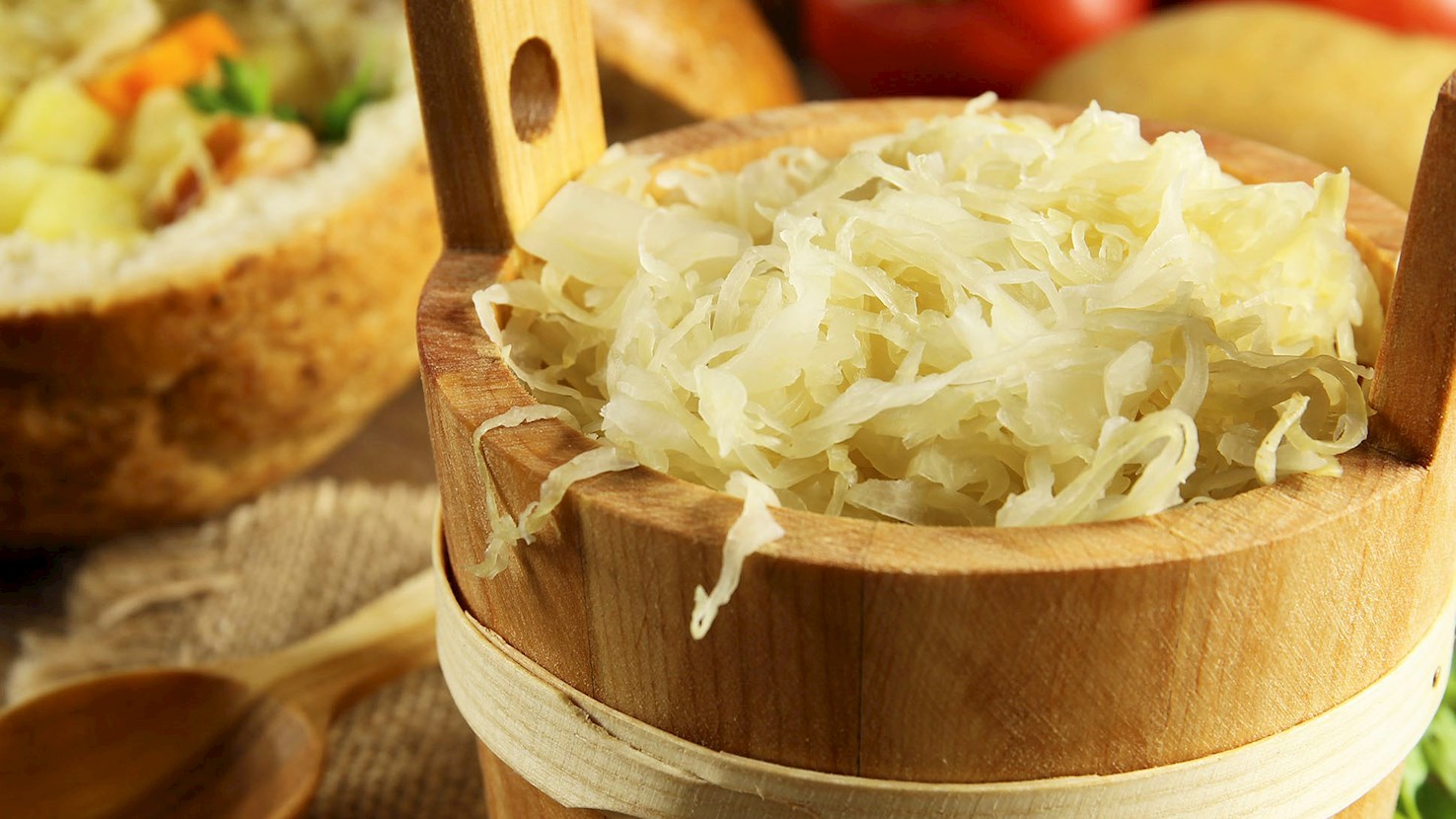
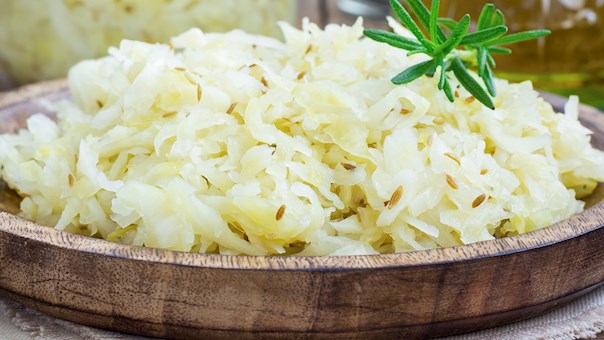
Nošovické kysané zelí is a fermented cabbage product (sauerkraut) made in the municipalities of Nošovice and Nižní Lhoty in Moravskoslezsko region in the Czech Republic. Sauerkraut is made in the region for a long, long time, and the Nošovice coat of arms even has a cabbage-cutter symbol on it. White cabbage is grown beneath a huge mountain range called Beskids, with moderately cold and damp climate, lots of rain and clay soils with a low pH, all of which favourably influence the cabbage growing and give it its distinctive flavour, colour and firm texture. The cabbage is finely chopped and undergoes a process of lactic fermentation so that it becomes sauerkraut. The finished product is golden yellow in colour and has an acidic to a slightly bitter flavour. During the process, salt, caraway and mustard seeds are used to enhance the flavours. Pair it with sausages, meatballs or asparagus for a hearty, healthy dish.

03

Baechu-kimchi

4.3 ·

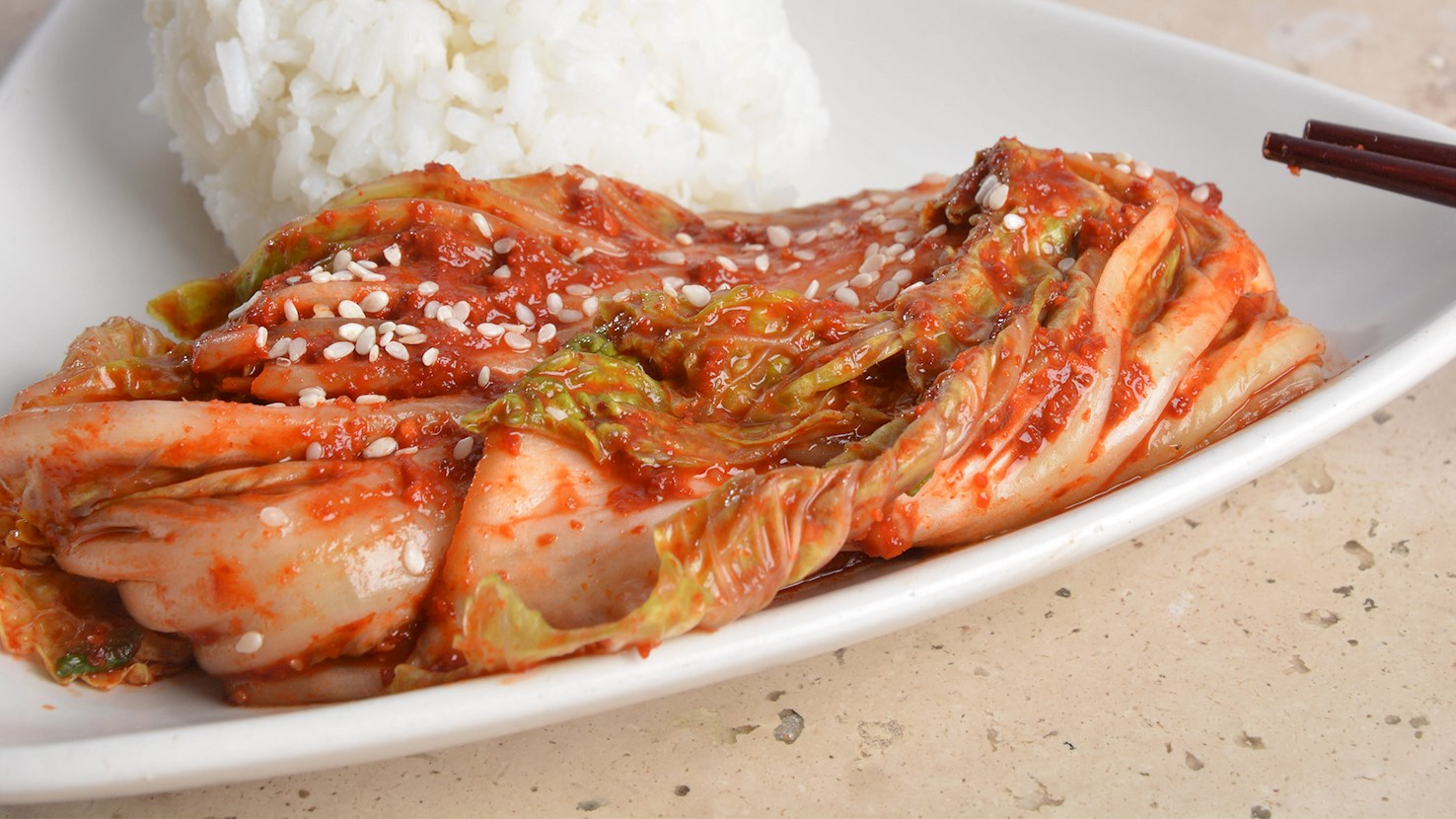
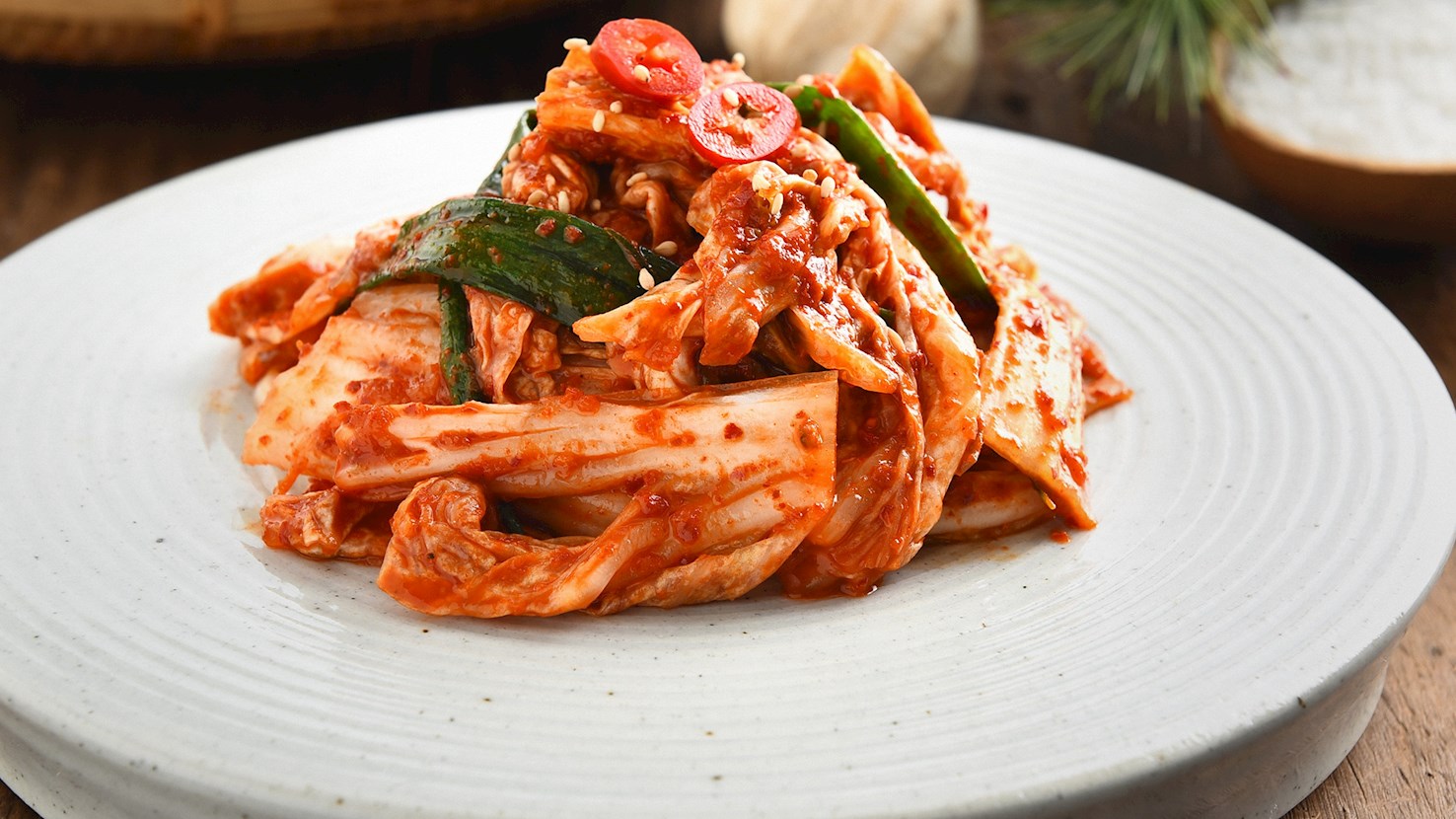
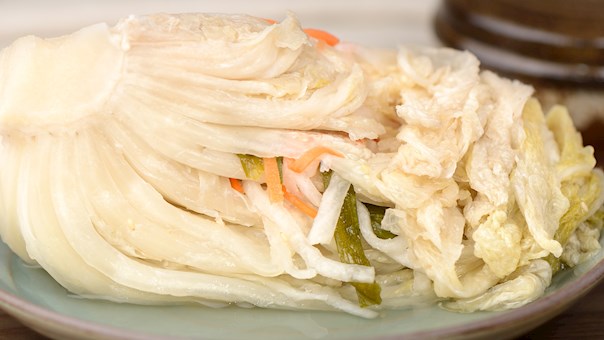
Baechu (Napa cabbage) is one of the essential kimchi varieties in South Korea, and it is often almost synonymous with the word kimchi. Although the dish can significantly vary, most variations are made with whole Napa cabbages that are generously coated with a mixture of glutinous rice paste, gochugaru chili pepper flakes, garlic, onions, jeotgal (fermented seafood), fish sauce, and ginger, while the common additions also include sliced radishes, carrots, or green onions, as well as other types of seasonings and condiments. Like most kimchi versions, baechu is also traditionally made in onggi—an ancient Korean earthenware that is suitable for fermentation. When prepared, kimchi should be left for at least a couple of days, preferably longer, allowing it to ferment and achieve its typical spicy-sour flavor. Baechu is mostly served as banchan (side dish), but it is also commonly incorporated into soups and stews.

04

Pikliz

4.2 ·

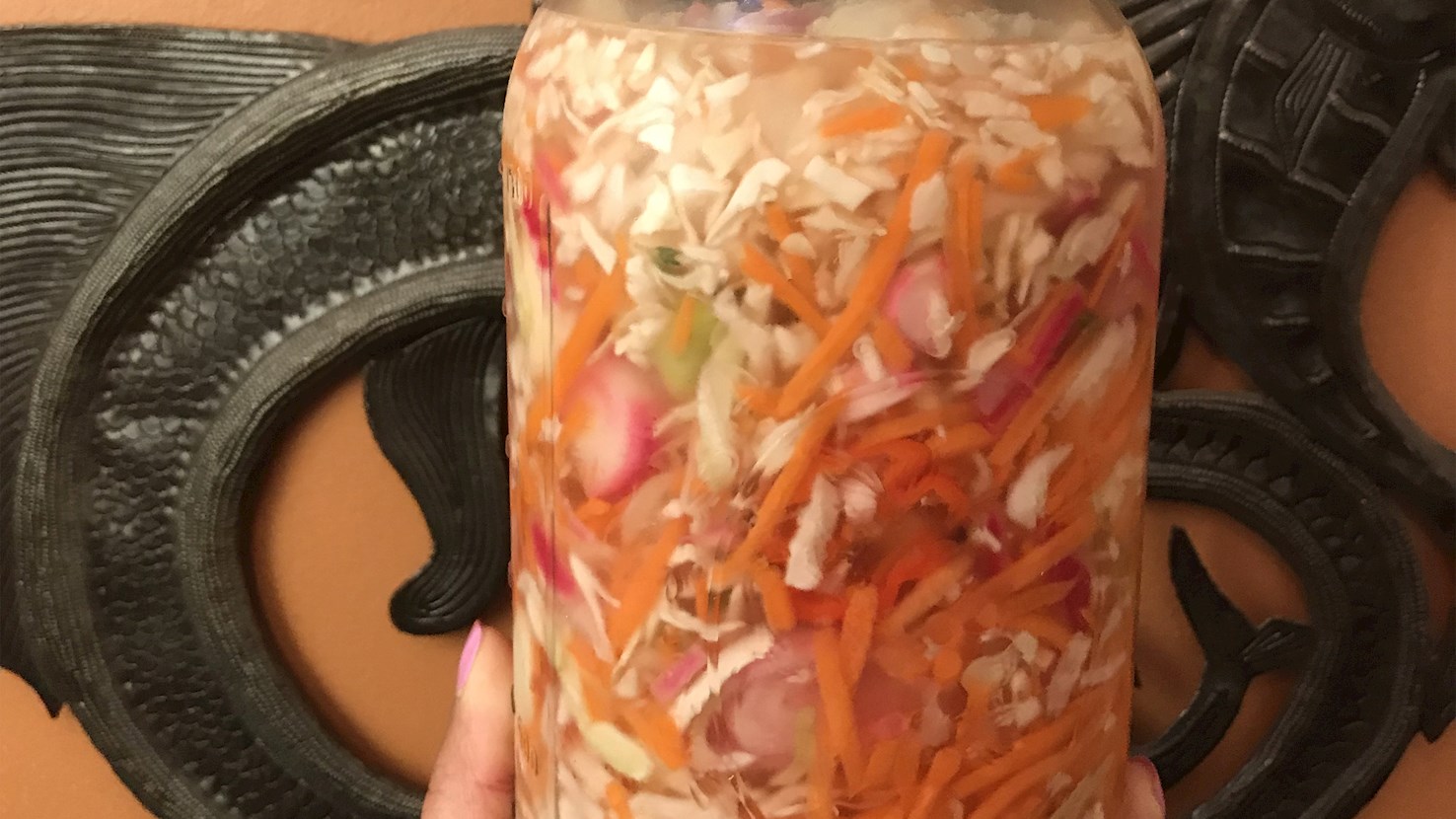
Pikliz is a Haitian relish consisting of a combination of pickled vegetables such as shredded cabbage, carrots, onions, shallots, and spicy peppers. Traditionally, pikliz is consumed as an accompaniment to fried pork (griot), fried beef (tassot), or fried plantains, although it can also be paired with fish. The spiciness of this relish is said to pair extremely well with almost all freshly fried main dishes.

05

Tsukemono

4.0 ·

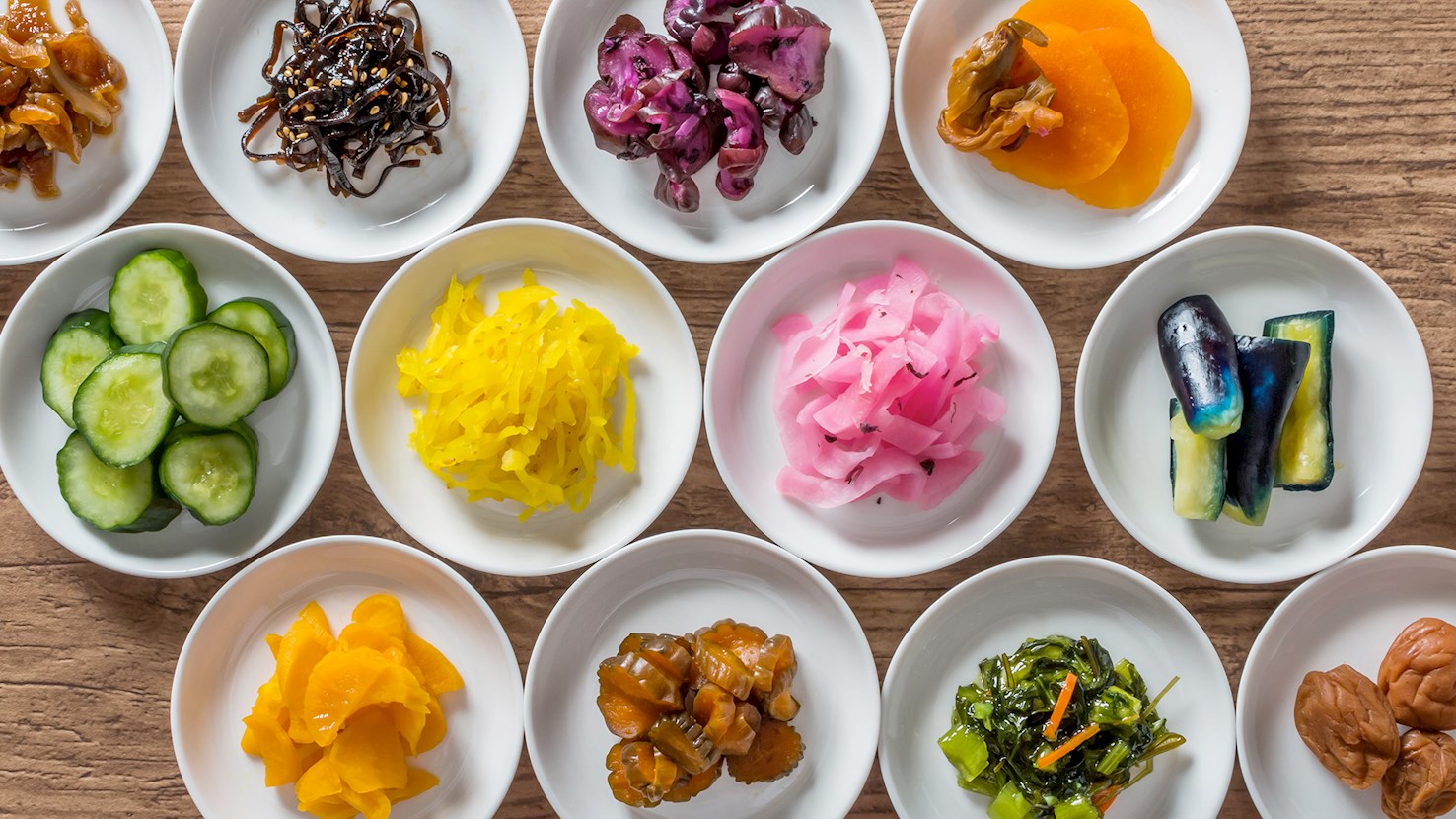
Thinly sliced Japanese pickles collectively called tsukemono (lit. pickled things) are an indispensable part of almost every washoku, a traditional Japanese meal. Tsukemono can be served as an accompaniment or garnish for meals, but it can also be served with rice as an okazu (side dish), with drinks as an otsumami (snack), or even as a part of chanoyu, the Japanese tea ceremony. These pickles of various colors and shapes are made from many different preserved fruits and vegetables; the most popular include daikon radish, aubergine, cucumbers, sour plums, turnips, carrots, gobo root, nappa cabbage, ginger, and shiso buds. Even though they can easily be prepared at home, Japanese pickles are available for purchase in most Asian grocery stores, and depending on the type of preservation, tsukemono comes in countless varieties and regional specialties. Some of the most popular are salt-pickled shiozuke, the simplest and easiest tsukemono to prepare; suzuke pickles brined in Japanese rice vinegar; the sweet and salty shoyuzuke tsukemono pickled in soy sauce which is usually combined with vinegar and sugar; and misozuke pickles cultured in miso paste seasoned with mirin, garlic, and ginger. There is also fukujinzuke, a crunchy chutney-like seven pickle relish cured in soy sauce that is commonly served as a garnish for Japanese curry; and nukazuke, one of the most complicated tsukemono pickled in rice bran - the hard outer layers of rice which are roasted and mixed with salt, kombu seaweed, and water to make a mash called nukamiso or nukadoko. Apart from providing nutritional and health benefits of lactic-acid fermentation, the tangy bits of tsukemono serve an important purpose of cleansing the palate during a meal, lend refreshing tartness to counter the heaviness of umami-rich foods, and bring color, texture, and fragrance to a meal, which is why tsukemono is sometimes also called konomono (lit. fragrant things).

06

Pa kimchi

4.0 ·

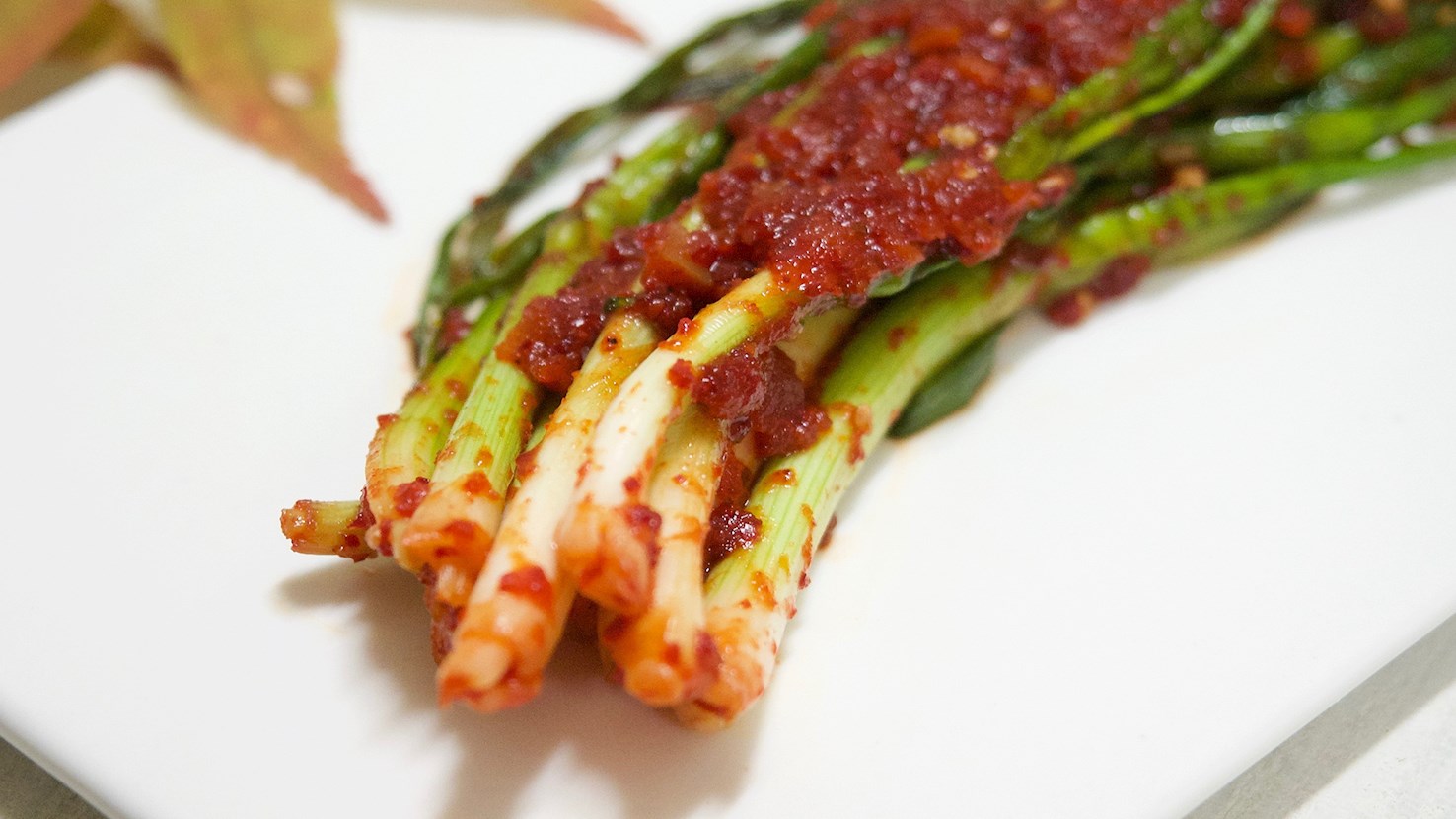
This fermented kimchi variety is made with green onions (scallions) as the main ingredient. The onions are cleaned and then coated in a spicy mixture of chili flakes, fish sauce, ginger, garlic, and anchovy sauce. Optionally, the paste may be made with a rice flour base, while sesame seeds are typically sprinkled as a garnish. Pa kimchi is best when prepared in spring, when green onions are in season. It is usually enjoyed as banchan - a traditional Korean side dish.

07

Choucroute d'Alsace

3.9 ·

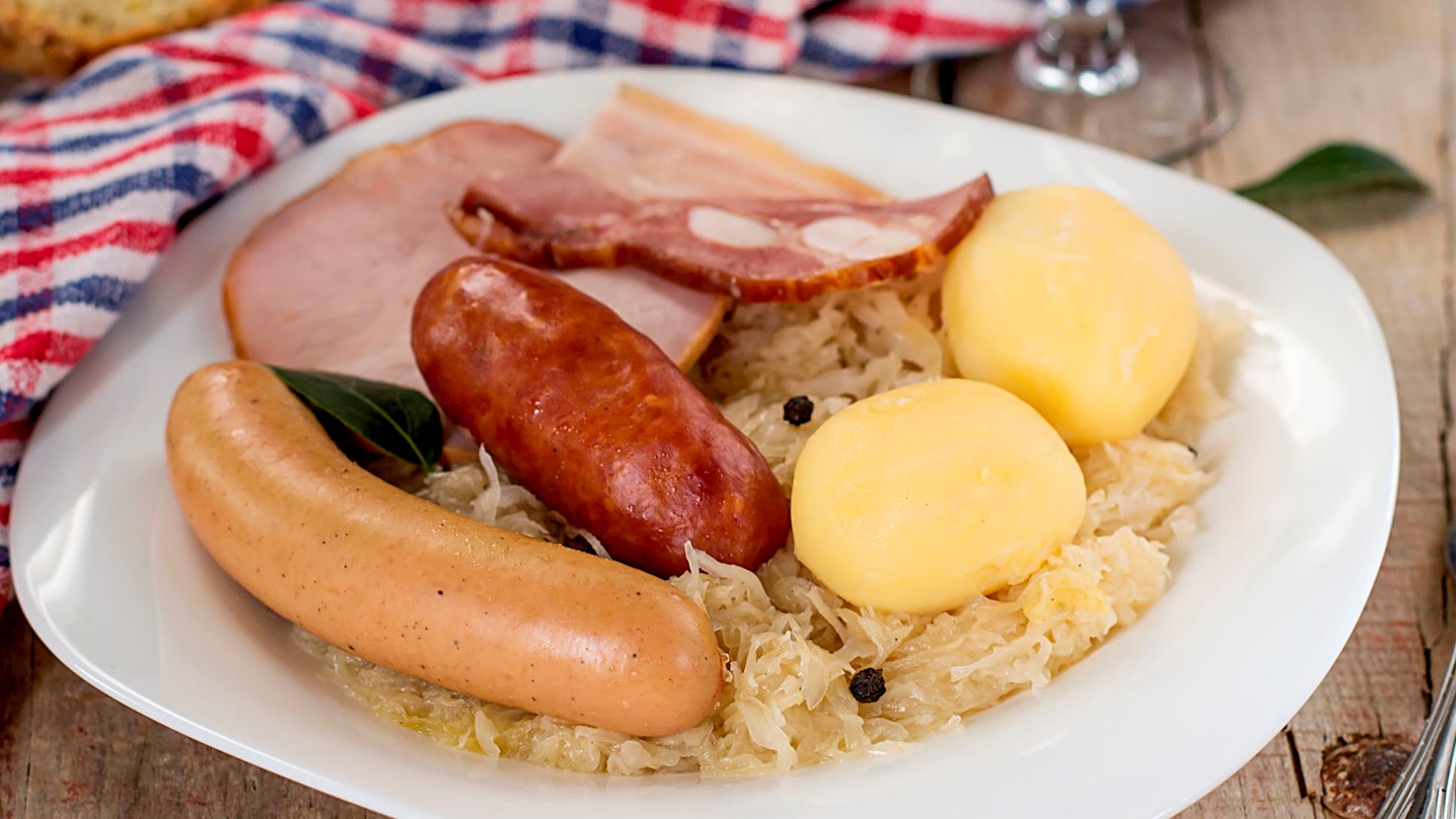
Choucroute d'Alsace is a naturally fermented cabbage, also known as sauerkrat, produced in the French region of Alsace. It is best known in a dish called Choucroute Garnie when it is accompanied by three types of sausage - Frankfurter, Strasbourg and Montbéliard, cured meat, cold cuts and potatoes. Choucroute is made by the process of lactic fermentation of cabbage leaves, thinly cut into white to light yellow colored strips and placed into fermentation tanks with the addition of salt, to preserve the product. The texture is crunchy if the Choucroute is raw, and firm when cooked, and the taste is uniquely sour. Except its use in Choucroute Garnie, it can be used raw in salads or cooked as a side dish.

08

Kosher pickles

3.9 ·

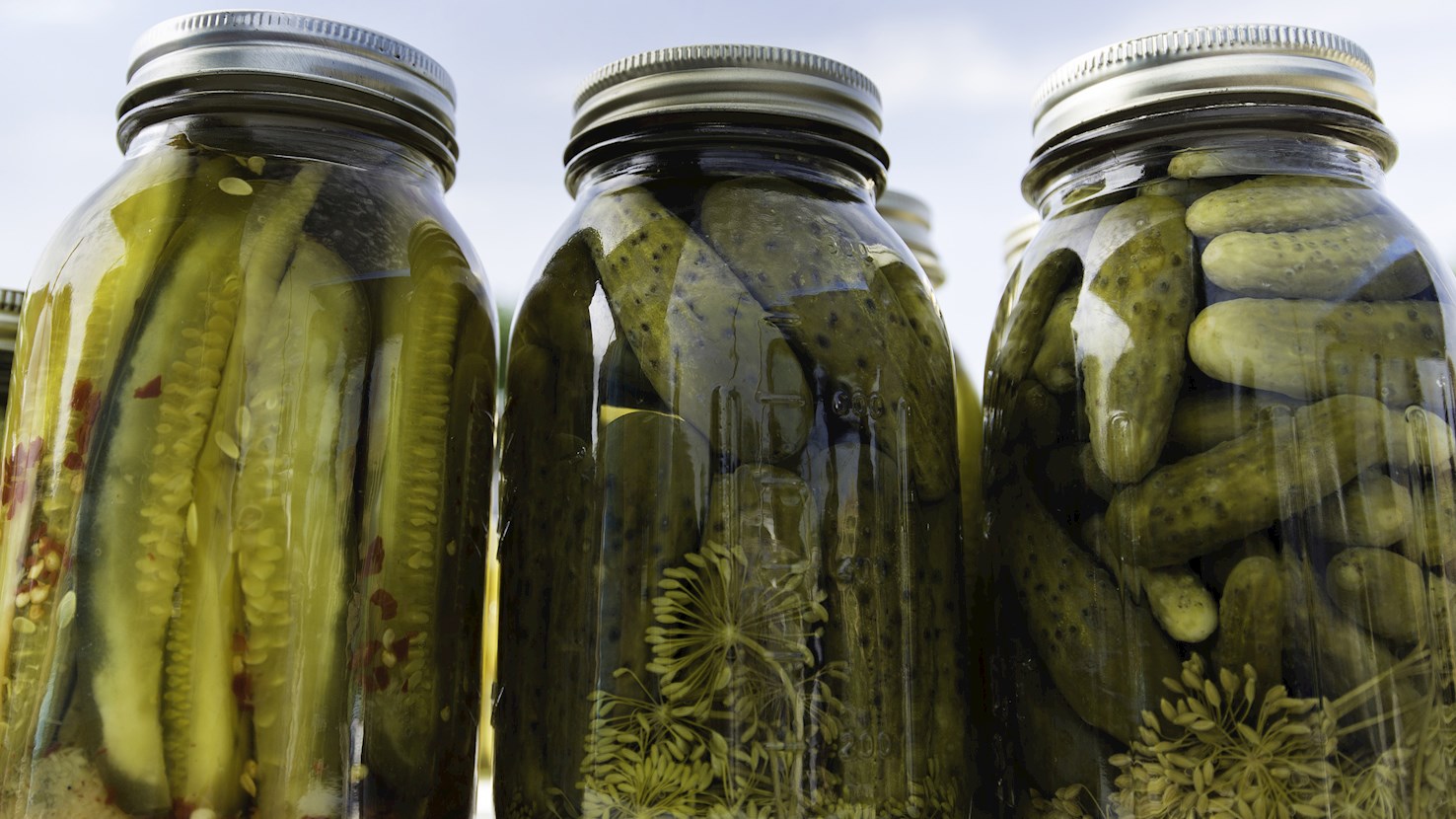
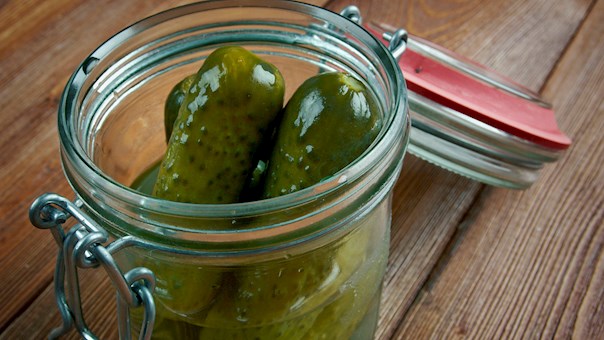
Kosher pickles are made with cucumbers that are washed and combined with dill, various other spices, kosher salt, and clean water. They are then left to ferment anywhere from a few weeks to a few months. Originally, kosher pickles were brought to New York City by eastern European Jewish immigrants who first sold them on pushcarts, then out of barrels. As the business became profitable, Jewish immigrants started opening their own shops, and today kosher pickles are a staple at most Jewish delis, where they are often served complimentary with a big meal.

09

Kimchi

3.9 ·

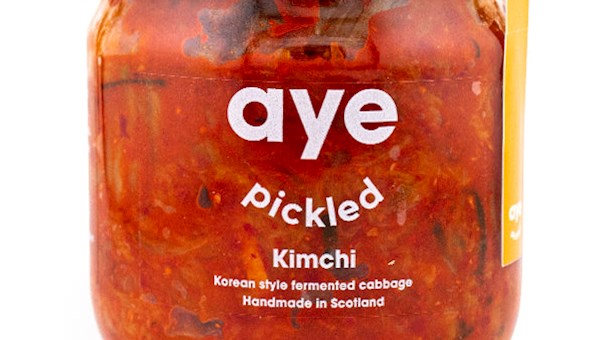
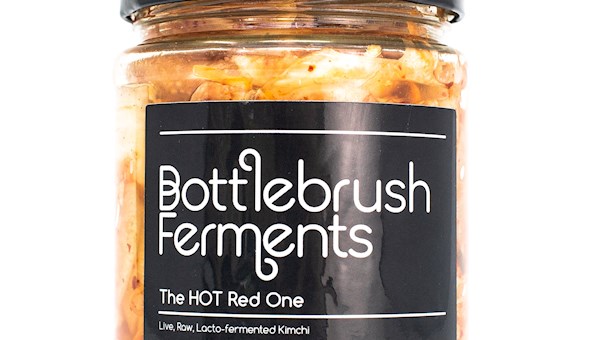
Although many people get a chill through their spine at the very mention of the word pickles, Koreans have found a way to make fermented pickled vegetables interesting, tasty and titillating. A classic starter or a side dish to any Korean meal, these spicy, salty, sweet and sour vegetables known as kimchi start their way sliced, tied in bundles, and marinated in brine with hot chili peppers, salty fish paste, leeks, ginger, sugar, and garlic. Although the popularity of kimchi is still rising in the West, it is an ancient dish, dating about two thousand years back, when it was first mentioned in written documents. It was originally called chimchae, literally translated to soaked vegetables, because kimchi was soaked only in brine or beef stock in the past, but by the 12th century, other ingredients and seasonings began to be added to the pot. Nowadays, kimchi is made both in North and South Korea, the Southern version being more salty and spicy than the Northern one. Seasons also play a role in the flavors of kimchi - refreshing cucumber kimchi is popular in spring and summer, while winter kimchis may contain radish and mustard leaves. Due to its sharp and pungent odor, it is traditionally fermented outdoors, buried in barrels or crock pots. Even though it is served as an appetizer, it usually stays on the table during the whole meal, accompanying classics such as bulgogi, kalbi, and mandu guk (dumpling soup), while cabbage kimchi is often fried into kimchijeon pancakes and incorporated into numerous soups and stews. A staple of any Korean meal, the dish is so beloved that the locals even shout "kimchi!" when their picture is taken, in the same manner that Americans shout "cheese!".

10

Turşu

3.9 ·

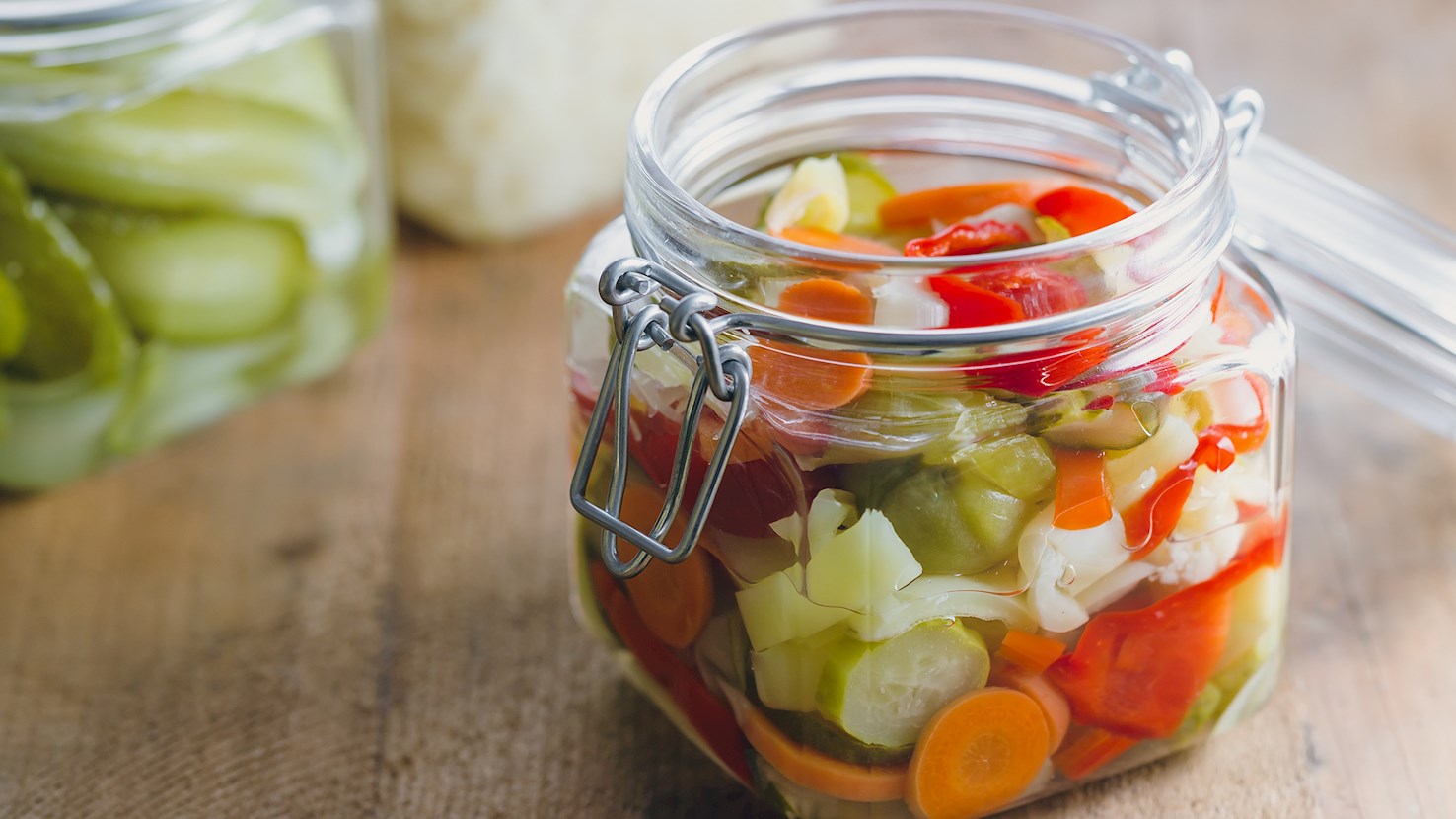
Turşu is the common name for a variety of Turkish pickled vegetables of all shapes, sizes, and colors, including eggplant, zucchini, onions, carrots, cucumber, beets, garlic, and grape leaves. The vegetables are placed in a jar with vinegar and brine, then stored for a few months. The tradition of pickling dates back thousands of years, when fresh vegetables were preserved over the year for consumption in the winter months. Turşu is often served as an appetizer, while turşu suyu–the flavorful pickle juice–is often served as a refreshment on hot summer days.

12

Oi sobagi

3.8 ·
13

Kkakdugi

3.8 ·
14

Jonjoli

3.7 ·
15

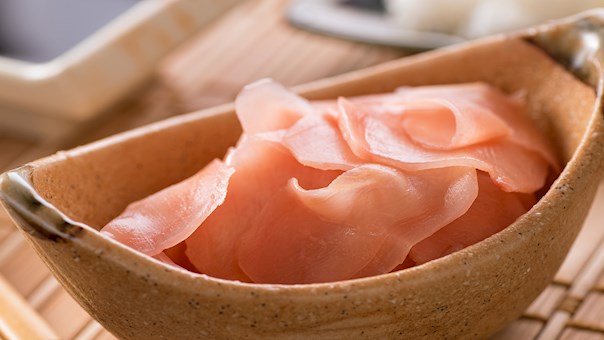
Gari

3.7 ·
16

Takuan

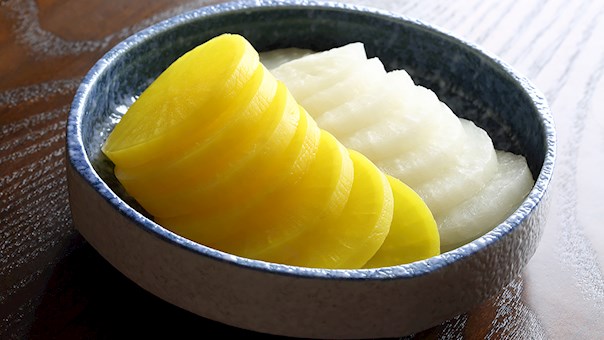
3.7 ·
17

Sauerkraut

3.7 ·
18

Dongchimi

3.6 ·
19

Baek kimchi

3.6 ·
20

Giardiniera

3.6 ·

Best Preserved Vegetables in the World
01

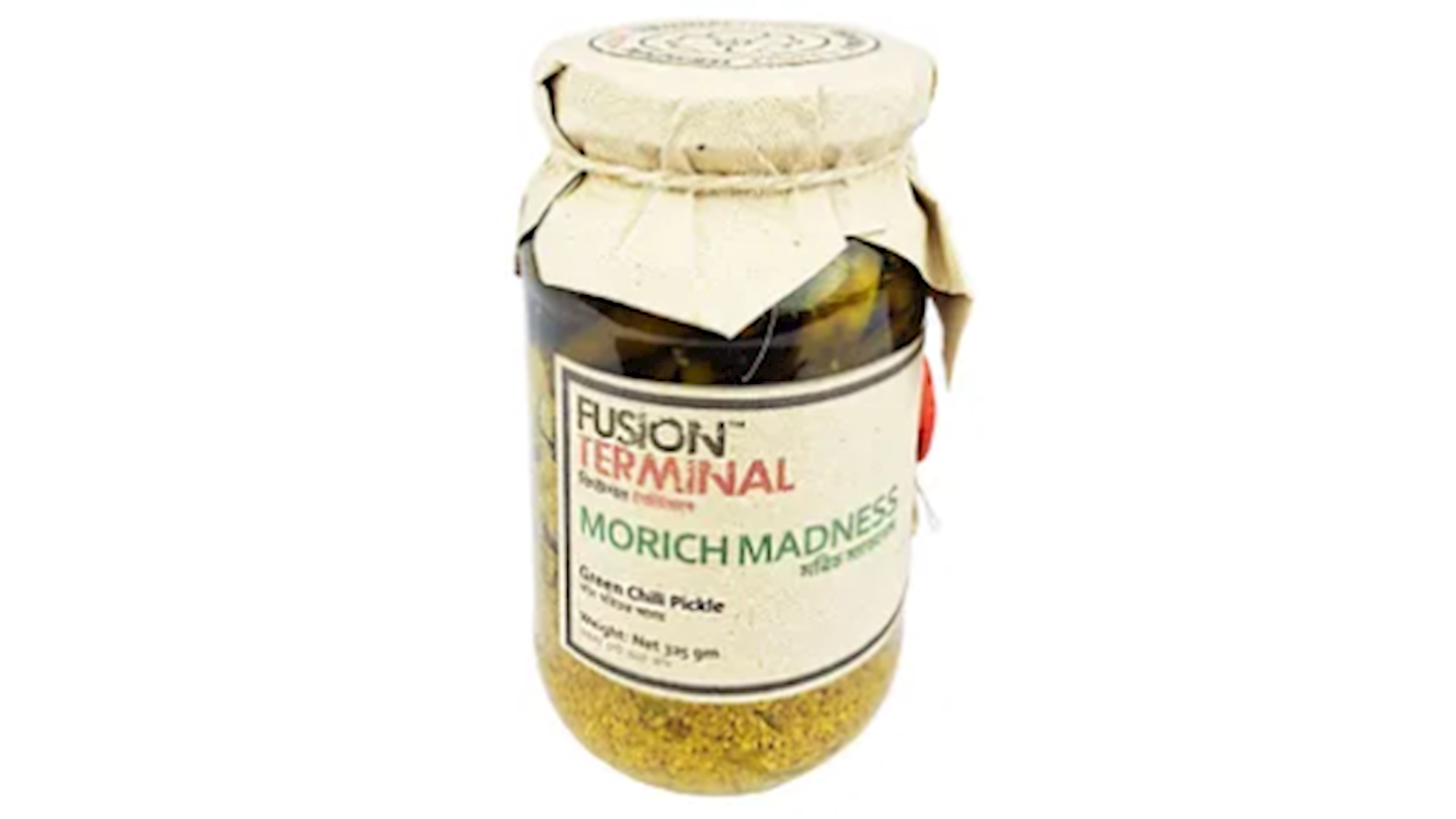
Fusion Terminal

4.8 ·

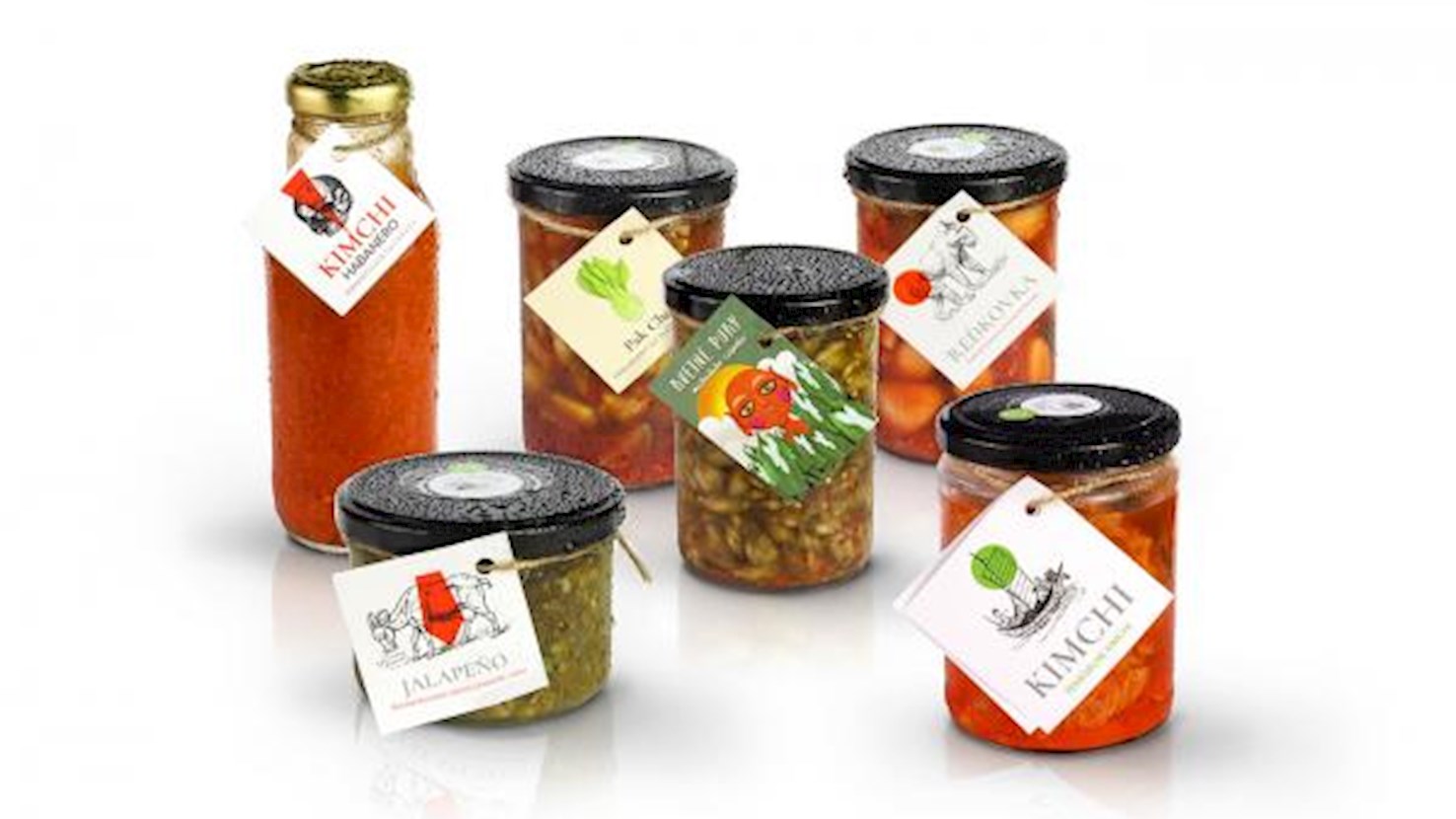
Fusion Terminal is a small Bangladeshi food company founded in 2017, focused on producing natural, handcrafted delicacies that blend local ingredients with a modern culinary approach. Their range includes fermented and pickled products, chili-infused oils, spice blends, and seasonal specialties, all made using natural preservation methods without industrial additives or artificial stabilizers.

Ingredients are sourced from local growers, often featuring lesser-known varieties of Bangladeshi fruits and vegetables that give their products a distinct, authentic flavor profile. The brand’s philosophy centers on sustainability and the “slow food” concept, emphasizing the preservation of traditional recipes while presenting them in contemporary formats.

Production is carried out in small batches to ensure freshness and consistent quality, and sales are primarily handled through their online platform. Today, Fusion Terminal operates as a small but recognizable artisanal producer offering an alternative to industrial food manufacturing, with a clear focus on clean ingredients and expressive regional flavors.

02

Mr Vikki's

4.8 ·

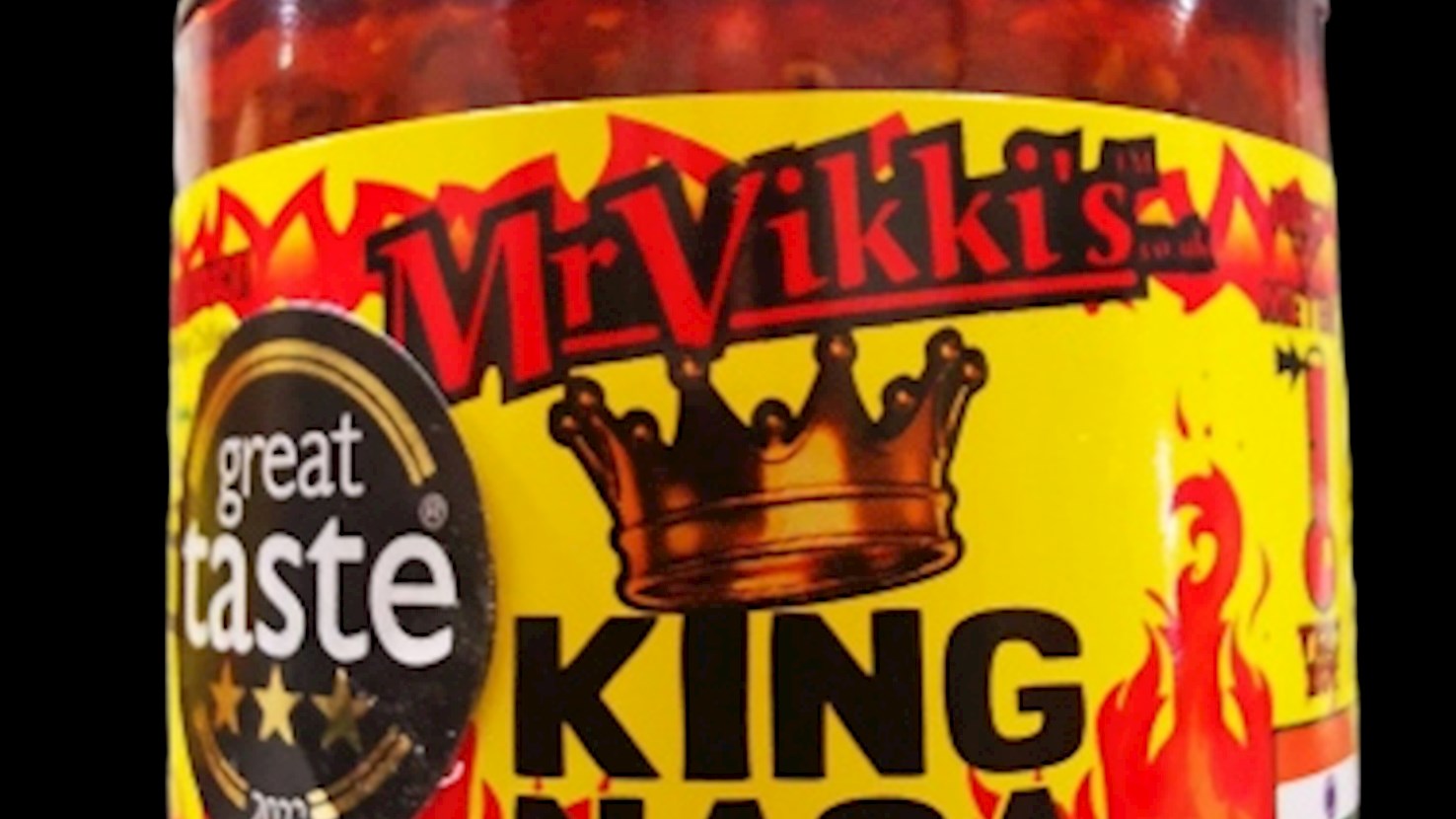
Mr Vikki's is an award-winning producer of artisan hot sauces. The company specializes in creating small-batch, hand-crafted condiments using fresh, natural ingredients.

Their product line includes a variety of chutneys, pickles, and sauces. Mr Vikki's is known for its unique flavor combinations that blend heat with a range of spices.

They have garnered multiple awards for their products at various food competitions.

Awards
Great Taste Awards - 3 Stars (2024, 2023, 2022, 2021)
Great Taste Awards - 2 Stars (2024, 2023, 2022)
03

MAMA's

4.8 ·

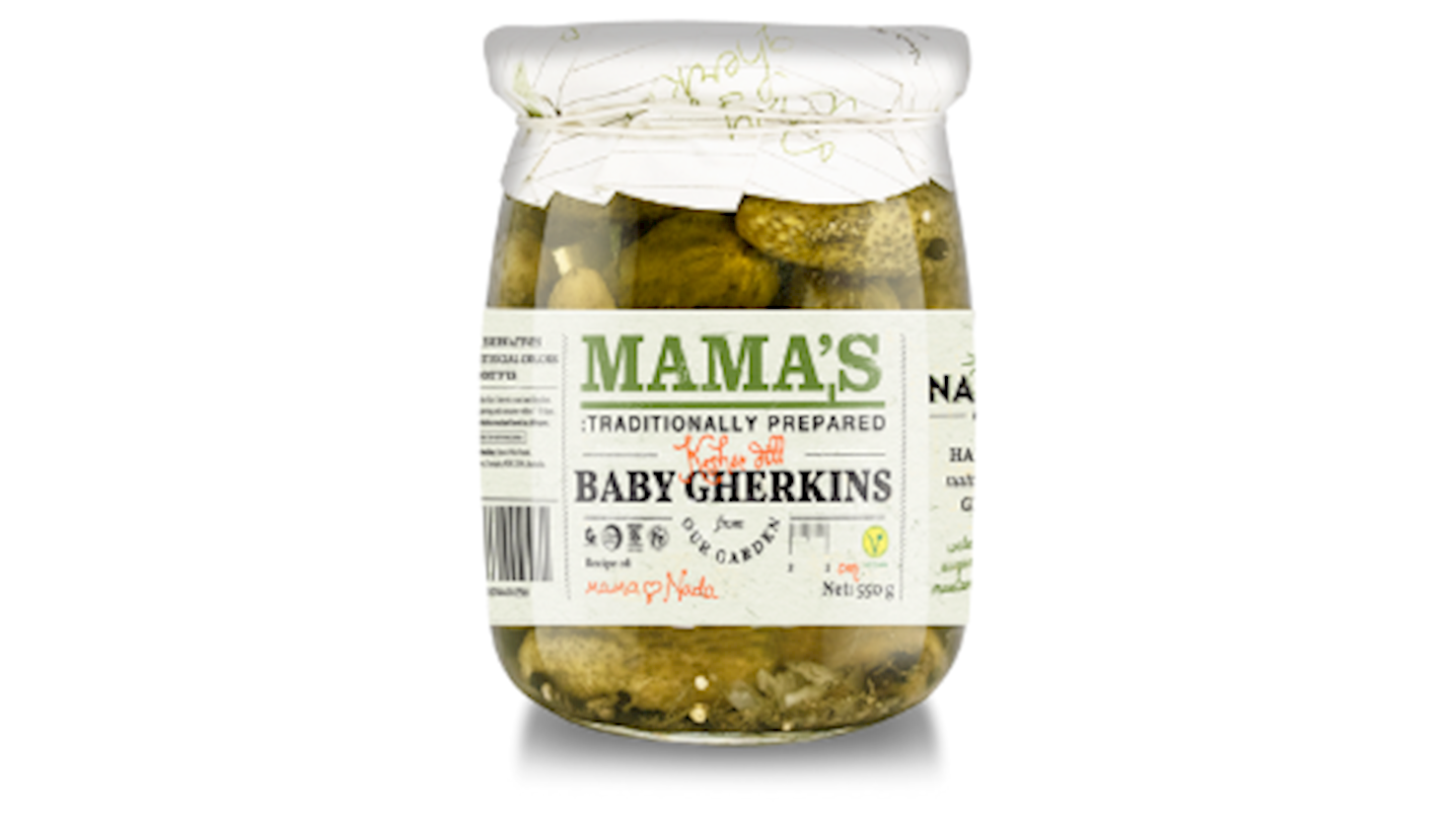
MAMA’S is a Macedonian producer specializing in ajvar, pickled vegetables, and spreads made according to traditional recipes, with a strong focus on using freshly harvested, locally grown produce to preserve natural flavor and freshness. The brand is built on the idea of “homemade in a jar”, relying on regional varieties of peppers, eggplant, and cucumbers, without additives, artificial colors, or preservatives.

Their range includes several types of ajvar - mild, hot, roasted, and green - as well as roasted peppers in salsa, baby pickles, vegetable spreads, and a small line of sweet pumpkin- and cocoa-based creams. Production combines hand-cut vegetables, open-fire roasting, and modern filling techniques, resulting in authentic yet consistent quality.

MAMA’S is also recognized for its packaging, which blends traditional Balkan identity with a clean, contemporary design, making the products appealing on international markets. The emphasis on natural ingredients, transparency, and a clear “homemade” character positions the brand as a strong example of how traditional Balkan food can be modernized without losing its essence.

04

Rodkva Ferments

4.8 ·
Awards
Great Taste Awards - 3 Stars (2023)
Great Taste Awards - 2 Stars (2022)
05

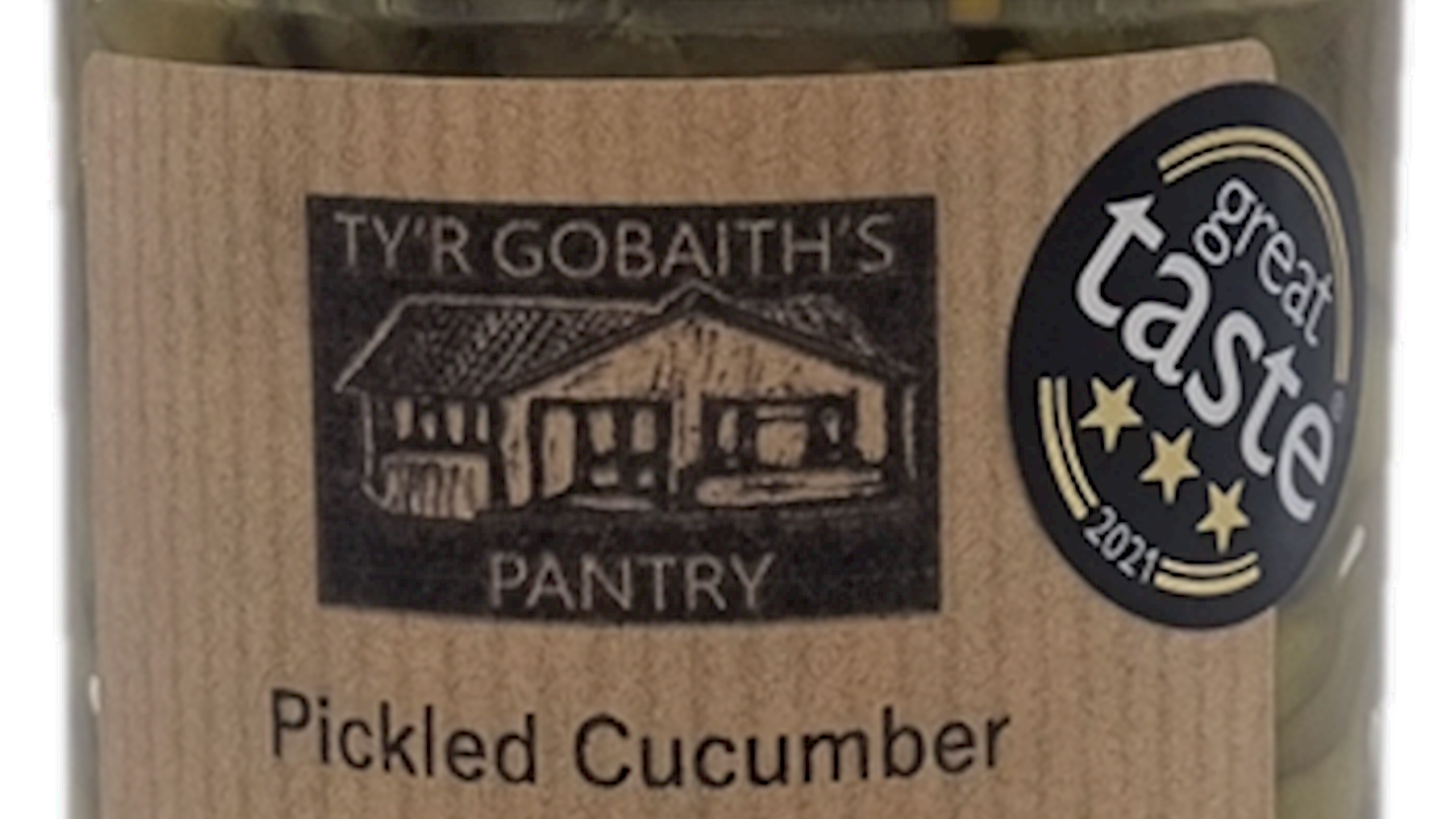
Ty'r Gobaith's Pantry

4.8 ·
Awards
Great Taste Awards - 3 Stars (2021)
06

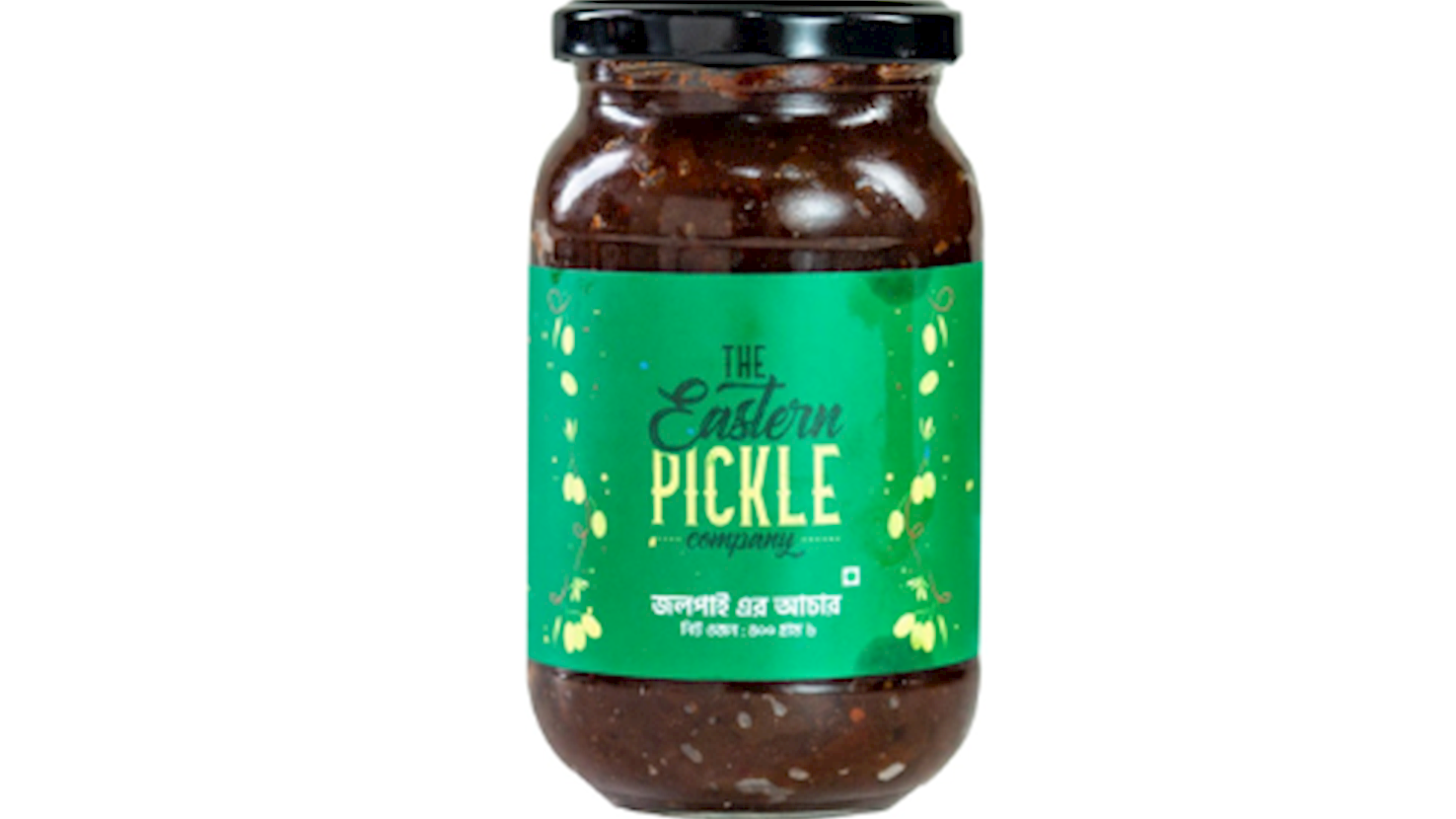
The Eastern Pickle Company

4.7 ·

Eastern Pickle Company is a Bangladeshi producer specializing in handcrafted pickles, dipping sauces, spice blends, and ghee, with a strong focus on authentic home-style recipes and clean ingredients. The company follows a fully natural production approach, avoiding artificial colors, preservatives, and additives, so each product derives its color, aroma, and texture solely from carefully selected local raw materials.

Its assortment includes a wide range of traditional and contemporary pickles - from classic vegetable and fruit varieties to more exotic combinations featuring local citrus and chili - alongside modern dipping sauces that cater to current culinary trends. The spice blends are made in small batches to preserve freshness and the distinctive fragrance of South Asian cooking.

The brand’s philosophy blends tradition with a contemporary artisan approach, reflected in its motto “handmade with heart”.

Awards
Great Taste Awards - 2 Stars (2024)
07

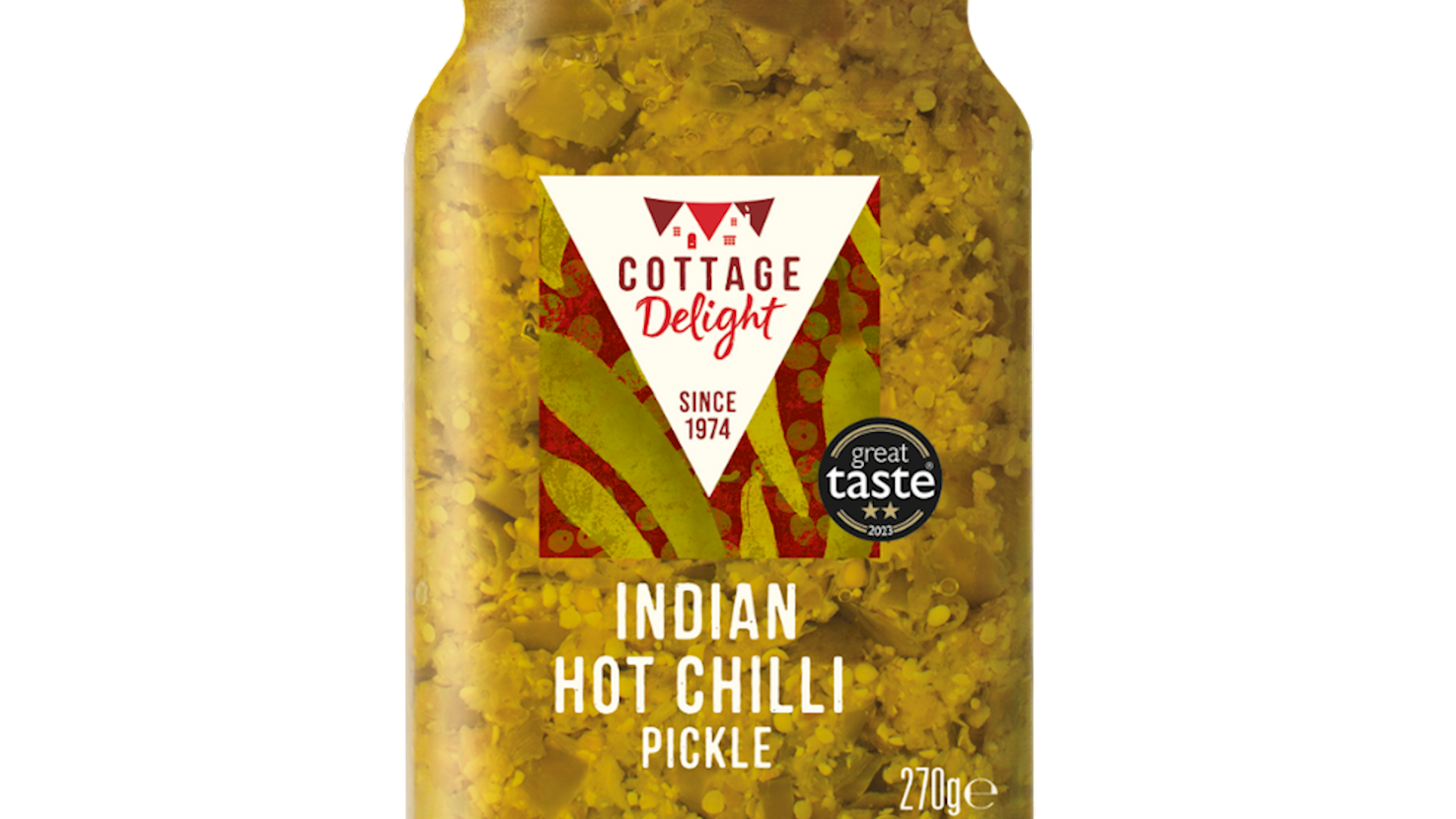
Cottage Delight

4.7 ·

Cottage Delight is a specialty food producer based in Leek, Staffordshire, UK. The company was founded in 1974 and is known for producing a variety of gourmet sauces, including barbecue sauce.

Their products are often made in small batches using traditional methods and high-quality ingredients. Cottage Delight Ltd supplies its products to farm shops, delis, and various retail outlets across the UK.

Awards
Great Taste Awards - 2 Stars (2024, 2023, 2021)
08

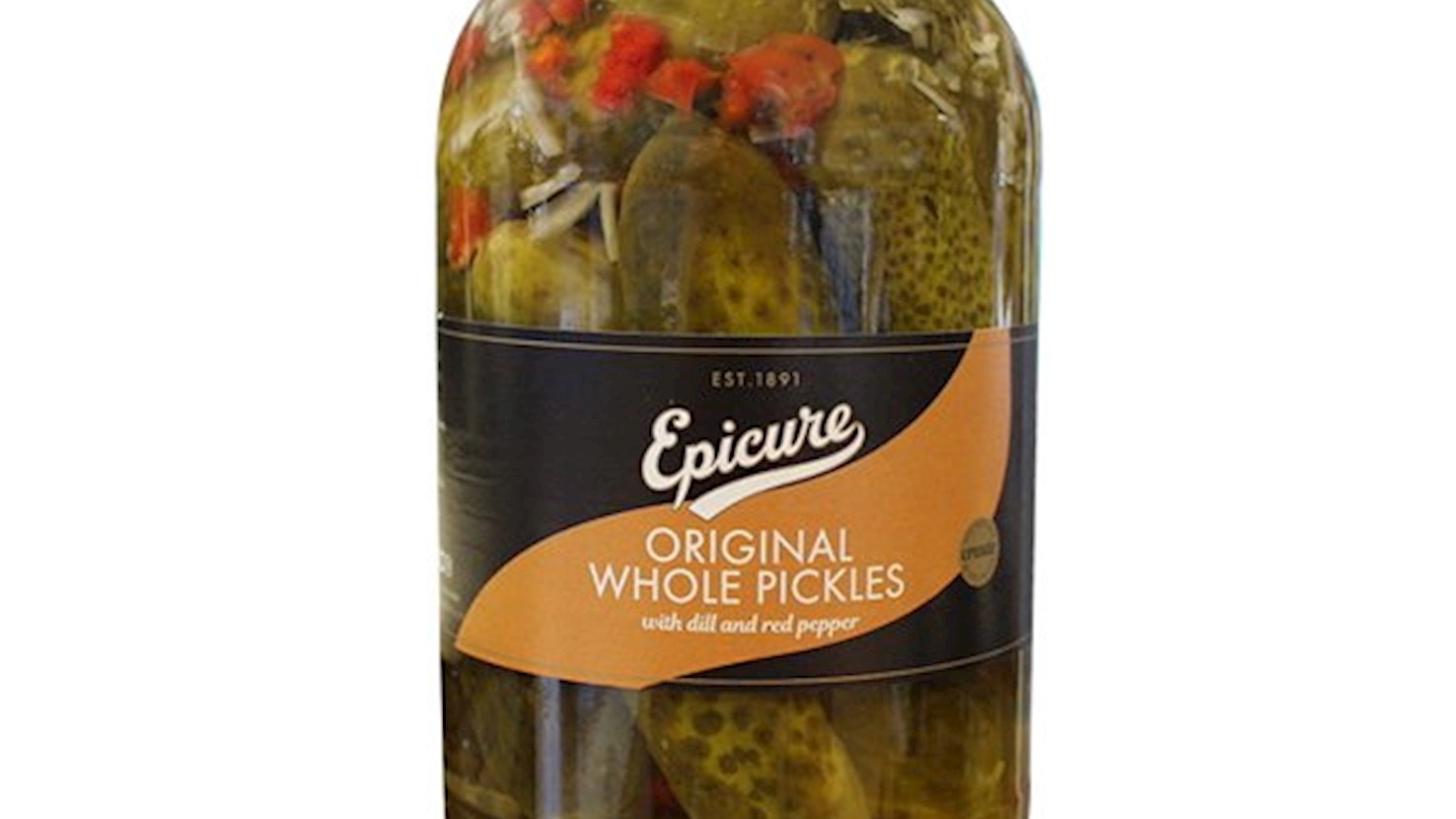
Epicure

4.7 ·

Epicure is a brand founded in 1891 in London, when the Wood family established the company with the idea of bringing new and authentic flavors from around the world to British consumers. Over time, it built a reputation as a brand that combines tradition and reliability with a constant exploration of new gastronomic trends.

They are particularly renowned for their selection of Canadian maple syrups, which they have imported and distributed for many years in collaboration with reputable producers. Today, Epicure’s portfolio includes a wide range of products - from exotic and dried fruits, spices, and gourmet preserves to fine condiments and beverages.

Their products are exported across Europe, Asia, the Middle East, and India. The blend of the Wood company’s history and carefully chosen partners makes Epicure a brand that faithfully conveys the spirit of authentic cuisine and inspires culinary creativity.

Awards
Great Taste Awards - 2 Stars (2024, 2023, 2022)
09

Lakeland Artisan

4.5 ·

Lakeland Artisan Ltd is a company specializing in the production of jams and other gourmet food products. They are known for using high-quality ingredients to create a variety of flavorful preserves.

The company also produces handmade chutneys, relishes, and other condiments. They emphasize traditional methods in their production process to maintain authentic flavors.

Awards
Great Taste Awards - 2 Stars (2023, 2022, 2021)
10

Lolo's Picklery

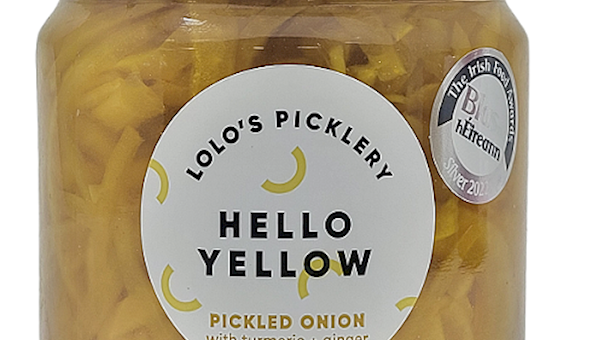
4.5 ·
Awards
Great Taste Awards - 2 Stars (2024, 2023)
About this ranking

TasteAtlas food rankings are based on the ratings of the TasteAtlas audience, with a series of mechanisms that recognize real users and that ignore bot, nationalist or local patriotic ratings, and give additional value to the ratings of users that the system recognizes as knowledgeable. For the “Top 57 Preserved Vegetables in the World” list until July 01, 2026, 3,122 ratings were recorded, of which 2,463 were recognized by the system as legitimate. TasteAtlas Rankings should not be seen as the final global conclusion about food. Their purpose is to promote excellent local foods, instill pride in traditional dishes, and arouse curiosity about dishes you haven’t tried.

The initial list of top producers was compiled based on available reviews, awards, local recommendations, media and blog coverage, and consumer reviews. The list will be updated with ratings from TasteAtlas local ambassadors and TasteAtlas users.

Similar lists