Top 7 Processed Cheeses
in the World

Last updated on June 10, 2026

Best Processed Cheeses in the World
01

Hol Ysteri

4.9 ·
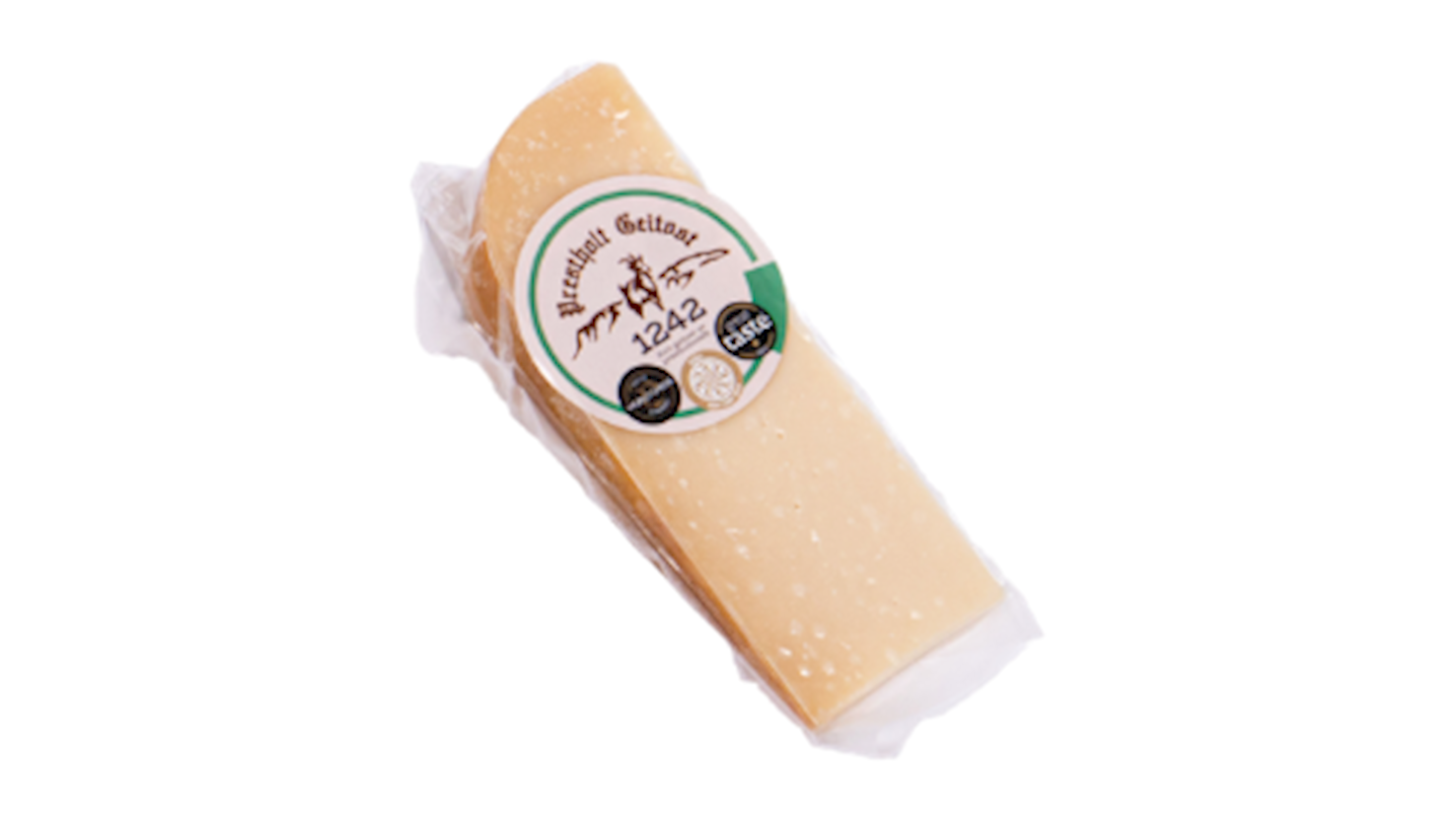
Hol Ysteri is a small Norwegian artisan dairy located in the Hallingdal region, known for producing traditional cheeses made primarily from goat’s milk. The dairy was established by the Stenberg family, who continue a long-standing local tradition of mountain farming and cheesemaking. Their production is closely connected to the surrounding alpine landscape, where goats graze on natural pastures rich in herbs and grasses that influence the flavor of the milk. Hol Ysteri focuses on small-scale, craft production, combining traditional Norwegian dairy techniques with careful maturation to develop cheeses with distinct regional character. Among their best-known products are cheeses such as Prosten, the Leirgrøv series of aged goat cheeses, and Brun Geitost, a classic Norwegian brown whey cheese. Many of their cheeses highlight seasonal milk from summer mountain pastures, reflecting the concept of stølsdrift, the traditional practice of moving livestock to highland farms during the grazing season. Through this approach, Hol Ysteri has become recognized as one of the notable producers within Norway’s modern artisan cheese movement, contributing to the growing international interest in Norwegian farmhouse cheeses.
Awards
World Cheese Awards - Super Gold (2025, 2024)
Great Taste Awards - 3 Stars (2025, 2022)
02

Synnøve Finden

4.9 ·
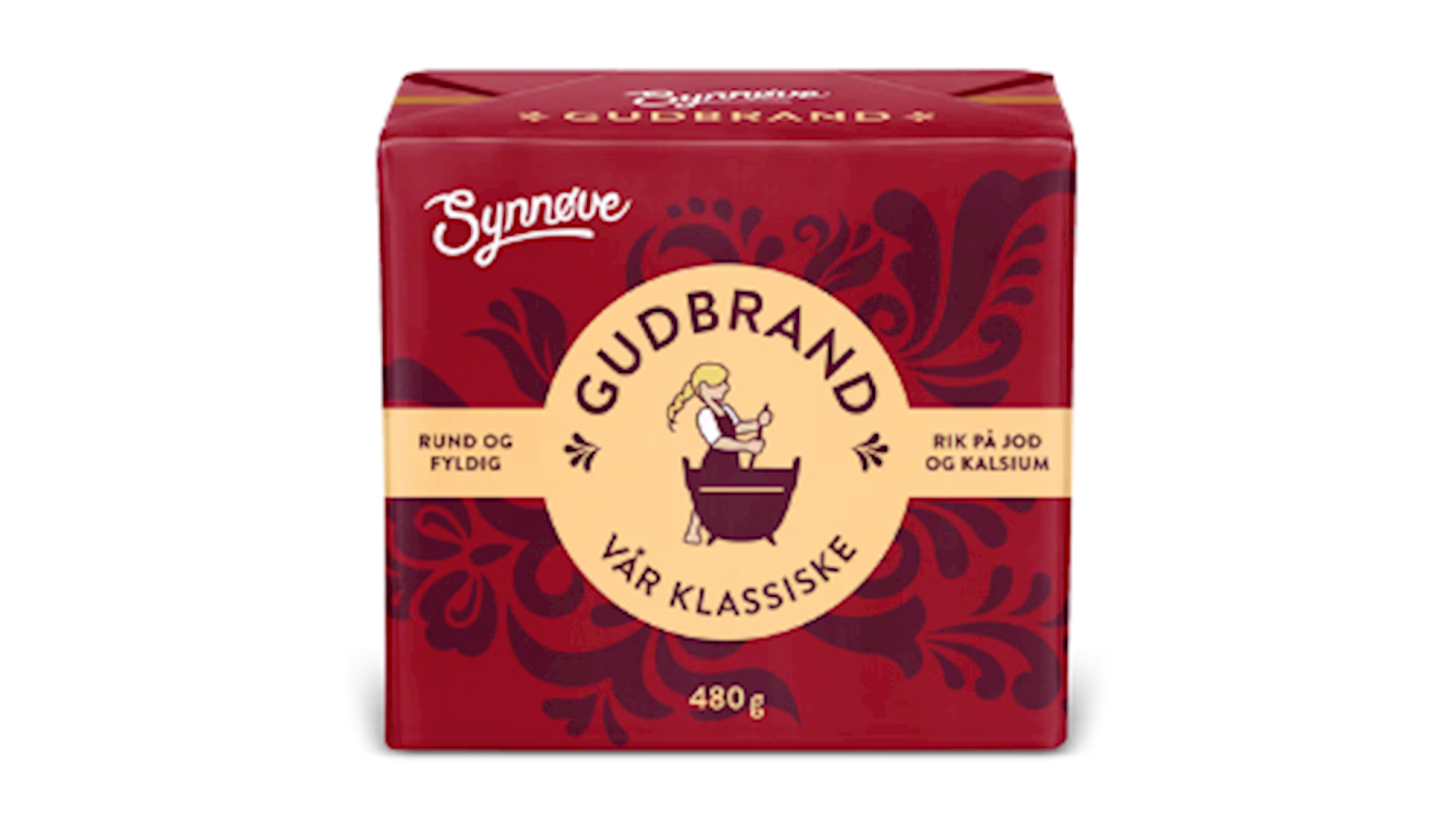
Synnøve Finden is a Norwegian food company with a tradition dating back to 1928, renowned for its expertise in producing cheeses, dairy products, and plant-based dairy alternatives. Over the decades, it has developed a diverse product range - from traditional Norwegian specialties such as brunost, the distinctive caramelized whey cheese, and gulost, to various hard and semi-hard cheeses, processed cheeses, yogurts, and innovative plant-based spreads. All products are made in modern production facilities, where state-of-the-art technology is combined with a strong commitment to preserving authentic flavors and traditional methods. The company uses only milk sourced from Norwegian farms, ensuring freshness and full traceability while supporting local agriculture. This dedication to quality and provenance is reflected in the consistently high standards of its products. By merging Norway’s rich dairy tradition with modern product development, Synnøve Finden has positioned itself as a reliable and innovative brand. It is present in both domestic and international markets, attracting consumers who value authentic taste, premium ingredients, and a contemporary approach to nutrition that respects the environment and evolving dietary habits.
Awards
World Cheese Awards - Gold (2024)

Best Processed Cheese Types in the World
01

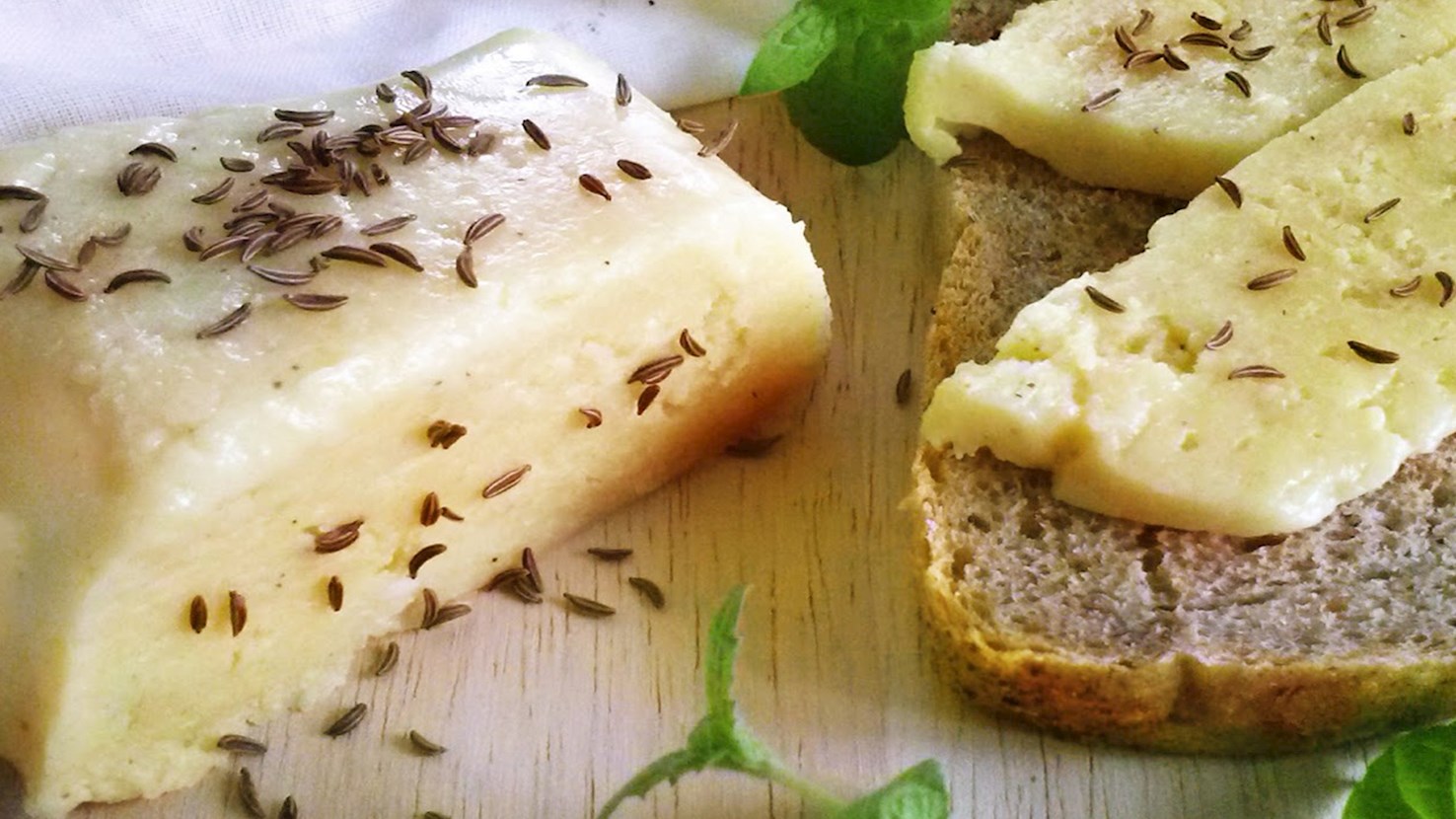
Wielkopolski Ser Smażony

3.9 ·

Wielkopolski ser smażony is a unique fried cheese product from Wielkopolska Voivodship in Poland. It has a homogenous, solid and elastic texture. The cheese varies in color from light cream to yellow, depending on how it is fried and on the quality of butter used. The taste is intense and sharp, typical for fried cheese. Additionally, caraway seeds may be added to the cheese, and that is the only other variety that can be produced under the protected name 'Wielkopolska fried cheese'. It is made according to a local, traditional recipe typical for the Wielkopolska region since the 18th century when it was probably first made by the settlers who arrived in the western part of the region. Today, the fried cheese is made only from fresh ingredients and it can be fried exclusively in butter.

02

Geitost (Brown Goat Cheese)

3.7 ·

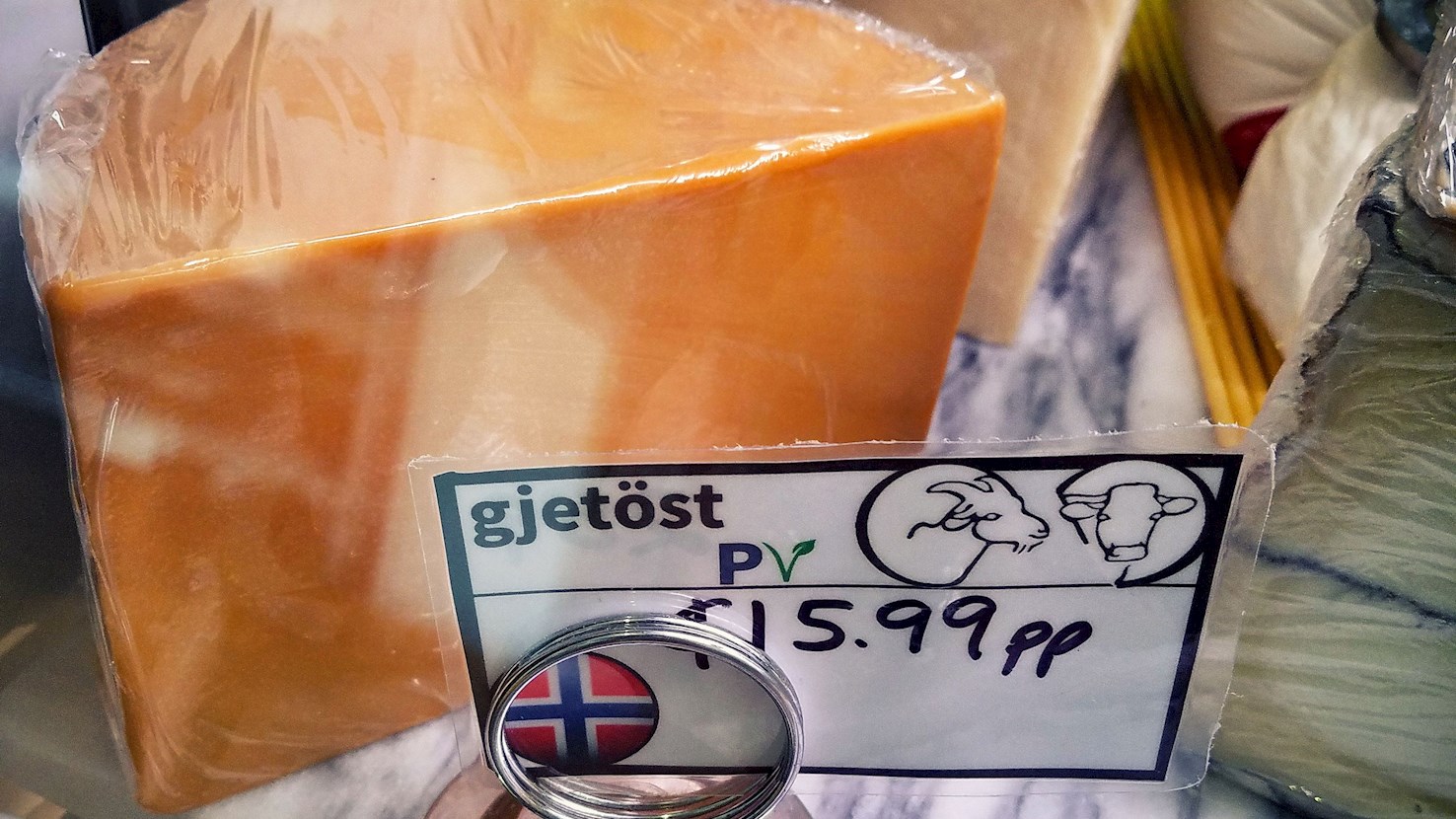
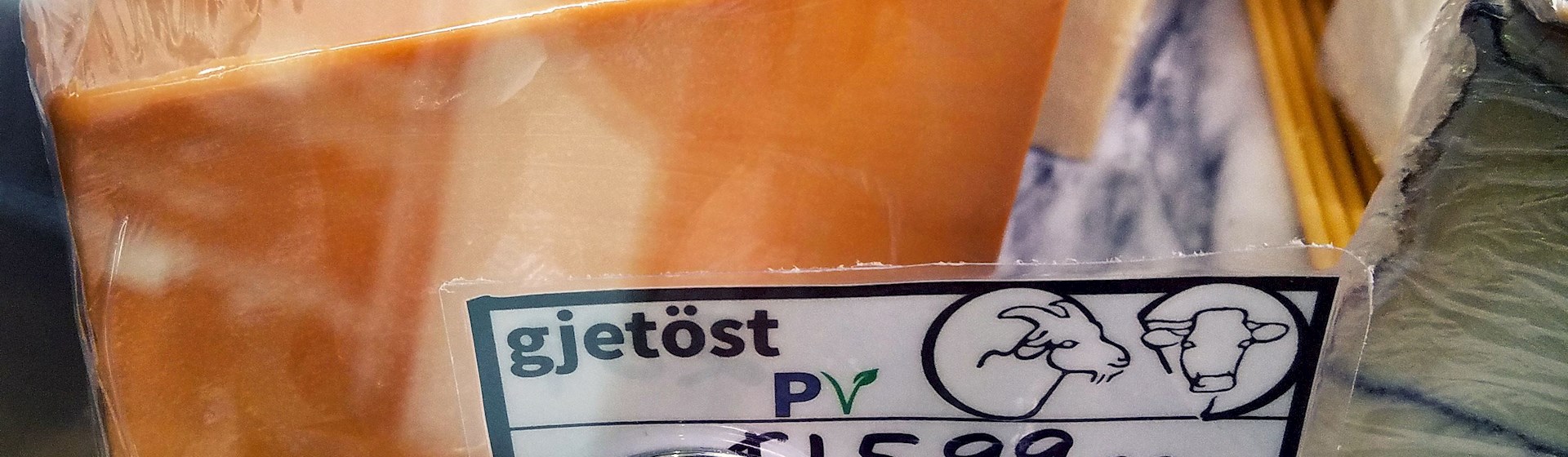
Produced on Norwegian mountain farms for 500 years, Geitost is a processed brown cheese made with whey and cream (goat's milk) that are slowly cooked for 8 to 10 hours. Technically, geitost is a type of brunost and it's not a cheese at all because it's made from a secondary product. Geitost is pressed into square molds and turns brown because of the lactose sugar. Its flavor is sweet with hints of burnt caramel, which is the reason why Norwegian children often eat it for breakfast. Geitost is traditionally sliced extra-thin, and it is typically served on Norwegian flatbread.

Best producers
03

Brunost

3.6 ·

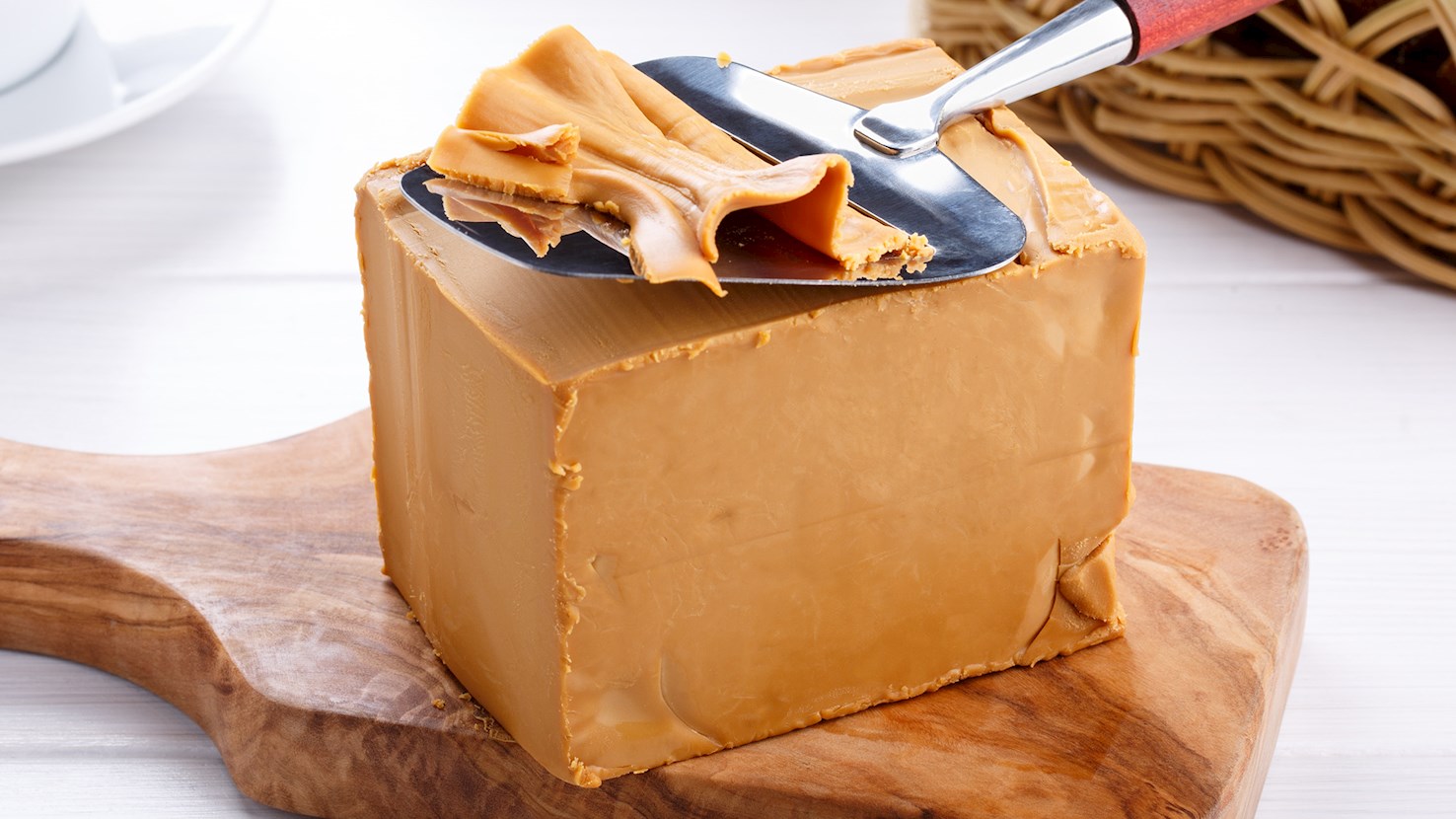
Brunost is a distinctive Norwegian cheese known for its rich brown color and sweet, caramel-like flavor. Unlike typical cheeses made from curdled milk, brunost is made by slowly boiling whey, the liquid leftover from cheese production, until the sugars caramelize and the mixture thickens into a fudge-like consistency. This process imparts its characteristic sweetness and deep brown hue, setting it apart from other dairy products. Brunost has been part of the country’s food culture for centuries, particularly valued in rural and mountainous regions where dairy farming was a central livelihood. Early producers discovered that boiling down whey extended the use of all milk components and created a shelf-stable product that could be stored for long periods without refrigeration. Over time, brunost became closely associated with Norwegian identity and cuisine, reflecting the resourcefulness and simplicity of traditional farming communities. The preparation of brunost involves heating whey for several hours to evaporate water and concentrate the milk sugars. The mixture is carefully stirred to prevent burning and to encourage even caramelization. Once the desired consistency and color are reached, the thickened mass is poured into molds to cool and set. Different variations of brunost exist, made from goat’s milk, cow’s milk, or blends of both, each offering subtle differences in flavor and texture. Brunost is most commonly enjoyed sliced thinly and served on bread or crispbread, often accompanied by butter or jam. It is a staple in Norwegian breakfasts and lunches and sometimes used in cooking to add a unique sweet note to sauces and soups.

04

Provel

2.5 ·

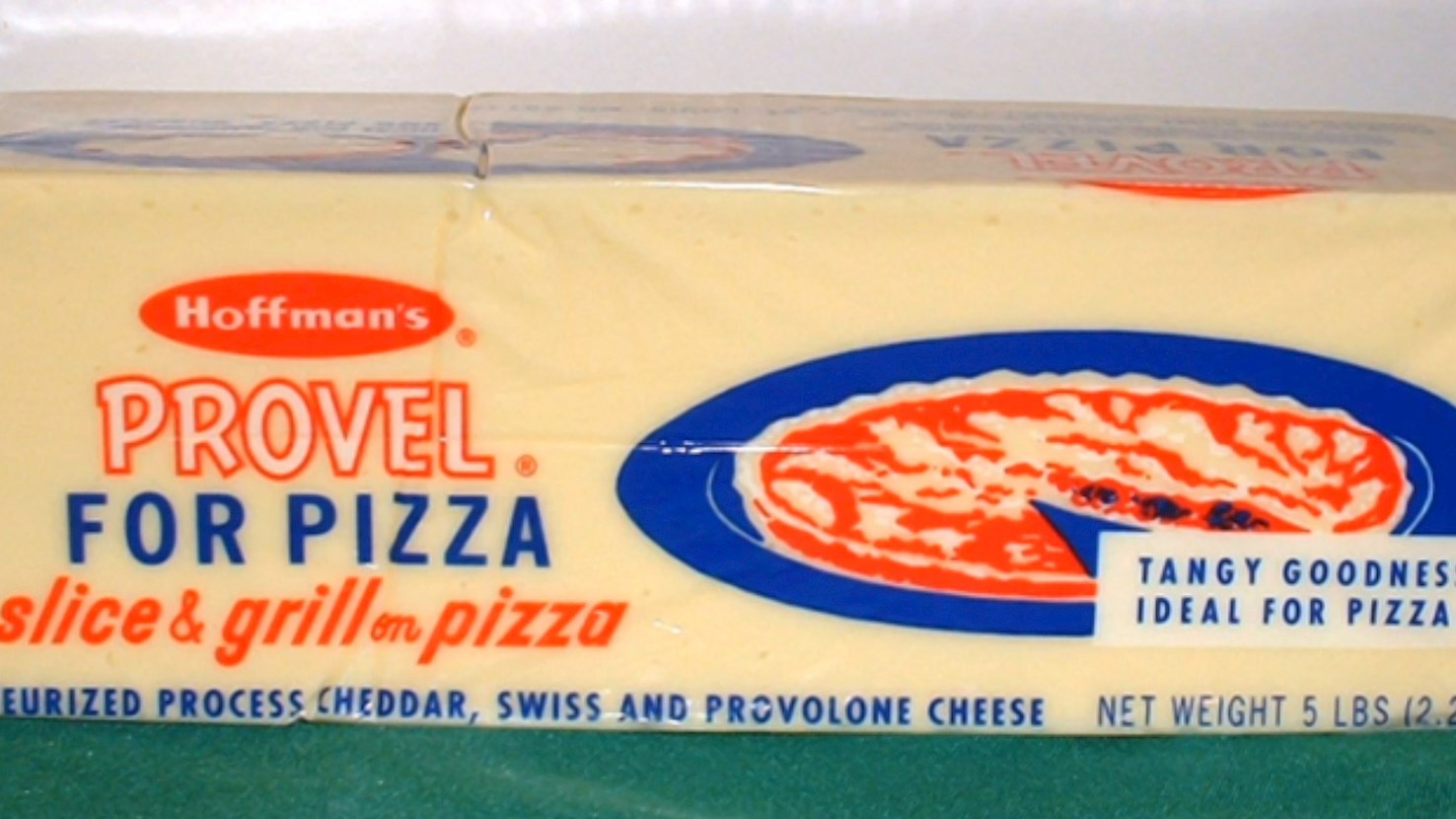
Provel is an American cheese made from pasteurized cow's milk. It is produced by combining different cheeses such as Cheddar, Provolone, and Swiss cheese. Its texture is supple, creamy, and gooey, while the flavors are buttery and slightly spicy. Provel is often used in cheese soups and St. Louis-style pizza due to its low melting point.

05

Cheez Whiz

2.1 ·

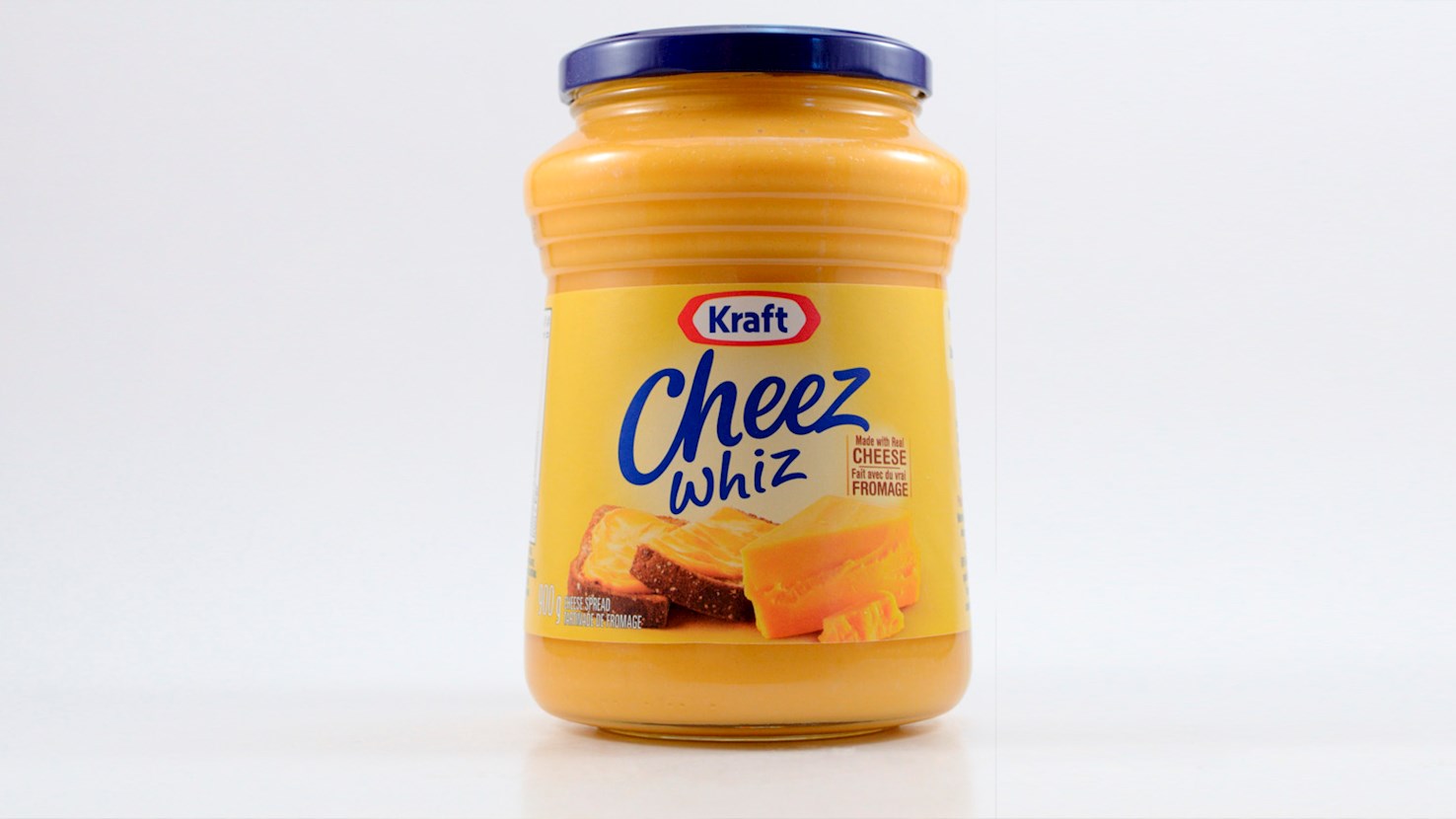
Cheez Whiz is a processed cheese spread, dip, or sauce, and it's also a brand of Kraft Foods. This product started its life in 1952, and nowadays it's marketed in the United States, but also in Canada, the Philippines, and Venezuela. It is orange-yellow in color and usually comes in a glass jar. The product contains whey, milk, salt, mustard flour, Worcestershire sauce, cheese cultures, enzymes, natural flavorings, and many other emulsifiers and stabilizing agents. It is often used as a topping for hot dogs, french fries, and nachos, as well as being one of the key ingredients in Philly-style cheesesteak. Nowadays, there are versiosn such as Cheez Whiz Light, Cheez Whiz Bacon, and Cheez Whiz Pimento, among others.

06

Rambol

3 ·

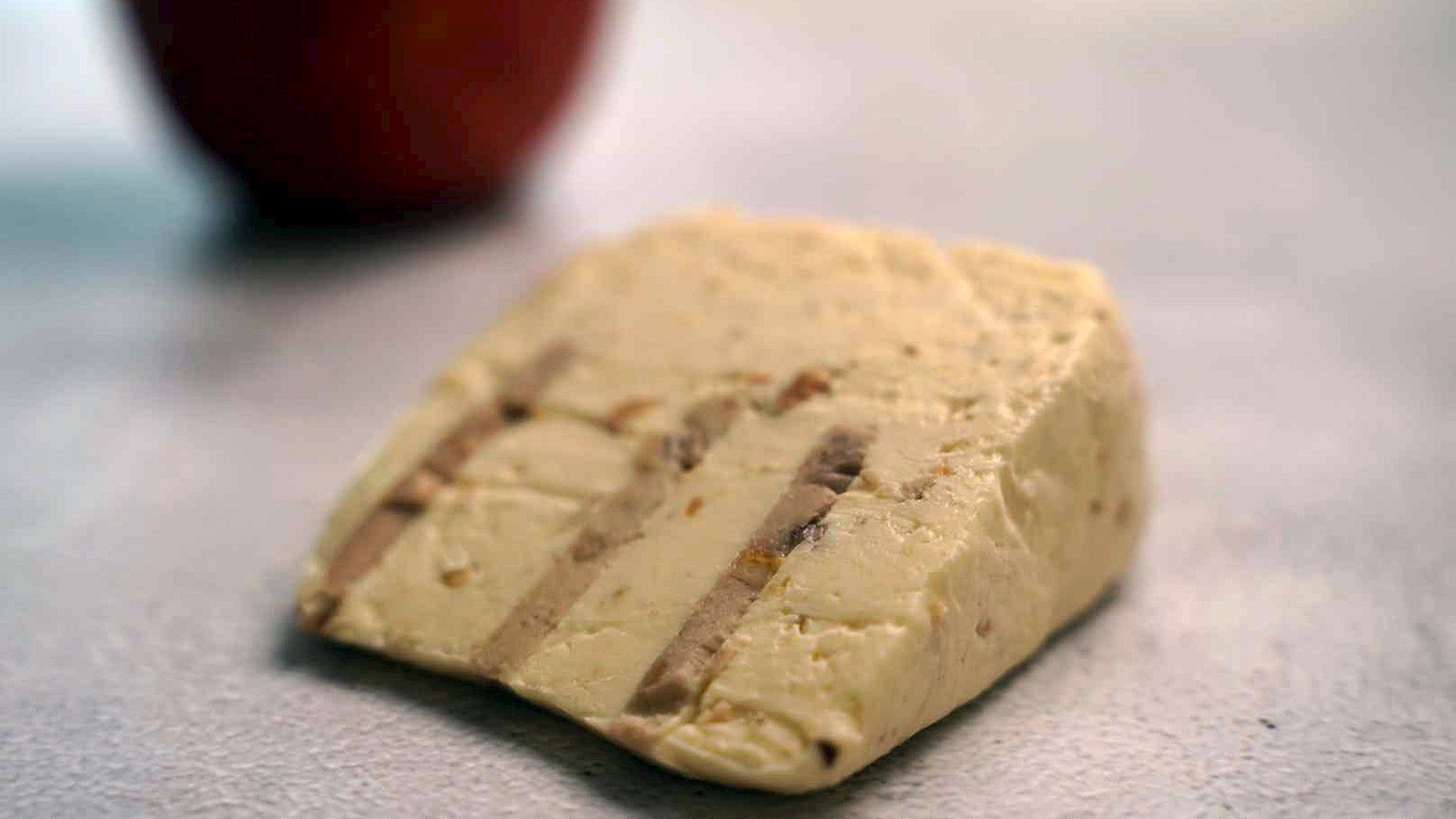
Rambol is a French processed cheese that was invented in the 1960s at a creamery in Rambouillet. In 1970, the first version of trademarked Rambol aux Noix (Rambol with Nuts) was launched commercially. Instead of hard cheese, fresh cow's milk curds are used for the production of Rambol, along with stabilizers, emulsifiers, and vegetable-based gums. The texture is soft, creamy, and spreadable, and there are three layers of nuts and small pieces of nuts (Dordogne walnuts and hazelnuts) distributed throughout the body. The flavor is very mild and slightly woody. There are also versions with herbs and salmon.

07

Mun-chee

n/a ·

Mun-chee is an American processed cheese hailing from Richfield, Wisconsin, where it's produced by the DCI cheese company. The cheese is made from pasteurized cow's milk. Underneath its natural rind, the texture is smooth, creamy, and semi-soft. The aromas are mild, while the flavors are mild and sweet. Mun-chee is usually used for sandwiches and wraps, and it's also eaten as a snack or melted over omelets and macaroni. This pale yellow cheese is often eaten on camping trips and picnics.

About this ranking

TasteAtlas food rankings are based on the ratings of the TasteAtlas audience, with a series of mechanisms that recognize real users and that ignore bot, nationalist or local patriotic ratings, and give additional value to the ratings of users that the system recognizes as knowledgeable. For the “Top 7 Processed Cheeses in the World” list until June 10, 2026, 480 ratings were recorded, of which 377 were recognized by the system as legitimate. TasteAtlas Rankings should not be seen as the final global conclusion about food. Their purpose is to promote excellent local foods, instill pride in traditional dishes, and arouse curiosity about dishes you haven’t tried.

The initial list of top producers was compiled based on available reviews, awards, local recommendations, media and blog coverage, and consumer reviews. The list will be updated with ratings from TasteAtlas local ambassadors and TasteAtlas users.

Similar lists