shutterstock

Top 4 Southeastern European Dry-cured Hams

Last updated on June 24, 2026

Best Southeastern European Dry-cured Hams
01

Njeguška Pršuta - Gazdinstvo Martinović

4.7 ·
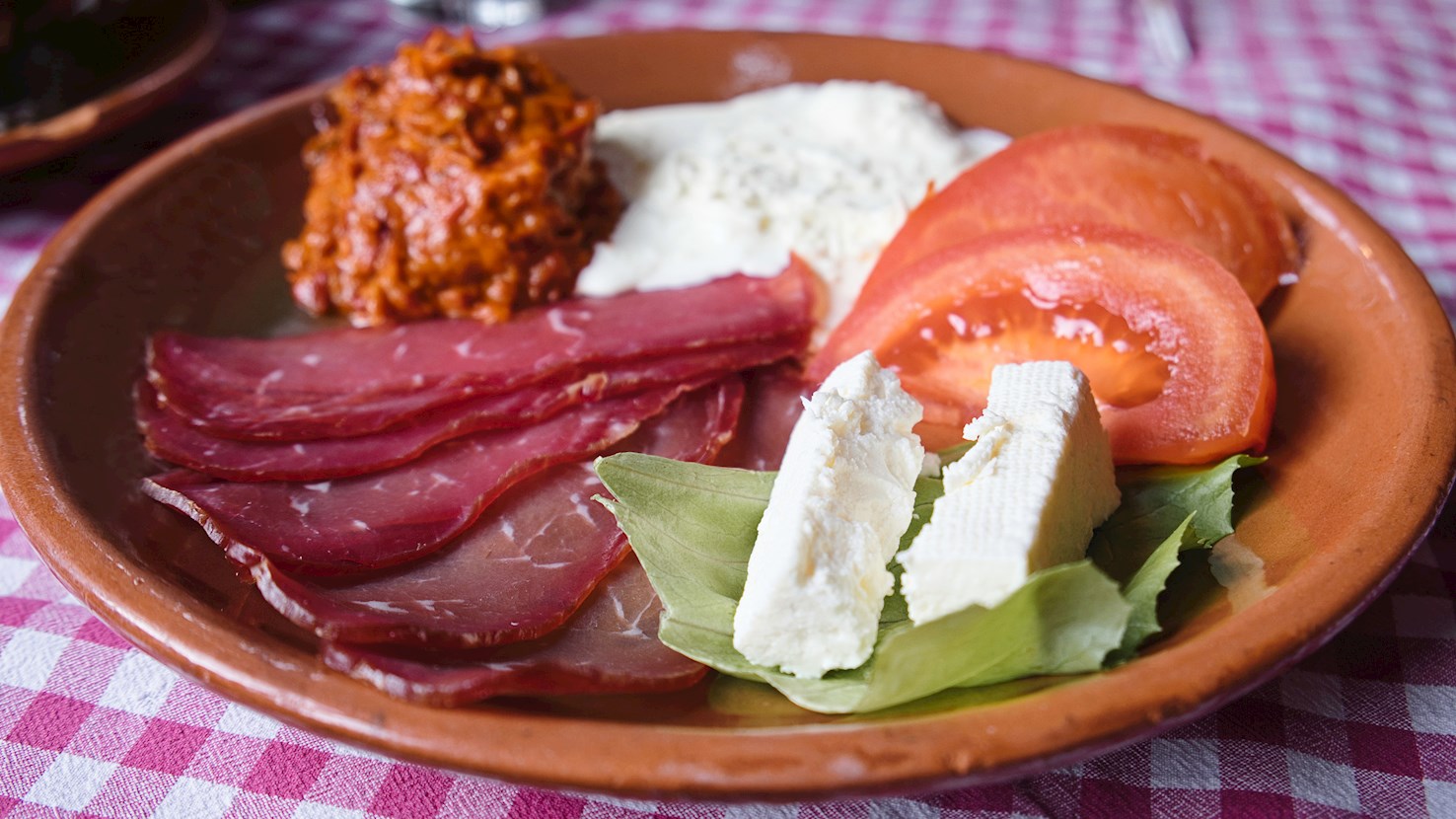
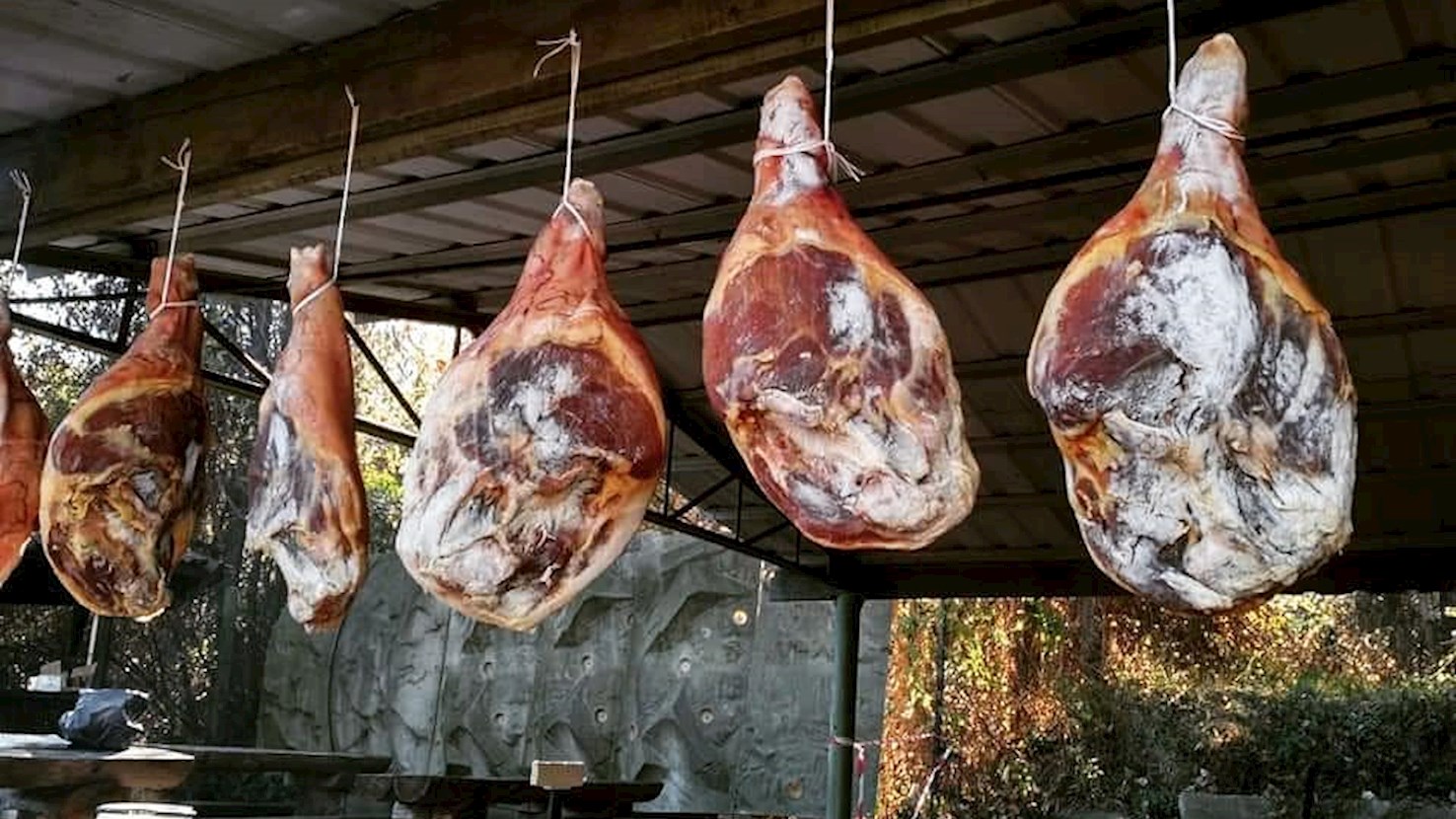
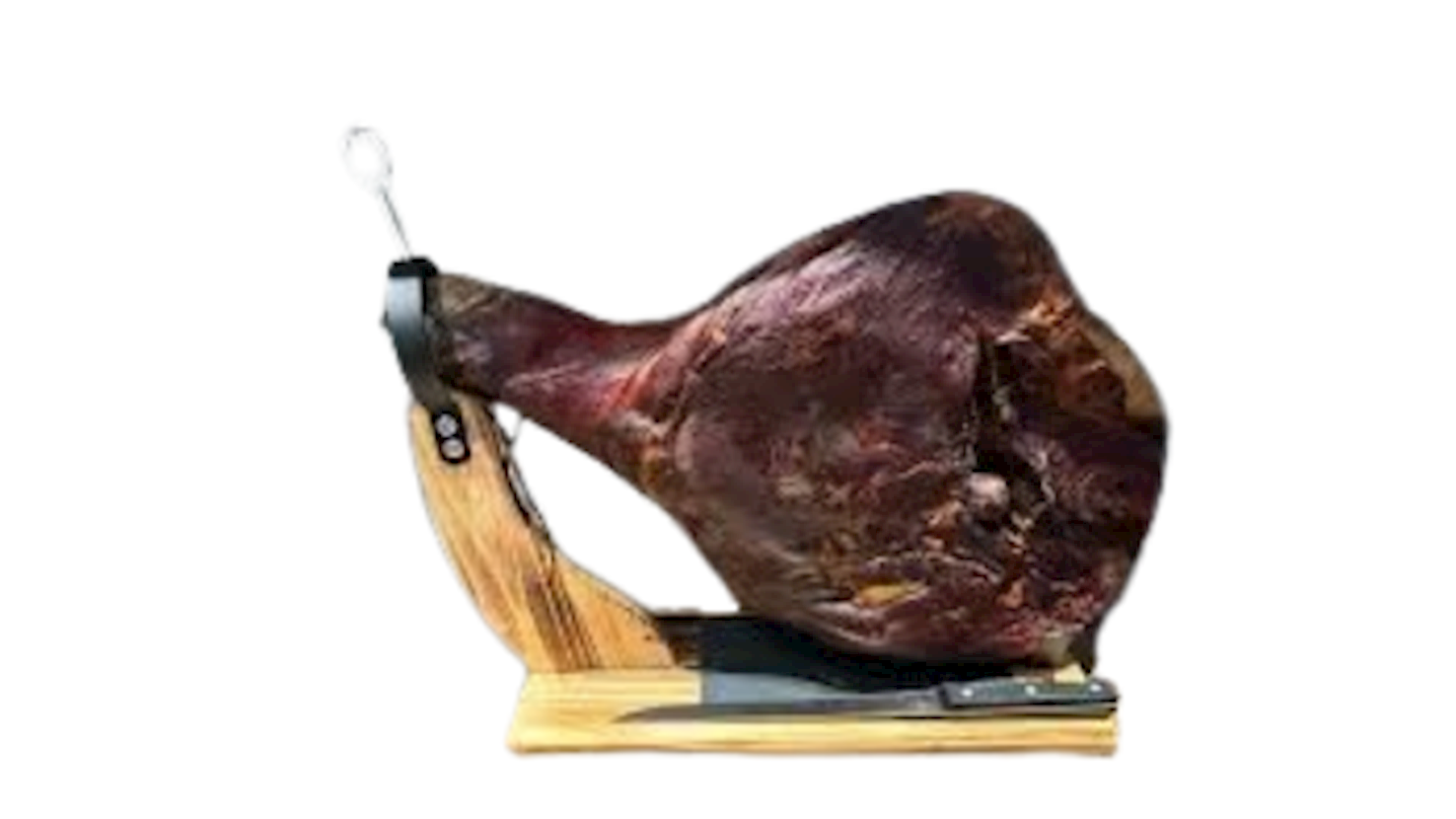
Njeguška Pršuta - Gazdinstvo Martinović from the village of Bajice near Cetinje produces traditional Njeguši prosciutto and Njeguši cheese, relying on methods that have been passed down through generations in this region. The pork legs for the pršuta are cured exclusively with sea salt, then pressed and smoked over cold beechwood smoke, after which the meat matures for about a year in the mountain air beneath Lovćen. This process creates its distinctive aroma and firm yet juicy texture. Alongside pršuta, the household is also known for Njeguški sir, made from cow’s milk, lightly salted, and aged under controlled conditions to develop a semi-firm texture, gentle buttery notes, and subtle hints of maturation. The cheese is traditionally served with the pršuta, as their flavors complement each other naturally and form the foundation of the Njeguška culinary tradition. Martinović offers their products in various formats, including vacuum-sealed packaging, ensuring freshness and wider availability of this renowned Montenegrin delicacy duo.

Best Southeastern European Dry-cured Ham Types
01

Njeguška pršuta

4.4 ·

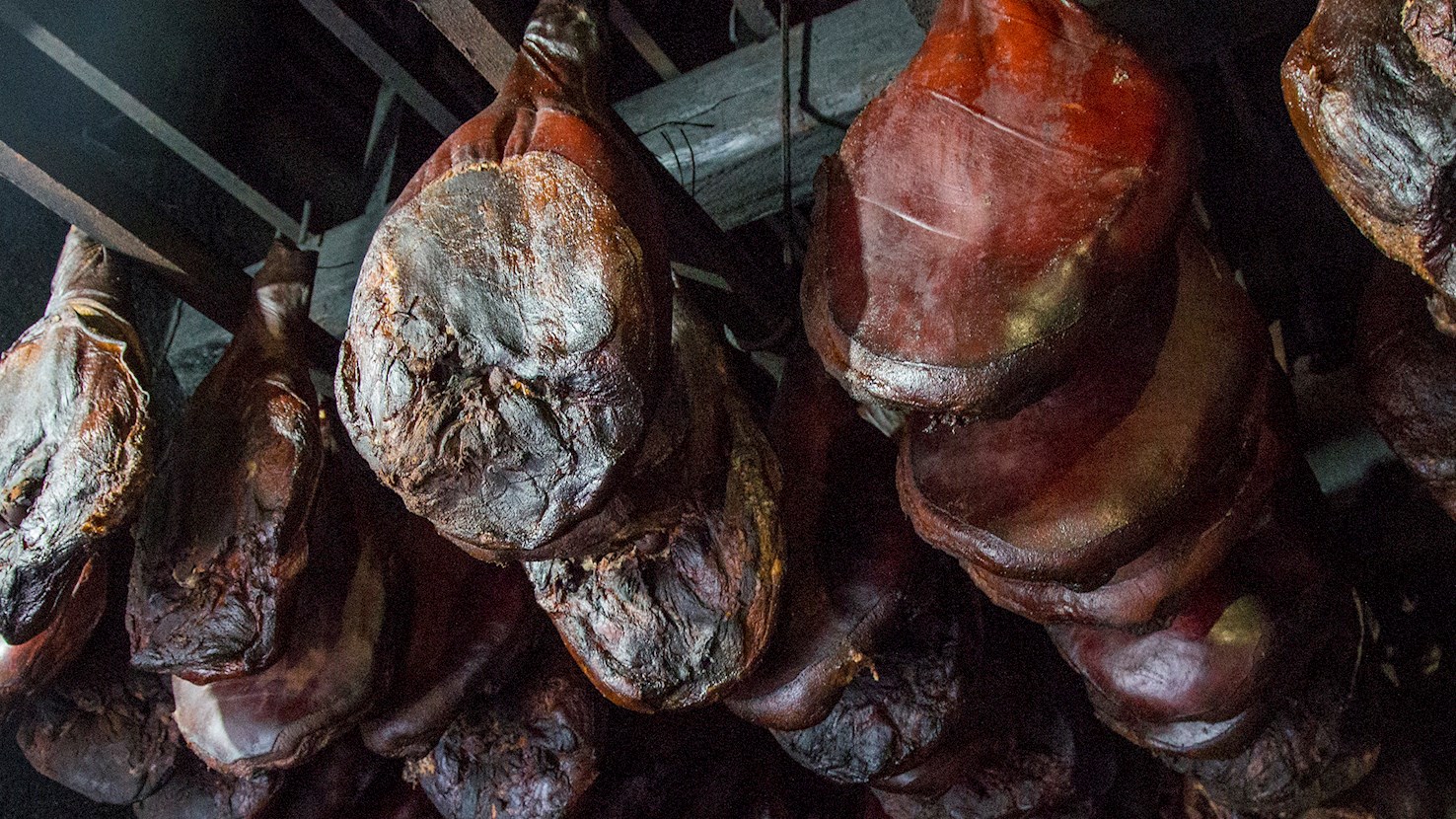
Njeguška pršuta is a prosciutto variety originating from the area of Njeguši in Montenegro, hence the name. Pork ham is traditionally salted with sea salt, pressed in order to remove excess liquid, then smoked and dried in the cool mountain air, after which it is left to mature, so the whole process typically takes about a year. The meat is smoked over beech wood, imparting a unique flavor and aroma to this delicacy. When fully matured, this meat product is thinly sliced and can be paired with anything from cheese and bread to salads and pasta dishes.

02

Zlatiborska pršuta

3.9 ·

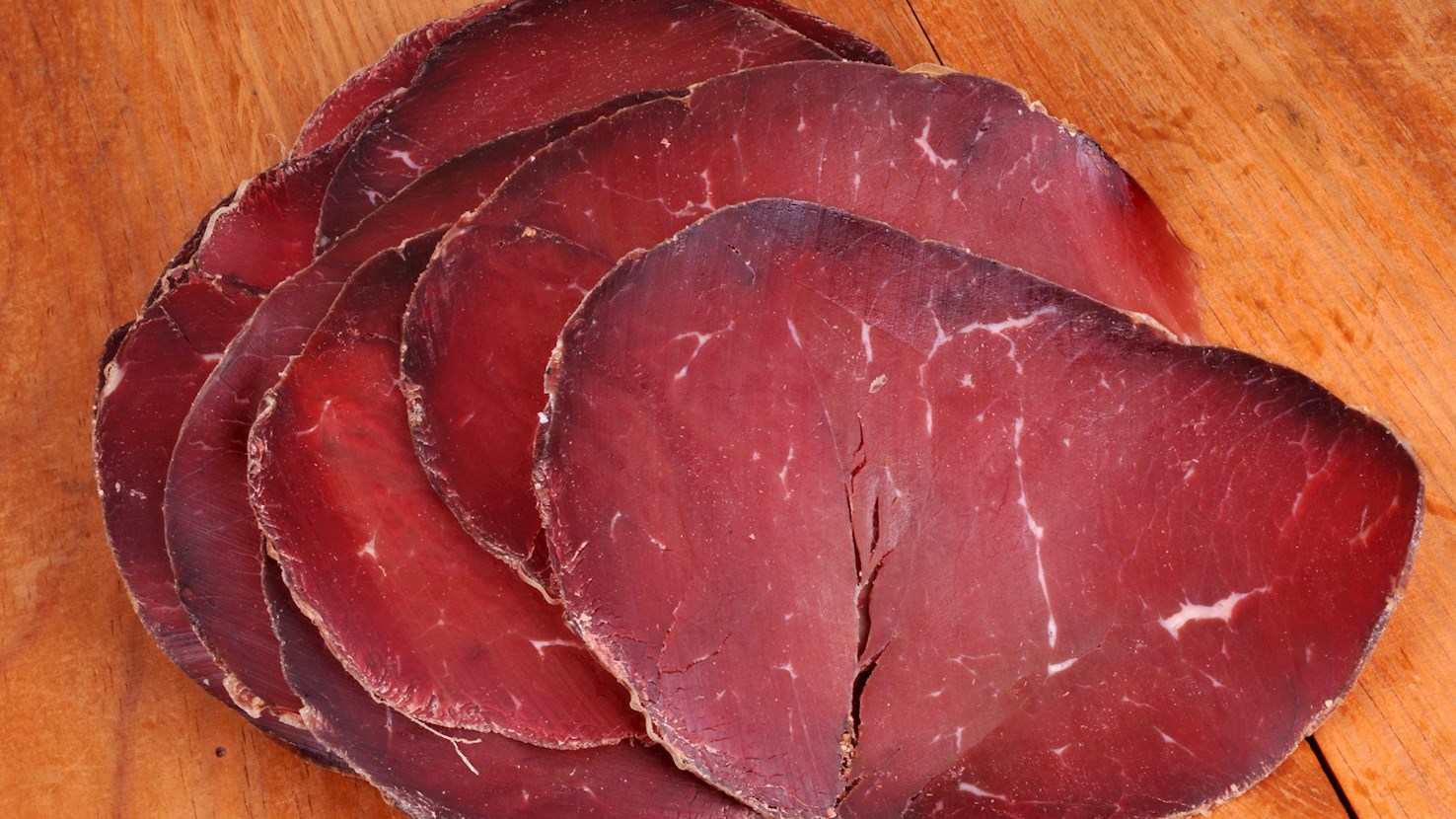
Zlatiborska pršuta is a traditional smoked ham hailing from the mountainous region of Zlatibor, and it is usually associated with the village of Mačkat. Following a century-old method of preparation, this meat specialty is typically made with the highest-quality beef or pork that is salted, then cold-smoked and air-dried. The whole process usually lasts for about a month, and during this time, the unique climate and terrain of the Zlatibor Mountains, as well as the beech wood used for smoking, infuse the meat with a distinctive, rich flavor and a pleasant aroma. This smoked meat is dark brown to red on the outside and dark red on the inside. A signature meat product of the country, zlatiborska pršuta is typically thinly sliced before serving.

03

Užička pršuta

3.9 ·

Užička pršuta is a variety of smoked meat that has been traditionally prepared in the mountainous district of Zlatibor, namely in Čajetina, Užice, and Nova Varoš municipalities. This meat specialty came to be known as užička pršuta because it used to be sold in Užice along many other regional products at the time. Beef, pork, and mutton can be used for the preparation of this meat product, although the most traditional is smoked beef meat, which is known as užička goveđa pršuta in Serbia. The finest beef pieces from parts of the legs, tenderloins, sirloins, and the low end of the back of 4 to 6-year-old oxen are salted, then smoked with dry beech wood, and dried in the cool mountain air. The final product is distinguished by a dark brownish-red exterior, a dark red interior with a nice marbling, and a strong beef flavor. This Serbian delicacy is typically thinly sliced and served with cheese, pickled vegetables, bread, and a glass of local brandy or fine wine on the side.

04

Elenski But

3.5 ·

Elenski but is a traditional dry-cured meat product hailing from the Bulgarian town of Elena and nearby villages. This specialty is made with fresh pork leg that is cut, salted, and then cured over a bed of salt and bacon in a wooden cask that is typically made of oak. Once the curing process is finished, the pork leg is first rinsed with boiling water and sauerkraut juice, and it is then air-dried for at least 6 months. The finished meat product is usually consumed raw or lightly baked, and it makes for a perfect meze when served with a glass of Bulgarian red wine or beer on the side. Elenski but is still traditionally prepared in numerous households in Elena, although the practice is less common these days. This cured pork specialty is available in almost every restaurant in Elena. In the past, when no refrigerators existed, people used to bury elenski but in bran, wheat, or corn flour to keep it from spoiling.

Read more
View all
View map
About this ranking

TasteAtlas food rankings are based on the ratings of the TasteAtlas audience, with a series of mechanisms that recognize real users and that ignore bot, nationalist or local patriotic ratings, and give additional value to the ratings of users that the system recognizes as knowledgeable. For the “Top 4 Southeastern European Dry-cured Hams” list until June 24, 2026, 240 ratings were recorded, of which 71 were recognized by the system as legitimate. TasteAtlas Rankings should not be seen as the final global conclusion about food. Their purpose is to promote excellent local foods, instill pride in traditional dishes, and arouse curiosity about dishes you haven’t tried.

The initial list of top producers was compiled based on available reviews, awards, local recommendations, media and blog coverage, and consumer reviews. The list will be updated with ratings from TasteAtlas local ambassadors and TasteAtlas users.

Similar lists