

shutterstock

Top 3 European Prunes

Last updated on June 15, 2026
01

Śliwka Szydłowska

4.1 ·

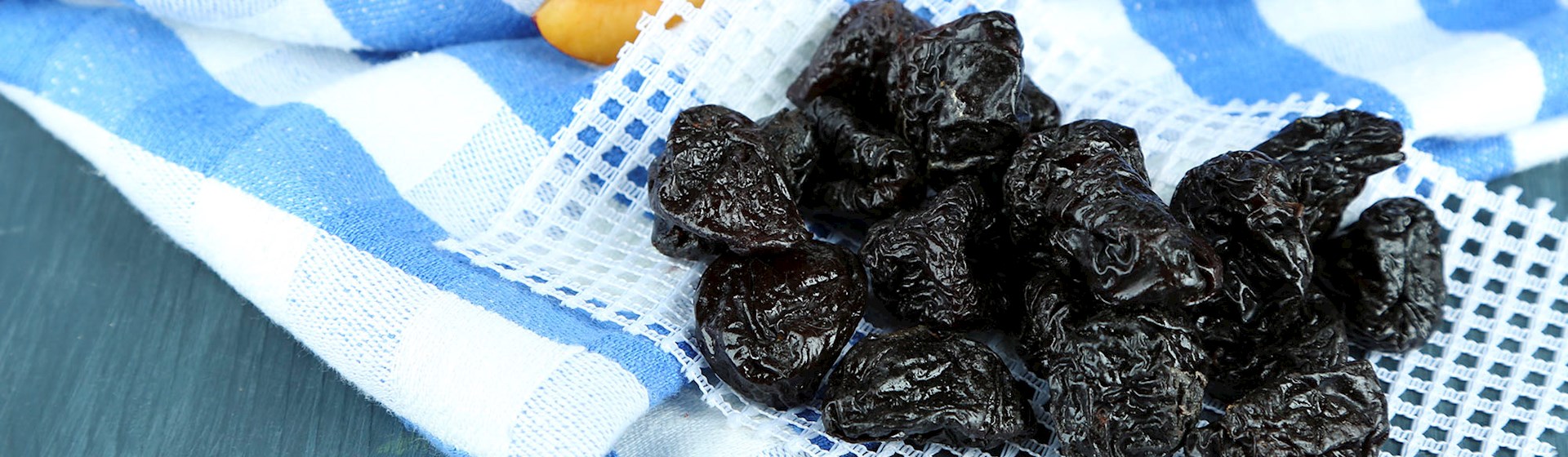
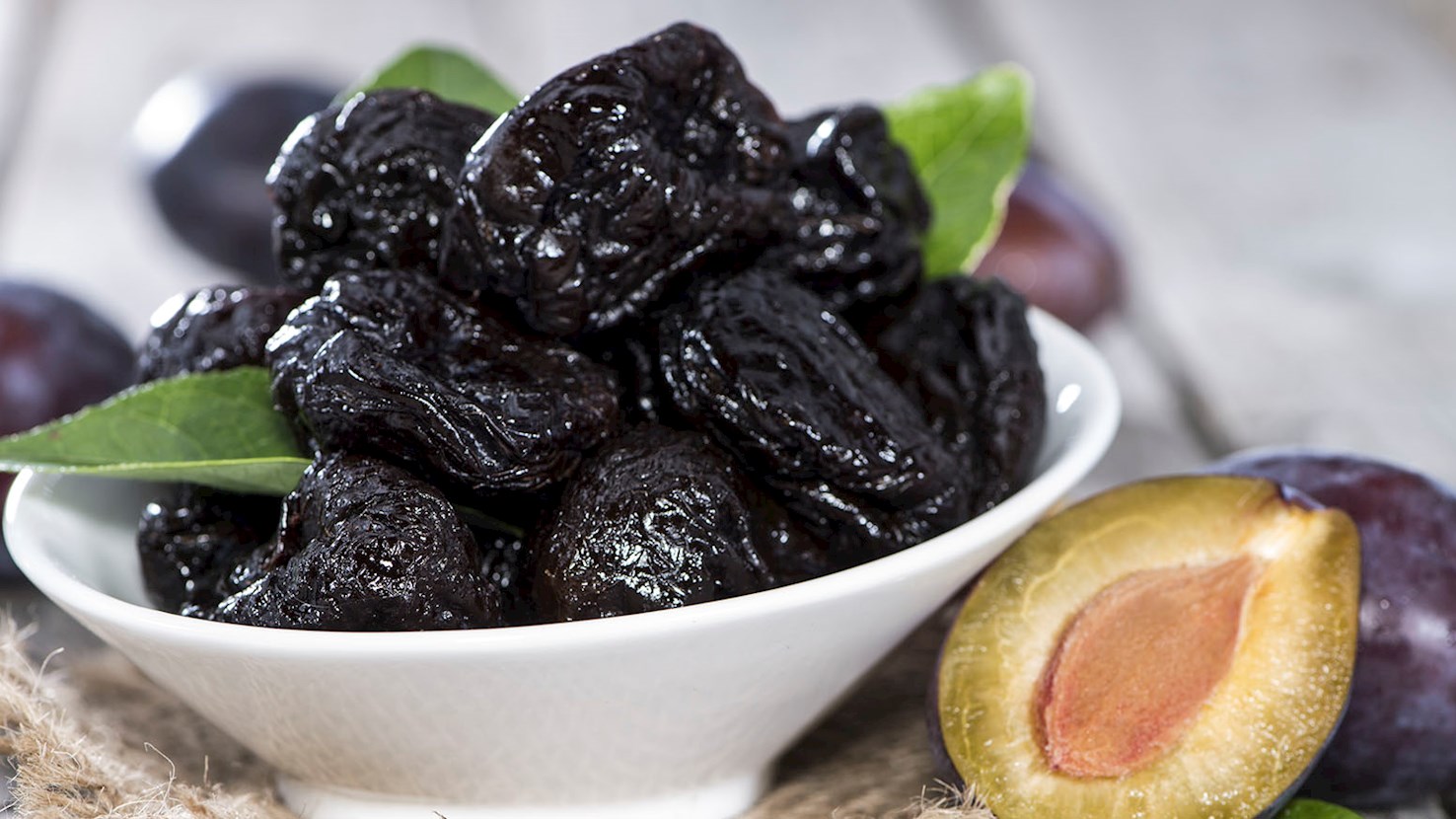
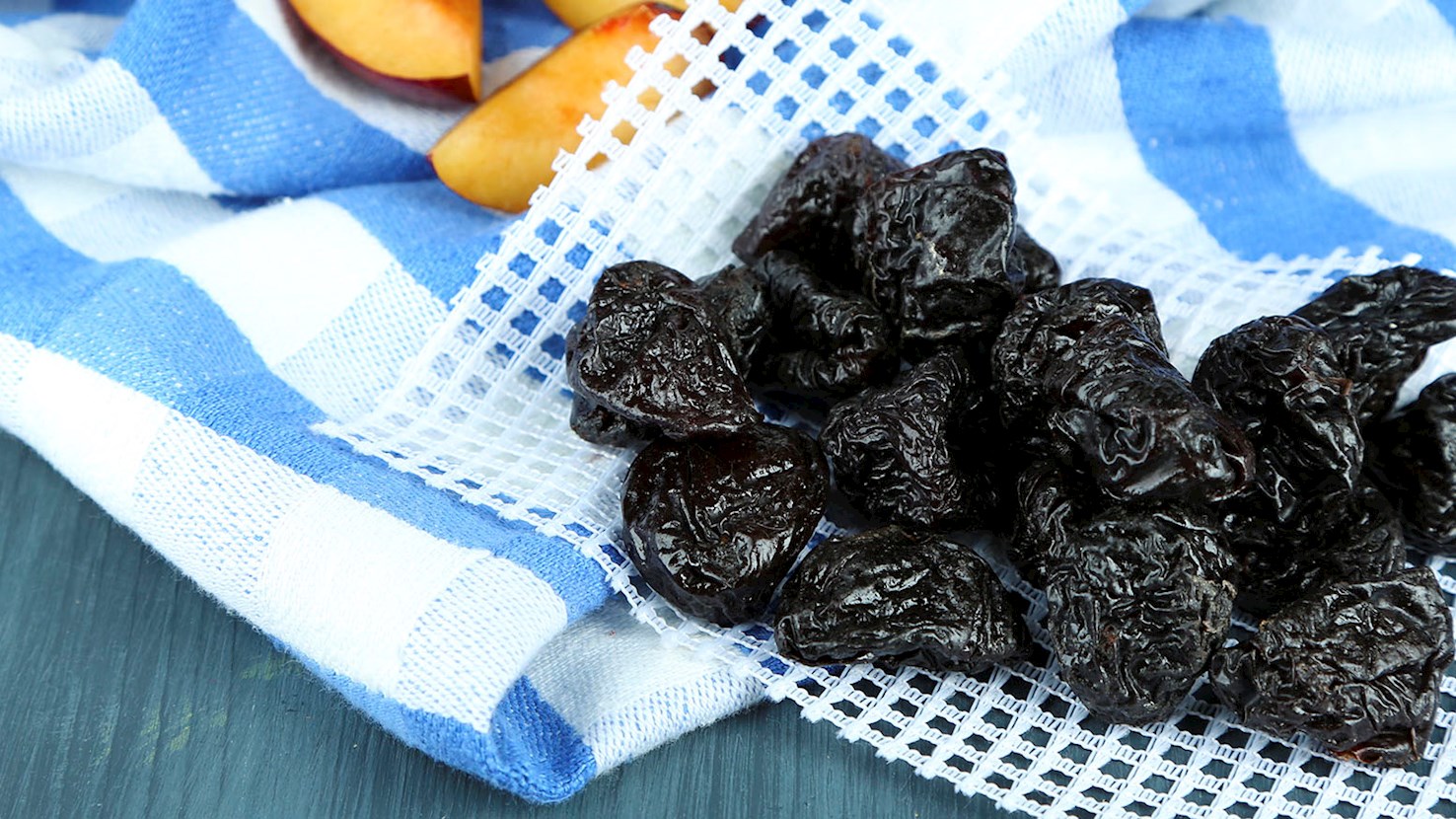
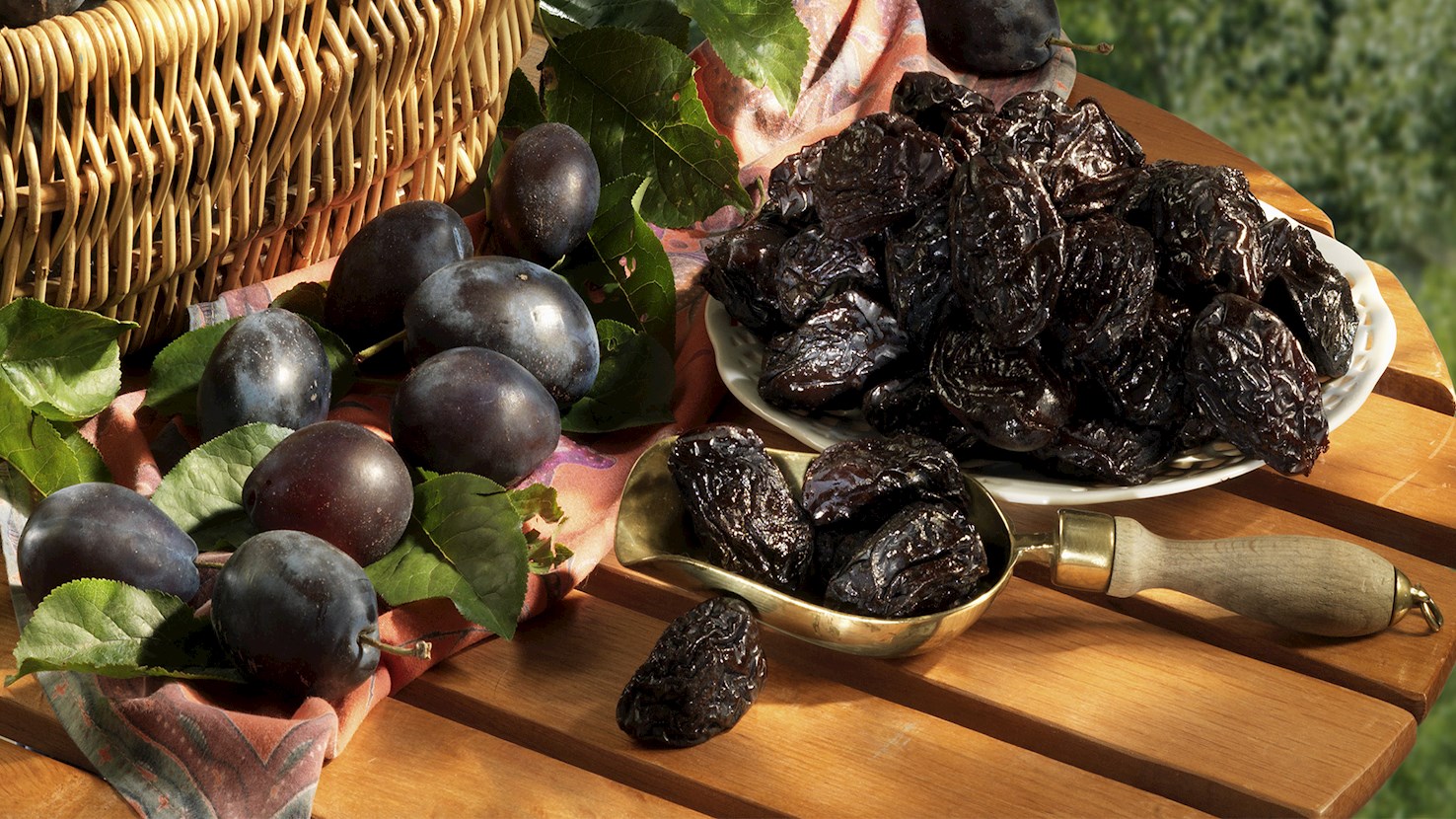
Śliwka szydłowska is a unique dried and smoked prune that can be either pitted or unpitted, produced in the Staszów district, Świętokrzyskie Voivodship in Poland, a region with rich lime soils and high amounts of sunshine which favorably influence the plum cultivation in the area. The prunes may be flattened or oblong in shape and have wrinkled, shiny skin with a dark blue exterior sheen. On the interior, there is a homogeneous, elastic flesh with a strong, pure and intense taste and a smoky scent. Only the blue plum Prunus domestica is suitable for the production due to its high sugar content and low water content, which are desirable properties for the smoking process, which is done in drying rooms for approximately 48 hours. The prunes are so popular that there is even an annual Plum Festival in Szydlów where traditional plum-drying processes are demonstrated.

02

Suska sechlońska

3.9 ·

Suska sechlońska is a dried and smoked prune grown and produced in the Malopolskie Voivodship in Poland. Its name refers to the Polish word for dried fruit, suska, while the word sechlońska refers to a place called Sechna, known for its traditional drying process. The prunes may be prolate or oblong and have wrinkled, sticky skin on the exterior which can be deep blue to black. On the interior, it has a juicy, pulpy and elastic flesh and the taste is delicately sweet with a smoky scent and aftertaste. Due to their high sugar content and low water content, only plums of the Prunus domestica variety are used in the process, making them suitable for drying and smoking. According to a local legend, a priest told his parishioners to plant plum trees as penance for their sins. In time, the parishioners started making plum vodka and getting drunk. In order to stop the drunkenness trend, the priest ordered that the fruit had to be dried, so the parishioners couldn't convert it to alcohol, and that is how the tradition of drying and smoking Suska sechlońska came to be.

03

Pruneaux d'Agen

3.3 ·

Agen prunes are the dried fruits of the prune d'Ente plum tree variety that is grown in the Aquitaine region of France, namely between the rivers of Lot and Garonne. Plums have been introduced to the region in the 13th century when a Crusader returning from Syria brought with him some pits and gave them to the local monks who began cultivating them, while Agen prunes have been produced since the 16th century and take their name from the riverside town which has been an important port for the transport of dried fruits throughout France and the rest of Europe. These glossy, almost black, amber-fleshed prunes make for a great addition to foie gras, or stews and roasts made with pork, game or poultry, but they also go amazingly well with aged and blue cheeses, or they can be used for making compotes and various desserts.

Read more
View all
View map
About this ranking

TasteAtlas food rankings are based on the ratings of the TasteAtlas audience, with a series of mechanisms that recognize real users and that ignore bot, nationalist or local patriotic ratings, and give additional value to the ratings of users that the system recognizes as knowledgeable. For the “Top 3 European Prunes” list until June 15, 2026, 91 ratings were recorded, of which 73 were recognized by the system as legitimate. TasteAtlas Rankings should not be seen as the final global conclusion about food. Their purpose is to promote excellent local foods, instill pride in traditional dishes, and arouse curiosity about dishes you haven’t tried.

Similar lists