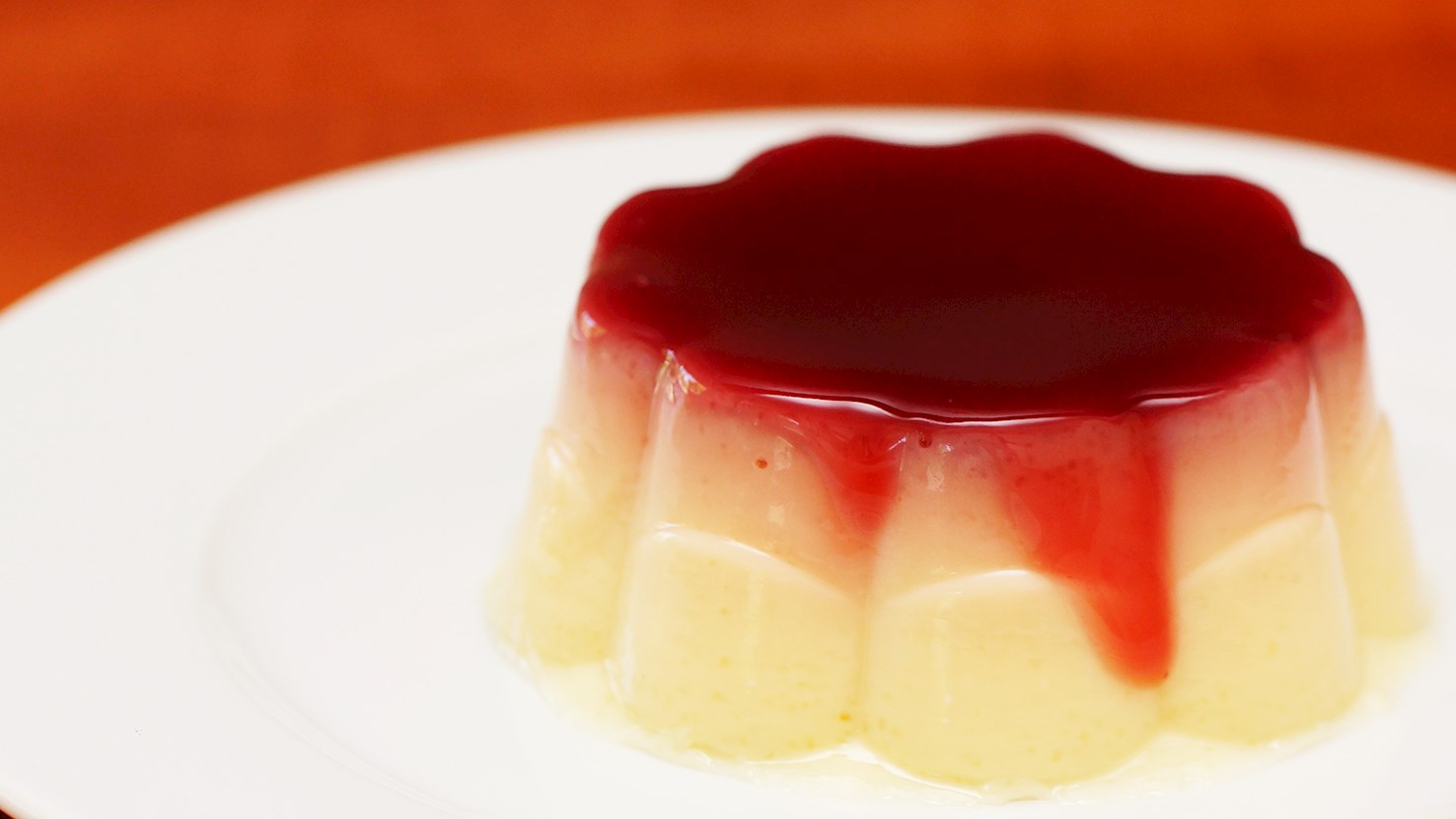
The classic representative of Dutch comfort food known as griesmeelpudding is a flavorful semolina pudding consisting of semolina (griesmeel), milk, vanilla, sugar, and salt. If prepared in the most traditional way, the pudding should be left to set in a mould, then turned upside down on the serving plate. It is often paired with a berry sauce that is poured on top of it, and it is recommended to serve the dessert with poached plums on the side.
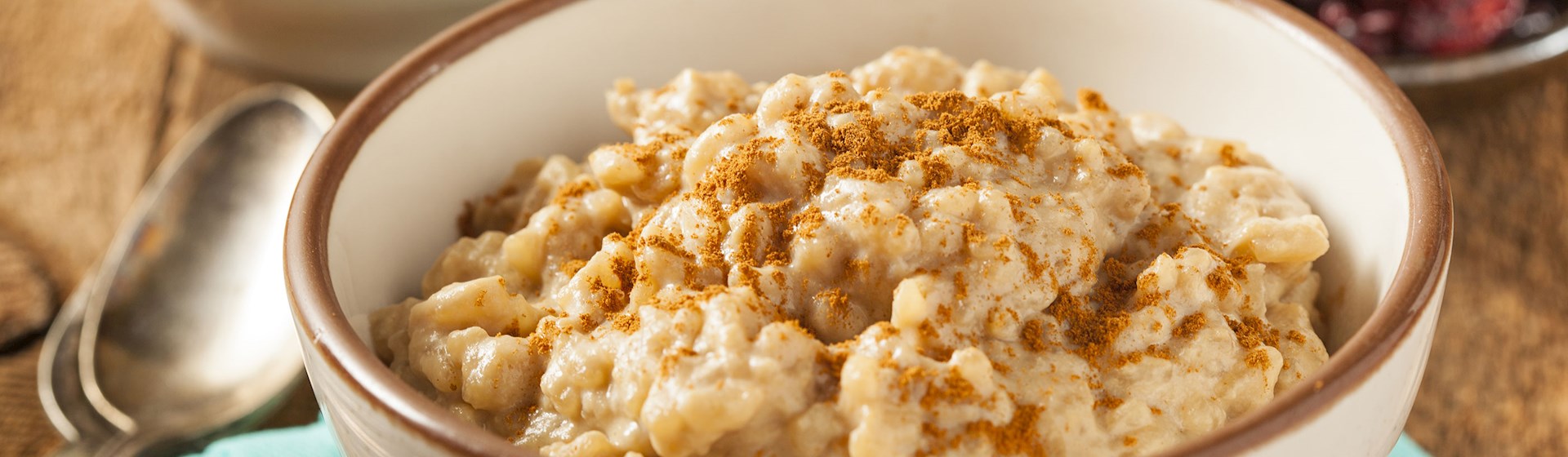
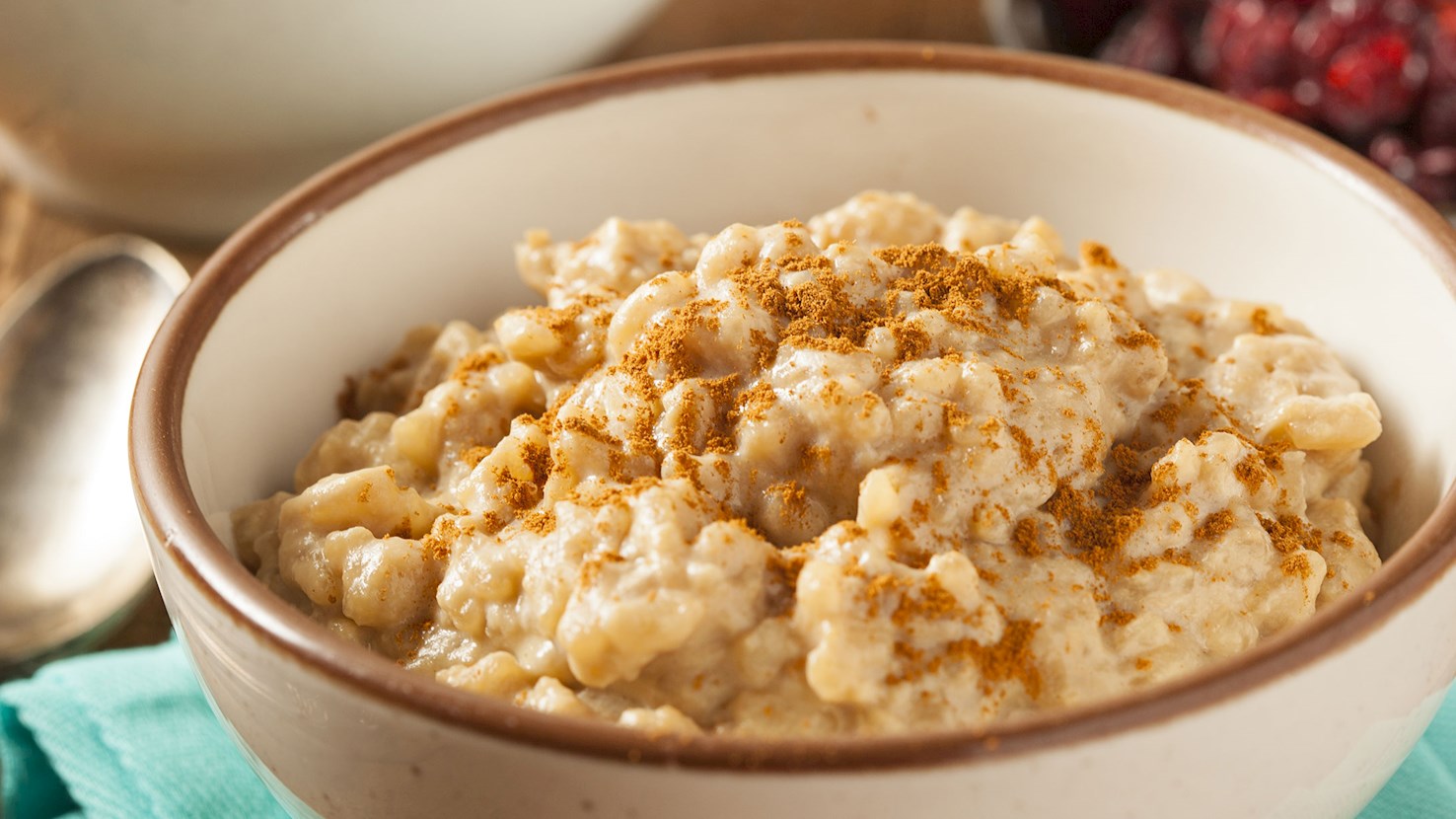
Rijstepap is a thick, creamy porridge made from short-grain rice cooked in milk, originating from the Low Countries, specifically the Netherlands and Belgium. The cultivation of rice in the region was non-existent due to climatic constraints, meaning the dish became established during the late Middle Ages and the Dutch Golden Age as a result of maritime trade with Southern Europe and later Southeast Asia. The availability of rice as an import coincided with a robust domestic dairy industry, leading to the integration of these grains into the existing porridge-making practices that previously relied on barley or oats. Preparation involves simmering short-grain rice, such as Arborio or a specific dessert rice variety, in full-fat milk over a low heat to facilitate the slow release of amylopectin from the rice starch. This process creates a viscous, gelatinous matrix that binds the softened grains together without requiring additional thickening agents. During the cooking process, flavor aromatics such as a cinnamon stick, vanilla bean, or lemon zest are often added to the milk to infuse the rice as it hydrates. A specific property of rijstepap is the use of saffron in certain regional variations, particularly in Belgium, which imparts a yellow hue and a distinct earthy aroma that historically signaled the wealth of the household. Once the rice has reached a tender consistency and the milk has reduced into a thick sauce, the porridge is served either warm or cold in deep bowls. It is commonly eaten as a substantial dessert or a midday meal, frequently topped with a generous dusting of brown sugar (basterdsuiker) and a knob of cold butter, which melts into the warm starch. Functional food pairings include stewed fruits like apples or cherries, which provide an acidic contrast to the high fat and carbohydrate content of the rice. Beverage pairings often include a glass of cold whole milk to reinforce the dairy profile or a sweet, fortified wine such as a Moscatel, which complements the vanilla and cinnamon notes of the porridge.
Jan in de zak is a traditional pudding that is boiled in a bag, hence the name John in the bag. These puddings have many varieties, but almost all of them are quite large and typically consist of wheat flour, buckwheat flour, milk, currants, and raisins. After several hours of boiling, Jan in de zak is usually sliced and served accompanied by butter and syrup. Some varieties and recipes might add bits of bacon, eggs, candied fruit, or spices such as cardamom and cinnamon to the already flavorful Dutch pudding.
TasteAtlas food rankings are based on the ratings of the TasteAtlas audience, with a series of mechanisms that recognize real users and that ignore bot,
nationalist or local patriotic ratings, and give additional value to the ratings of users that the system recognizes as knowledgeable.
For the “Top 3 Dutch Puddings” list until June 15, 2026, 38 ratings were recorded, of which 35 were recognized by the system as legitimate.
TasteAtlas Rankings should not be seen as the final global conclusion about food. Their purpose is to promote excellent local foods,
instill pride in traditional dishes, and arouse curiosity about dishes you haven’t tried.