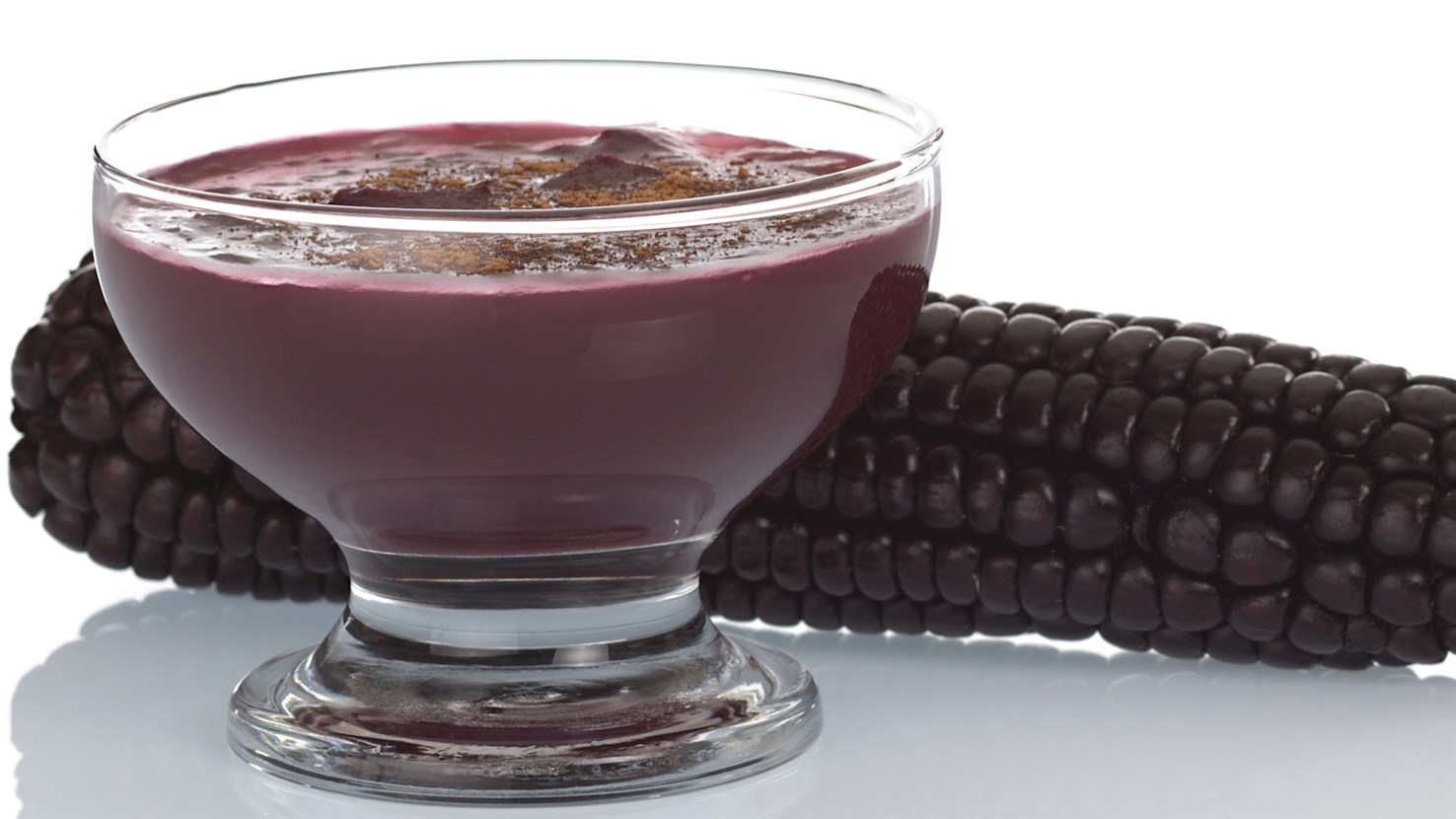
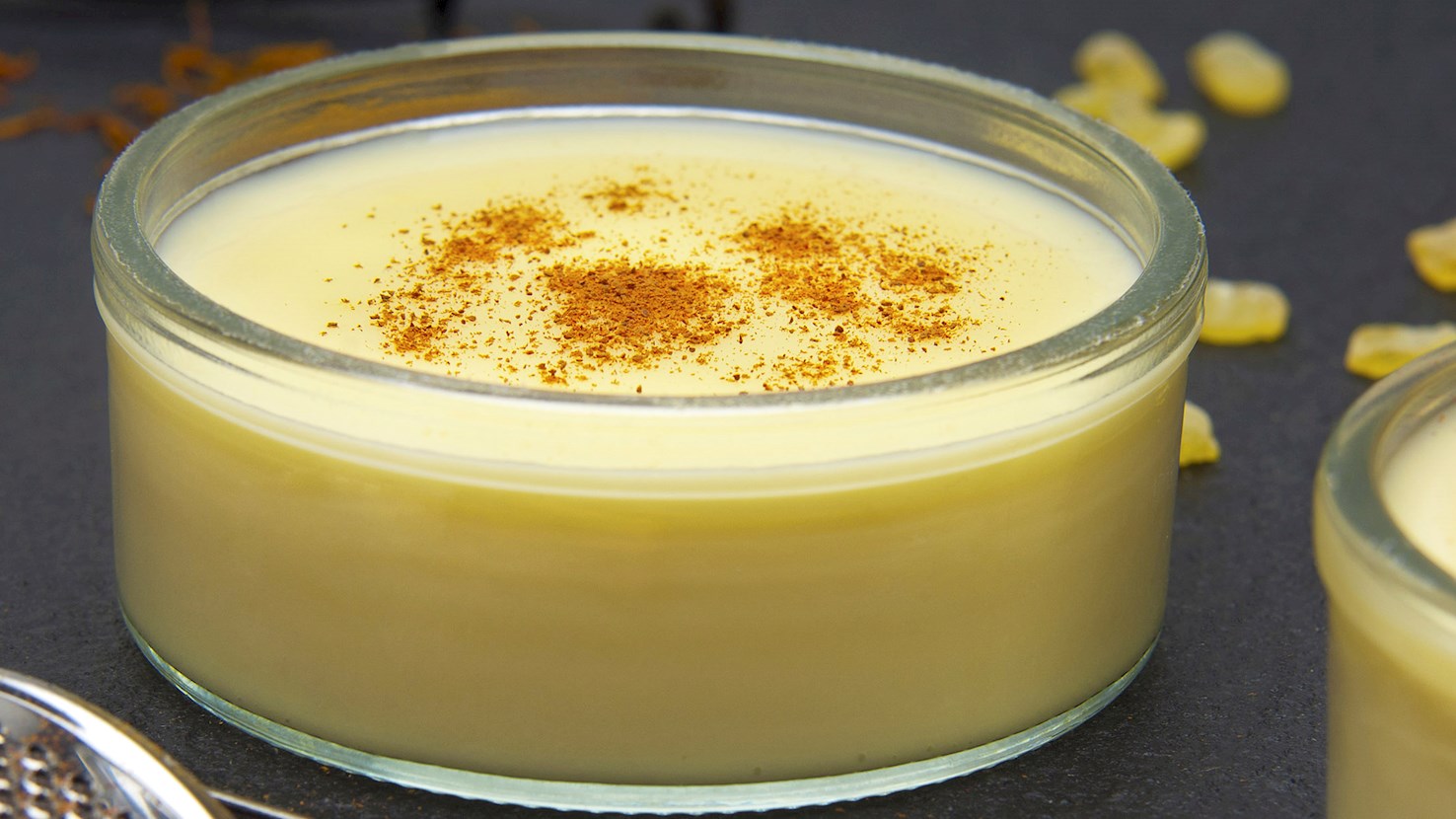
Mazamorra morada is a well-known Peruvian dessert made with purple corn as the key ingredient, giving the dessert its signature color and flavor. Besides purple corn, the pudding is made with various fruits such as apples, peaches, and pineapple, sugar, and either potato flour or corn starch as thickening agents. The dessert is traditionally spiced with cloves and cinnamon, and it is usually served cold. In Peru, it can be found at street food carts, but also in upscale restaurants.
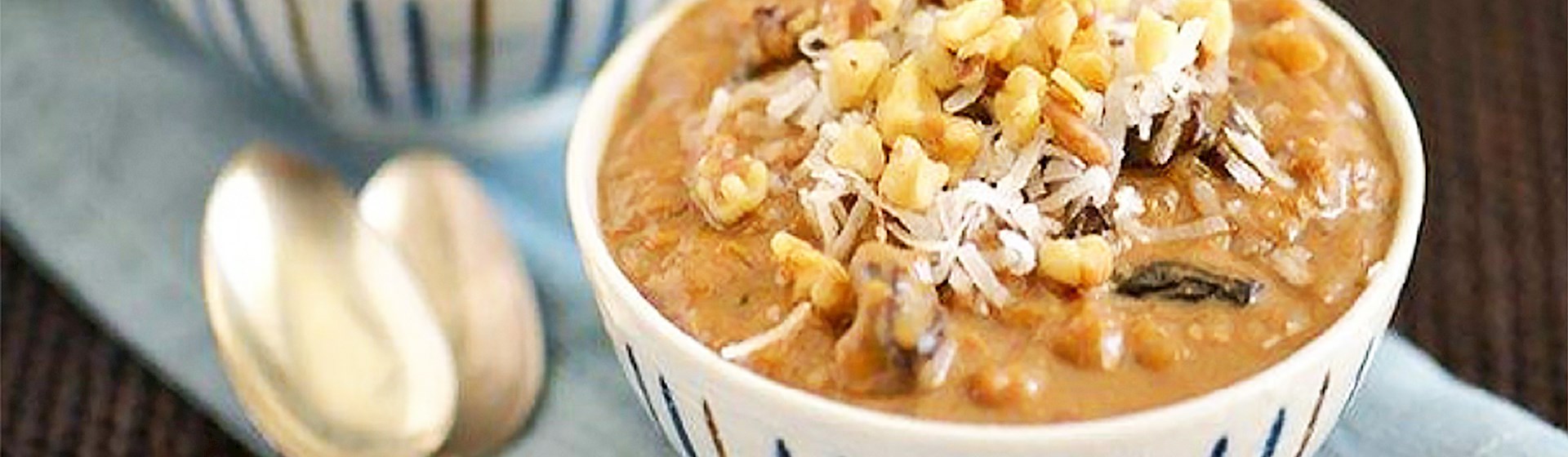
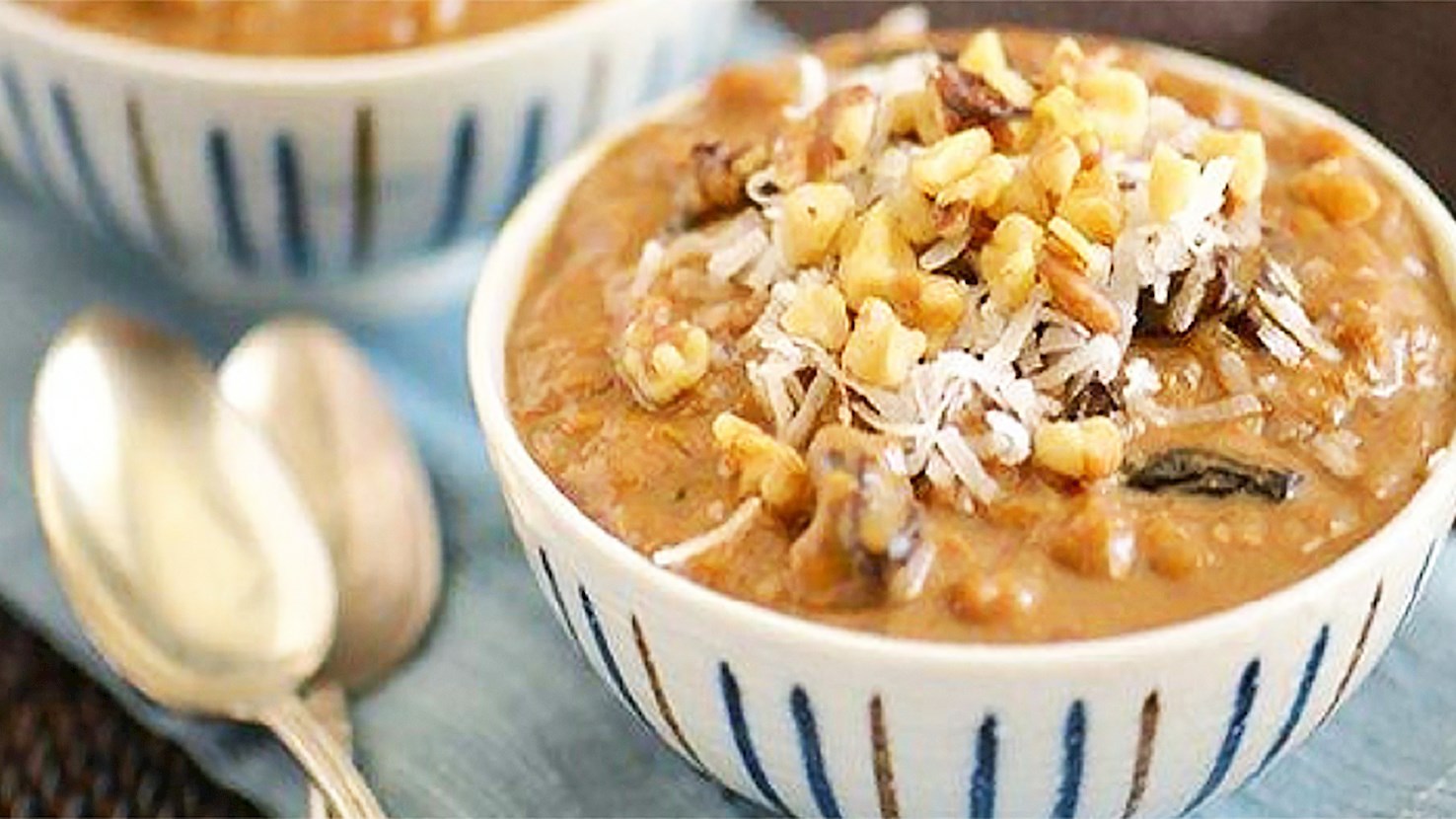
Arroz zambito is a Peruvian take on rice pudding. It is traditionally sweetened with unrefined sugar and flavored with raisins, aniseed, and coconut. This dessert is said to have originated in the 1800s, and it was originally made with water, but over time, cooks started to add milk to give arroz zambito a creamier texture. In Peru, arroz zambito is often consumed after anticuchos – popular and inexpensive meat dishes. It is recommended to garnish arroz zambito with toasted pecans, then serve it at room temperature.
Frejol colado is a traditional Afro-Peruvian dessert consisting of black beans, sugar, milk, and spices. The beans are skinned, mashed into a purée, then cooked with sugar, milk, and spices such as cloves, sesame seeds, and anise seeds until the dish develops a thick texture. Before serving, frejol colado is usually garnished with toasted sesame seeds. The dessert was first prepared over 400 years ago, and it is believed that it originates from Chincha and Cañete. Nowadays, it's traditionally prepared for Easter, though it can be consumed at any time of the year.
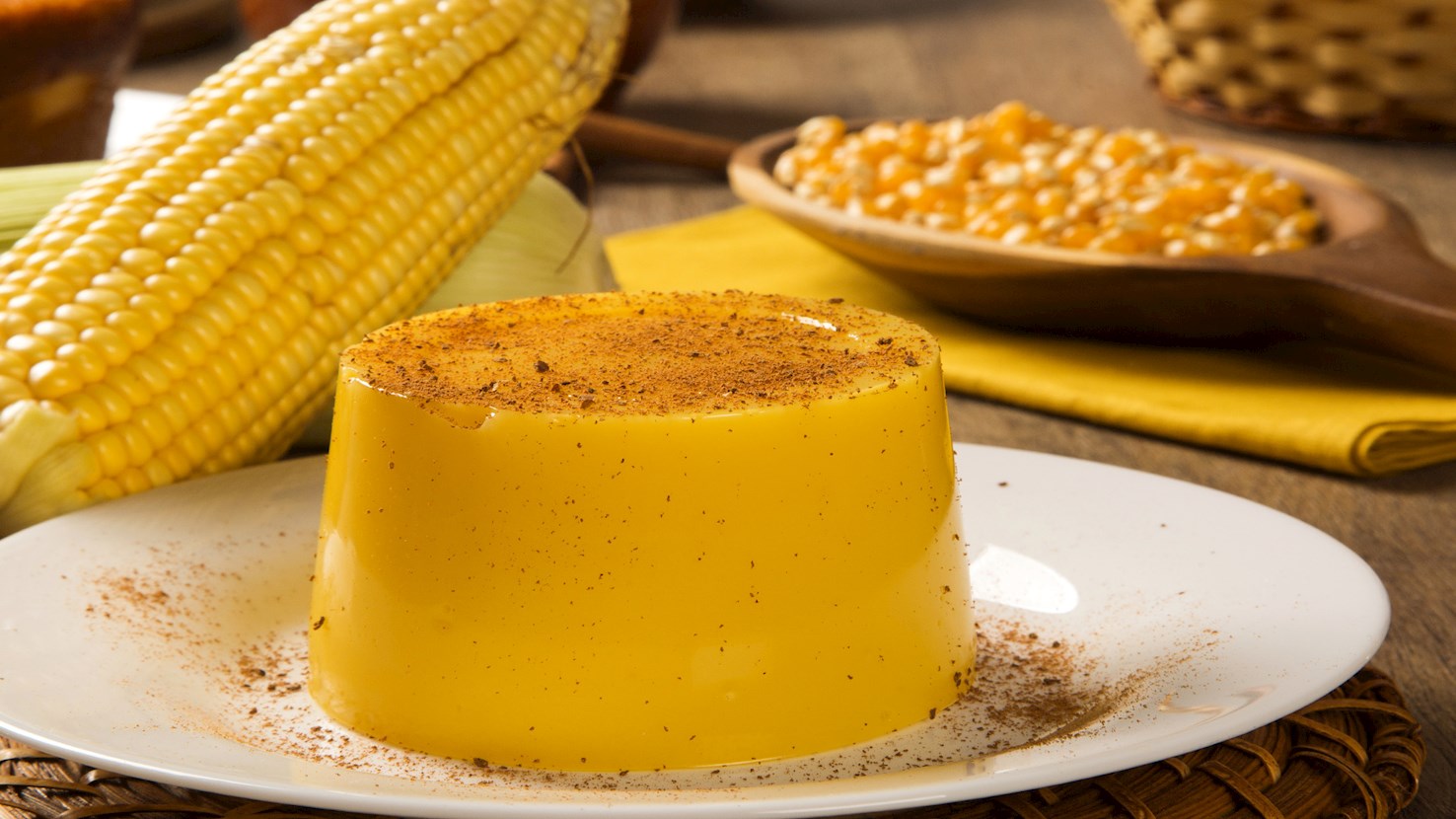
Curau is a Brazilian dessert made with the juice of an unripe maize, sugar, and milk. Once it has been cooked, it is poured into individual bowls and garnished with a sprinkle of powdered cinnamon. It can be eaten warm when it is more of a pudding-like consistency or cold when its texture will resemble a custard or a flan.
Majarete is a traditional dessert made with corn and coconut milk. This delicious concoction has a creamy consistency and resembles corn pudding. Traditionally, it was prepared with fresh corn, but modern varieties usually employ corn flour to provide a creamier texture. It is made with brown sugar, and in the end it is generously sprinkled with cinnamon. Depending on the region and personal preferences, grated coconut, cloves, condensed milk, or vanilla are occasionally added to the dish. The recipe dates back to colonial times in Venezuela; it is usually passed down to family members, and each family has their signature majarete recipe. It is regarded as one the most traditional Venezuelan desserts, evoking memories of home and family. Although its origin is often traced to Venezuela, the varieties of majarete are also found in Cuba, the Dominican Republic, and Puerto Rico, which make it an original Caribbean dessert. Venezuelan majarete is usually served cold and traditionally prepared during Lent.
Kamby arro is a traditional version of a rice pudding. The name is derived from the Guarani words for milk - kamby, and rice - arro. The dessert is made with milk, rice, sugar, and lemon zest. There is also a version in which vanilla is added to the rice pudding for extra flavor. Before serving, kamby arro must be chilled and it is always generously dusted with cinnamon.
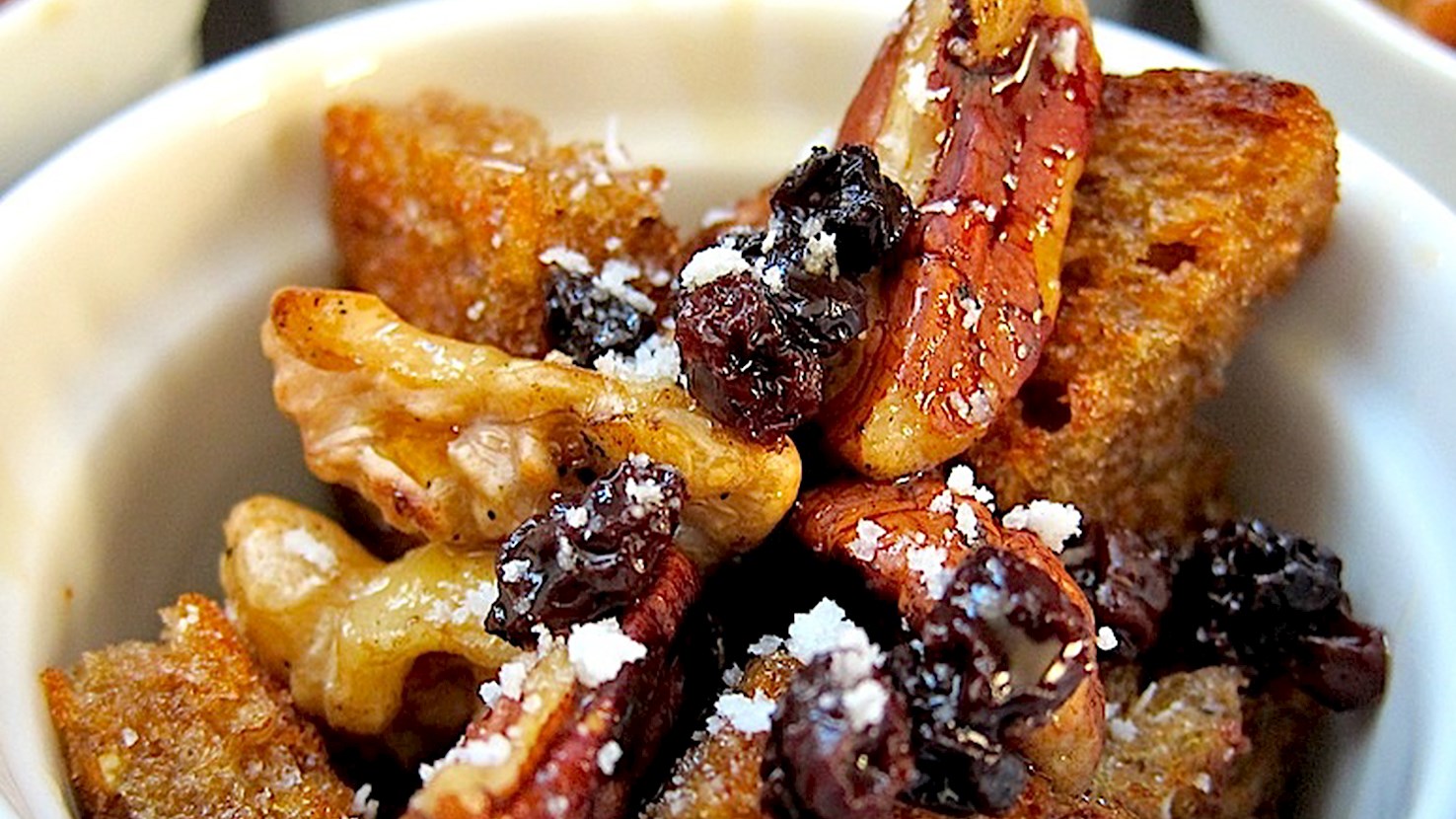
Ranfañote is a Peruvian bread pudding made with toasted pieces of stale bread, walnuts, pecans, currants, port wine or pisco, orange juice and zest, cheese (usually queso fresco), vanilla, and butter. The combination is drenched in chancaca sugar syrup and flavored with spices such as cinnamon, star anise, and cloves. This sweet treat is quite old and dates back to the colonial era, when Peru was a Spanish viceroyalty. It is also strongly connected with Afro-Peruvians, hence the usage of chancaca, cloves, and star anise. Although ranfañote was unrightfully neglected in the past, in recent years it has made a comeback and started showing up in Lima's bakeries.
Pudim de pão mineiro is a Brazilian bread pudding from Minas Gerais made by transforming leftover bread into a dense, caramel-coated dessert by mixing it with milk, eggs and sugar. It developed in rural households where nothing was wasted and where cooks regularly repurposed day-old loaves into sweet preparations that could feed large families without requiring expensive ingredients. Over time, the pudding became a standard element of homemade sweets in Minas Gerais, prepared in farm kitchens and later in urban homes, retaining its character as a thrifty yet comforting dessert. The preparation begins with caramel, which is made by slowly heating sugar in a pan until it melts and turns amber before being poured into the base and sides of a tube pan. Separately, stale bread is cut or torn into pieces and soaked in warm milk until fully softened. The mixture is then blended or mashed with eggs, sugar and a touch of vanilla until smooth. Some Minas recipes also add butter for richness. The batter is poured into the caramel-lined pan and cooked in a bain-marie in the oven until firm, after which the pudding is cooled completely before unmolding so that the caramel forms its glossy coating. Variations of pudim de pão mineiro range from the very simple to more elaborate versions enriched with raisins, cinnamon, grated coconut or cocoa. Some cooks add a small amount of queijo minas to the batter, which gives a lightly savory depth, while others incorporate sweetened condensed milk to produce a silkier texture. One common variation is that caramel is poured over the finished pudding, rather than used to line the pan in which the pudding is baked. The pudding is eaten chilled or at room temperature, often served after Sunday meals or offered to guests with strong coffee. It pairs well with a cup of freshly brewed café coado whose bitterness balances the caramel sweetness, and in warmer months it may be served alongside fresh fruit to lighten its richness.
TasteAtlas food rankings are based on the ratings of the TasteAtlas audience, with a series of mechanisms that recognize real users and that ignore bot,
nationalist or local patriotic ratings, and give additional value to the ratings of users that the system recognizes as knowledgeable.
For the “Top 8 South American Puddings” list until June 15, 2026, 733 ratings were recorded, of which 227 were recognized by the system as legitimate.
TasteAtlas Rankings should not be seen as the final global conclusion about food. Their purpose is to promote excellent local foods,
instill pride in traditional dishes, and arouse curiosity about dishes you haven’t tried.