


shutterstock

Top 41 European Puff Pastries

Last updated on June 15, 2026
01

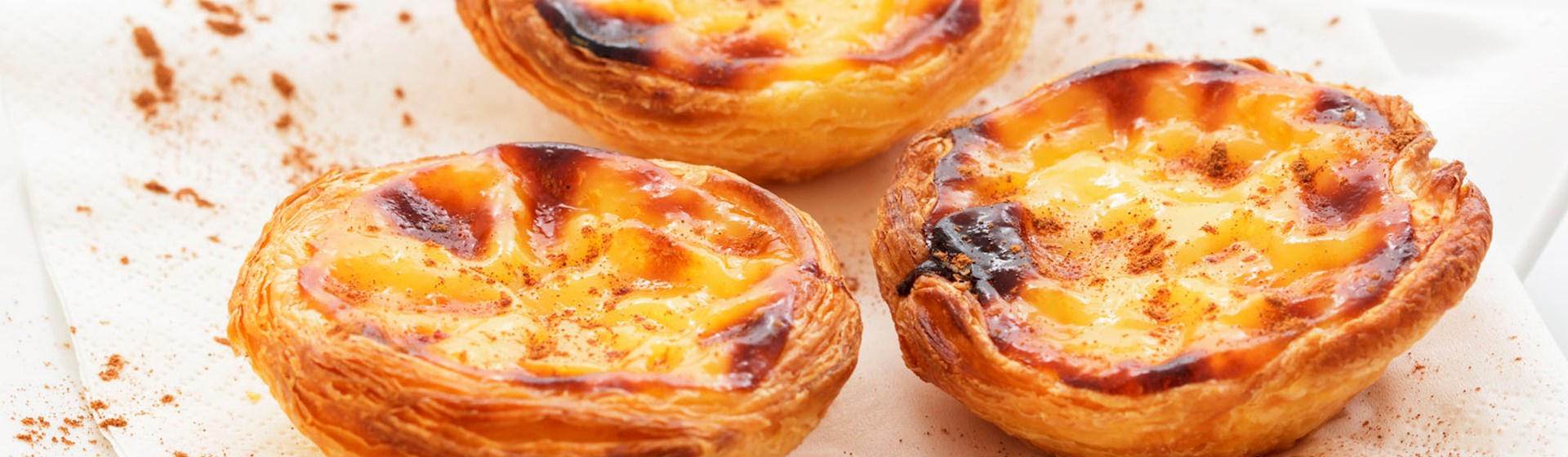
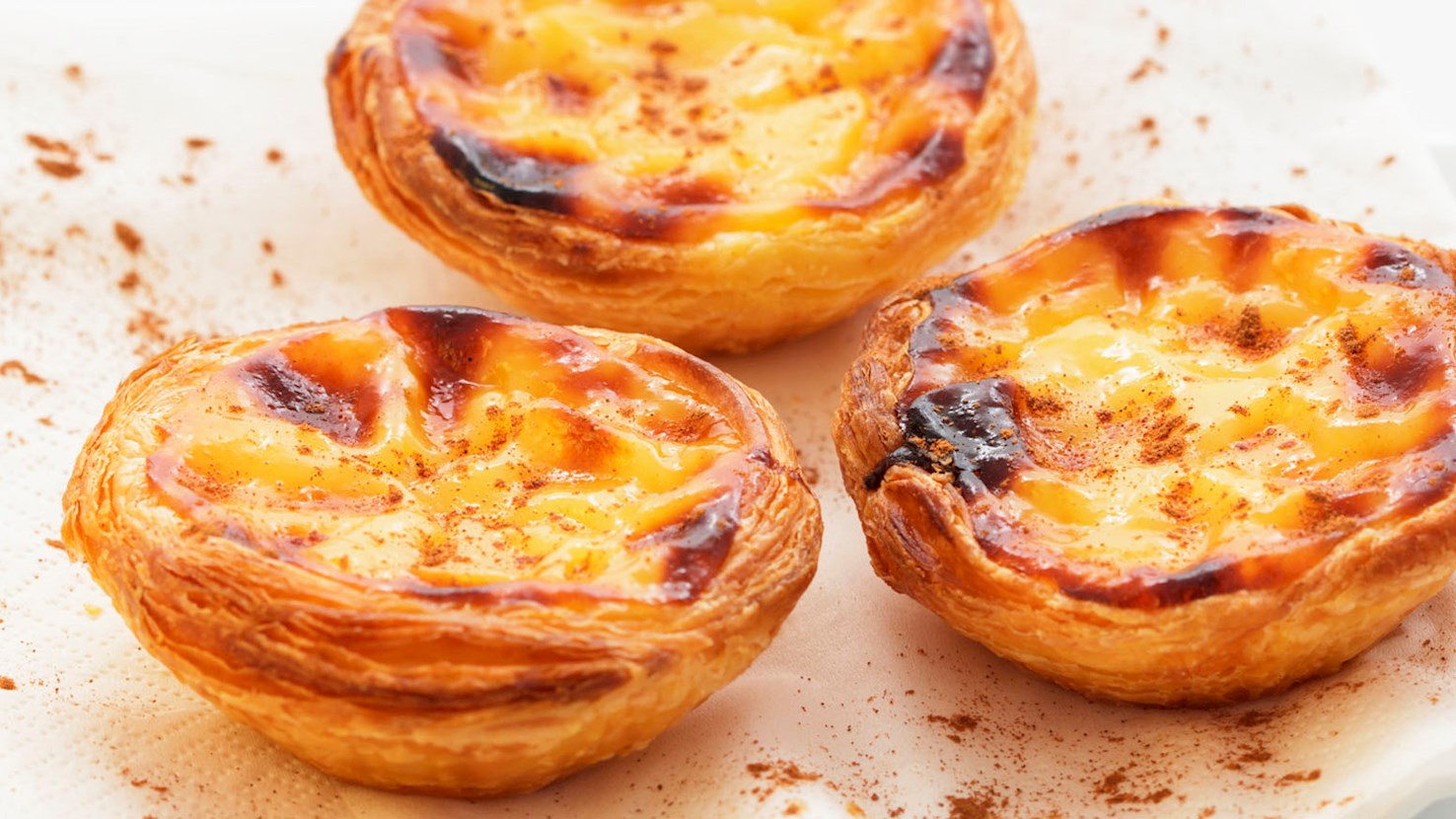
Pastel de Belém

4.6 ·

Pastel de Belém is a traditional egg custard tart and a predecessor to the famous pastel de nata. The tarts are made with a pastry shell that's filled with a combination of milk, eggs, sugar, lemon, and cinnamon. The first recipe for pastel de Belém dates back to 1837 when it was produced by the monks of the Jerónimos monastery. Only the custard tarts produced at the Fábrica Pastéis de Belém can be called pastel de Belém, while all the others, produced by other patisseries in Lisbon are called pastel de nata. Regardless of the name, these tarts can be served hot or cold and in 2009, The Guardian listed pastel de Belém as one of the 50 'best things to eat' in the world.

02

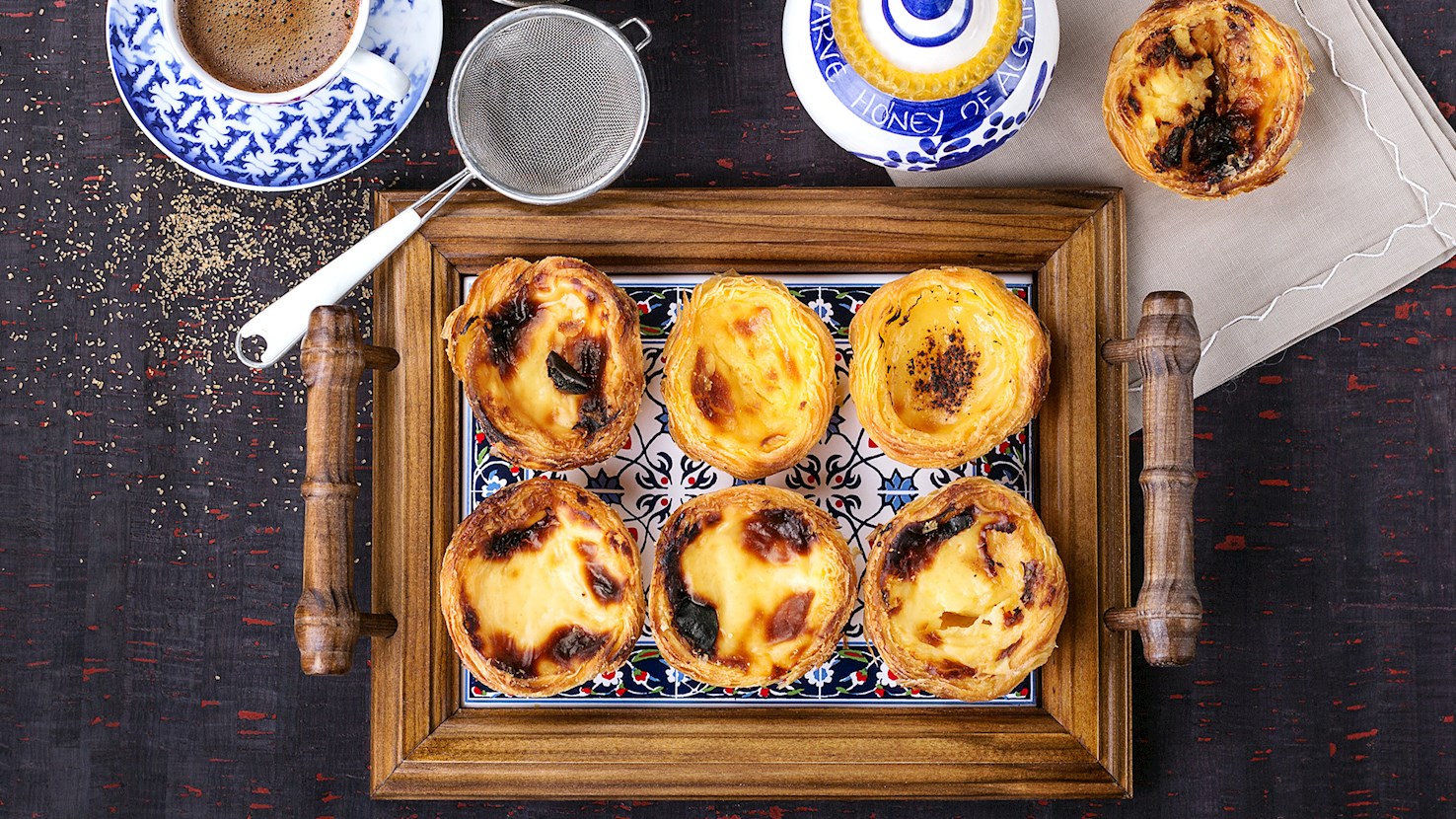
Pastel de nata

4.5 ·

Pastel de nata is a traditional egg custard tart that is popular throughout the world. It is believed that for the best result, the filling should not be too sweet and should not have flavors of lemon nor vanilla. Instead, the tarts should be sprinkled with cinnamon and, ideally, paired with a cup of coffee. Originally, this treat was made before the 18th century by Catholic monks and nuns in Santa Maria de Belém in Lisbon. The tart was made from leftover egg yolks that were used in the clearing of wines and starching of clothes. Later on, the clerics made a deal with a nearby bakery to start selling pastel de nata commercially, and the product was a huge success. It is still hugely popular, and the fact can be supported by long lines of people who are waiting on their pastel de nata in front of numerous Portuguese bakeries. However, pastel de Belém's recipe is kept secret, and only the ones produced at the Fábrica Pastéis de Belém can be called pastel de Belém, while all the other egg custard tarts from other producers in Lisbon are called pastel de nata.

03

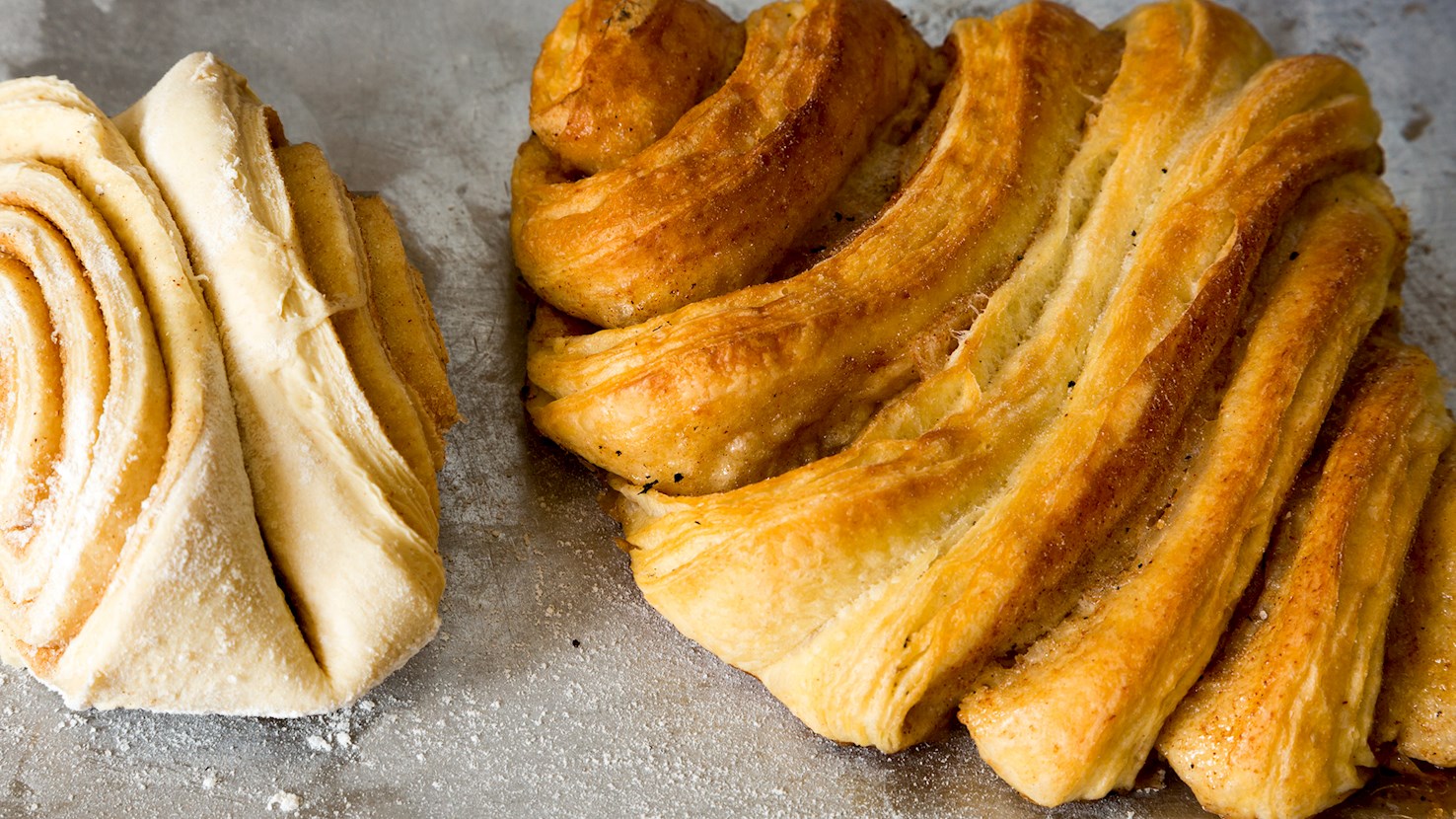
Franzbrötchen

4.3 ·

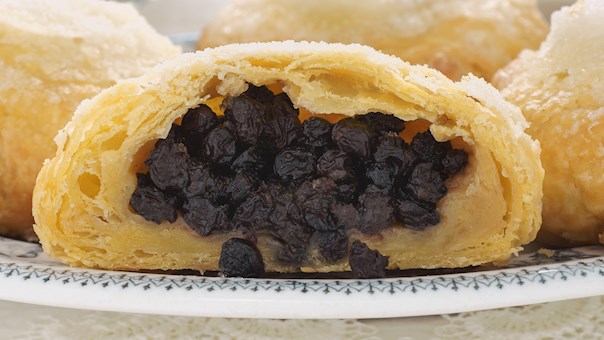
This delicious German sweet pastry is traditionally served with a cup of coffee on the side. Initially made only in the Hamburg area, it is now also available in other German cities. The original recipe for these little pastries includes flour, butter, milk, yeast, and sugar, with a filling consisting of sugar and cinnamon. However, raisins, chocolate, or pumpkin seeds may also be added. The dough is folded multiple times and glazed with butter, developing a sticky coating and rich flavor in the process. The name of this dish is possibly related to the French, who had occupied Hamburg during Napoleon's rule. Alternatively, it is said that a baker from Hamburg once cooked a Franzbrot (French bread) in butter, thus creating the Franzbrötchen.

04

Travesseiros

4.1 ·

These crispy, sweet treats are made with a combination of puff pastry and a rich cream that consists of almonds and egg yolks. Travesseiros, which translates to pillows or cushions, is a signature dessert of Sintra. They are produced and sold at Piriquita, the same bakery where they were invented in the 1940s, and the original recipe is still a closely guarded secret. Travesseiros are best served freshly baked and lightly dusted with powdered sugar.

05

Topfenstrudel

4.1 ·

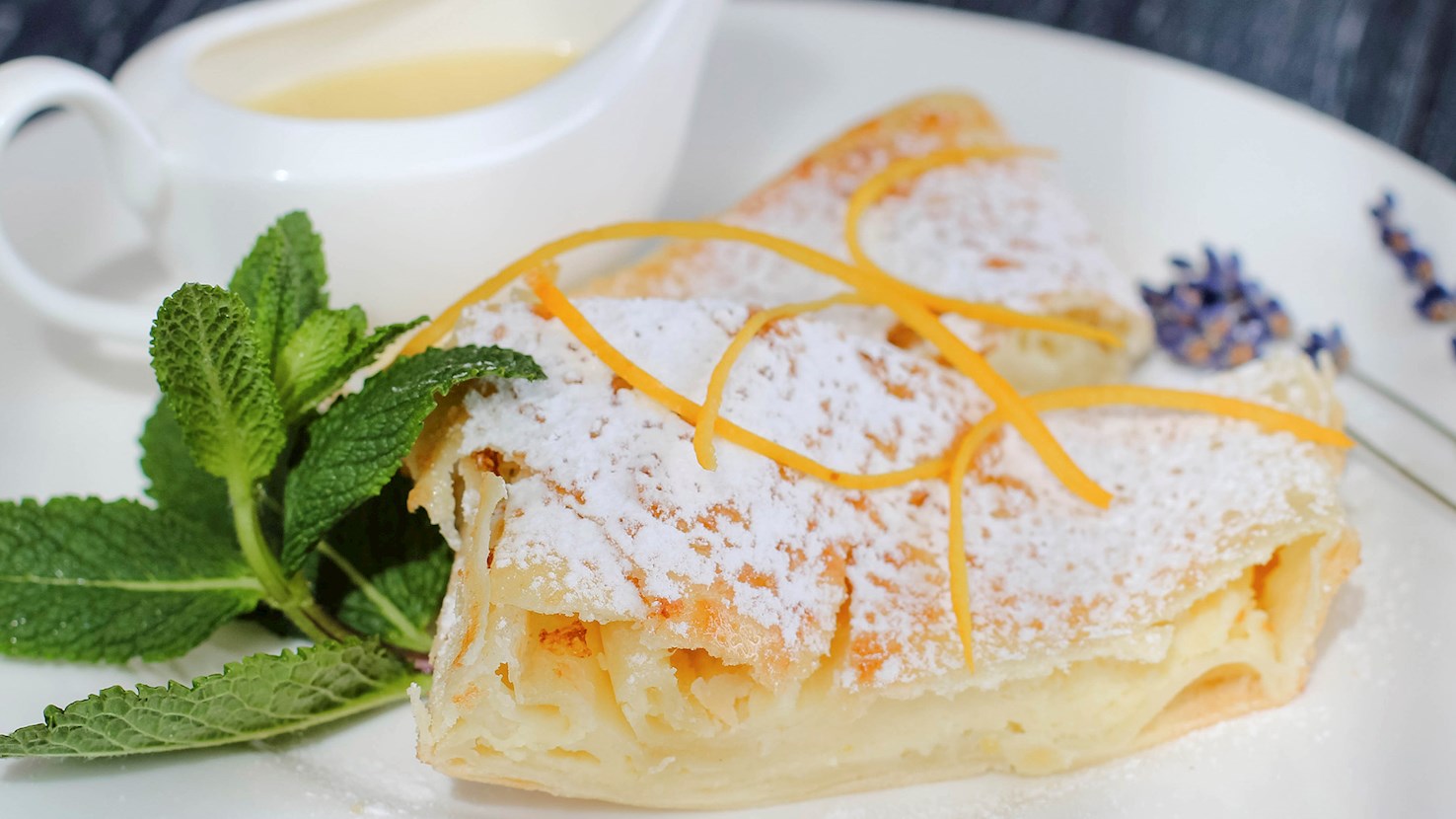
Austrian cuisine prides in their old traditional pastry desserts, and the delicate strudels are surely the most popular variety. Even though it is not as famous as the apple filled version, topfenstrudel is regarded as one of Austria’s favorites. Made with soft, mildly sweetened quark cheese which is folded with the elastic and almost see-through dough or puff pastry, the strudel is baked until a crispy golden crust is formed on top. Raisins, apricots, and peaches are occasionally added to the quark cheese mixture, which is gently spiced with vanilla or lemon. Even though they are most commonly associated with Austria, topfenstrudel, and all other strudel varieties, are eaten throughout the former Austro-Hungarian Empire. Their origins are believed to be in the Ottoman Empire, whose culinary influence spread across the Balkans, and Hungary, before finally reaching Vienna. The topfenstrudel can be found everywhere in Austria, served in both traditional and modern restaurants, as well as in classic Austrian patisseries. Commonly, a slice of warm topfenstrudel is paired with a sweet vanilla sauce or fresh fruit on the side.

06

Mille-feuille

4 ·

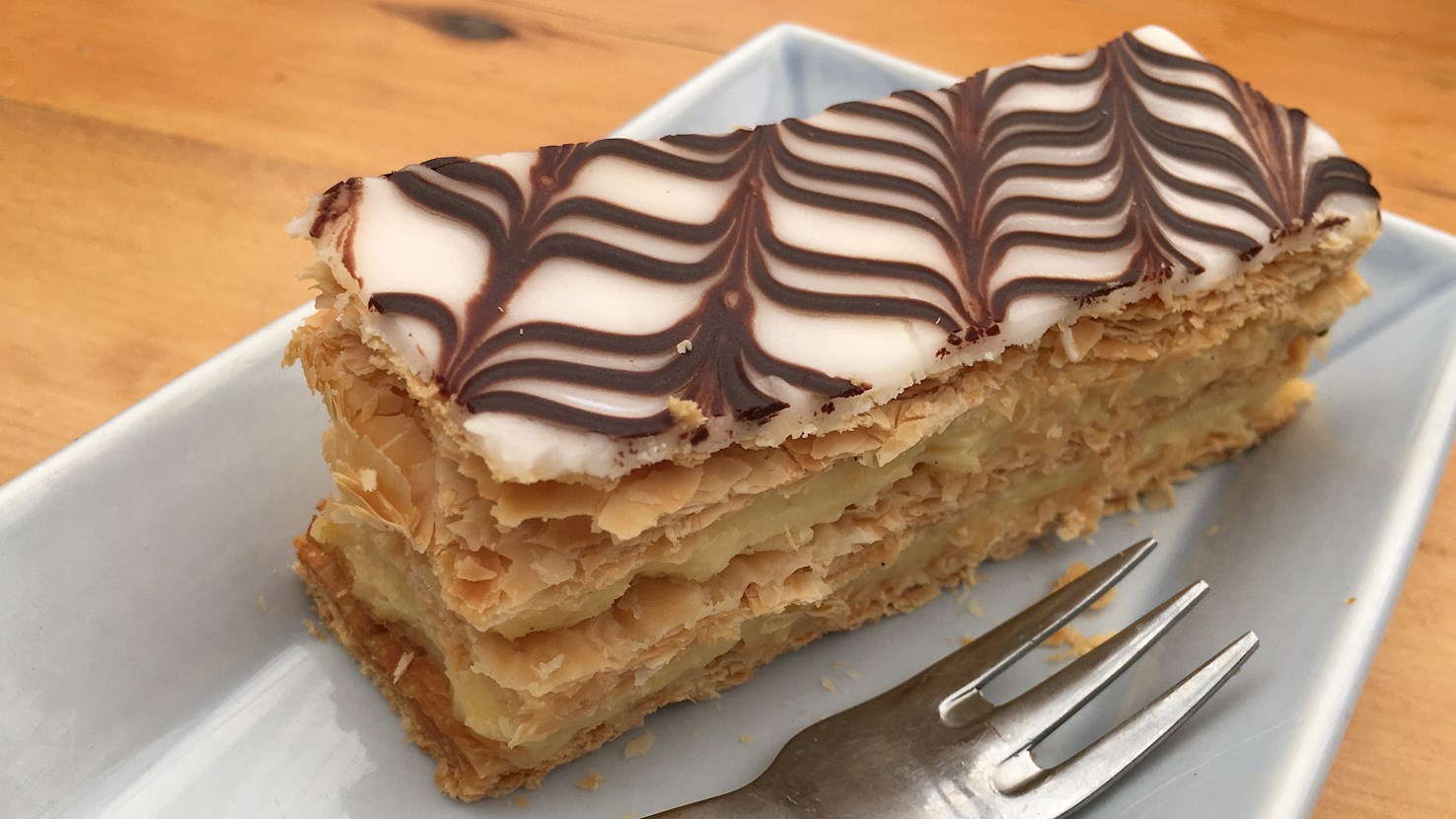
Creamy, flaky, and delicate, this French dessert can be literally translated as a thousand leaves. Mille-feuille consists of thin layers of pastry and fillings topped with cocoa, almond, or vanilla icing. Fillings may include jam, whipped cream, custard, puréed fruit, or nut paste. The first recipe for this decadent dessert appeared in La Varenne’s 1651 cookbook Le Cuisinier François. Mille-feuille’s alternative name, the Napoleon, refers not to the emperor but to the Italian city of Naples, which is known for its layered desserts. There is also a savory version of the mille-feuille filled with cheese and spinach, and it is usually served as an appetizer, especially in Italy and the United States.

07

Appelflap

4 ·

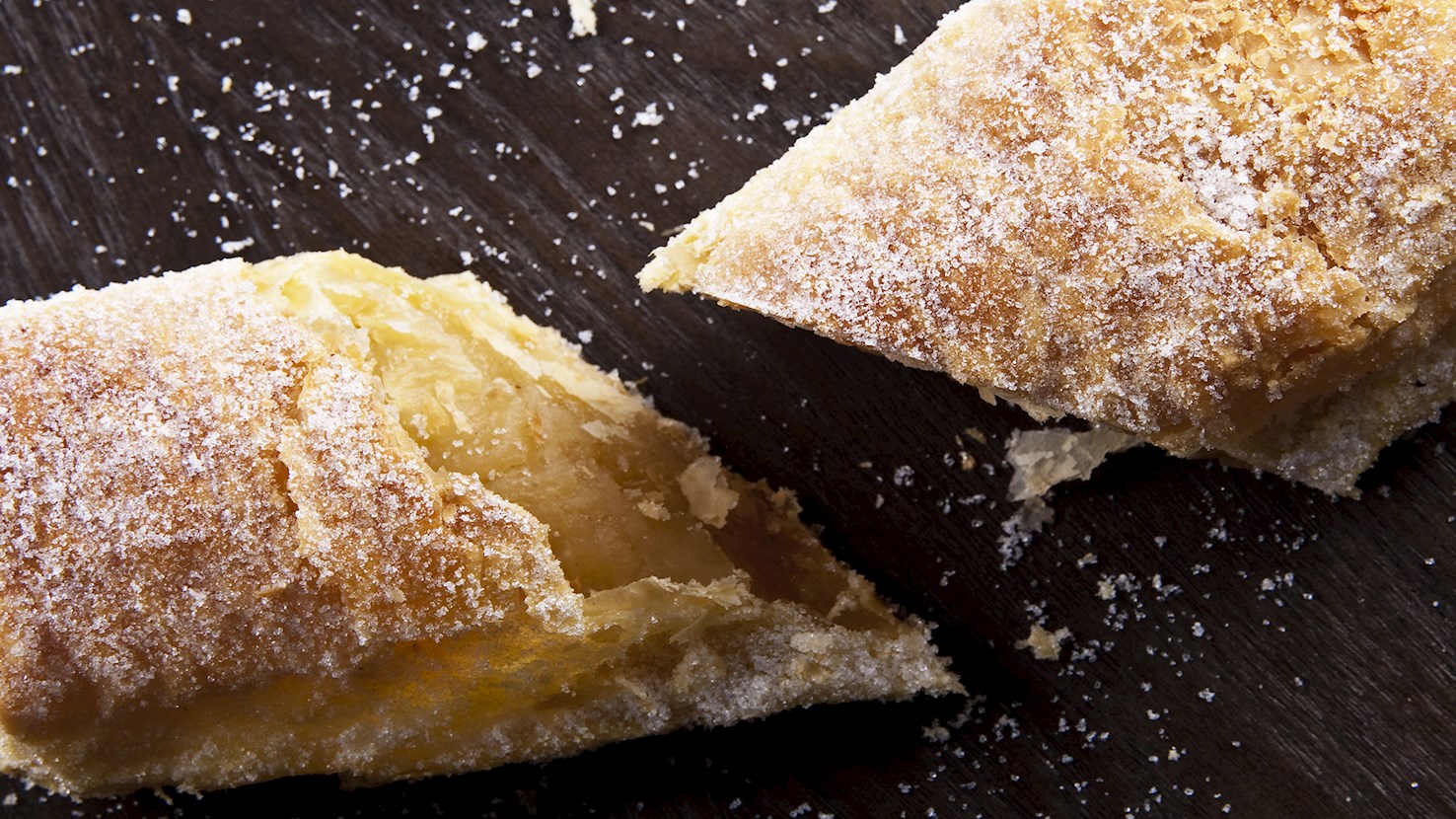
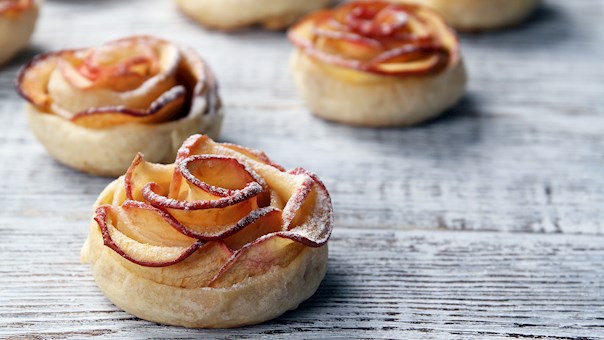
A traditional, sweet Dutch pastry known as appelflap consists of pastry dough that is filled with apples, raisins, sugar, and cinnamon. The dessert is traditionally covered with sugar granules on top. It can be found throughout the country in numerous bakeries or places where coffee and tea are served. The crispy appelflap is also often served for breakfast as a hot and tasty treat.

08

Jesuítas

3.9 ·

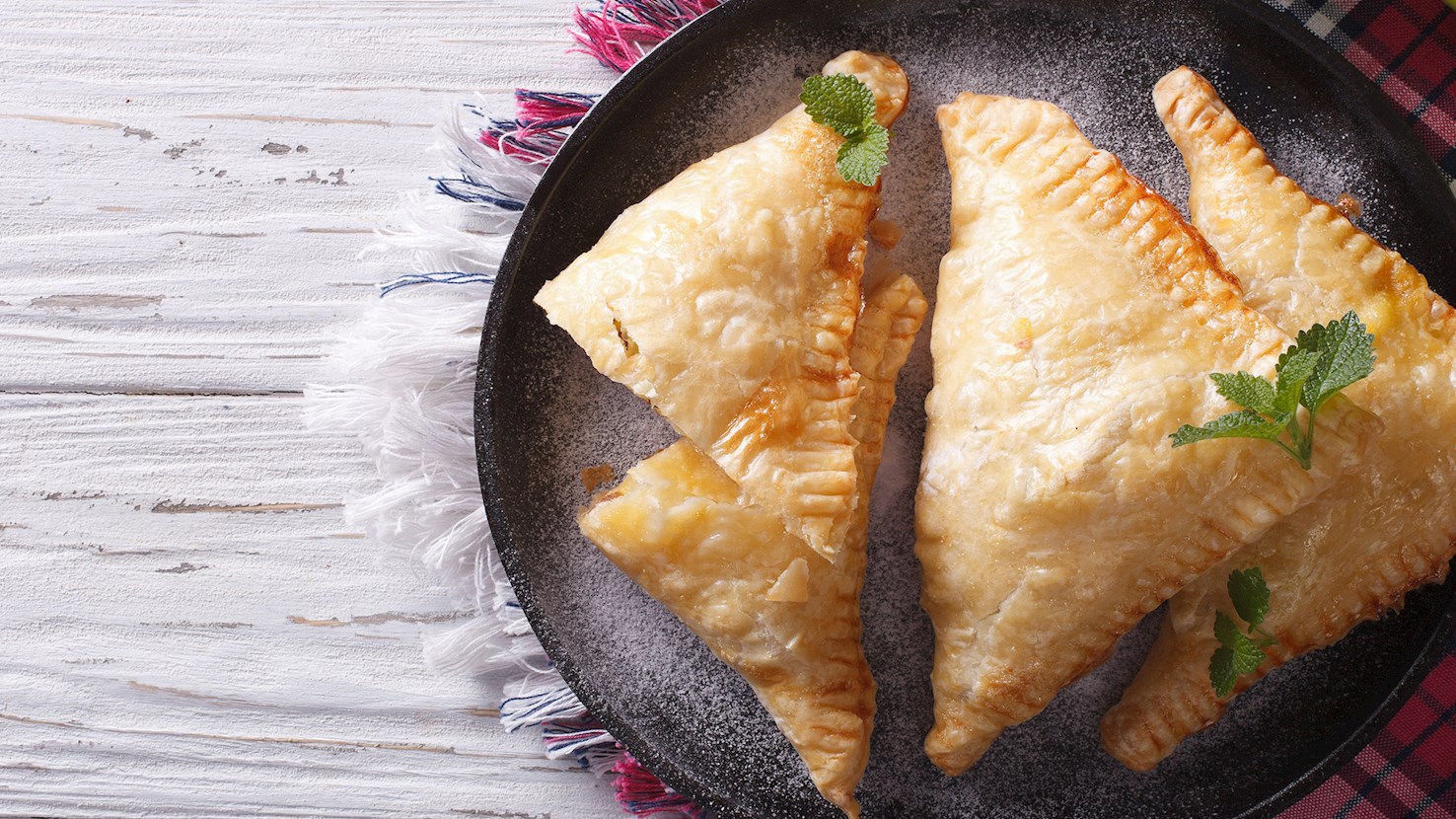
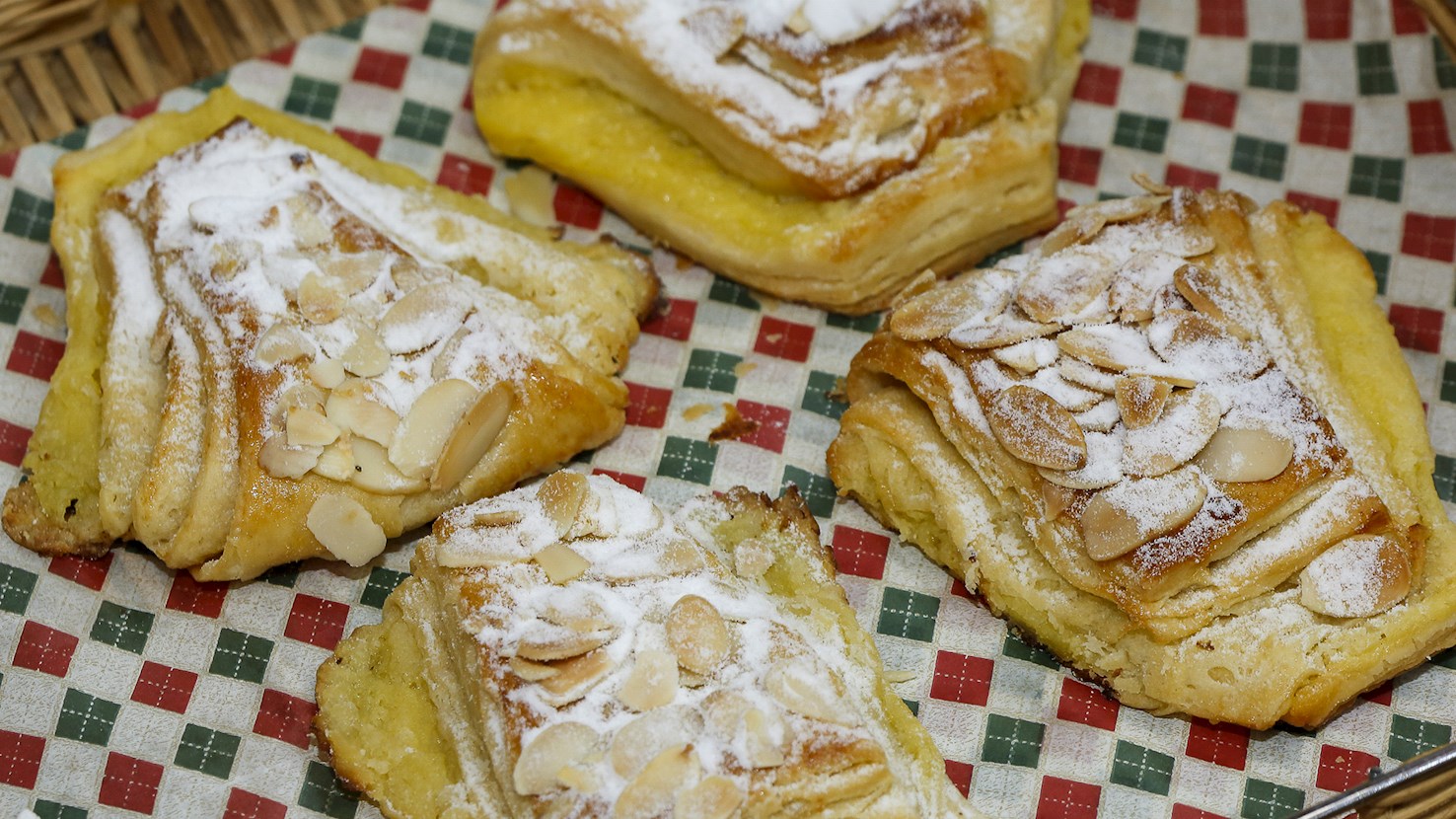
These triangle-shaped pastries are one of many sweets that were initially prepared in Portuguese convents. Jesuítas are made with layers of puff pastry that are coated in egg custard, and the whole slice is typically topped with meringue. There are numerous theories about the name and the origin of these pastries, but the only certainty is that they initially appeared in the city of Santo Tirso. Nowadays, they are commonly found in Portuguese pastry shops, and some varieties may be flavored with cinnamon or topped with almonds.

09

Pastel de Chaves

3.9 ·

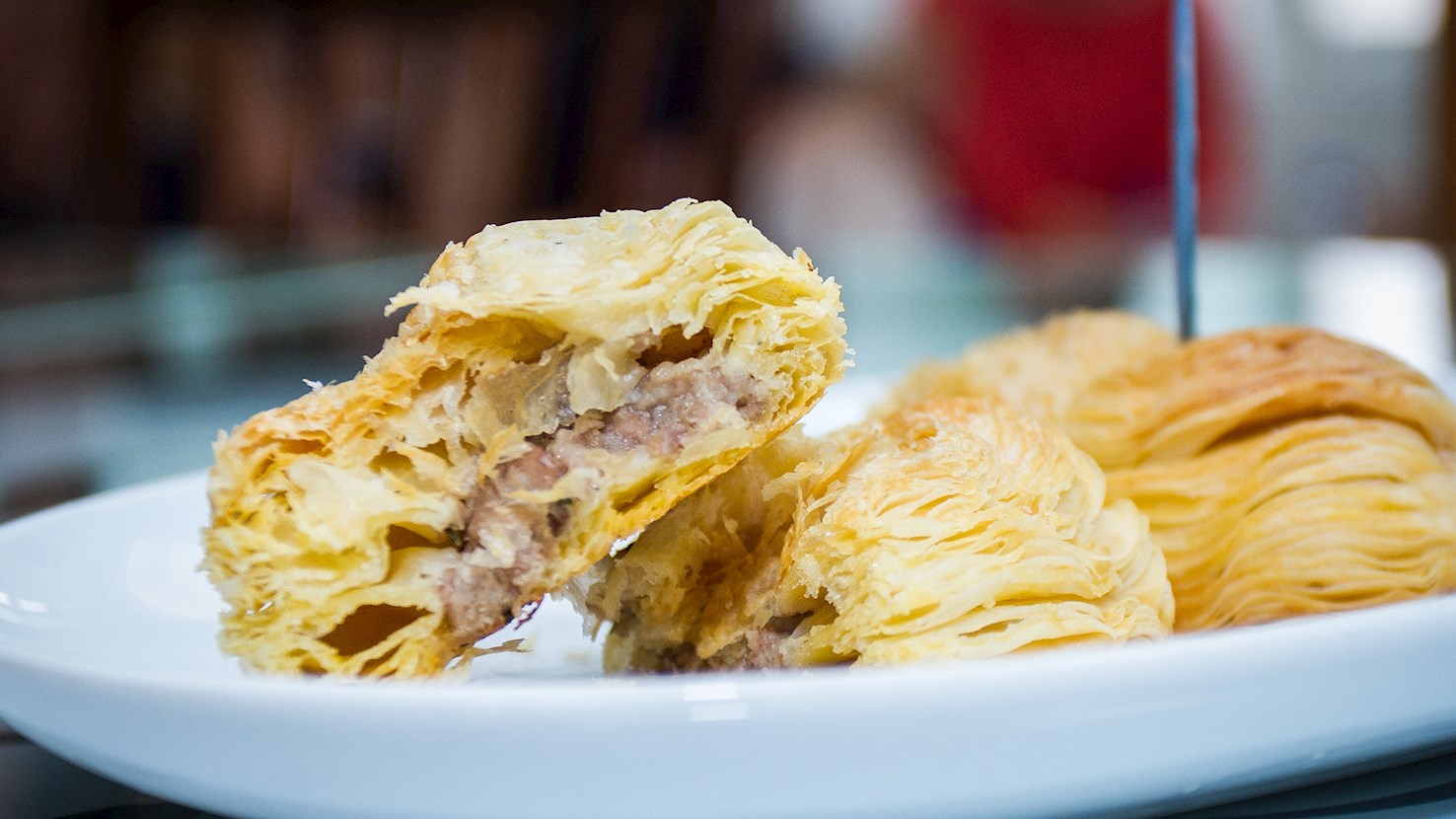
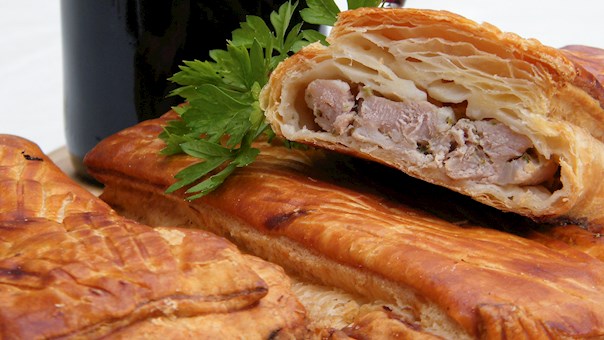
This clam-shaped Portuguese delicacy is made with a puff pastry shell that is filled with a unique mixture of minced veal, bread, and onions. The tradition of preparing pastel de Chaves dates back to 1862, and according to a popular legend, the first person to sell these unique pastries was Teresa Feliz Barreira, the founder of Casa do Antigo Pasteleiro, the first establishment where pastel de Chaves could be bought. The original recipe stayed in her possession for 75 years, until the 1940s, when other bakeries in Chaves started to manufacture and sell the same product. The Portuguese city of Chaves protected this famous pastry as their authentic product, which licensed them to be the only location where pastel de Chaves can be produced and sold. According to municipal records, the town of Chaves produces more than 25,000 of these delectable pastries daily. In recent history, numerous other varieties have appeared, including the sweet versions, but only the original, savory version is allowed to carry the name pastel de Chaves.

10

Pirukas

3.9 ·

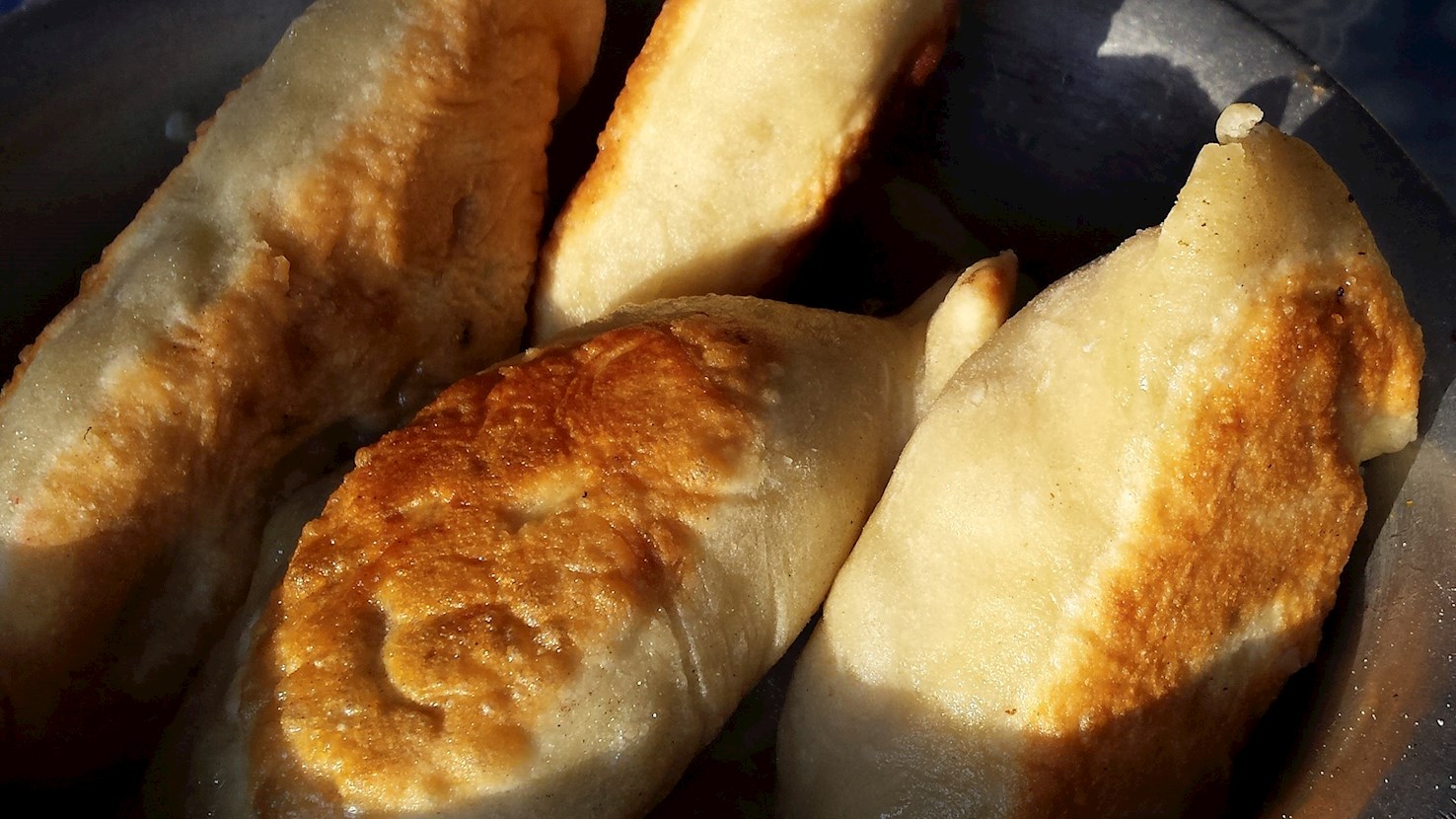
Pirukas is a typical Estonian snack consisting of dough pockets filled with a variety of ingredients. It can be classified into three categories: küpsetatud (small, baked), praetud (small, fried), and plaadipirukad (large, baked). The dough can be made with a crumbly, flaky puff pastry, or with regular bread dough. The fillings range from meat, ham, and cabbage to rice, mushrooms, and carrots. Small pirukas can be filled with a variety of different ingredients, but the large ones are filled exclusively with cabbage, meat, and carrots.

Read more
View all
View map
About this ranking

TasteAtlas food rankings are based on the ratings of the TasteAtlas audience, with a series of mechanisms that recognize real users and that ignore bot, nationalist or local patriotic ratings, and give additional value to the ratings of users that the system recognizes as knowledgeable. For the “Top 41 European Puff Pastries” list until June 15, 2026, 3,608 ratings were recorded, of which 2,798 were recognized by the system as legitimate. TasteAtlas Rankings should not be seen as the final global conclusion about food. Their purpose is to promote excellent local foods, instill pride in traditional dishes, and arouse curiosity about dishes you haven’t tried.

Similar lists