



Top 8 Spanish Puff Pastries

Last updated on May 16, 2026
01

Flores de hojaldre

3.4 ·

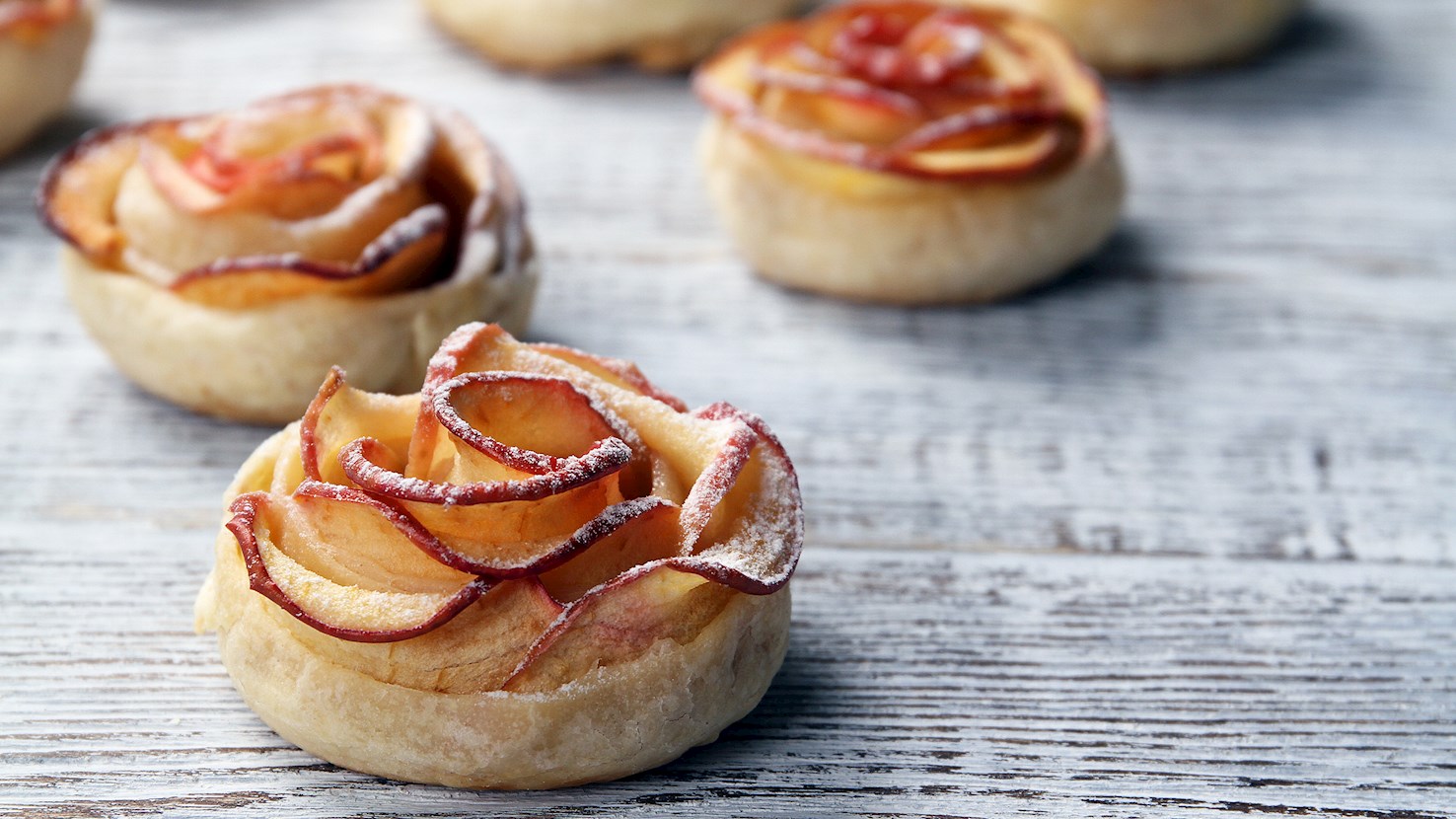
Flores de hojaldre is a specialty of the Spanish city of Alcalá de Henares, consisting of puff pastry (hojaldre) that has been rolled into beautiful shapes of flowers or roses. It is the unique shape of the pastry that has given it its name, which translates to flowers of puff pastry. At its simplest, flores de hojaldre are distinguished by a light, airy, and flaky texture, and they are usually served dusted with powdered sugar and accompanied by a cup of coffee on the side. Although it's most commonly made in the sweet version, this traditional Spanish pastry can also be savory, depending on the ingredients used for its preparation. Typical ingredients used for making the sweet flores de hojaldre include thin slices of apples or pears, fruit jam, cinnamon, honey, chocolate, powdered sugar, and cocoa cream, while the savory versions usually contain zucchini, salmon, cheese, bacon, or mushrooms. Depending on whether it’s sweet or savory, this simple pastry may be enjoyed as a dessert, a sweet or savory snack, or as an appetizer.

02

Hojaldres de Astorga

2.9 ·

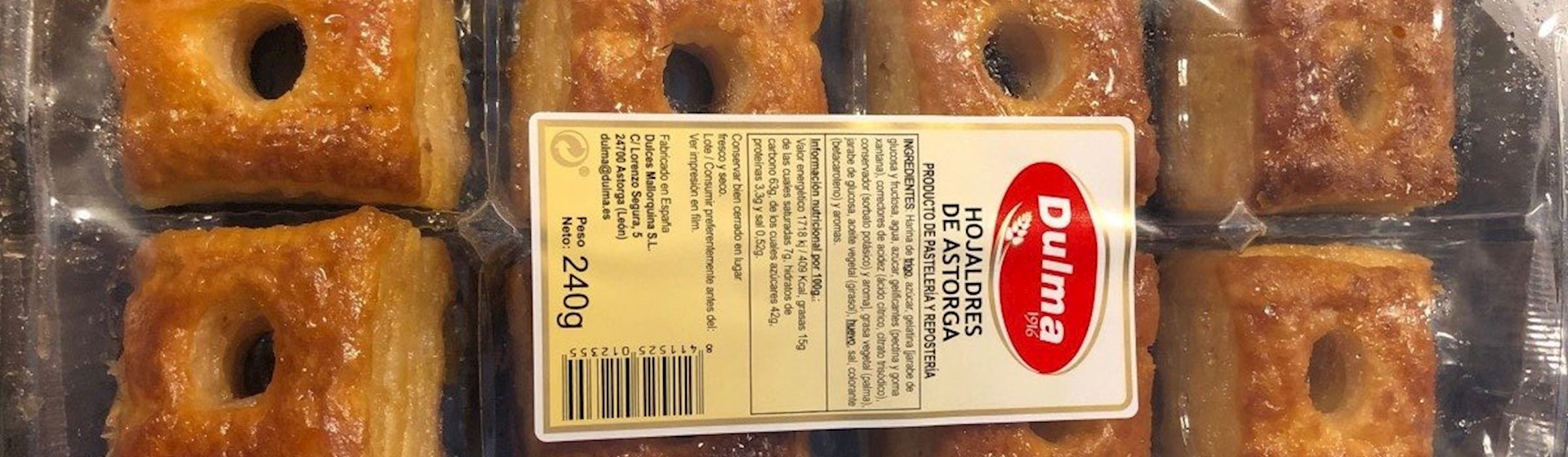
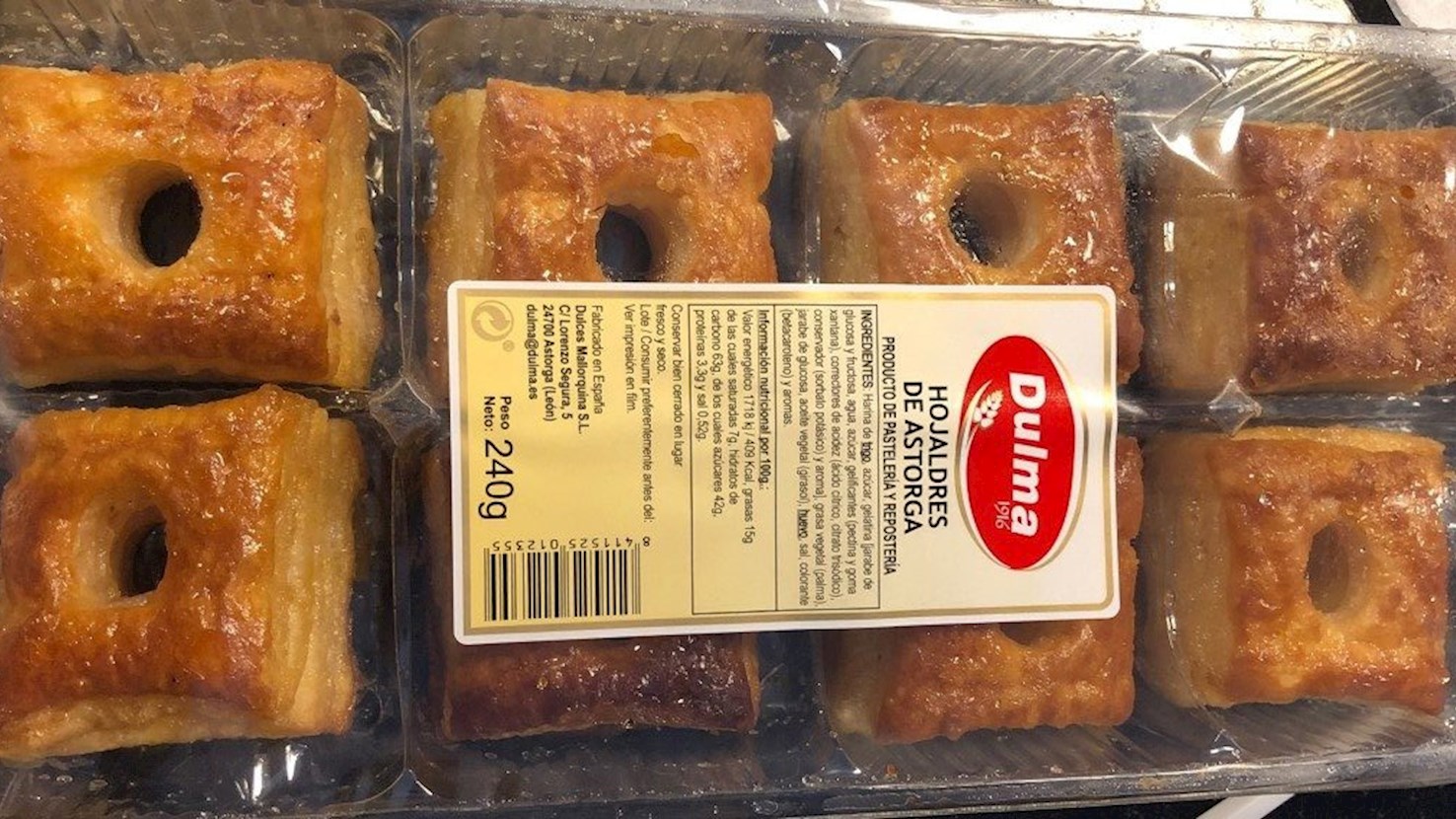
Hojaldres de Astorga is a traditional pastry originating from the town of Astorga, hence the name. In order to prepare this snack, puff pastry sheet is cut into rectangles with holes cut in the center. The pastry is baked in the oven for about 10 minutes and it's then dipped in hot syrup. The syrup usually consists of water, sugar, honey, and lemon juice. Hojaldres de Astorga pastries are often served for breakfast or as an afternoon snack eaten alongside tea or coffee.

03

Rosquillas de Alcalá

2.6 ·

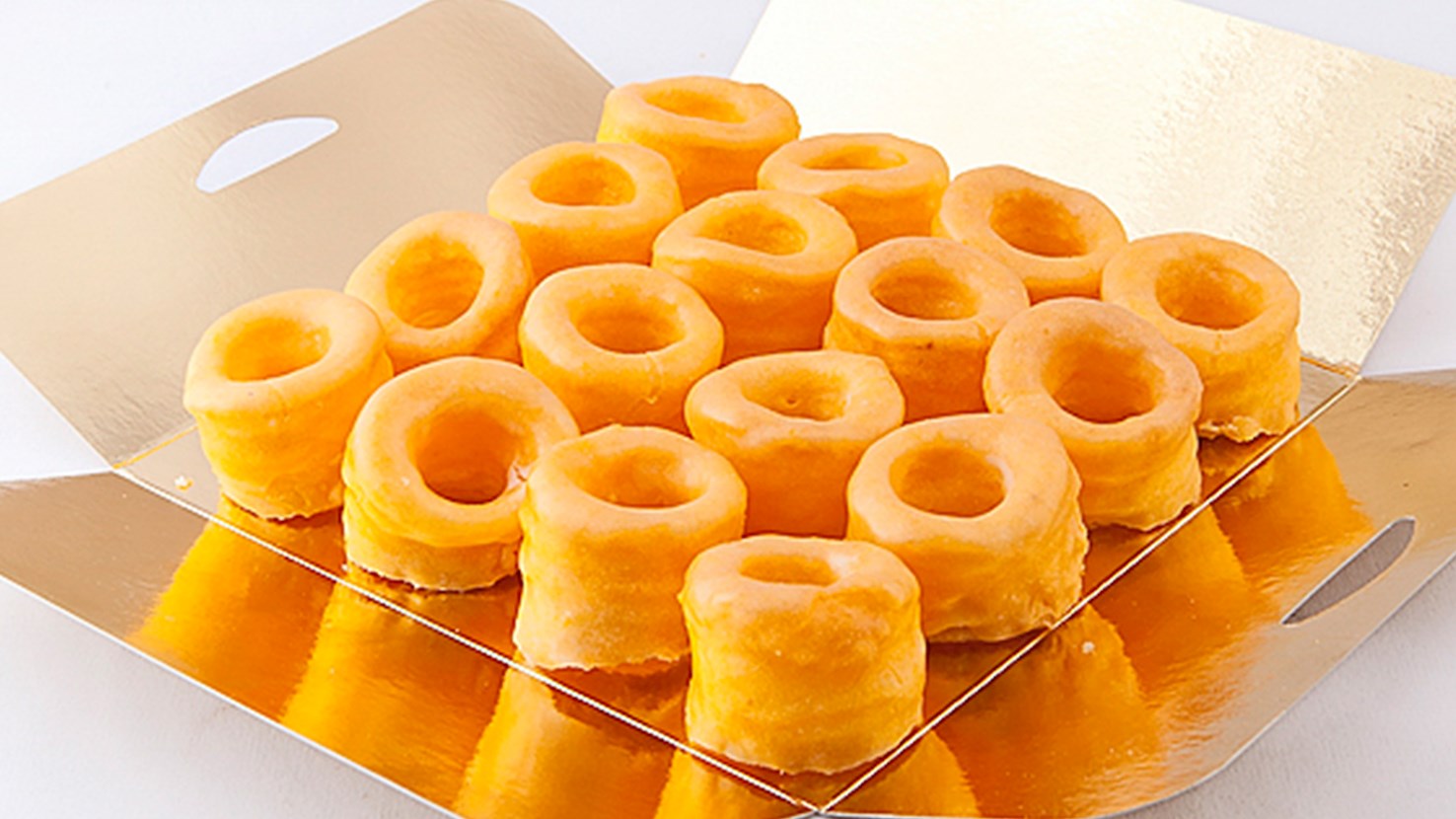
Rosquillas de Alcalá are traditional Spanish donut-shaped pastries originating from Alcalá de Henares. They're made from puff pastry (hojaldre) that's dunked into a creamy glaze consisting of egg yolks, water, and sugar. These sweet pastries are renowned and easily recognizable for their yellow coloring, and they're usually eaten at breakfast or merienda.

04

Tortas locas

n/a ·

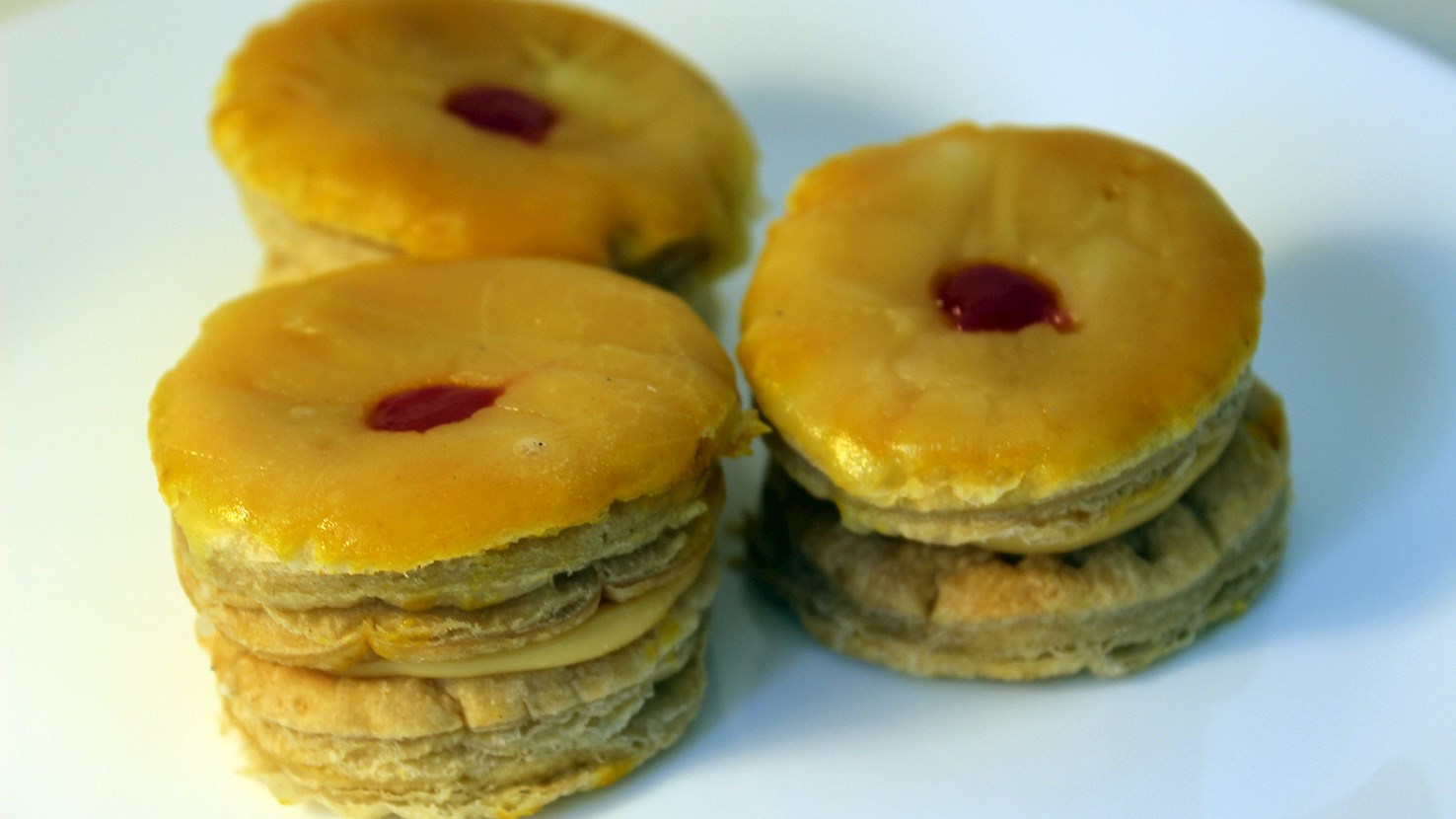
Tortas locas (lit. crazy cakes) are traditional Spanish pastries originating from Malaga. They consist of puff pastry, a custard (made from milk, eggs, flour, sugar, lemon, vanilla, and cinnamon), egg yolk glaze (consisting of egg yolks, sugar, flour, syrup, and orange food coloring), frosting (water and sugar), and red cherries in syrup. These small pastries should always be freshly made and creamy. They were created by a confectioner who decided to fill two rounds of puff pastry with custard, then topped them with orange frosting and a cherry. Tortas locas were named after a 1954 song by Luisa Linares and Los Galindos.

05

Costrada

n/a ·

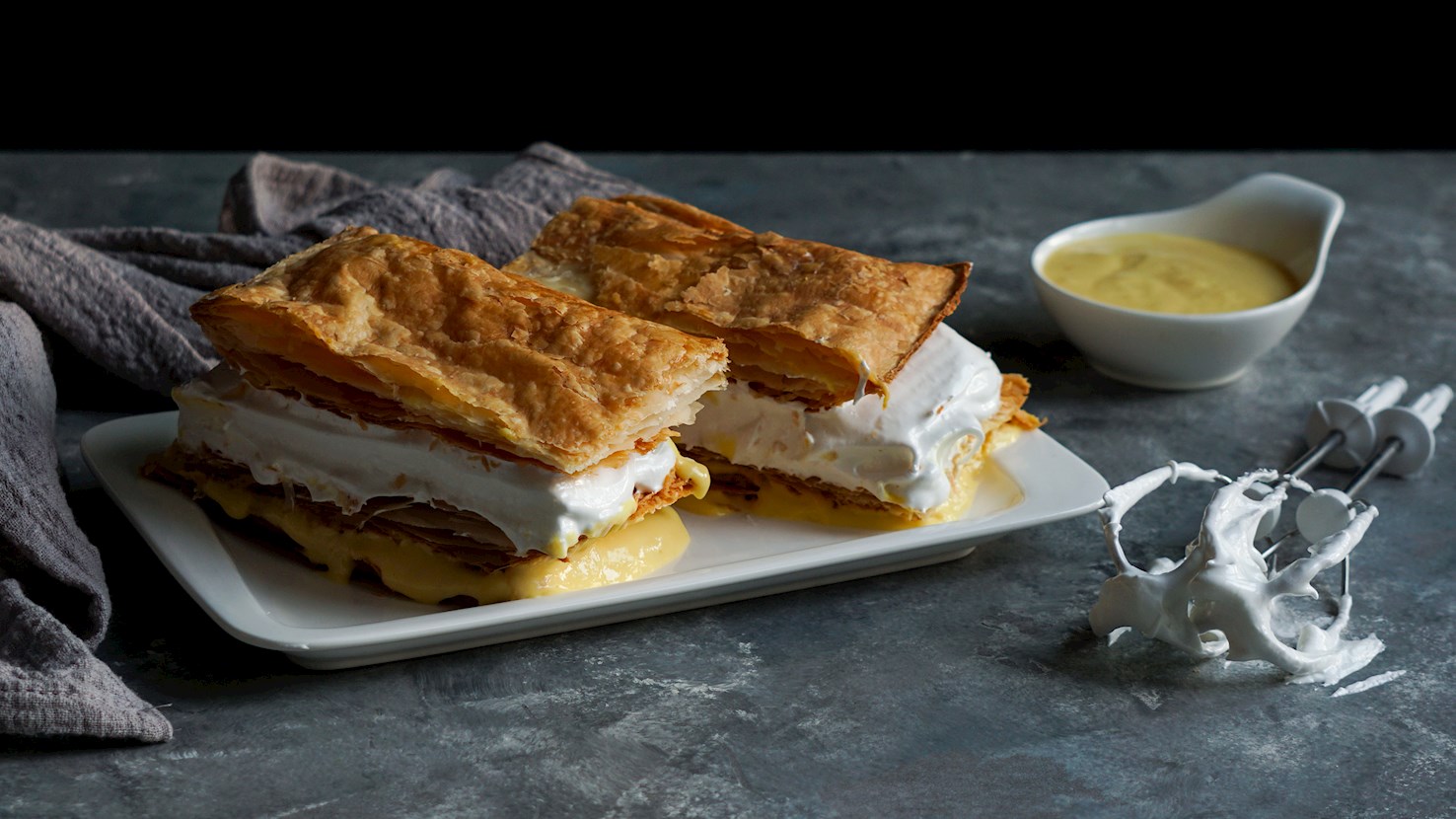
Costrada is a traditional dessert originating from Alcalá de Henares. This classic dessert consists of sheets of puff pastry that are filled with pastry cream and meringue. The whole thing is topped with chopped almonds and icing sugar, then baked for a short while in order to roast the almonds and dry the outer meringue. Costrada was first made by two famous local confectioneries called Salinas and El Postre, but both of them are closed now. This dessert can be found in most of the city's restaurants. Before serving, it should be well-chilled, and when served, it's best to accompany the pastry by a cup of coffee on the side.

06

Cremadillos

n/a ·

Cremadillos are small, semicircular pastries originating from the island of Mallorca, known for a deep golden, caramelized crust and a brittle, multi-layered puff pastry structure that maintains a distinct crunch. This item evolved from the specific technical application of lard-based puff pastry, or pasta de full, which became a specialized craft in Mallorcan bakeries following the refinement of sugar caramelization in the late 19th century. It is fundamentally a development of the island's lamination principles applied to a smaller, filled format. Preparation involves rolling an elastic dough of flour, water, and lard into hundreds of microscopic layers. These are cut into circles and filled with a thick egg-yolk crema pastelera before being folded and sealed. A unique technical step is the application of a high-concentration sugar wash immediately before baking. In a high-temperature oven, this sugar undergoes rapid caramelization, forming a rigid, glass-like veneer that protects the soft cream interior. Beyond the standard cream variety, savory versions featuring sobrassada and honey are also produced. They are eaten as a breakfast or mid-afternoon snack, commonly purchased from urban pastisseries. Cremadillos are served at room temperature and is most frequently paired with café con leche or a short espresso, where the bitterness of the coffee balances the intense sugar glaze. It is also paired with cold horchata or a glass of sweet Malvasia wine, which complements the dairy-rich profile of the internal cream.

07

Pantxineta

n/a ·

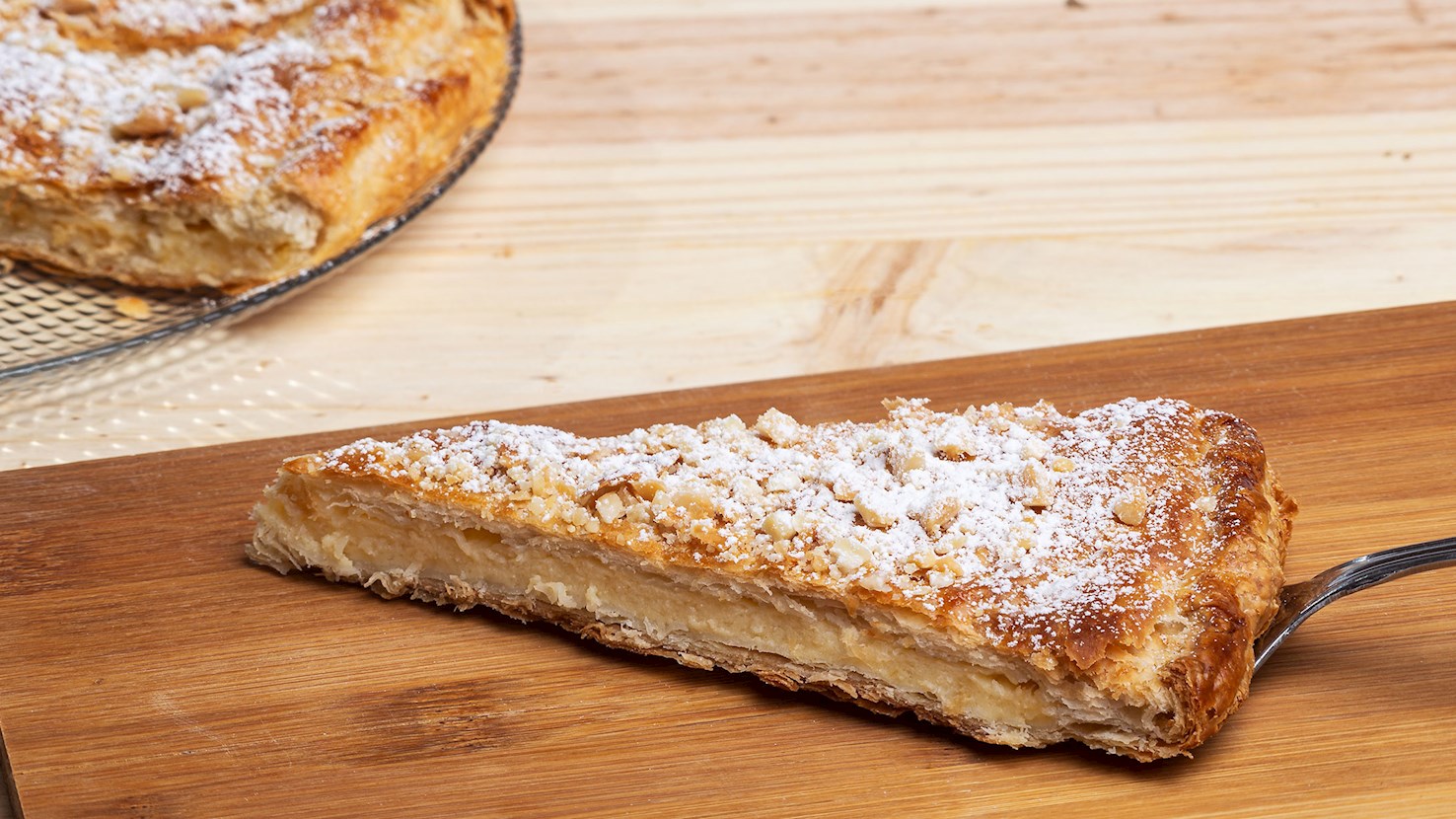
Pantxineta is a golden puff-pastry tart showcasing two layers of flaky, buttery pastry cradling a silky pastry cream. The dessert is topped with lightly toasted almonds and a dusting of powdered sugar. It was created in 1915 by the Otaegui bakery in San Sebastián.

08

Nicanores de Boñar

n/a ·

Nicanores de Boñar is a traditional pastry originating from the town of Boñar in the province of León. The dough is made from puff pastry, wheat flour, eggs, and butter. It's cut with a unique daisy-shaped mold before baking. The pastry is baked until golden brown and puffy, and it's then sprinkled with generous amounts of icing sugar. This sweet treat was invented in 1880 by a pastry chef called Nicanor Rodríguet Gonzáles, and the pastry is named in his honor. It's recommended to enjoy the pastry on its own as a dessert or serve it with whipped cream. Pair it with a cup of coffee or tea on the side.

Read more
View all
View map
About this ranking

TasteAtlas food rankings are based on the ratings of the TasteAtlas audience, with a series of mechanisms that recognize real users and that ignore bot, nationalist or local patriotic ratings, and give additional value to the ratings of users that the system recognizes as knowledgeable. For the “Top 8 Spanish Puff Pastries” list until May 16, 2026, 80 ratings were recorded, of which 51 were recognized by the system as legitimate. TasteAtlas Rankings should not be seen as the final global conclusion about food. Their purpose is to promote excellent local foods, instill pride in traditional dishes, and arouse curiosity about dishes you haven’t tried.

Similar lists