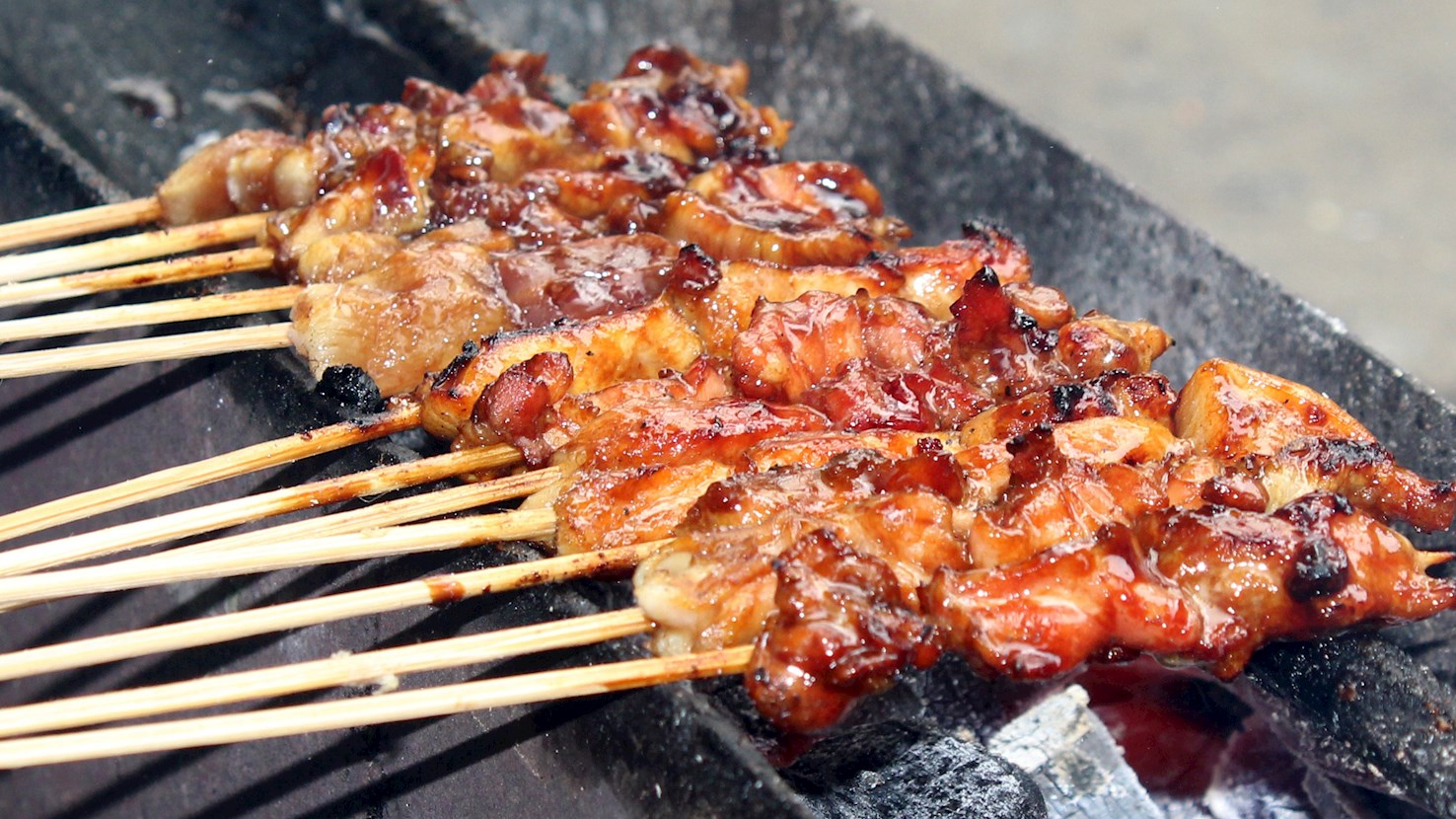
Sate kelinci is a skewered rabbit meat dish originating from the highland regions of Central Java, Indonesia, particularly popular in areas such as Tawangmangu, Lembang, and around the slopes of Mount Merapi. This variant of Indonesian sate features tender cuts of rabbit grilled over charcoal and typically served with either a savory soy-based sauce or a spiced peanut sauce, depending on local preference. The meat is usually marinated in a mixture of garlic, coriander, salt, and sweet soy sauce before being skewered and grilled, giving it a subtly sweet, smoky, and mildly gamey flavor that distinguishes it from more common versions made with chicken, beef, or goat. Sate kelinci is known for its lean texture and is often considered a lighter option, enjoyed by travelers and locals alike in cooler mountain climates where rabbit farming is more common. The dish is closely associated with Javanese culinary culture, where sate is a central component of street food and home cooking. In regions where sate kelinci is widely sold, such as tourist spots in the Dieng Plateau or forested hill towns, it is often grilled fresh to order by roadside vendors and eaten with steamed rice or rice cakes. Unlike more urban sate variants that are mass-produced or widely exported, sate kelinci tends to remain a specialty of areas where rabbit is both raised and consumed more regularly.
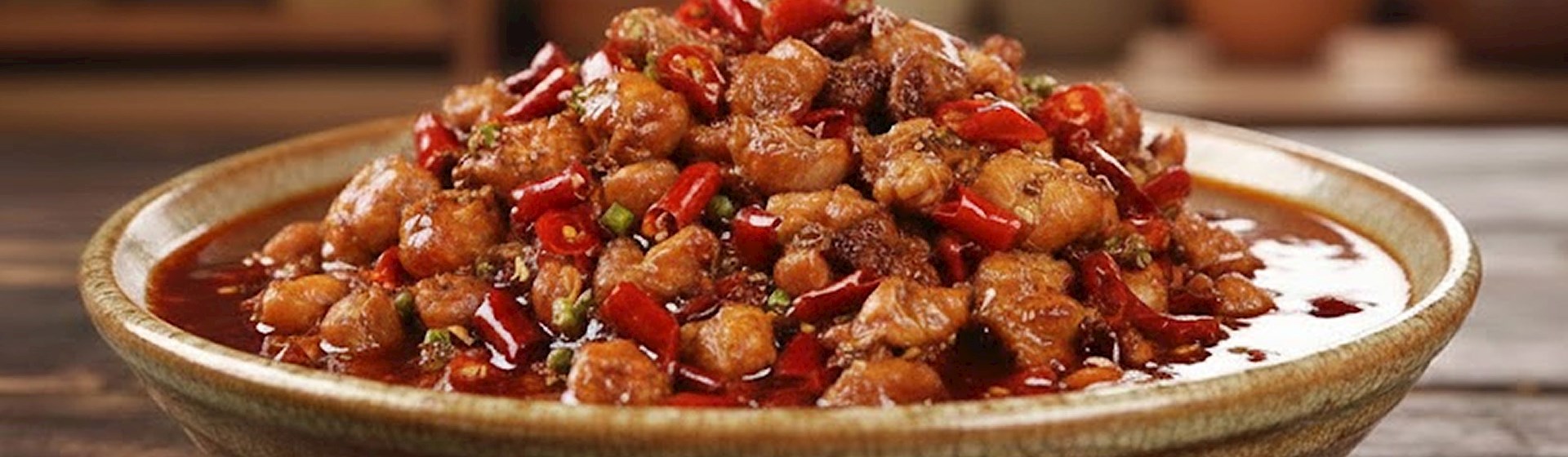
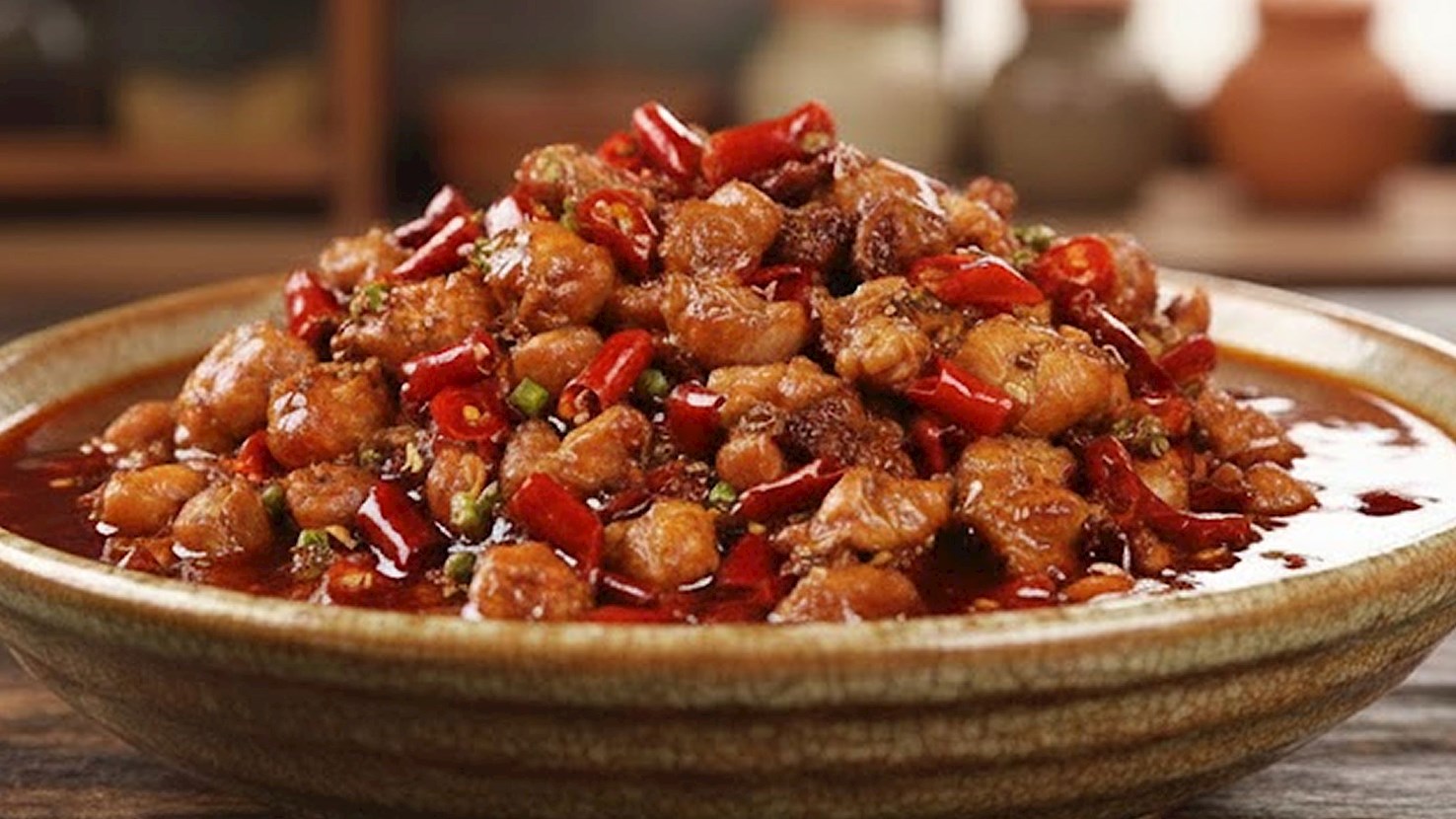
Zìgòng lěngchī tù is a cold rabbit dish from Zigong, a city in Sichuan province known for its strong, layered flavors and mastery of spicy cuisine. The name translates to “Zigong cold-eaten rabbit,” describing both the place of origin and the way it is consumed: served at room temperature or chilled, heavily seasoned with chili, Sichuan peppercorn, and aromatic spices. The dish traces back to the culinary habits of salt workers in Zigong, which was once China’s most important salt-producing center. Workers often prepared meats that could be stored and eaten over time, especially during hot weather. Rabbit, being lean and abundant in the region, became a favored ingredient. To preserve it and enhance its flavor, cooks developed a method of cooking and marinating the meat with chili oil, vinegar, and peppercorn, which allowed it to stay flavorful even when eaten cold. Over generations, this preparation evolved into a signature local specialty, spreading beyond the saltworks into households, markets, and restaurants. It remains closely tied to Zigong’s identity as a city that values robust, layered seasoning and craftsmanship in food preparation. To make Zigong cold-eaten rabbit, a whole rabbit is cleaned and chopped into small pieces, often bone-in to retain flavor. The meat is first boiled or steamed until tender, then cooled completely. A complex sauce is prepared from a combination of chili powder, ground Sichuan peppercorn, garlic, ginger, fermented bean paste, soy sauce, vinegar, sugar, and sesame oil. The sauce is poured over the rabbit and mixed thoroughly, allowing the flavors to penetrate the meat. It is then left to rest, sometimes for several hours, to develop its full taste. The result is a dish that is intensely aromatic, spicy, slightly numbing, and tinged with sourness. The meat’s firmness contrasts with the smooth chili oil coating, creating a layered sensory effect typical of Sichuan cooking. In Zigong, the dish is eaten throughout the year but is especially popular in warmer months when cold dishes are preferred. It is often served as a centerpiece for casual meals, paired with plain rice, congee, or cold noodles to offset the intensity of the spice. Locals sometimes enjoy it with cold beer or tea, both of which help refresh the palate.
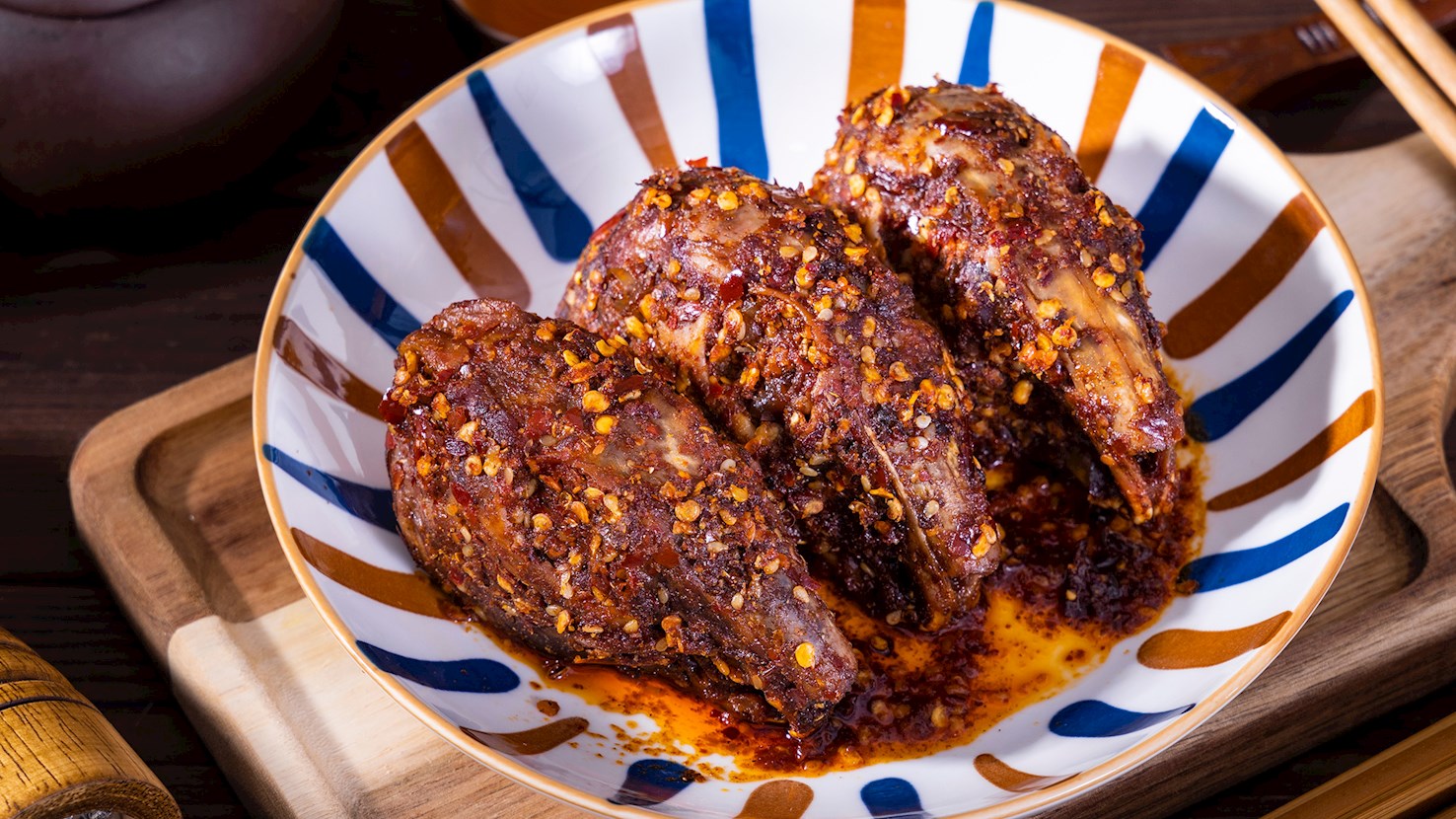
Tù tóu, meaning rabbit head, is a specialty dish most famously associated with Sichuan province, known for its bold seasoning and for being eaten in an unconventional way, since the entire head of the rabbit is cooked and served as the centerpiece. The practice of eating rabbit in Sichuan goes back centuries, as rabbits were widely available and their meat was appreciated for being lean and tender. In Chengdu and surrounding areas, cooks developed methods of seasoning rabbit heads with the same spice combinations that define local cuisine, particularly the use of Sichuan peppercorns and chili. Over time, rabbit heads became popular in night markets and roadside stalls, where they were prepared in large batches and sold as affordable snacks. Their rise in popularity reflects both the resourcefulness of Sichuan cooking and the appetite for intense flavors that characterize the region. Preparation usually begins with cleaned rabbit heads that are simmered or braised with chili bean paste, soy sauce, garlic, ginger, and a generous amount of Sichuan peppercorns. Some versions are cooked in a spicy red oil base, while others emphasize braising with aromatics and spices for a more savory profile. Once cooked, the heads are served whole, and diners use their hands and chopsticks to eat the meat, tongue, and cheeks, savoring the complex seasoning. The bones are not eaten but add depth to the broth or braising liquid during cooking. Today, tù tóu is most commonly eaten in Chengdu and other parts of Sichuan, sold in night markets, small restaurants, and specialty shops that focus entirely on rabbit head dishes. It is eaten primarily as a street snack or late-night food, often with beer or tea.
TasteAtlas food rankings are based on the ratings of the TasteAtlas audience, with a series of mechanisms that recognize real users and that ignore bot,
nationalist or local patriotic ratings, and give additional value to the ratings of users that the system recognizes as knowledgeable.
For the “Top 3 Asian Rabbit Dishes” list until June 15, 2026, 11 ratings were recorded, of which 9 were recognized by the system as legitimate.
TasteAtlas Rankings should not be seen as the final global conclusion about food. Their purpose is to promote excellent local foods,
instill pride in traditional dishes, and arouse curiosity about dishes you haven’t tried.