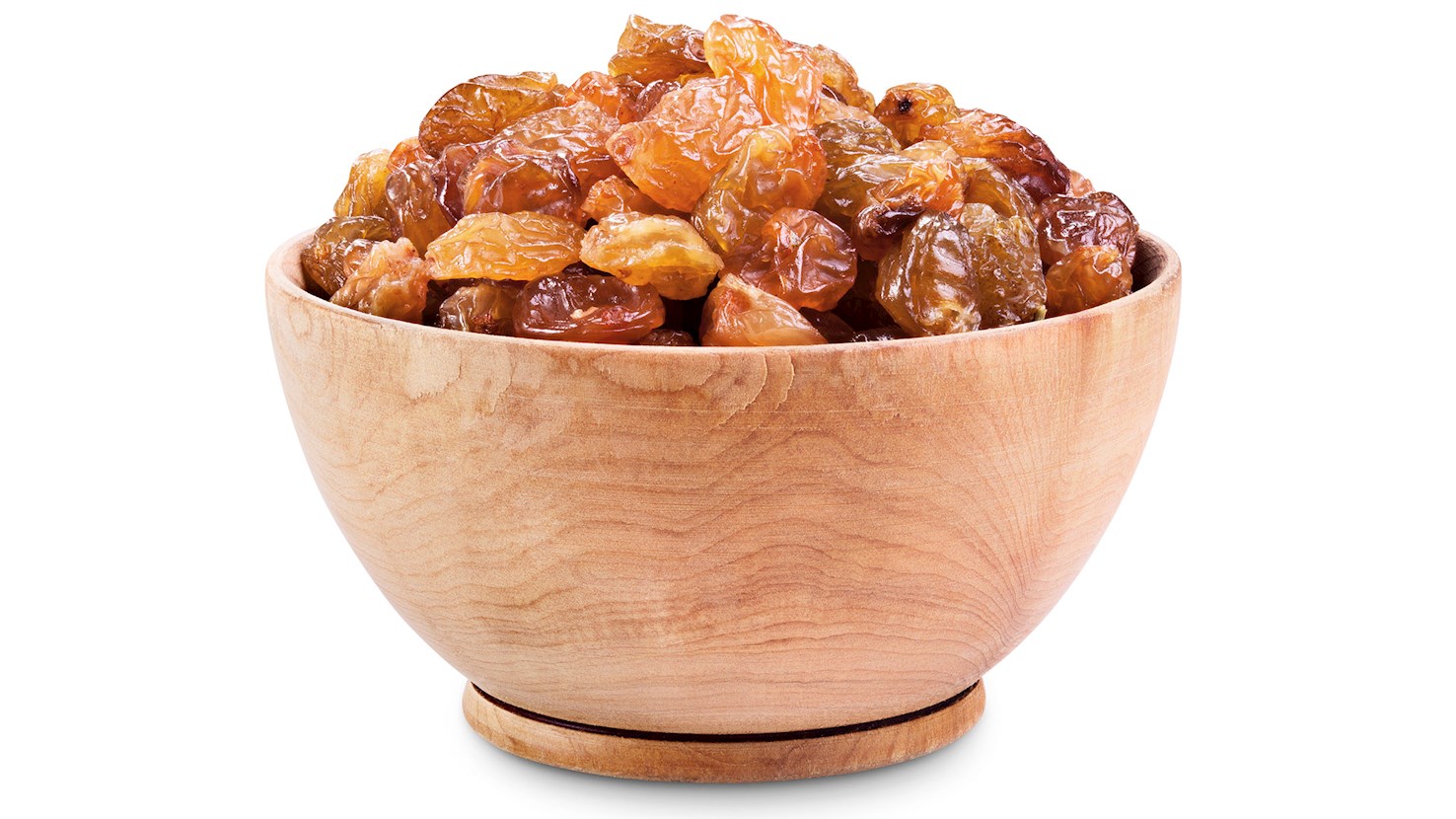
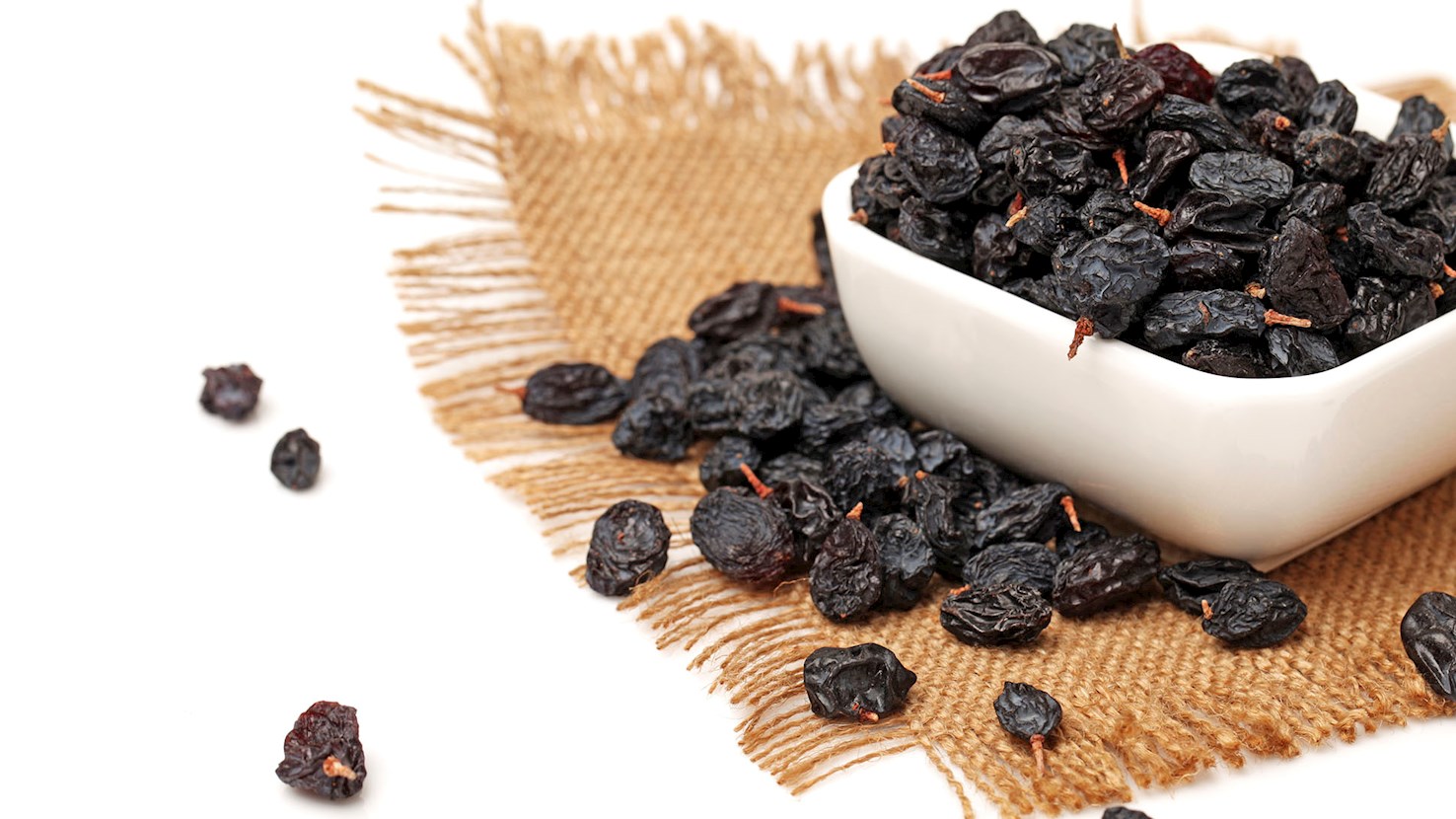
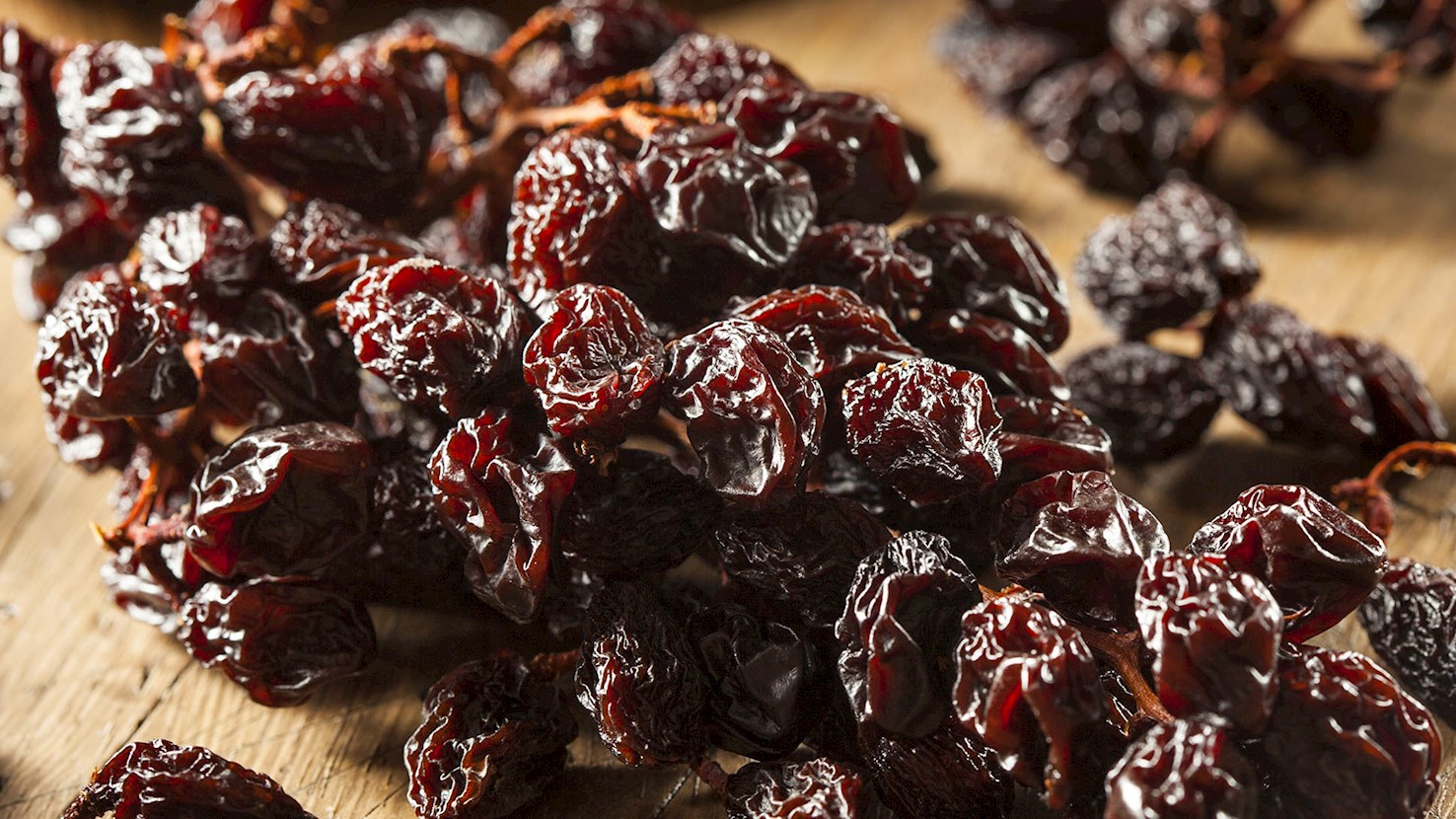
These dried grapes (sultanas) are produced exclusively from Sultanina grapes. This variety replaced the local Cretan varieties of grapes in the early 20th century, when refugees from Asia Minor arrived and began cultivating Sultanina grapes using their traditional skills and knowledge. Due to the island's low level of precipitation and long hours of sunshine in July and August, these grapes have an extremely high sugar concentration. The grapes are harvested from mid-August through mid-September and are put to dry immediately after they are picked. These sultanas have a distinctive golden-brown color, a flavor reminiscent of vanilla, a high sugar content at a minimum of 75%, and a maximum moisture content of 16 %. These raisins are very well known on the international market and are often used to prepare cakes and other desserts.
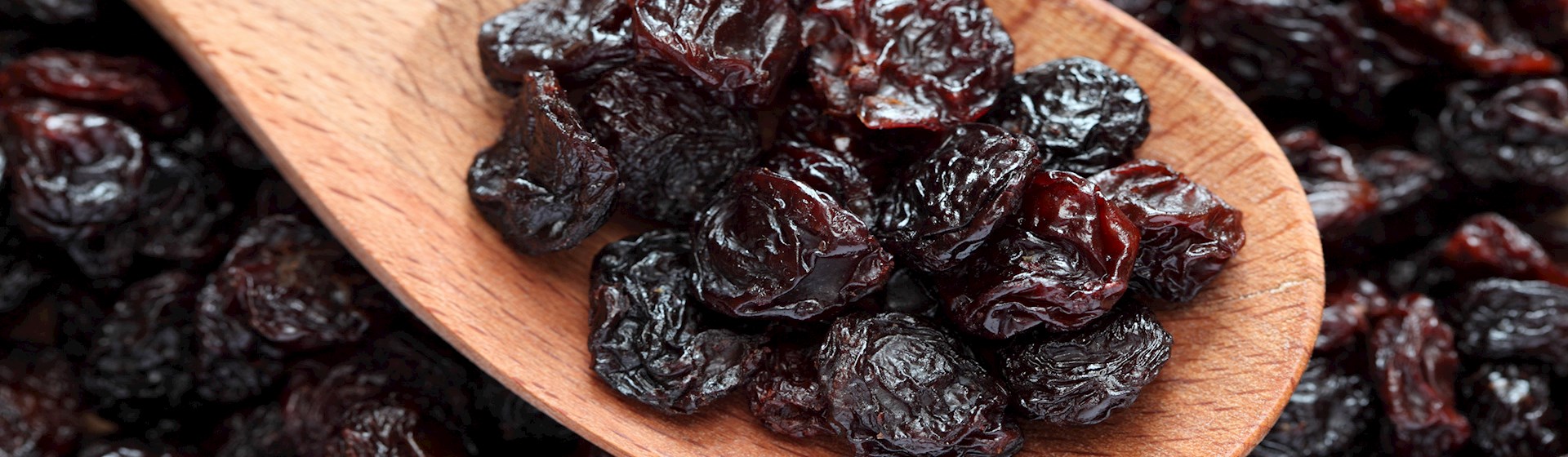
This variety of raisin has been produced since the 13th century in the ancient city of Aigio in the northern Peloponnese, on the hills overlooking the Gulf of Corinth. The Corinthian raisin is made from small, sweet, seedless grapes of the black Vostizza variety that have been dried naturally in the open air. These raisins are sorted manually and cleaned several times before final packaging, and they are sometimes glossed with vegetable oil to make them shinier. Corinthian raisins are very small and have an intense flavor, with an almost 75% sugar content. They are blue-black in color, and their scent is strong and fruity. These raisins are a significant source of vitamin C and natural antioxidants. They can be eaten raw, but they are most commonly used in the preparation of sweet or savory dishes. This raisin is world famous, and is exported in great quantities.
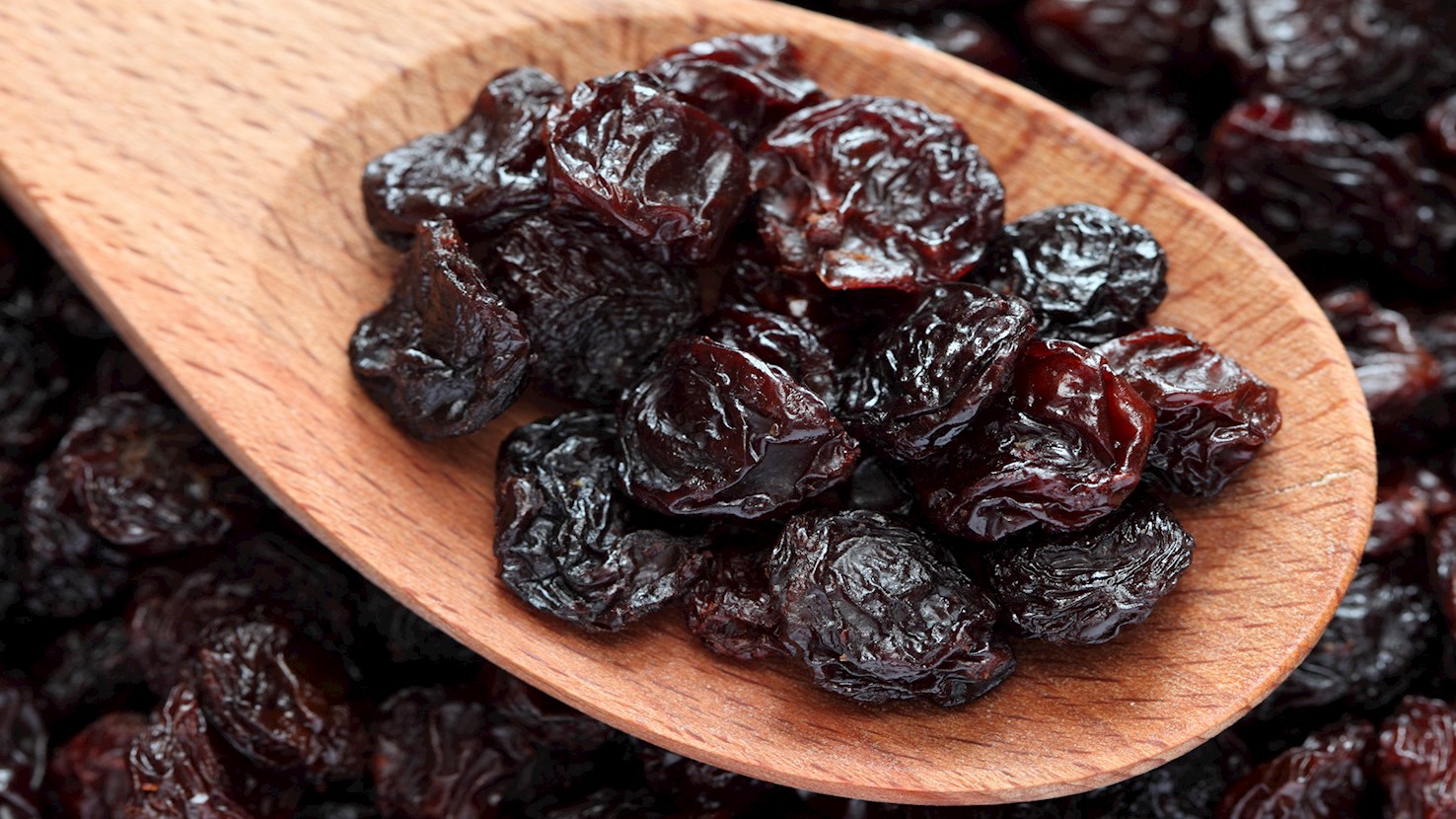
Internationally marketed under the name Zante currants and also known as Corinthian raisins, Stafida Zakynthou are dried berries of the small, sweet, seedless grape cultivar called Black Corinth, grown and sun-dried naturally on the island of Zakynthos from the 16th century. The exceptional quality of these raisins is a result of the special soil and climate conditions on the island where long hours of sunshine and high temperatures during the summer contribute to their high sugar content and to their characteristic sweet flavor. The crop is harvested by hand when the grapes acquire the needed sweetness and become deep purple. They are immediately left to dry on the ground on paper or plastic grape racks. No chemicals are added to quicken the procedure. Once the drying is complete, the clusters are rubbed gently in order to separate and remove the stalks. These currants are of exceptional quality and unique taste which makes them highly requested among consumers.
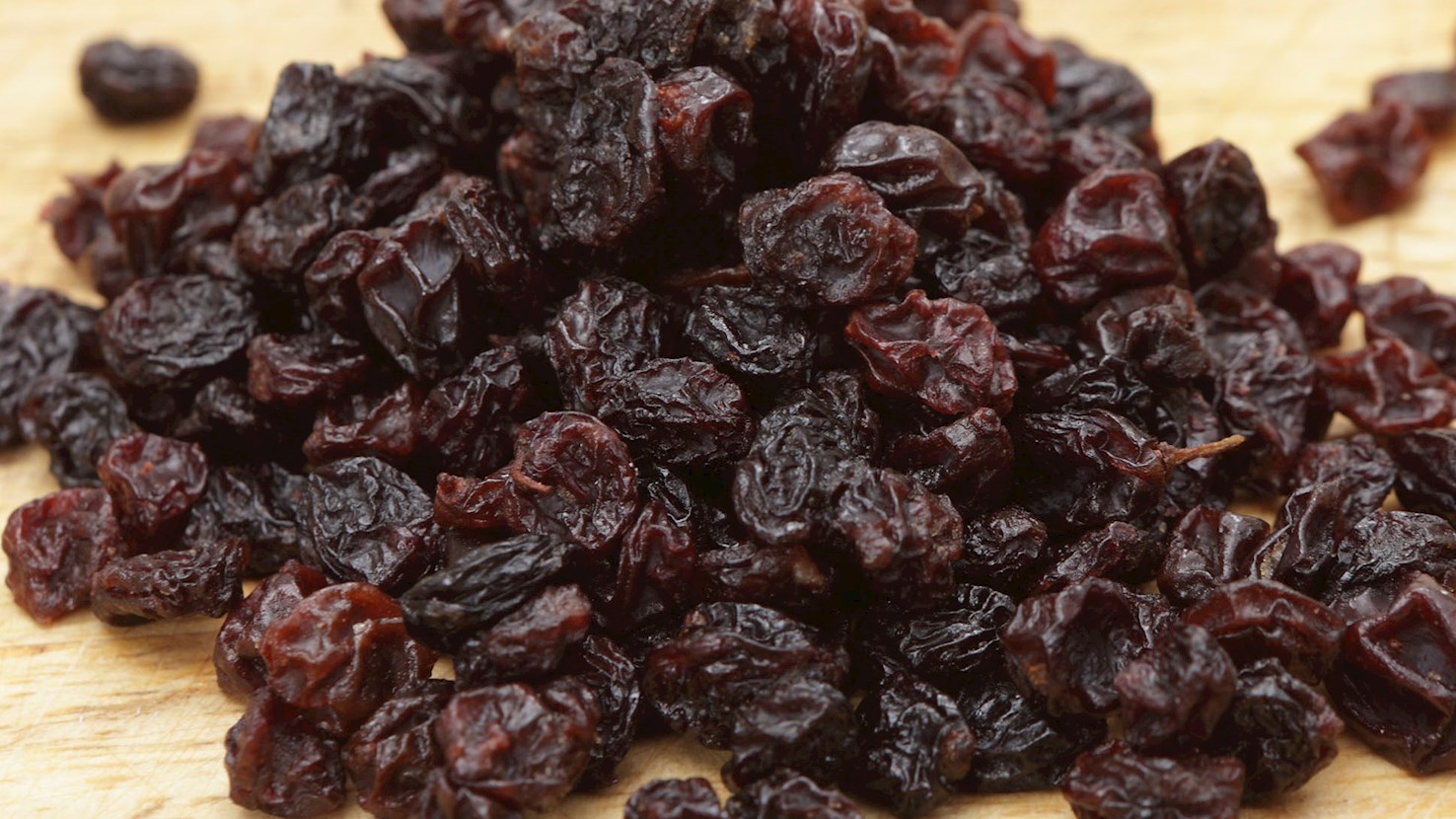
This variety of raisin is produced from black wine grapes in Ilia prefecture, where they have been produced since the beginning of the 14th century. These raisins owe their special characteristics to the excellent soil and weather conditions in the region. This sweet grape variety can be harvested in August, earlier than other grapes. They are also rounder, more uniform in shape and have a deep black color. There are two methods of drying used in Ilia – one is to directly expose the grapes to the sun on special surfaces called alonia, and the other is to dry them in the shade on special frames, which takes longer but produces raisins with superior color. Ilias raisins enjoy a high reputation today, and the majority of the raisins produced are exported to the European Union, especially to Germany, the Netherlands, and the United Kingdom.
Pasas de Málaga are sun-dried, seed-bearing raisins produced exclusively from the Muscat of Alexandria grape variety within the province of Málaga, with cultivation boundaries strictly regulated across the rugged, mountainous topography of the Axarquía region and the western coastal municipalities of Manilva. The presence and specific cultivation methods of this vine population date back to the Phoenician colonization of the Iberian Peninsula around 3,000 years ago, though the systematic development of solar-drying infrastructures expanded substantially during the Al-Andalus Islamic period from the eighth to the fifteenth centuries, as Muslim agronomists restricted from wine conversion optimized sun-dehydration techniques to preserve fresh grape yields for extended dietary consumption and global trade. The preparation of pasas de Málaga relies entirely on natural solar dehydration without the deployment of chemical accelerating agents, artificial heat sources, or pre-drying lye dips common to industrial raisin production. Harvested whole grape clusters are transported manually up steep inclines and arranged in a single layer on paseros, which are rectangular, south-facing concrete or stone drying beds inclined at an angle of roughly ten to fifteen degrees to maximize direct exposure to solar radiation. The clusters are manually turned every few days for a period spanning two to three weeks until the moisture content within the pulp drops below thirty percent, after which workers execute the picado, a labor-intensive step using specialized scissors to detach each individual raisin from the vine stalk while preserving a micro-segment of the stem to protect the inner flesh from air exposure. Pasas de Málaga are served whole at ambient room temperature, presented either arranged directly on artisanal platters as part of an opening course or integrated structurally into dense baked goods, sauces, and local stews. It is eaten throughout domestic Andalusian households, regional restaurants, and during harvest festivals across Malaga province, functioning as an essential standalone snack or a sweet component in savory Mediterranean gastronomy. For food and beverage pairings, the high fructose content, structural acidity, and seed bitterness of pasas de Málaga require intensely savory fats or highly specific fortified liquids to balance the palate, meaning they are eaten alongside mature, sharp manchego or goat milk cheeses, integrated into braised pork tail and game bird reductions, or served alongside small glasses of sweet Pedro Ximénez sherry, aged Málaga Dulce wine, or dry roasted almonds.
TasteAtlas food rankings are based on the ratings of the TasteAtlas audience, with a series of mechanisms that recognize real users and that ignore bot,
nationalist or local patriotic ratings, and give additional value to the ratings of users that the system recognizes as knowledgeable.
For the “Top 5 Raisins in the World” list until July 16, 2026, 138 ratings were recorded, of which 60 were recognized by the system as legitimate.
TasteAtlas Rankings should not be seen as the final global conclusion about food. Their purpose is to promote excellent local foods,
instill pride in traditional dishes, and arouse curiosity about dishes you haven’t tried.