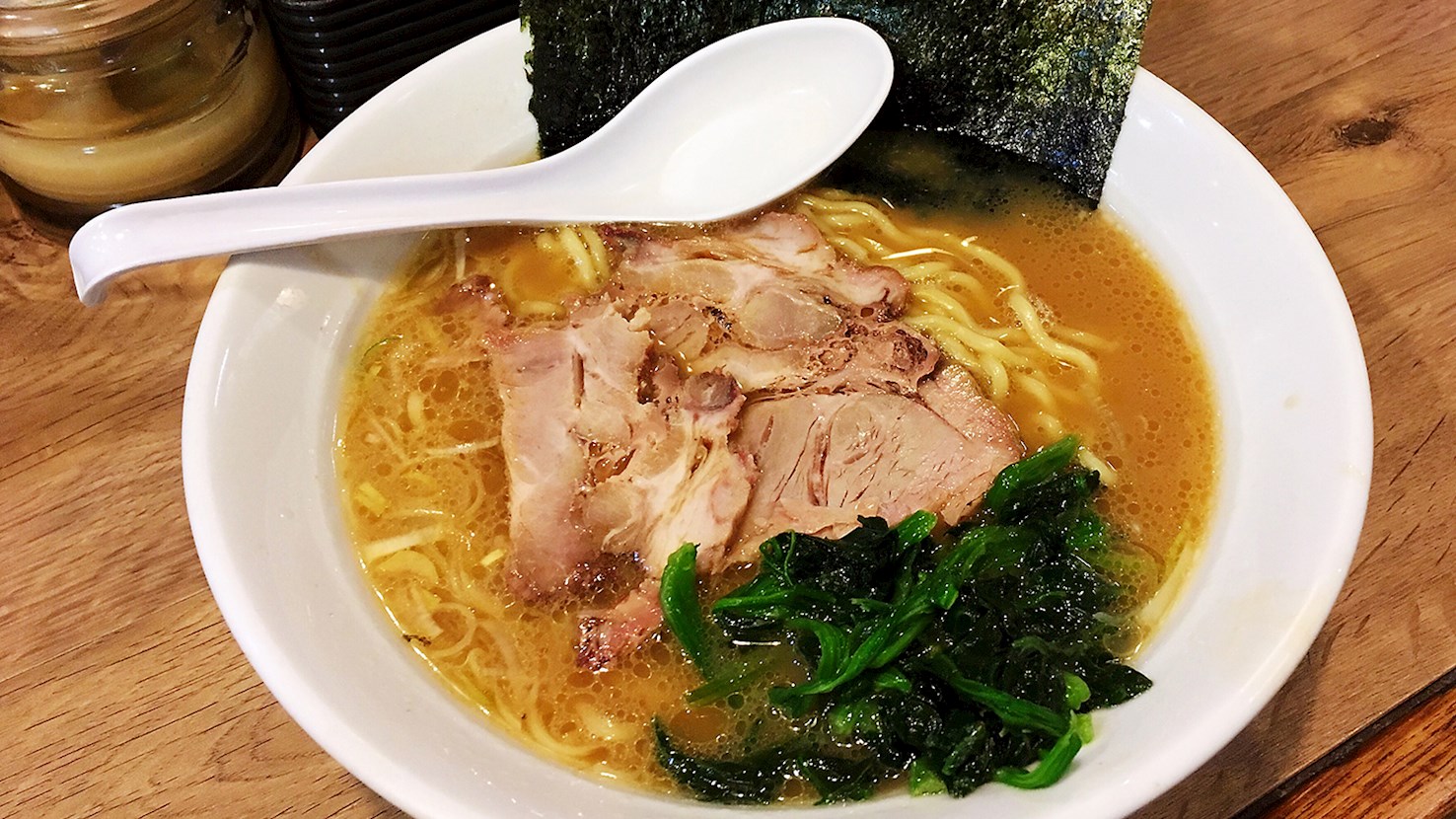
Yokohama-style ramen or iekei ramen is a Japanese type of ramen originating from the Yokohama area and dating back to 1974. The dish consists of thick noodles and a stock that's a mix of creamy tonkotsu (pork broth) and soy sauce. The toppings include chashu pork, chopped seaweed, leeks, and spinach. There are also optional toppings and condiments such as minced garlic, sesame, preserved vegetables, and black pepper. The name of the dish means home-style ramen, and it was created by a former truck driver called Mr. Yoshimura, who'd opened his own ramen shop in 1974.
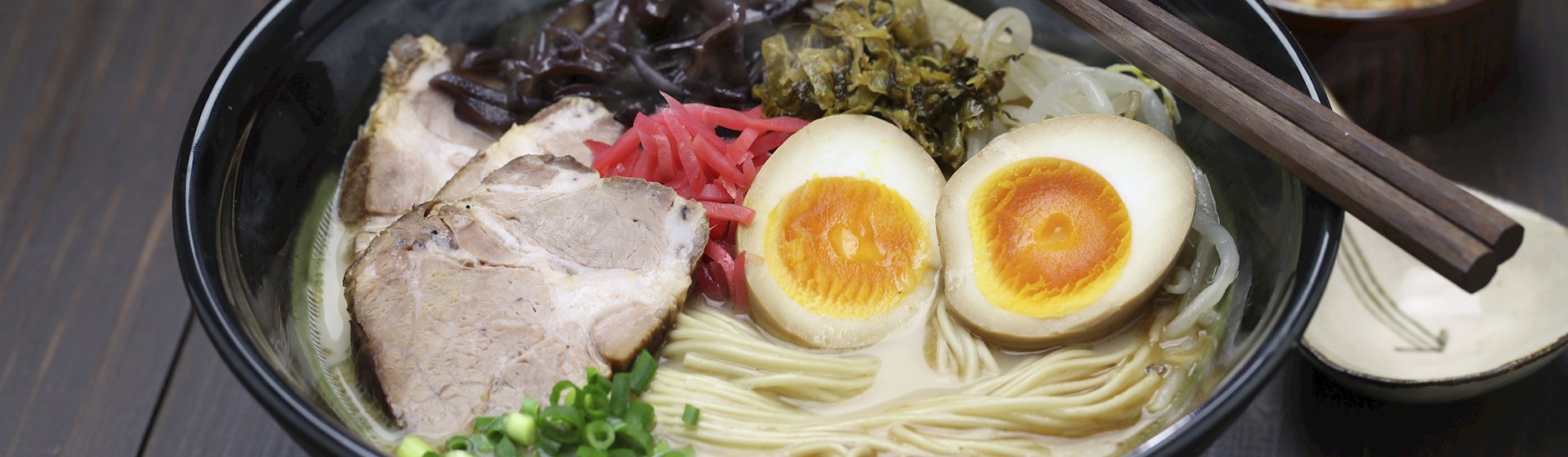
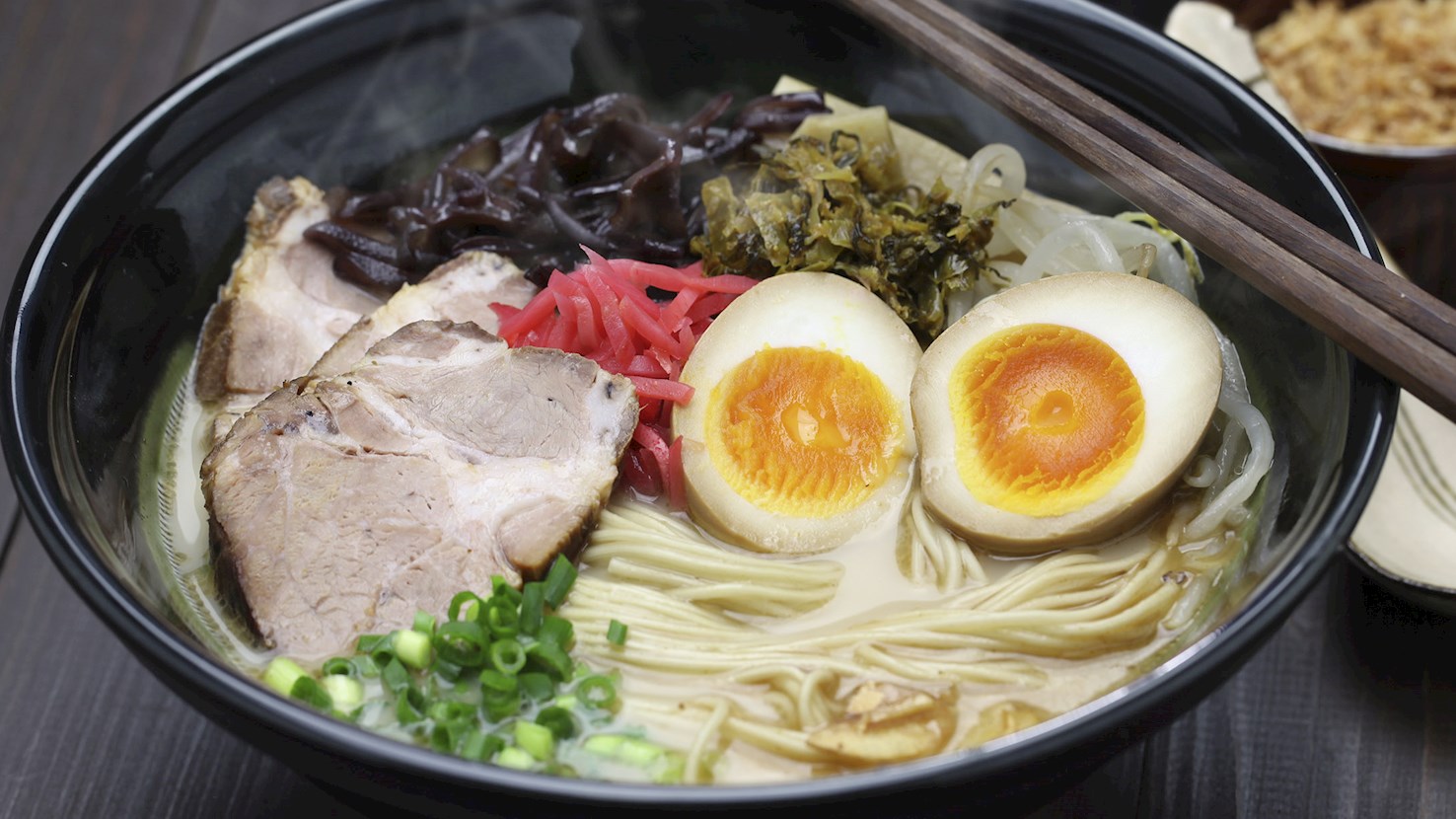
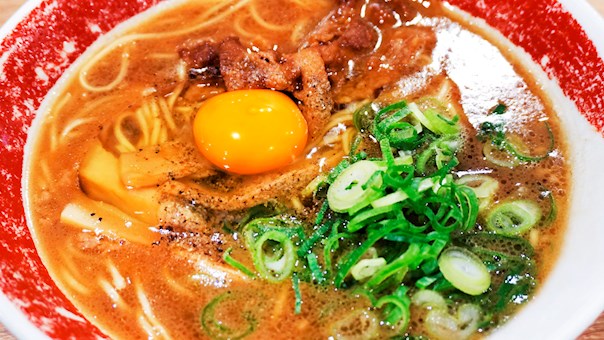
Tonkotsu is a unique style of ramen consisting of an extremely rich, fatty pork broth, fresh noodles, soft-yolk eggs, and tender pork belly that melts in the mouth. It is so popular and special that it could be a dish of its own, not just a ramen style. The ramen is usually topped with scallions for brightness and vibrancy, bamboo shoots for a crunchy, nutty flavor, nori seaweed for crispness, and sweet corn for an even better flavor. The rich broth is developed by cooking the pork bones for a very long time, until the collagen and fat dissolve, resulting in a unique, creamy texture of the dish. In recent years, it has been quite trendy to add some mayu (burnt sesame or garlic oil) to the dish, giving it an even richer, bolder flavor.
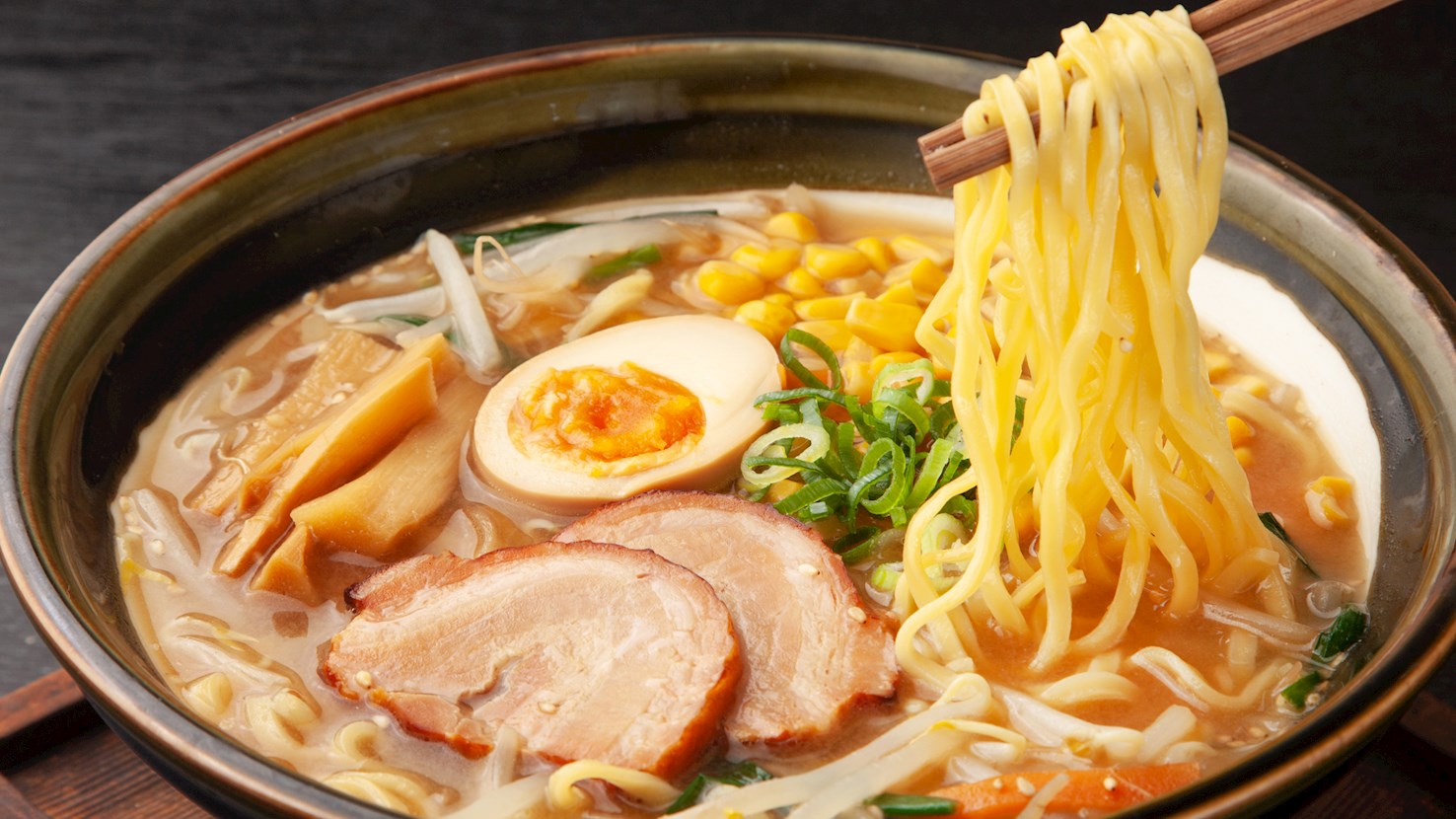
Miso ramen is a flavorful dish made by cooking the miso base, broth, and vegetables in a wok. The concoction is then topped with bean sprouts, chopped pork, garlic, sweet corn, and (sometimes) local seafood such as crabs, scallops, and squids. The dish was invented in 1955 in Sapporo, when a customer in Aji no Sanpei noodle house asked the chef to put noodles in his pork and miso soup. In the 1960s, miso ramen's popularity had skyrocketed, and Sapporo still remains a paradise for ramen lovers, taking pride in its Ramen Alley, with over a dozen ramen shops scattered through the street.
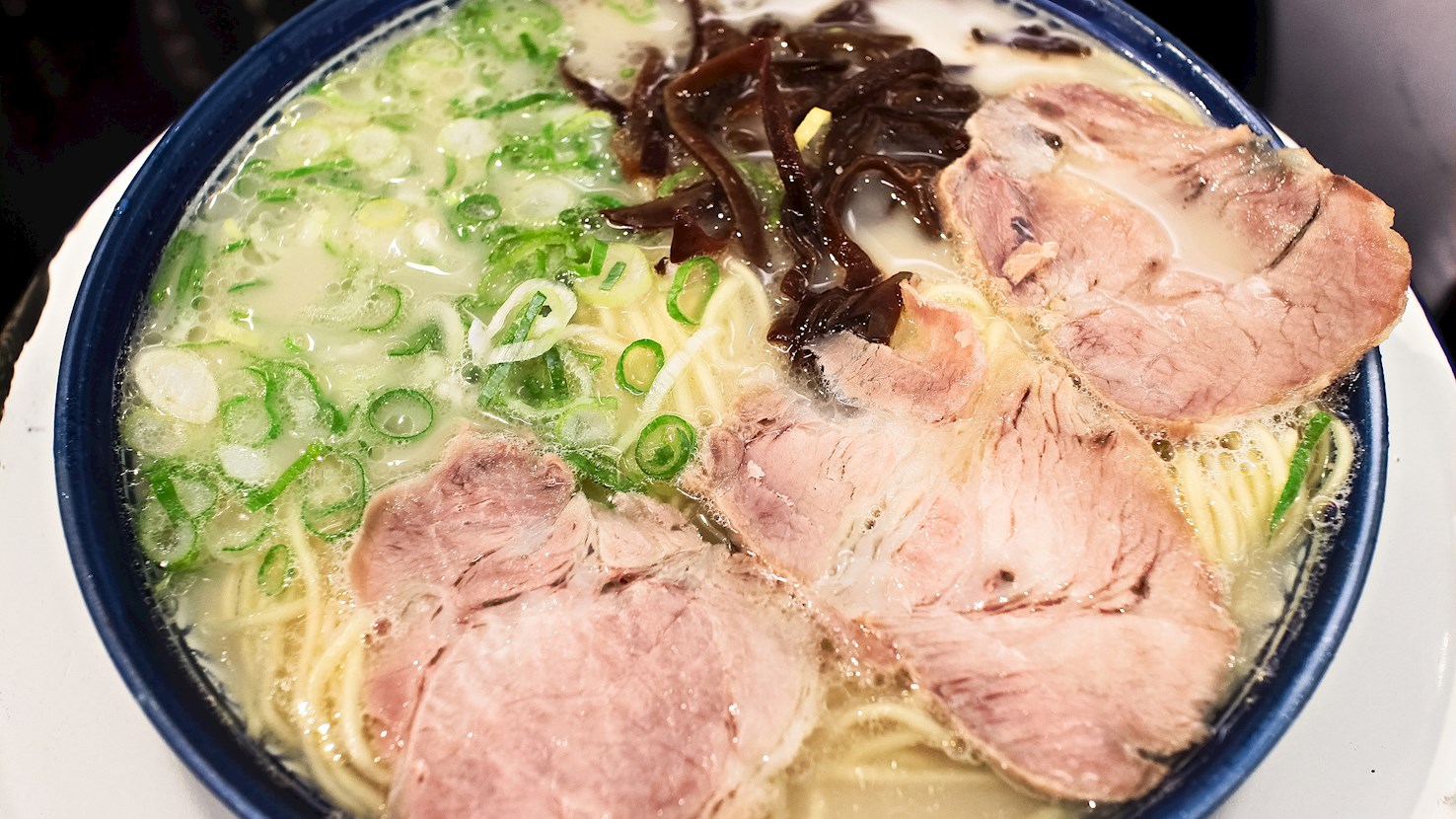
Hailing from Fukuoka, hakata is one of the most famous ramen variety in Japan. The base of the ramen is tonkotsu (which is why it is sometimes, especially in Fukoaka, refered to as tonkotsu ramen, although there are various other regional varieties of tonkotsu ramen), the creamy pork bone broth which gives the dish its incredibly rich and layered taste. It is often only seasoned with shio (salt), and occasionally with shoyu (soy sauce) and miso (fermented soybean) paste. Hakata ramen is typically served with ultra-thin, straight, and firm wheat noodles, though it’s possible to choose the firmness of the noodles according to individual preferences. Although thin slices of chashu pork and chopped green onions are the most common, other typical additions to the broth include spicy mustard greens, ramen eggs, wood ear mushrooms, beni shōga (pickled ginger root), garlic, bean sprouts, mayu, and crushed sesame seeds. This ramen variety derives its name from the former port city and merchant quarter of Hakata, which, in 1889, was merged with the castle town of Fukuoka into one city that came to be known as Fukuoka city.
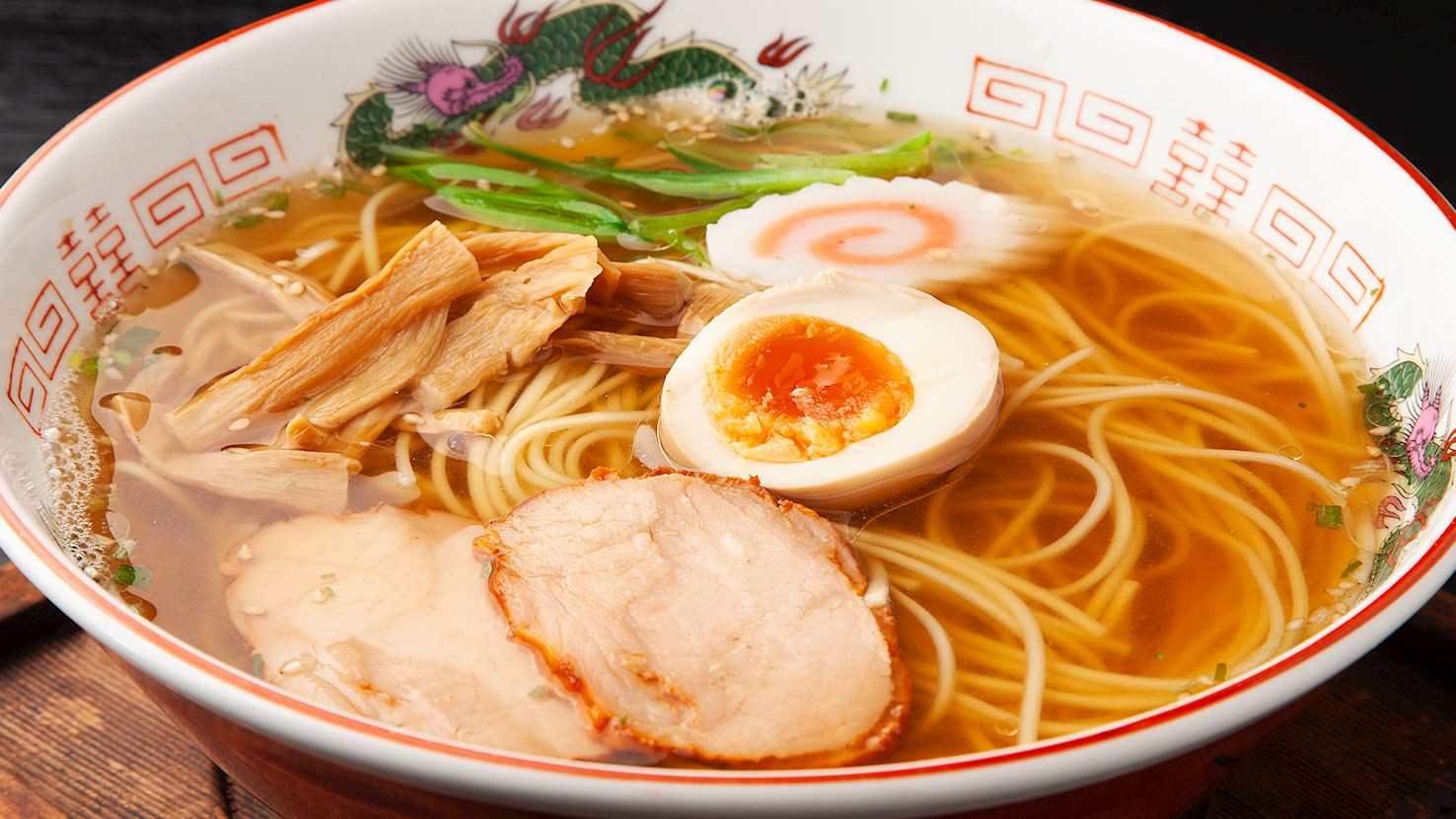
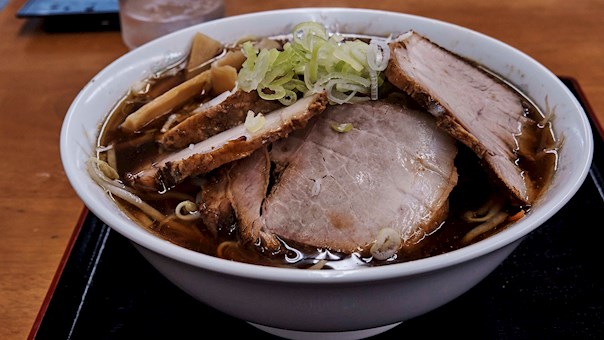
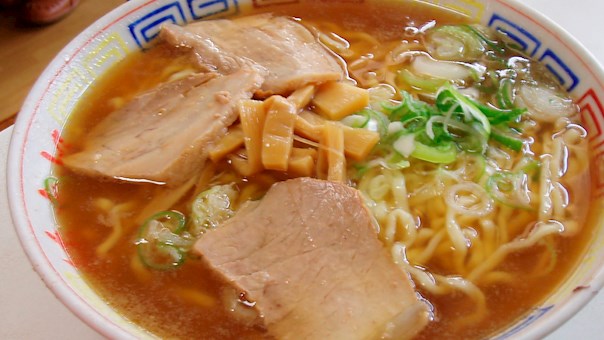
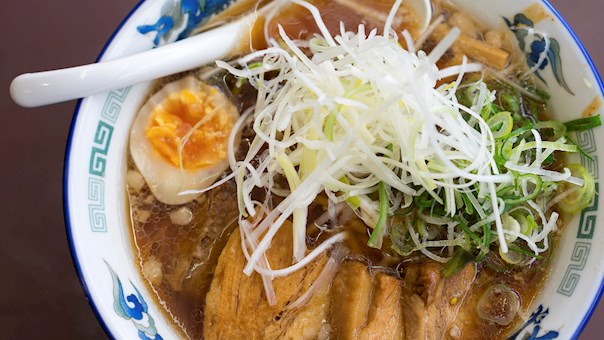
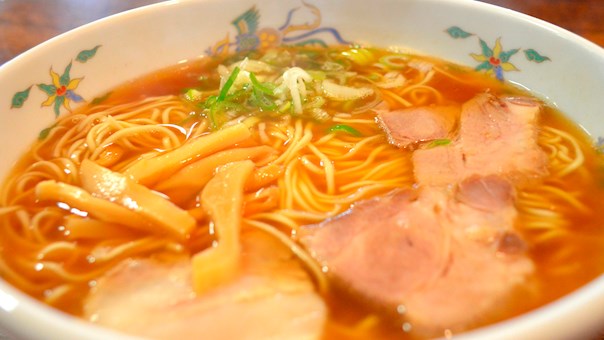
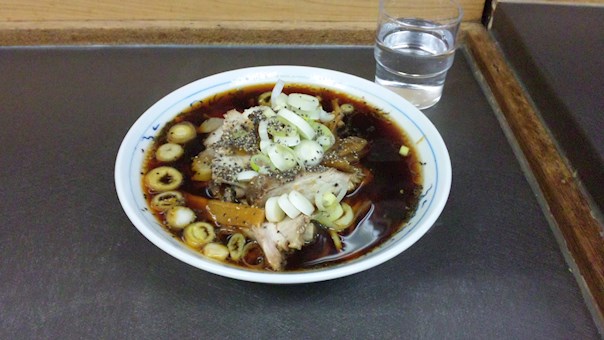
The soy sauce based shoyu ramen is one of the four major groups of ramen - noodle dishes praised for their exquisite flavors. Noodles, broth, and various toppings are the three essential elements in every bowl of ramen. The dark and salty soup is what distinguishes shoyu from other varieties. It usually employs meat or seafood broth, which is mixed with a fragrant combination of kombu stock and soy sauce. Fresh curly wheat noodles are typically used in shoyu ramen. Cooked separately, they are served in a bowl and doused in the rich broth. Standard condiments served on top of ramen are most commonly slices of braised pork, bamboo shoots, fish cakes, onions, and quartered boiled eggs. The beauty of ramen dishes is that they are easily adaptable, and many different toppings can be added according to personal preferences. It is still not clear whether ramen was invented in Japan or China, but due to the usage of wheat noodles and soy sauce, it has certainly been influenced by the Chinese culinary traditions. Shoyu ramen is usually associated with Tokyo, and it is believed that it was one of the first ramen varieties. The best way to consume shoyu ramen is immediately after it has been prepared.
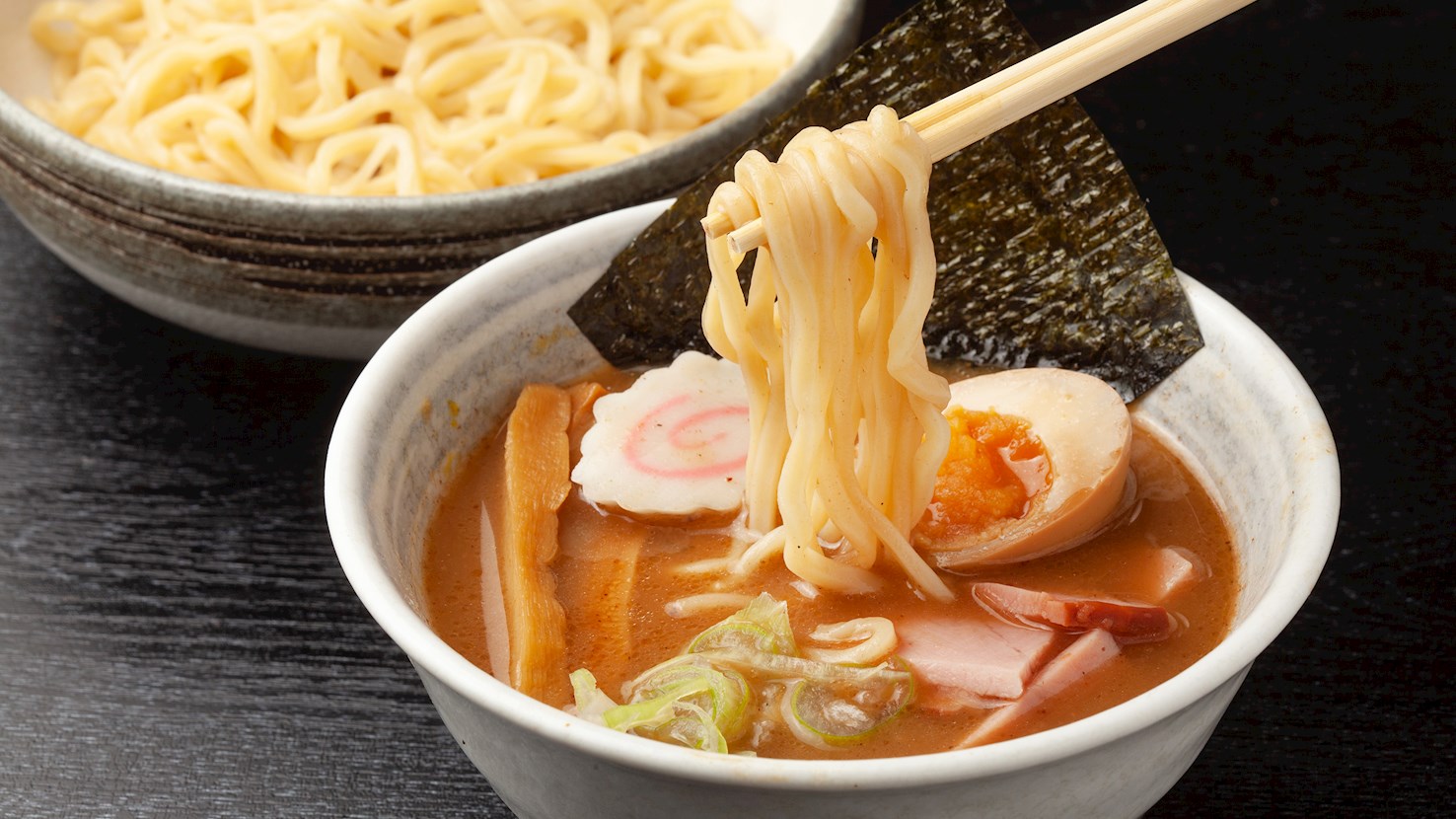
Tsukemen is a noodle dish from Japan that is eaten in a unique way. Cold noodles are dipped in the accompanying soup, broth, or sauce, which are served hot in a separate bowl. The noodles can also be dipped in vinegar or spiced up with chili sauce before consumption. Unlike ramen, where the boiled noodles are placed in the soup bowl, tsukemen is characterized by first washing the noodles with water, which stops them from expanding. It is said that tsukemen is ideal for summer because it provides the wonderful flavors of ramen without the extra heat. The dish was invented in 1955 by Yamagishi Kazuo, a chef at Taishoken Ramen Restaurant, who discovered it when he ate the noodles with the leftover broth and soy sauce. With a few tweaks, he placed the dish on the menu and called it Tokusei Morisoba, and ever since then, the dish gained popularity. Today, it is a standard menu item in most ramen restaurants with a wide variety of broth bases, such as tomato or miso.
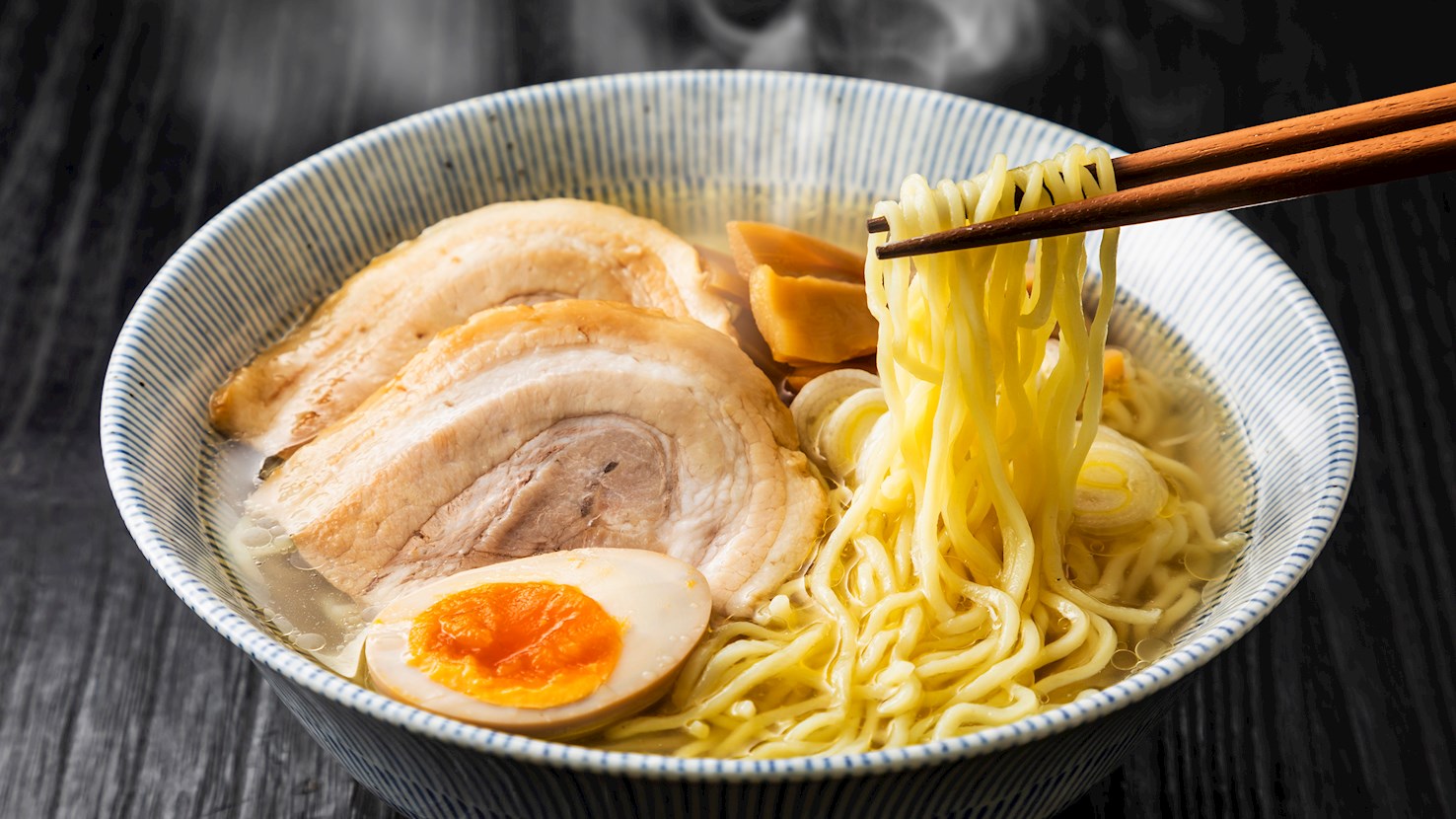
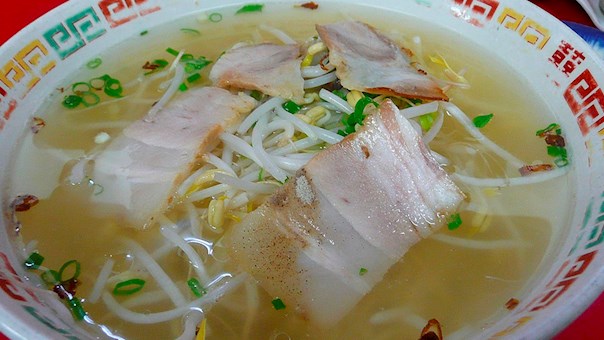
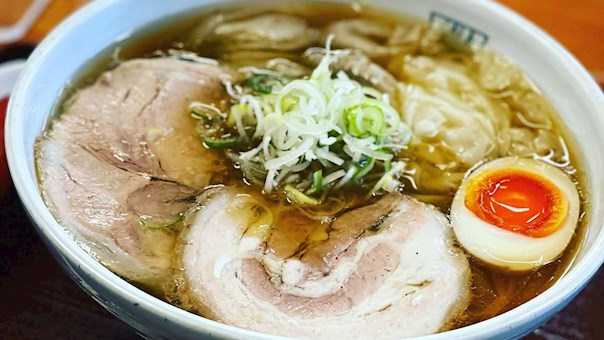
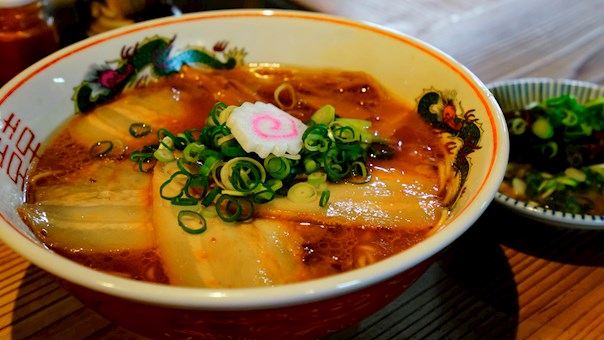
Shio ramen is a noodle soup defined not by its foundational broth, but by its exceptionally light, salt-based seasoning (tare). Originating in the northern coastal city of Hakodate, the most traditional and historically significant version of this dish features a brilliantly clear, golden chintan stock carefully simmered from chicken carcasses, kelp, and dried seafood. Because this pristine liquid remains free of emulsified fats and heavy soy or miso pastes, it demands high-quality, harmonious accompaniments—typically thin, straight wheat noodles, lean roasted pork (chashu), bamboo shoots (menma), and a signature cured fish cake (narutomaki). However, because the simple salt seasoning acts as a transparent culinary canvas, shio ramen has evolved far beyond its Hakodate roots, allowing chefs across the country to highlight distinct regional ingredients. In Tokyo, a modern, high-end evolution known as tanrei (refined) dominates the contemporary scene, utilizing pedigree local chickens, premium shellfish like clams, and complex blends of artisanal sea salts to create an ultra-elegant, crystal-clear soup. Further south in the coastal areas of Kyushu, artisans build their shio broths using ago dashi (roasted flying fish) or sardines, producing a sharp, mineral, and highly oceanic flavor profile. Even the beloved Okinawa soba—while technically utilizing a different alkaline dough—operates much like a classic regional shio, relying on a comforting, transparent blend of slow-cooked pork bones, bonito flakes, and local island sea salt.
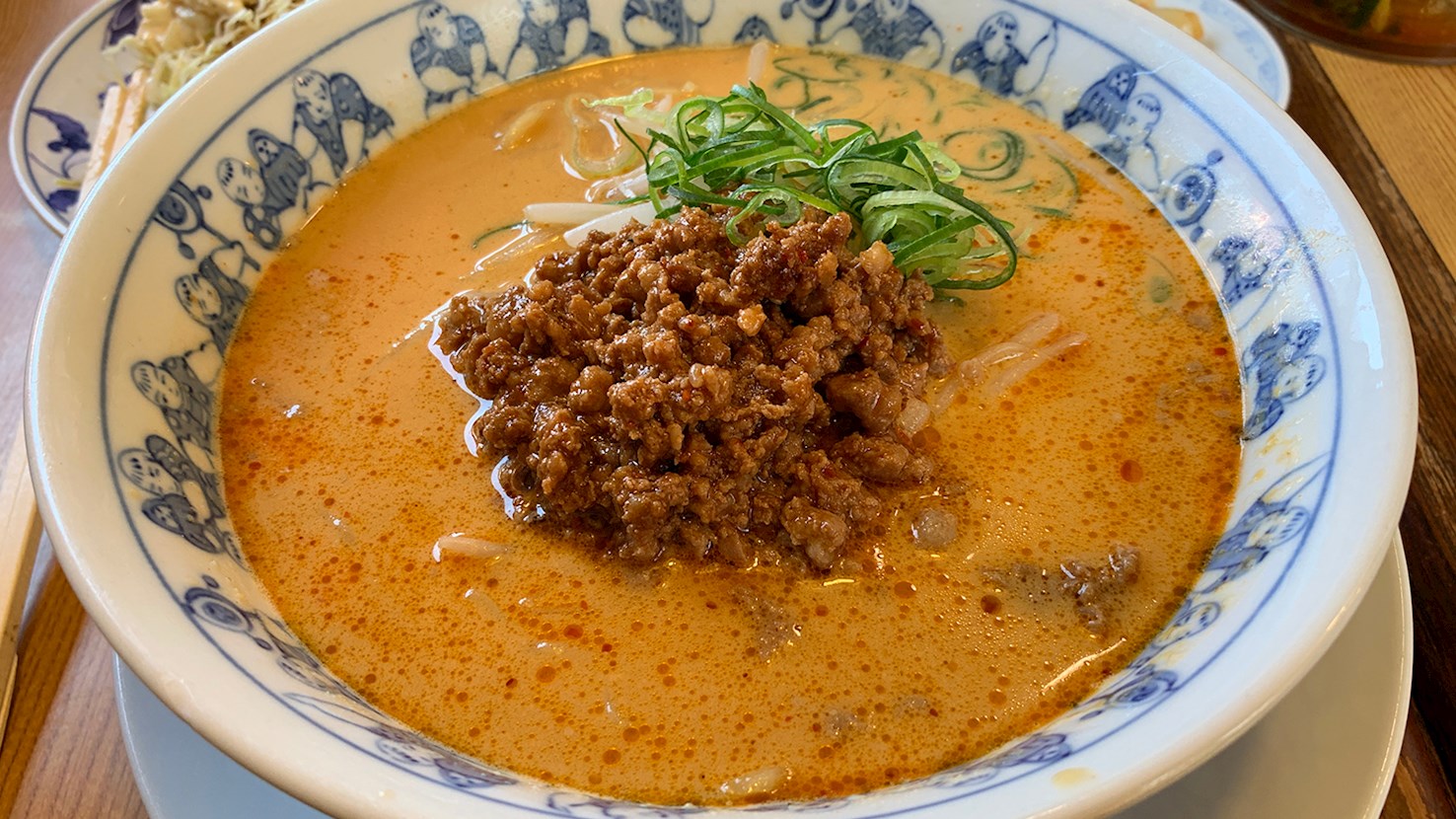
Tantanmen ramen is a Japanese take on a traditional Sichuan noodle dish known as dan dan noodles. The ramen is made with a combination of ramen noodles, broth, and ground pork. The spicy and creamy broth is flavored with chili oil (rayu), soy milk, and toasted sesame seed paste (chimajan). Typical ingredients in this ramen include garlic, scallions, ginger, black bean sauce, crushed peanuts or peanut butter, and spinach. In order to assemble the dish, cooked ramen noodles are placed into a bowl, then topped with the broth, ground pork, and selected ingredients. It's recommended to pair tantanmen ramen with Riesling or Gewürztraminer due to their hints of sweetness that will subdue the heat of the ramen.
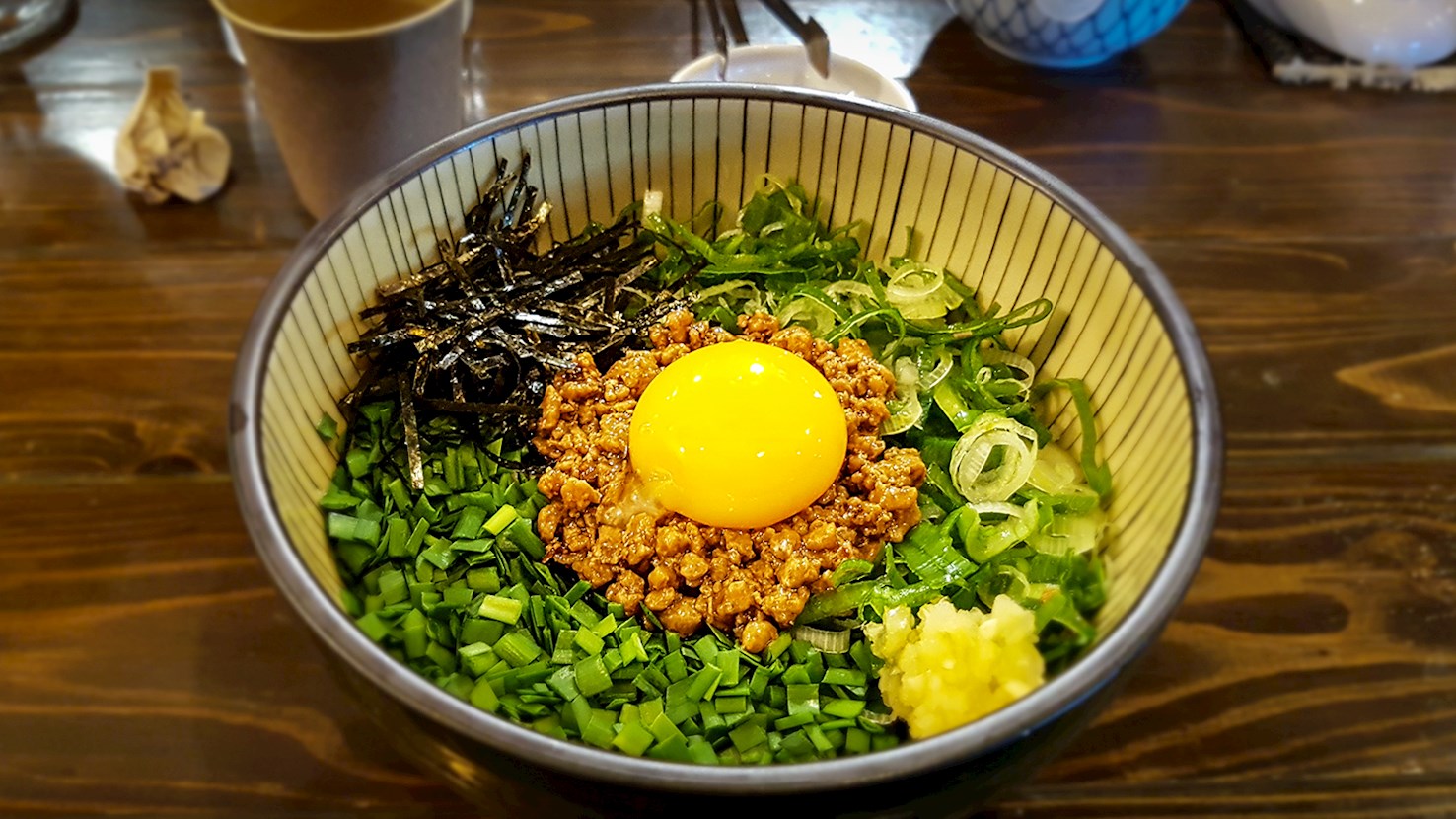
Abura soba is a type of ramen originating from the Kitatatama district of Tokyo in the 1950s. It's best described as dry ramen, with a special soy sauce and pork grease at the bottom of the serving bowl. The thick noodles are usually topped with chashu pork slices, menma bamboo shoots, shredded nori, green onions, minced garlic, and the standard condiments of chili oil and vinegar. There are also other, less common toppings such as boiled eggs, cheese, preserved vegetables, sesame, or black pepper. This versatile dish can be found in numerous ramen eateries across Tokyo.
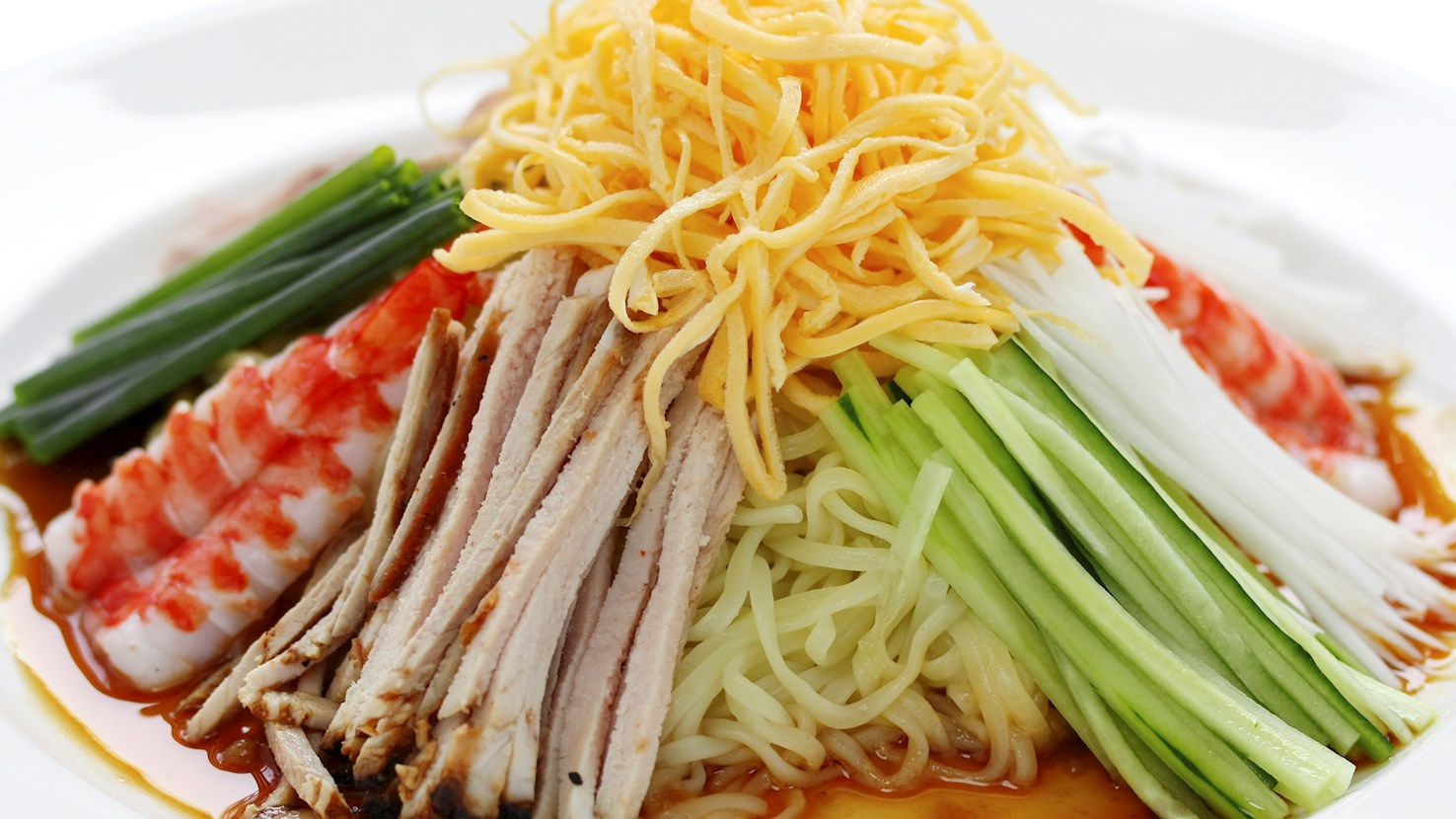
Hiyashi chūka is a chilled summer noodle meal consisting of cold ramen noodles topped with a colorful array of thinly sliced ingredients and dressed in a tart, chilled sauce. Despite the name containing a geographic reference to China, the item was entirely invented within Japan during the Showa period. Two distinct origin stories exist, both stemming from the need to combat the severe decline in hot soup noodle sales during the sweltering summer months. In 1933, the Yosuko Saihankan restaurant in Kanda, Tokyo, launched a menu item called Gomoku Hiyashi Soba, which arranged ten different toppings to visually resemble the slopes of Mount Fuji. A few years later, in 1937, the Sendai-based restaurant Ryutei created a similar cold item called Ryang-ban-men, utilizing cabbage, carrots, and a soy-vinegar dressing to provide nutritional balance in the extreme heat. Following World War II, the item gained massive nationwide popularity, eventually becoming synonymous with the arrival of summer. Establishments famously hang specific paper banners reading "Hiyashi chūka hajimemashita," signaling to the public that the hot weather has arrived and the cold noodles are finally available for purchase. Constructing the meal begins by boiling fresh wheat ramen noodles. Immediately after boiling, the hot strands are plunged directly into an ice-water bath or rinsed vigorously under cold running water. The chilling removes the sticky surface starch and tightens the wheat structure, resulting in a highly firm, chewy texture. The cold noodles are completely drained and placed in the center of a wide, shallow dish, frequently made of clear glass to emphasize the cooling aesthetic. The toppings are cut into thin, matchstick-like strips to blend seamlessly with the noodles' shape when lifted with chopsticks. Standard additions include thin strips of golden egg crepes known as kinshi tamago, pink boiled ham, roasted char siu pork, imitation crab sticks, crisp green cucumbers, blanched bean sprouts, and red tomatoes. The ingredients radiate outward from the central mound of noodles, creating a bright, high-contrast color palette. The entire assembly is generously drenched in a chilled dressing just before serving. The most widespread dressing combines soy sauce, water, rice vinegar, sugar, and sesame oil, yielding a sharp, sweet-and-sour profile. Another highly favored sauce variation relies heavily on rich, creamy sesame paste, creating a denser, nuttier flavor. A dollop of spicy yellow mustard is almost always placed on the rim of the plate, to be mixed into the liquid according to individual heat preferences. Across the Kansai region, the dish is simply referred to as reimen, which translates directly to "cold noodles," while the northern island of Hokkaido categorizes it as hiyashi ramen. In the Tokai region, particularly around Nagoya, a massive squirt of mayonnaise is mandatory, heavily squeezed directly over the arranged ingredients to add extra fat and tang. In Yamagata Prefecture, ice cubes are sometimes placed directly on the noodles to keep the temperature near freezing throughout the meal. Consuming the bowl of hiyashi chūka requires using chopsticks to vigorously mix the neat arrangement, ensuring the cold sauce thoroughly coats every strand and slice of vegetable before eating. The transition from a restaurant exclusive to a home staple occurred in 1960, when the Daikyu noodle company in Sendai began selling the first instant chilled noodle packs, which included a pre-mixed liquid soup sachet, thereby cementing cold noodles as a ubiquitous summer staple across the country.
TasteAtlas food rankings are based on the ratings of the TasteAtlas audience, with a series of mechanisms that recognize real users and that ignore bot,
nationalist or local patriotic ratings, and give additional value to the ratings of users that the system recognizes as knowledgeable.
For the “39 Ramen Varieties Ranked From the Best To the Worst” list until July 17, 2026, 785,456 ratings were recorded, of which 511,199 were recognized by the system as legitimate.
TasteAtlas Rankings should not be seen as the final global conclusion about food. Their purpose is to promote excellent local foods,
instill pride in traditional dishes, and arouse curiosity about dishes you haven’t tried.