shutterstock

Top 8 Sardinian Raw Milk Cheeses

Last updated on June 05, 2026

Best Sardinian Raw Milk Cheeses
01

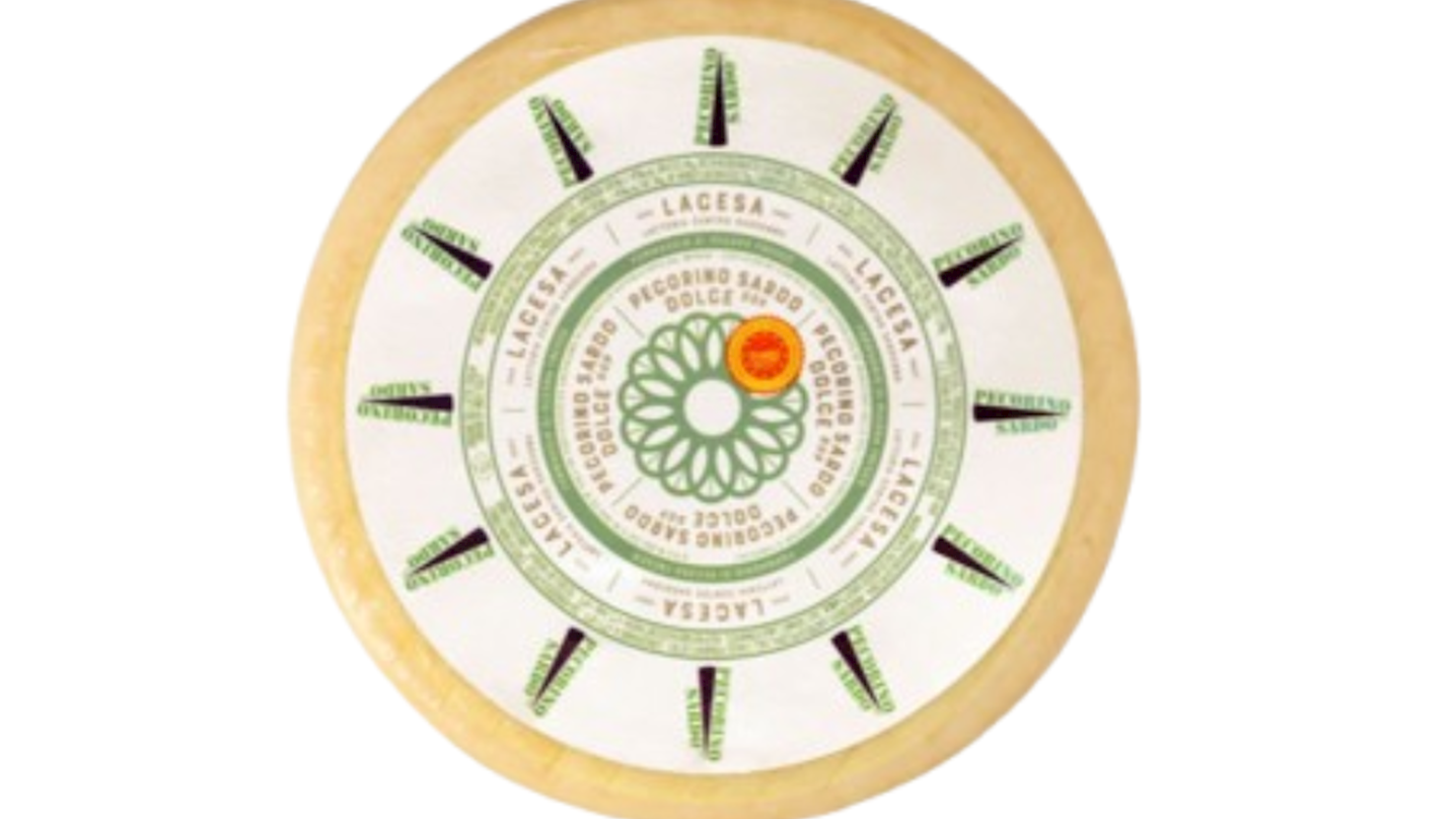
Caseificio Lacesa

4.8 ·
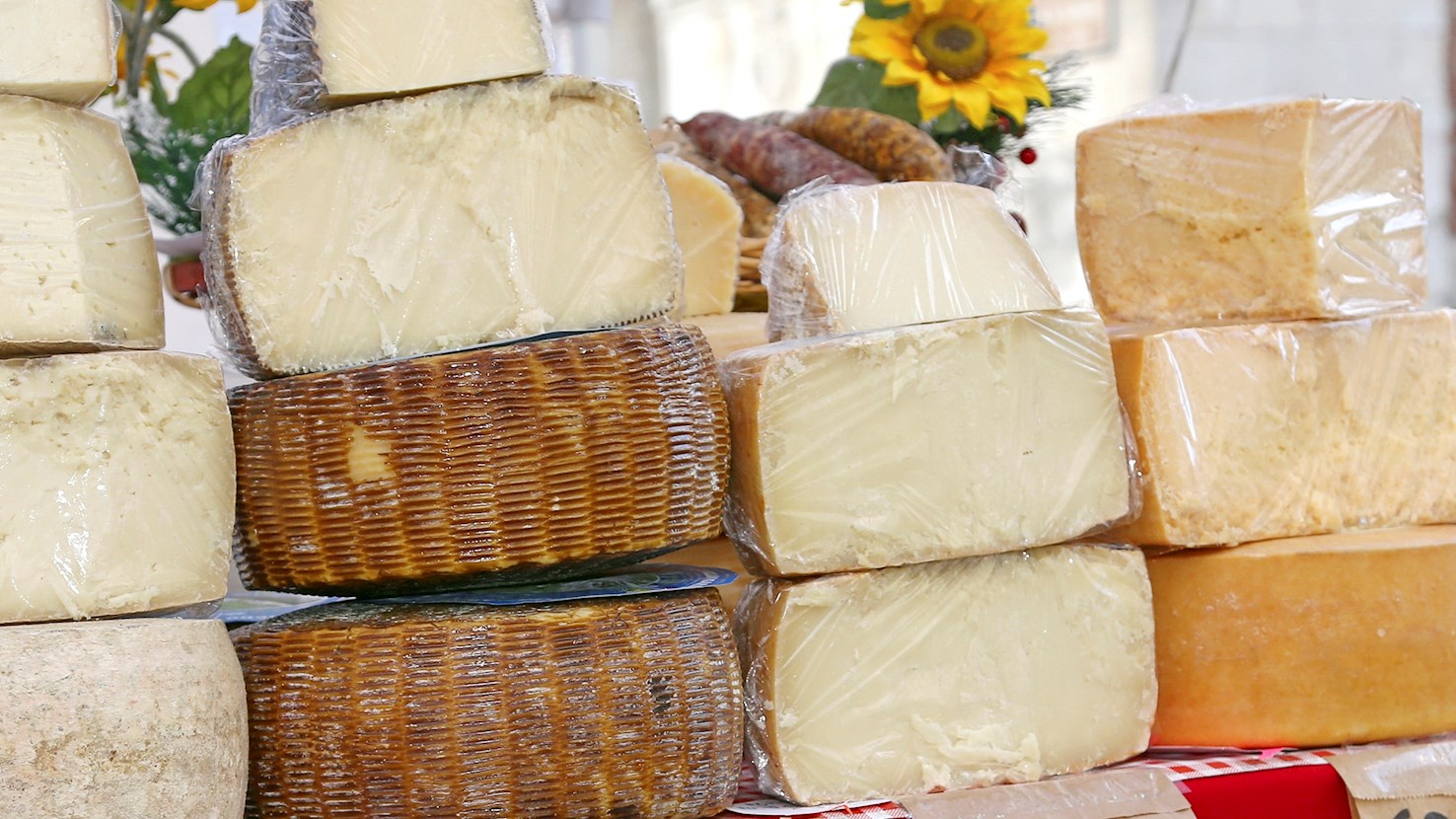
Caseificio Lacesa is a renowned dairy cooperative founded in Bortigali, in the heart of Sardinia. It was established through the union of local livestock farmers with the aim of preserving and promoting the traditional Sardinian art of cheesemaking. Over the years, Lacesa has become one of the island’s leading cheese producers, known for the high quality of its products and its commitment to safeguarding local gastronomic heritage. Lacesa uses milk from sheep, cows, and goats that graze naturally on the region’s aromatic pastures. This practice contributes to the unique flavor and quality of their cheeses. The cooperative specializes in the production of traditional Sardinian cheeses such as Fiore Sardo DOP, Pecorino Romano DOP, Pecorino Sardo, as well as a variety of mixed-milk and cow’s milk cheeses. Combining traditional production methods with modern technology, Lacesa ensures high standards of quality and safety. Their products are recognized and appreciated both nationally and internationally, contributing to the promotion of Sardinia’s rich cheesemaking tradition.

Best Sardinian Raw Milk Cheese Types
01

Pecorino Sardo

4.5 ·

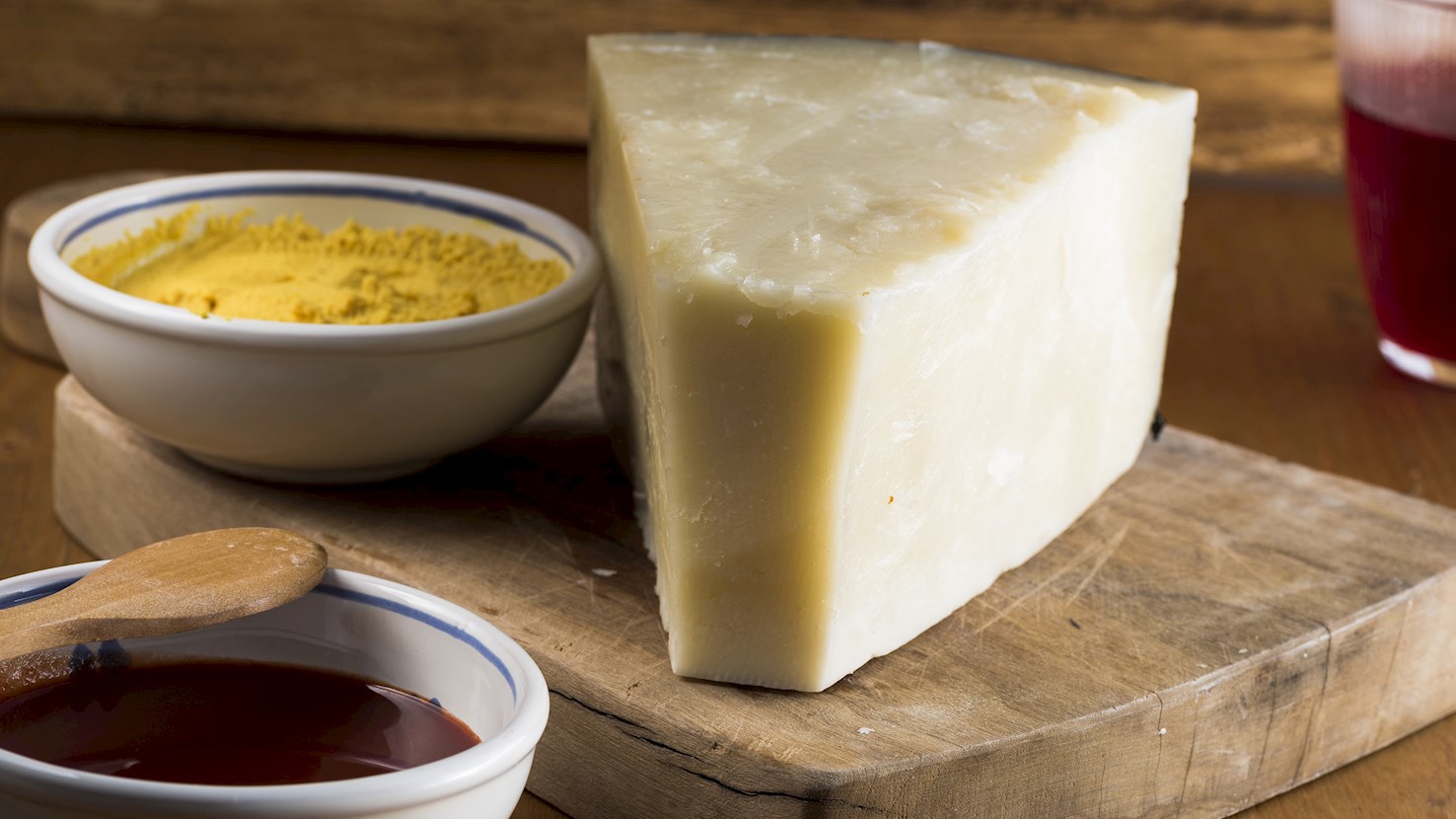
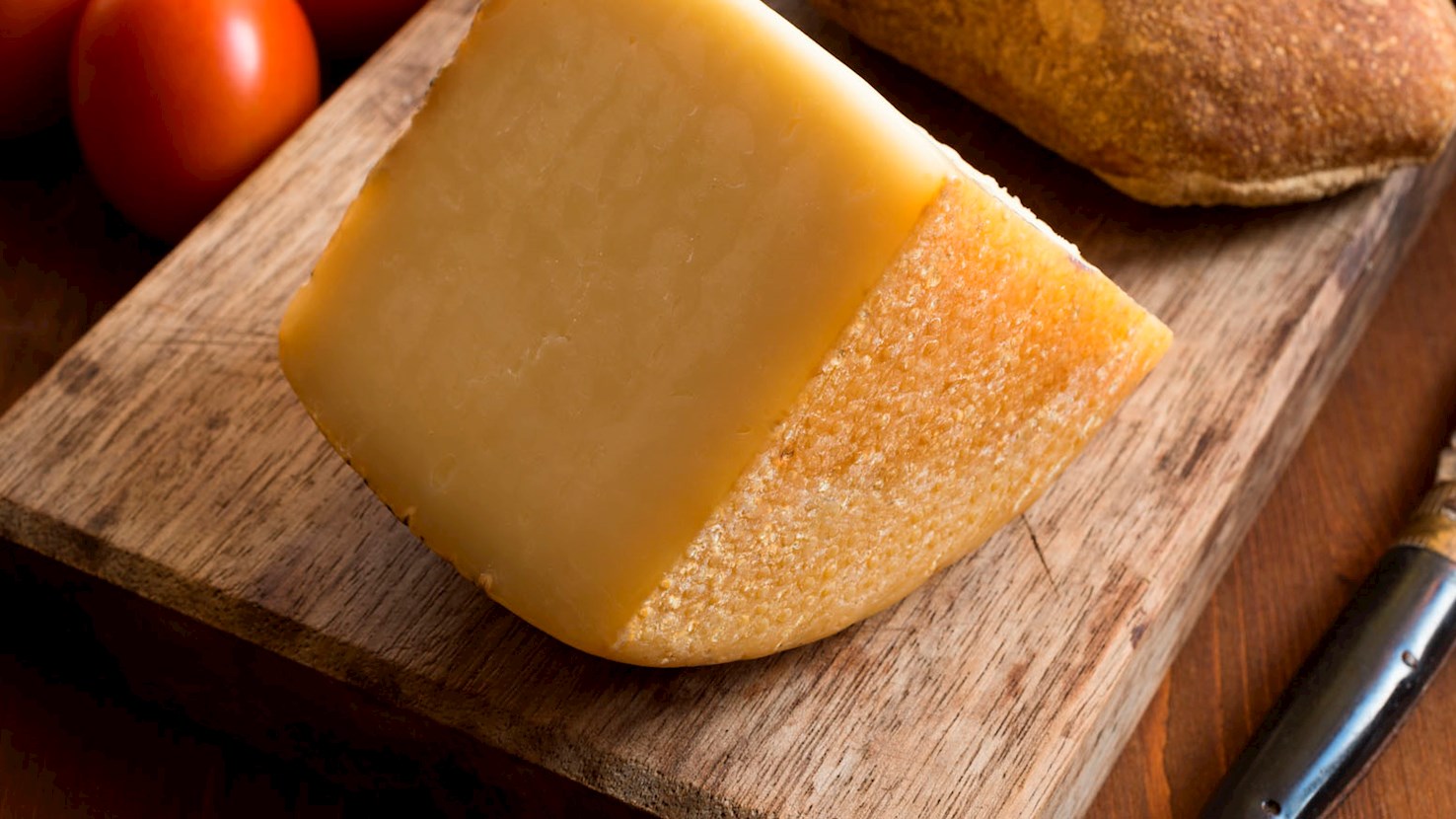
Produced exclusively on the island of Sardinia, Pecorino Sardo is a semi-cooked, hard cheese made with whole milk from the pasture-grazing Sarda sheep. This breed is indigenous to Sardinia, raised throughout Italy and considered to be among the best domestic breeds for milk production. Highly adaptable to different terrains, Sarda sheep feed on fragrant Mediterranean shrubs, which gives Pecorino its distinctive aromatic flavor. It is available in two varieties: Pecorino Sardo Dolce (mild), a sweet and more delicate version, and Pecorino Sardo Maturo (mature), a much stronger flavored cheese that's matured for at least 2 months and pleasantly piquant. While Dolce is consumed as table cheese, often paired with fresh vegetables or grapes and pears, Maturo is typically grated over pasta dishes or enjoyed at the end of a meal and pairs wonderfully with bread, olive oil, and pine nuts.

02

Pecorino Romano

4.4 ·

This hard cooked cheese is made with whole milk from pasture-grazed sheep, and has a particularly salty and slightly piquant flavor. Aged for at least 5 months, Pecorino Romano makes an excellent table cheese, particularly when combined with fresh vegetables and fruit, but after eight months of aging, it is mainly used for grating over classic Roman dishes such as Bucatini all’Amatriciana, Rigatoni alla Carbonara, Spaghetti Cacio e Pepe, and Tripe alla Romana. The origins of Pecorino Romano can be traced back to the Roman Empire, when cheese processing methods were first described by some of ancient Rome's most important writers on agriculture: Varrone, Columella, Virgilio and Pliny the Elder. In 227 BCE, the production of this renowned cheese spread to the neighboring island of Sardinia, where even today almost 90% of Pecorino Romano is produced, while the remaining 10% comes from Lazio and the Tuscan province of Grosseto.

03

Fiore Sardo

4 ·

Produced only on the Italian island of Sardinia, where the traditions of sheep farming and cheesemaking can be traced back to 1000 BCE, Fiore Sardo is a hard cheese made from whole sheep’s milk from local breeds. After six months of aging, Fiore Sardo develops its distinctive pungent aroma and a rich, piquant flavor with pronounced notes of caramel sweetness. The younger Fiore Sardo is most often consumed as a table cheese and pairs well with fruity wines, while matured versions are typically used for grating over a number of traditional dishes such as culurgiones, a type of Sardinian ravioli.

04

Casu Marzu

2.4 ·

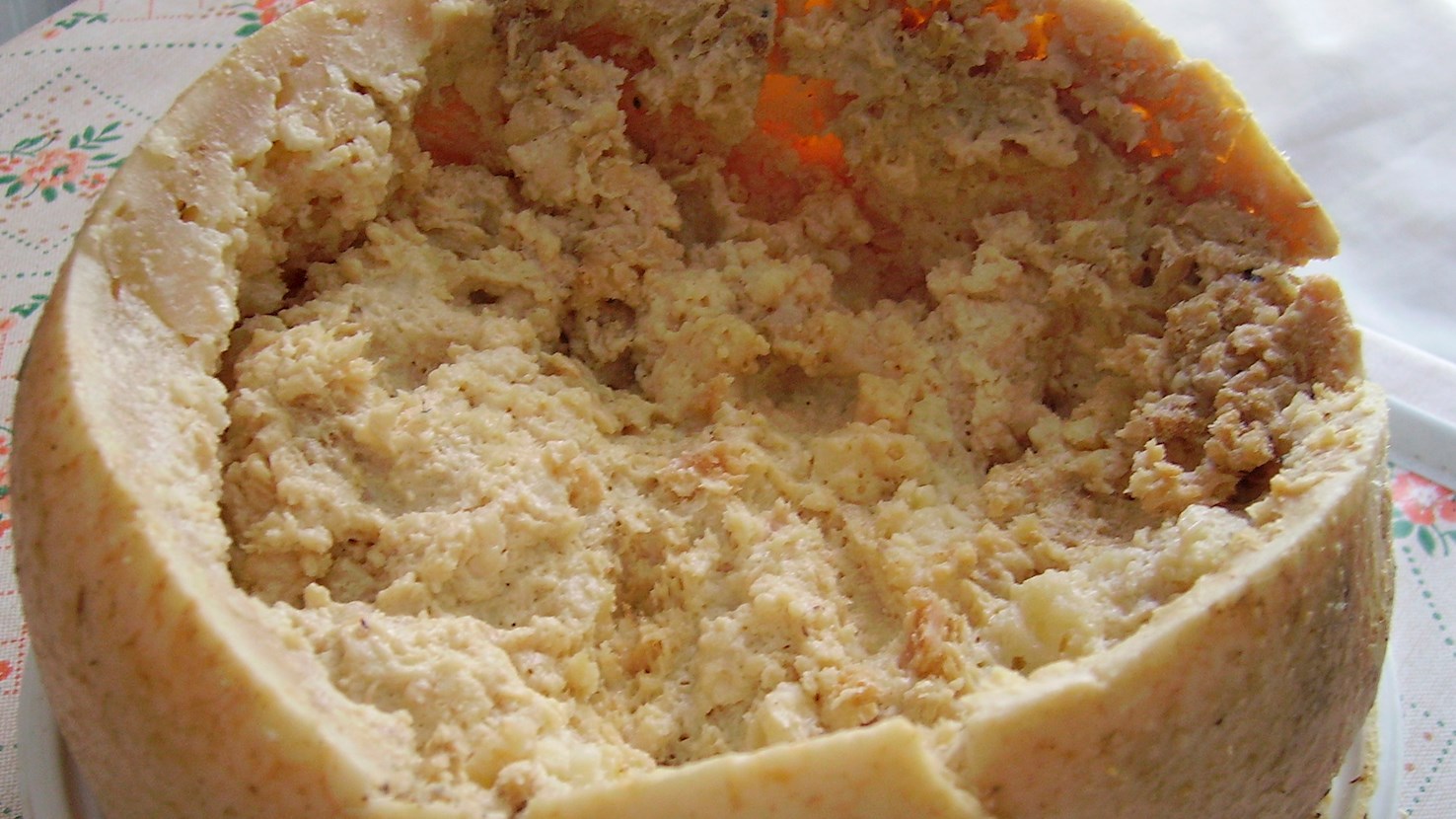
IT IS ILLEGAL TO SELL AND CONSUME THIS CHEESE DUE TO HEALTH RISKS. Casu marzu is a controversial Italian sheep’s milk cheese originating from Sardinia. The cheese is derived from the Pecorino family of cheeses and has a soft-ripened texture with a natural rind. In English, casu marzu means rotten cheese, referring to live insect larvae (maggots) which can be found in it. After the fermentation process, larvae are introduced to the cheese, promoting decomposition and breaking down the cheese’s fats. As a result, the texture of this notorious cheese becomes very soft. Casu marzu is typically cut into thin strips and spread on pane carasau, and it is recommended to pair it with a glass of strong red wine, but only if you find the cheese on the black market as it is illegal in the EU. Just make sure to cover your eyes while eating casu marzu, because the maggots can leap up to 6 inches off the cheese.

05

Su Casu in Filixi

n/a ·

Su Casu in Filixi is the only Sardinian goat's milk cheese aged in layers of fresh eagle fern fronds, which impart a distinct herbaceous profile and leave a permanent botanical imprint on the rind. This specific dairy product originates from the Barbagia di Seulo area of central Sardinia, specifically centered around the municipalities of Seulo and Esterzili, though production also extends to neighboring towns like Seui and Villagrande Strisaili. The development of this cheese was driven by the necessity for shepherds to preserve fresh goat cheese during the high temperatures of the Mediterranean summer months. By wrapping the cheese in fern leaves, producers regulated the humidity of the wheels and protected the surface from external contaminants while utilizing the natural antimicrobial properties of the vegetation. Preparation begins with the coagulation of raw goat's milk using calf or kid rennet at a temperature maintained between 35 and 38 degrees Celsius. Once the curd reaches the required consistency, it is broken into small granules and placed into molds to allow the whey to drain. After a brief period of firming, the fresh wheels are removed from the molds and dry-salted. The specific phase of production involves layering the cheese with fresh fronds of the Pteridium aquilinum fern, commonly known as eagle fern. The cheese is placed in ventilated wooden containers or baskets, with layers of ferns alternating between each wheel. This aging process typically lasts from fifteen to thirty days, during which the leaves transfer specific aromatic compounds to the rind and paste. The fern leaves prevent the formation of unwanted molds while allowing the internal paste to remain moist and supple. A specific physical attribute of Su Casu in Filixi is the impression of the fern leaflets left upon the soft rind, which often takes on a pale green or yellowish hue due to contact with the plant matter. The flavor profile is characterized by the clean taste of goat's milk complemented by herbaceous and earthy notes derived from the fern tannins. Serving involves removing the fern leaves and slicing the cheese into thick wedges. It is eaten primarily in the inland mountainous areas of Sardinia as a standalone appetizer or as part of a regional cheese selection. It is frequently consumed with pistoccu or carasau flatbreads. Food pairings include fresh broad beans, seasonal pears, or wildflower honey which balances the herbaceous acidity of the goat's milk. Beverage pairings typically involve light white wines from the region such as Vermentino di Sardegna or Nuragus di Cagliari, which complement the earthy tones of the cheese without overwhelming its delicate structure.

06

Casizolu

n/a ·

Casizolu is a traditional Sardinian cheese made from raw cow’s milk, typically sourced from local breeds such as the Sardo-Modicana and Sardo-Bruna. The cheese is shaped by hand using the pasta filata technique, where the curd is kneaded and stretched in water, resulting in its characteristic pear-like form. Typical of the regions of Montiferru, Planargia, and Marghine in central-northern Sardinia, casizolu has a buttery texture and a mild, slightly tangy flavor when young, which evolves into a firmer, more aromatic, and piquant profile with aging. Traditionally made by women in rural households, casizolu is now protected by the Slow Food Presidia, which supports artisanal and culturally significant food products. It is most commonly served sliced as a table cheese, paired with rustic bread, olives, and local Sardinian wines, or grated when aged.

07

Caggiu de crabittu

n/a ·

Caggiu de crabittu is a traditional Sardinian goat cheese made from the abomasum of a young goat (kid) and goat milk. The kid must be fed exclusively on its mother’s milk from birth until slaughter. Before slaughter, the kid continues to suckle to ensure the abomasum is full. After slaughter, the stomach is emptied and the milk is filtered and reinserted into the stomach to activate lactic ferments, transforming it into a creamy paste. The filled stomach is tied with string, dried, and smoked for about 20 days. The resulting rennet can weigh between 250 and 700 grams (10 oz to 1.5 lbs). This product has been made for centuries in Sardinia, following traditional methods, and is recognized as a Traditional Agri-Food Product (PAT) in Italy.

08

Axridda

n/a ·

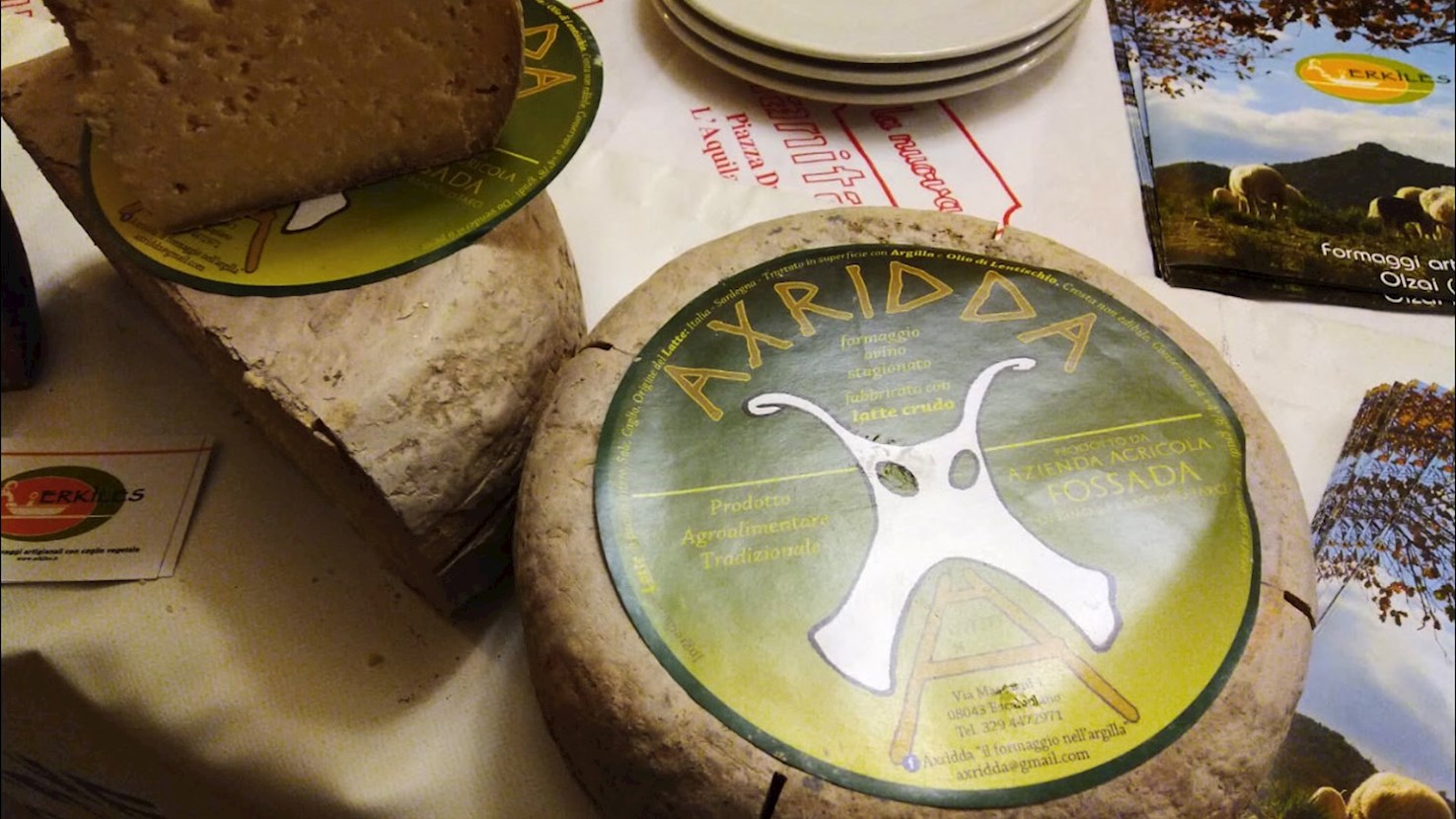
Axridda, also called su casu cun s’axridda is a Sardinian cheese made either with raw sheep milk or a combination of sheep and goat milk, and either calf, lamb, or goat kid rennet. Nowadays it is mainly produced in the area around Gerrei, in the province of Cagliari. This cheese is special because it is covered with clay on the 60th day of maturation. The clay serves as a natural insulator, protecting the cheese from high temperatures and insects, at the same time keeping it moist and reducing otherwise necessary interventions such as washing the rind with oil or turning it repeatedly on the aging shelves. The cheese has a buttery texture, which is somewhat unusual for an aged, hard cheese, while the flavor is complex, slightly sweet, with hints of herbs and dried fruits. The size of the wheel varies from 3 to 4,5 kg.

Read more
View all
View map
About this ranking

TasteAtlas food rankings are based on the ratings of the TasteAtlas audience, with a series of mechanisms that recognize real users and that ignore bot, nationalist or local patriotic ratings, and give additional value to the ratings of users that the system recognizes as knowledgeable. For the “Top 8 Sardinian Raw Milk Cheeses” list until June 05, 2026, 1,090 ratings were recorded, of which 816 were recognized by the system as legitimate. TasteAtlas Rankings should not be seen as the final global conclusion about food. Their purpose is to promote excellent local foods, instill pride in traditional dishes, and arouse curiosity about dishes you haven’t tried.

The initial list of top producers was compiled based on available reviews, awards, local recommendations, media and blog coverage, and consumer reviews. The list will be updated with ratings from TasteAtlas local ambassadors and TasteAtlas users.

Similar lists