

shutterstock

Top 8 Sicilian Raw Milk Cheeses

Last updated on June 15, 2026
01

Pecorino Siciliano

4.4 ·

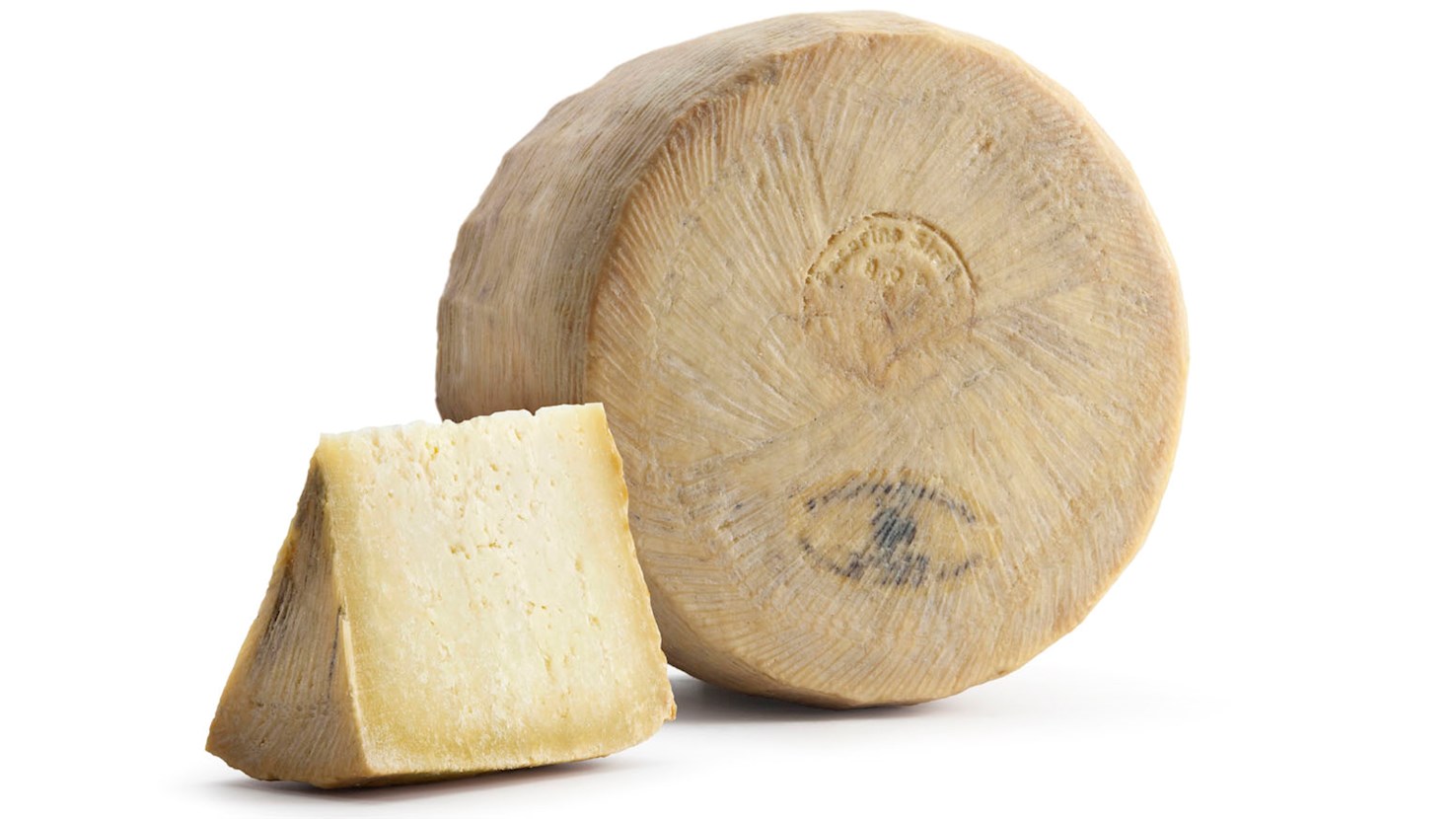
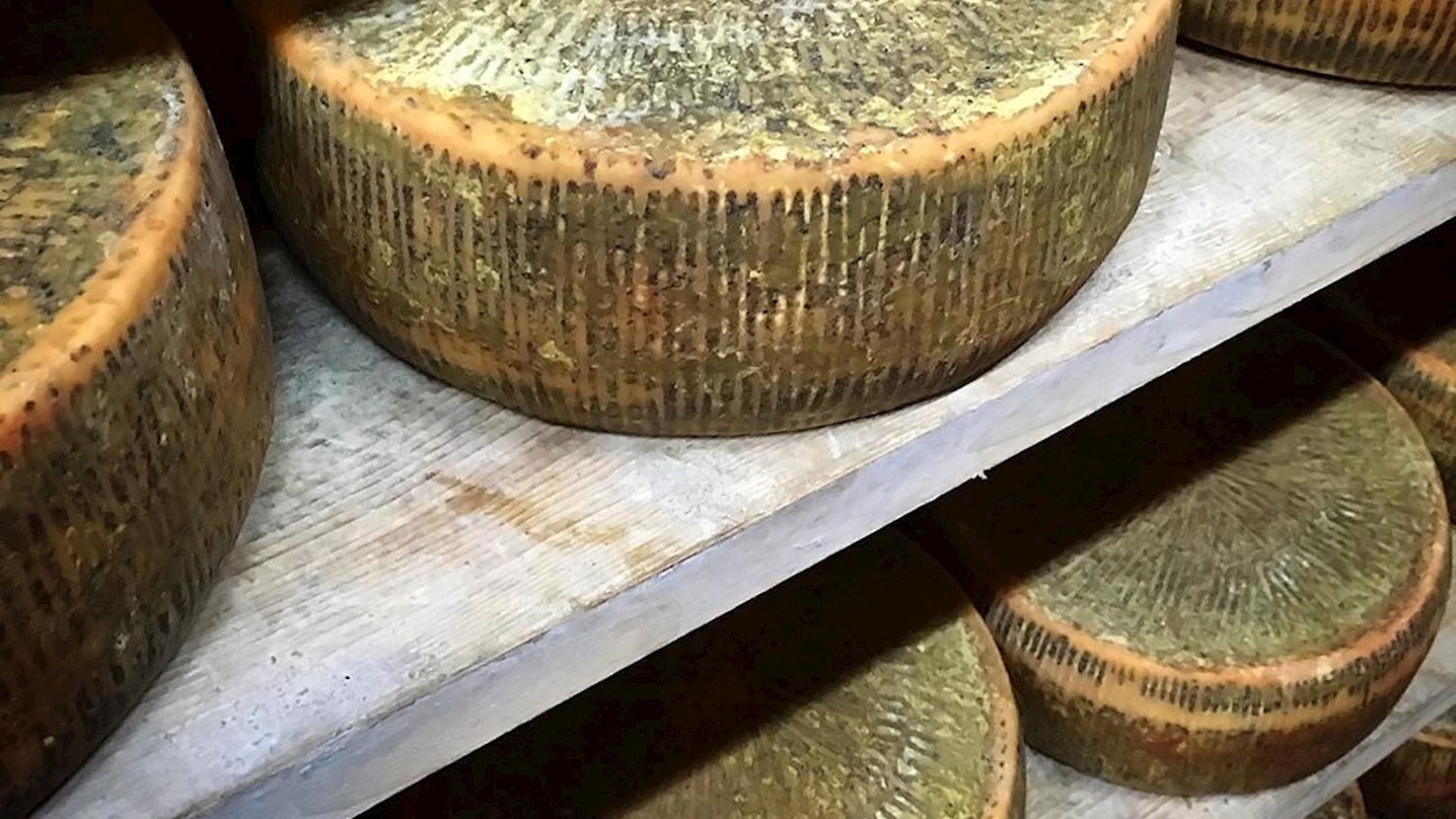
One of the oldest cheeses produced in Europe, Pecorino Siciliano is a semi-cooked, hard cheese, made with raw, whole milk from various sheep breeds reared all across the island of Sicily. Easily distinguished by the reed woven basket pattern on its rind, this type of Pecorino has a pronounced herbal aroma, and a well-balanced piquant flavor, which tends to become stronger as the cheese ripens. It is available in following varieties: Tuma, Primo Sale, Secondo Sale and Stagionato. Both fresh and semi-matured Pecorino Siciliano are great as table cheeses, typically served with bread and olives, while the more matured versions are especially good for grating and adding flavor to various pasta dishes.

02

Ragusano

4.1 ·

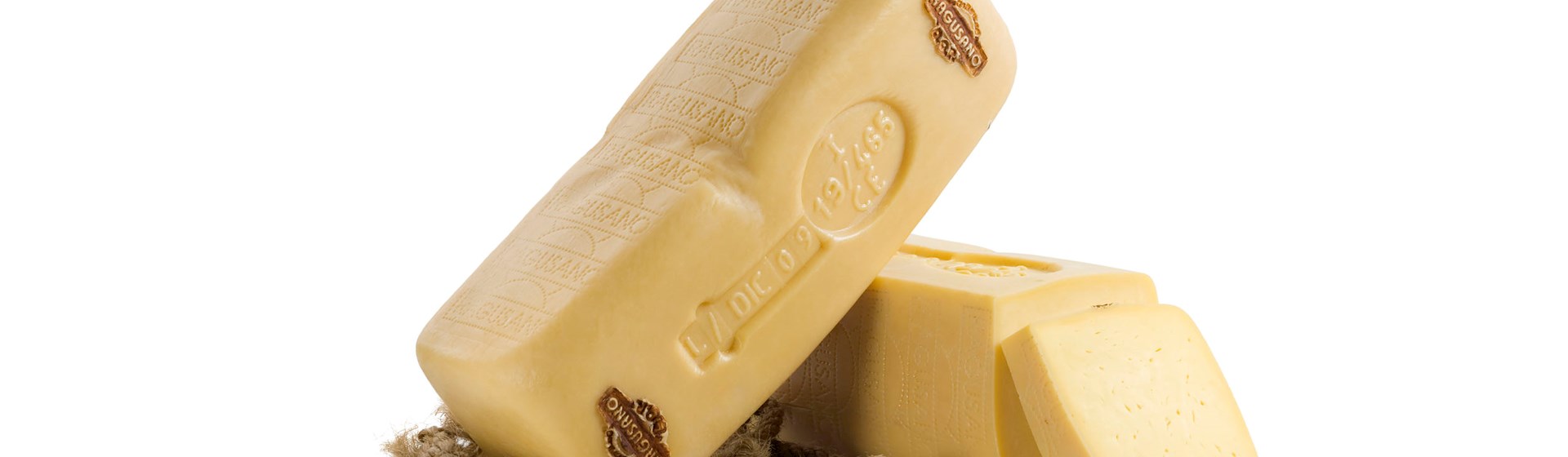
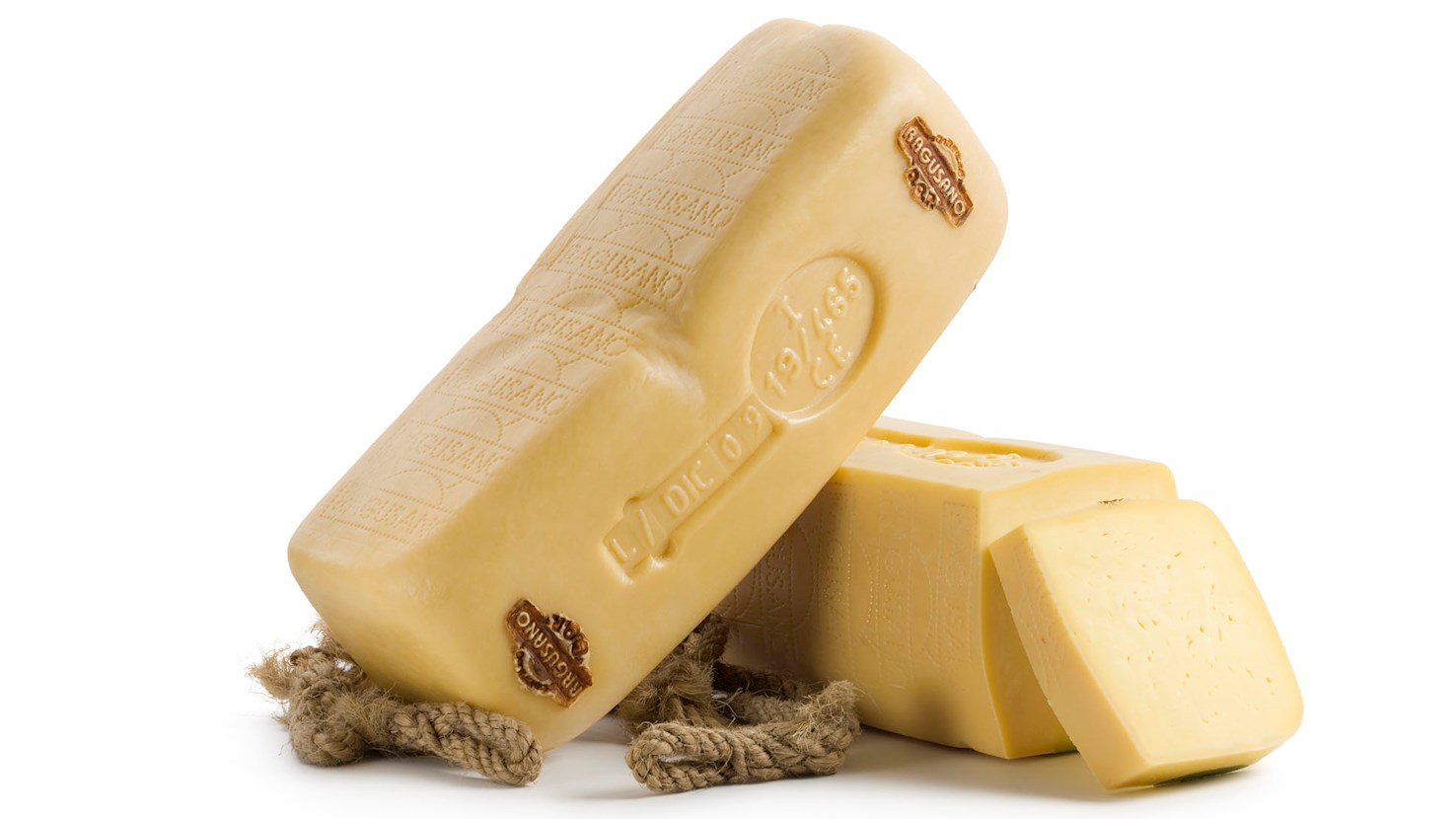
Just as the name might indicate, Ragusano originates from the provinces of Ragusa as well as the neighboring Siracusa, and it is one of the oldest cheeses produced in Sicily, first mentioned in the early 1500s. This semi-hard cheese is made from whole milk from the free-range grazing Modicana cows, and produced with the so-called pasta filata technique (stretched curd). Originally known by the name of Caciocavallo, in times where milk from other breeds is used due to the scarcity of Modicana milk, the cheese is also called Cosacavaddu Ibleo or Cosacavaddu Rausanu. Ragusano is sold in rectangular blocks, at different stages of aging. The young, fresh Ragusano tastes sweet, pleasant and delicate; and it is traditionally eaten as a table cheese, while the ones ripened for more than 6 months tend to become spicier with age, a bit harder and more suitable for grating. There's also a smoked version called Ragusano Affumicato. All of them pair particularly well with full-bodied red wines and aged dark beers.

03

Pecorino pepato

3.7 ·

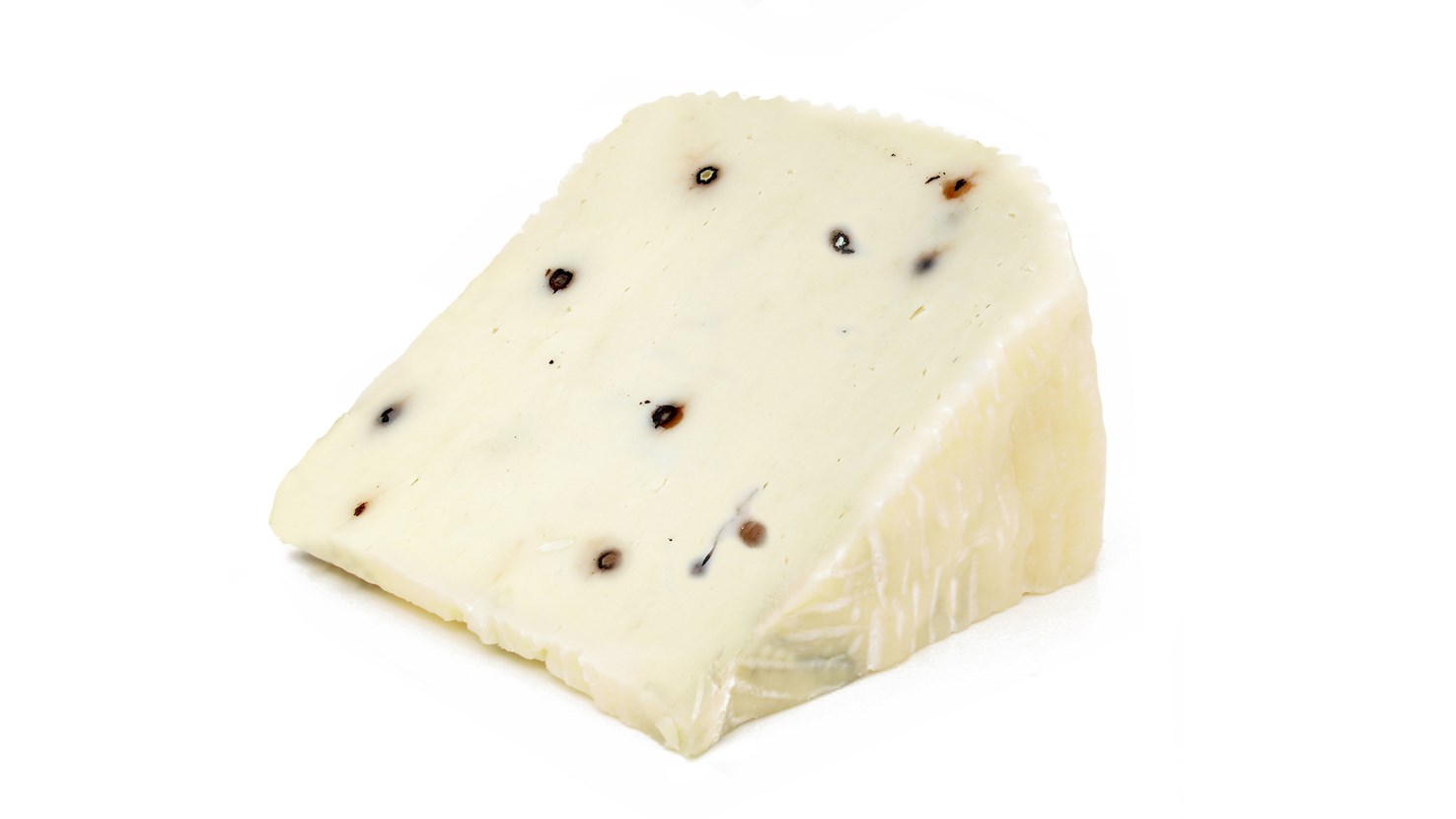
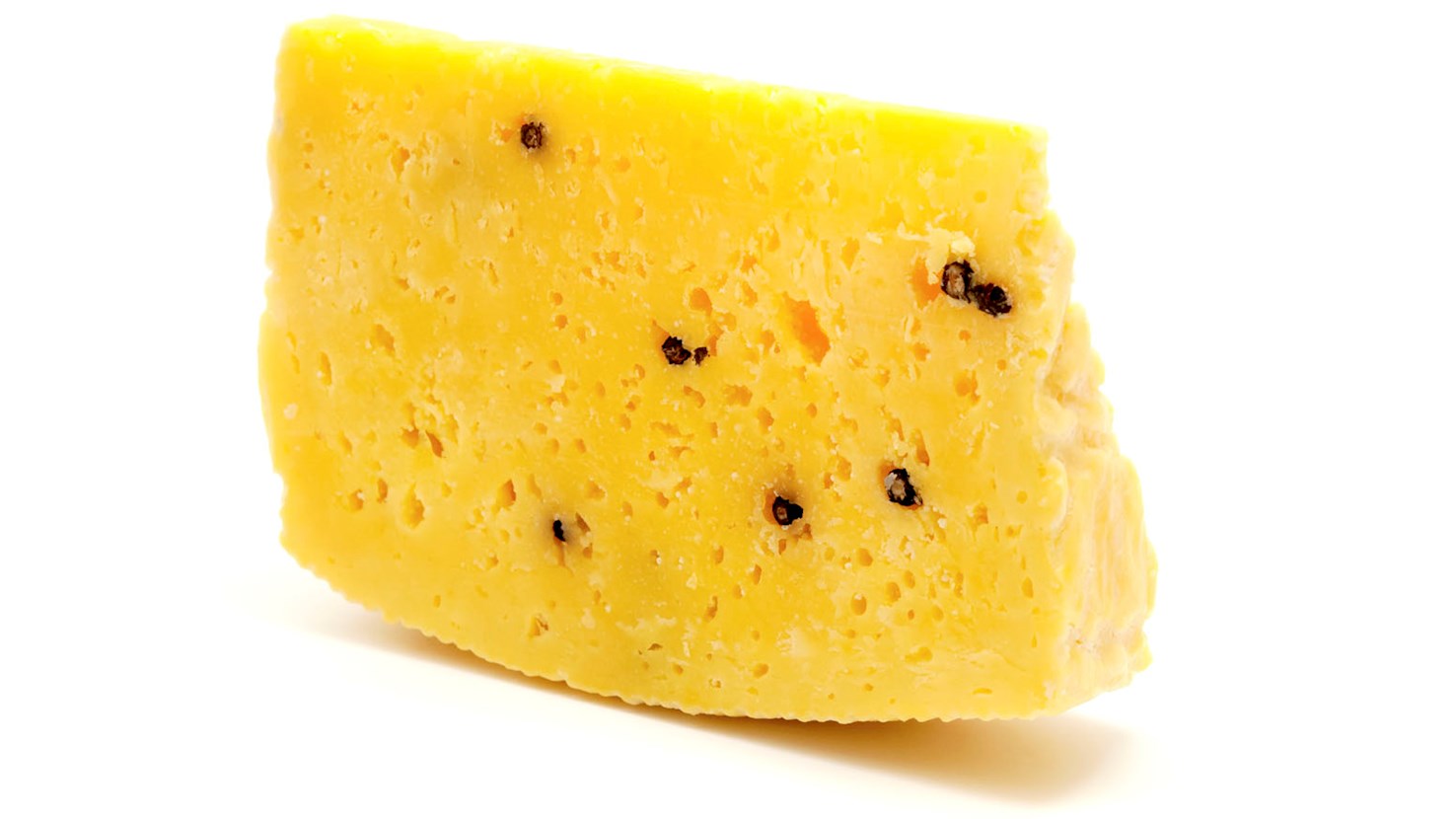
Pecorino pepato is an Italian variety of Pecorino hailing from Sicily. The cheese is made from raw sheep's milk and ages from 2 to 4 months. Underneath the natural rind, the texture is flaky and creamy, dotted with black peppercorns that run throughout the paste. The aroma is spicy, while the flavors are salty, tangy, lemony, and peppery. Pecorino pepato is often used as a table cheese, but it can also be grated over salads, polenta, or risotto. If eaten as it is, serve it with fatty cured meats and a glass of bold red wine on the side.

04

Piacentinu Ennese

2.5 ·

Traditionally produced in the Sicilian province of Enna which is nestled in the lush Dittaino Valley, Piacentinu Ennese is a pressed, hard cheese made with raw, whole sheep’s milk, with the addition of saffron and black peppercorns. The flavor of this cheese ranges from mild and slightly sweet to medium piquant and slightly pungent, depending on its age, and it has a pronounced aroma of saffron. Piacentinu Ennese is enjoyed either as a table cheese or used as an ingredient in preparing various recipes such as herb-stuffed lamb meat called Ciarbiduzzo Abbuttunàtu, a typical dish from Enna. It's also fantastic for grilling and often used with bucatini pasta.

05

Maiorchino

n/a ·

Maiorchino is a traditional cheese hailing from Sicilia. The cheese is usually made from whole sheep's milk and either goat's or cow's milk. It's produced from February to June, and it ages from about 6-8 months to a maximum of 24 months. Maiorchino is very large in size and can weigh from 10 to 20 kilos. During the production process, the cheese curds are poked with a thin stick (minacino) in order to drain out the whey, and later on the cheese is immersed in the whey. The wheels are rubbed with salt and olive oil until ready for consumption. The paste is compact, white to pale yellow in color. The cheese is often used as a table cheese and it's paired with red wine. Traditionally, Maiorchino is linked to an ancient game called Maiorchina during the Carnival season, when the contestants roll the aged wheels along the streets of Novara di Sicilia.

06

Vastedda della Valle del Belìce

n/a ·

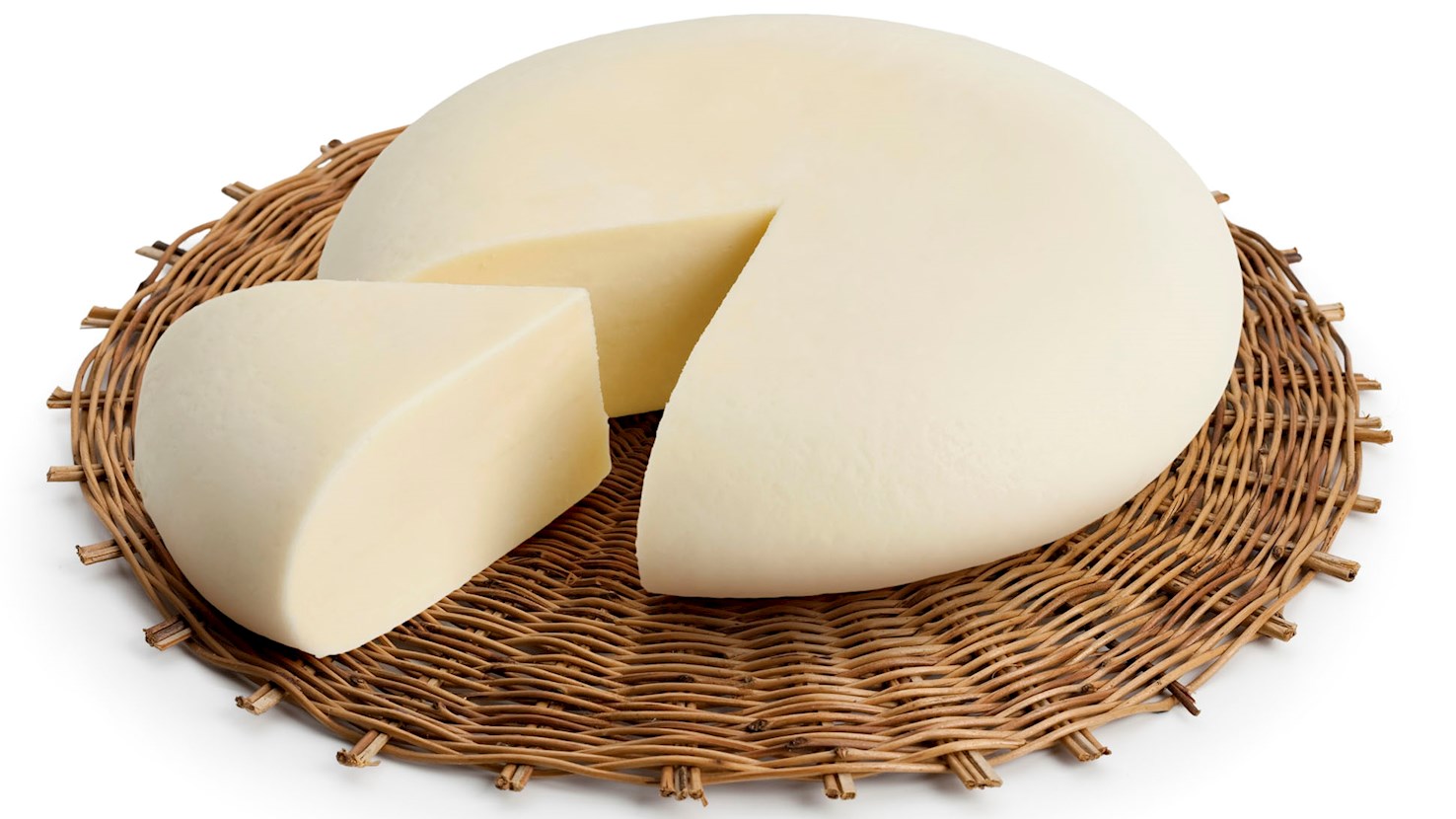
Known as the sheep version of Mozzarella, this Sicilian delicacy might quite possibly be the only ovine spun cheese in the world. Vastedda cheese is produced in the provinces of Agrigento, Trapani and Palermo in the Belìce Valley, where the climate is very different than in other parts of Sicily, influenced with lower temperatures, rainfalls and the south-eastern and northern winds Scirocco and Tramontana. The milk for the production of Vastedda must come from one or two successive milkings, and the processing must be done within 48 hours. Vastedda della Valle del Belìce has a fat content of not less than 35% and a characteristic aroma of fresh sheep’s milk while its flavor is sweet, fresh and pleasant, with a light sour note. It has a moist, smooth and firm rindless surface, ivory to straw yellow in color. Unlike a lot of other cheeses, the fresher Vastedda is, the better. To get the best out of this chewy cheese, try it slightly heated and softened, drizzled with olive oil and topped with olives.

07

Tuma persa

n/a ·

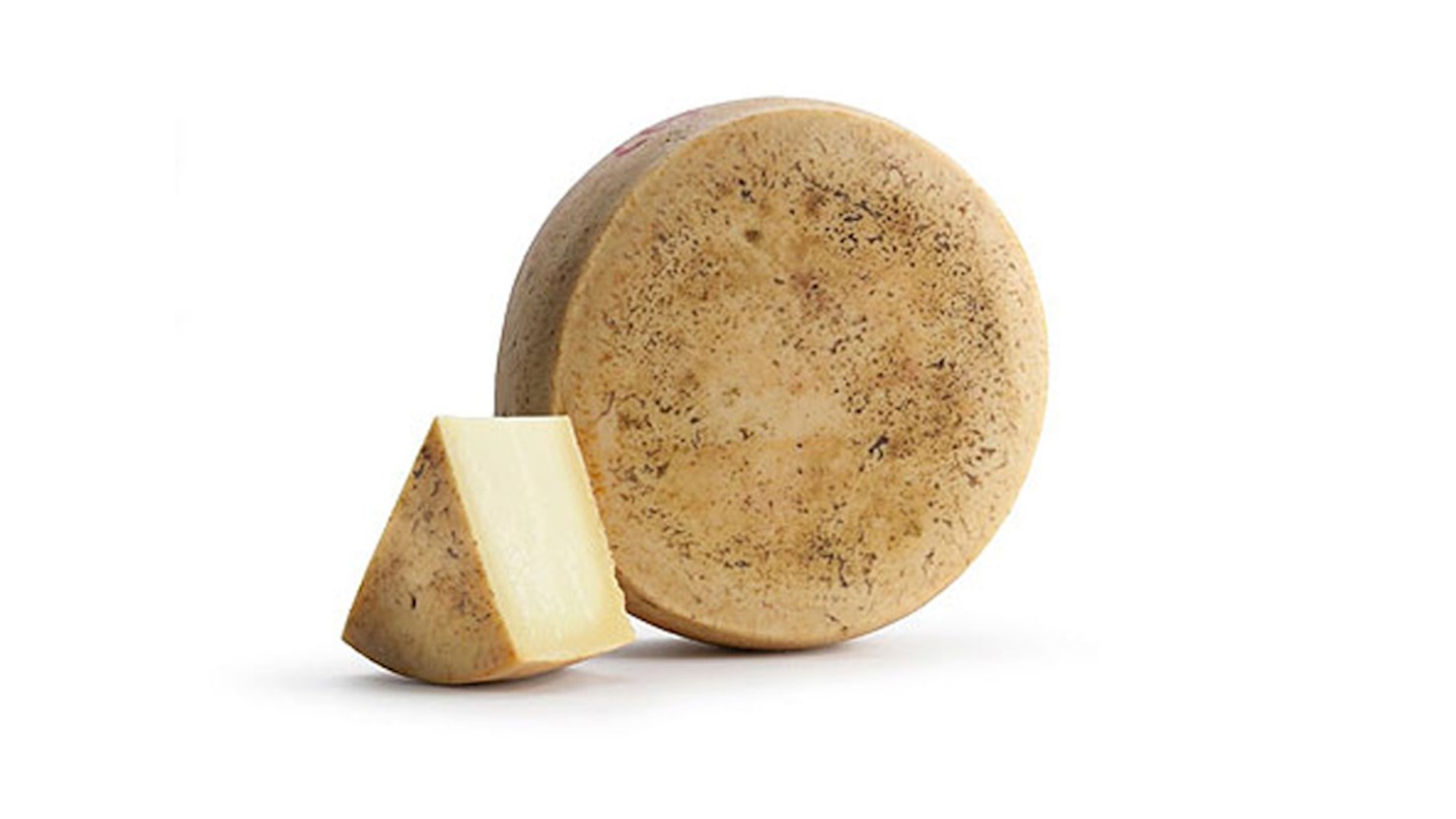
This Italian cheese is also dubbed 'the lost cheese of Sicily' because it's produced by a single cheesemaker named Salvatore Passalaqua. Aged for more than 6 months, the cheese is made from raw cow's milk according to an ancient recipe that the cheesemaker found in his closet when he moved into a new home near Palermo. The rind of this hard cheese is coated with crushed peppercorns, and underneath it, the texture is creamy and crumbly. The flavors are earthy and milky with a sharp finish. Flavorful, but not salty, Tuma Persa can be used as a replacement for provolone and it's recommended to pair it with Sicilian wines such as Nero d'Avola, Passito di Pantelleria, and Malvasia Lipari.

08

Provola dei Nebrodi

n/a ·

Provola dei Nebrodi is an Italian pasta filata cheese hailing from Sicily. The cheese is made from raw cow's milk and it comes in a few versions – fresca (fresh, less than 30 days), semi-stagionata (partially aged, from 30 to 120 days), stagionata (aged for more than 120 days), sfoglia (flaky, at least 5 months), and con limone verde (with green lemon, at least 90 days). Underneath the thin and smooth rind, the texture of the fresca is soft, while the other versions have a texture that's semi-hard to hard, except for sfoglia, which has a flaky texture. The cheese can have small eyes dispersed throughout the paste. When fresh, the flavors are sweet, delicate, and pleasant, while the aged versions have a stronger flavor. The aromas are grassy, hay-like, mushroomy, and acidic, and the con limone verde version has a citrusy aroma.

Read more
View all
View map
About this ranking

TasteAtlas food rankings are based on the ratings of the TasteAtlas audience, with a series of mechanisms that recognize real users and that ignore bot, nationalist or local patriotic ratings, and give additional value to the ratings of users that the system recognizes as knowledgeable. For the “Top 8 Sicilian Raw Milk Cheeses” list until June 15, 2026, 214 ratings were recorded, of which 125 were recognized by the system as legitimate. TasteAtlas Rankings should not be seen as the final global conclusion about food. Their purpose is to promote excellent local foods, instill pride in traditional dishes, and arouse curiosity about dishes you haven’t tried.

Similar lists