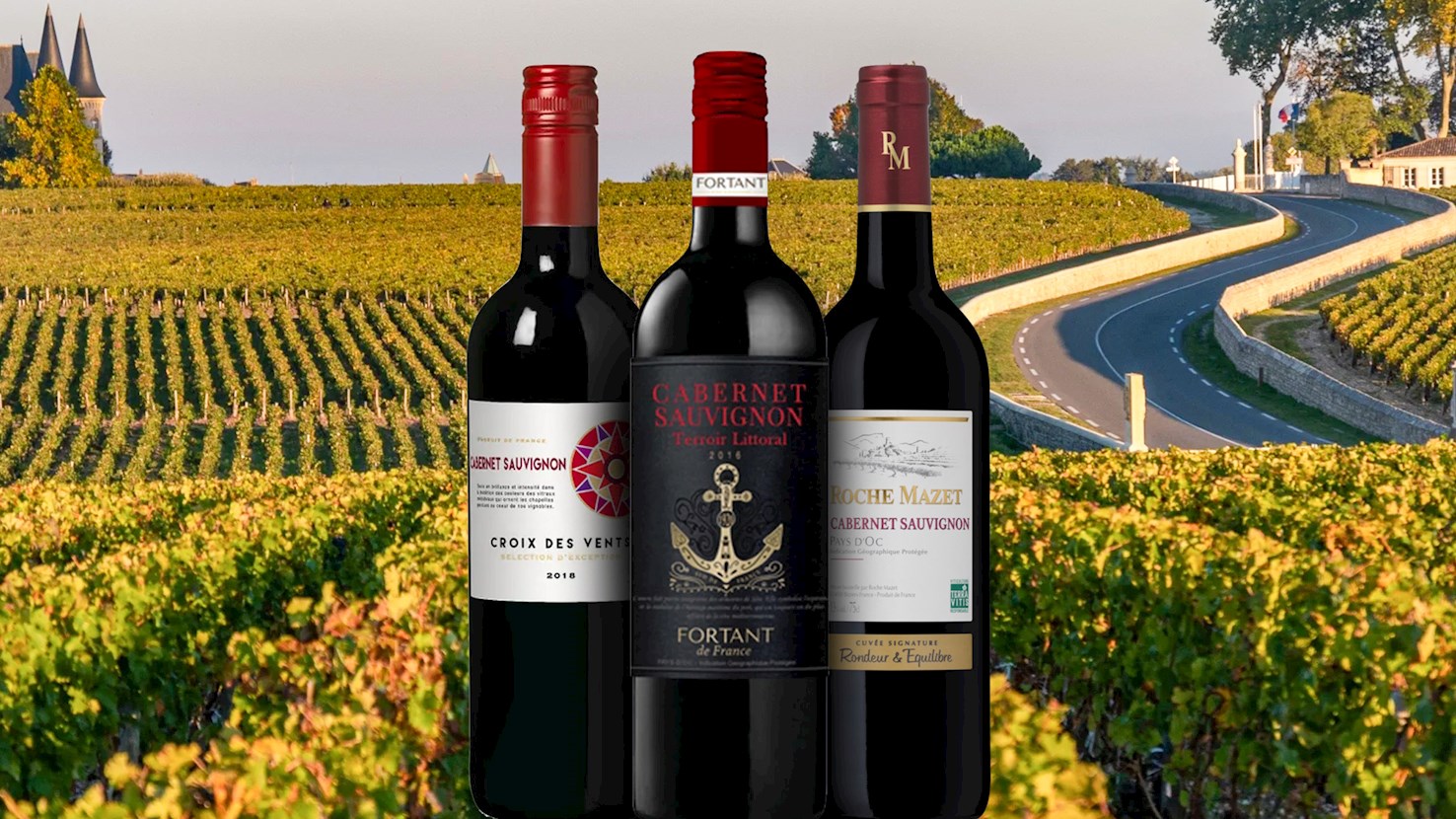
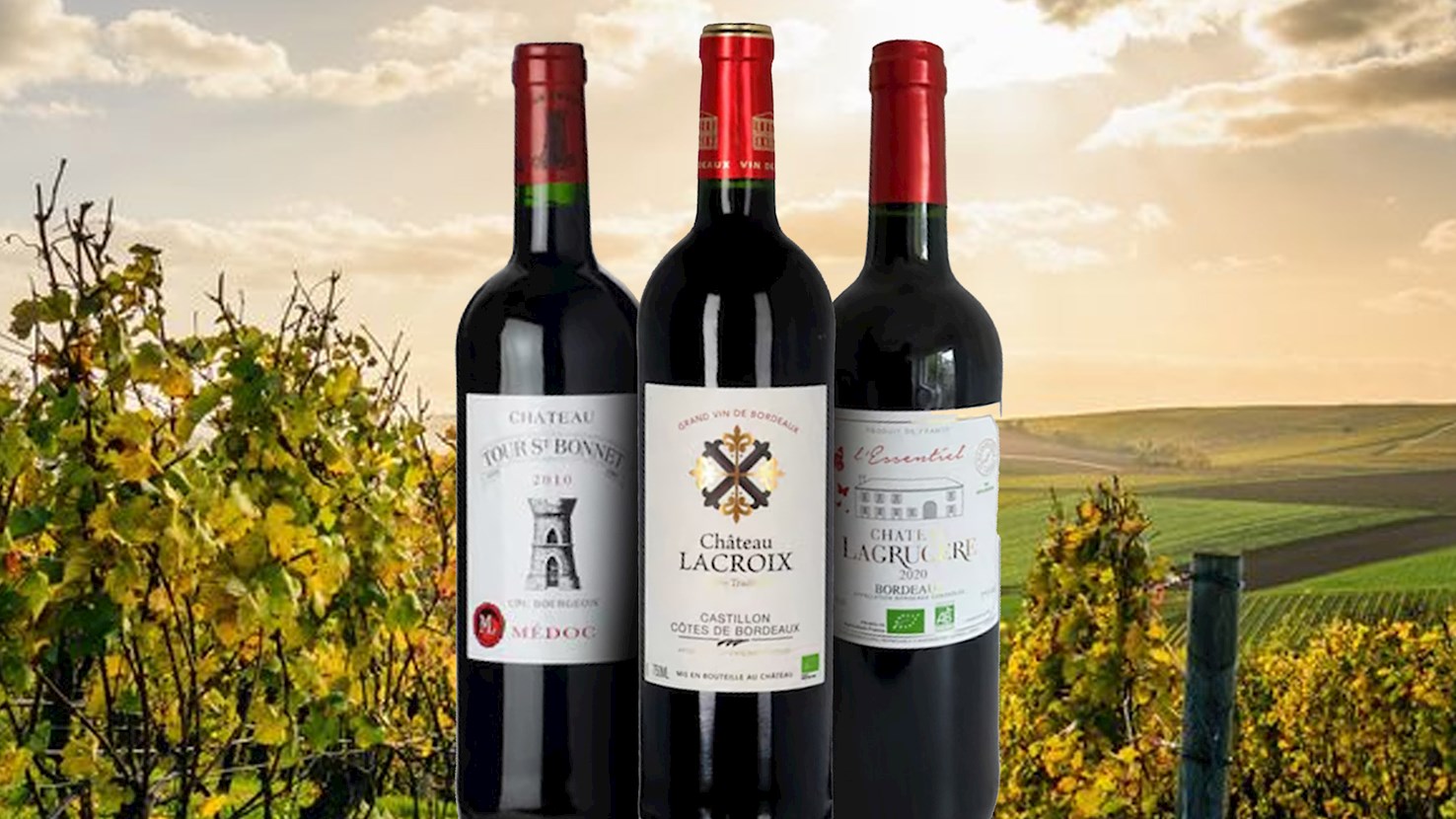
Cabernet Sauvignon is one of the world's most widely recognized and celebrated red wine grape varieties. Originating from the Bordeaux region of France, it has spread to virtually every major wine-producing country, becoming a key component of many of the world's finest wines. Cabernet Sauvignon is renowned for its ability to produce full-bodied, robust red wines with a high level of tannins and significant aging potential. The grape itself is small and thick-skinned, which contributes to its deep color and rich tannic structure. Wines made from Cabernet Sauvignon typically exhibit a range of flavors, including blackcurrant (cassis), black cherry, and blackberry, often accompanied by notes of green bell pepper, mint, tobacco, and cedar, especially when aged in oak barrels. In Bordeaux, Cabernet Sauvignon is a crucial part of the region's famous blends, particularly in the Médoc and Graves appellations on the Left Bank, where it is often blended with Merlot, Cabernet Franc, Petit Verdot, and Malbec. These blends produce some of the most prestigious wines in the world, known for their complexity, balance, and ability to age gracefully for decades. Outside of France, Cabernet Sauvignon has thrived in regions such as Napa Valley in California, where it produces powerful, fruit-forward wines that have garnered international acclaim. It is also widely grown in Chile, Australia, South Africa, Italy, and Spain, each region imparting its unique characteristics to the wine. For example, Chilean Cabernet Sauvignon often has a distinct herbal quality, while Australian versions, particularly from Coonawarra and Margaret River, are known for their intense fruit flavors and eucalyptus notes. Cabernet Sauvignon's versatility in the vineyard and winery, combined with its bold flavors and structure, makes it a favorite among winemakers and wine lovers. It pairs exceptionally well with a variety of foods, particularly rich and hearty dishes such as grilled or roasted meats, steak, lamb, and dishes with robust sauces. The tannins in the wine help cut through the fat and protein of these dishes, creating a harmonious balance on the palate.
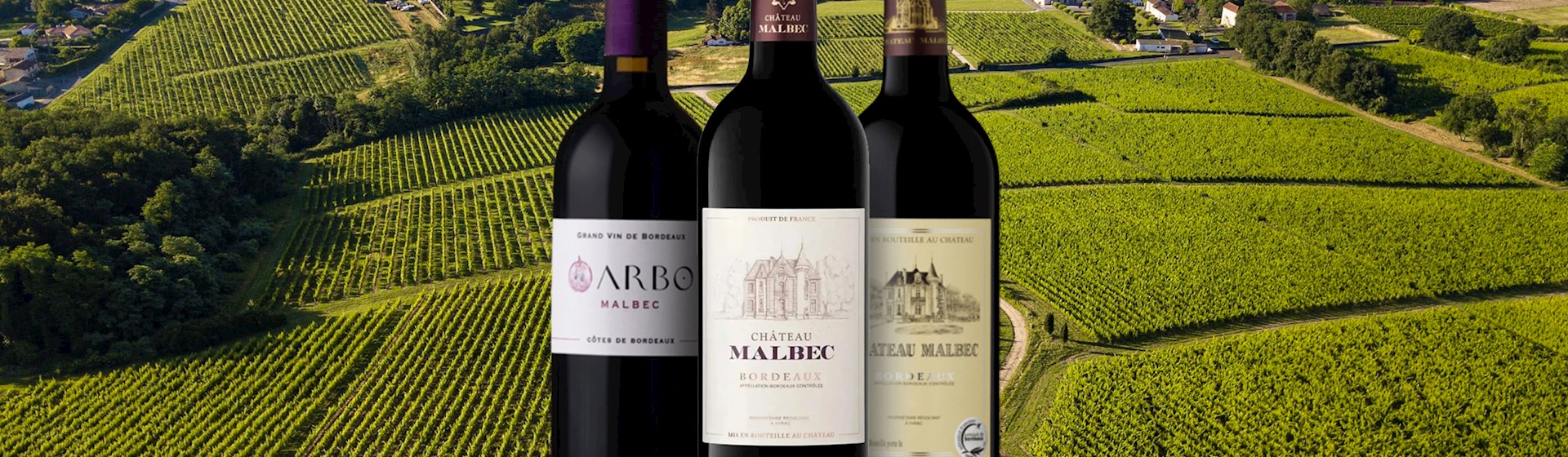
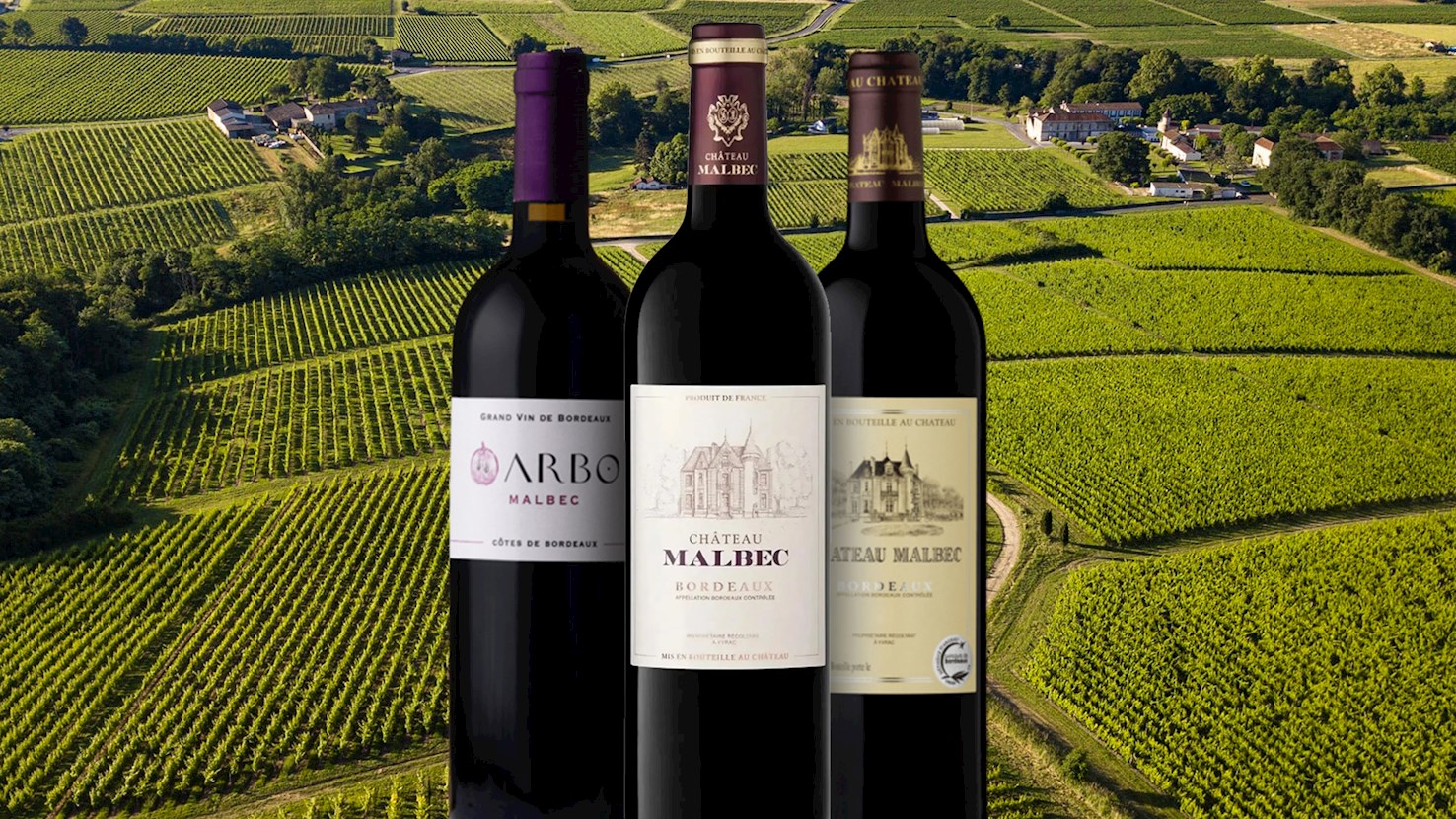
Malbec is a red wine grape variety that is most famously associated with Argentina, although it originally hails from the Bordeaux region of France. It is known for producing deeply colored, full-bodied red wines with strong fruit flavors and smooth tannins. The grape has found its ideal growing conditions in Argentina, particularly in the Mendoza region, where it has become the country's flagship grape variety. Malbec wines are typically characterized by their dark, inky color and intense flavors of dark fruits such as blackberries, black cherries, and plums. These wines often have notes of chocolate, coffee, and tobacco, with hints of spice and sometimes floral undertones like violet. The tannins in Malbec are usually softer and more rounded compared to other full-bodied red wines, making them approachable and enjoyable even when young. In France, Malbec is still grown, particularly in the Cahors region, where it is known as "Cot" or "Auxerrois." Cahors Malbec tends to be more tannic and rustic compared to its Argentine counterpart, often requiring more aging to soften the tannins and develop its complex flavors. The terroir of Argentina, with its high-altitude vineyards, abundant sunshine, and well-drained soils, contributes to the exceptional quality of Malbec wines. The altitude helps maintain the grape's acidity and balance, while the dry climate reduces the risk of disease and allows the grapes to ripen fully. Malbec is also grown in other wine-producing countries, including the United States, Chile, and Australia, where it continues to gain popularity for its versatility and robust flavor profile. Malbec wines pair well with a variety of foods, particularly rich and hearty dishes. They complement grilled meats, especially beef, as well as lamb, pork, and game. The wine's fruit-forward nature and balanced acidity also make it a good match for spicy dishes, cheeses, and even dark chocolate desserts.
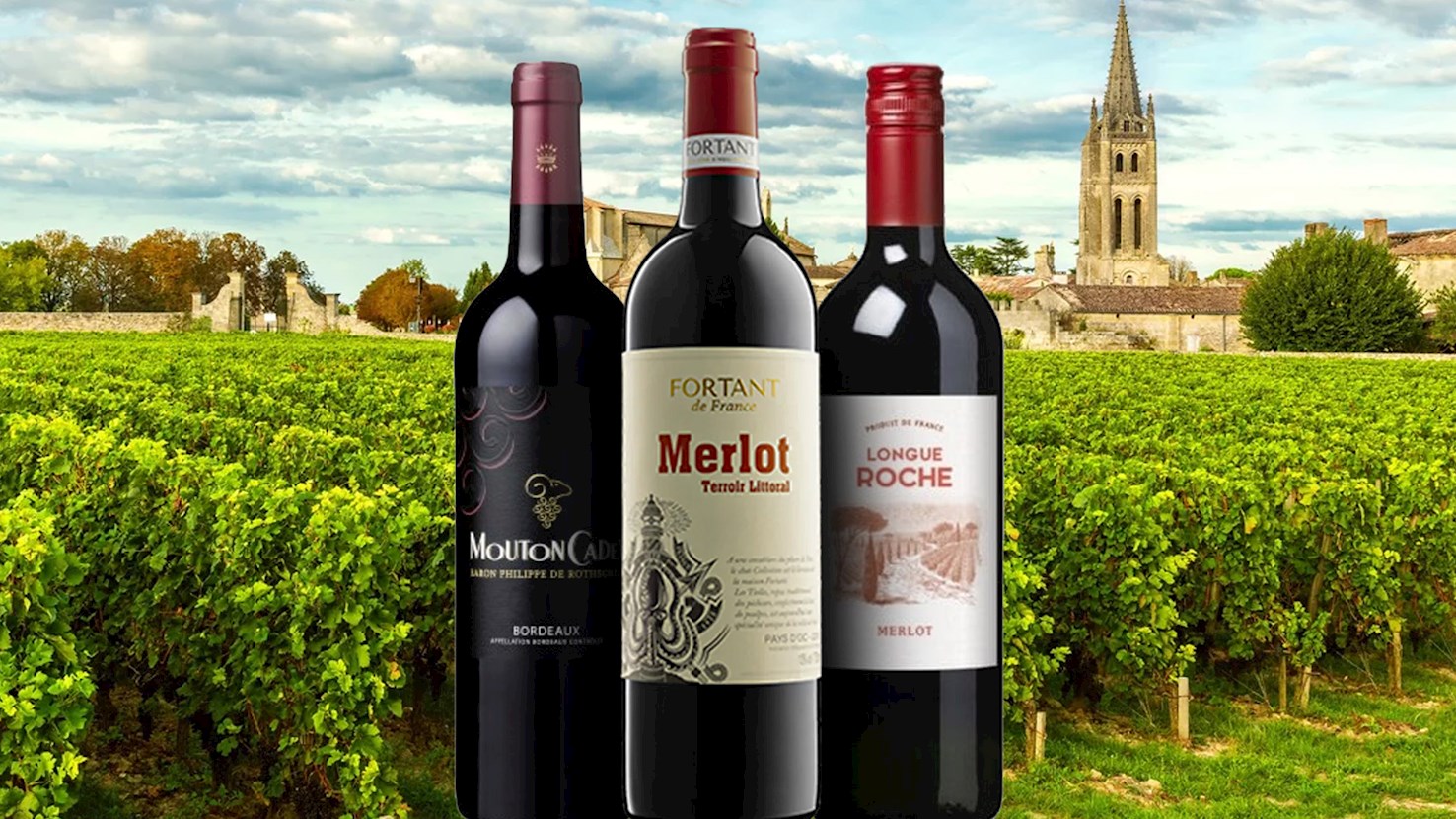
Merlot is one of the most widely planted and popular red wine grape varieties in the world. Originating from the Bordeaux region of France, Merlot is known for producing soft, elegant, and fruit-forward wines. It is often used both as a single varietal wine and as a blending grape, particularly in Bordeaux blends where it is typically paired with Cabernet Sauvignon and Cabernet France. Merlot wines are generally medium to full-bodied with moderate tannins and acidity. They are known for their smooth, velvety texture and approachable style. The flavor profile of Merlot often includes dark fruit notes such as black cherry, plum, and blackberry, along with hints of chocolate, vanilla, and spices. Depending on the terroir and winemaking techniques, Merlot can also exhibit earthy, herbal, and sometimes smoky characteristics. In Bordeaux, Merlot is a dominant grape on the Right Bank, particularly in the prestigious appellations of Pomerol and Saint-Émilion. Wines from these regions are renowned for their richness and complexity, often capable of aging gracefully for many years. Notable examples include Château Pétrus and Château Cheval Blanc. Outside of France, Merlot is widely cultivated in other major wine regions including California, Washington State, Italy (where it is often blended in Super Tuscans), Chile, and Australia. In these regions, Merlot can vary in style from lighter, fruit-driven wines to more robust and structured examples. Merlot is also favored for its versatility in food pairings. Its fruit-forward nature and balanced acidity make it an excellent match for a wide range of dishes including roasted meats, poultry, pasta, and mild cheeses. Its softer tannins allow it to pair well with foods that might be overpowered by more tannic wines like Cabernet Sauvignon.
Cabernet Franc is a black grape variety that is one of the major red grape varieties worldwide. It is often overshadowed by its more famous offspring, Cabernet Sauvignon, but it has its own distinct characteristics and merits. Cabernet Franc is known for producing medium-bodied red wines with a high level of acidity and moderate tannins, making it a versatile grape that can be enjoyed both on its own and as part of a blend. The grape is grown in many wine regions around the world, but it is most famously associated with the Loire Valley in France and the Bordeaux region. In the Loire Valley, it is the dominant grape in appellations such as Chinon, Bourgueil, and Saumur-Champigny, where it produces wines that are lighter and more aromatic than those from Bordeaux. In Bordeaux, Cabernet Franc is an important blending grape in both the Left and Right Bank wines, contributing finesse, aromatic complexity, and structure to blends dominated by Merlot and Cabernet Sauvignon. Cabernet Franc wines are typically characterized by their bright, red fruit flavors, such as raspberry, strawberry, and plum, along with herbal and vegetal notes like bell pepper, green peppercorn, and sometimes a hint of violet or graphite. The grape's natural acidity makes it a good candidate for cooler climates, where it can ripen fully and develop a balanced flavor profile. In addition to France, Cabernet Franc is grown in other regions, including Italy (where it is often used in Super Tuscan blends), the United States (particularly in California and Washington State), Canada, and Hungary. The grape is appreciated for its ability to express terroir and its adaptability to different growing conditions. Cabernet Franc wines pair well with a variety of foods, particularly those with earthy and savory flavors. It complements dishes such as roasted or grilled meats, poultry, pork, and even vegetarian dishes with mushrooms or bell peppers. Its bright acidity and moderate tannins also make it a good match for tomato-based sauces and lighter pasta dishes.
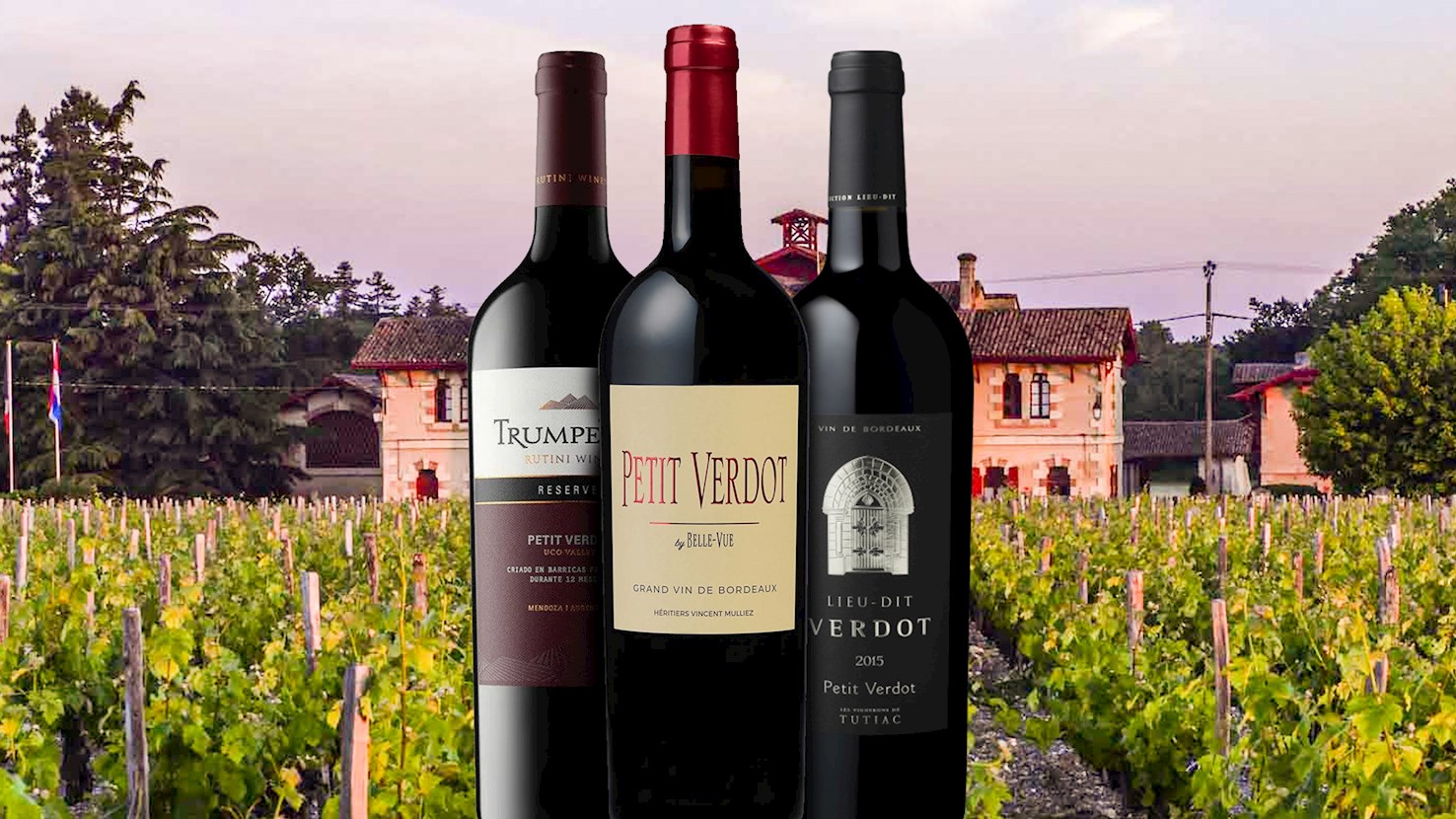
Petit Verdot is a red wine grape variety known for its deep color, robust tannins, and rich flavors. Originating from the Bordeaux region of France, Petit Verdot is traditionally used as a blending grape in Bordeaux wines, particularly in the Médoc and Graves appellations. Due to its late ripening, it was often challenging to fully mature in Bordeaux's cooler climate, leading to its limited use. However, it has gained popularity in other wine regions with warmer climates, such as California, Australia, and South America, where it can ripen more consistently. Petit Verdot wines are characterized by their intense color and strong tannic structure. The flavor profile typically includes dark fruit notes such as blackberry, black cherry, and plum, along with complex aromas of violet, sage, and leather. As the wine ages, it can develop additional flavors of spice, chocolate, and earthy undertones. In Bordeaux, Petit Verdot is primarily used in small quantities to add color, tannins, and aromatic complexity to blends dominated by Cabernet Sauvignon, Merlot, and Cabernet Franc. Its contribution helps enhance the overall structure and aging potential of the wine. In regions outside of Bordeaux, Petit Verdot is increasingly being produced as a single-varietal wine, showcasing its unique characteristics. These wines tend to be full-bodied with high tannins and acidity, making them suitable for aging. They often require some time in the bottle to soften and develop their full range of flavors. Petit Verdot wines pair well with rich and hearty dishes due to their bold structure and intense flavors. They are an excellent match for grilled or roasted meats, such as beef, lamb, and game, as well as dishes with robust sauces and strong cheeses.
TasteAtlas food rankings are based on the ratings of the TasteAtlas audience, with a series of mechanisms that recognize real users and that ignore bot,
nationalist or local patriotic ratings, and give additional value to the ratings of users that the system recognizes as knowledgeable.
For the “Top 5 Local Red Grapes in Bordeaux” list until June 03, 2026, 181 ratings were recorded, of which 164 were recognized by the system as legitimate.
TasteAtlas Rankings should not be seen as the final global conclusion about food. Their purpose is to promote excellent local foods,
instill pride in traditional dishes, and arouse curiosity about dishes you haven’t tried.