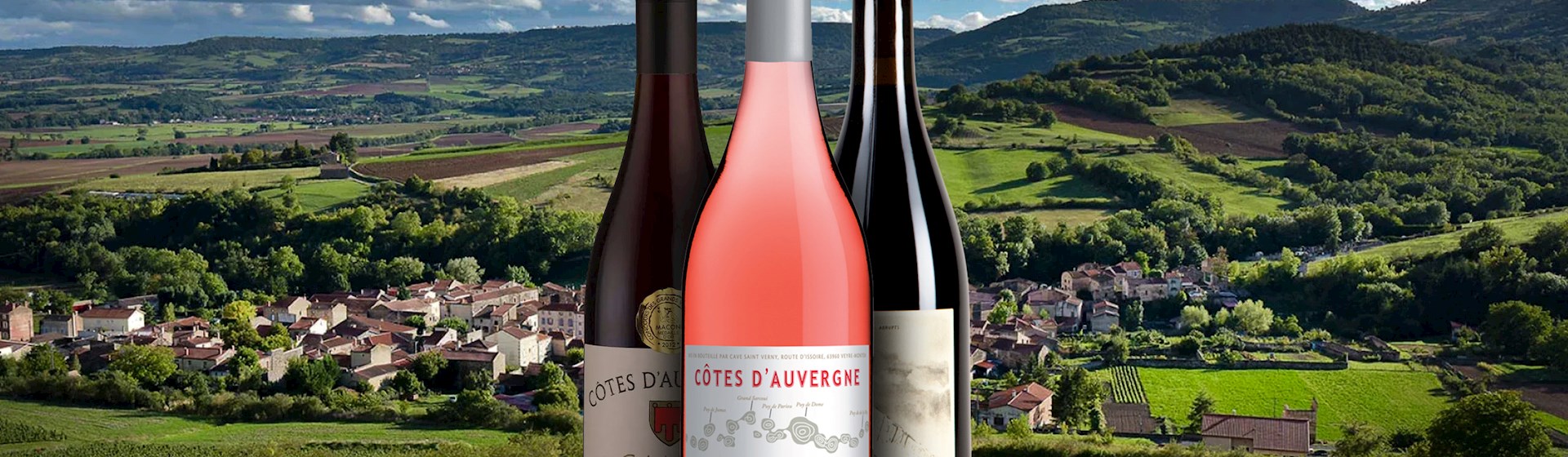
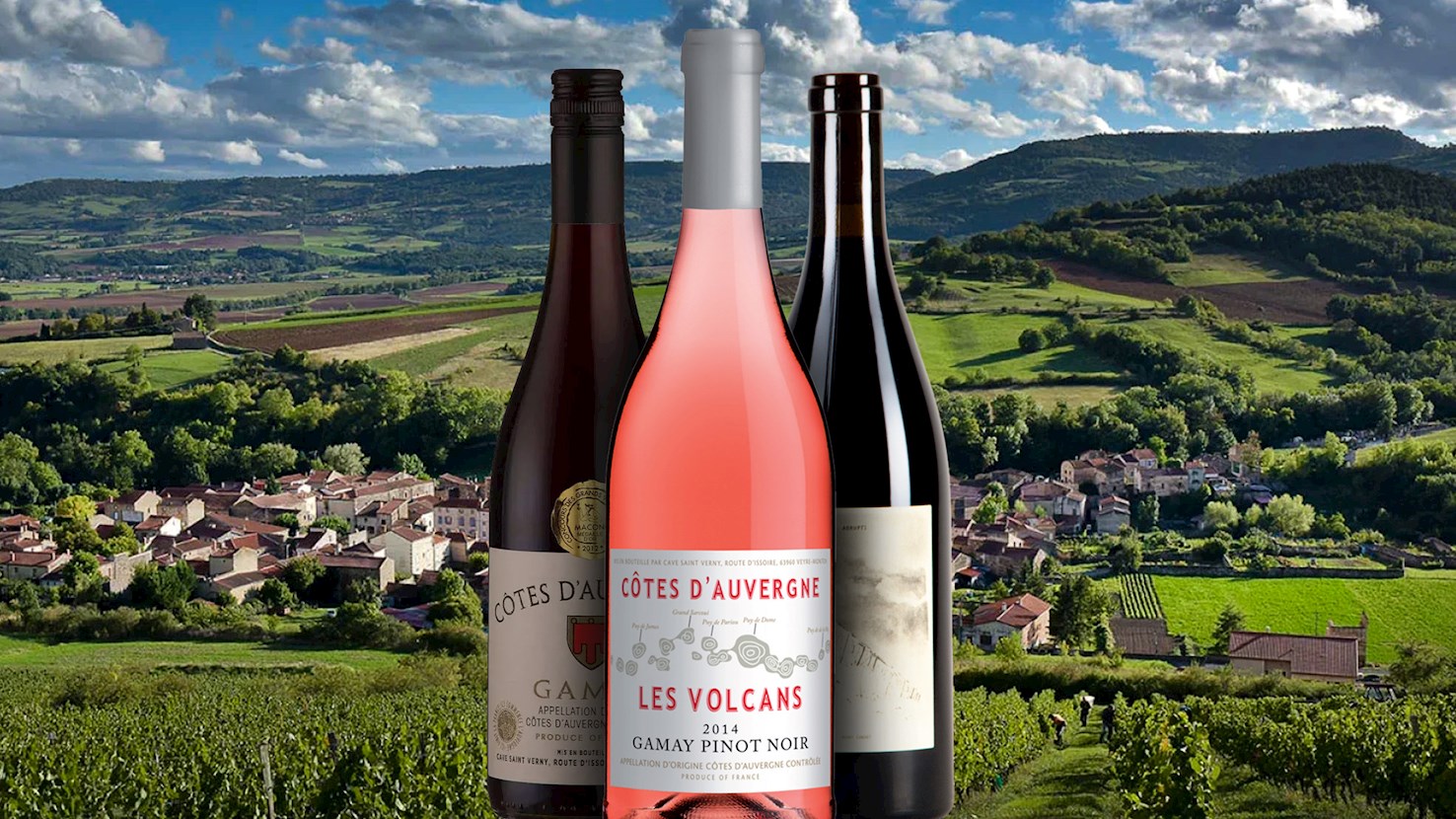
Côtes-d’Auvergne Boudes is an appellation for red wines from the Puy-de-Dôme department in France. The vineyards around Boudes trace their viticultural roots to medieval village plots on terraced slopes, and the region later became grouped into the broader Côtes-d’Auvergne appellation when the French wine classification evolved to recognize its five specialized designations. At Boudes the vines are planted on red clay and sandstone terraces that sit on the volcanic foothills of the Massif Central, the soils comprising iron-rich argillaceous marl and crystalline volcanic scree which contribute structurally and stylistically to the wines. Under the appellation rules the main permitted grape is Gamay, which must form at least fifty percent of the blend for red wines, with Pinot Noir allowed as an accessory variety up to fifty percent; harvesting is timed for full physiological ripeness, the grapes are destemmed or lightly crushed, fermentation is carried out in stainless-steel or concrete vats with temperature control to preserve freshness and fruit character, and the wines are often matured briefly—typically a few months in inert vessels—before release to maintain bright red-fruit expression and clear minerality. Wines from Boudes generally present a deep ruby hue, aromas of redcurrant, black cherry and plum, a smooth texture and firm but moderate tannins, and as they mature they show black fruit, spice and graphite-like mineral notes stemming from their volcanic clay-red-clay soils. Among variations, some producers emphasise early-drinking Gamay-dominant blends with minimal oak influence and vibrant fruit, while others increase Pinot Noir proportion for greater structure and ageability, occasionally employing short oak maturation to add complexity. What distinguishes the Boudes sub-denomination is its southernmost location within the Côtes-d’Auvergne domain, its terraced vineyard setting along the valley of the Allier and Saint-Loup and its soils of reddish marl that differ from the basalt and limestone slopes of other local crus. Boudes wines are best served at around 14–16 °C and pair naturally with roast game birds, grilled lamb or beef, hearty mushroom dishes and firm cheeses from Auvergne; their balance of fruit, structure and mineral background also makes them suitable to enjoy with crusty country bread and charcuterie or as a contemplative table wine for meals highlighting local cuisine.
Côtes-d’Auvergne Chanturgue is an appellation for red wines from the Puy-de-Dôme department in France. The vineyards are located on the slopes surrounding Clermont-Ferrand, an area known since ancient times for its wine production, once prized at the royal court and referenced in regional chronicles for its proximity to the city and distinctive volcanic terrain. Over centuries, the Chanturgue hillside maintained its viticultural identity even as vineyards elsewhere declined, and it became one of the five named geographical denominations within the broader Côtes-d’Auvergne appellation. The vines grow on soils derived from volcanic ash, basalt, and clay-limestone, and this mineral composition gives the wines both freshness and depth. The permitted grape varieties under the appellation are primarily Gamay, which must form the majority of the blend, and Pinot Noir, allowed in smaller proportions to bring complexity and structure. The grapes are harvested at full maturity, usually by hand due to the steep terrain, then destemmed or partially destemmed before fermentation in stainless steel or concrete vats. Fermentation proceeds at controlled temperatures to preserve the fruit’s purity and the influence of the soil, and aging is short to maintain aromatic vibrancy. The resulting wines show a bright ruby color, aromas of redcurrant, cherry, and small wild berries, and a balanced palate with fine tannins and a subtle smoky mineral note from the volcanic ground. With time, they can develop deeper aromas of spice and black fruit while retaining their lively acidity. Chanturgue is the smallest of the Côtes-d’Auvergne designations, covering around seven hectares, and its limited production gives it a distinct identity within the region. The wines are best enjoyed slightly chilled, around 14–16 °C, and pair naturally with local dishes such as cured meats, pâté, roast poultry, or game birds. They also accompany regional cheeses like Saint-Nectaire or Cantal, and their minerality makes them suitable with earthy vegetable dishes or lentil-based preparations typical of the Auvergne table.
Côtes-d’Auvergne Madargue is an appellation for red wines from the Puy-de-Dôme department in France. Its origins go back to the ancient vineyards around Riom, where winegrowing has existed since Roman times and continued through the Middle Ages, when local monasteries and estates maintained small plots on the volcanic slopes north of Clermont-Ferrand. Over time, the vineyard became one of the five geographical denominations within the broader Côtes-d’Auvergne appellation, recognized for the distinct soils and exposures of the Madargue plateau. The vines grow on south-facing slopes composed of sandy, clay-limestone, and basaltic soils that retain heat and drain well, giving the wines freshness and mineral character. The grapes permitted under the AOC are primarily Gamay, which must dominate the blend, with Pinot Noir allowed as a secondary variety to add structure and aromatic depth. Harvesting is done at full ripeness, followed by partial or full destemming. Fermentation takes place in stainless-steel or concrete vats at controlled temperatures to preserve fruit purity, and the wines are usually aged briefly before bottling to emphasize red-fruit aromas and the expression of the soil. The resulting wines display bright hues, scents of raspberry, cherry, and redcurrant, and a supple texture balanced by fine acidity. With time, they develop notes of black cherry, spice, and light pepper, reflecting both grape and terroir. The Madargue zone covers roughly twelve hectares of vines, making it the smallest of the five Côtes-d’Auvergne designations, but it is prized for the harmony of its fruit and mineral tension. Côtes-d’Auvergne Madargue wines are best enjoyed slightly chilled, around 14–16 °C, and pair naturally with local fare such as charcuterie, pâté, roasted poultry, or mushroom dishes. Their balance of freshness and fruit also makes them suitable companions for soft cheeses from Auvergne or for simple meals served with crusty bread and cured meats.
Côtes‑d’Auvergne is an appellation for red, white and rosé wines from the Puy‑de‑Dôme department in France. The vineyards in this zone have existed since at least Roman times, and over the centuries the wine region grew in scale, suffered decline during phylloxera and various wars, then underwent a resurgence in the late twentieth century culminating in AOC status being confirmed in 2010. In the vineyard the grapes are grown on volcanic-foot slopes, basalt, granite and sandy-clay soils, and the permitted grape varieties for the appellation include Gamay and Pinot Noir for reds and rosés, and Chardonnay for whites. The cultivation and vinification follow the AOC rules: yields are limited, grape varieties strictly defined, and individual lieux-dits may add one of the five named sub-appellations — Madargue, Châteaugay, Chanturgue, Corent and Boudes — and each of these may reflect subtle variations in soil, exposure or micro-climate. Among the common styles, the red wines made mainly from Gamay tend to show bright red-fruit aromas, relatively light tannins and a clear minerality from volcanic soil, while more ageworthy versions blend in Pinot Noir to yield deeper color and structure, and the white wines made from Chardonnay display crisp acidity, citrus or apple notes and a mineral edge. The sub-appellation of Corent is reserved for rosés and produces pale salmon-pink wines with floral-red-fruit aromas and delicate texture. A unique aspect of Côtes-d’Auvergne is the heavy influence of volcanic soils — basalt, lava flows and volcanic ash — combined with modest vineyard altitudes which together give the wines a distinctive mineral freshness seldom found in regions of similar latitude. The wines of this appellation are best enjoyed with regional fare: the reds pair well with charcuterie, roast poultry or mushroom dishes, the whites suit goat cheeses or steamed fish, and the rosés complement summer salads or light grilled fare.
Saint‑Pourçain is an appellation for white, red and rosé wines from the Allier department in France. Vines have been grown in that area since medieval times, and over centuries the vineyard passed through periods of prominence—including being served at the courts of French kings and popes—and later of decline and revival. The vineyards lie on soils of sand-gravel, clay-limestone and granite along the valleys of the Sioule and Allier rivers, and plantings cover around 600 ha across 19 communes. White wines from Saint-Pourçain are primarily made from Chardonnay and the local variety Tressallier (also known as Sacy), with some Sauvignon Blanc allowed; reds use mainly Gamay and Pinot Noir while rosés are made from Gamay alone. After being classified as a VDQS (historic French wine classification, one step below AOC) in 1951, the wine area was elevated to AOC status in 2009. The vine growing practices specify a maximum yield, required minimum vine density, and grape-variety rules to ensure quality and typicity. Among the variations in style, white wines made predominantly from Chardonnay will tend to show richer body and oak-influenced notes when aged, while those with a higher proportion of Tressallier remain fresher, lighter and higher in acidity; red wines may range from straightforward Gamay-led fruit expressions for early drinking to Pinot Noir-heavy blends with deeper structure and cellar potential. What distinguishes Saint-Pourçain is the presence of the local white variety Tressallier in its white blends—rare elsewhere in France—and the mixture of soil types including granite and limestone which contribute a subtle minerality to the wines. Saint-Pourçain wines are served with regional cuisine such as charcuterie, goat cheeses or pork dishes, with the whites and rosés pairing beautifully with creamy cheeses or light seafood dishes, and the reds accompanying roast poultry, game or dishes featuring mushrooms—and the freshness of the whites or the soft-tannin reds makes them suitable for enjoying with bread and rustic country fare.
Entraygues‑Le Fél is an appellation for red, rosé, and white wines from France, produced in the departments of Aveyron and Cantal. Viticulture in the area traces back to at least the early Middle Ages when vineyards were planted by monks and local farmers along the steep slopes of the Lot and Truyère valleys. The terrain forced terraced plantings and manual labour, and over centuries the vineyard surface expanded until phylloxera, economic changes and abandonment in the 19th and 20th centuries reduced the area greatly; the appellation achieved VDQS status in 1965 and full AOC/AOP recognition in 2011. The vineyards sit on granite and schist soils facing south-east on slopes, and the producer works by hand to harvest grapes in parcels planted at high density and low yield to preserve quality. For reds and rosés the primary grape is Fer Servadou (locally called Mansois) blended with Cabernet Franc and Cabernet Sauvignon, while whites are dominated by Chenin Blanc with Mauzac and Saint-Côme permitted. Red wines undergo controlled maceration to maintain supple tannins and bright fruit, rosés are produced by short skin contact or direct pressing, and whites are fermented cool to retain the aromatic intensity of Chenin and the minerality of the soil. Among variations the reds may range from light, fruity, early-drinking styles emphasising Fer, to more structured blends with Cabernet and extended cellaring capacity; whites vary from crisp, fresh profiles to richer, honeyed versions depending on vine age and vinification choices. A distinctive trait of Entraygues-Le Fél wines is their tiny production area—around 20 hectares—planted in remote, steep vineyards, which reinforces the artisanal character and limits the scale of output. These wines are typically enjoyed young: reds and rosés served at around 16 °C, whites chilled at 10-12 °C; they pair well with regional dishes such as grilled trout from the Lot, roasted lamb, or local charcuterie and cheese, with the fresh acidity and moderate tannin structure providing balance to the rustic cuisine.
TasteAtlas food rankings are based on the ratings of the TasteAtlas audience, with a series of mechanisms that recognize real users and that ignore bot,
nationalist or local patriotic ratings, and give additional value to the ratings of users that the system recognizes as knowledgeable.
For the “Top 6 Auvergnese Red Wines” list until June 15, 2026, 0 ratings were recorded, of which 0 were recognized by the system as legitimate.
TasteAtlas Rankings should not be seen as the final global conclusion about food. Their purpose is to promote excellent local foods,
instill pride in traditional dishes, and arouse curiosity about dishes you haven’t tried.