Top 6 Friulian Red Wines

Last updated on June 03, 2026

Best Friulian Red Wines
01

Gravner

4.9 ·
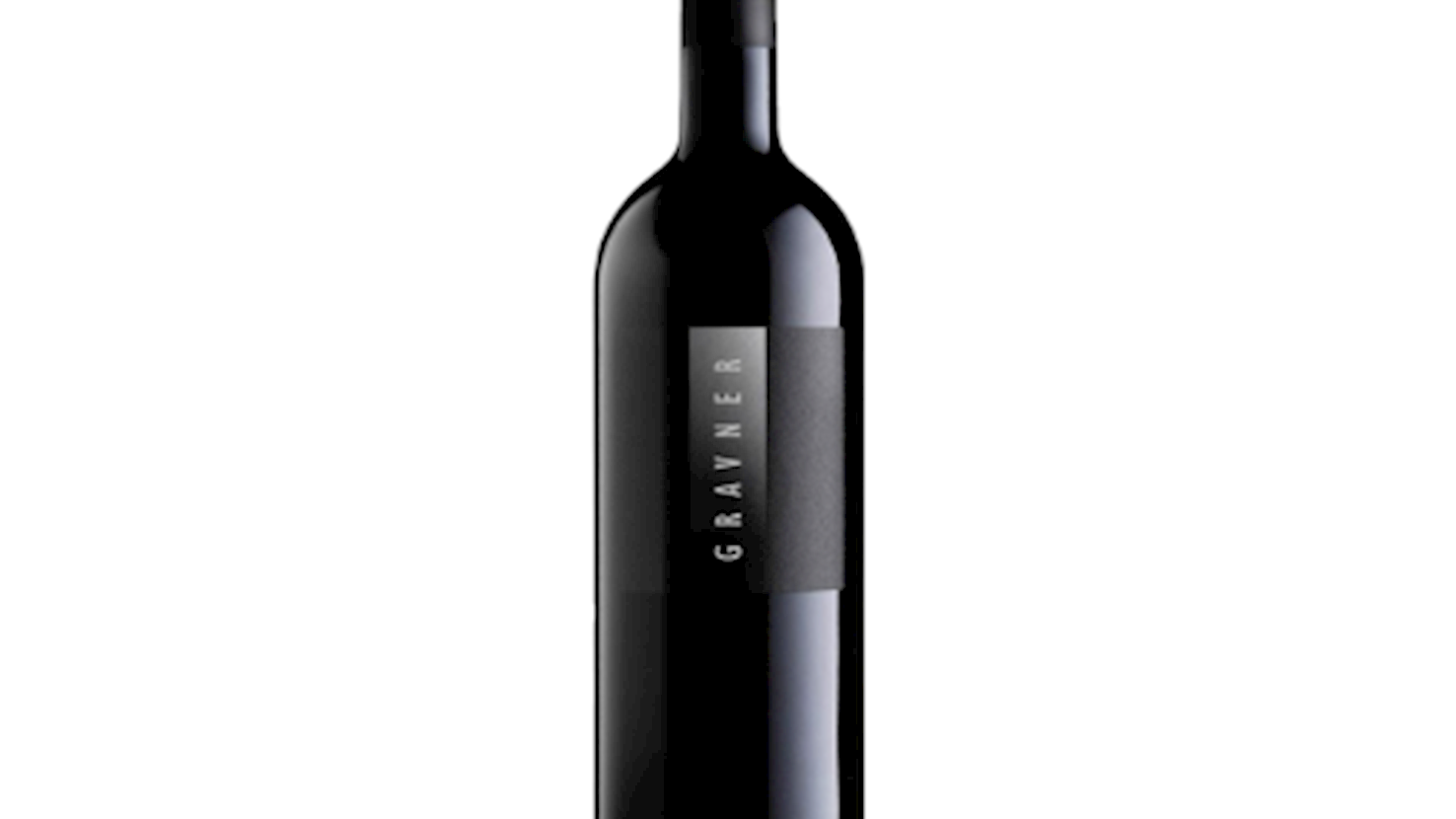
Gravner is a family-owned winery from the village of Oslavia, on the border between Italy and Slovenia, in the Friuli-Venezia Giulia region, recognized for its radical winemaking philosophy and pioneering role in the world of orange wines. Joško Gravner took over the winery in 1973, but it was in the mid-1990s that he made a decisive shift away from modern technology and returned to natural, traditional methods. His turning point came after a trip to Georgia, where he discovered qvevri - large clay amphorae buried in the ground and used for fermentation and aging. Upon returning home, Gravner completely changed his approach: white wines ferment and macerate on the skins for several months in qvevri, without temperature control, essentially using the technique of red winemaking. Afterward, the wine spends years aging in large Slavonian oak casks before being released. The varieties he focuses on are primarily Ribolla Gialla and Pignolo, while he has almost entirely eliminated international grapes to concentrate on terroir and the authentic expression of the Collio hills. Gravner’s wines are intense, layered and complex, often showing aromas of dried fruit, stone fruit, nuts and a subtle oxidative character. Due to the extended skin contact, the white wines develop tannic structure, depth and excellent aging potential. The winery’s philosophy is that wine should reflect the soil, the vintage and the hands of the winemaker - not technology. Today, Gravner is considered one of the most influential producers of orange wine in the world, frequently cited as a benchmark for authenticity and boldness in winemaking.
Awards
Vivino - 4.6
Vivino - 4.5
02

Schiopetto

4.7 ·
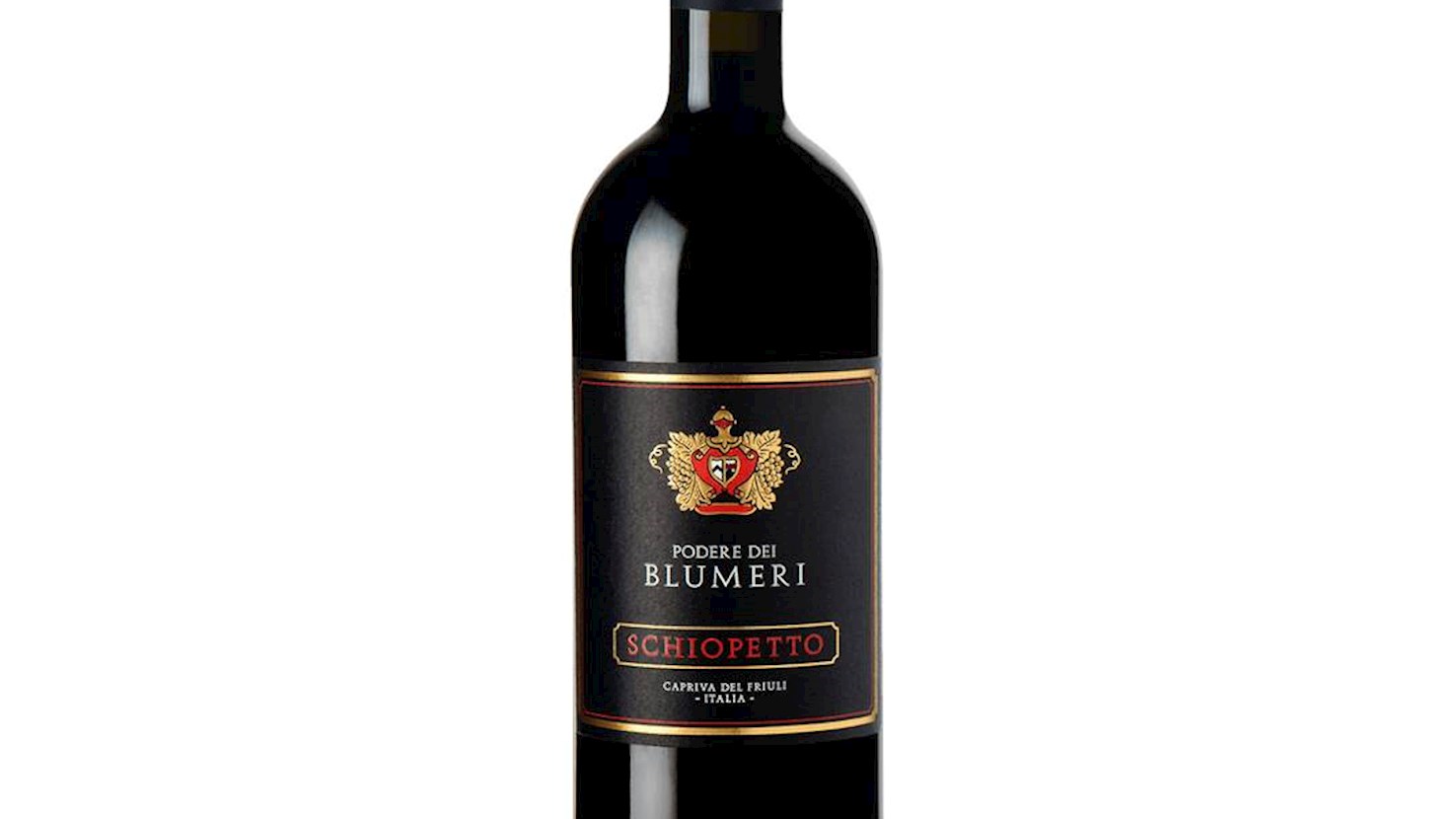
Schiopetto is a renowned winery located in Capriva del Friuli, in the Friuli-Venezia Giulia region of Italy. It was founded by Mario Schiopetto, a pioneer of modern white wine in Friuli, who crafted his first "Tocai" in 1965, marking the beginning of a new era in white wine production in Italy. The winery is centered around the Palazza Arcivescovile estate, which Mario leased in 1970 and later purchased in 1989. He transformed the neglected vineyards into meticulously maintained plots, leveraging the potential of the local soil known as "Ponca," rich in clay and limestone. Schiopetto is celebrated for its elegant and refined white wines that precisely reflect the characteristics of the grape varieties and terroir. The winery employs stainless steel and modern technology to control temperature and oxygen at every stage of production, allowing for wines that capture the region's unique identity.
Awards
James Suckling - 97 points (2024)
03

Stella Bella

4.6 ·
Awards
Decanter World Wine Awards - Best in Show (2024)
Decanter World Wine Awards - Platinum (2022, 2021, 2019, 2018, 2016)

Best Friulian Red Wine Types

01

Schioppettino

n/a ·

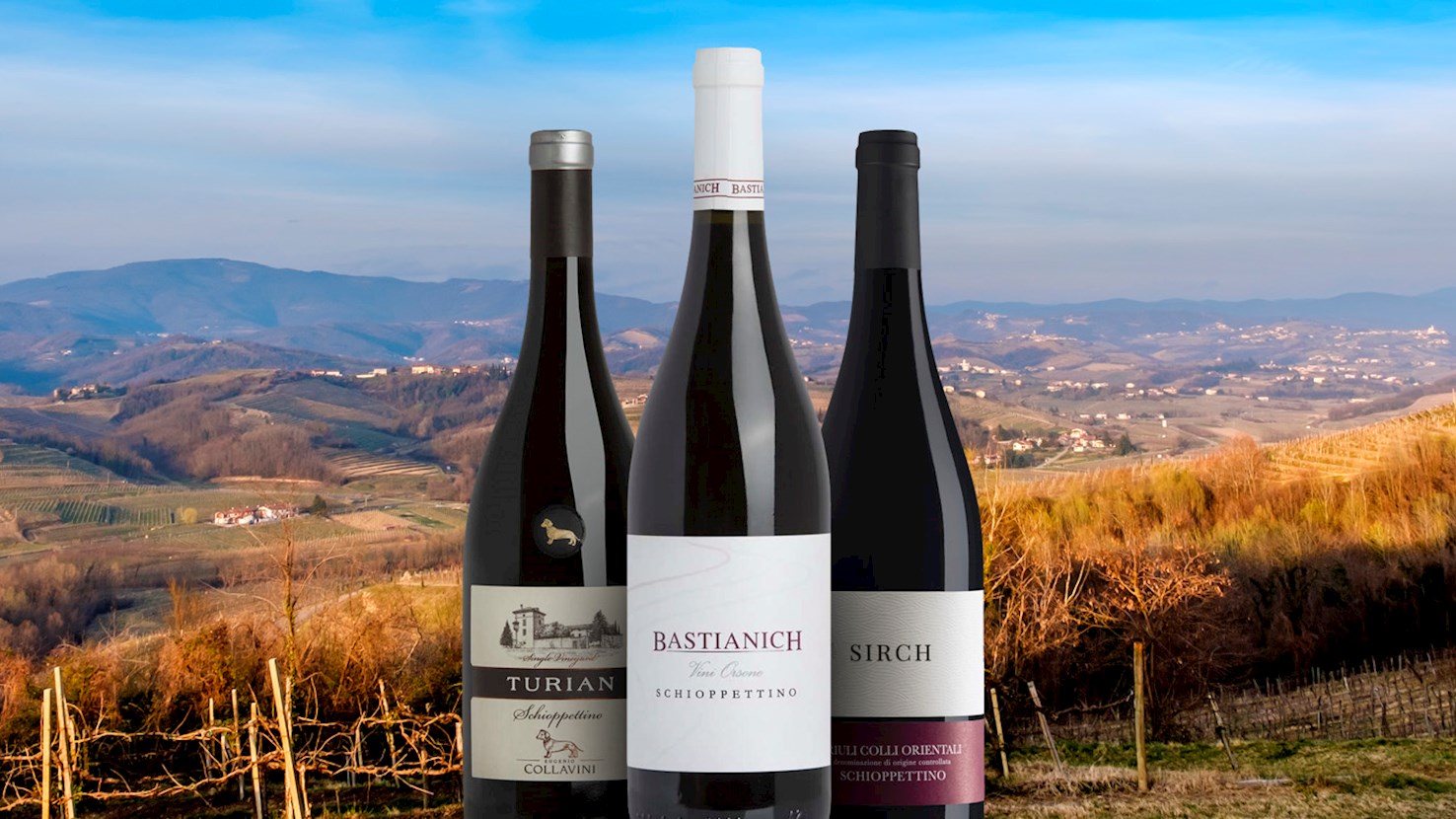
Schioppettino is a red Italian grape that is almost synonymous with the Friuli-Venezia Giulia region in northeast Italy. Also known as Ribolla Nera, it is an ancient grape believed to have originated near the Slovenian border. Schioppettino was almost wiped out after phylloxera, and by the late 1960s, it was considered extinct. It was reintroduced in 1970 by Paolo and Dina Rapuzzi from the Ronchi di Cialla winery and Bernardo Bruno, the former mayor of Prepotto. They made new cuttings from a few Schioppettino plantings that were left, and in two years, they managed to completely resurrect the variety from extinction. Today, it is mainly found in Friuli Colli Orientali appellation and the Schioppettino di Prepotto subzone. The grape is used in varietals and blends. It creates intensely colored red wines with a medium body and a spicy, peppery-like note on the palate. The aroma is reminiscent of red and black berries, often with hints of violet and herbal and balsamic notes. The wines are smooth and well-balanced with tannins and acidity. They can range from fresh and approachable styles that are best enjoyed young to more complex, age-worthy examples. Because of their versatile character, these wines pair well with various dishes, including red and white meat, mushroom-based dishes, and local specialties. They could also work well with spicy Asian cuisine. The grape is locally known as Ribolla Nera because it was once thought to be a dark-skinned relative to Ribolla Gialla. The current name stems from scoppiettio, roughly translated as to crackle. It is believed that it originated as a reference to the crackling sounds the grapes make when eaten or possibly because the wines would sometimes get fizzy.

02

Pignolo

n/a ·

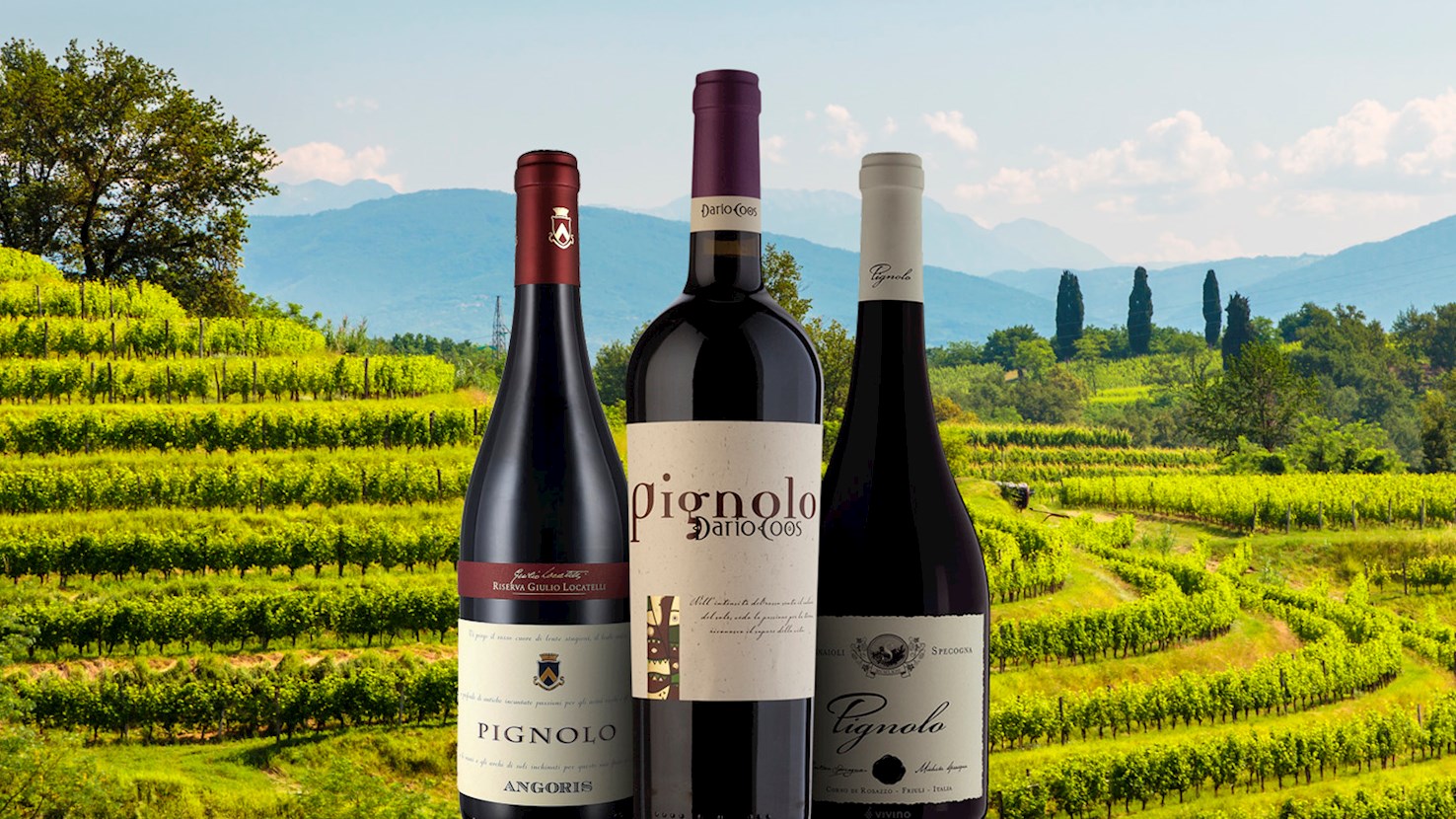
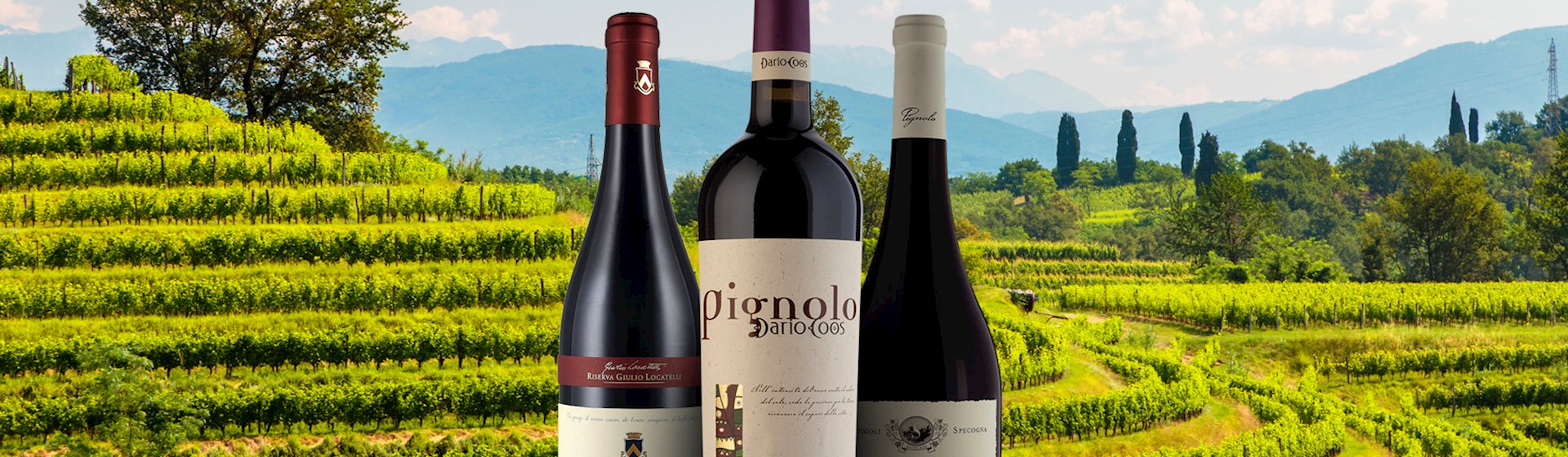
Pignolo is a local Friulian grape that produces tannic red wines. It is believed that the grape originated around the Abbey of Rosazzo, a monastery located in the Colli Orientali of Friuli. After phylloxera hit the region, Pignolo was considered extinct, but it was revitalized in the 1970s when few vines were discovered in the abbey. The grape is mainly associated with Friuli-Venezia Giulia, where it is used in regional appellations, including varietals and blends. Pignolo can produce age-worthy wines of exceptional quality, but it is still rarely used because of its low yield and finicky nature. The wines are elegant, intensely colored, and have excellent balance of acidity and well-integrated, ripe tennis. The flavor and aromas are fruity, reminiscent of red berries, blackberries, and plums. They are frequently oak-aged, while the aromas often evolve into spicy, licorice-like notes. These wines pair with meat, including pork, red meat, and game. They could also work well with aged cheese.

03

Refosco

n/a ·

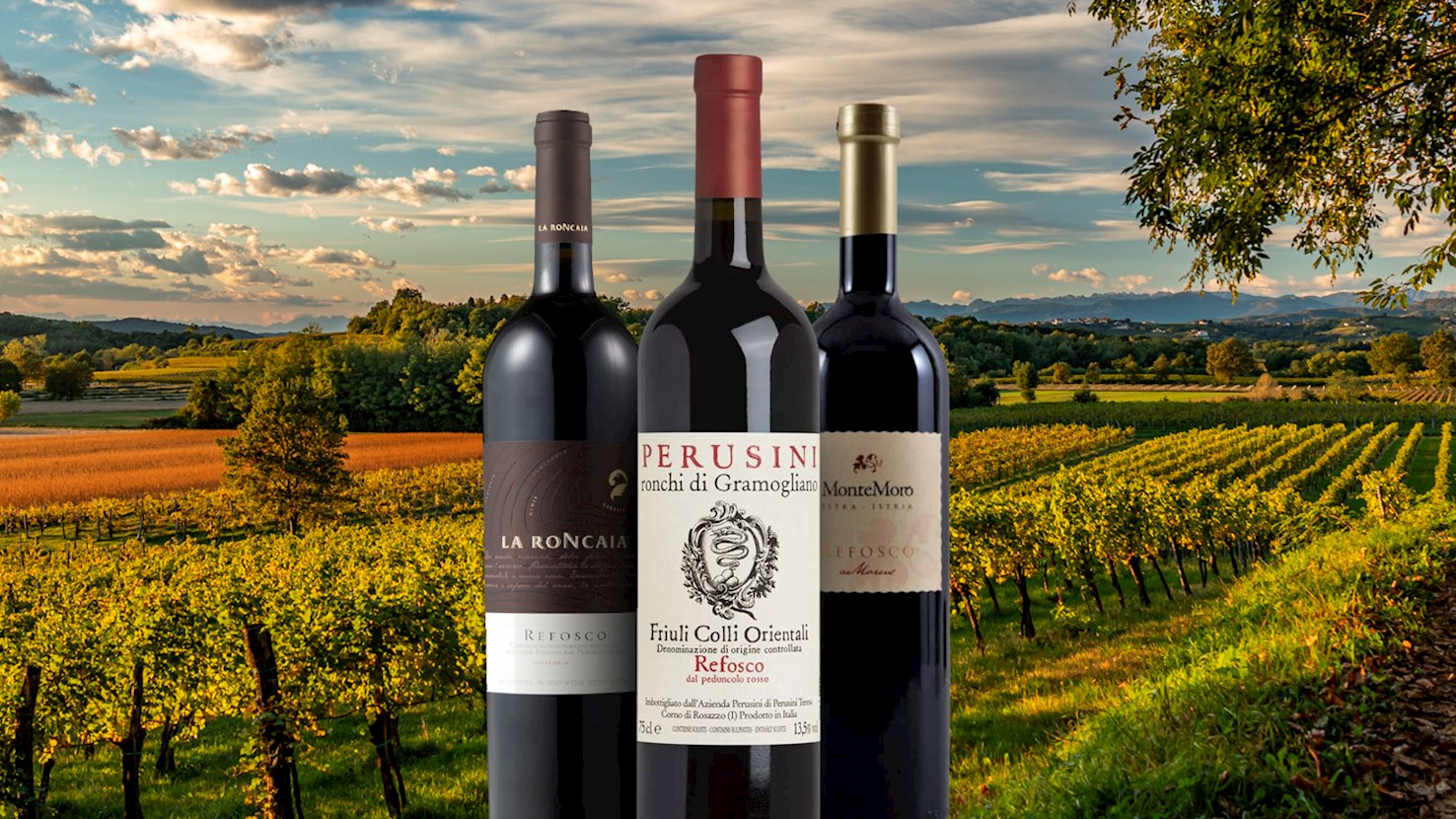
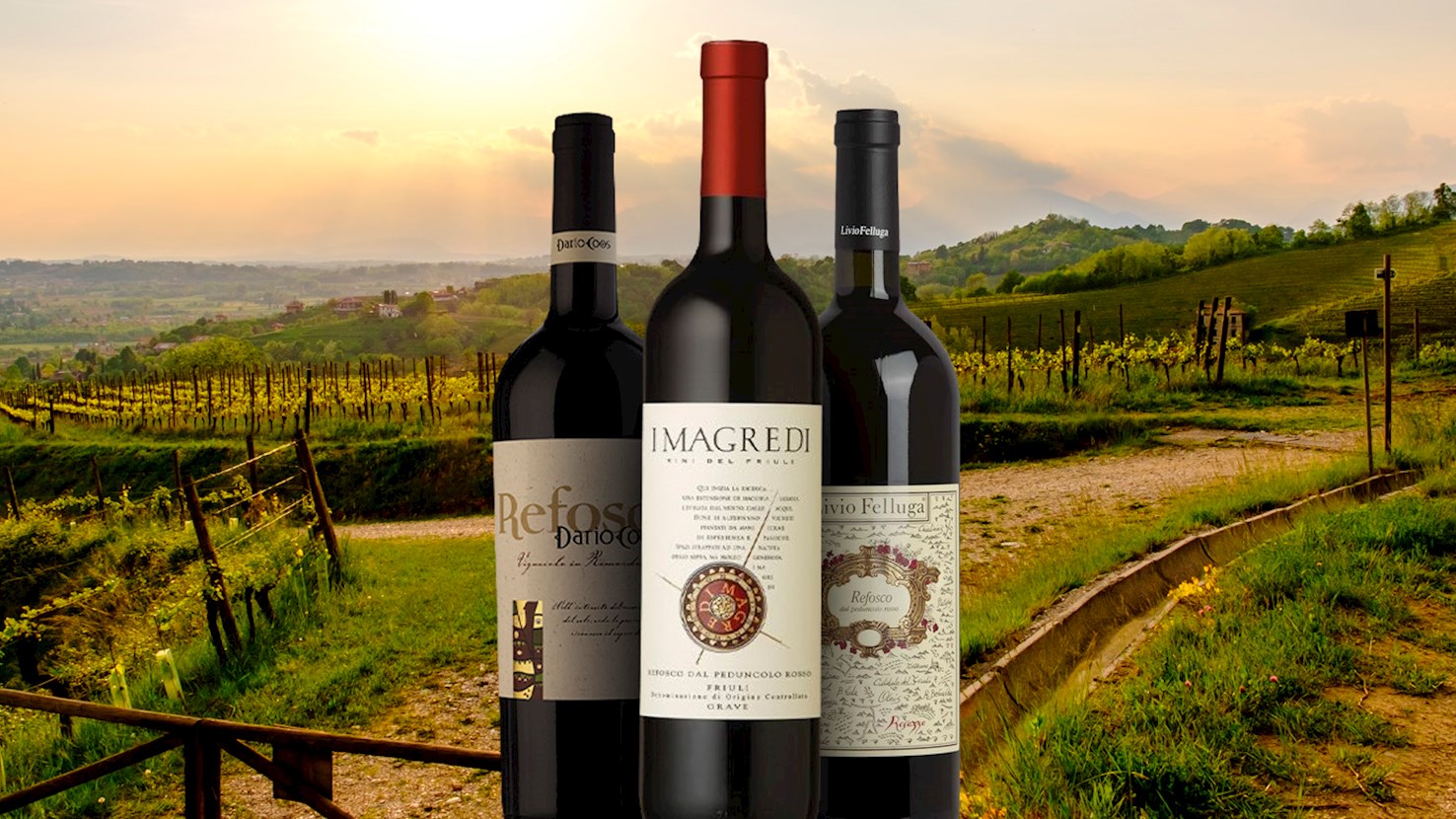
Refosco is a name used for a group of distinct red grape varieties that are mostly associated with Italy but can also be found in Slovenia and Croatia. It has been concluded that there are six different Refoschi grapes, but the most popular and the most planted variety is the Refosco dal Peduncolo Rosso. Although Refosco wines vary and differ in character, ranging from light and fruity to heavier and robust examples, they share some common characteristics. Most have a deep red color and are rich in tannins and acidity. They often have a subtle almond-like or bitter note that helps balance the tannins and acidity. The flavor and aroma are reminiscent of red fruit and violets, with some herbal and spicy notes. These wines will usually (depending on the variety) benefit from age.

04

Refosco dal Peduncolo Rosso

n/a ·

Refosco dal Peduncolo Rosso is the best known and most planted variety of Refosco grape—a group of distinct red grapes found in northern Italy, Slovenia, and Croatia. This grape is one of the most important varieties in Friuli, but it is also cultivated in Veneto and Slovenia. The wines are typically richly colored, with a good body and high acidity. They are lively, tannic, and usually have a subtle tart note. The aromas are rich, warm, and fruity, often reminiscent of plums, currants, and blackberries, with hints of floral, earthy, and sometimes balsamic notes. These intriguing wines are usually well-structured, while the tannins often soften with age. They can be paired with various meat dishes, especially traditional local specialties. Best expressions of Italian Refosco are believed to come from Friuli Colli Orientali DOC.

05

Colli Orientali del Friuli

n/a ·

Colli Orientali del Friuli is a wine produced in the eastern hills of the Friuli-Venezia Giulia region in northeastern Italy, close to the border with Slovenia, and is regulated under the Colli Orientali del Friuli DOC, covering white, red, and sweet wines made across a clearly defined hilly zone. Viticulture in this area developed within a landscape shaped by marl and sandstone soils known locally as ponca, combined with a climate influenced by both the Adriatic Sea and the Alps, conditions that encouraged grape growing long before modern appellation structures and later led to formal recognition of the zone’s capacity for site-specific wines rather than bulk production. Wine production places strong emphasis on vineyard management and low yields, with grapes such as Friulano, Ribolla Gialla, Sauvignon, Pinot Grigio, and Picolit for whites and Merlot, Refosco, and Schioppettino for reds, vinified through controlled fermentation, extended skin contact in some cases, and selective aging in stainless steel, large casks, or small barrels depending on variety and producer intent. A defining aspect of Colli Orientali del Friuli is the coexistence of dry, structured whites and long-lived reds alongside rare sweet wines within the same appellation, all tied together by soil composition and hillside exposure rather than by a single dominant grape. These wines are consumed primarily with meals in Friuli and neighboring regions, served according to style from chilled whites to cellar-temperature reds, and they pair well with seafood, cured meats, poultry, cheeses, mushroom-based dishes, and refined vegetable preparations, while sweet versions are reserved for the end of the meal with pastries or blue cheeses, reinforcing the appellation’s role in complete table service rather than isolated tasting.

06

Tazzelenghe

n/a ·

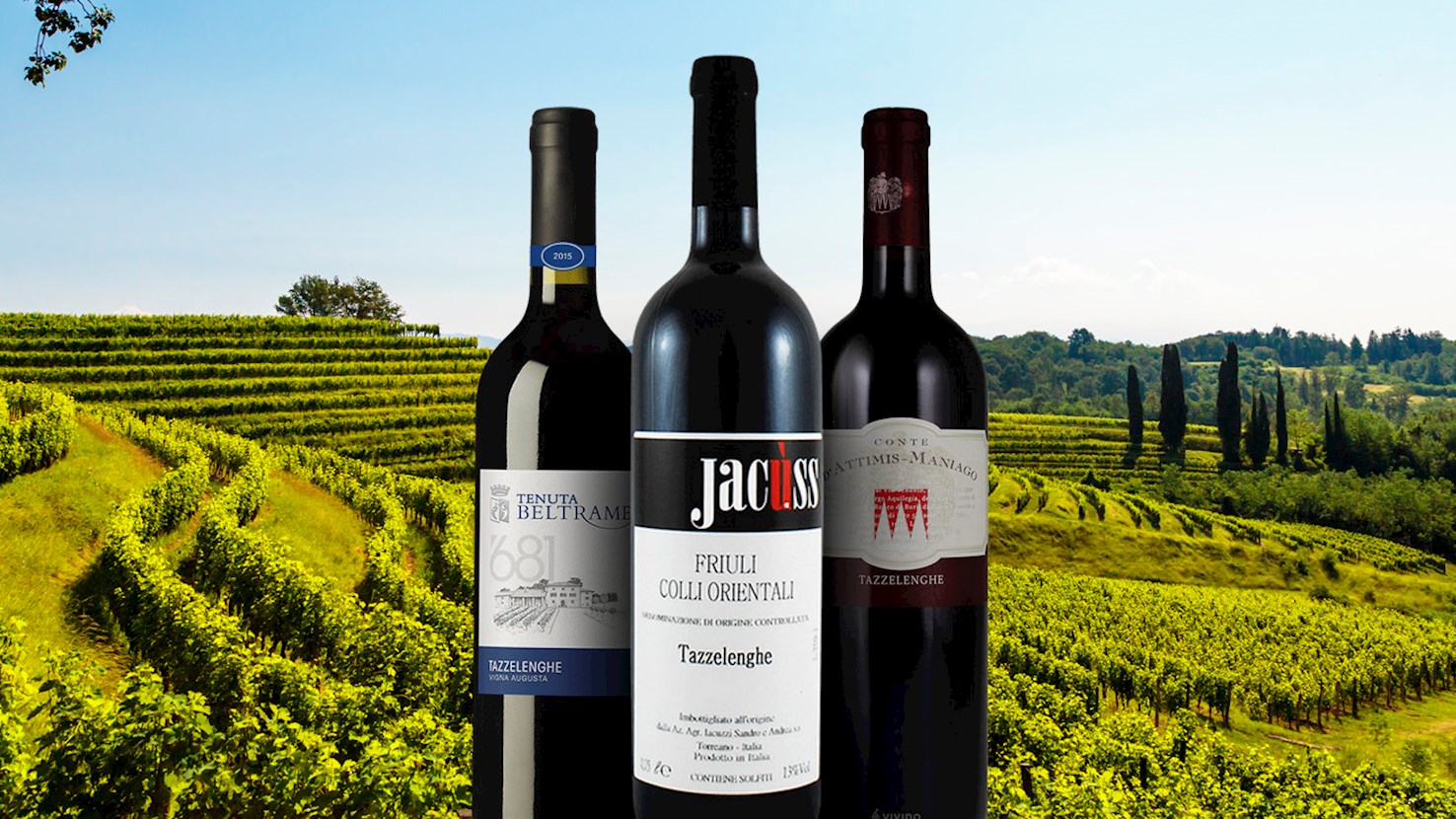
Tazzelenghe is a red Italian grape mainly cultivated in Friuli-Venezia Giulia in northern Italy. Not much is known about its origin, but the grape was commonly planted until phylloxera hit the region. Although it was on the verge of extinction, it was brought back from obscurity in the 1980s, when it was reintroduced as an exciting local variety. Most plantings are found in Udine, which is also the home of Colli Orientali del Friuli Tazzelenghe DOC appellation. Tazzelenghe produces slightly rustic red wines known for high acidity and tannins. When young, the wines have a dark, almost purple color that dims with age. The aroma is intense, reminiscent of cherries, red currants, and tobacco. These wines are full-bodied and high in acidity but require some time in oak. As they age, they soften and become more approachable and usually attain spicy and woody aromas. Interestingly, the name of the variety stems from local dialect—tàce-lenghe or tongue-cutter—which probably refers to the powerful tannins and puckering acidity. These age-worthy wines are best paired with local meat specialties. The wines go exceptionally well with roasted and grilled red meat, stews, game, and aged cheese.

Read more
View all
View map
About this ranking

TasteAtlas food rankings are based on the ratings of the TasteAtlas audience, with a series of mechanisms that recognize real users and that ignore bot, nationalist or local patriotic ratings, and give additional value to the ratings of users that the system recognizes as knowledgeable. For the “Top 6 Friulian Red Wines” list until June 03, 2026, 16 ratings were recorded, of which 10 were recognized by the system as legitimate. TasteAtlas Rankings should not be seen as the final global conclusion about food. Their purpose is to promote excellent local foods, instill pride in traditional dishes, and arouse curiosity about dishes you haven’t tried.

The initial list of top producers was compiled based on available reviews, awards, local recommendations, media and blog coverage, and consumer reviews. The list will be updated with ratings from TasteAtlas local ambassadors and TasteAtlas users.

Similar lists