Top 36 German Red Wines

Last updated on July 01, 2026

Best German Red Wines
01

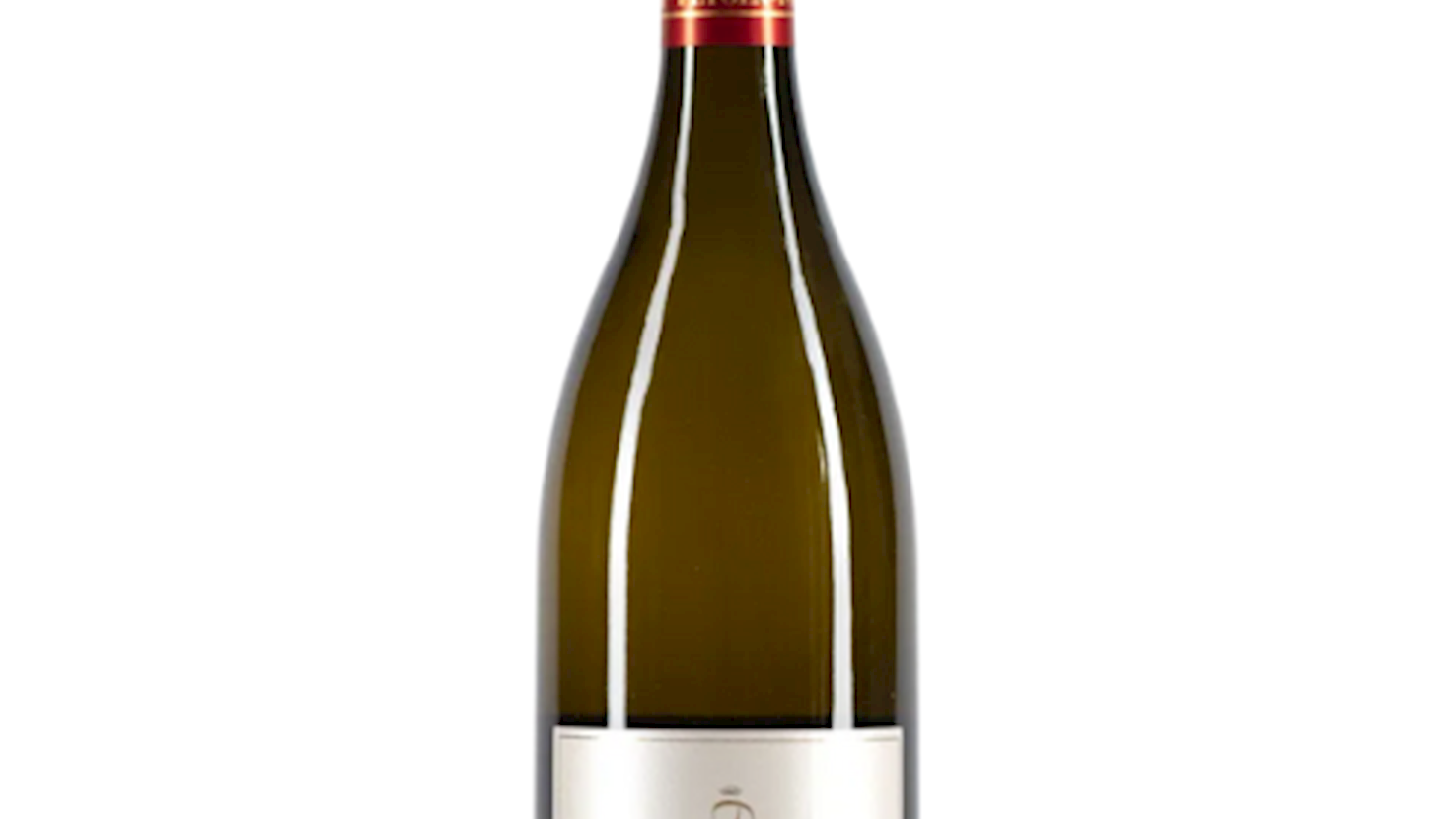
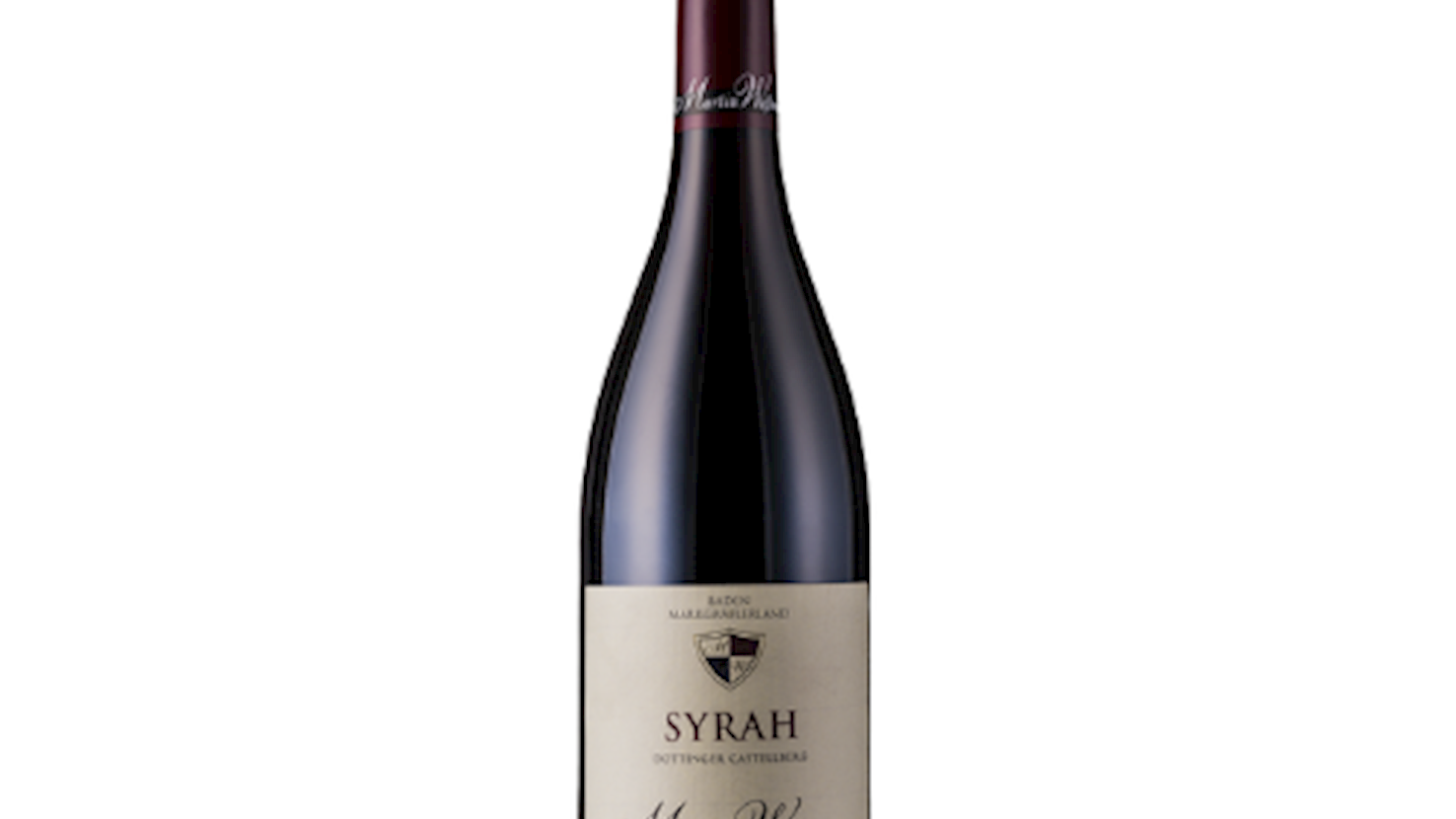
Weingut Martin Waßmer

4.8 ·

Weingut Martin Waßmer is a family-owned winery located in Bad Krozingen-Schlatt in the Baden region, specifically within Markgräflerland in southwestern Germany. Established in its modern form in 1997, the estate quickly gained recognition for its strong focus on Burgundian grape varieties and winemaking philosophy.

The vineyards are situated on high-quality sites such as Dottinger Castellberg and Schlatter Maltesergarten, where low yields and careful vineyard management ensure concentration and precision. The winery is particularly known for its Spätburgunder, alongside Chardonnay and other Burgundy-inspired varieties.

Winemaking emphasizes minimal intervention, often using natural fermentation and aging in French oak barriques to enhance complexity and structure. The wines are defined by elegance, balance, and clear expression of terroir, rather than power.

Today, Weingut Martin Waßmer is considered one of the leading producers in Baden, especially noted for its refined and internationally respected Pinot Noir wines.

Awards
Decanter World Wine Awards - Platinum (2022, 2020)
Decanter World Wine Awards - Best in Show (2017)
02

Constantia Glen

4.7 ·
Awards
Decanter World Wine Awards - Platinum (2022, 2021, 2019)
IWSC- International wine & spirit competition - Gold (2023, 2019)
03

Weingut Kreuzberg

4.7 ·
Awards
Decanter World Wine Awards - Best in Show (2021)
04

Cono Sur

4.6 ·
Awards
Decanter World Wine Awards - Platinum (2020, 2016)
Decanter World Wine Awards - Best in Show (2016)
05

E & J Gallo

4.6 ·
Awards
IWSC- International wine & spirit competition - Gold (2022)
USA Wine Ratings - Gold (2018)
06

Weingut Heitlinger

4.6 ·
Awards
IWSC- International wine & spirit competition - Gold (2019)
07

Weingut Fritz Wassmer

4.6 ·
Awards
Decanter World Wine Awards - Platinum (2024)
08

Meyer-Näkel

4.6 ·
Awards
Decanter World Wine Awards - Platinum (2019)
09

Weingut Aldinger

4.6 ·
Awards
Decanter World Wine Awards - Platinum (2020)
10

Weingut Ökonomierat Petgen-Dahm
4.4 ·

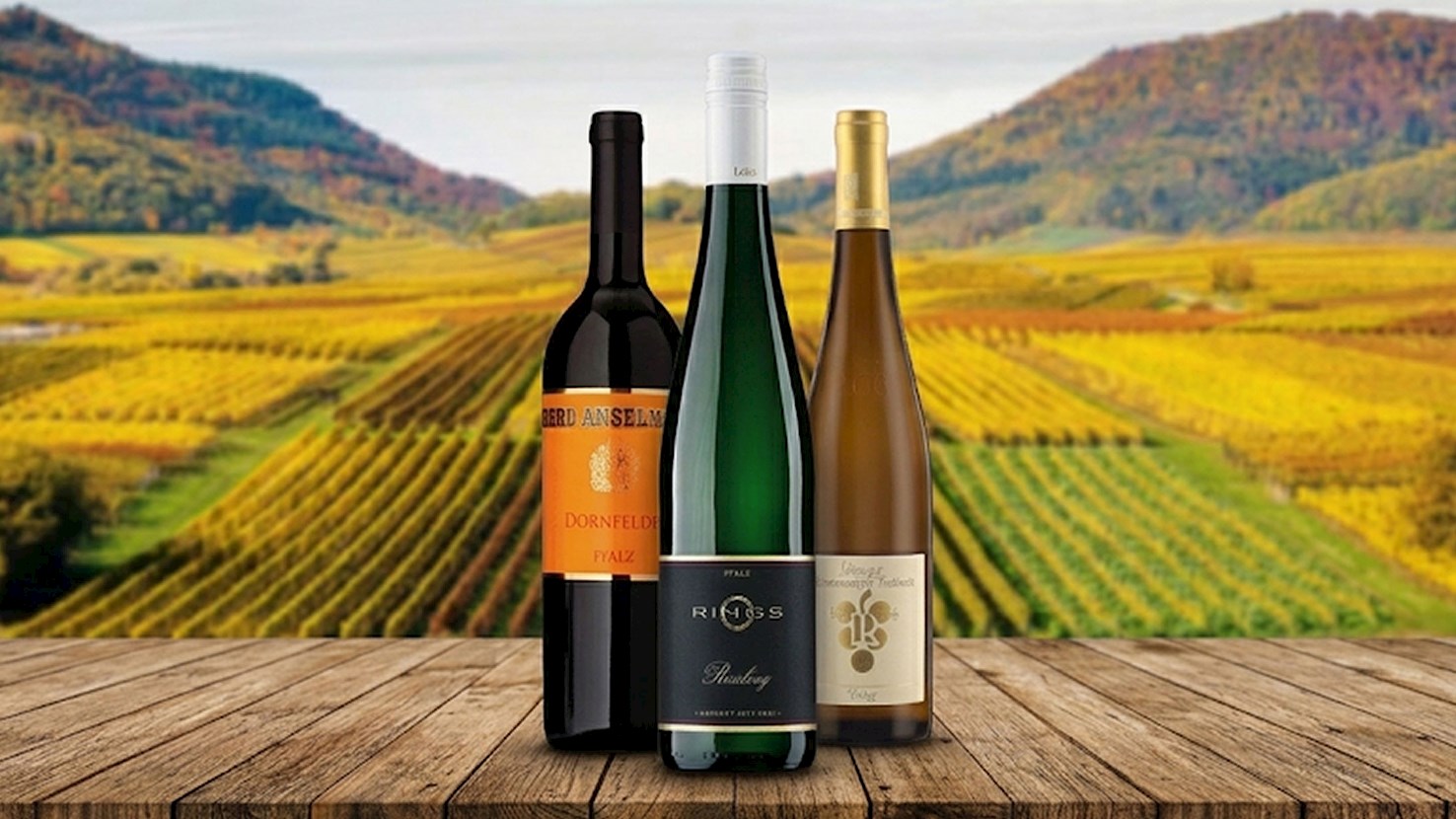
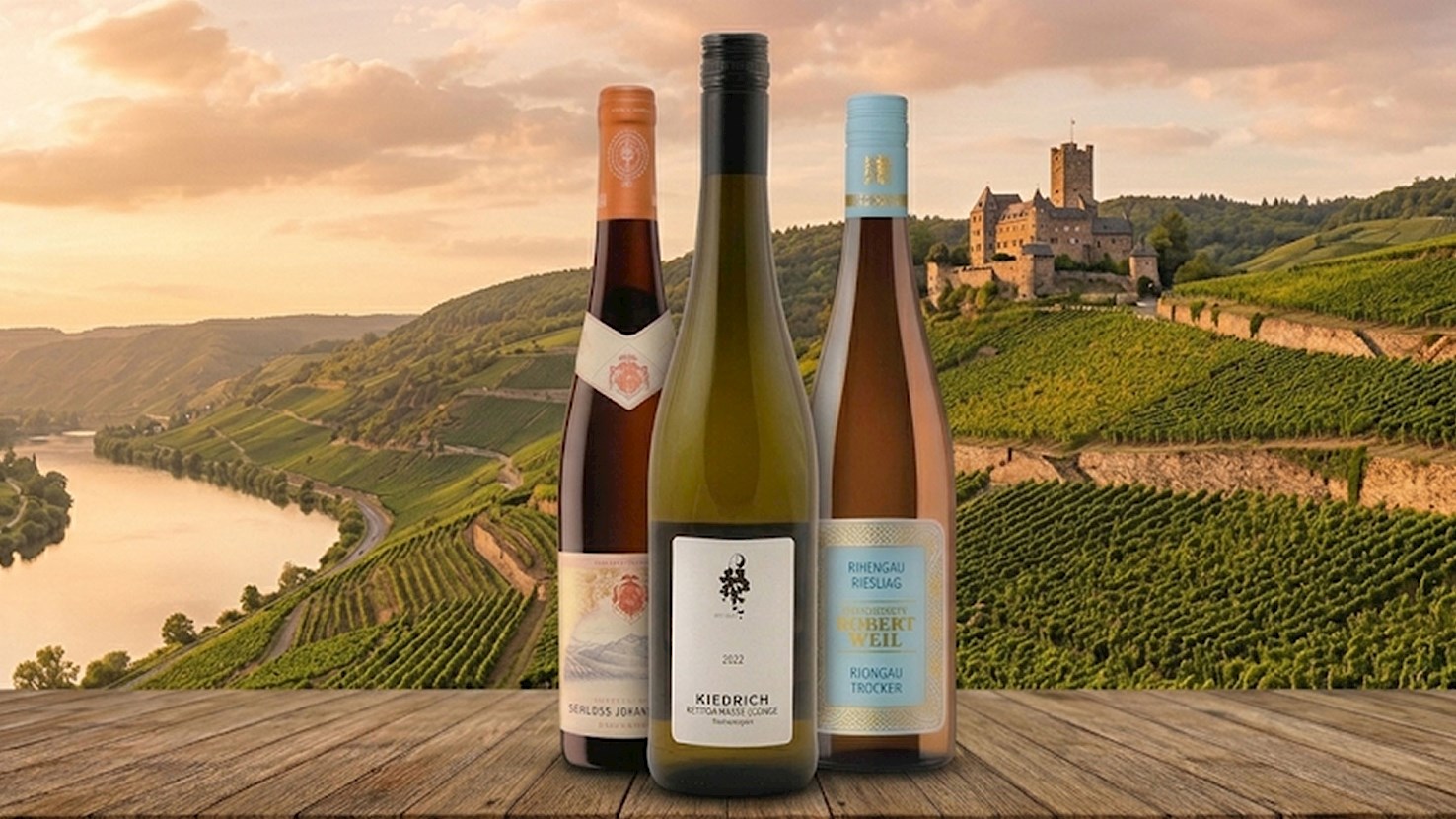
Weingut Ökonomierat Petgen-Dahm is a family-owned winery located in the picturesque region of Saar Valley, Germany. The winery has a long history, dating back several generations, and is known for producing high-quality wines that reflect the unique terroir of the area. The estate specializes in Riesling, which is the flagship grape variety of the region, though they also produce a range of other white and red wines.
Awards
Berlin Wine Trophy - Grand Gold (2023, 2022, 2021, 2020, 2019, 2018)
Asia Wine Trophy - Grand Gold (2017)

Best German Red Wine Types

01

Pfalz

n/a ·

Pfalz is a wine-growing region located in the southwest of Germany, within the federal state of Rhineland-Palatinate. It occupies a strip of land approximately 85 kilometers long, bordered by the Haardt Mountains to the west and the Rhine River plain to the east. The region covers approximately 23,600 hectares of vineyards, making it the second-largest wine region in the country. The climate is characterized by high sunshine hours, averaging 1,800 per year, and low precipitation due to the rain shadow cast by the mountains. The geology is diverse, featuring a mosaic of limestone, Bunter sandstone, loess, loam, and isolated patches of volcanic basalt and red slate. Viticulture in this area was established during the Roman occupation in the 1st century. Archaeological excavations have uncovered several Roman villa rusticae, such as those in Wachenheim and Ungstein, which included sophisticated pressing facilities. After the decline of Roman administration, vineyard management continued under the supervision of various ecclesiastical estates and local nobility. In 1816, following the Napoleonic Wars and the Congress of Vienna, the region came under the administration of the Kingdom of Bavaria, a political status that lasted until 1946. During the 1930s, the Deutsche Weinstraße (German Wine Route) was officially established to unify the local wine commerce and promote tourism, marking the first such route in the world. Preparation involves the cultivation of 45 white and 22 red grape varieties. Riesling is the primary grape, covering nearly 6,000 hectares, but the region also produces significant volumes of Dornfelder, Grauburgunder (Pinot Gris), Weissburgunder (Pinot Blanc), and Spätburgunder (Pinot Noir). The winemaking process often utilizes large, neutral wooden barrels for fermentation and aging, which facilitates oxygen exchange without imparting strong oak flavors. Serving temperatures are typically 8°C to 12°C for white wines and 16°C to 18°C for reds. A specific vessel used in the region is the Dubbeglas, a 500-milliliter glass featuring circular indentations that provide a secure grip. A unique feature of Pfalz viticulture is the high proportion of red wine production compared to other German regions, accounting for nearly 40% of the total output. The region is also the only place in Germany where figs, lemons, and almonds grow in the open air due to the Mediterranean-like microclimate. Consumption often takes place in local wine taverns and at large-scale festivals, the most prominent being the Dürkheimer Wurstmarkt. The wine is frequently consumed as a Schorle, mixed with sparkling mineral water. Food pairings include the regional specialty Pfälzer Saumagen, a dish made of pig's stomach stuffed with pork, potatoes, and spices, which complements the structural acidity of a dry Riesling. White varieties are also paired with white asparagus, trout, and poultry. The fuller-bodied Spätburgunder is served with roasted meats, game, and earthy mushroom dishes.

02

Rheingau

n/a ·

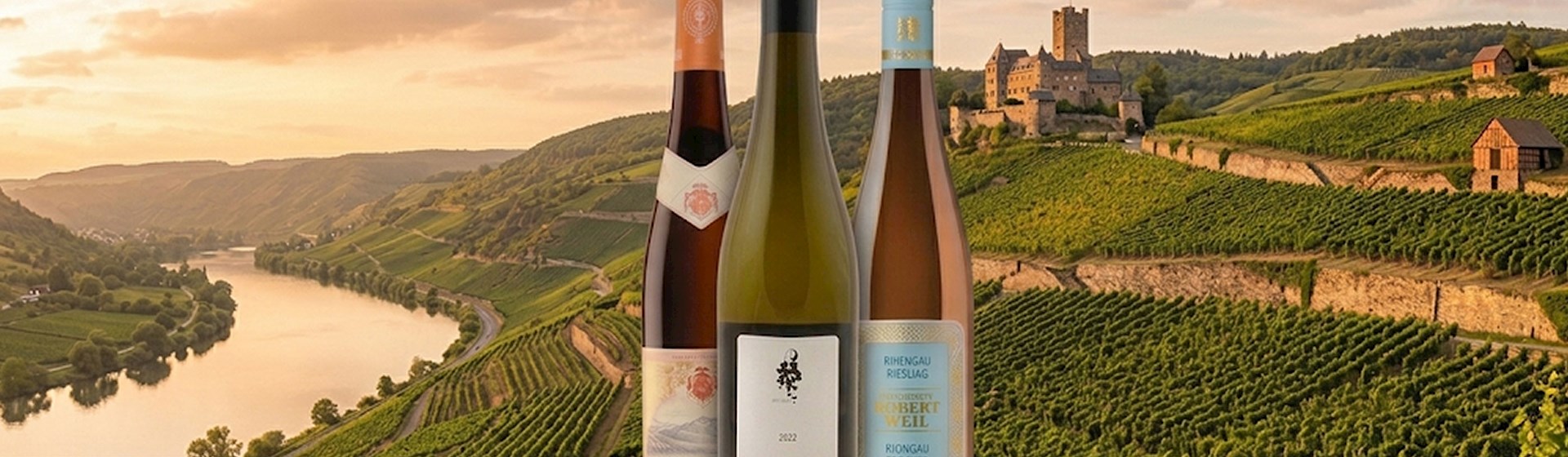
Rheingau wine is a viticultural product from the central German region of the same name, located primarily on the right bank of the Rhine River between the cities of Wiesbaden and Lorch. The development of viticulture in this area was significantly advanced during the twelfth century by Cistercian monks at Kloster Eberbach and Benedictine monks at Schloss Johannisberg, who utilized the unique southern orientation of the riverbanks. Because the Rhine flows westward for twenty-eight kilometers in this specific section, the vineyards face south, maximizing solar radiation and protection from cold northern winds provided by the Taunus Mountains. The soil composition consists of quartzite and slate on the upper slopes, while the lower elevations near the river contain layers of loess, clay, and gravel. Preparation of the wine centers on the Riesling grape, which accounts for approximately eighty percent of the vineyard area, along with Spätburgunder, also known as Pinot Noir. Winemaking processes include temperature-controlled fermentation in stainless steel or large neutral oak casks to maintain the natural acidity and aromatic profile of the fruit. Serving these wines involves chilling the white varieties to approximately eight to ten degrees Celsius, while the red varieties are best presented at sixteen degrees Celsius. In 1775, the late harvest category known as Spätlese was identified at Schloss Johannisberg after a messenger delivering the official harvest permit was delayed, resulting in the discovery that grapes affected by Botrytis cinerea, or noble rot, produced a concentrated sweet wine. The region also utilizes a specific classification for dry wines from superior sites. Dry Rieslings are frequently paired with freshwater fish such as trout or pike, as well as poultry and seasonal white asparagus. The Spätburgunder wines accompany roasted meats and game, while the sweeter Auslese and Beerenauslese bottlings are served with blue cheeses or fruit-based desserts to balance the sugar levels.

03

Rheinhessen

n/a ·

Rheinhessen is a wine-producing region located in a valley formed by the Rhine River to the north and east, and the Nahe and Alsenz rivers to the west, situated within the German state of Rhineland-Palatinate. Viticulture in this territory was established by Roman settlers, with the oldest documented vineyard site in Germany, the Niersteiner Glöck, being recorded in a deed from the year 742. The region is characterized by a diverse landscape of rolling hills protected from cold winds and heavy rainfall by the Odenwald, Taunus, Hunsrück, and Nordpfälzer Bergland mountains. This geography creates a warm, dry microclimate suitable for a wide variety of grapes grown on soils ranging from loess and marl to quartzite and the specific Rotliegend red slate found along the Rhine terrace. Preparation of these wines involves the cultivation of Riesling, Müller-Thurgau, and Silvaner, which was once the most prevalent grape in the area, alongside increasing amounts of Spätburgunder and Dornfelder. Modern cellar techniques focus on precision and temperature-controlled fermentation to produce styles that range from basic quality wines to high-end Grosses Gewächs bottlings. A notable shift in production occurred in the late 20th century as younger vintners moved away from mass-produced sweet blends like Liebfraumilch toward dry, site-specific wines that emphasize terroir. Serving Rheinhessen white wines typically requires a temperature between 8 and 12 degrees Celsius, while the reds are best presented at 16 to 18 degrees Celsius. These wines are consumed globally and are central to the local culinary culture in cities like Mainz and Worms. Dry Rieslings from the region are frequently paired with poultry, light pork dishes, and seasonal white asparagus, while the fuller-bodied Silvaner is a common accompaniment to regional specialties such as Weck, Worscht un Woi, or creamy soups. The red varieties like Spätburgunder are often served with roasted meats or local sausages, providing a structural balance to the fat and salt content of the food.

04

Nahe

n/a ·

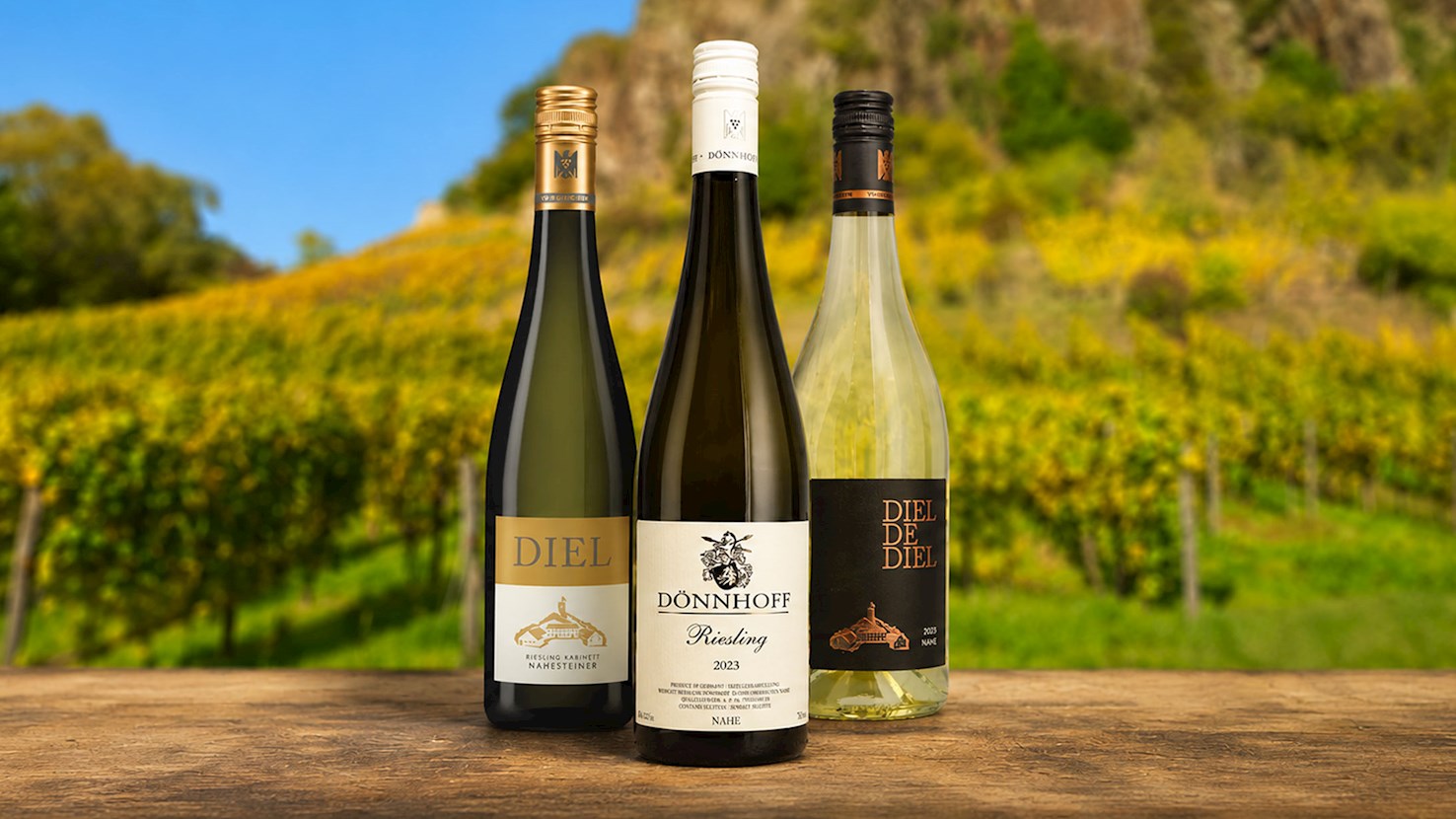
Nahe is a wine appellation in southwest Germany situated along the Nahe River, a tributary of the Rhine, between the Mosel and Rheinhessen regions. Viticulture in this valley was established during the Roman occupation, with documented evidence of vineyard expansion occurring under the influence of local monasteries and nobility throughout the Middle Ages. The region occupies a unique geological transition zone where over 180 different soil types have been identified within a relatively small area, including volcanic stone, slate, red sandstone, and limestone. This geological diversity is a result of intense tectonic activity and volcanic eruptions millions of years ago, which surfaced various rock layers that now influence the mineral profile of the grapes. Preparation of Nahe wine centers largely on the Riesling grape, which accounts for approximately one-quarter of the vineyard area, alongside significant plantings of Müller-Thurgau, Grauburgunder, and Weissburgunder. The winemaking process involves cool fermentation in stainless steel or large neutral oak casks to preserve the high natural acidity and site-specific characteristics. Due to the varied topography, vineyards on steep, south-facing volcanic slopes produce wines with high mineral concentration and smoke notes, while those on loess or clay soils result in broader, fruitier profiles. Serving these wines typically requires a temperature between 8 and 10 degrees Celsius for dry Rieslings, while sweeter Prädikat wines are often served slightly cooler to balance the sugar content. In Germany and international markets, Nahe wines are consumed as both aperitifs and accompaniments to structured meals. The dry Rieslings are frequently paired with freshwater fish like trout or pike-perch, which reflect the river-based geography of the region. The high acidity and medium body of Nahe whites also make them suitable for pairing with veal dishes, lightly spiced poultry, and various local cheeses such as Spundekäs. Because of the distinct mineral salinity found in wines from the volcanic soils of the lower Nahe, they are also commonly served with shellfish or mineral-rich vegetable dishes like white asparagus.

Read more
View all
View map
About this ranking

TasteAtlas food rankings are based on the ratings of the TasteAtlas audience, with a series of mechanisms that recognize real users and that ignore bot, nationalist or local patriotic ratings, and give additional value to the ratings of users that the system recognizes as knowledgeable. For the “Top 36 German Red Wines” list until July 01, 2026, 18 ratings were recorded, of which 15 were recognized by the system as legitimate. TasteAtlas Rankings should not be seen as the final global conclusion about food. Their purpose is to promote excellent local foods, instill pride in traditional dishes, and arouse curiosity about dishes you haven’t tried.

The initial list of top producers was compiled based on available reviews, awards, local recommendations, media and blog coverage, and consumer reviews. The list will be updated with ratings from TasteAtlas local ambassadors and TasteAtlas users.

Similar lists