Trousseau is a red wine grape variety that is primarily associated with the Jura region in eastern France. It is known for producing light to medium-bodied wines with a distinctive character and good aging potential. The grape is also grown in other regions, including Spain, where it is known as Merenzao, and in Portugal, where it is one of the varieties used in the production of Port wine, known there as Bastardo. Trousseau wines typically exhibit a complex and aromatic profile, with flavors and aromas that include red berries such as strawberries, raspberries, and cherries. There are often spicy notes of pepper and cloves, along with earthy and sometimes floral elements. The wines have moderate tannins and good acidity, making them fresh and vibrant, with a potential for developing more complexity with age. In the Jura region, Trousseau is used to produce varietal wines as well as blends. It is one of the key grape varieties in the Arbois and Côtes du Jura appellations. The wines can range from light and fruity to more structured and robust, depending on the winemaking techniques and the specific terroir. Trousseau is also known for its ability to produce wines that reflect the unique characteristics of the Jura's terroir. The region's limestone and marl soils, combined with its cool climate, contribute to the distinctive mineral and earthy qualities often found in Trousseau wines. In terms of food pairings, Trousseau wines are versatile and can complement a wide range of dishes. They pair well with grilled meats, game, charcuterie, roasted vegetables, and dishes with earthy flavors such as mushrooms and truffles. The wines' acidity and light to medium body also make them a good match for poultry and lighter pasta dishes.
Poulsard, also known as Ploussard, is a red wine grape variety primarily grown in the Jura region of eastern France. It is one of the signature grapes of the Jura, known for producing light-bodied, pale red wines that are highly aromatic and distinctive. The grape is particularly associated with the Arbois and Côtes du Jura appellations. Poulsard wines are typically light in color, often closer to a deep rosé or a very light red, due to the grape's thin skin and low levels of anthocyanins, which are the pigments responsible for color in red wines. Despite their light color, Poulsard wines can be quite flavorful and aromatic, with a complex profile that includes red berries such as strawberry and raspberry, along with floral notes like rose and violet. There can also be earthy, smoky, and sometimes slightly spicy elements, contributing to the wine's overall complexity. Poulsard is also used to produce rosé wines, sparkling wines (often in the traditional method), and even some white wines, where the juice is fermented without skin contact to avoid color extraction. The grape is quite versatile in terms of food pairings, thanks to its light body, good acidity, and aromatic profile. Poulsard wines pair well with a variety of dishes, including charcuterie, poultry, grilled vegetables, light pasta dishes, and cheeses, particularly those from the Jura region like Comté and Morbier. The wine's lightness and fresh acidity make it suitable for both casual drinking and more refined culinary pairings.
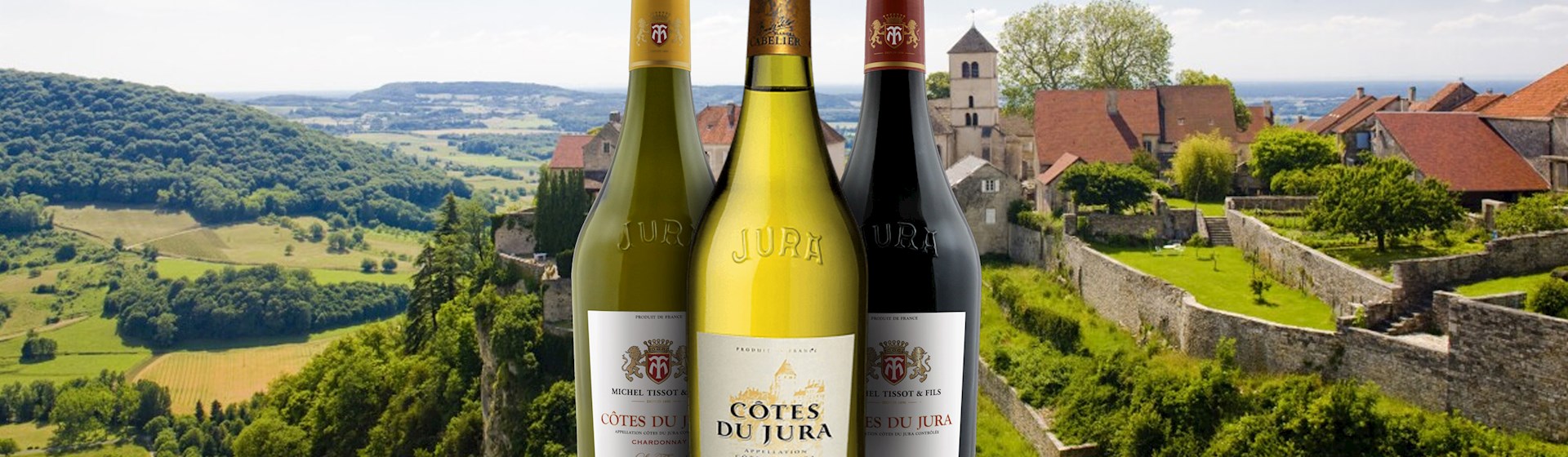
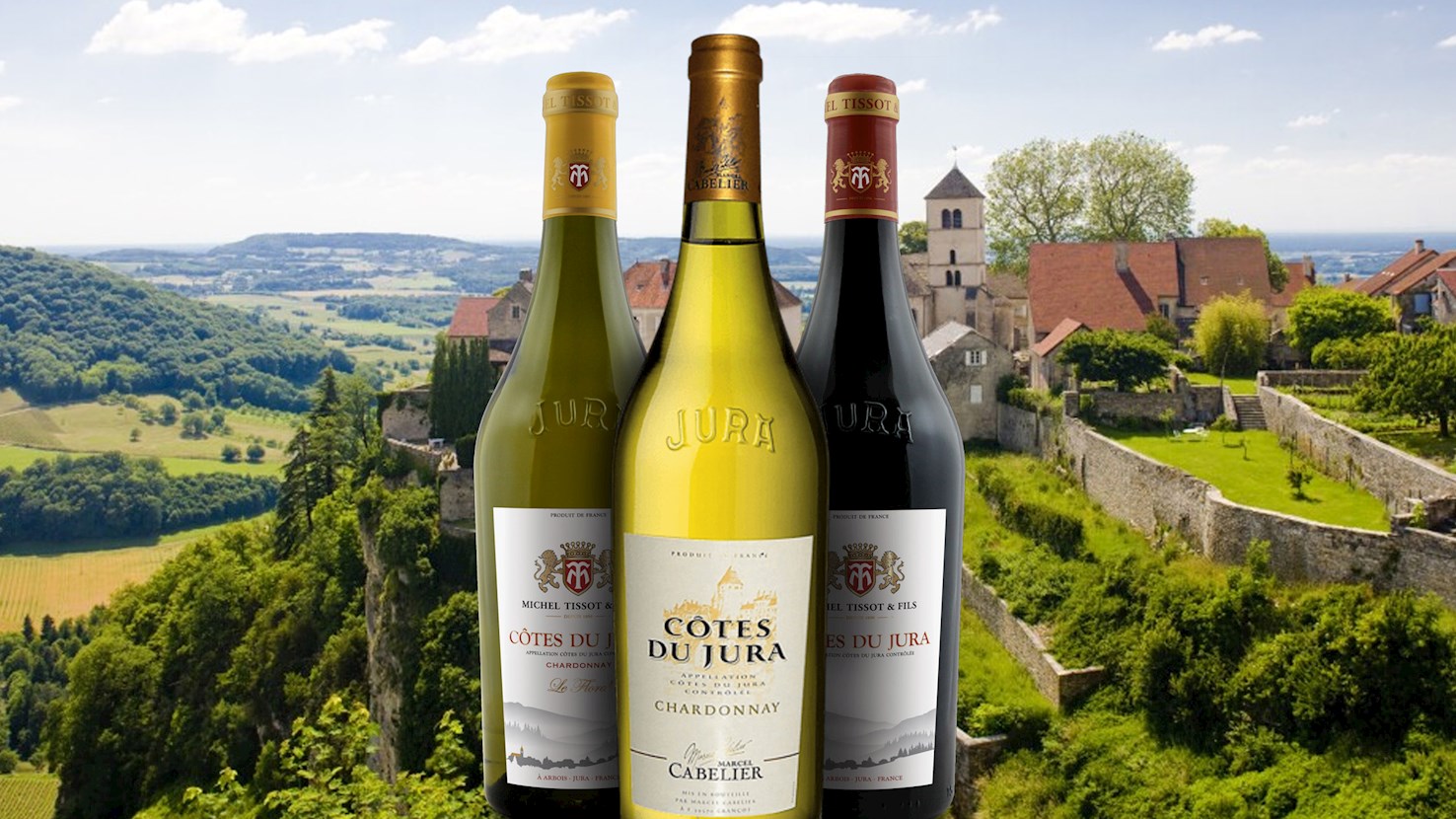
Côtes du Jura is an appellation from the Jura region in eastern France, covering a long and narrow stretch of vineyards that run along the western edge of the Jura mountains. It is known for producing red, white, and rosé wines as well as oxidative styles that are characteristic of the area, with permitted grape varieties including Savagnin, Chardonnay, Poulsard, Trousseau, and Pinot Noir. Its development is tied to longstanding viticulture in the region, shaped by the geological setting of marl and limestone soils and by vineyard practices that were already established when the appellation system was formalized in the mid-twentieth century to organize the diverse wine styles produced across Jura. Winemaking methods vary according to grape type and the style being made; whites may be produced in a non-oxidative manner similar to other French regions, or aged under a layer of yeast known as the voile for extended periods, a process that creates the nutty and saline profile associated with some Jura wines. Reds are typically lighter in color and body, often fermented and aged in a way that preserves the fruit character of Poulsard and Trousseau, and rosés are made through short macerations that highlight the naturally pale pigments of local grapes. A notable aspect of Côtes du Jura is the wide stylistic range permitted within a single appellation, allowing producers to bottle oxidative wines, classic whites, and light reds under the same designation, which is less common in many French wine regions. It is consumed throughout France and increasingly found abroad in restaurants and wine shops where Jura wines have gained attention, served with cheeses from the region such as Comté, poultry dishes with cream sauces, charcuterie, mushrooms, freshwater fish, and lighter red meats; in international settings it pairs well with nut-forward dishes, roasted vegetables, and foods that benefit from either the crispness of the non-oxidative wines or the savory depth of the oxidative styles.
TasteAtlas food rankings are based on the ratings of the TasteAtlas audience, with a series of mechanisms that recognize real users and that ignore bot,
nationalist or local patriotic ratings, and give additional value to the ratings of users that the system recognizes as knowledgeable.
For the “Top 3 Local Red Wines in Jura” list until June 03, 2026, 3 ratings were recorded, of which 3 were recognized by the system as legitimate.
TasteAtlas Rankings should not be seen as the final global conclusion about food. Their purpose is to promote excellent local foods,
instill pride in traditional dishes, and arouse curiosity about dishes you haven’t tried.