Top 5 Lazian Red Wines

Last updated on June 10, 2026

Best Lazian Red Wines

01

Villa Pinciana

4.6 ·
Awards
Decanter World Wine Awards - Platinum (2019)
02

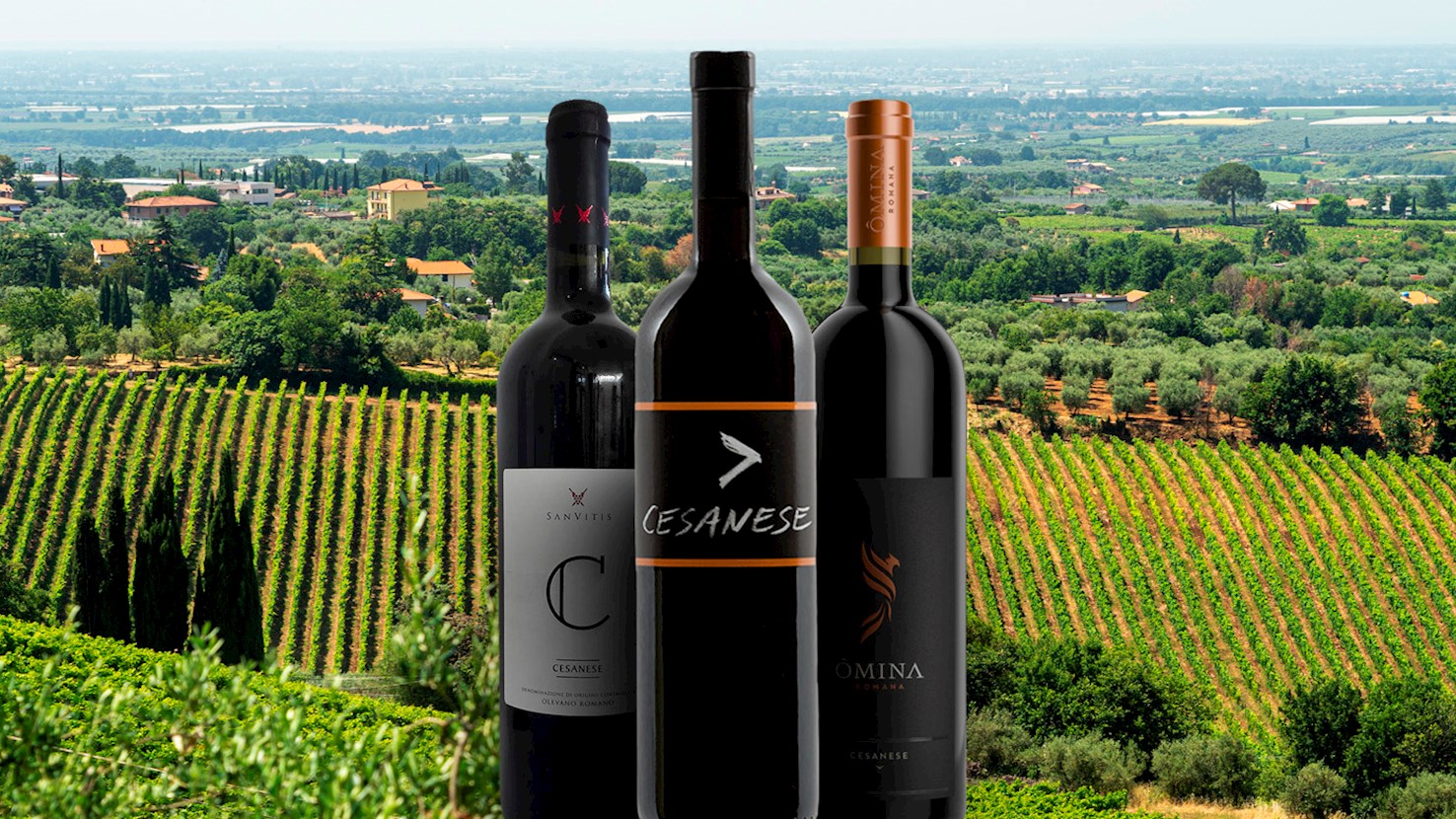
Ômina Romana

4.6 ·
Awards
Decanter World Wine Awards - Platinum (2020)
03

Castel de Paolis

4.4 ·
Awards
Concours Mondial de Bruxelles - Grande Médaille d'or (2023)
04

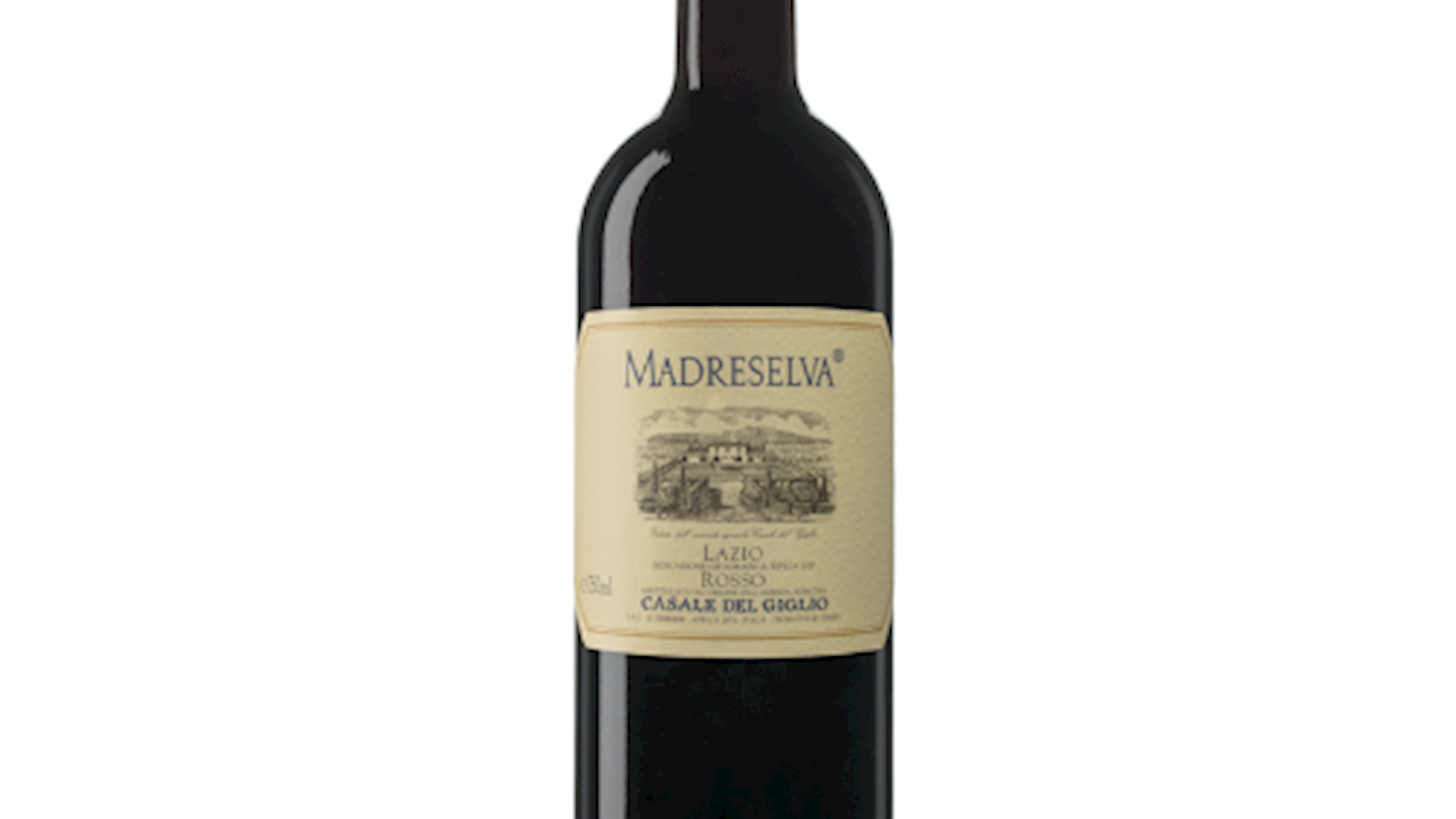
Casale Del Giglio

4.1 ·
Casale Del Giglio is an Italian winery located in the Lazio region, near the town of Le Ferriere in the province of Latina. Founded in the late 1980s, the estate is known for producing high-quality wines with a focus on both traditional and innovative techniques. Casale Del Giglio cultivates a wide variety of grape varieties, including international ones like Chardonnay, Cabernet Sauvignon, and Syrah, as well as native Italian varieties such as Malvasia and Trebbiano. The wines are celebrated for their complexity, balance, and expression of the terroir, combining rich flavors with fresh acidity. Casale Del Giglio is recognized for its commitment to sustainability and modern viticulture, making it a standout producer in Lazio.
Awards
Decanter World Wine Awards - Best in Show (2024)
Vivino - 4.2
05

Belvini.de GmbH

3.7 ·
Awards
Frankfurt International Trophy - Grand Gold (2019)

Best Lazian Red Wine Types

01

Cesanese del Piglio

n/a ·

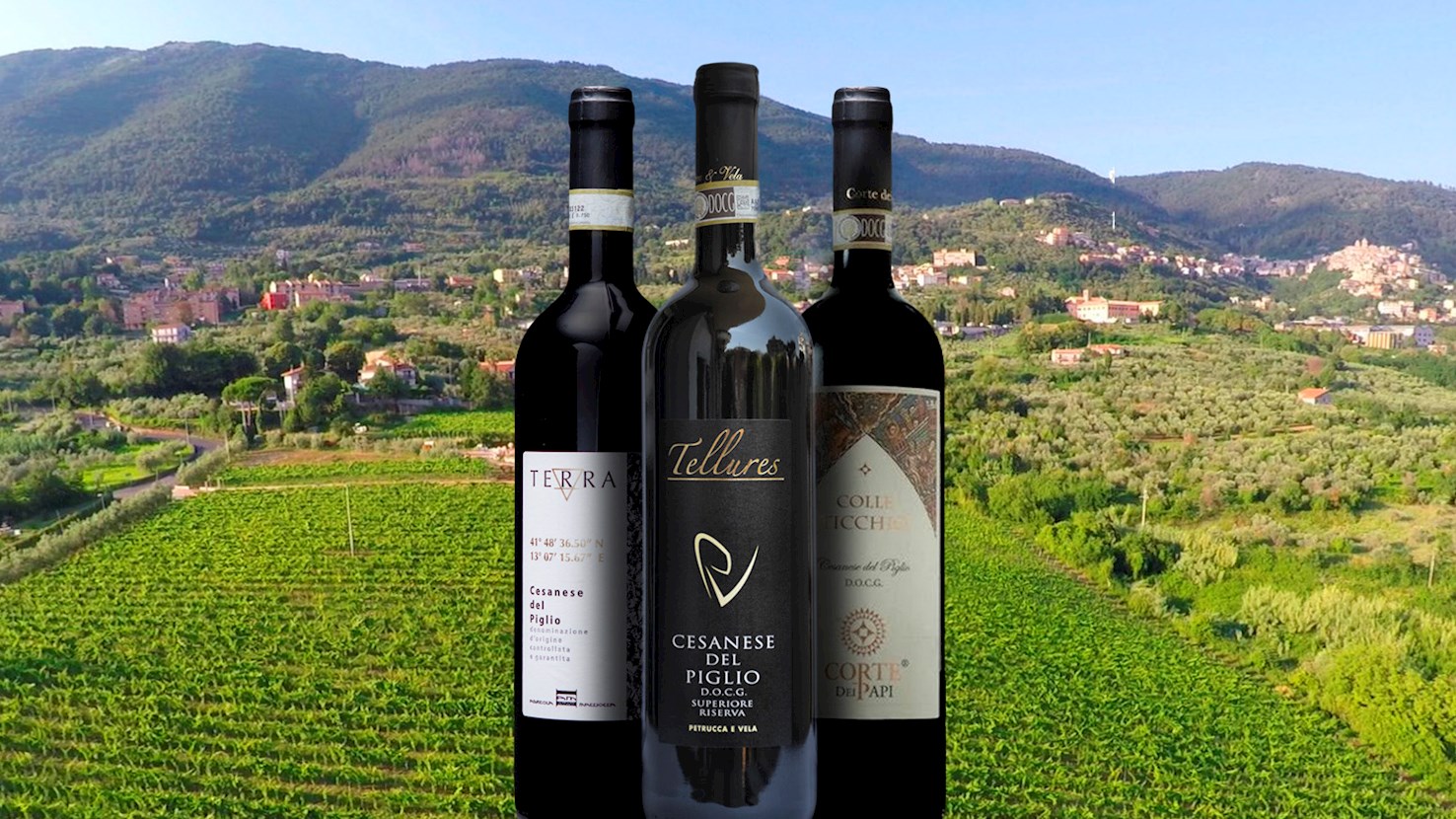
This ruby red Italian wine is almost entirely produced from local Cesano grapes (both Cesanese Comune and Cesanese d’Affile varieties). It is typically a well-balanced, medium-bodied wine that usually displays floral notes and aromas of ripe dark berries, with underlying nuances of herbs and spices. It pairs well with charcuterie, red meat, lamb, and local meat dishes such as coda alla vaccinara. It also comes as Superiore and Superiore Riserva that must be oak-aged for a minimum of 18 and 20 months, respectively. Interestingly, Cesanese del Piglio was the first wine region in Lazio that was granted full DOCG status.

02

Lazio

n/a ·

Lazio wine refers to wines produced in the region of Lazio in central Italy, encompassing white, red, rosé, and sparkling wines made under DOC, DOCG, and IGT classifications and commonly based on grape varieties such as Malvasia, Trebbiano, Cesanese, Bellone, and Moscato. Viticulture in Lazio developed alongside the growth of settlements around Rome, where wine production supported urban demand from antiquity onward, shaped by volcanic soils from the Alban Hills and surrounding zones, a temperate Mediterranean climate, and long-established agricultural networks that linked rural vineyards with city markets and coastal trade routes. Wine production in Lazio has historically emphasized accessible styles suited to regular consumption, with modern practices focusing on cleaner fermentation, controlled yields, and clearer varietal expression, and winemaking typically relies on stainless steel for whites and lighter reds while reserving oak aging for more structured wines such as those based on Cesanese. Wines are served according to style, with whites and sparkling wines chilled, lighter reds slightly cooled, and fuller reds at moderate cellar temperature, and decanting is used selectively rather than routinely. A defining characteristic of Lazio wine is the influence of volcanic soils combined with proximity to the sea, which contributes to moderate alcohol levels and freshness even in warm conditions, allowing wines to remain food-oriented rather than heavy. Lazio wines are consumed primarily with meals in the region and beyond, paired with seafood, vegetable dishes, pasta with simple sauces, white meats, pork, and fresh to semi-aged cheeses, and they are also commonly enjoyed as everyday table wines, fitting naturally into casual dining settings where balance and drinkability are prioritized.

03

Cesanese di Affile

n/a ·

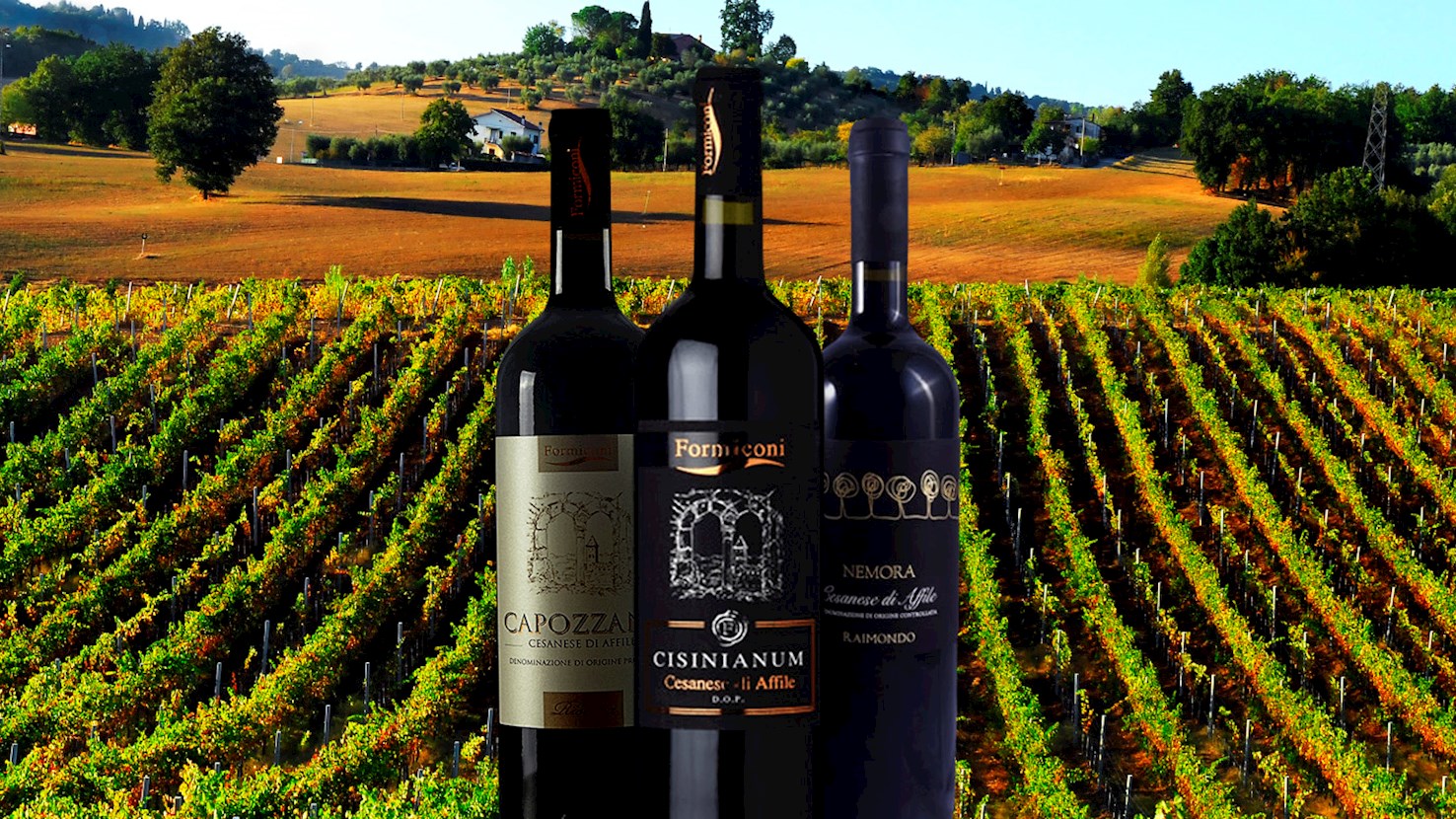
Cesanese di Affile is a young DOC appellation from Lazio (province of Rome) that produces fruity red wines from the local Cesanese di Affile variety. The grape has to make at least 90% of the blend, but most winemakers produce 100% Cesanese. The grape prefers higher altitudes, and the best locations are located on mountain slopes. These wines are fruity, spicy, and tannic. Their good structure is complemented by notes of ripe fruit with hints of licorice, spices, earthy nuances, and sometimes traces of balsamic and leather. These wines work best with local specialties. They pair well with grilled or roasted meat, pasta dishes, and stews.

04

Cesanese

n/a ·

Cesanese is an ancient red Italian grape that is mainly cultivated in Lazio. The grape is finicky to grow since it ripens late, but with the right approach, it can result in excellent red wines. There are three known Cesanese clones, Cesanese Comune (the preferred choice in the region), Cesanese d’Affile, and the recently discovered Cesanese Nostrano. Cesanese is a versatile grape, but it typically creates fruity and fresh wines with soft tannins and good acidity. It is quite aromatic, usually displaying fruity, floral, and sometimes earthy notes reminiscent of mulberries, cherries, and pepper. Most examples are best enjoyed young. These wines would go well with local meat specialties, especially lamb, red meat, or game dishes. The grape was named after Cesano, a village located south of Rome in the Castelli Romani. Three most important Cesanese appellations are Cesanese del Piglio DOCG, Cesanese di Olevano Romano DOC, and Cesanese di Affile DOC. Previously, the grape was often used to produce sweet and sparkling styles, but that tradition has mainly disappeared.

Read more
View all
View map
About this ranking

TasteAtlas food rankings are based on the ratings of the TasteAtlas audience, with a series of mechanisms that recognize real users and that ignore bot, nationalist or local patriotic ratings, and give additional value to the ratings of users that the system recognizes as knowledgeable. For the “Top 5 Lazian Red Wines” list until June 10, 2026, 5 ratings were recorded, of which 2 were recognized by the system as legitimate. TasteAtlas Rankings should not be seen as the final global conclusion about food. Their purpose is to promote excellent local foods, instill pride in traditional dishes, and arouse curiosity about dishes you haven’t tried.

The initial list of top producers was compiled based on available reviews, awards, local recommendations, media and blog coverage, and consumer reviews. The list will be updated with ratings from TasteAtlas local ambassadors and TasteAtlas users.

Similar lists