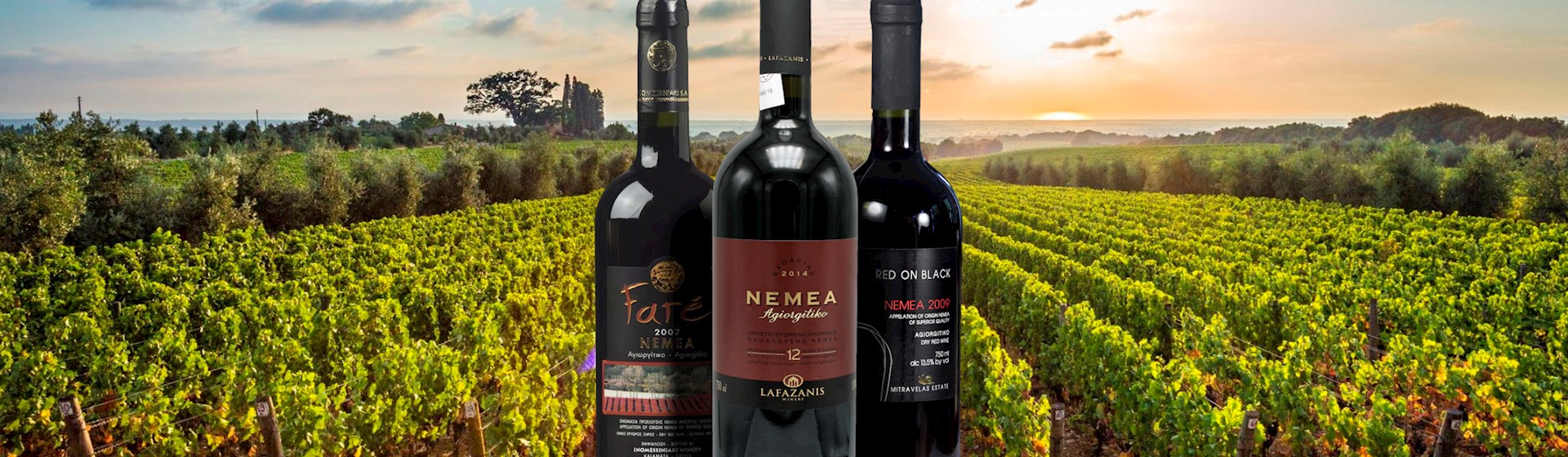
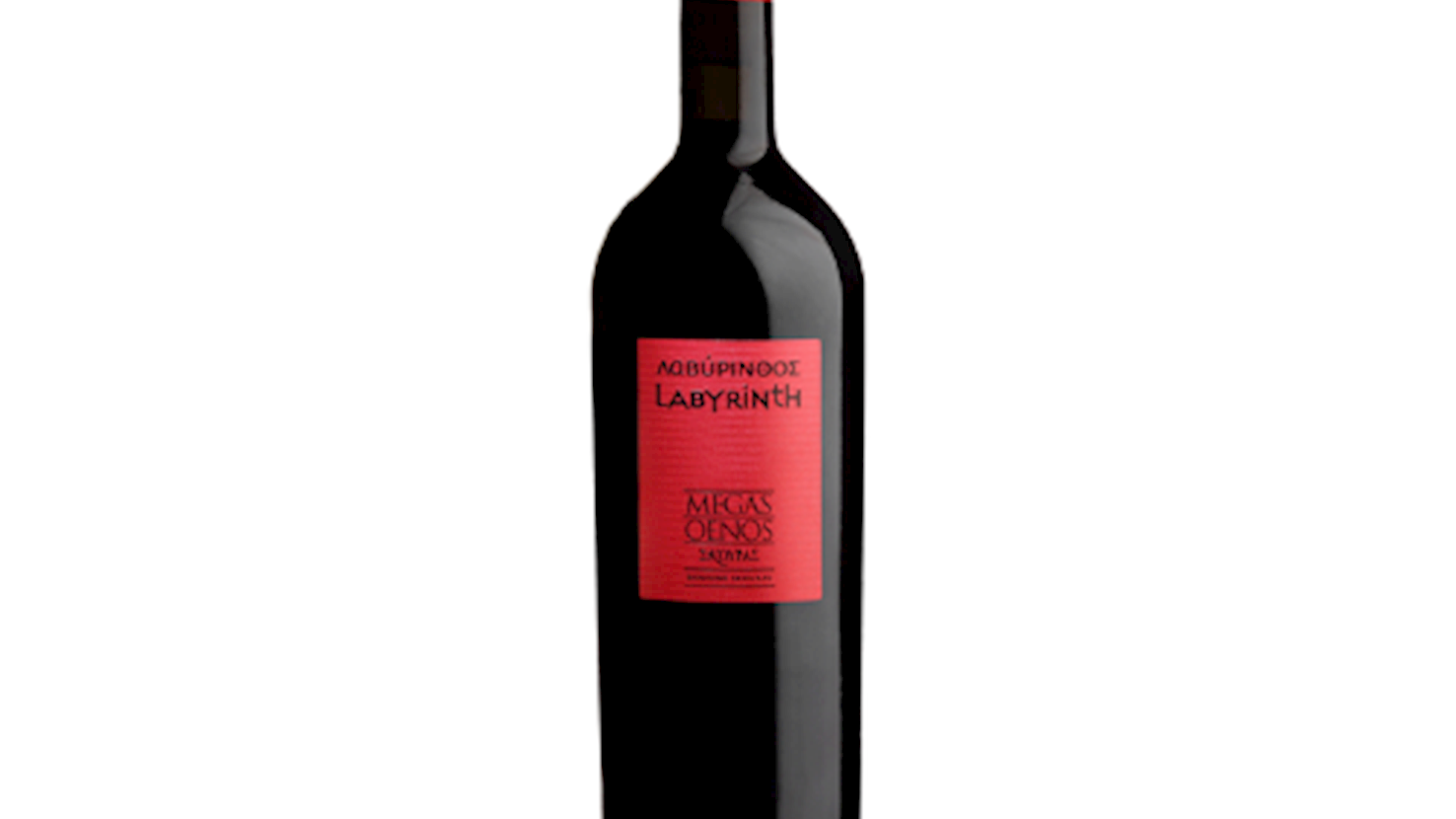
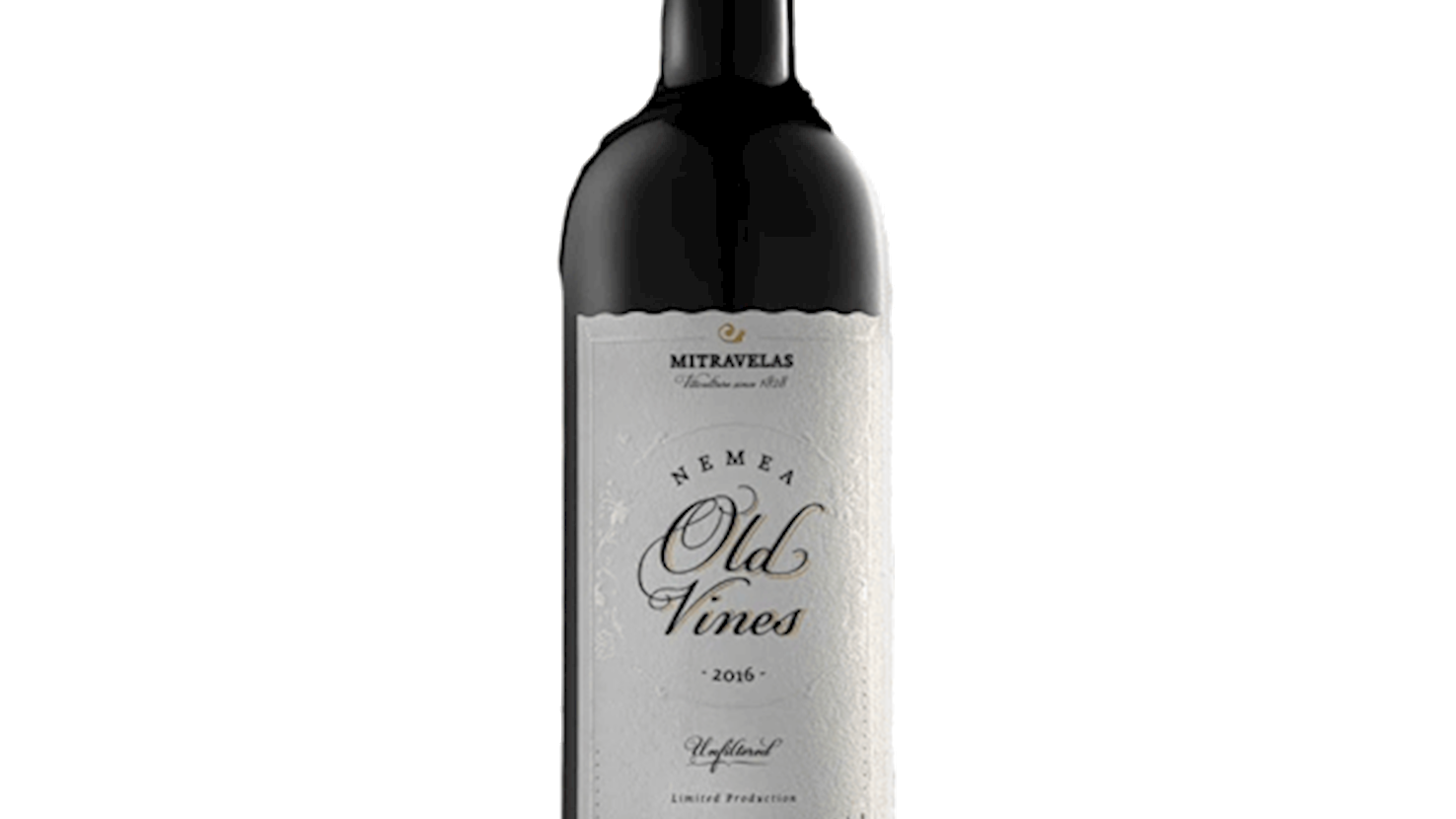
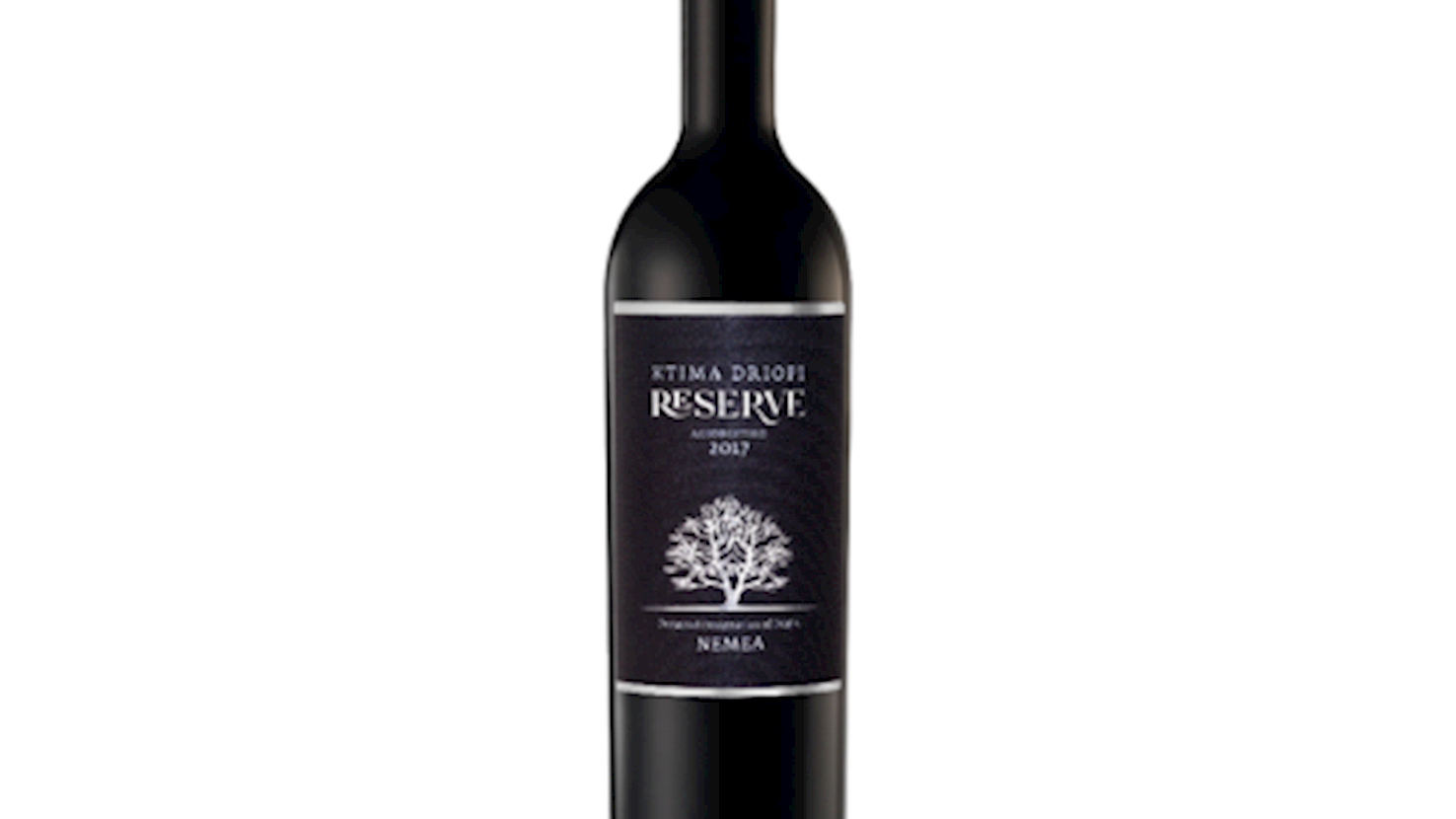
Skouras is one of the leading forces in modern Greek winemaking, located in the Nemea region of the Peloponnese, an area closely associated with the Agiorgitiko grape. Founded in 1986 by winemaker George Skouras, who trained in Dijon, the winery combines international expertise with a strong focus on Greek terroir.
Its vineyards are spread across multiple zones, including Nemea, Mantinia, and Argolida, at varying altitudes that allow for both ripeness and freshness in the grapes. Domaine Skouras works extensively with indigenous varieties such as Agiorgitiko and Moschofilero, while also incorporating international grapes like Cabernet Sauvignon, Merlot, and Viognier.
The winemaking approach emphasizes precision, with controlled fermentation and careful oak aging used to enhance structure and complexity. The wines are known for their balance between fruit expression, acidity, and refined tannins, often showing both immediate appeal and aging potential.
Over time, the winery has played a significant role in elevating the reputation of Greek wines internationally, particularly through its consistent and terroir-driven interpretation of Agiorgitiko.
Ktima Tselepos is a family-owned winery located in the Peloponnese region of Greece, established with the aim of elevating indigenous Greek grape varieties through quality-focused viticulture and modern winemaking. Situated near Tripoli at higher altitudes, the estate benefits from cool nights and well-drained soils that support slow ripening and aromatic precision.
The winery is particularly known for its work with Xinomavro and Agiorgitiko, producing wines that balance structure, freshness, and varietal clarity. Xinomavro bottlings often display red berry fruit, floral tones, firm tannins, and notable aging potential, while Agiorgitiko expressions tend to show darker fruit, rounder texture, and approachable balance.
Vineyard management emphasizes site selection and careful yield control to preserve terroir expression. In the cellar, traditional practices are combined with controlled fermentation and thoughtful oak aging to enhance complexity without masking varietal identity.
The portfolio includes both single-varietal wines and blends that reflect regional character. Overall, Ktima Tselepos represents a modern yet terroir-driven interpretation of Greek winemaking rooted in indigenous varieties.
Awards
Decanter World Wine Awards - Platinum
(2024, 2021)
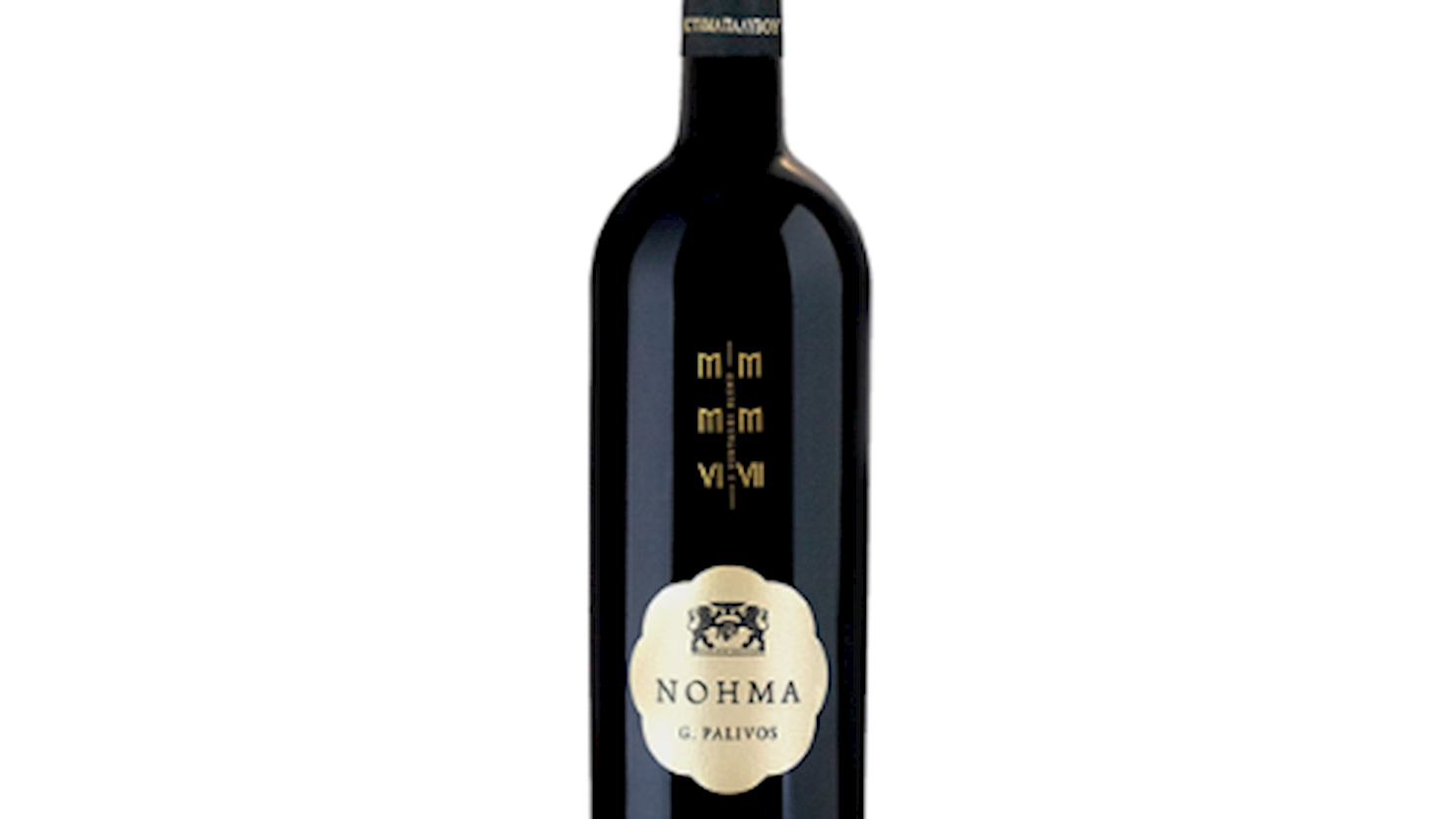
Palivou Estate is a family-owned winery located in the Nemea region of the Peloponnese, one of Greece’s most important wine-producing areas, widely known for the Agiorgitiko grape variety. Established in 1995 by the Palivou family, the estate focuses on expressing the local terroir while combining traditional practices with modern winemaking techniques.
The vineyards are spread across hilly terrain at varying altitudes, allowing for a range of styles, particularly with Agiorgitiko, which can produce wines from fresh and fruit-driven to more structured and age-worthy expressions. In addition to indigenous varieties, the winery also cultivates international grapes such as Cabernet Sauvignon, Merlot, and Syrah, often used in blends that balance local identity with a broader stylistic approach.
Winemaking includes controlled fermentation and aging in oak barrels, contributing to structure, complexity, and subtle spice notes. The wines are generally well-balanced, showing a combination of ripe fruit, freshness, and integrated oak influence.
Palivou Estate is also active in wine tourism, offering tastings and cellar visits that reflect a contemporary interpretation of Nemea’s winemaking tradition.
Ktima Bairaktaris is a family-owned winery located in the Nemea region of the Peloponnese, one of Greece’s most important wine areas, particularly known for the Agiorgitiko grape variety. Established in 2005, the winery builds on a long family tradition of viticulture, combining inherited knowledge with modern winemaking practices.
Its vineyards are spread across different altitudes and micro-locations, allowing for greater complexity and balance in the wines. The production is centered on Agiorgitiko, resulting in structured red wines with pronounced fruit and spice characteristics, while the portfolio also includes white and rosé wines from varieties such as Moschofilero, Assyrtiko, and Muscat.
The winemaking approach integrates traditional techniques with contemporary technology, including aging in oak barrels and, in some cases, amphorae, reflecting both innovation and a connection to ancient Greek practices. Today, Ktima Bairaktaris represents a modern expression of Greek winemaking, with wines that reflect the warm Mediterranean climate and the distinctive terroir of Nemea.
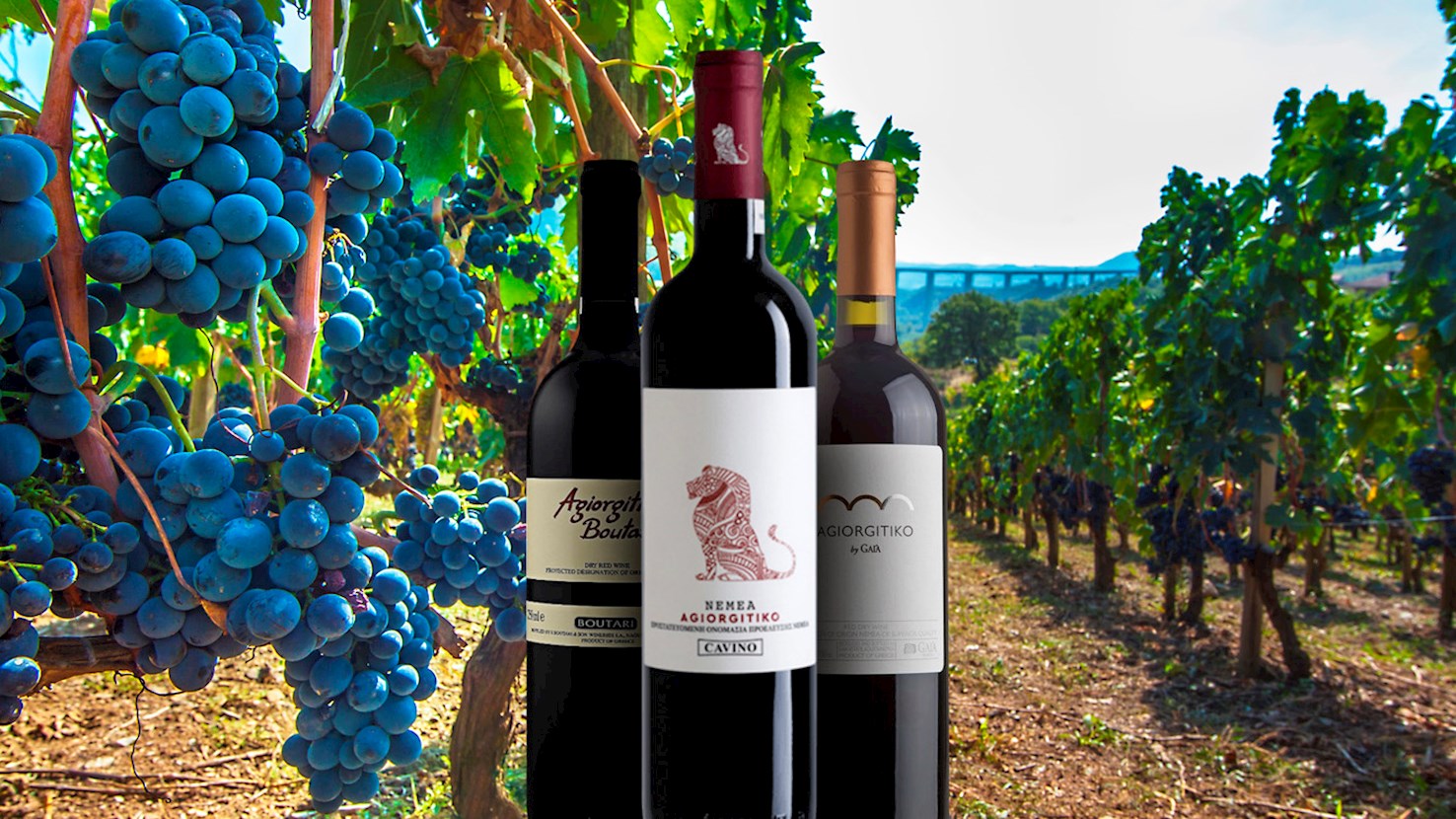
Agiorgitiko is the most widely planted red grape variety in Greece. It is cultivated in several wine regions, but Nemea, where the grape originated, is its most important region. Agiorgitiko is a versatile grape that can be vinified into several styles, and it is often used as a backbone in many Greek blends. It is best known as a full-bodied red, usually coming from Nemea, but it can also be made into young, light red wines, fresh rosés, or dessert styles. Agiorgitiko wines are typically characterized by fruity aromas, which are sometimes accompanied by notes of sweet spices. The wines are soft, and the tannins are present but never aggressive. The acidity is usually low to moderate. Aged and oak-aged styles are more tannic, with more concentrated, complex flavors. Agiorgitiko wines are usually food-friendly and can pair with a variety of dishes. They are a good match with red meat, sausages, stews, lamb, and pasta dishes.
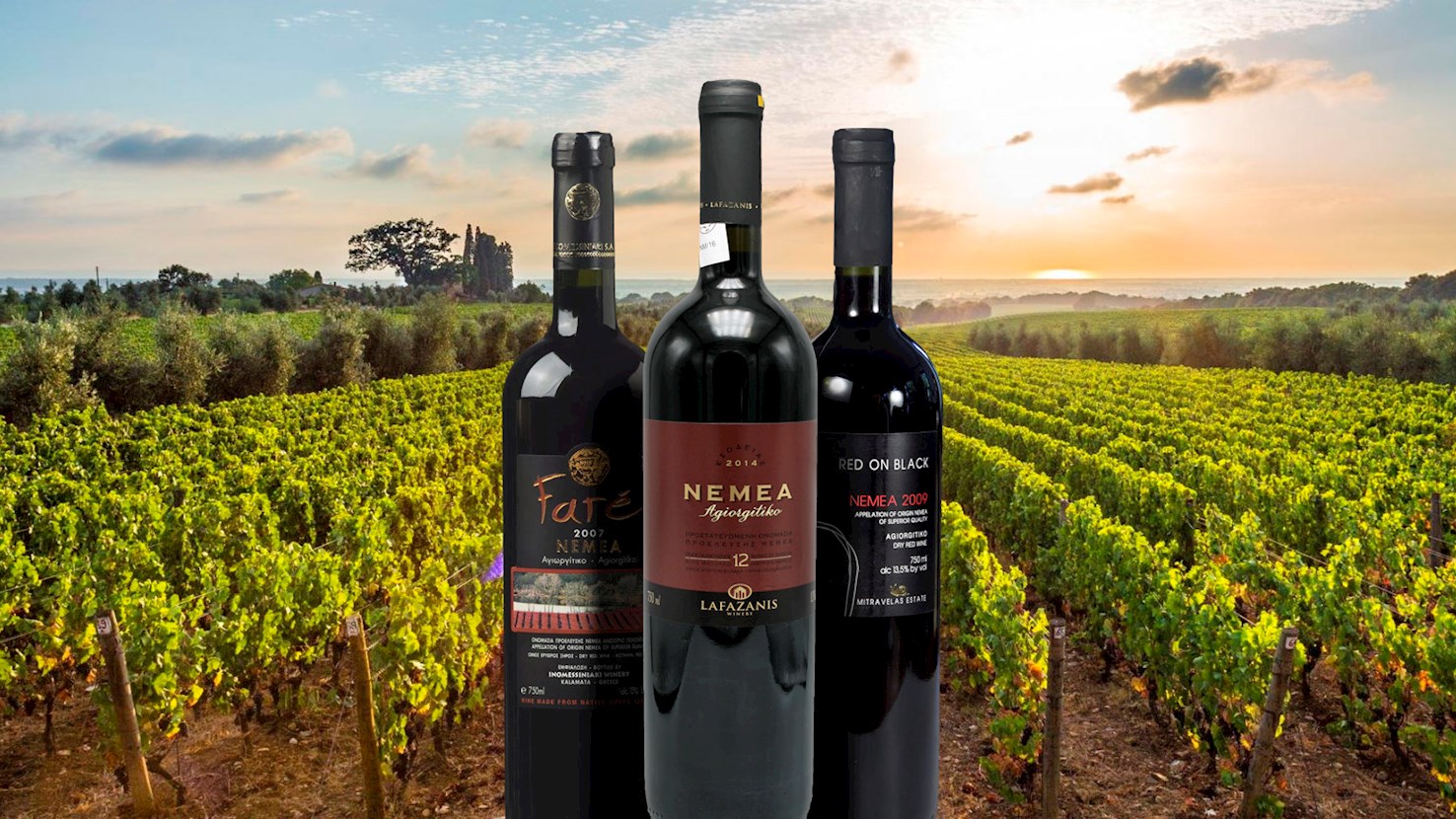
Located in the northeastern part of the Peloponnese, Nemea is a Greek appellation that produces varietal red wines from the native Agiorgitiko grapes. Although the wines may vary in style, from easy-drinking to rich and full-bodied, they typically display flavors and aromas reminiscent of red and black berries, plums, and prunes, while oak-aging tends to highlight spicy nuances of nutmeg and black pepper. Because of their versatile character, Nemea wines can match a wide array of dishes. Aged varieties pair well with sausages and grilled or roasted meat, including pork, lamb or poultry, while lighter styles may match stews and cheese.
Established under Greek law, the PGI Korinthos label maps out the wine rules for making dry, semi-dry, semi-sweet, and sweet white, rose, and red wines within the Corinthia regional unit in the northeastern corner of the Peloponnese peninsula. Archaeological records from ancient Corinthian city-states, including classical amphora designs and maritime port ledgers from Lechaion and Cenchreae, prove that organized viticulture, grape processing, and international export networks have continuously existed in this region since the early Archaic period. The contemporary Protected Geographical Indication was formally enacted in 1997 to organize the region's expansive agricultural output, which spans coastal strips along the Corinthian Gulf, rolling inland hillsides, and high mountainous plateaus reaching up to eight hundred meters above sea level. Cultivation occurs in varied soil structures composed of alluvial clay, gravelly sand, and weathered limestone formations under a Mediterranean microclimate modified by pronounced diurnal cooling from high altitude zones and sea breezes. The regional blending guidelines authorize the use of native Greek grapes, predominantly Agiorgitiko, Roditis, Moschofilero, and Savatiano, alongside international cultivars such as Cabernet Sauvignon, Merlot, Syrah, and Chardonnay. Processing steps for standard white and rose expressions dictate immediate pneumatic pressing and temperature-controlled stainless steel fermentation kept strictly below seventeen degrees Celsius, whereas the dry red expressions undergo prolonged skin contact and oak barrel maturation to stabilize phenolics, and the sweet variants utilize sun-dried grapes to concentrate sugars prior to extended fermentation. White and rose Korinthos selections are chilled to a temperature between eight and ten degrees Celsius and served in narrow glasses to capture primary stone fruit and citrus aromatics, while the dry red variants are decanted and served at sixteen to eighteen degrees Celsius, and the sweet sun-dried iterations are presented at ten to twelve degrees Celsius in small digestif glasses. These wines are distributed through international commercial export matrices, domestic hospitality establishments, and specialized tasting locations for integration into multi-course culinary regimes. The crisp acidity and light body of the white and rose options provide analytical pairings for grilled squid, octopus, salads with fresh greens, chicken gyros, and soft cheeses, whereas the robust red blends pair precisely with roasted beef, lamb shoulder slow-cooked with garlic, seasoned game meats, pasta with meat reductions, and aged hard yellow cheeses.
The regional winemaking framework designated as PGI Argolida legally mandates the production parameters for dry, semi-dry, and semi-sweet white, rose, and red wine variations within the administrative limits of the Argolida regional unit in the northeastern Peloponnese peninsula of southern Greece. Archaeological excavations at regional Bronze Age sites such as Mycenae and Tiryns have recovered specialized wine presses, extensive storage cellars, and clay vessels bearing resinated chemical markers, demonstrating that systematic viticulture and maritime wine trade have functioned in this specific geographic zone since the second millennium BCE. The modern geographical framework was established in 1996 to codify the diverse agricultural output of the region, which encompasses coastal valleys, rolling plains, and mountainous foothills ranging from sea level up to elevations of seven hundred meters. Vineyards are planted primarily in well-drained limestone, sandy loam, and gravelly clay soils under a Mediterranean climate variant defined by low precipitation during the summer months, high ambient sunlight, and thermal cooling currents arriving from the Argolic Gulf. The regional production parameters permit the cultivation of indigenous Greek grapes—principally Agiorgitiko, Roditis, Moschofilero, Malagousia, and the rare Mavrostifo—alongside international cultivars including Cabernet Sauvignon, Merlot, Syrah, and Chardonnay. Preparation methods for PGI Argolida white and rose wines involve immediate temperature-controlled stainless steel fermentation kept strictly below eighteen degrees Celsius to lock in volatile esters, whereas the red variations require extended skin contact followed by mandatory or voluntary oak cask aging regimes designed to polymerize tannins and enhance overall stability. White and rose PGI Argolida wines are chilled to a temperature between eight and ten degrees Celsius and served in narrow, tapered white wine glasses to preserve delicate floral and citrus aromatic compounds, while the dry red iterations are served at fifteen to seventeen degrees Celsius in standard red wine stemware to permit balanced aroma dispersion. These wines are consumed across global distribution pipelines, local commercial dining operations, and domestic households during organized culinary courses. The light-to-medium body and crisp acidity of the white and rose expressions make them suitable pairings for fresh seafood, grilled sea bream, lemon-dressed chicken, stuffed grape leaves, and salty cheeses like feta or halloumi, whereas the robust, spice-driven red expressions pair precisely with roasted leg of lamb seasoned with oregano, beef stews, grilled sausages, and matured hard cheeses.
Mavrostifo is a rare red wine grape variety indigenous to the Peloponnese region of southern Greece, specifically associated with the Argolis and Corinthia regional units. Structured documentation regarding its presence consists of sporadic nineteenth-century agricultural registries and modern viticultural genetic audits that verified the survival of isolated, forgotten clones inside older, pre-existing vineyards. The variety faced near-extinction due to low agricultural yields, high cultivation difficulty, and widespread vineyard replacement during the mid-twentieth century until select regional enologists initiated experimental cultivation and propagation programs in the early twenty-first century to resurrect the grape from localized family plots. Vineyards are managed primarily on elevated limestone, sand, and clay slopes at altitudes reaching up to six hundred meters above sea level, where the vines develop loose grape clusters under a warm, dry Mediterranean climate that prevents moisture retention within the canopy. Vinification follows two distinct protocols depending on the intended style: dry single-varietal iterations undergo strict temperature-controlled skin maceration followed by twelve months of maturation in oak barrels without filtration to stabilize the intense phenolic structure, whereas sweet dessert expressions utilize late-harvested grapes that undergo eight days of direct sun exposure followed by thirty-eight days of shade drying to concentrate natural sugars and volatile aromatics prior to a prolonged five-month fermentation and five years of mandatory oak barrel aging. A specific organoleptic attribute of Mavrostifo is its high concentration of both natural malic acidity and firm, dense grape tannins, allowing the resulting dry wines to consistently maintain structural freshness and an analytical aging potential of eight to ten years despite possessing elevated alcohol levels around 14% by volume. Service standards specify that dry Mavrostifo red wines are served at sixteen degrees Celsius in large, wide-bowled stemware to allow structural oxygenation that integrates the primary aromas of sour cherry, blackcurrant, and green pepper with secondary oak nuances of leather and tobacco. Sweet dessert variations require service at ten to twelve degrees Celsius in smaller, tulip-shaped glasses to balance the dense texture of dried fig, plum, and chocolate flavors with the wine's intrinsic acidity. The wine is encountered selectively across specialty global distribution networks, high-end domestic Greek restaurants, and private tasting venues. The intense tannic profile and medium-to-high acidity of the dry red expressions make them suitable pairings for wild boar marinations, braised beef dishes with concentrated red reductions, truffle-infused wild mushroom risottos, and matured yellow cheeses, while the naturally sweet versions pair precisely with high-cocoa dark chocolate mousses, forest fruit tarts, or pungent blue-veined cheeses.
PGI Lakonia is a legally codified Protected Geographical Indication encompassing dry, semi-dry, semi-sweet, and sweet white, rosé, and red wines produced within the administrative boundaries of the Laconia regional unit in the southeastern Peloponnese peninsula of Greece. Organized viticulture in this geographical zone originated during the Mycenaean and classical eras, expanding into a massive export economy during the medieval Byzantine period when the local fortified sweet white wines were shipped via Monemvasia to Western Europe, though the region transitioned primarily to olive cultivation and subsistence agriculture following centuries of geopolitically induced vineyard neglect until a coordinated modernization drive in the late twentieth century re-established specialized commercial estate wineries. Agricultural preparation involves managing vineyards planted on diverse terrain, ranging from low-lying alluvial plains along the Eurotas River basin to rugged limestone hillsides situated between the Taygetos and Parnon mountain ranges, utilizing a Mediterranean climate characterized by mild winters and hot, dry summers tempered by nocturnal mountain airflow. Winemakers cultivate a combination of international varieties such as Syrah, Cabernet Sauvignon, and Merlot alongside a distinct cohort of indigenous grapes, including the rare, citrus-forward Kydonitsa, the structurally dense Monemvassia, the aromatic Asproudes, and the deeply hued Petroulianos. Vinification methods dictate that white and rosé iterations undergo temperature-controlled stainless steel fermentation to isolate primary fruit characteristics, while red variants undergo variable skin-contact maceration and subsequent maturation in oak barrels to resolve phenolic structures. Service protocols dictate that white and rosé PGI Lakonia expressions are served at a temperature range of eight to ten degrees Celsius in narrow white wine stems to concentrate their volatile herbal and fruit traits, whereas dry red expressions are presented at sixteen to eighteen degrees Celsius in standard red wine glasses, and sweet variants are poured at ten to twelve degrees Celsius in smaller dessert vessels. These wines are consumed in commercial dining rooms, regional tavernas, and domestic households, acting as an integrated beverage choice during single or multi-course meals. The crisp, high-acidity white blends and single-varietal Kydonitsa iterations are paired with light appetizers, baked fish, sea food risotto, and lemon-marinated chicken, the rosés accompany tomato-based vegetable stews, while the full-bodied red blends match roasted pork, grilled beef steaks, lamb leg with herbs, and matured local hard cheeses like graviera.
Peloponnese wine encompasses a diverse range of red, white, and rosé wines produced under the Protected Geographical Indication (PGI) Peloponnese regulatory framework, which spans the entire peninsula of the southern Greek mainland across varied microclimates and altitudes. Archaeological excavations confirm that viticulture on the peninsula has been continuous for several millennia, with specific linear B tablets from Mycenaean palaces documenting structured wine distribution networks, followed by extensive commercial cultivation during the Byzantine and Venetian eras when regional ports exported sweet Malvasia wines across Europe, eventually leading to the modern codification of the overarching regional PGI status within European Union wine registries. The production of PGI Peloponnese wine is defined by its flexible composition, permitting the use of over sixty distinct grape varieties, which allows winemakers to utilize indigenous grapes like the deeply colored Agiorgitiko, the aromatic Moschofilero, and the high-acid Roditis, either as single-varietal expressions or blended with international varieties such as Cabernet Sauvignon, Syrah, and Chardonnay. Fermentation practices vary based on the specific style: white and rosé variations are typically fermented at cool temperatures in stainless steel vats to preserve volatile esters, whereas premium red variations undergo extended skin maceration and maturation in French oak barrels to soften natural tannins and stabilize color. Serving temperatures depend strictly on the category, with crisp white and rosé expressions served chilled at eight to ten degrees Celsius in narrow, upright white wine glasses to retain freshness, while red expressions are served at sixteen to eighteen degrees Celsius in wider bowls that facilitate aeration. The wine is consumed globally in export markets and locally throughout Greece within taverns, modern restaurants, and family households as a fundamental part of daily lunch and dinner meals. For food and beverage pairings, the stylistic variety of PGI Peloponnese wines accommodates a broad gastronomic range, meaning that crisp white expressions are eaten alongside grilled sea bass, kalamata olives, feta cheese, and wild greens (horta), while medium-to-full-bodied red versions pair with roasted lamb shanks, beef stifado, moussaka, and aged hard cheeses like graviera.
Mavrodafne wine is a dark, fortified sweet red wine produced in Greece, specifically regulated under two Protected Designation of Origin (PDO) classifications: Mavrodaphne of Patras, situated in the northern Peloponnese, and Mavrodaphne of Kefalonia, located on the Ionian island of Kefalonia. The systematic cultivation of this grape and its formal development began in the mid-nineteenth century, starting in 1859 when the Bavarian merchant Gustav Clauss established the Achaia Clauss winery near Patras and implemented methodical aging techniques that introduced this dark, sweet, and fortified style to the broader European market. Wine preparation involves harvesting late-ripening, sugar-rich grapes, followed by partial fermentation of the grape must which is intentionally stopped by the addition of high-proof grape distillate to preserve a high percentage of natural, unfermented sugars while raising the total alcohol content to between fifteen and eighteen percent by volume. This fortified liquid is then transferred into large oak casks to age through a fractional blending system where younger vintages are systematically combined with older reserves over a period of years to develop aromatic complexity. A specific distinction unique to the raw materials of the two appellations is that while Mavrodaphne of Patras allows the co-fermentation of up to forty-nine percent Korinthiaki (black Corinthian raisin) grapes, the rarer Mavrodaphne of Kefalonia is produced using a smaller clone of the Mavrodafne grape without the addition of raisins, yielding a naturally darker and fuller-bodied expression. Furthermore, the wine's chemical structure is defined by a high natural concentration of monoterpenes and polyphenols that undergo micro-oxygenation inside the oak barrels, transforming the youthful dark purple juice into a tawny-brown wine with intense, complex aromas of dried figs, prunes, dark cocoa, coffee beans, and dried herbs. The wine is served at a temperature of twelve to fourteen degrees Celsius in small, tapered dessert wine glasses or snifters that concentrate the sweet, dried-fruit aromas. It is consumed in private residences, restaurants, and religious institutions, where it has an established role as a sacramental wine in Orthodox liturgical services, throughout Greece and in international export markets. For food pairings, the high residual sugar, moderate acidity, and chocolate-rich notes of aged Mavrodafne balance intense, savory, or highly rich foods, meaning it is consumed alongside dark chocolate desserts with high cocoa percentages, blue cheeses like Stilton, Roquefort, or Gorgonzola, roasted walnuts, and dried plums.
TasteAtlas food rankings are based on the ratings of the TasteAtlas audience, with a series of mechanisms that recognize real users and that ignore bot,
nationalist or local patriotic ratings, and give additional value to the ratings of users that the system recognizes as knowledgeable.
For the “Top 8 Peloponnesian Red Wines” list until July 22, 2026, 117 ratings were recorded, of which 54 were recognized by the system as legitimate.
TasteAtlas Rankings should not be seen as the final global conclusion about food. Their purpose is to promote excellent local foods,
instill pride in traditional dishes, and arouse curiosity about dishes you haven’t tried.
The initial list of top producers was compiled based on available reviews, awards, local recommendations, media and blog coverage, and consumer reviews.
The list will be updated with ratings from TasteAtlas local ambassadors and TasteAtlas users.