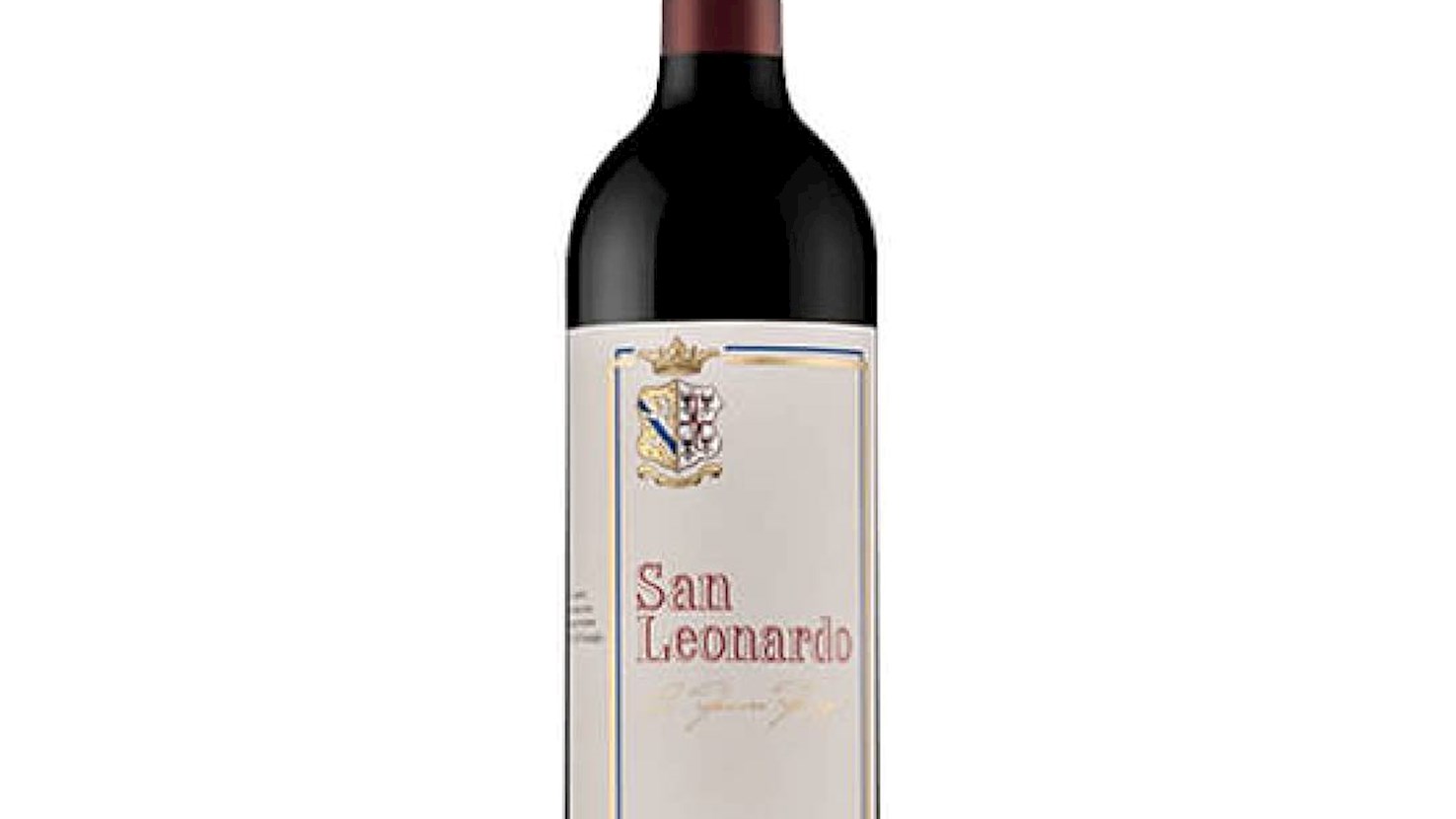
Tenuta San Leonardo is a historic estate and Italian wine producer located in the Lagarina Valley in Trentino. Their flagship wine, San Leonardo, is a Bordeaux-style red wine, described by journalist Jancis Robinson as "arguably the most successful Bordeaux blend in northern Italy." San Leonardo is the estate's flagship wine, deeply rooted in its centuries-old history.
It is a classic Bordeaux blend with aristocratic elegance and exceptional longevity.
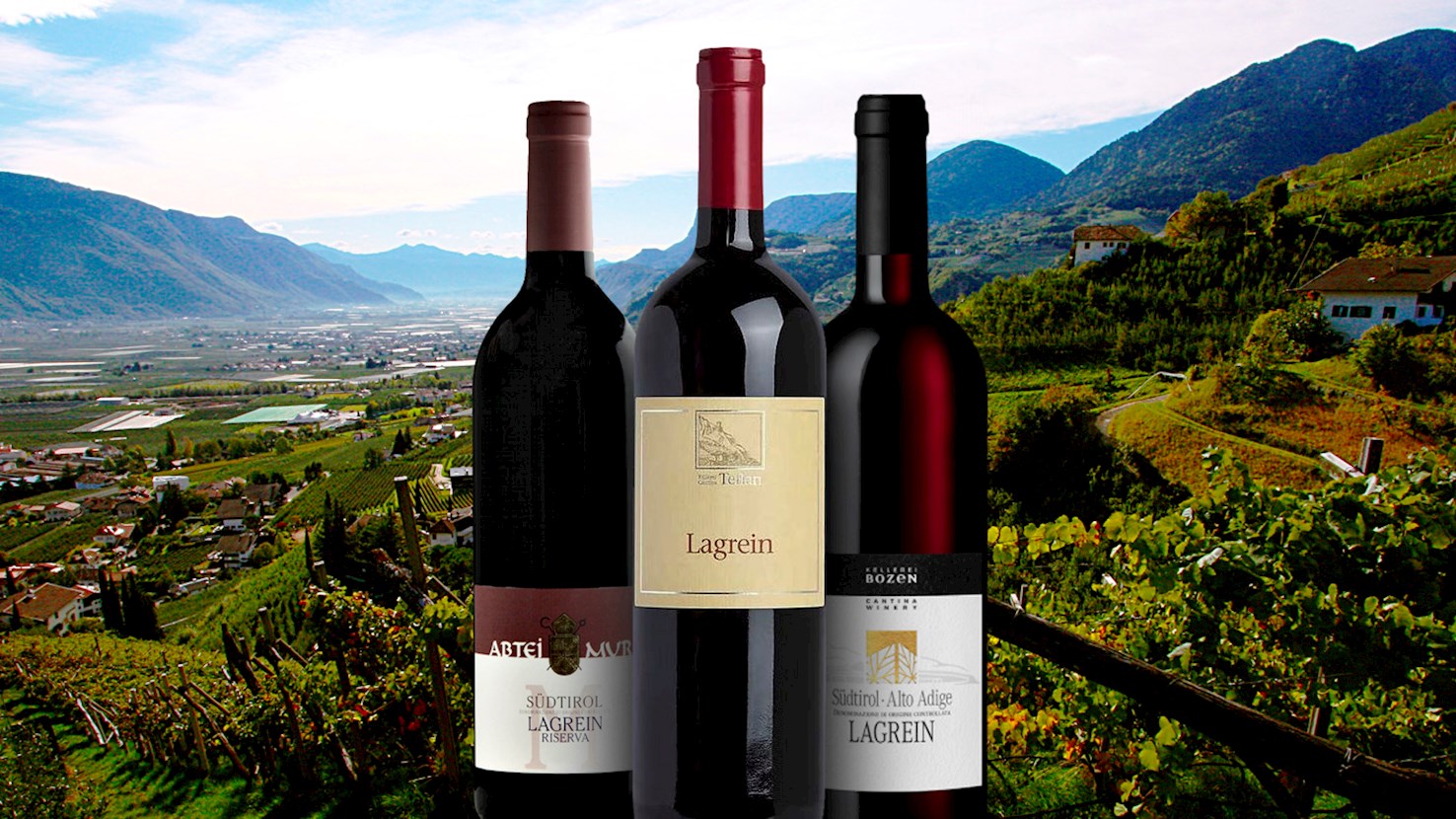
Lagrein is an ancient Italian red grape mainly cultivated in Trentino-Alto Adige in Northeast Italy. The grape has ancient origins, and though it was once common, it was later mainly replaced by Schiava (Vernatsch), which proved to be more resistant and productive. Only recently, local winemakers have been promoting it as an excellent native grape that, if treated properly, has incredible potential to produce rounded and well-balanced wines. The grape is used in varietals (included in several regional appellations) and blends. Most Lagrein is made into slightly rustic red wines. They are usually dark ruby red with an intense aroma reminiscent of ripe berries, violets, coffee, and sweet spices. Most will have a subtle bitter bite and sometimes hints of iodine-like quality. Best examples can be aged for several years. These wines have an excellent balance of acidity and tannins, making them ideal food partners. They would pair well with regional specialties, including charcuterie, cheese, red meat, and game. Lagrein is also sometimes used to produce good-quality rosés, labeled as Lagrein Kretzer (Lagrein Rosato). There were conflicting theories about the origin of Lagrein, but DNA testing has proven that Teroldego is one of its parents—suggesting that the grape probably originated in northern Italy. Interestingly, Lagrein is related to Pinot Noir and Syrah. The grape is also found in Australia and California.
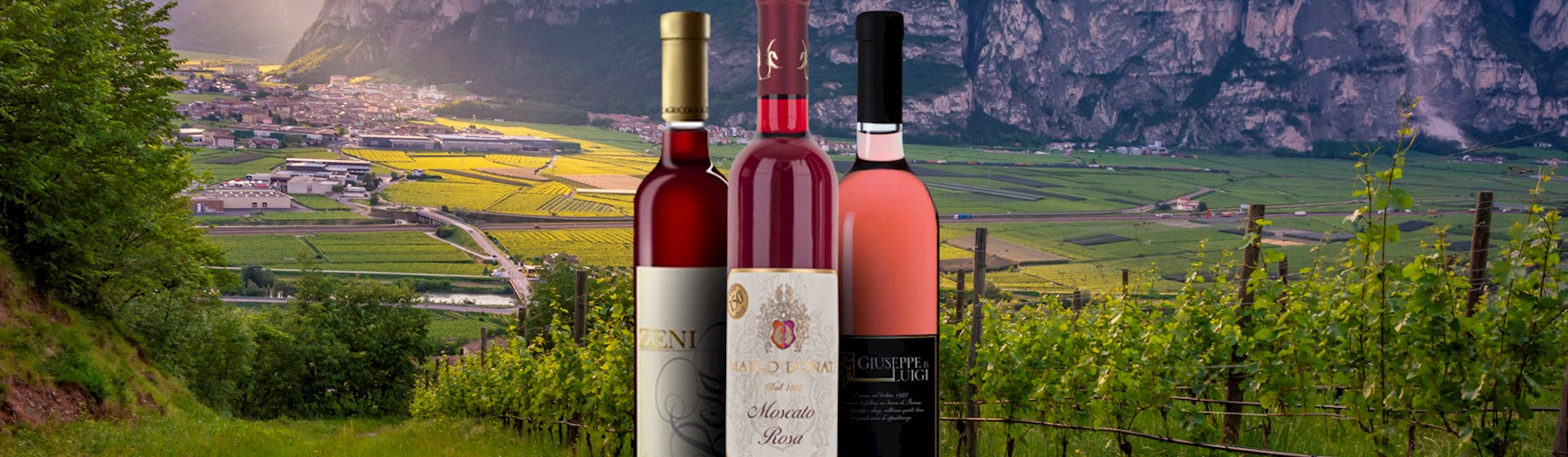
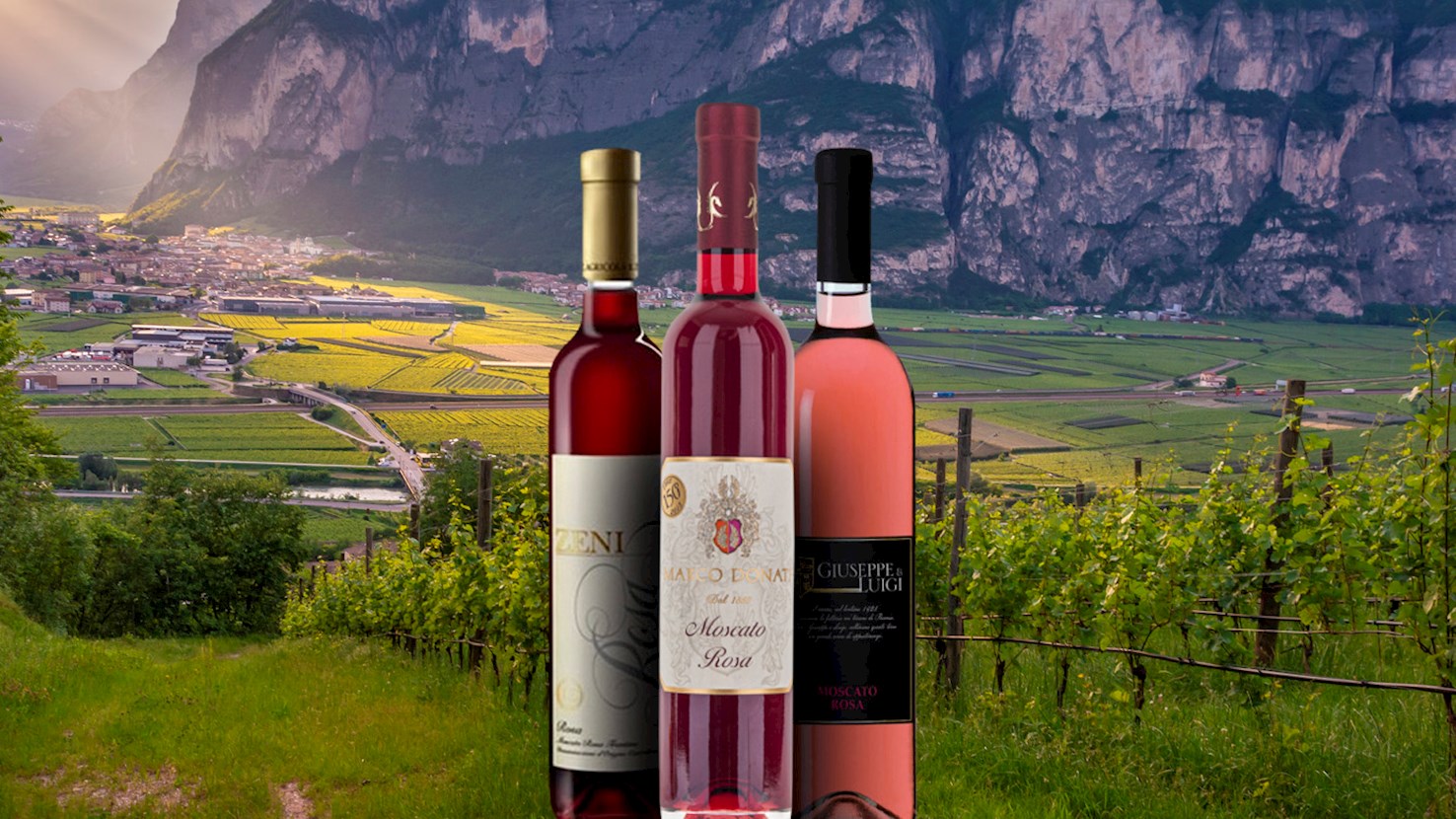
Moscato Rosa is a red-skinned Italian grape mostly cultivated in Alto Adige and Trentino. The name rosa (pink) is not a reference to the color of the skins or the wine but to the rose aroma that is typical for these wines. The grape is mainly used to produce sweet wines, especially late-harvest and passito (made from dried grapes) styles. The wines are garnet-colored with an intense aroma reminiscent of berries and rosewater, with hints of spice (mostly cinnamon). The wines have a good balance of acidity and sweetness and a long, fruity, and subtly spicy finish. This wine should be paired with chocolate or fruit desserts, pastries, or blue cheese. It can also be excellent on its own. There are many speculations about the origin of Moscato Rosa, but the most cited version suggests possible Croatian origins. Interestingly, it turned out that Trentino Moscato Rosa is identical to a Croatian variety Muškat Ruža Porečki. The grape is also cultivated in Austria and France (Alsace), but the Italian version is believed to be a distinct variety. Italian Moscato Rosa is usually of exceptional quality, and it should not be confused with eponymous wines based on Muscat Blanc with the addition of red wine.
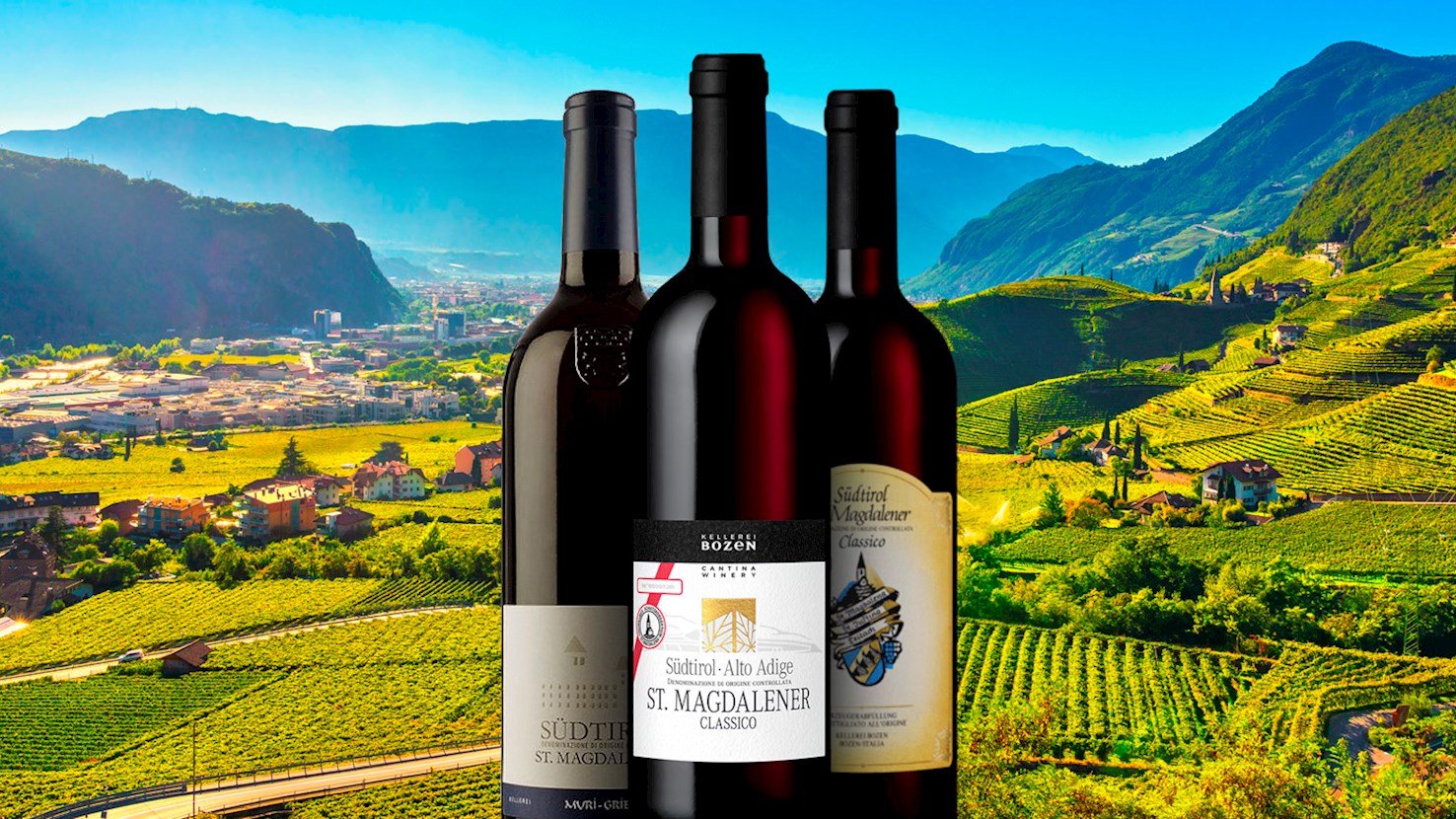
St. Magdalener/Santa Maddalena is one of the subzones in the Alto Adige/Südtirol DOC. It is considered one of the top positions in the region and one of the most important local red wines. The vineyards are located on the slopes around Bolzano, and the wines are made from at least 85% Schiava (Vernatsch) and a maximum of 15% of local red grapes. Most of these wines are juicy and approachable. They easily pair with food, especially with local specialties. The aroma is reminiscent of violets and cherries, often with a touch of almond. Their tannins and acidity are well balanced, and most will have hints of bitterness on the palate. With age, Magdalener wines tend to become softer and more balanced. The appellation also includes the Classico (Klassisch) subzone—ideal locations that produce the best expressions of St. Magdalener. These food-friendly wines can pair with charcuterie, red meat, and cheese.
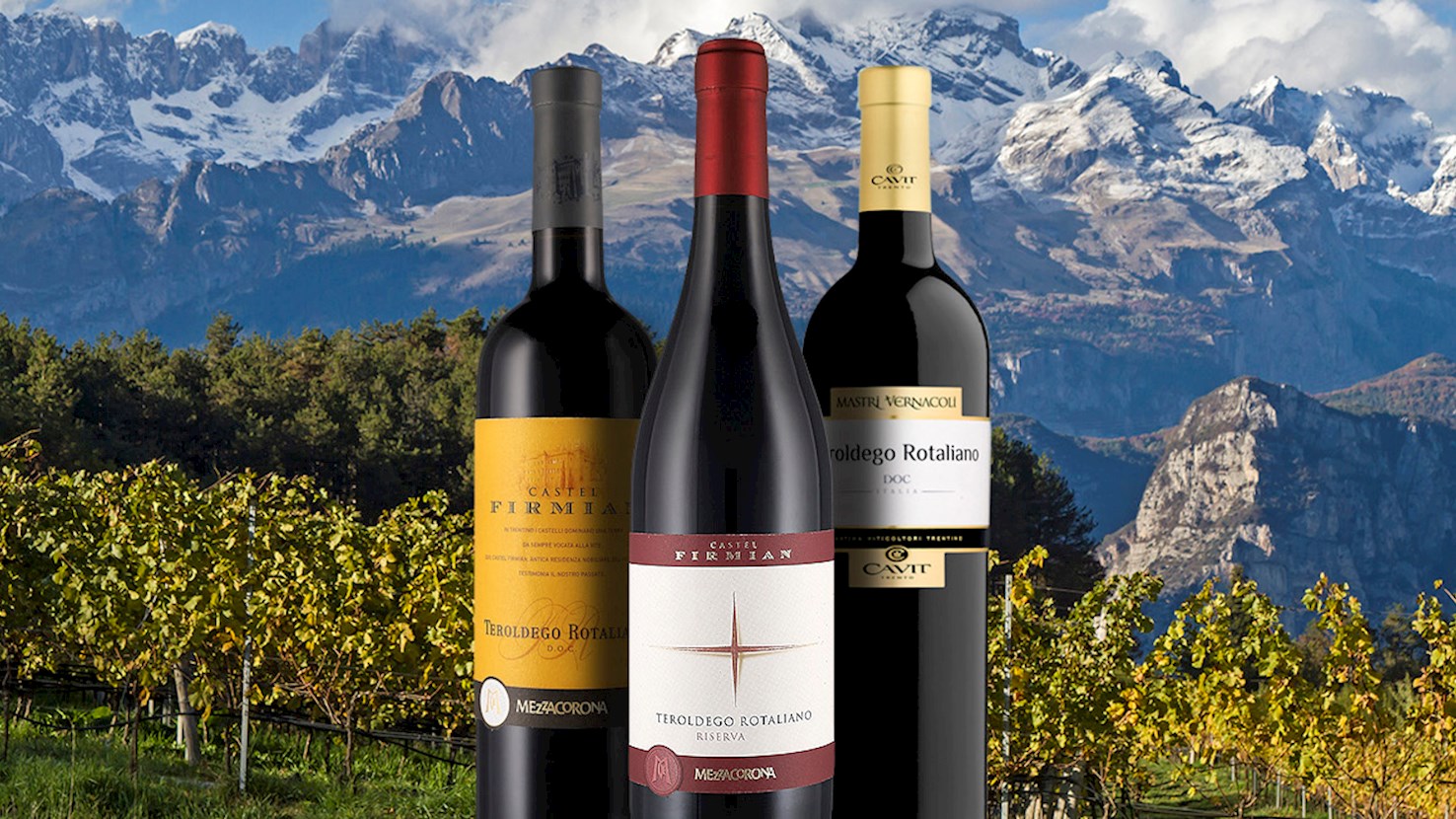
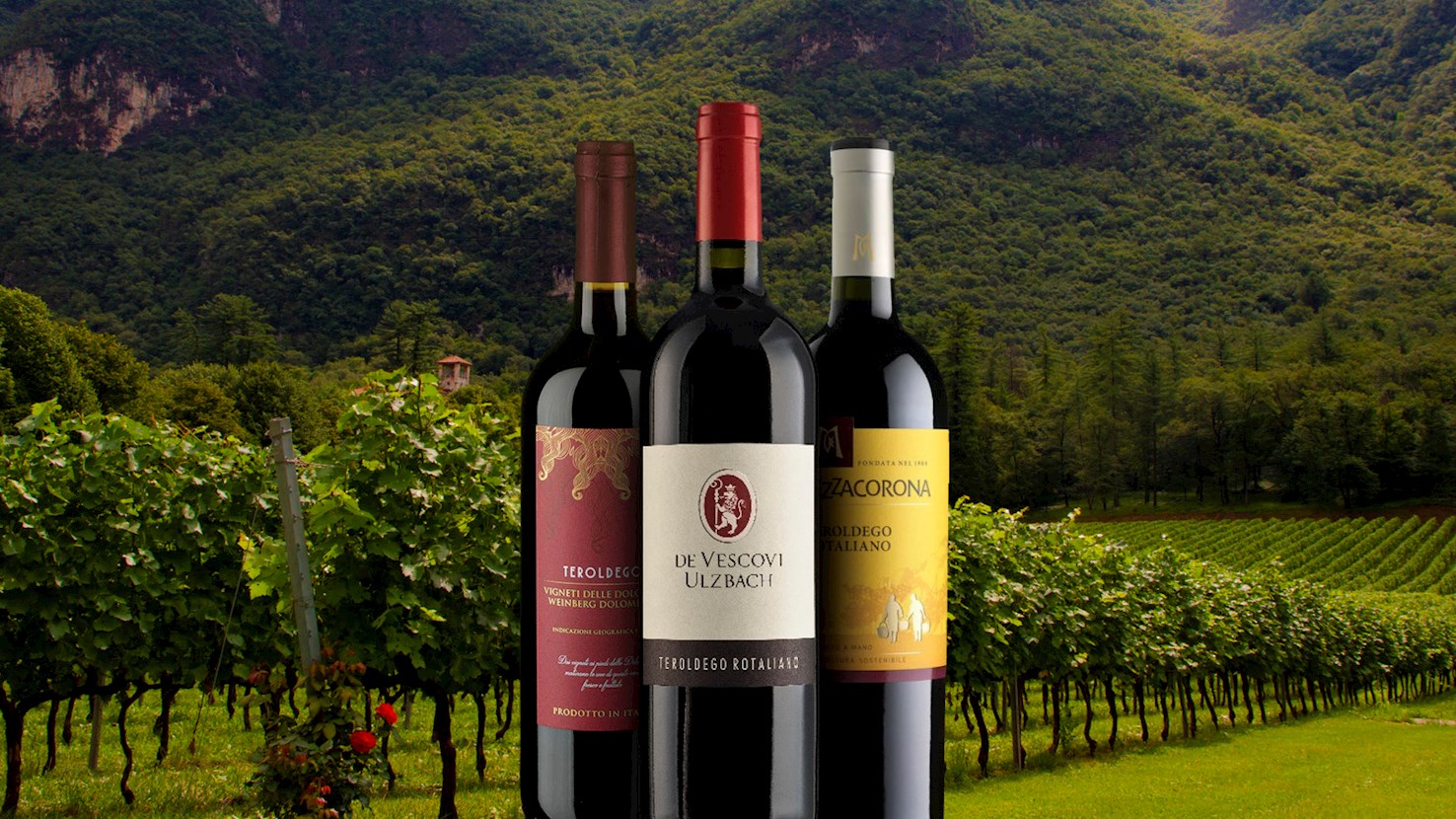
This dark red Italian wine is exclusively produced from the local Teroldego grapes which are primarily grown in the Rotaliana plain located in the province of Trento. The wines are praised for their rich, fruity notes of blackberries, raspberries, and blueberries, with the occasional nuances of licorice and balsamic. When young, these food-friendly, medium-bodied wines are a perfect match to rustic, local dishes, but if aged correctly they can pair well with roasted meat, game, and mature cheese. The DOC also includes rosé (rosato or kretzer) styles.
Teroldego is a red-skinned grape variety that originates from northern Italy, and it is almost exclusively cultivated in Trentino-Alto Adige. The grape is used in varietals and blends, while the most popular appellation is the Trentino-based Teroldego Rotaliano. The grape produces dark-colored, tannic wines. When young, they typically display fruity flavors reminiscent of dark and red berries. Aged Teroldego will also feature hints of spices and earthy nuances. These sapid, well-rounded wines usually pair well with red meat, meat sauces, game, and aged cheese.
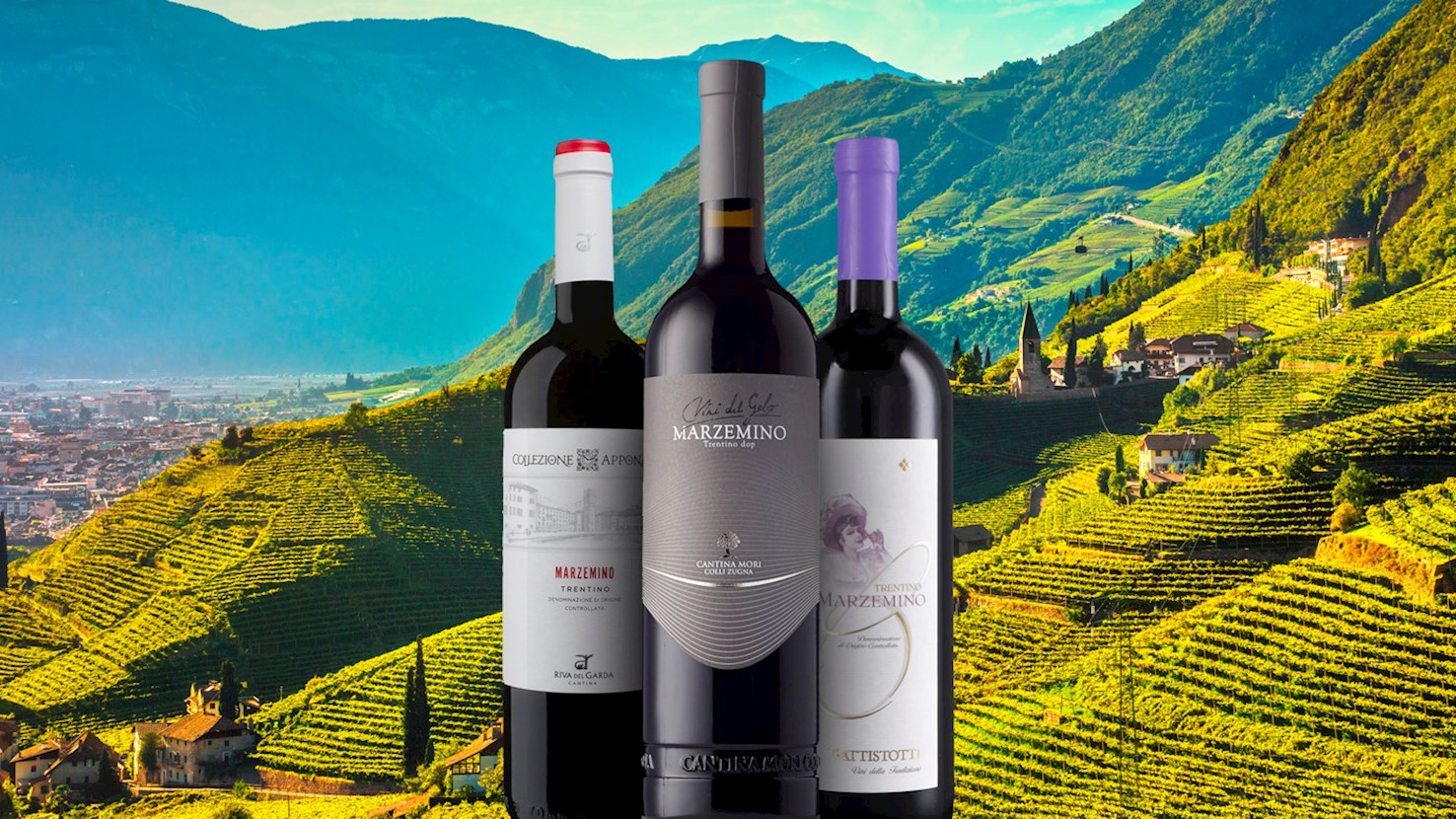
Marzemino is a native Italian red grape. It is an old variety with vague origins, but it is mainly cultivated and associated with northern Italy. Marzemino is used to produce varietal wines, but it is probably best known for its use in Colli di Conegliano, a dessert wine made from partially dried (passito) grapes. This late-ripening grape produces fragrant and fresh ruby red wines with a light and smooth body. The aroma is often reminiscent of red fruits and violets. It is sometimes vinified in off-dry or lightly sparkling styles, but most production focuses on still red wines within the Trentino DOC. Apart from Trentino, Marzemino is cultivated in Lombardy, Veneto, Emilia-Romagna, and Friuli-Venezia Giulia. Marzemino is best paired with local cuisine. It can be served with red or white meat, but it also works with lighter dishes such as polenta or pizza.
Trentino wine refers to wines produced in the province of Trentino in northern Italy, made primarily under the Trentino DOC and covering white, red, and sparkling styles from grape varieties such as Pinot Grigio, Chardonnay, Müller-Thurgau, Teroldego, Marzemino, and Lagrein. Viticulture in Trentino developed within an Alpine valley system shaped by the Adige River, where Roman settlement introduced organized grape growing and later monastic and civic land management refined vineyard placement along valley floors and terraced slopes, gradually establishing a wine culture influenced by both Italian and Central European practices due to the area’s position along north–south trade routes. Wine production in Trentino emphasizes site-specific viticulture, with vineyards ranging from low valley elevations to high-altitude slopes that preserve acidity and aromatic clarity, and winemaking typically involves controlled fermentation in stainless steel for whites and selected reds, alongside neutral oak use for structured wines, with sparkling wines produced mainly by the metodo classico using Chardonnay and Pinot Noir. Wines are served according to style, with whites and sparkling wines chilled, lighter reds slightly cool, and fuller reds at cellar temperature, and decanting used sparingly. A defining feature of Trentino wine is the coexistence of alpine freshness and reliable ripeness within a relatively compact geographic area, allowing both aromatic whites and structured reds to develop balanced profiles without excessive alcohol. Trentino wines are consumed primarily with meals in northern Italy and export markets, paired with foods such as freshwater fish, cured meats, poultry, risotto, mushroom dishes, alpine cheeses, and vegetable-based preparations, and they are also commonly enjoyed as everyday table wines due to their clarity, moderate weight, and adaptability to a wide range of cuisines.
Südtiroler wine refers to wines produced in South Tyrol, also known as Alto Adige, a mountainous wine region in northern Italy bordering Austria, where both white and red wines are made under the Alto Adige DOC from a mix of international and locally established grape varieties including Pinot Blanc, Gewürztraminer, Sauvignon Blanc, Pinot Noir, Lagrein, and Schiava. Viticulture in Südtirol developed through its position at the intersection of Italian and Central European wine cultures, shaped by monastic vineyards, Alpine farming systems, and long-standing trade routes across the Brenner Pass, with vineyard land gradually organized along valley floors and steep slopes where altitude, exposure, and soil composition encouraged careful site selection and small-scale parcel management. Wine production emphasizes precision farming in challenging terrain, with grapes harvested at varying elevations to balance ripeness and acidity, followed by vinification that often favors stainless steel fermentation for whites and a mix of neutral oak and steel for reds, allowing clarity of fruit and site expression while maintaining freshness, and wines are bottled after controlled aging suited to their structure. Serving practices align with style, with whites and lighter reds served cool and fuller reds at moderate cellar temperature, and decanting applied selectively. A defining aspect of Südtiroler wine is the combination of Alpine climate influence with Mediterranean sunlight, resulting in wines that show ripeness alongside firm acidity across multiple grape varieties rather than a single dominant profile. Südtiroler wines are consumed mainly with meals in South Tyrol, northern Italy, and export markets, paired with foods such as cured meats, poultry, freshwater fish, mushroom dishes, alpine cheeses, and vegetable-based plates, and they also function as everyday table wines due to their balance, moderate alcohol, and adaptability to both Central European and northern Italian cuisines.
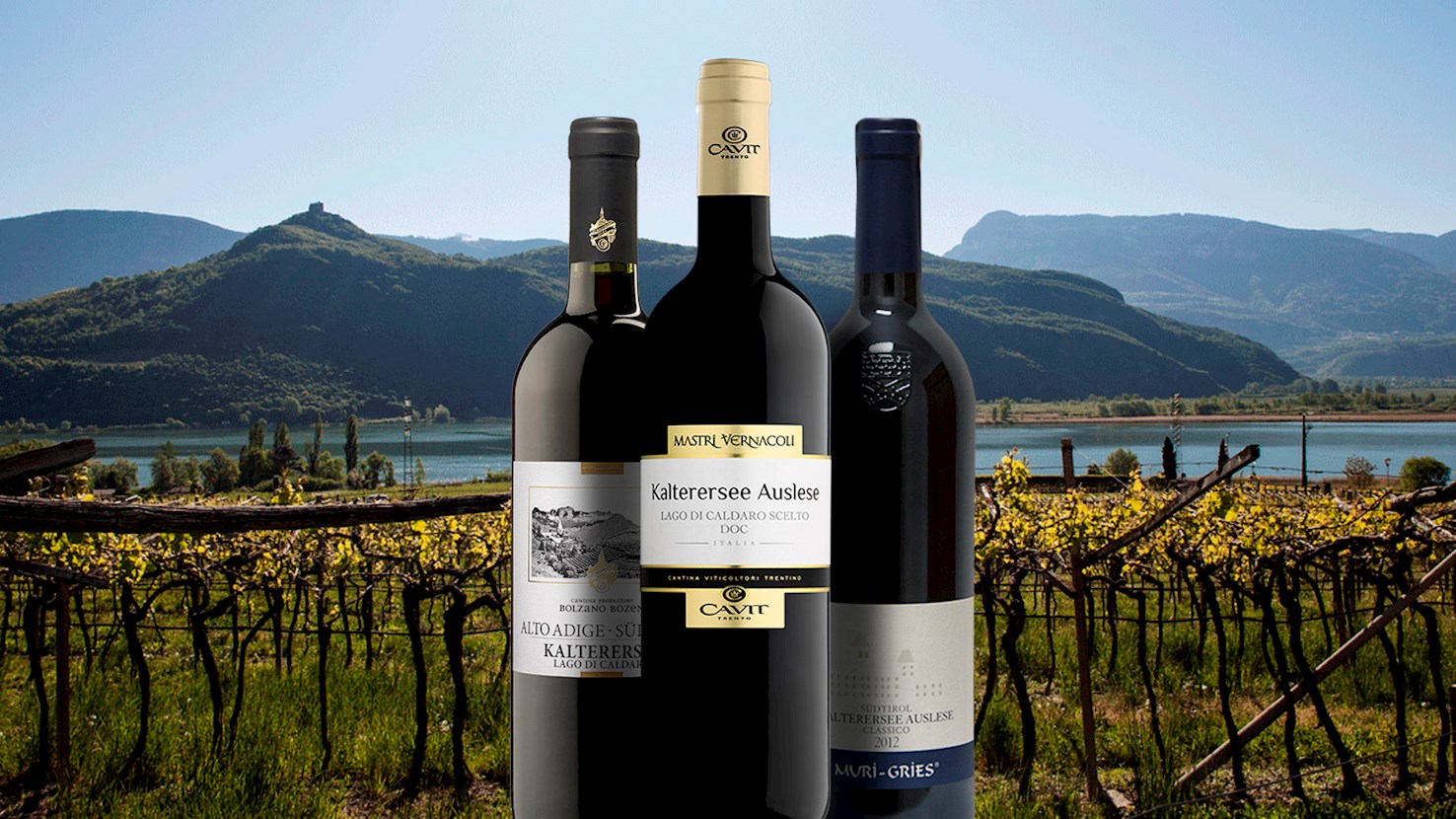
Lago di Caldaro was the first DOC title in the region Trentino-Alto Adige. The wines produced in the area are based on Schiava – native grape variety that naturally produces light red wines. The label also includes Classico subzone which is limited to the communes of Caldaro, Appiano, Termeno, Cortaccia, Vadena, Egna, Montagna, Ora, and Bronzolo, as well as sweet Scelto (Auslese) wines. Lago di Caldaro are light and delicate red wines, with subtle tannins and typical fruit aromas of cherries and red berries. They are usually light to medium-bodied and might display slightly bitter almond finish. The wines work well with light main courses, pasta dishes, and appetizers, especially local cold cuts and mild cheese varieties.
TasteAtlas food rankings are based on the ratings of the TasteAtlas audience, with a series of mechanisms that recognize real users and that ignore bot,
nationalist or local patriotic ratings, and give additional value to the ratings of users that the system recognizes as knowledgeable.
TasteAtlas Rankings should not be seen as the final global conclusion about food. Their purpose is to promote excellent local foods,
instill pride in traditional dishes, and arouse curiosity about dishes you haven’t tried.
The initial list of top producers was compiled based on available reviews, awards, local recommendations, media and blog coverage, and consumer reviews.
The list will be updated with ratings from TasteAtlas local ambassadors and TasteAtlas users.






What People Say