shutterstock

Top 4 Macedonian Relish

Last updated on May 31, 2026

Best Macedonian Relish
01

MAMA's

4.8 ·
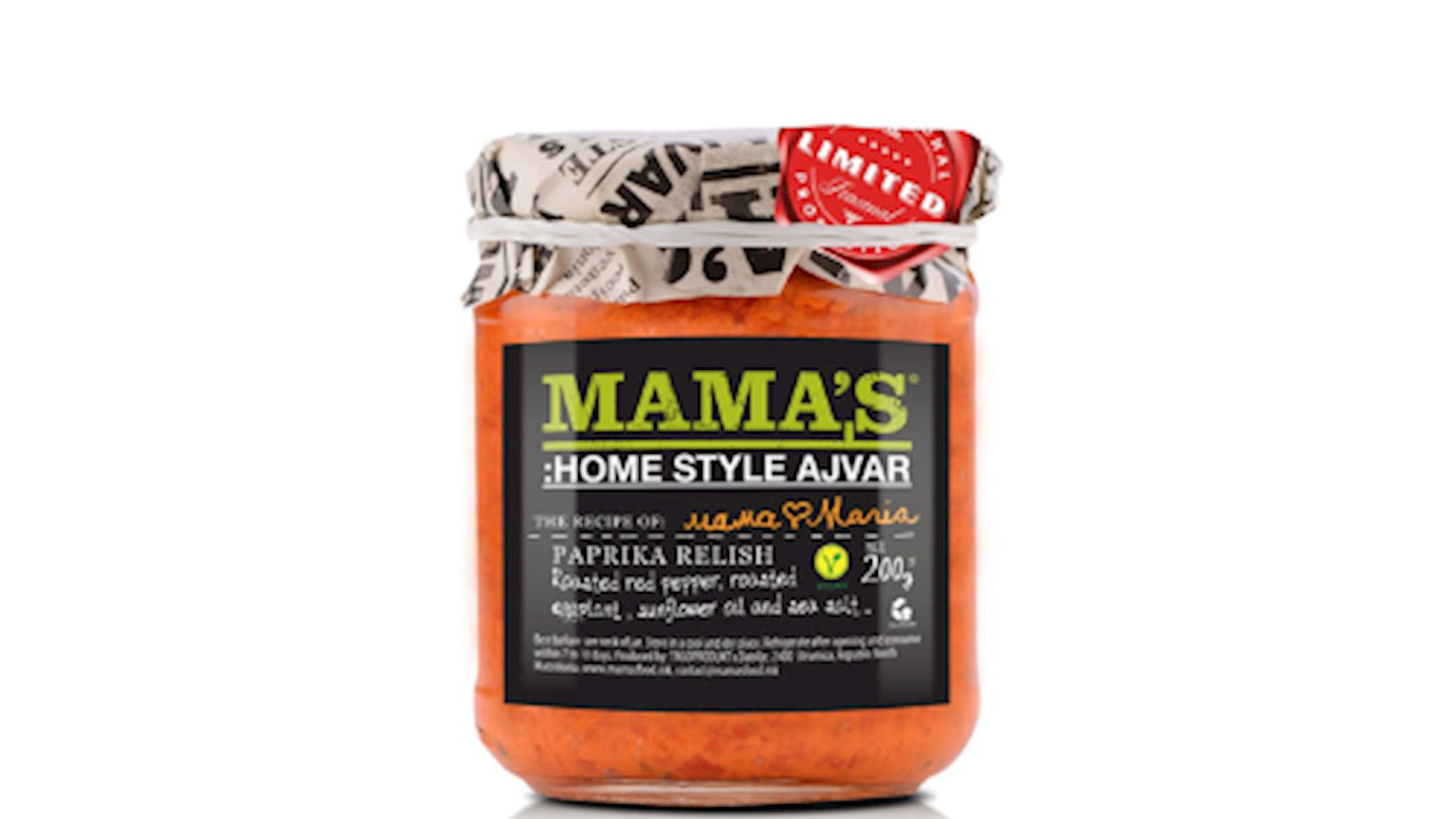
MAMA’S is a Macedonian producer specializing in ajvar, pickled vegetables, and spreads made according to traditional recipes, with a strong focus on using freshly harvested, locally grown produce to preserve natural flavor and freshness. The brand is built on the idea of “homemade in a jar”, relying on regional varieties of peppers, eggplant, and cucumbers, without additives, artificial colors, or preservatives. Their range includes several types of ajvar - mild, hot, roasted, and green - as well as roasted peppers in salsa, baby pickles, vegetable spreads, and a small line of sweet pumpkin- and cocoa-based creams. Production combines hand-cut vegetables, open-fire roasting, and modern filling techniques, resulting in authentic yet consistent quality. MAMA’S is also recognized for its packaging, which blends traditional Balkan identity with a clean, contemporary design, making the products appealing on international markets. The emphasis on natural ingredients, transparency, and a clear “homemade” character positions the brand as a strong example of how traditional Balkan food can be modernized without losing its essence.
02

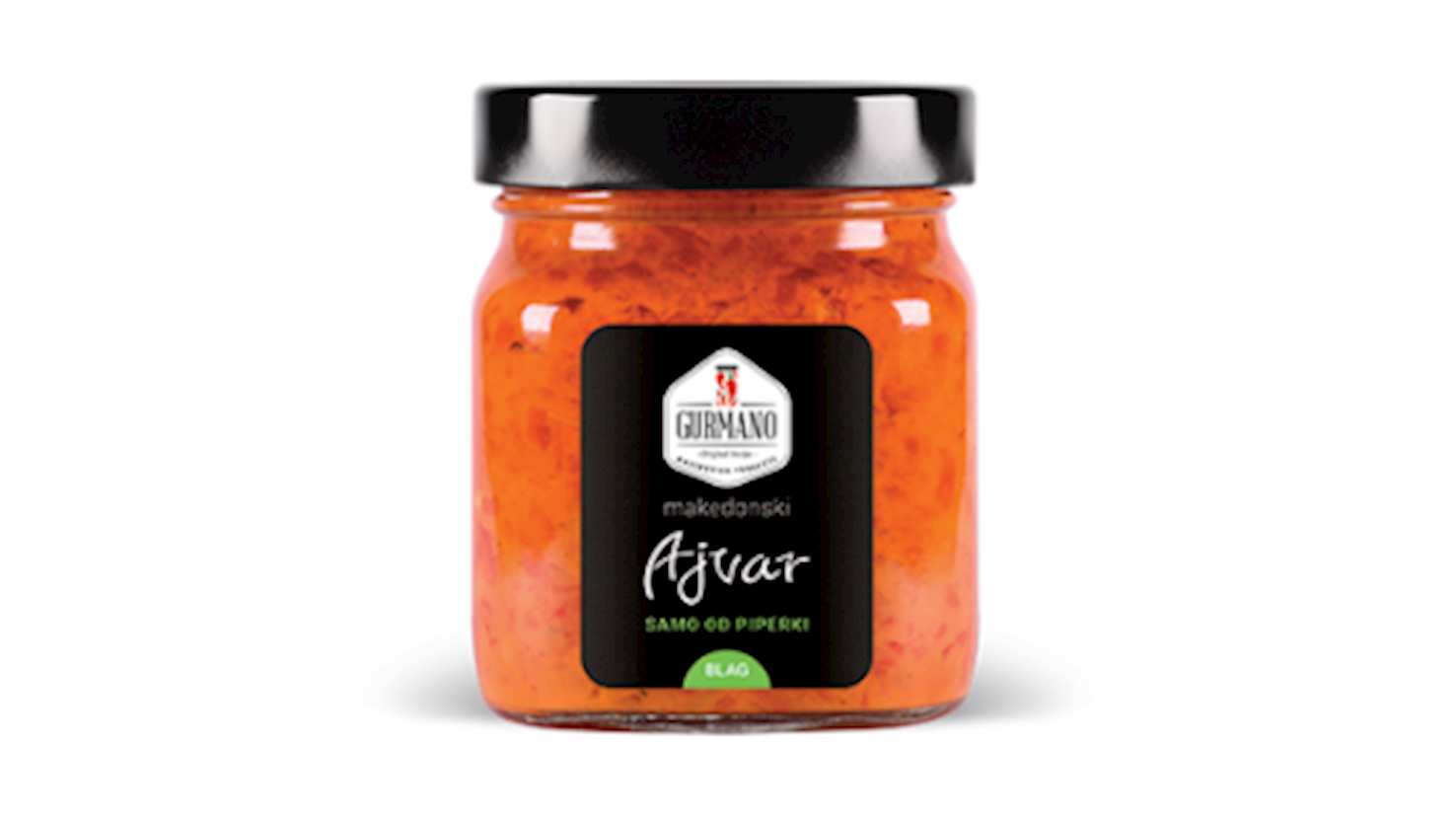
Gurmano

4.5 ·
Gurmano is a Macedonian brand focused on producing traditional food delicacies, primarily ajvar, roasted peppers, pindjur, and various types of pickled and preserved vegetables made from locally sourced produce. The company built its portfolio on years of collecting and processing fresh ingredients, combining standardized modern techniques with recipes characteristic of the Pelagonia region and broader Macedonian culinary tradition. Their products are recognized for their rustic texture, natural sweetness from fully ripened peppers, and the absence of artificial additives, making them suitable for consumers seeking authentic, straightforward flavors. Gurmano offers a wide range of items - from mild and hot ajvar and roasted pepper spreads to fermented vegetables and seasonal specialties - intended for everyday meals, meze platters, or grilled dishes. The brand positions itself as a reliable producer that blends tradition, consistent quality, and stable flavor, preserving the essence of Macedonian cuisine in a modern, easy-to-use format.

Best Macedonian Relish Types

01

Ajvar

4.3 ·

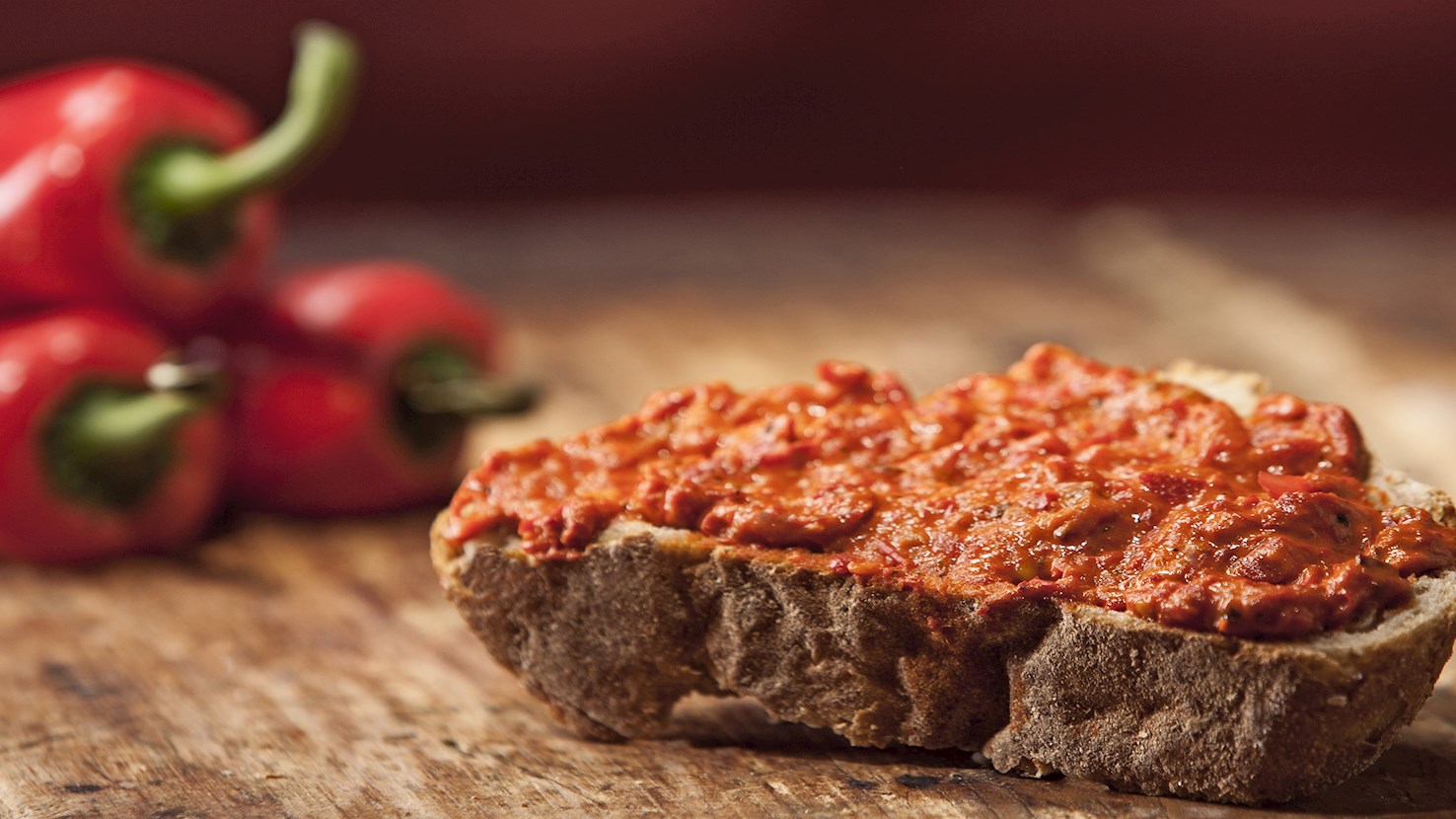
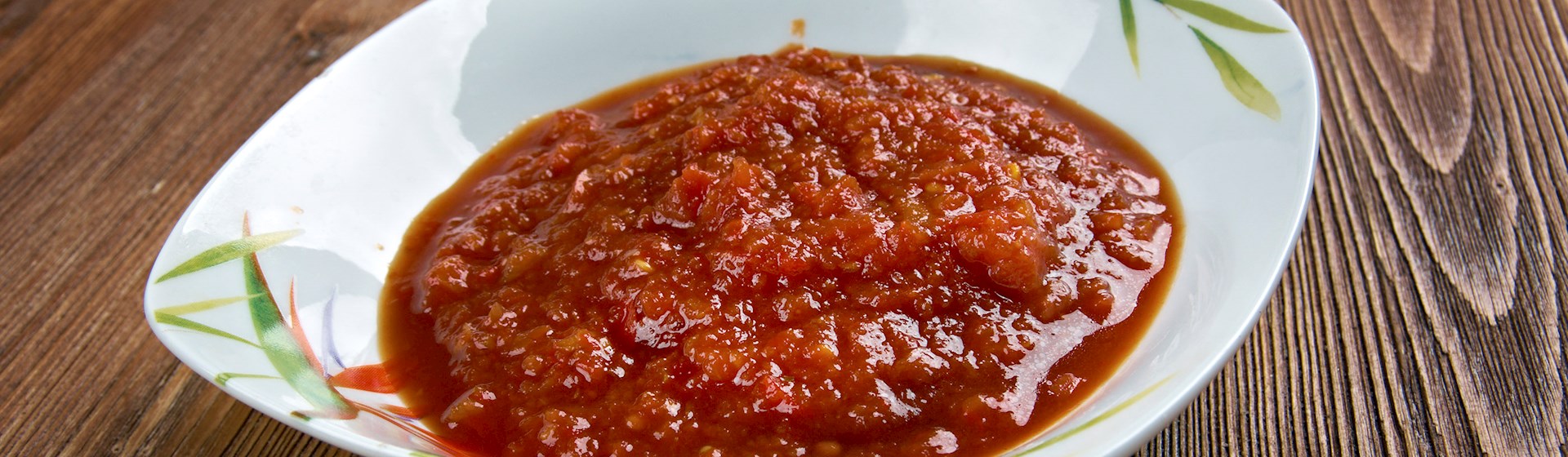
This traditional peppers-and-eggplant relish is one of the most popular condiments all over the Balkans and Eastern Europe. The most prized type of ajvar is often the Macedonian one, made only with red peppers. Though its origins are often disputed, the name ajvar is said to stem from the Turkish word havyar, meaning caviar. In the past, Serbia was especially known for its production of caviar from farmed Black Sea beluga (sturgeon), and was one of the major world exporters. Later on, after facing a fall in production of real caviar, the Serbians instead supposedly started offering the so-called "red ajvar" or vegetable caviar—hence the name. Ajvar is made with red bull horn pepper, hot pepper, eggplant, and garlic; all in variable amounts, depending on personal taste. Before being mashed together into a chunky paste, the vegetables are typically roasted over a wood fire which imparts a pleasing smokiness to this sweet but tangy relish, making it the perfect accompaniment to grilled meats.

02

Lyutenitsa

4.3 ·

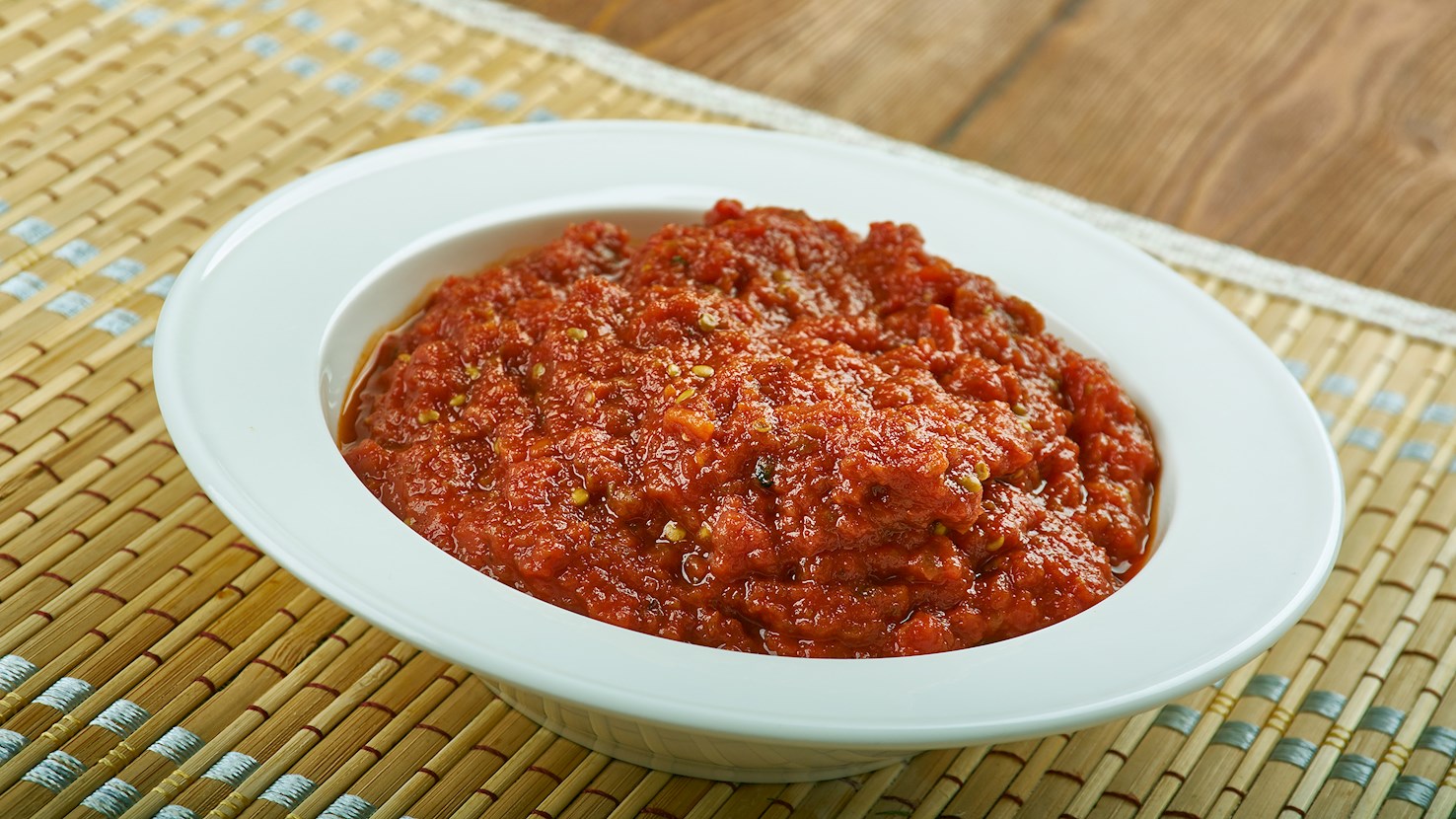
A jar of lutenica or lyutenitsa is one of the essential food items in almost every Bulgarian and North Macedonian household. This famous relish, which lies somewhere between a spread and a chutney, is, at its basic, made with red bull horn peppers, tomatoes, salt, sugar, pepper, and oil. Cumin is also often added. Variations do exist, and you will often find recipes that include eggplant, carrots, garlic, and even parsley and hot peppers. Lyutenitsa is traditionally consumed as a spread, accompanied by bread, crackers, or toast. It is also commonly served on the side with meat dishes, especially grilled meat and meatballs. Depending on the region and personal preference, the ingredients, thickness, and level of spiciness might slightly vary. Lyutenitsa and other similar spreads are often found across the Balkans; however, the relish has been regarded as an authentic Bulgarian product. Even though it is hard to trace when it originally appeared in the country, the mass production of this national favorite started in the 1950s. Today it can be bought in stores and is commonly served in most traditional restaurants. However, the homemade variety, prepared in late summer, when the vegetables are at their peak, is still considered the ultimate version.

03

Pinđur

4.2 ·

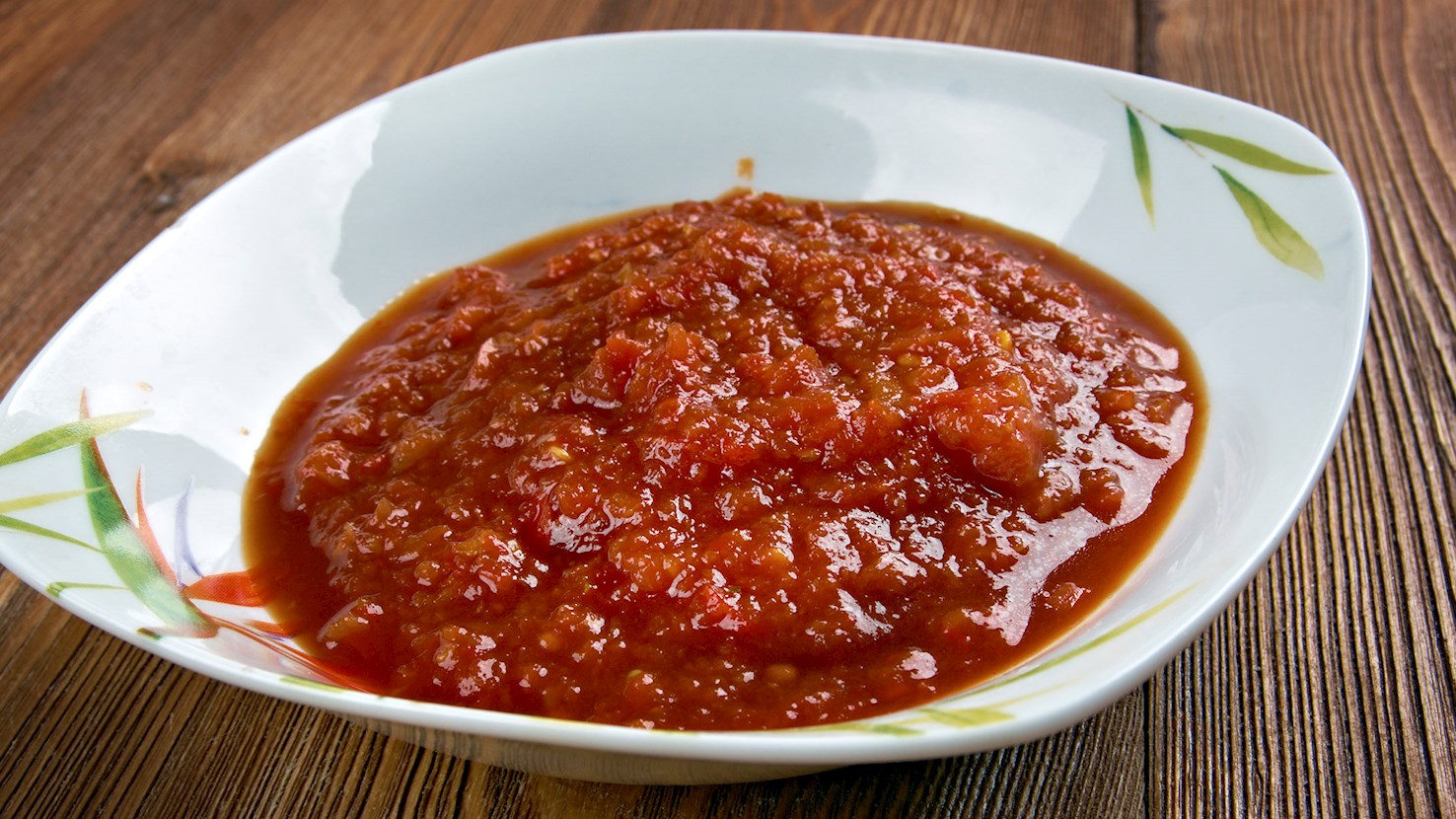
Pinđur is a traditional condiment originating from the cuisine of Balkan and countries such as North Macedonia, Serbia, Bulgaria, Croatia, Albania, and Bosnia and Herzegovina. It's made with a combination of roasted red bell peppers, tomatoes, eggplants, garlic, oil, and salt. Pinđur is served as a relish or spread, and it's very similar to ajvar, but the flavors of pinđur are somewhat milder. Regarding the texture, pinđur is slightly thinner than ajvar. Traditionally, this relish is prepared by mashing the ingredients in a wooden bowl.

04

Malidzano

3.7 ·

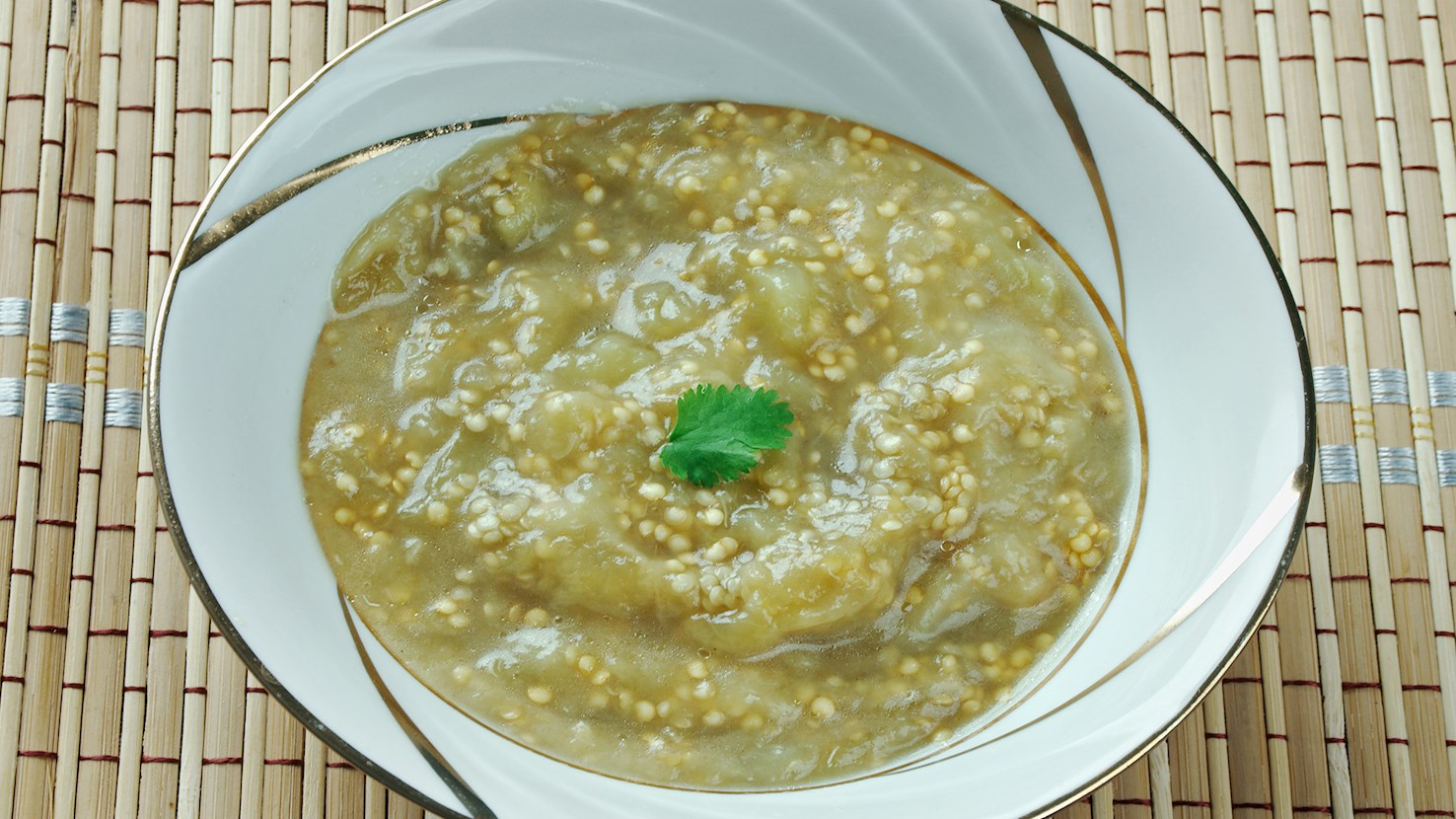
Malidzano is a flavorful North Macedonian spread made with eggplants, red peppers, and flavorings such as salt, pepper, and garlic. Walnuts and crumbled white cheese are often added to the spread for extra flavor. The name malidzano is derived from the Italian word melanzane, meaning eggplant. The spread is traditionally served as an appetizer, paired with crusty bread on the side.

Read more
View all
View map
About this ranking

TasteAtlas food rankings are based on the ratings of the TasteAtlas audience, with a series of mechanisms that recognize real users and that ignore bot, nationalist or local patriotic ratings, and give additional value to the ratings of users that the system recognizes as knowledgeable. For the “Top 4 Macedonian Relish” list until May 31, 2026, 839 ratings were recorded, of which 443 were recognized by the system as legitimate. TasteAtlas Rankings should not be seen as the final global conclusion about food. Their purpose is to promote excellent local foods, instill pride in traditional dishes, and arouse curiosity about dishes you haven’t tried.

The initial list of top producers was compiled based on available reviews, awards, local recommendations, media and blog coverage, and consumer reviews. The list will be updated with ratings from TasteAtlas local ambassadors and TasteAtlas users.

Similar lists