




shutterstock

Top 7 Afghan Rice Dishes

Last updated on July 15, 2026
01

Kabuli pulao

4.0 ·

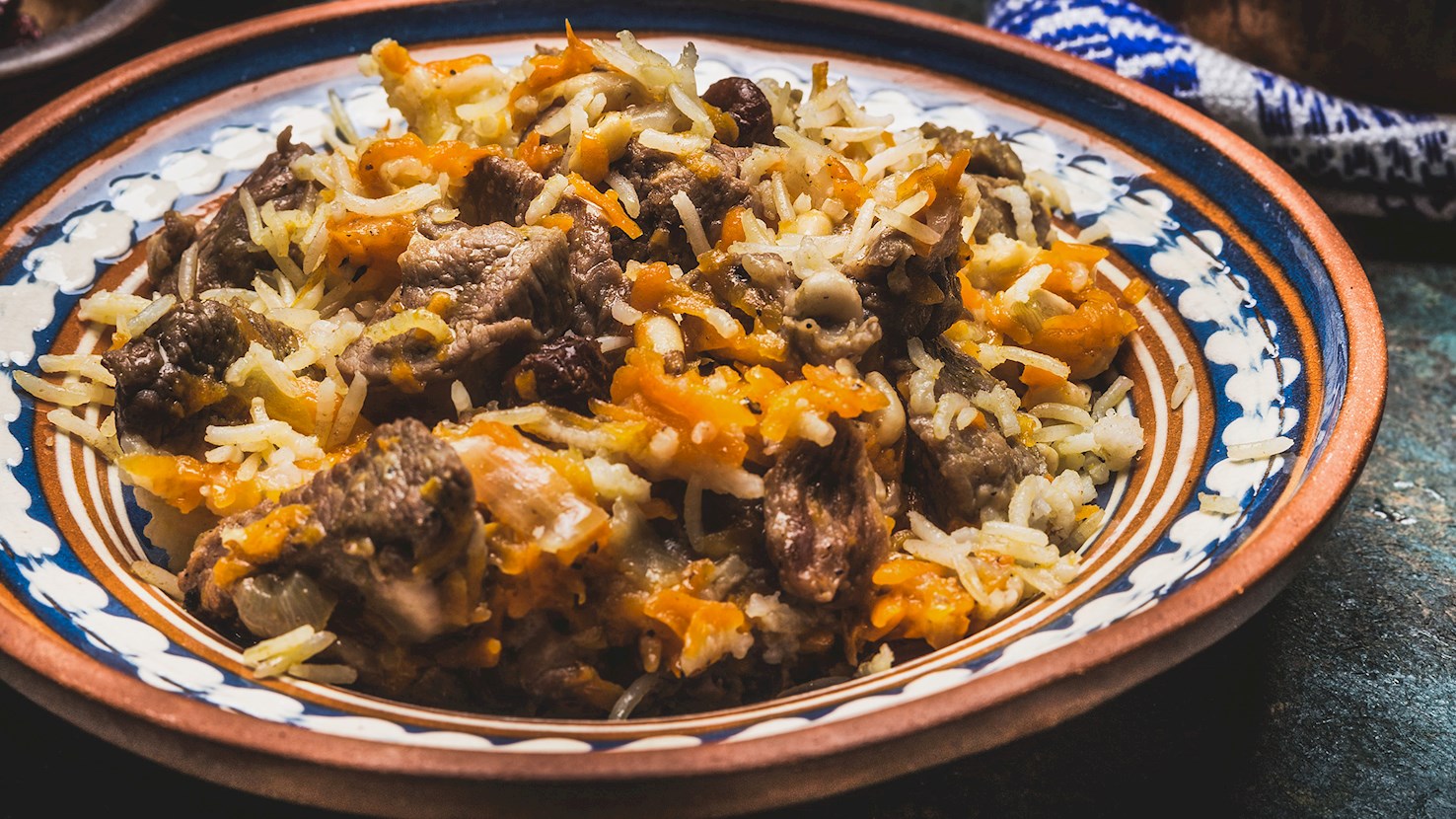
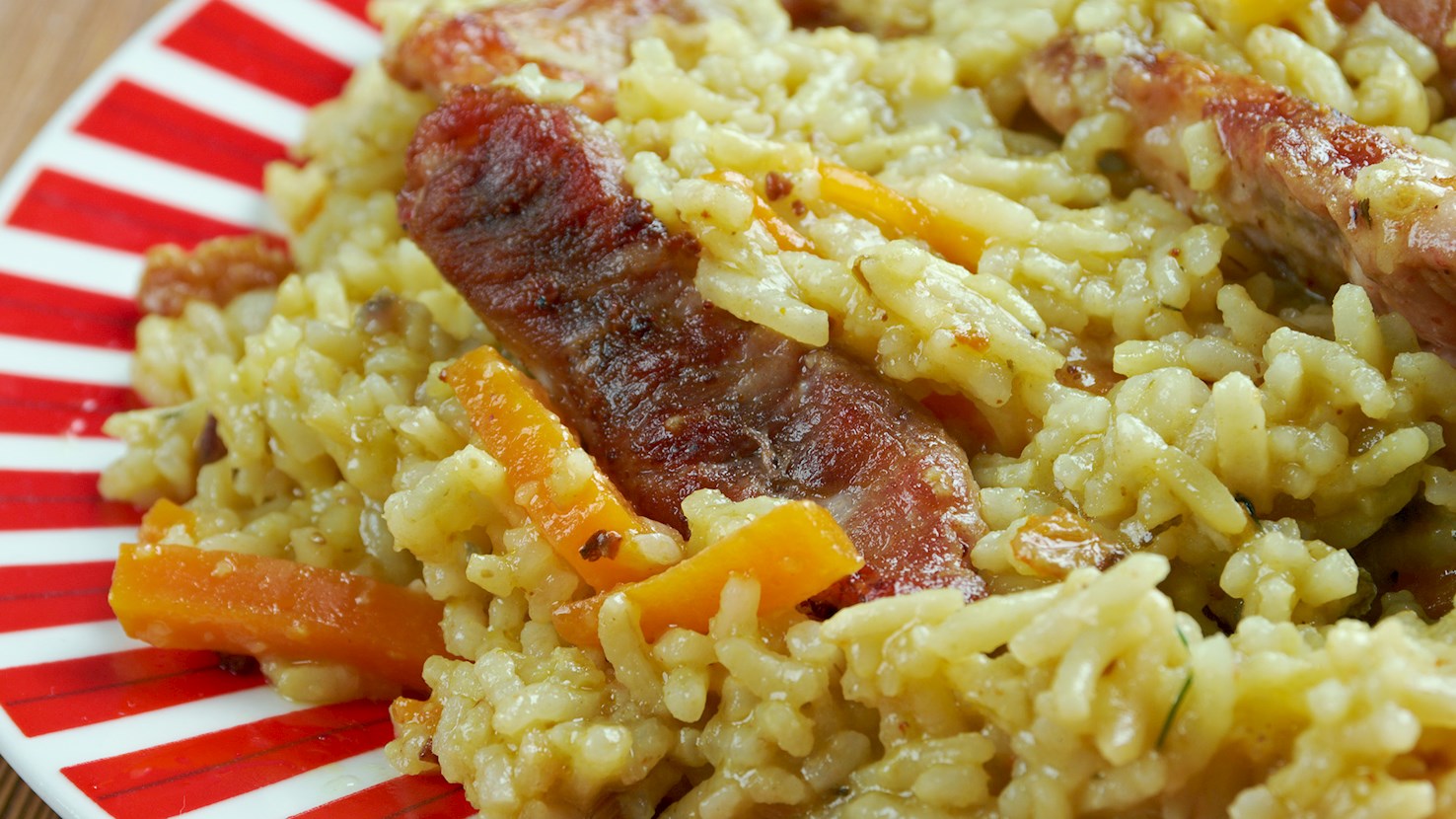
The crown of Afghan cuisine, Kabuli pulao is often said to have been originally created by the upper-class families of Kabul who could afford to prepare this elaborate meat and rice dish. Over time, pulao had spread across the country and changed its name to qabili pulao, derived from the Dari word qabil, meaning capable or able, as it was considered that only a truly skilled chef could make a good Afghan-style pilaf. Moreover, an Afghan woman's marriage prospects are said to depend on her ability to make qabili palau. This national dish traditionally consists of steamed long-grained rice mixed with caramelized carrots, raisins, almonds, and chunks of lamb meat, although chicken and beef are also often used. Its unique flavor comes from char masala, a mixture of spices like cumin, cloves, cardamom, cinnamon and black pepper.

02

Reshteh Palaw

3.0 ·

Reshteh polo is a distinctive Iranian dish known for its unique combination of rice and thin noodles called reshteh. This dish blends the fluffy texture of saffron-infused basmati rice with toasted noodles, offering a complex interplay of flavors and textures. Commonly prepared during significant celebrations such as Nowruz, the Persian New Year, Reshteh Polo symbolizes the weaving of good fortune and new beginnings, reflecting its cultural importance in Iranian society. The history of reshteh polo is deeply connected to Persian culinary traditions where rice dishes hold a central place. The inclusion of reshteh noodles in the rice distinguishes this dish, showcasing the innovative integration of wheat and rice elements in Persian cuisine. Over time, reshteh polo evolved from simple home preparations to a celebrated dish featured in both everyday meals and festive occasions. Preparation of reshteh polo involves first toasting the reshteh noodles in oil or butter until they achieve a golden-brown color, which enhances their nutty aroma. The rice is then parboiled separately and combined with the toasted noodles before being steamed together to develop a harmonious texture. Saffron water is often added to infuse the dish with its characteristic color and fragrance. The dish may be accompanied by dried fruits, nuts, or fried onions to provide contrast and richness. Serving reshteh polo typically involves presenting it alongside stews, grilled meats, or other components of a Persian meal.

03

Shola

n/a ·

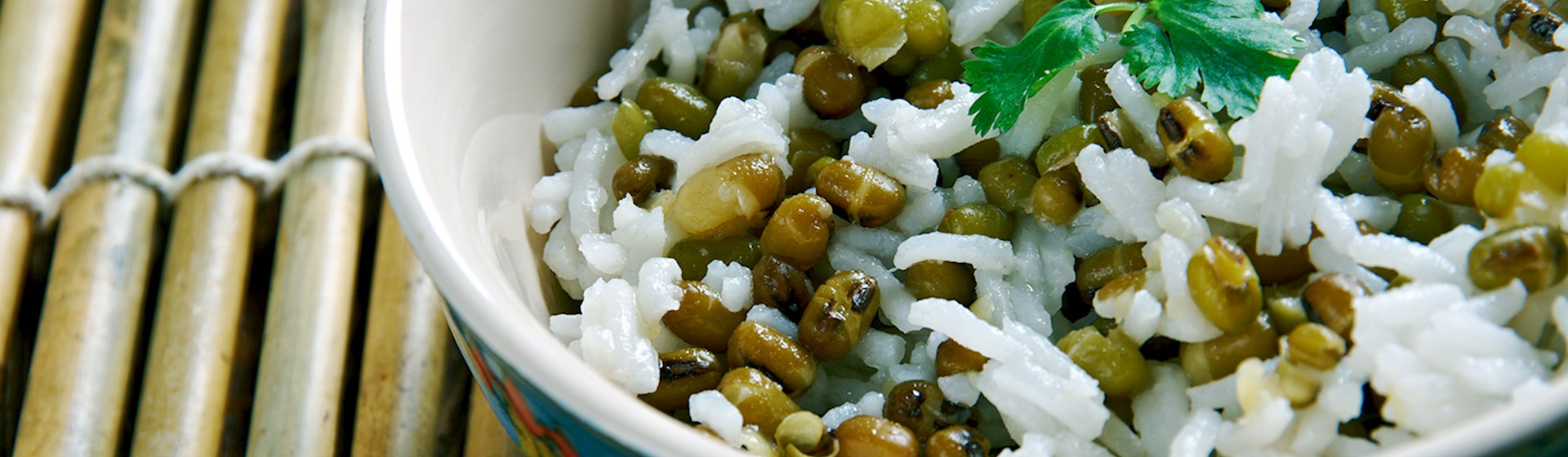
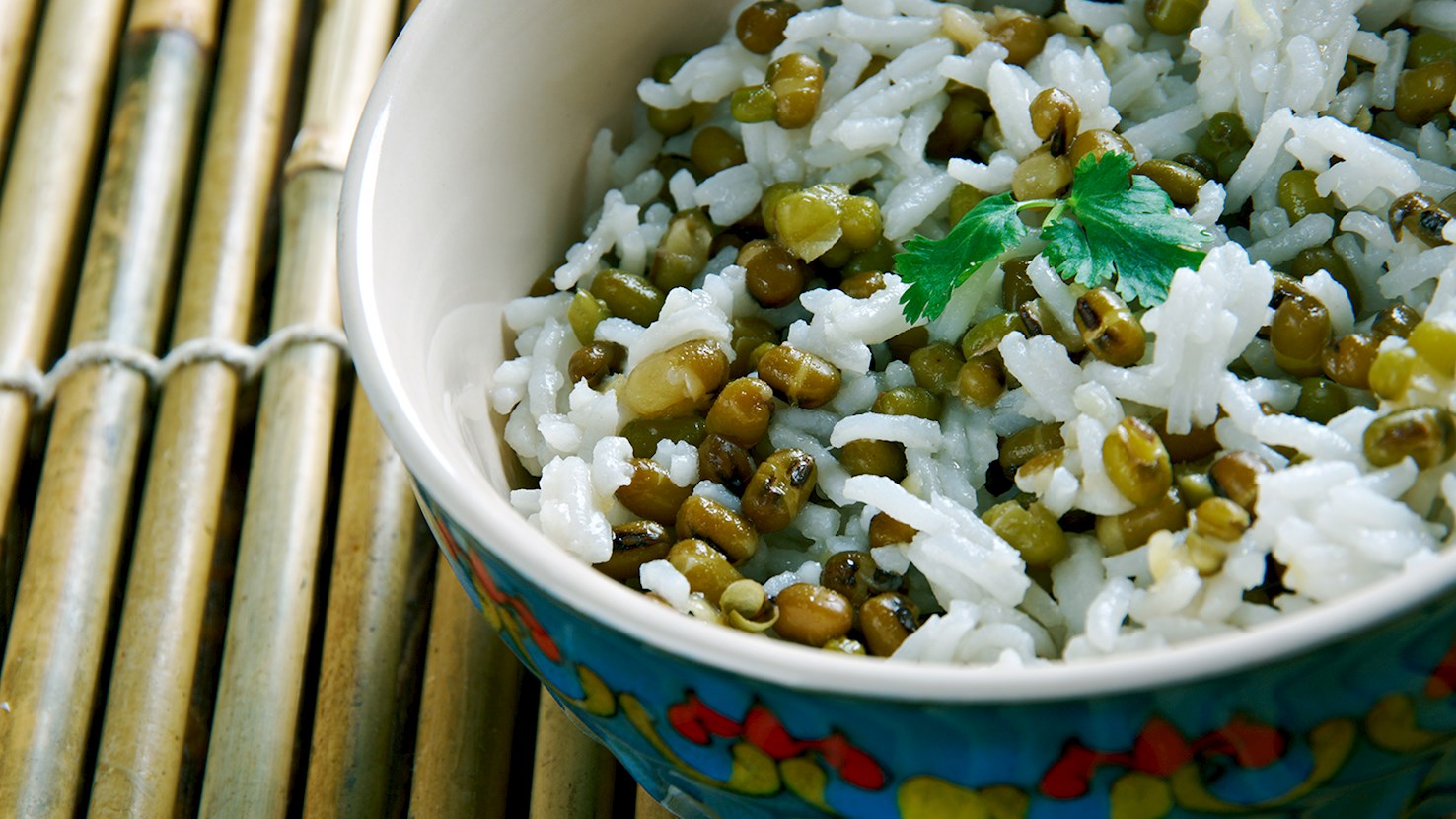
Shola is a traditional dish that is based on a kind of short-grain sticky rice, which is also referred to as shola. The dish has been prepared in both sweet and savory versions, although the latter version is more common these days. Savory shola is a traditional home-cooked dish that is typically made by combining short-grain sticky rice and mash mung beans or split peas, and it can also contain some meat in it such as beef or lamb. Warm and hearty, shola is ideally enjoyed during the cold months, and it is usually accompanied by a glass of plain yogurt, quroot (dried curd), along with a fresh vegetable salad. Different versions of shola, also called sholleh, have also been widely consumed in Iran and the Middle East, with various other ingredients used in the preparation, making the dish either sweet or savory.

04

Sholeh ghorbandi

n/a ·

Sholeh ghorbandi is a traditional rice dish hailing from Afghanistan's Ghorband district. The dish is usually made with a combination of medium-grain rice, oil, onions, tomatoes, mung beans, lime, dill, and black pepper. The onions are fried in oil and mixed with tomatoes, mung beans, salt, and water. The mixture is simmered until the mung beans become slightly softened but not mushy. It is then mixed with rice and cooked until the rice has absorbed the liquid. The rice shouldn't be stirred at this stage as the grains will break and completely change the texture of sholeh ghorbandi. Once done, the dish is sprinkled with black pepper and served on a large platter before it's garnished with lime wedges and dill sprigs. Sholeh ghorbandi is traditionally served as an accompaniment to a rich lamb curry called qormeh gosfand.

05

Maash pulao

n/a ·

Maash pulao is a traditional dish made with a combination of rice, mung beans, dried fruits, and aromatic spices. Cooked mung beans and long-grain rice such as basmati are combined with a mixture of sautéed onions, ginger, garlic, chilis, tomatoes, and dried fruits, usually dried apricots or raisins. The mixture is then simmered with vegetable stock or water until the rice is thoroughly cooked. This dish is traditionally flavored with spices like cardamom, turmeric, cinnamon, cumin, coriander, and masala powder. Typical accompaniments to the dish include yogurt, fresh salads, chutneys, mast-o-khiar, pickles, or meat. Maash pulao is commonly prepared for special occasions and holidays, such as Ramadan.

06

Zamarod pulao

n/a ·

Zamarod pulao, translated to emerald pilaf, is a famous Afghan dish made with rice and spinach cooked in vegetable or beef stock, often enriched with lamb or beef. The spinach imparts its signature green color to the dish, so it is usually incorporated into the rice before the baking process begins. This flavorful pilaf dish is served on a variety of special occasions, weddings and family gatherings.

07

Mastawa

n/a ·

This traditional Afghan winter dish is made with chickpeas, short-grained rice, and salted, sun-dried mutton called lahndi, all simmered together in an aromatic broth flavored with onions, garlic, turmeric, coriander, and mint. Narenj or bitter orange peel and hot peppers are added towards the end of cooking which makes this sticky rice dish particularly fragrant and quite spicy. Mastawa can also be prepared with other types of dried meat like the Afghan gosht-e-qaqh, whereas the final touch comes from adding quroot, a type of Afghan cheese made from strained, salted, and dried yogurt - the one ingredient for which there are no proper substitutes.

Read more
View all
View map
About this ranking

TasteAtlas food rankings are based on the ratings of the TasteAtlas audience, with a series of mechanisms that recognize real users and that ignore bot, nationalist or local patriotic ratings, and give additional value to the ratings of users that the system recognizes as knowledgeable. For the “Top 7 Afghan Rice Dishes” list until July 15, 2026, 107 ratings were recorded, of which 81 were recognized by the system as legitimate. TasteAtlas Rankings should not be seen as the final global conclusion about food. Their purpose is to promote excellent local foods, instill pride in traditional dishes, and arouse curiosity about dishes you haven’t tried.

Similar lists