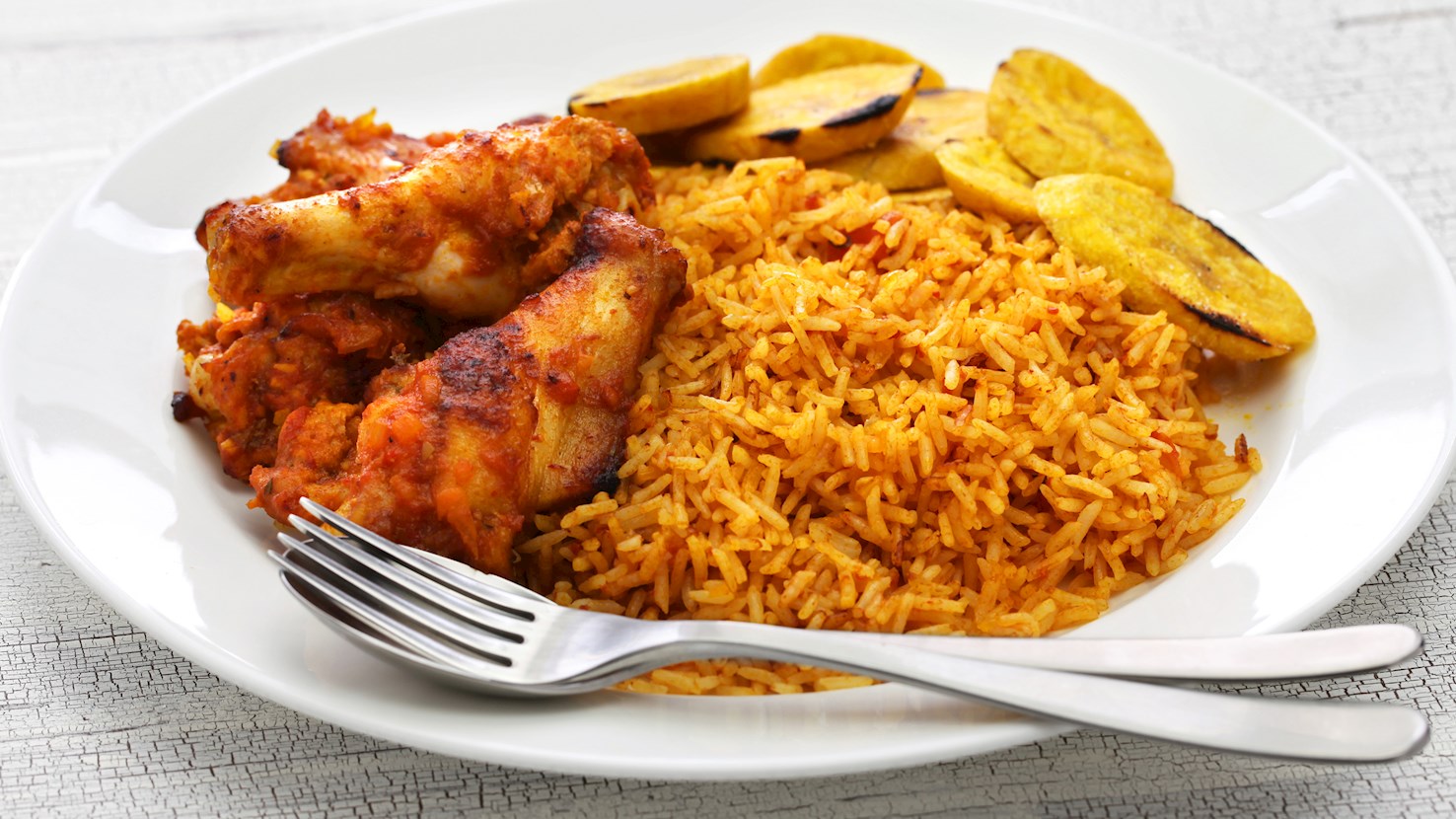
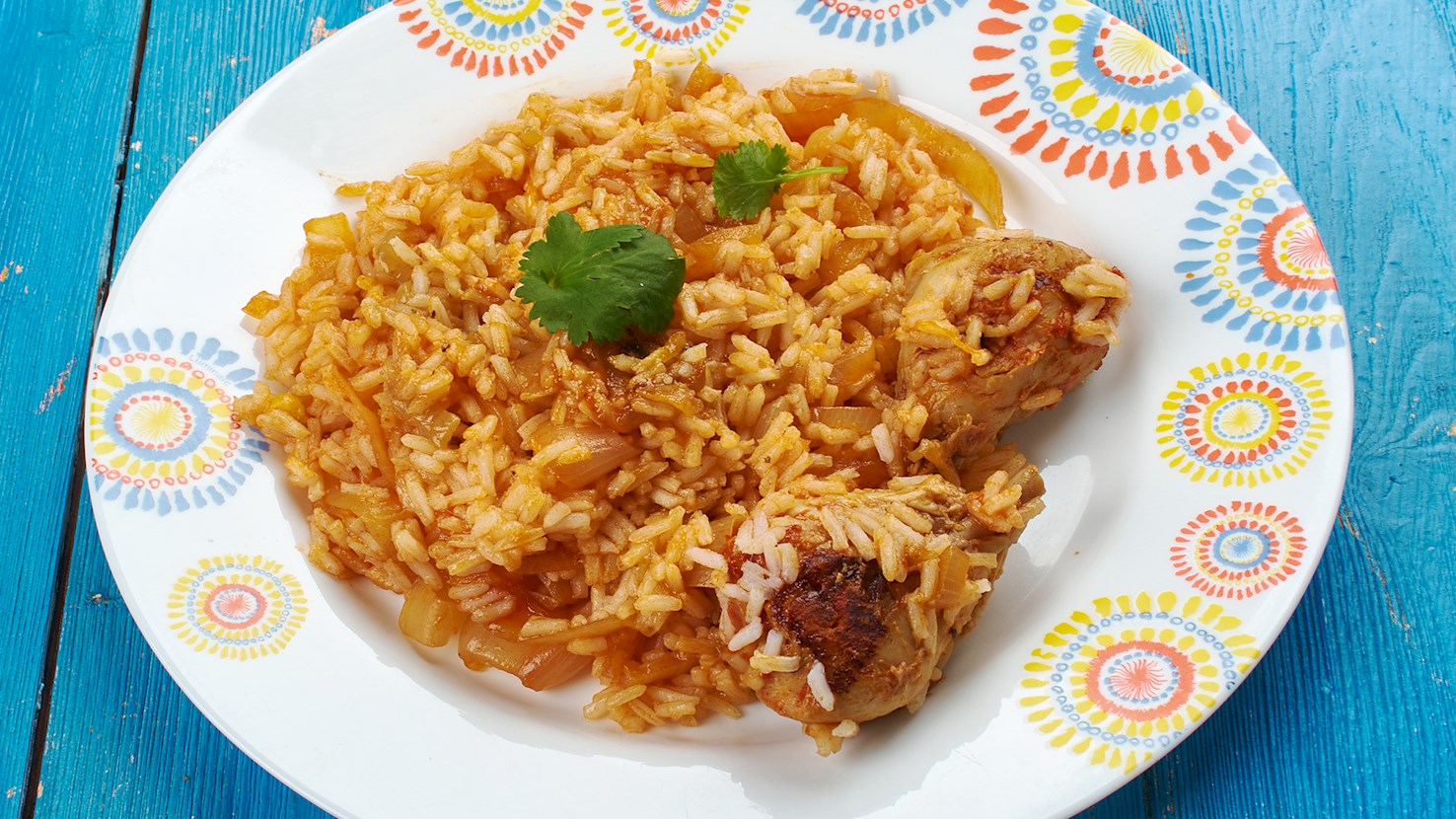
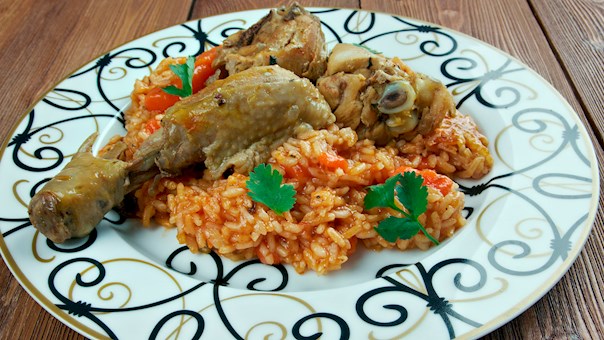
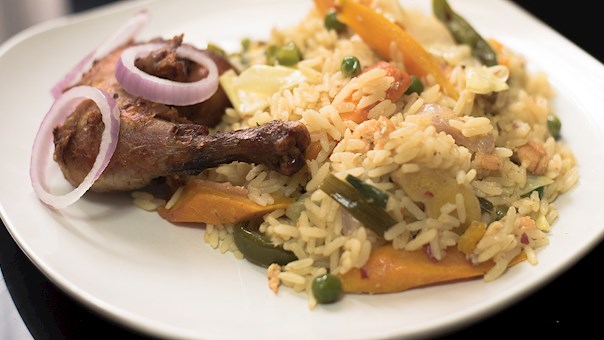
Jollof rice is a West African rice dish made with a base of tomatoes, onions, and peppers, cooked together with seasonings until the rice absorbs the sauce and takes on a deep red or orange color. It is prepared in many countries across the region, including Nigeria, Ghana, Senegal, Sierra Leone, Liberia, The Gambia, and Cameroon, each with distinct methods and flavor profiles. The dish has its roots in the Wolof-speaking areas of present-day Senegal and The Gambia, where one-pot rice dishes developed within the Wolof kingdom and later spread along trade and migration routes. Early forms of rice cooked in tomato-based sauces, including benachin, served as a foundation for what became known more broadly as jollof rice as the dish moved eastward and adapted to regional tastes. Preparation begins with creating a stew base by cooking tomatoes, tomato paste, onions, and chili peppers until thick and concentrated. This mixture forms the core of the dish’s flavor. Spices commonly include thyme, curry powder, ginger, garlic, and bay leaves, although blends differ by region. Broth is often added to the stew before the rice goes in, and long-grain varieties are favored for their ability to stay separate while absorbing the sauce. The rice is cooked on low heat until it absorbs the liquid fully, often forming a crust at the bottom of the pot, which some cooks consider an essential element. Vegetables such as carrots or peas may be added, and the dish can be prepared with chicken, beef, fish, or served as a vegetarian version. The defining feature is the balance between the acidity of tomatoes, the heat of peppers, and the aromatics in the spice blend, which creates a layered and concentrated flavor. A notable characteristic of jollof rice is the regional variation that shapes its identity. Senegalese versions often reflect the one-pot method of benachin and feature larger pieces of vegetables and fish. Nigerian versions are known for their smoky aroma due to cooking techniques that allow the stew and rice to caramelize slightly. Ghanaian versions may emphasize Scotch bonnet peppers and a softer consistency. Although each country asserts its own preferred style, all share the core elements of rice cooked directly in a seasoned tomato-pepper mixture. Jollof rice is eaten across West Africa in homes, restaurants, street-food settings, and festive gatherings. It appears at celebrations, everyday family meals, and communal events, often accompanied by fried plantains, grilled chicken, stews, or salads. Beverages that pair well with it include hibiscus drinks such as bissap or zobo, ginger drinks, palm wine, beer, or citrus-based soft drinks, which complement the spice and richness of the dish.
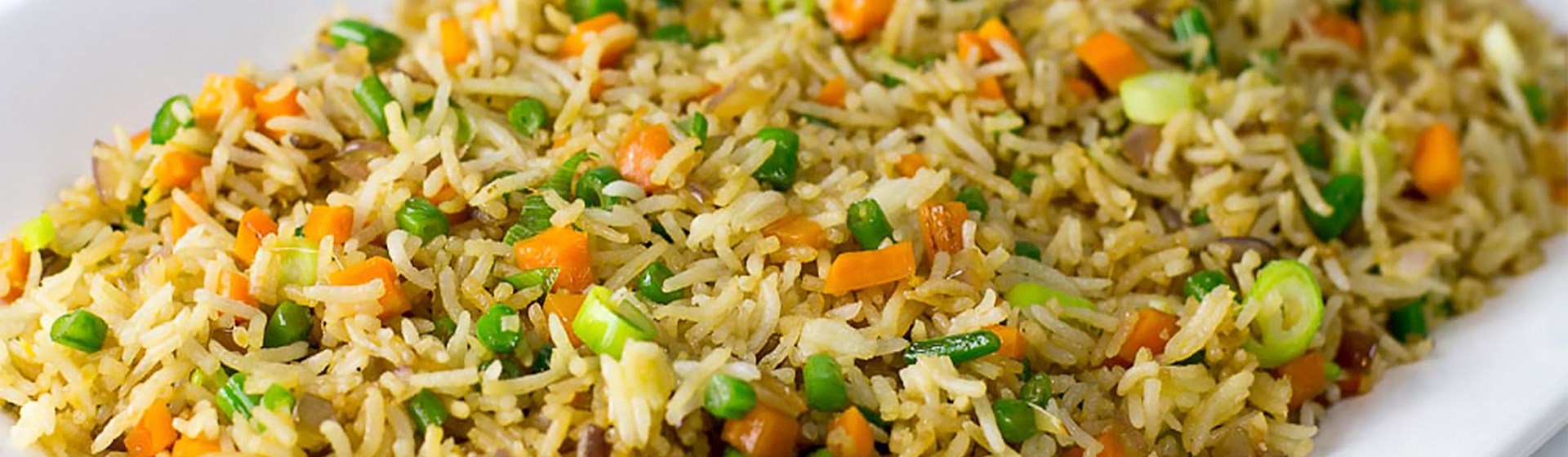
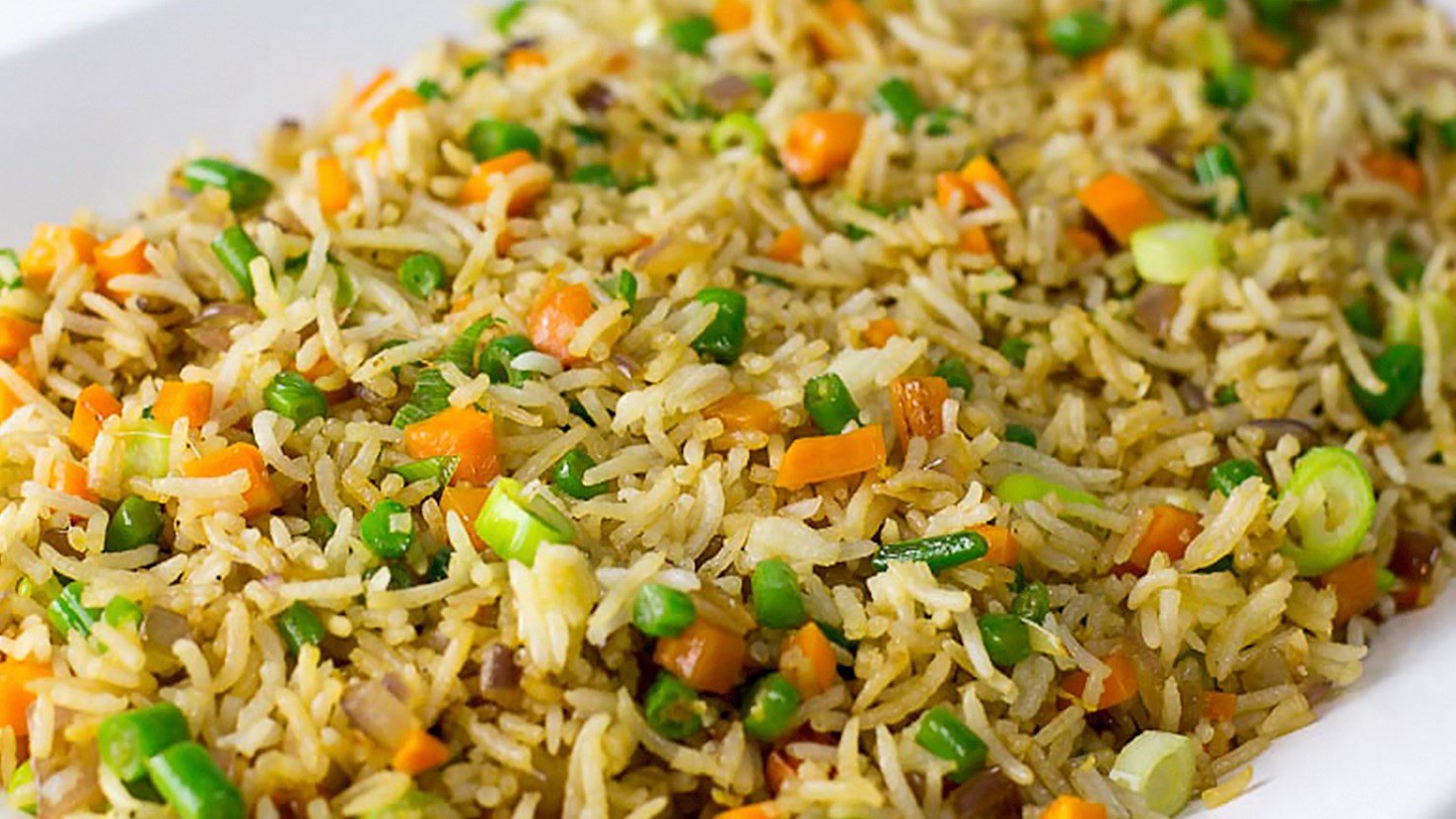
Wali wa kukaanga is a rice dish prepared by frying cooked rice with oil and aromatics, eaten widely in Kenya, where it appears as an everyday meal rather than a ceremonial one. Its development is closely linked to coastal Swahili foodways shaped by Indian Ocean trade, where rice became a central grain through long-standing connections with Asia and the Middle East, and where frying cooked rice provided a practical way to reuse leftovers while building flavor through oil, onions, and spices common to the region. Preparation begins with plain boiled rice that has cooled and dried slightly, which is then fried in oil with finely chopped onions until aromatic, followed by garlic and optional spices, after which the rice is added and tossed over heat so the grains separate and absorb the seasoned oil without becoming soft or sticky. Serving is simple and direct, with the rice presented hot as a complete base dish rather than layered or molded, and it is often paired with a protein or vegetable rather than eaten alone. It is eaten at home and in small eateries for lunch or dinner, commonly with grilled meat, fried fish, beans, or vegetable stews, and it pairs naturally with fresh salads, chili sauces, or lightly cooked greens, while beverages such as water, unsweetened tea, or light fruit drinks are taken alongside to balance the oil and aromatics without overpowering the dish.
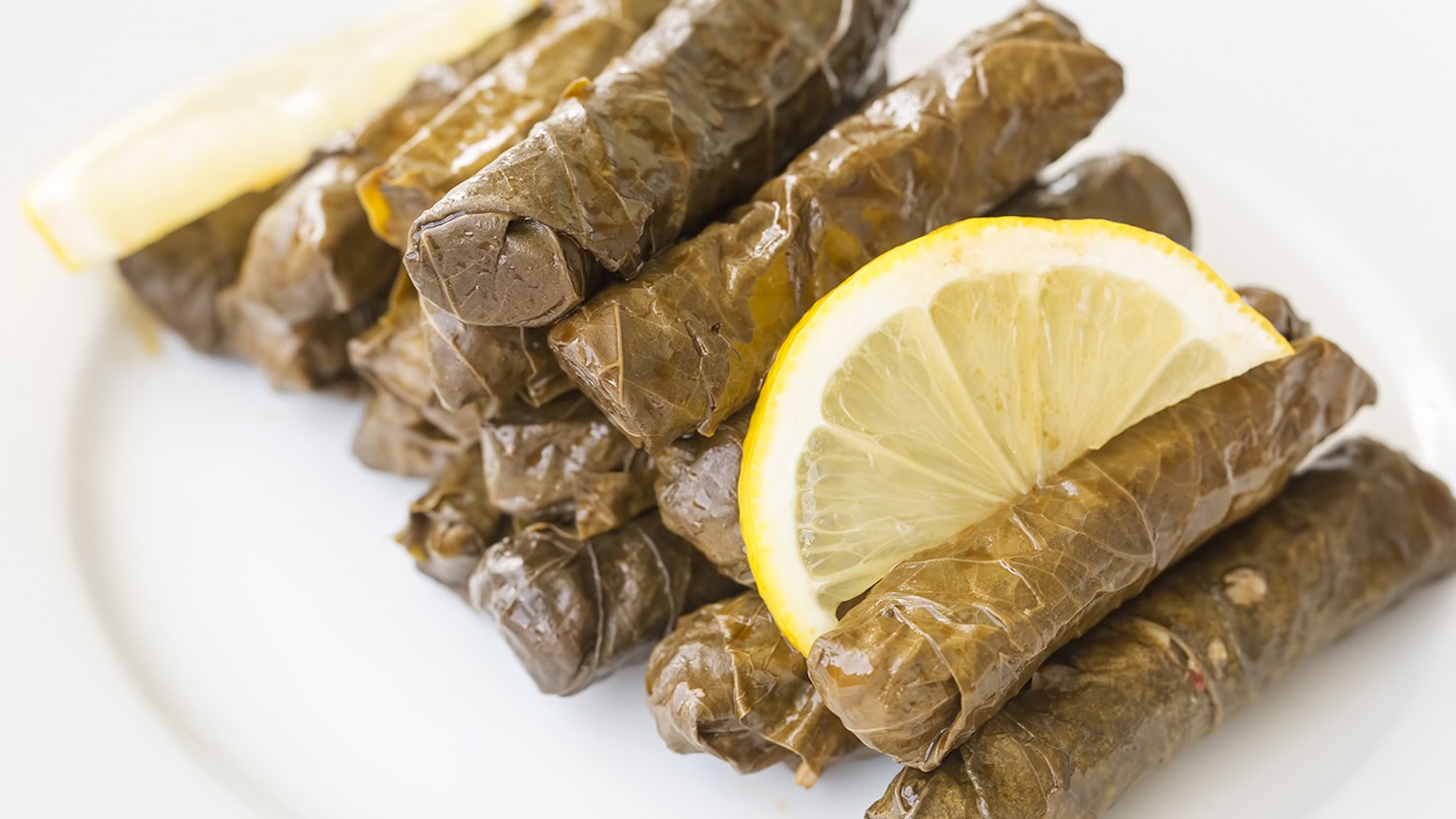
Warak enab is a dish of stuffed grape leaves prepared across the eastern Mediterranean and Middle East, especially in Lebanon, Syria, Jordan, and Palestine, consisting of tender vine leaves wrapped around a filling of rice, and in many versions minced meat, then gently cooked in a lightly acidic liquid. Its development is tied to long-established viticulture in the Mediterranean basin, where grape leaves were readily available alongside grapes and wine production, and where cooking practices evolved to make use of seasonal leaves by blanching and preserving them for later use, with references to stuffed leaves appearing in Byzantine and early Arabic culinary records that describe similar techniques applied to vegetables and leaves across the region. Preparation involves blanching fresh or preserved grape leaves to soften them, placing a small amount of filling made from short-grain rice, minced lamb or beef if used, salt, and mild spices near the base of each leaf, rolling them tightly into compact cylinders, and arranging them snugly in a pot layered to prevent movement during cooking, after which they are simmered slowly in water or stock with lemon juice until the rice is fully cooked and the leaves tender but intact. Warak enab is served warm or at room temperature, often drizzled lightly with olive oil and presented neatly arranged to emphasize uniformity rather than volume. A defining characteristic of warak enab is the balance between acidity from lemon and the neutral absorbent quality of rice, which allows the grape leaf itself to remain the dominant flavor rather than the filling. It is eaten in homes, restaurants, and social gatherings as part of shared meals, commonly alongside yogurt, grilled meats, or other vegetable dishes, and it pairs well with water, unsweetened black or mint tea, arak diluted with water, or dry white wines, fitting naturally into tables where multiple dishes are eaten slowly and in combination rather than in isolated courses.
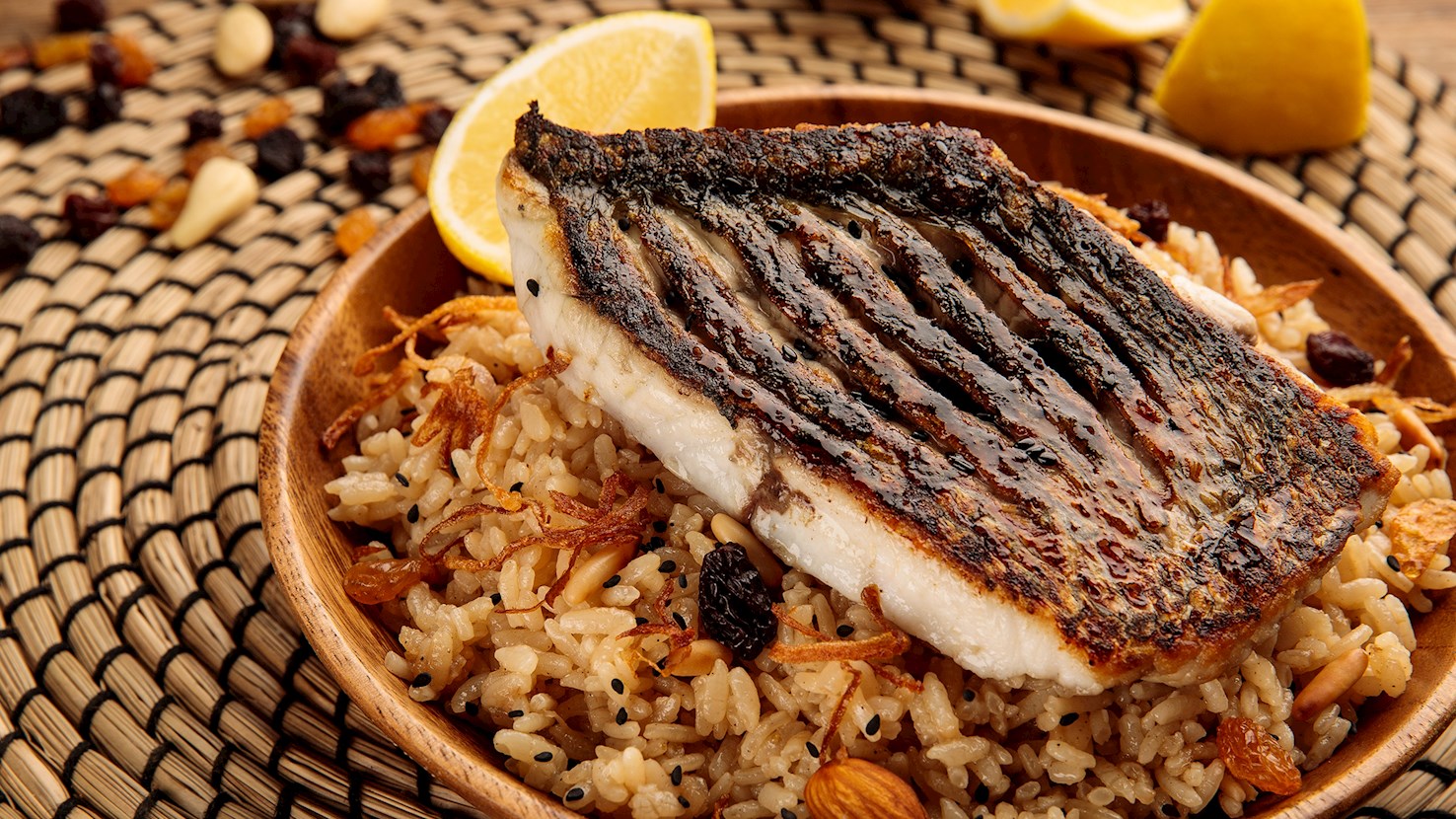
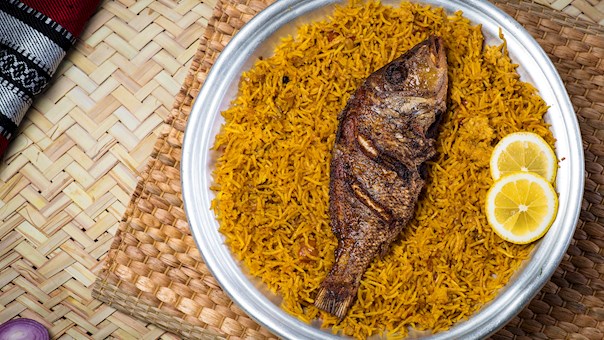
This traditional combination of rice and fish is typically prepared with white fish such as sea bass or red snapper. The fish is fried or baked separately, while the rice is cooked in a special fish broth that is prepared with fried onions and bahārāt - a traditional spice blend that usually employs allspice, peppercorns, cassia, coriander, cardamom, cumin, and chili peppers or paprika. The dish is traditionally served on one plate, topped with lightly toasted pine nuts and slivered almonds. If desired, a special sauce can be served on the side.
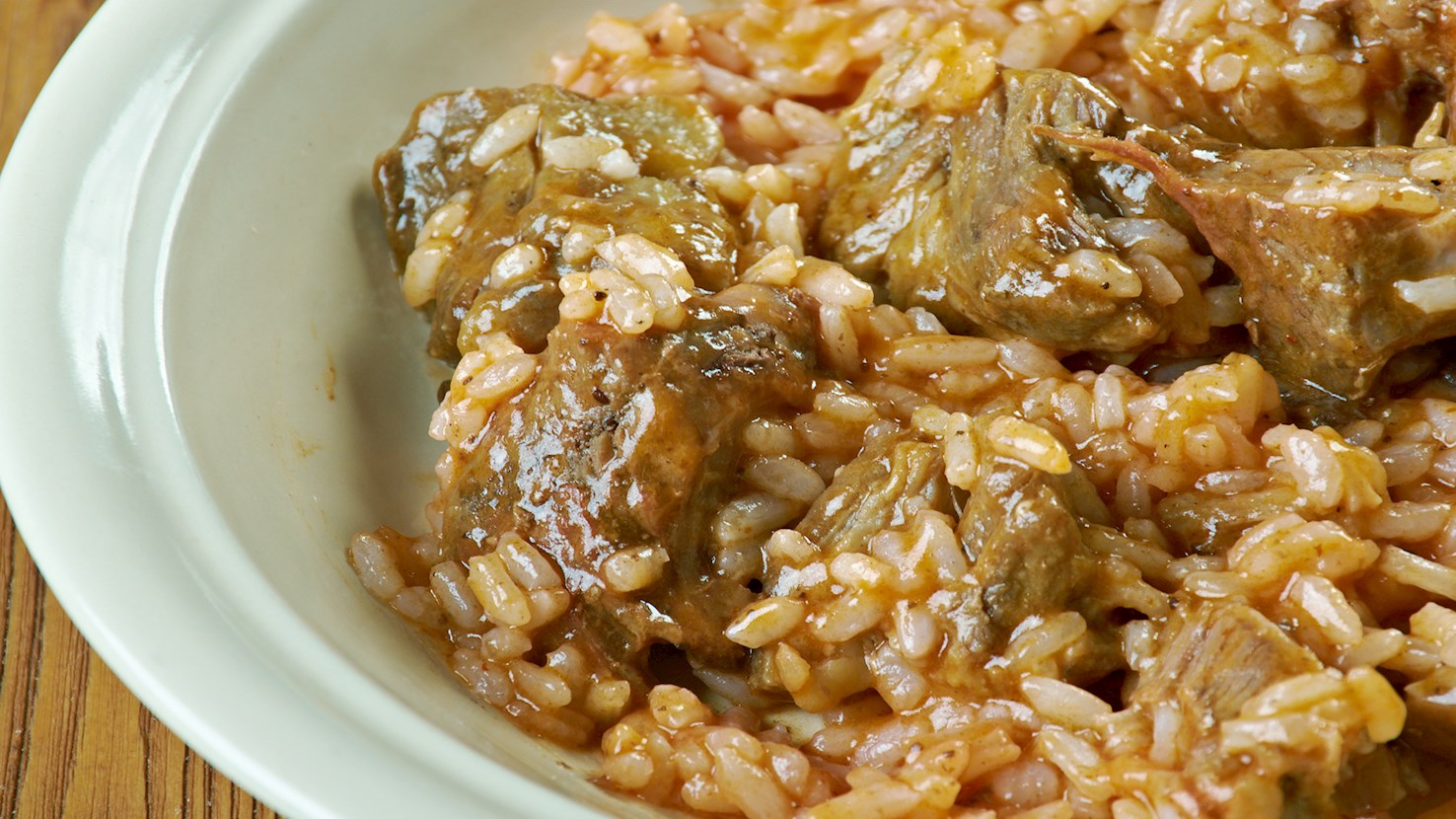
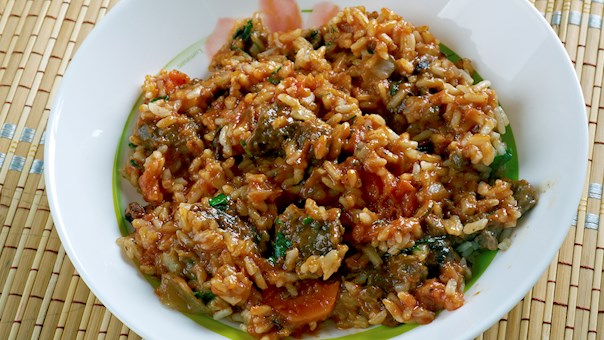
Cabidela is a dark, highly acidic meat-and-rice stew thickened with a sauce made from the freshly collected blood of the slaughtered animal, mixed with vinegar. The main ingredients are traditionally gathered by slaughtering a free-range chicken or rabbit and immediately catching the draining blood in a deep bowl. A generous splash of sharp red wine vinegar is stirred into the blood right away to prevent it from coagulating. The meat is then cut into small bone-in pieces and browned in a hot iron pot coated with olive oil. Chopped white onions, minced garlic, and dried bay leaves soften in the same pot alongside the searing meat. A clear broth is added to cover the ingredients, and the mixture simmers steadily until the meat becomes very tender. Raw short-grain rice, especially the starchy Carolino variety, is then poured directly into the boiling liquid. Just before the rice finishes absorbing the broth, the reserved vinegar-and-blood mixture is added to the pot. The whole mixture quickly turns a deep reddish-black color as the heat thickens the blood into a rich, velvety gravy. The rice remains very moist, suspended in the dark sauce. The origins of this cooking method trace to the 16th century in the northern Minho region of the Iberian Peninsula. Written records from 1573 mention the meal being served during the reign of King Sebastian. As maritime exploration expanded trade routes across the Atlantic and Indian Oceans during the 1500s and 1600s, sailors and merchants carried the recipe to places such as Brazil, Angola, and Goa. In hot tropical climates, the strong acidity helped preserve meat before modern refrigeration. A prominent adaptation from the state of Minas Gerais removes the rice from the pot entirely and serves the thick, dark stew over a dense bed of plain cornmeal mush known as angu. Other regional versions replace the standard poultry with wild game, such as wild boar, or with farm-raised pork, resulting in a gamier, fattier dish. In coastal Southeast Asian communities, the acidic base remains essential, but duck is used as the protein source, and sharp tamarind paste replaces vinegar to prevent the liquid from clotting. Cabidela is usually brought straight from the stove to the table in the original cast-iron cooking vessel. The thick, metallic sauce and moist rice require a sturdy spoon for serving onto individual plates. A raw leafy green salad dressed only with olive oil and lemon juice is almost always served beside it, adding a crisp, acidic contrast that cuts through the heavy iron flavor and rich animal fat.
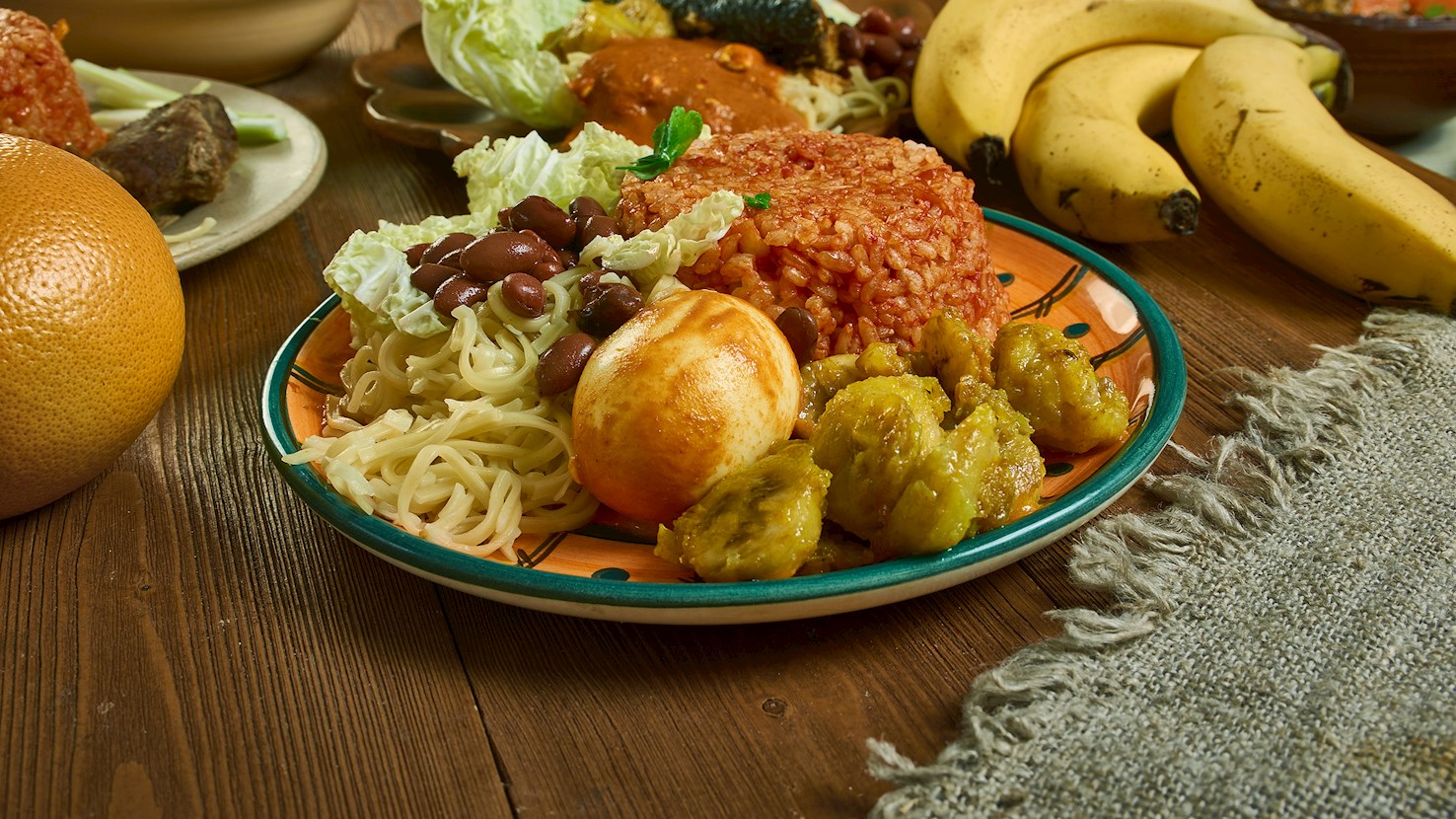
Although it originated in northern parts of Ghana, the rice-and-bean-based dish known as waakye is today consumed on a national level. Whether it's eaten for breakfast or lunch, this dish can be made as rich and as filling as one likes by adding an almost unending list of accompaniments. The most typical ones include fried plantains, the spaghetti-like talia, a black pepper sauce called shito, boiled eggs, avocados, a tomato-based soup which contains meat, and gari foto — a mashed sauce made with finely grated cassava. This versatile dish is a favorite street food and comes served on a large waakye leaf.
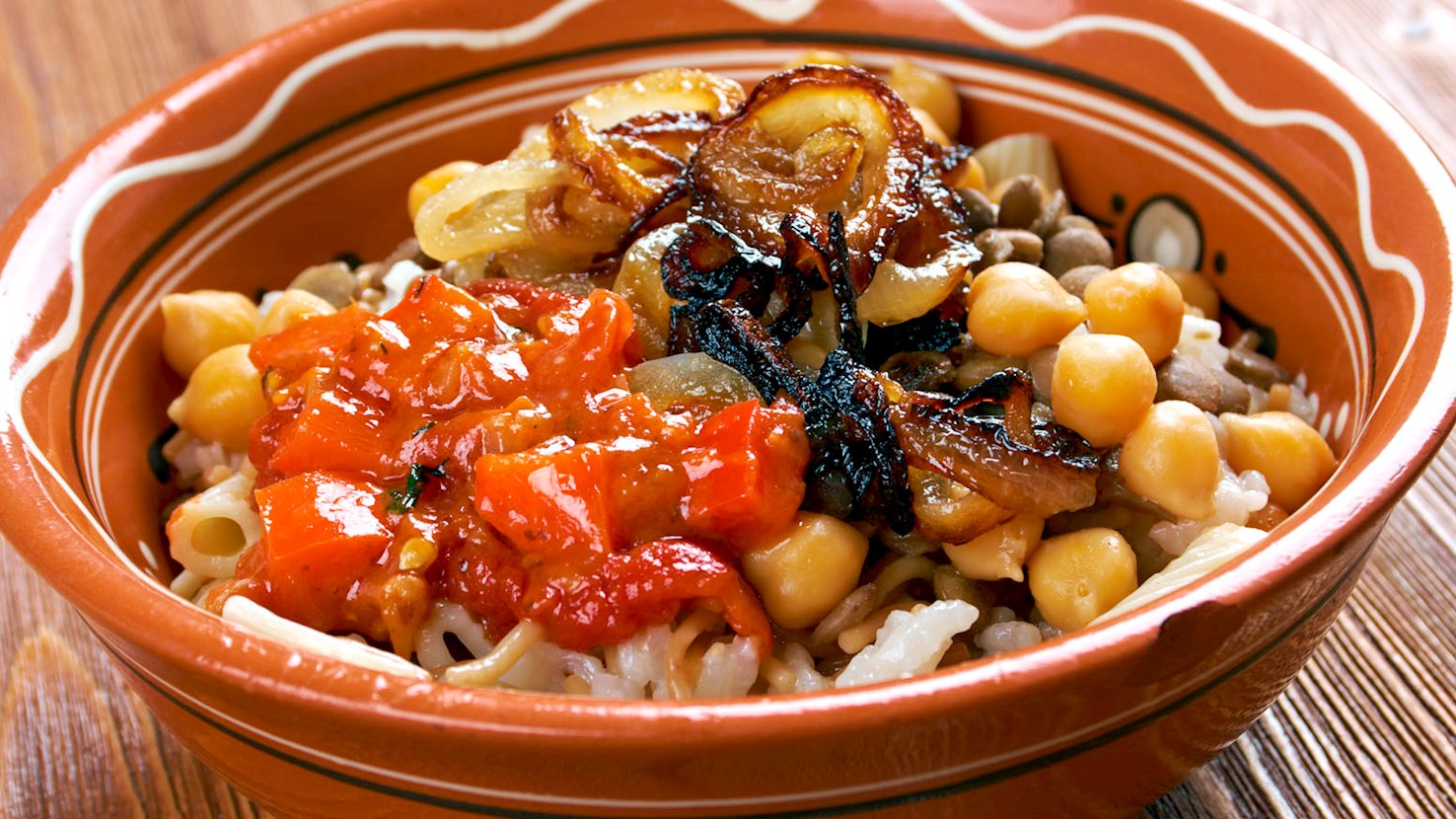
Koshari, also known as koshary, kosheri, kushari, and koushari, is a simple, yet flavorful Egyptian national dish consisting of rice, macaroni, and lentils. The name stems from the Hindu word khichri, referring to a dish of rice and lentils. It is enough to look for warm, edible pyramids on big, shiny metal platters while in Egypt, as it is also a very popular street food. Small yellow lentils and rice are slowly simmered in a rich stock with the addition of crunchy, fried vermicelli and butter-browned onions. Before serving, koshari is topped with wine vinegar and a spicy sauce based on tomatoes or chilis, adding even more flavor to the hearty dish. For a heartier dish, ground lamb or beef is added to the mix. Of course, there are numerous variations of the dish, but it is mandatory to season it with mastic, an exotic, earthy, crystallized resin of the Pistacia lentiscus tree, cultivated only in Greece, yet growing wild across the Mediterranean. The mastic imposes a typically piney, bitter edge to the dish. Koshari tastes even better when accompanied by a green salad or a cup of hot mint tea.
Kenyan pilau is a spiced rice dish cooked with meat and aromatics, eaten widely in Kenya and especially associated with coastal and urban Swahili-influenced cooking, where it is prepared as a complete main dish rather than a side. Its formation reflects long-standing Indian Ocean trade connections that brought rice, whole spices, and pilaf-style cooking methods to the East African coast, where these techniques were adapted to local preferences for beef or goat, deeper browning of onions, and a darker, more robust spice profile than many other pilau or pilaf variants found elsewhere. Preparation begins by slowly frying sliced onions in oil until deeply browned, creating a base that defines the color and flavor of the dish, followed by the addition of whole spices such as cumin, cardamom, cloves, cinnamon, and black pepper, then meat is added and cooked until coated and lightly seared before water or broth is introduced and rice is added to cook by absorption so each grain takes on the spiced liquid. Serving presents the rice and meat together, hot and cohesive, without separation or garnish beyond simple accompaniments, and the dish is brought to the table as the central element of the meal. What distinguishes Kenyan pilau is its reliance on onion caramelization and whole-spice infusion rather than tomato or coconut, resulting in rice that is aromatic and dark without being sauced or oily, and its flavor balance is achieved through technique rather than added sweetness or acidity. It is eaten at home, at celebrations, and in casual eateries, commonly for lunch or dinner, served with kachumbari or simple salads to provide contrast, and it pairs naturally with plain yogurt where available, water, unsweetened tea, or light fruit drinks, which complement the spice without competing with it.
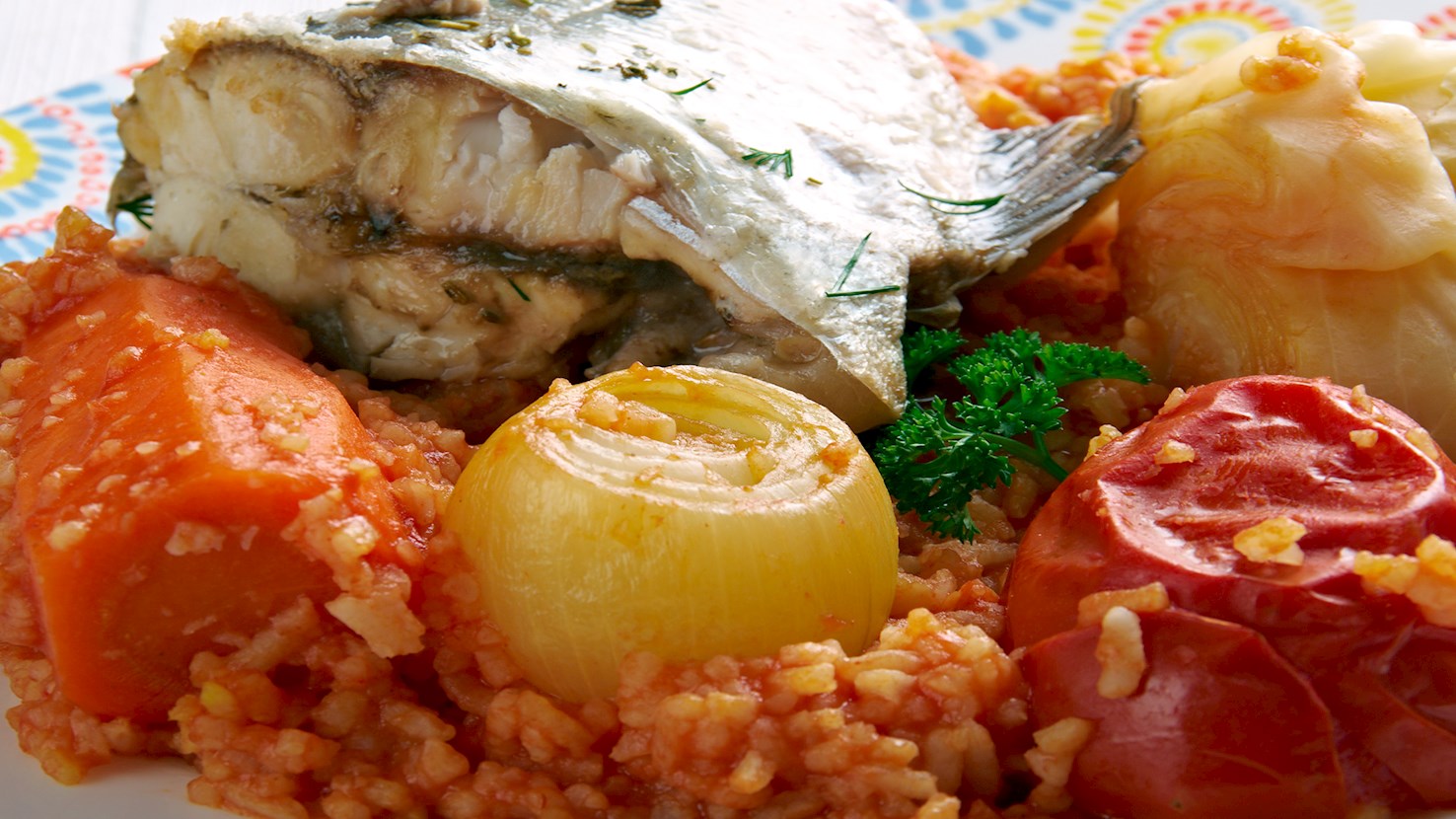
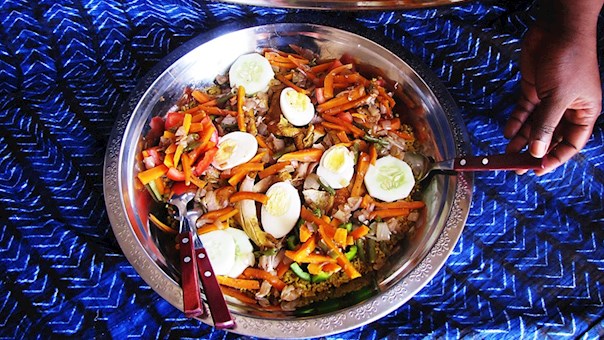
Thieboudienne is the national dish of Senegal, an aromatic combination of fish, vegetables, and rice in a hearty tomato sauce flavored with garlic and chili. Fish, vegetables, and rice are usually served separately, with a few lime wedges on the side, used for squeezing the juice over fish. It is believed that the dish was invented in the city of St. Louis in the 19th century.
Rozz me'ammar is a rich baked rice dish made with short-grain rice, milk, eshta or cream, and butter or ghee. It is traditionally cooked in a round earthenware pot called a bram, which gives the rice a soft, creamy interior and a deeply browned crust. The dish is particularly associated with the Egyptian countryside, especially the Nile Delta and other parts of Lower Egypt, where dairy farming has long supplied the full-fat milk, butter, ghee, and thick country cream used to make it. It is often described as roz me'ammar fallahi, or country-style baked rice, and is closely associated with family meals, celebrations, and large gatherings. Egyptian short-grain rice is normally used because it absorbs the milk well while remaining tender and slightly creamy. The rice is washed thoroughly and may be soaked briefly before cooking, then drained and placed directly into a generously buttered or greased clay pot. The traditional seasoning is simple: salt and usually a little black pepper. The richness comes primarily from the dairy rather than from spices. Full-fat milk, preferably fresh cow's or buffalo's milk, is heated and poured over the rice. Sometimes, a little water or meat stock is mixed with the milk, but the milk remains the defining liquid. Generous spoonfuls of eshta, the thick cream that forms on the surface of rich milk, are added to the rice or spread over the top. Butter or samna baladi, Egyptian clarified butter, provides additional richness. Once in the pot, the ingredients are not stirred heavily. The bram is placed in a hot oven and left to bake slowly. As the rice cooks, it absorbs the milk and dairy fat, swelling until tender while remaining moist underneath. At the same time, the cream and milk on the surface concentrate and brown, creating the characteristic golden-to-dark-brown crust. A properly made rozz me'ammar should not resemble ordinary steamed rice. The grains are very tender and held together by the rich dairy mixture, while the browned top provides a slightly firmer, caramelized layer. Cutting through the crust reveals soft, steaming rice underneath. The earthenware bram is an important part of the traditional preparation. Its thick walls heat gradually and retain heat well, helping the rice cook evenly while allowing the surface to brown strongly in the oven. The dish is normally brought to the table in the same pot in which it was baked. Rozz me'ammar is commonly served as part of a substantial Egyptian meal alongside roasted or fried poultry, particularly duck or chicken, as well as meat and vegetable dishes. Because the rice itself is already rich with milk, cream, and ghee, it works especially well with seasoned roasted meats.
TasteAtlas food rankings are based on the ratings of the TasteAtlas audience, with a series of mechanisms that recognize real users and that ignore bot,
nationalist or local patriotic ratings, and give additional value to the ratings of users that the system recognizes as knowledgeable.
For the “Top 26 African Rice Dishes” list until September 15, 2026, 1,531 ratings were recorded, of which 552 were recognized by the system as legitimate.
TasteAtlas Rankings should not be seen as the final global conclusion about food. Their purpose is to promote excellent local foods,
instill pride in traditional dishes, and arouse curiosity about dishes you haven’t tried.







What People Say