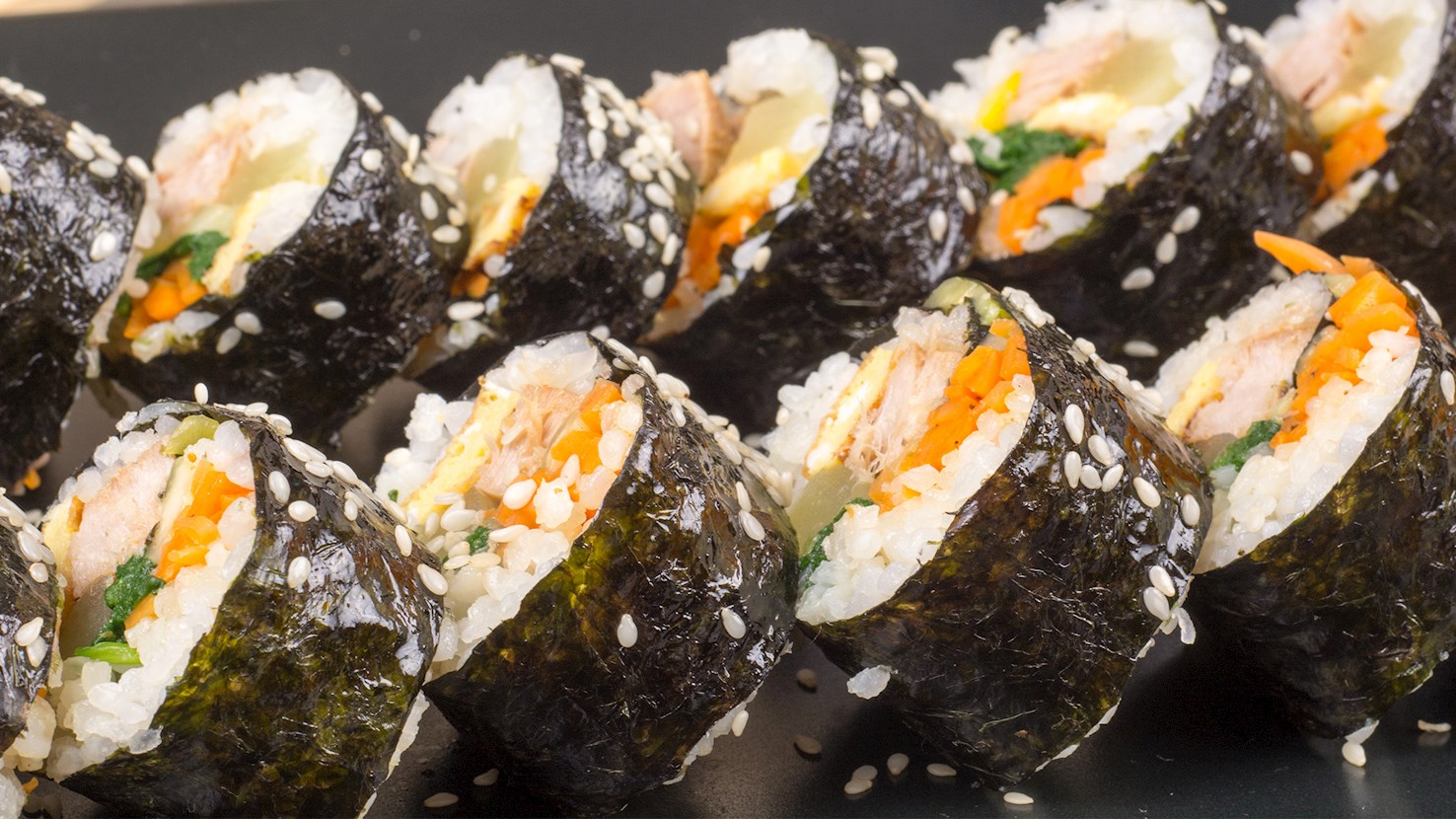
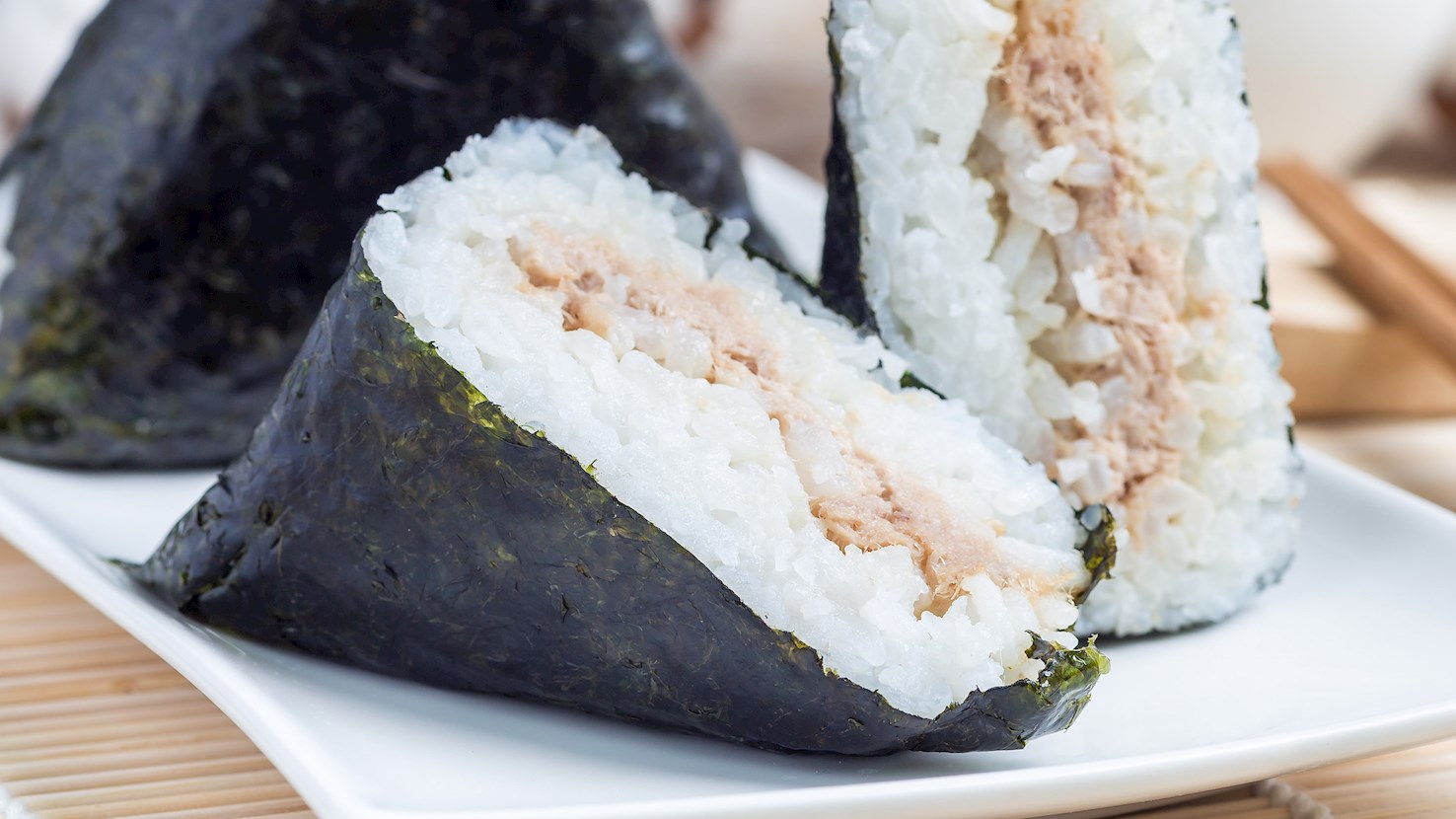
This gimbap (Korean rice roll) is made with canned tuna. Apart from rice and fish, the fillings may include other ingredients that are typically used in gimbap such as fresh or pickled vegetables, eggs, or fish cakes, while the tuna is often mashed and then combined with mayonnaise, mustard, and spices. The roll is traditionally wrapped in toasted seaweed, and it is served sliced into small, bite-size pieces.
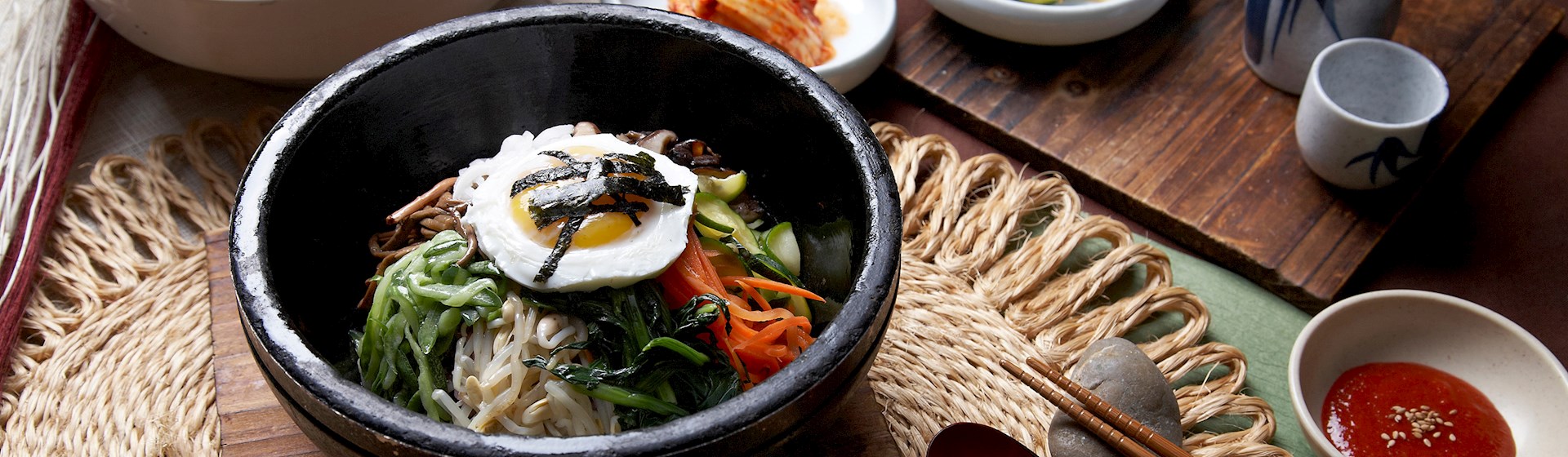
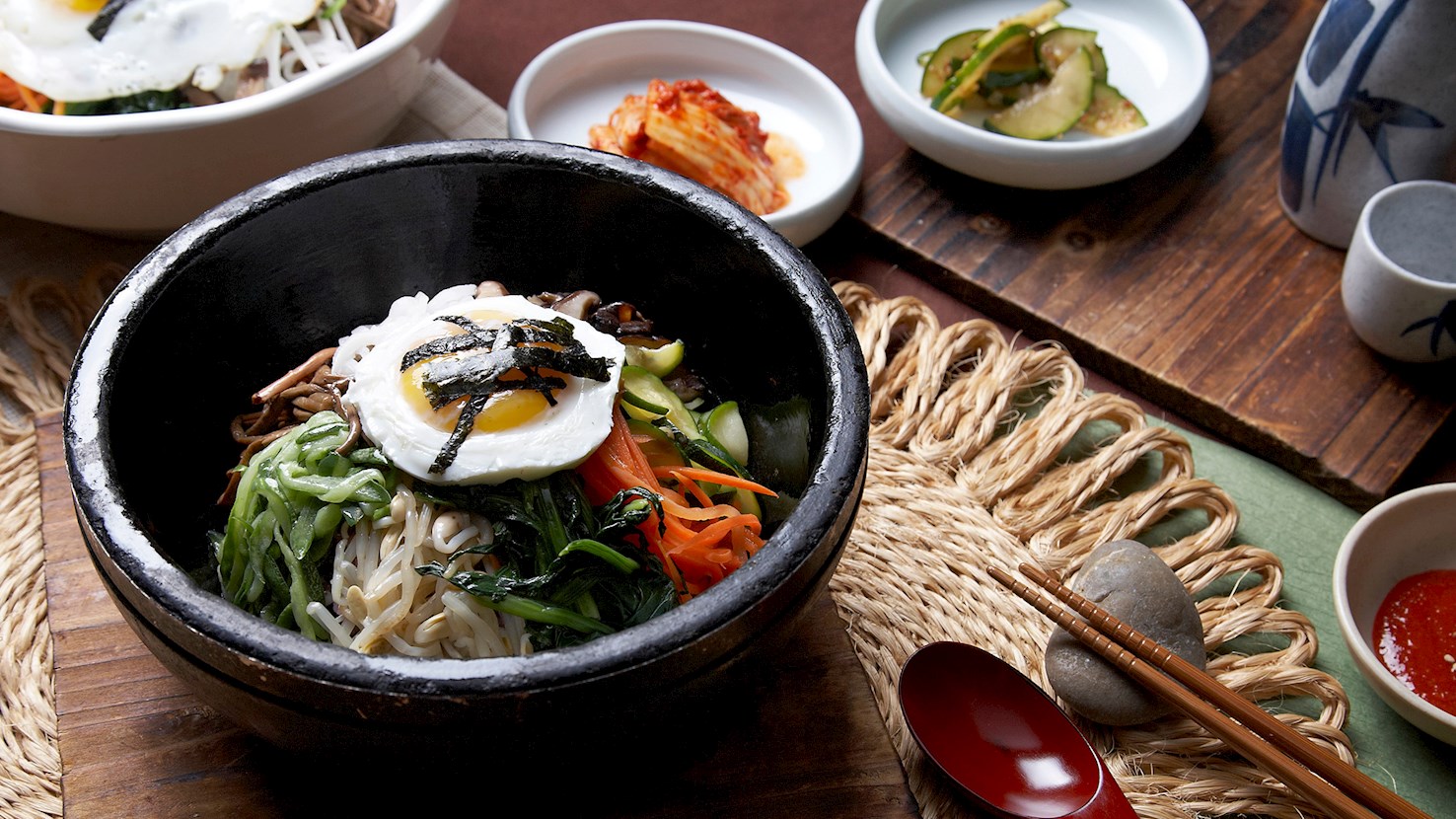
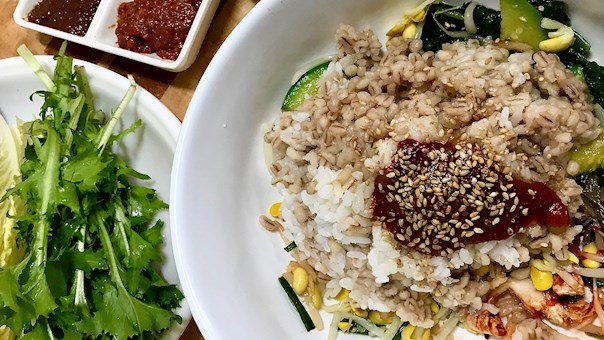
Bibim means mixed, and bap means cooked rice, so bibimbap is literally mixed rice. The rice is combined with a variety of ingredients such as sliced beef, namul (sliced vegetables), soy sauce, gochujang (thick, deep red chili pepper paste), and a raw egg on top, cooking as it is dispersed through the steaming rice. One of the most popular Korean dishes besides bulgogi and kimchi, bibimbap is said to have been invented out of necessity, just like many other national dishes. In Korea, there is a tradition that any leftover food from New Year's Eve should not be brought over into the New Year, so it started the practice of combining different ingredients with rice in a bowl, and bibimbap was created. Another theory says that it was a traditional dish for the workers during the harvest, as it is easily prepared in large quantities to feed a large number of people, and the first time that the dish was mentioned by name is found in a 19th century cookbook called Siuijeonseo. Regardless of its origins, Koreans claim that it heals the body, releases energy, and protects the consumers from illness during winter, so it is not a wonder that bibimbap is regarded as the ultimate comfort food.
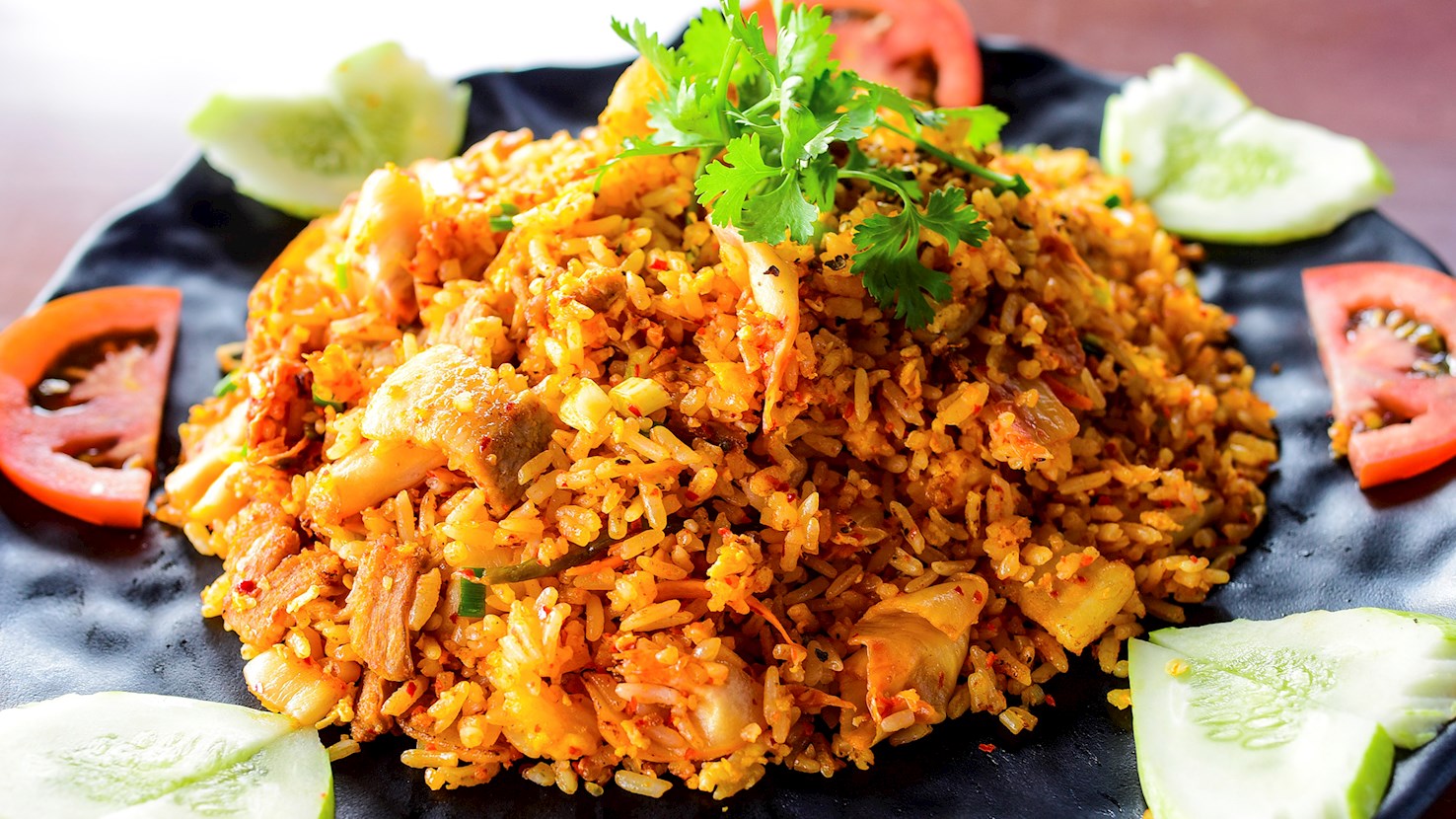
Kimchi bokkeumbap is a simple South Korean dish made with a combination of fried rice and kimchi. It is considered to be a great way to use leftover kimchi. The dish can also be enriched with additional ingredients such as meat, vegetables, and soy sauce. In most cases, kimchi bokkeumbap is topped with a fried egg before serving, although it can also be garnished with sesame seeds, finely chopped green onions, or gim. Because it is very easy to prepare, inexpensive, and comforting, the dish is a favorite amongst South Korean students.
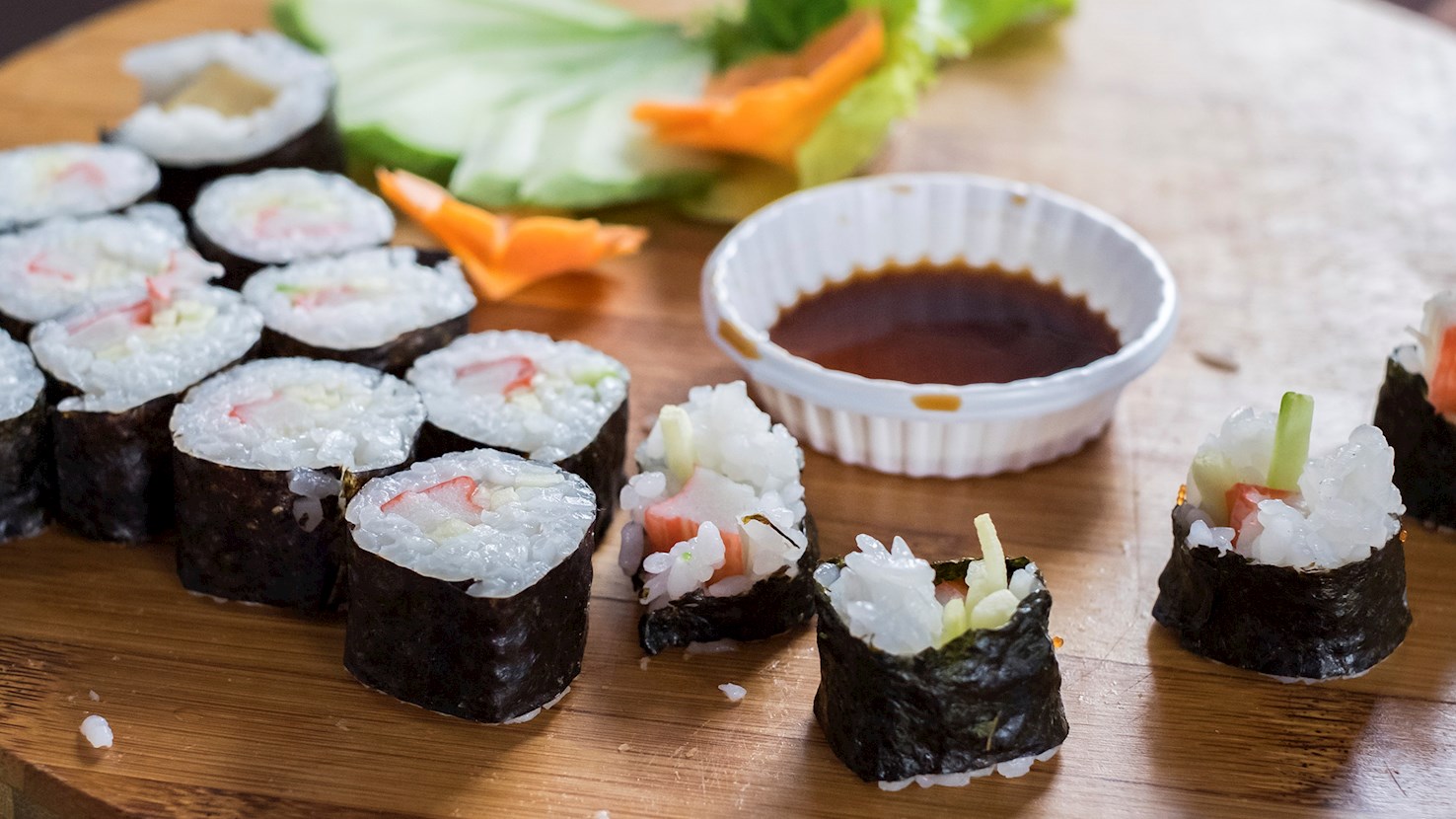
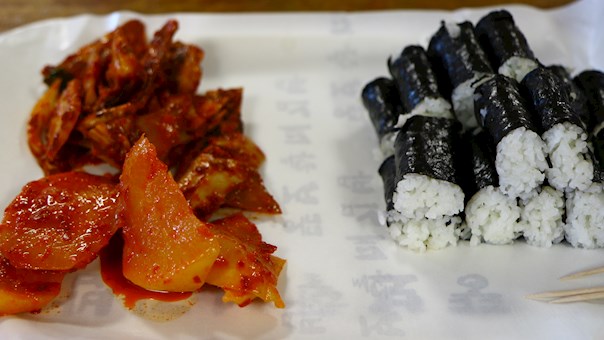
Mayak is a popular variety of South Korean rice rolls (gimbap). These mini versions of the standard roll consist of rice, toasted seaweed, and fillings that traditionally include carrots, pickled radish, and spinach. Unlike the traditional gimbap, mayak is never sliced. The rolls are sprinkled with sesame seeds, while soy sauce and mustard dip is usually served on the side. It is believed that mayak rolls originated at Gwang-jang market in Seoul. Their captivating name translates as narcotic, not because of the presence of an illegal substance, but because once you try these miniature rolls, you will always be hungry for more.
Samgak is a triangle-shaped variety of gimbap—South Korean rice roll. It consists of various fillings that are neatly placed inside a piece of triangle-shaped rice. The pouches are then wrapped in seaweed (gim) and are typically additionally covered with a thin plastic wrapper, which allows the gimbap to stay fresh for an extended period. This gimbap was inspired by the Japanese onigiri, a similar triangle-shaped sushi variety, but the fillings were adapted to Korean taste, and traditionally include various combinations of kimchi, tuna, bulgogi, or gochujang paste. The dish was first introduced in the early 1990s, and it was primarily sold at convenience stores. It is usually enjoyed as a convenient snack.
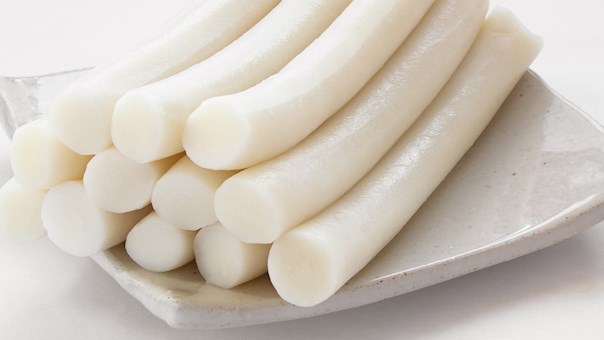
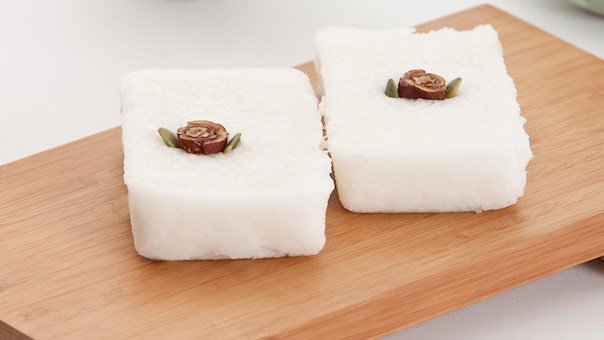
Tteok are traditional Korean rice cakes that are prepared with glutinous or non-glutinous rice. The cakes are incredibly versatile, and although they are mostly sweet and enjoyed as a dessert, some plain varieties can be incorporated into savory dishes. The usual preparation includes steaming, pounding, or kneading the rice until it transforms into a pliable dough which can optionally be enriched with different ingredients and shaped into various forms. The most popular tteok varieties include songpyeon, chapssaltteok, garaetteok, gyeongdan, as well as many more traditional and modern versions. The cakes are a staple at various special occasions in South Korea, but some are also enjoyed as a sweet, everyday dessert.
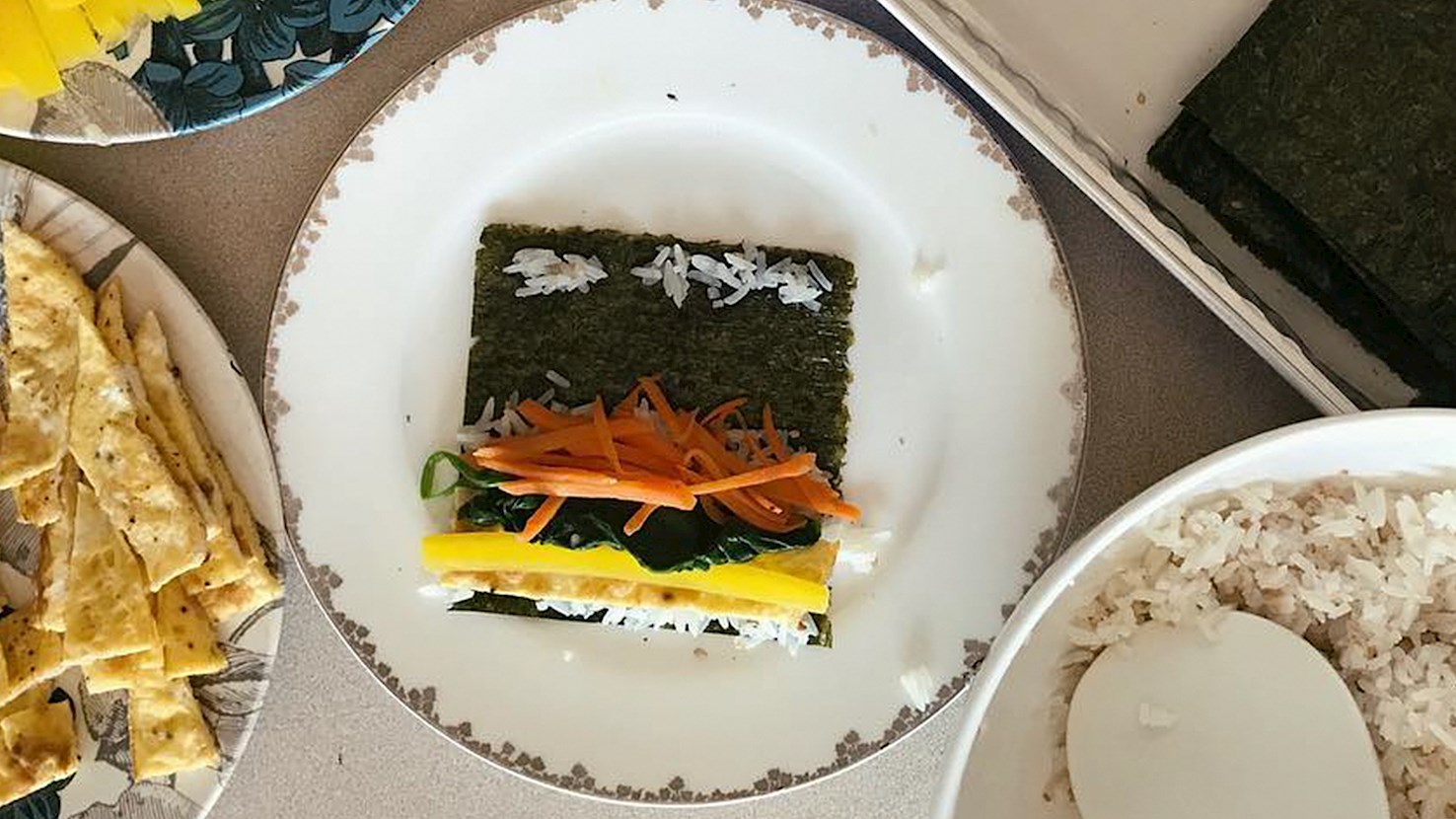
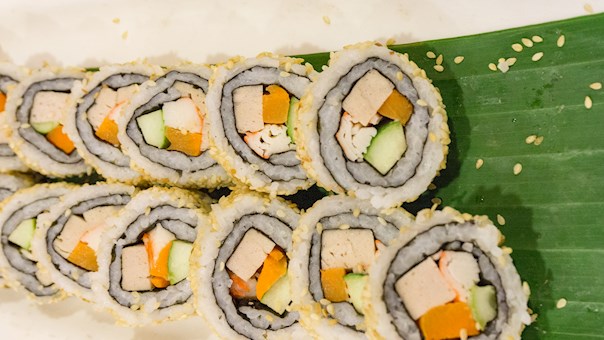
Gimbap is a savory roll made from cooked short-grain white rice and various pre-cooked fillings wrapped in a sheet of dried seaweed. The rice forms the foundation and requires seasoning with toasted sesame oil and salt rather than vinegar. Building the roll involves placing a sheet of seaweed, known as gim, on a bamboo mat. A thin, even layer of the sesame-seasoned rice is spread across the seaweed, leaving a small margin at the top. The core ingredients are cut into long, uniform strips and stacked horizontally across the lower third of the rice. Standard fillings usually include sautéed carrots, blanched spinach, long strips of yellow pickled radish, heavily seasoned ground beef or sliced fish cake, and ribbons of rolled omelet. The bamboo mat is then used to lift and tightly fold the seaweed over the ingredients, compressing everything into a firm, solid cylinder. Once sealed, a sharp knife is brushed with sesame oil to slice the long cylinder into bite-sized circular pieces. Roughly speaking, there are three main styles of gimbap with variations within each. Traditional gimbap with seaweed, rice, and fillings; French or nude gimbap with seaweed on the inside and rice on the outside; and samgak gimbap, shaped like a triangle and sold in many South Korean convenience stores. Tuna mixed with mayonnaise and perilla leaves creates a highly popular creamy variant, while a miniature version known as mayak gimbap consists of tiny, thin rolls filled only with carrots, spinach, and radish, specifically designed to be dipped in a mustard-and-soy sauce mixture. Another distinct style is chungmu gimbap, which leaves the rice unseasoned and entirely bare inside the seaweed wrapper, providing spicy radish salad and marinated squid on the side instead of rolling them within. The origins of rolling rice in seaweed date back to the Joseon era, where historical records mention wrapping rice and side items in gim as a portable meal. Many believe that it is a Korean take on Japanese sushi. Others say it is a variation of gimssam, a wrap made with rice and seaweed. During the early 20th century, the introduction of commercial bamboo rolling mats influenced the exact cylindrical shape recognized today, merging local ingredients with new assembly techniques. Because they hold their shape perfectly without refrigeration and require no utensils, the sliced rolls are packed tightly into lunch boxes and eaten by hand during picnics, long train rides, and school field trips. This portable meal is almost always consumed at room temperature alongside a simple bowl of warm broth or spicy pickled cabbage.
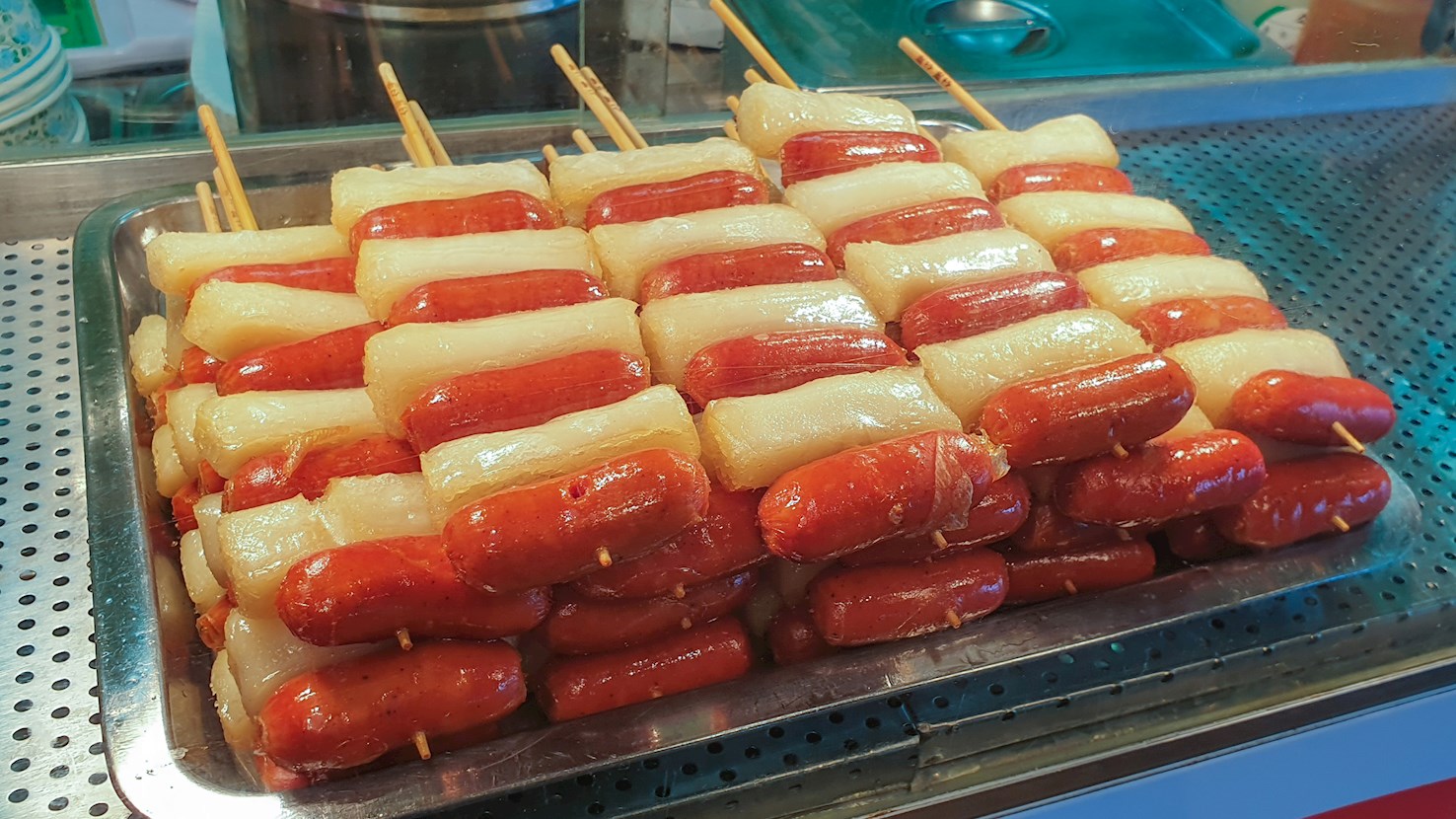
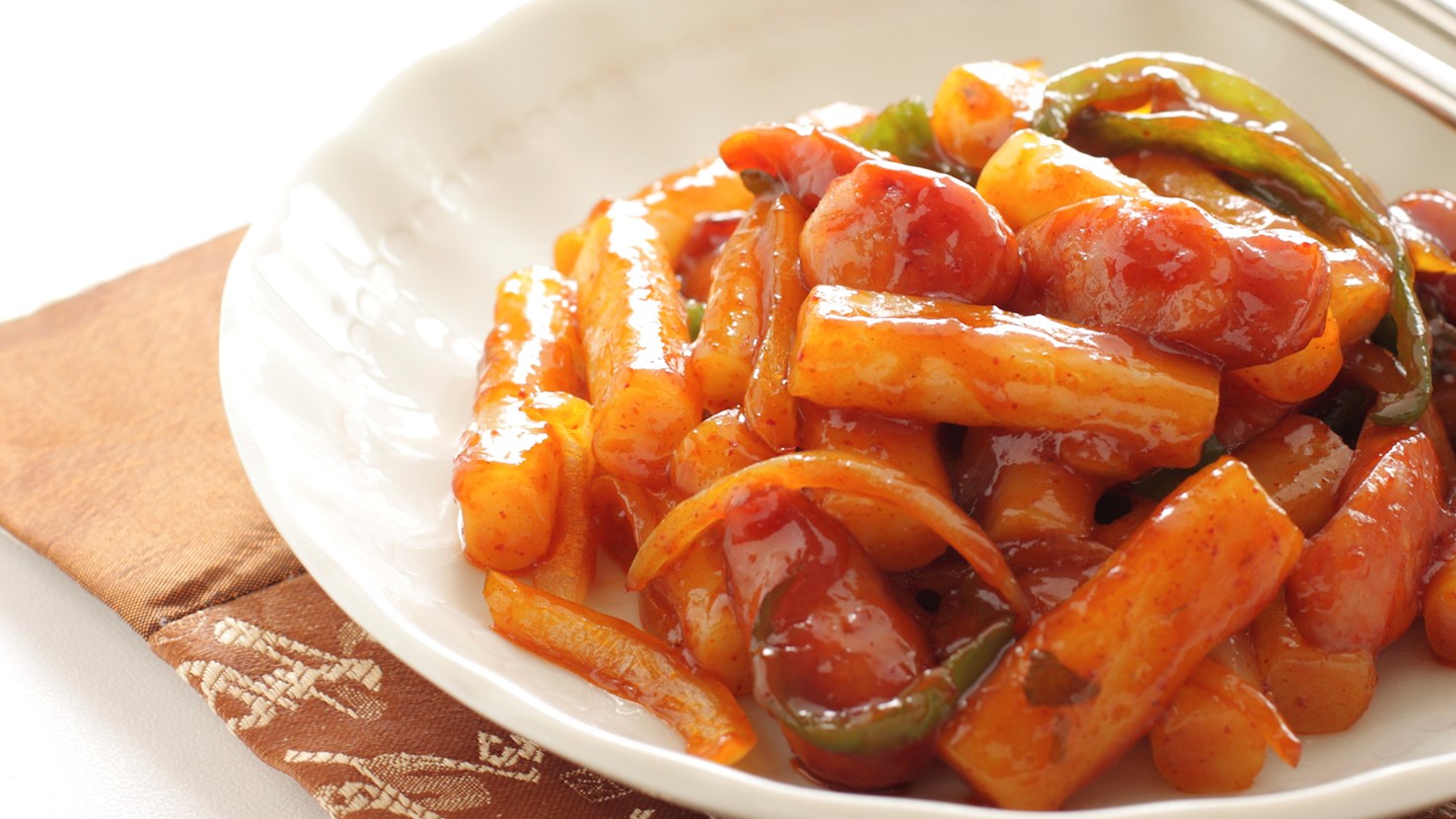
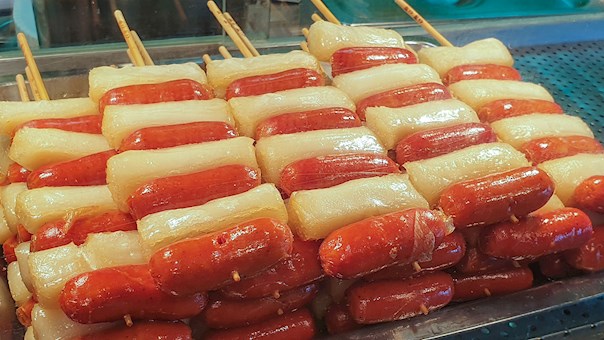
Tteokbokki is a spicy stir-fried dish that usually consists of cylinder-shaped rice cakes, sweet red chili sauce, and fish cakes. It is considered to be one of the top street food items in Korea, and can usually be bought from street vendors known as pojangmacha. The dish originated during the Joseon Dynasty period, when it was used as a cure, and it was also one of the royal court's dishes. Originally, tteokbokki was called tteok jjim, a braised dish of sliced rice cakes, meat, eggs, and seasonings. Although it was brown in color, today it is red, because the colors changed when gochuang (a spicy chili paste) was introduced in the mid-1900s. What was once a dish for the royals is nowadays one of the cheapest street food dishes in Korea, and recently, there have even been efforts to turn it into a food franchise due to continuous demand for tteokbokki among Korean people.
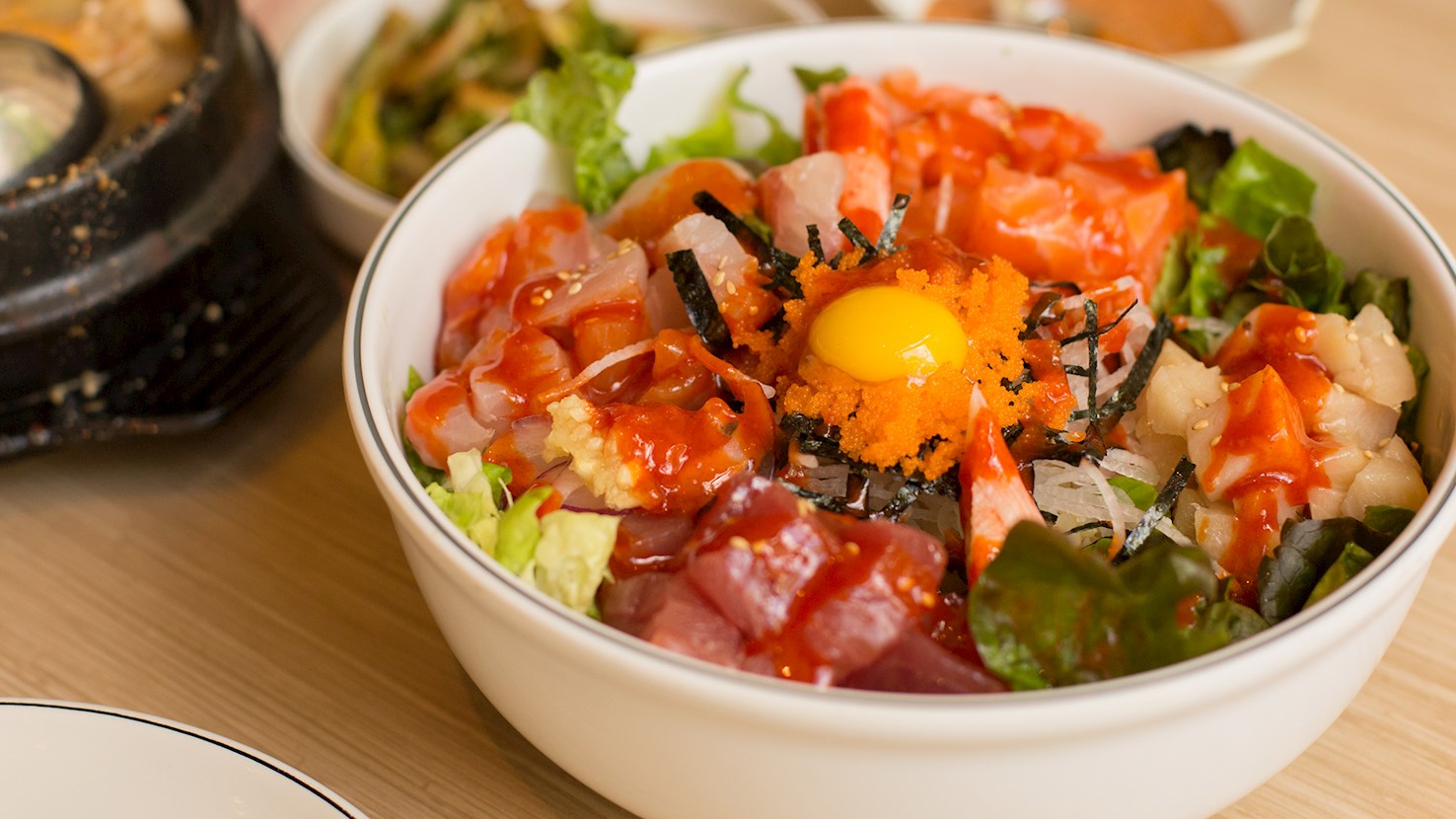
Hoedeopbap is a Korean rice bowl that is topped with raw fish and slices of fresh vegetables. Although similar to the Japanese kaisendon, this Korean version is finished off with the addition of a sweet and spicy sauce that usually combines gochujang (chili paste), vinegar, garlic, and sugar. The most common fish varieties used in the dish are salmon, tuna, sea bass, or halibut which may be sliced or cut into thin strips. The key to every hoedeopbap is to use only high-quality, fresh ingredients, and to serve the dish well-chilled.
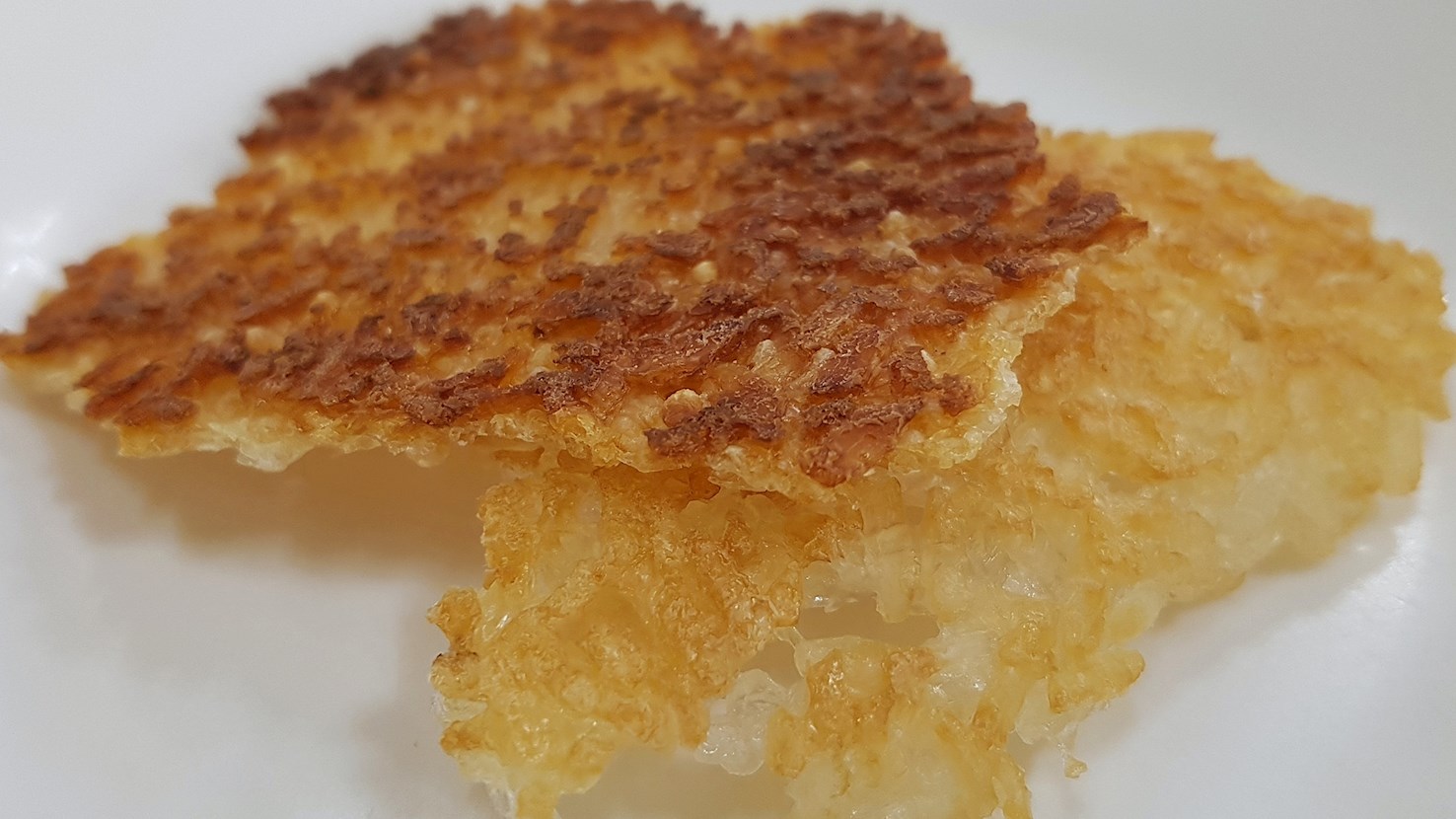
Nurungji is the South Korean version of scorched rice—a crispy and nutty layer of golden-brown rice that forms at the bottom of the pan. This simple snack is prepared with pre-cooked rice, or it can be a by-product of cooking rice. Nurungji can be enjoyed on its own, but it is often sprinkled with sugar and served as a dessert. Optionally, the crust can be topped and shortly cooked with water or tea to create sungnyung—an infusion that is served after a meal and should be enjoyed as a drink.
TasteAtlas food rankings are based on the ratings of the TasteAtlas audience, with a series of mechanisms that recognize real users and that ignore bot,
nationalist or local patriotic ratings, and give additional value to the ratings of users that the system recognizes as knowledgeable.
For the “Top 19 Korean Rice Dishes” list until August 15, 2026, 1,776 ratings were recorded, of which 1,562 were recognized by the system as legitimate.
TasteAtlas Rankings should not be seen as the final global conclusion about food. Their purpose is to promote excellent local foods,
instill pride in traditional dishes, and arouse curiosity about dishes you haven’t tried.



What People Say