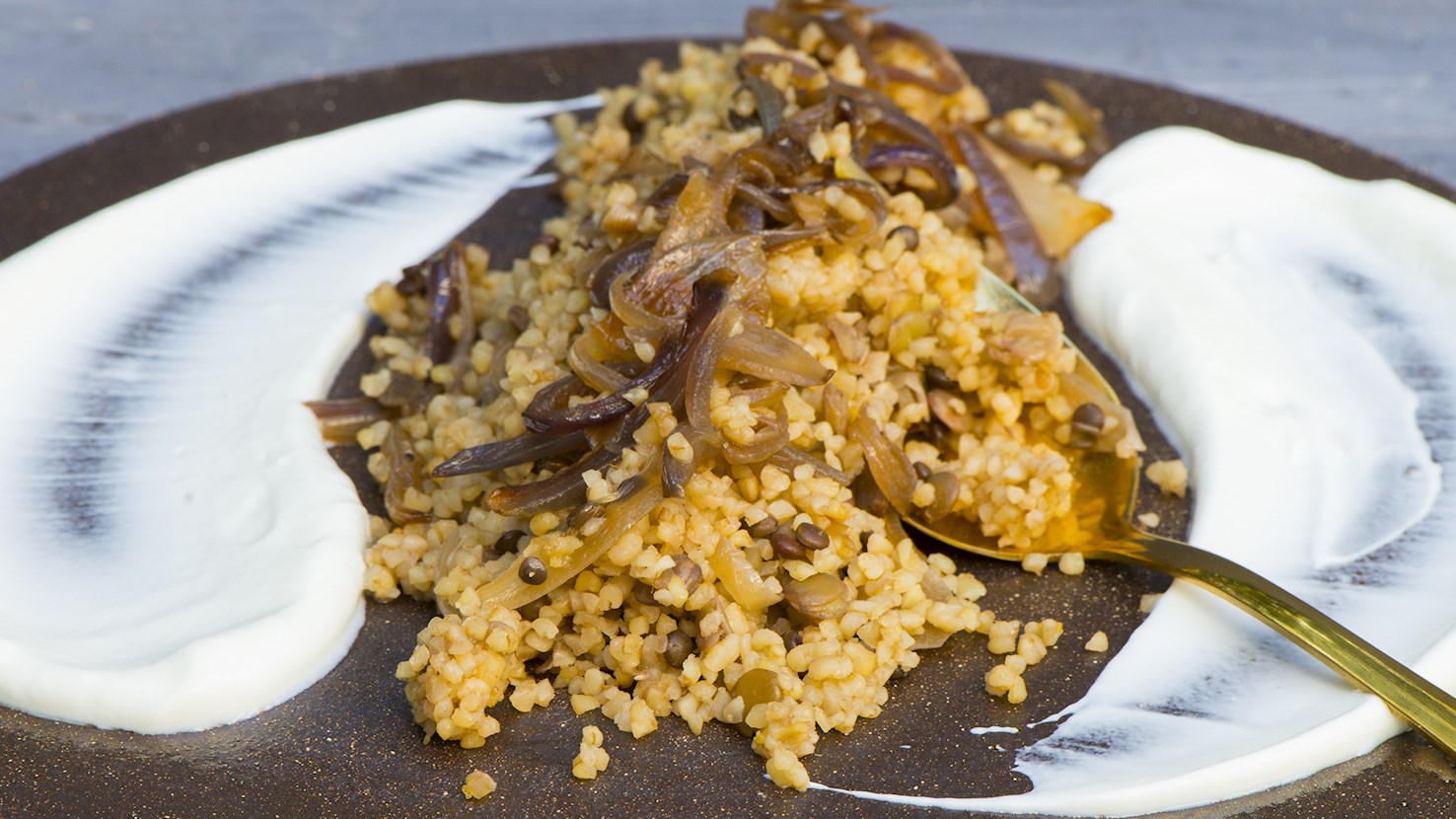
Mujaddara is a staple dish in Middle Eastern cuisine, widely enjoyed across countries such as Iraq, Lebanon, Syria, Palestine, and Jordan. It consists primarily of lentils and rice or bulgur, combined with caramelized onions that lend the dish a deep, savory flavor and a pleasing texture contrast. This dish has roots extending back to ancient times when legumes and grains formed the dietary backbone of many communities. Over generations, mujaddara evolved as a nourishing meal that is both affordable and filling. The method of slow-cooking lentils and rice together allows their flavors to meld naturally, while the golden, fried onions add a rich, slightly sweet counterpoint. The dish’s name, derived from Arabic, translates roughly to “pockmarked,” referring to the appearance lentils create in the grain. Preparation involves rinsing lentils and rice before cooking them in broth or water until tender. Meanwhile, onions are sliced thin and fried slowly to achieve a crisp, caramelized exterior. The onions are then either mixed into the lentil and rice mixture or served on top as a garnish, along with optional additions like yogurt or fresh herbs. Mujaddara is served warm or at room temperature and is often accompanied by side dishes such as pickles, salad, or a drizzle of olive oil.
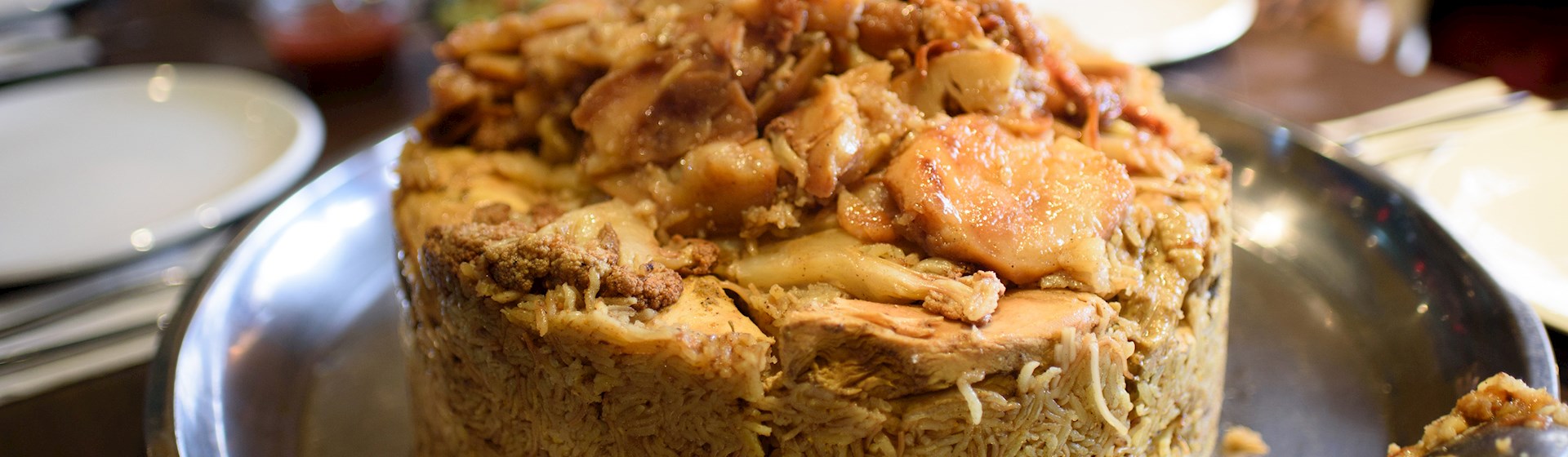
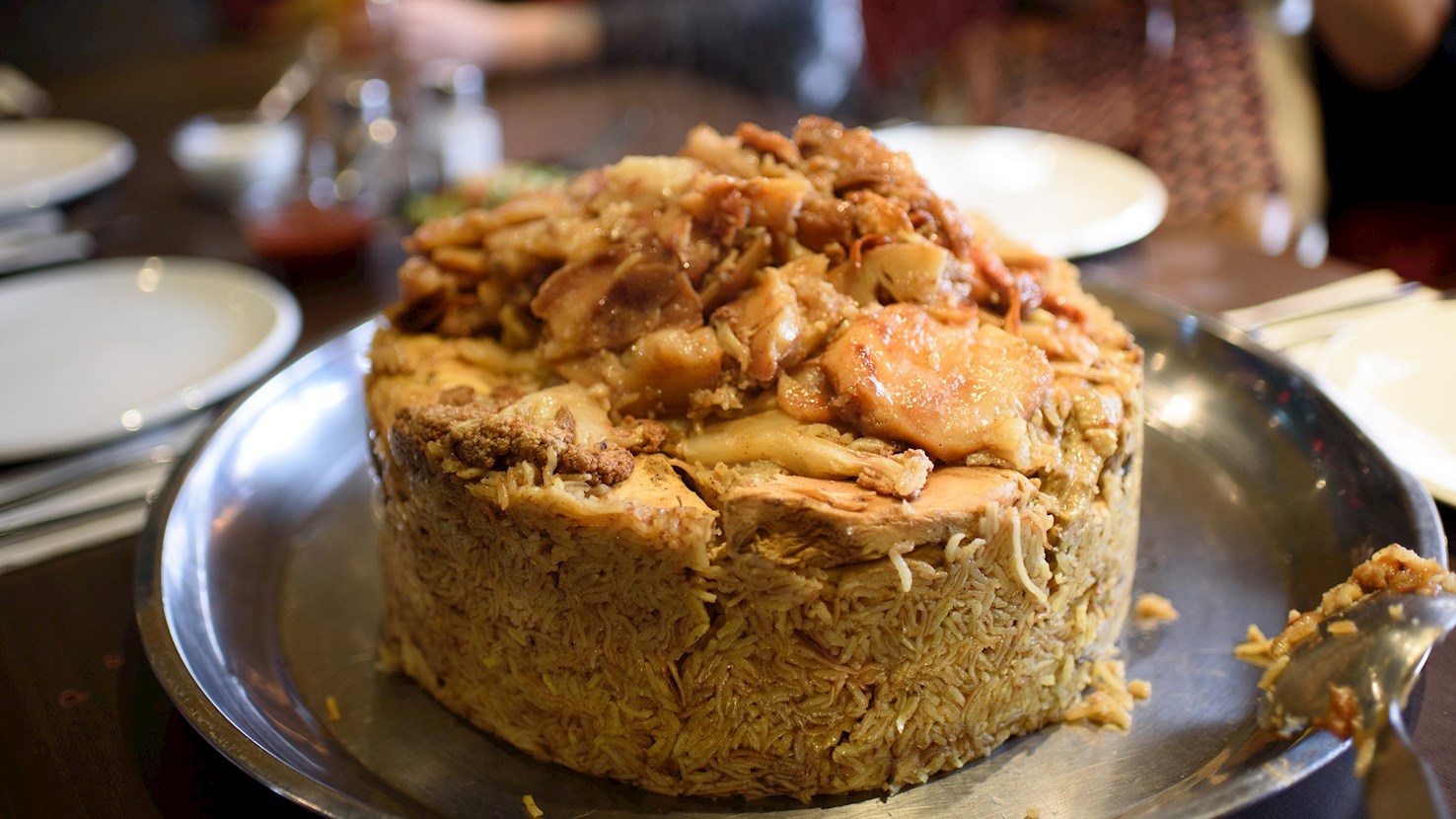
Maqluba is a one-pot rice dish from the Levant, especially popular in Palestine, Jordan, Syria, and Iraq, whose name means “upside-down” in Arabic. It is built from layers of rice, meat such as chicken or lamb, and fried vegetables, usually eggplant, cauliflower, or potatoes, all cooked together in a single pot and then flipped onto a serving platter so that the ingredients form a structured, layered cake. The inversion is its defining feature, giving it both its name and its striking appearance. The dish reflects centuries of Levantine cooking practices, where rice, meat, and vegetables were often cooked together for both sustenance and efficiency. Over time, cooks developed a method that not only maximized flavor but also gave the meal a distinctive presentation. The practice of turning the pot upside down and serving it intact became associated with family gatherings and communal tables, and recipes began to vary from one household to another. Some families preferred lamb for its richness, others chicken for its lighter flavor, while the selection of vegetables depended on the season and local produce. To prepare maqluba, the meat is first cooked with onions and spices, often including cinnamon, cardamom, and allspice, which infuse the broth that later cooks the rice. Vegetables are sliced and fried until golden, then layered at the bottom of a large pot, followed by the meat and then the rice. The cooking liquid, usually the seasoned broth from the meat, is poured over the layers, and the pot is left to cook gently until the rice is tender and has absorbed all the flavors. When finished, the pot is rested briefly before being inverted onto a large platter, revealing the colorful strata of vegetables and meat beneath the rice topping. Maqluba is eaten widely across the Levant, served as a centerpiece dish for gatherings, family meals, and festive occasions. It pairs well with simple accompaniments such as yogurt or a fresh cucumber-tomato salad, which provide a cooling contrast to the warm spices and hearty layers of the dish.
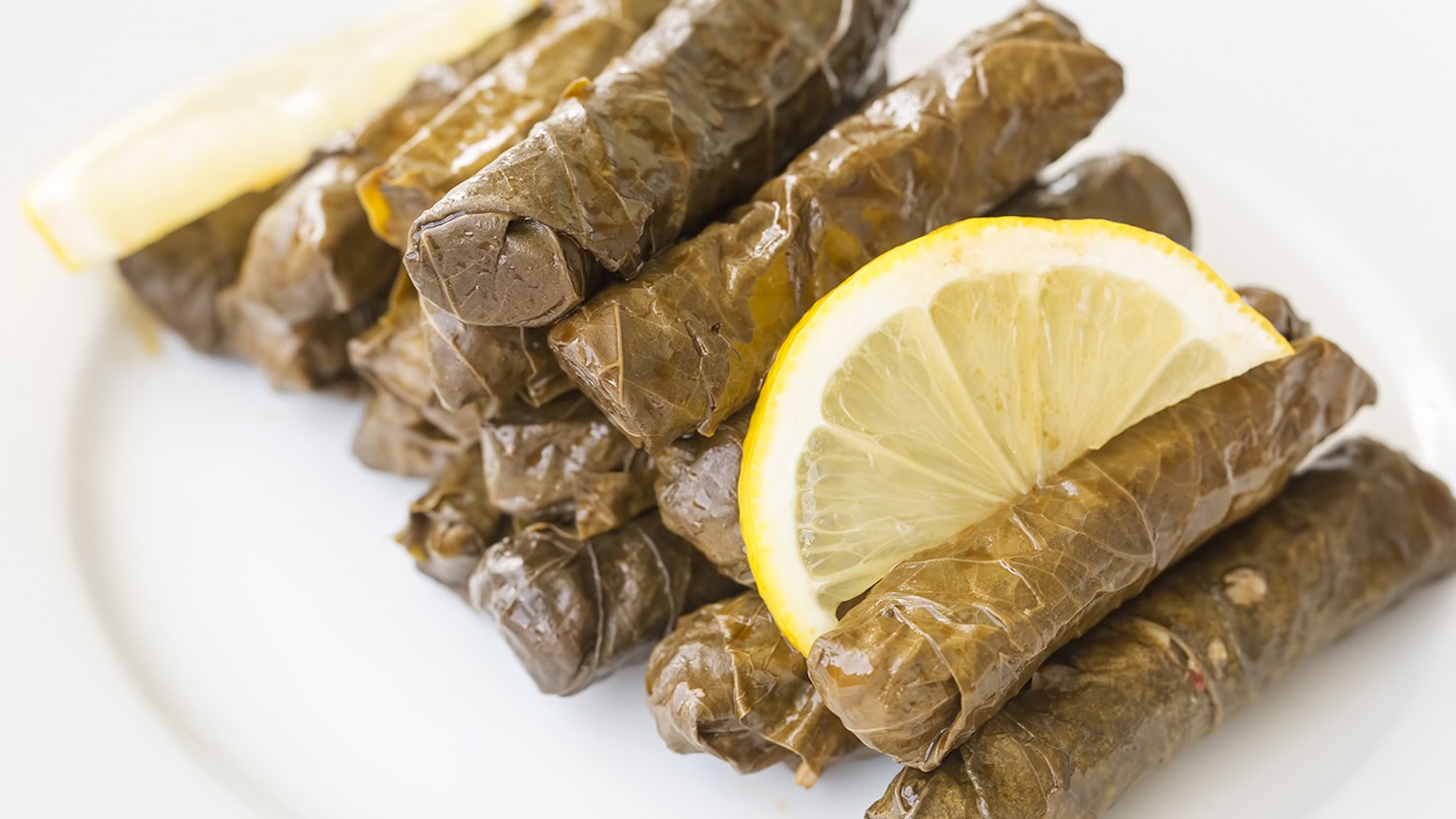
Warak enab is a dish of stuffed grape leaves prepared across the eastern Mediterranean and Middle East, especially in Lebanon, Syria, Jordan, and Palestine, consisting of tender vine leaves wrapped around a filling of rice, and in many versions minced meat, then gently cooked in a lightly acidic liquid. Its development is tied to long-established viticulture in the Mediterranean basin, where grape leaves were readily available alongside grapes and wine production, and where cooking practices evolved to make use of seasonal leaves by blanching and preserving them for later use, with references to stuffed leaves appearing in Byzantine and early Arabic culinary records that describe similar techniques applied to vegetables and leaves across the region. Preparation involves blanching fresh or preserved grape leaves to soften them, placing a small amount of filling made from short-grain rice, minced lamb or beef if used, salt, and mild spices near the base of each leaf, rolling them tightly into compact cylinders, and arranging them snugly in a pot layered to prevent movement during cooking, after which they are simmered slowly in water or stock with lemon juice until the rice is fully cooked and the leaves tender but intact. Warak enab is served warm or at room temperature, often drizzled lightly with olive oil and presented neatly arranged to emphasize uniformity rather than volume. A defining characteristic of warak enab is the balance between acidity from lemon and the neutral absorbent quality of rice, which allows the grape leaf itself to remain the dominant flavor rather than the filling. It is eaten in homes, restaurants, and social gatherings as part of shared meals, commonly alongside yogurt, grilled meats, or other vegetable dishes, and it pairs well with water, unsweetened black or mint tea, arak diluted with water, or dry white wines, fitting naturally into tables where multiple dishes are eaten slowly and in combination rather than in isolated courses.
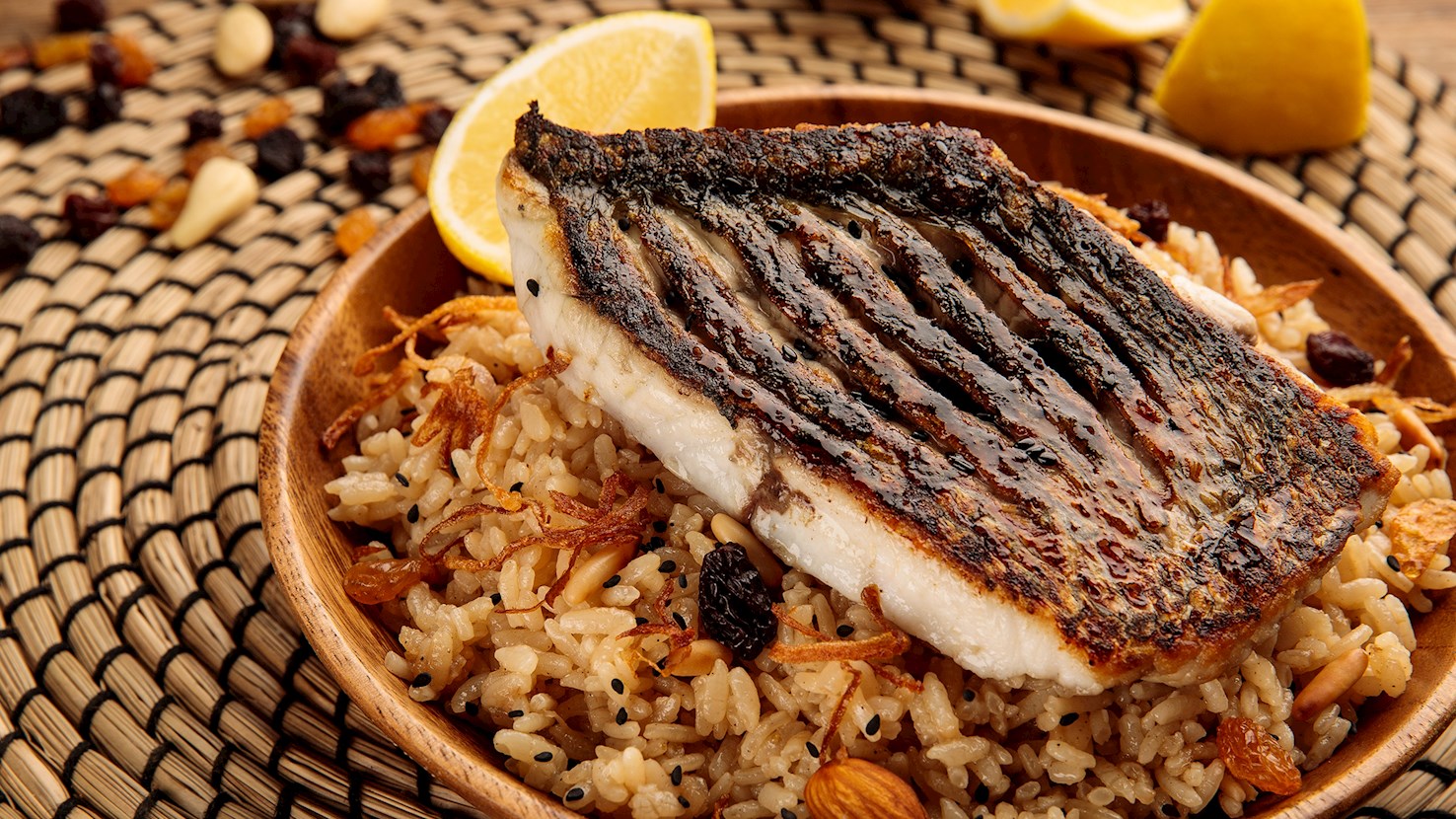
This traditional combination of rice and fish is typically prepared with white fish such as sea bass or red snapper. The fish is fried or baked separately, while the rice is cooked in a special fish broth that is prepared with fried onions and bahārāt - a traditional spice blend that usually employs allspice, peppercorns, cassia, coriander, cardamom, cumin, and chili peppers or paprika. The dish is traditionally served on one plate, topped with lightly toasted pine nuts and slivered almonds. If desired, a special sauce can be served on the side.
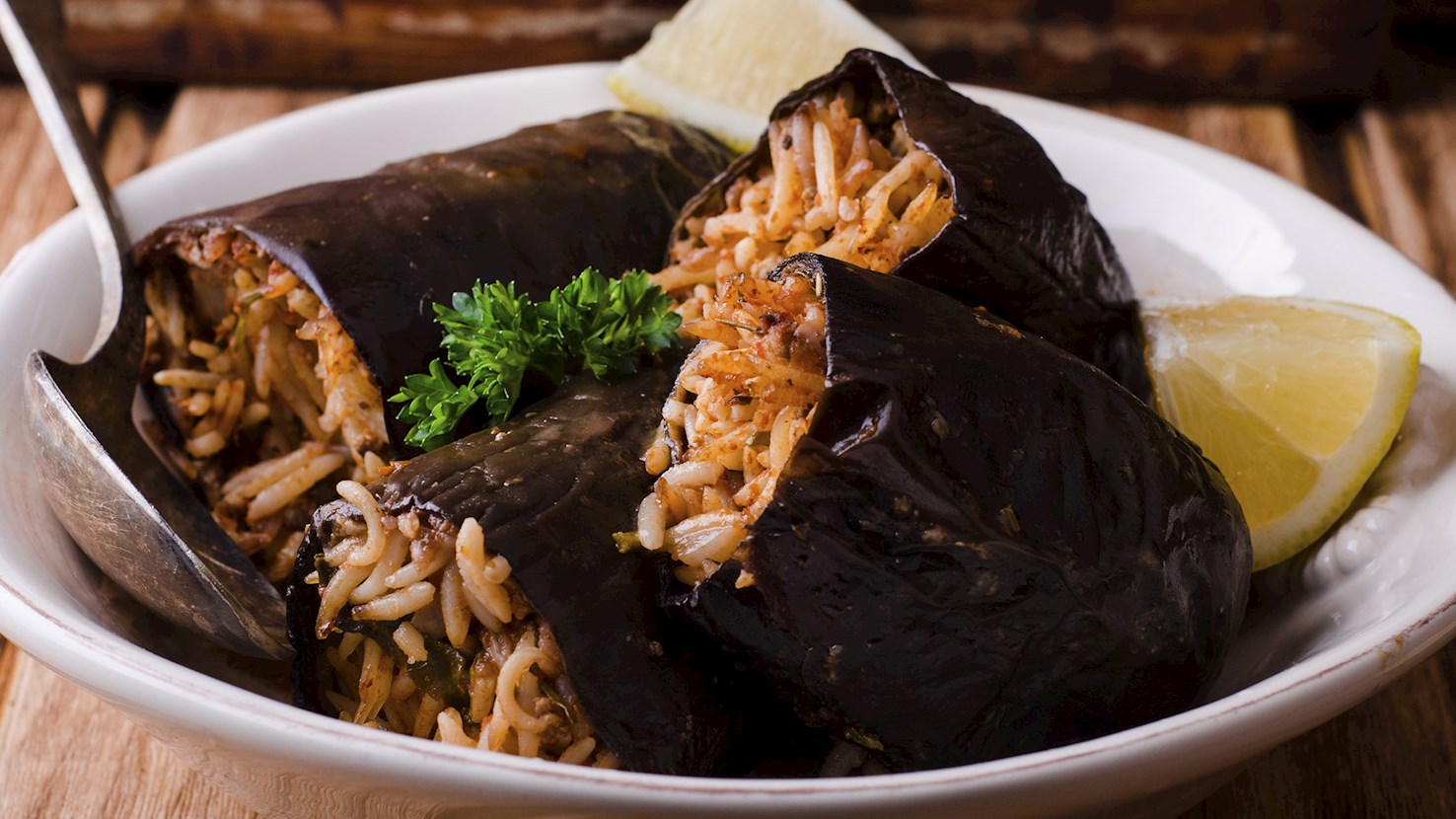
Mahshi is the name for a wide group of dishes which include a variety of vegetables stuffed with rice, vegetables, and meat. It is similar to dolma dishes, but the name is primarily used in Arabic, North African, and Eastern Mediterranean countries. The most common vegetables used as a container are cored zucchinis, squash, peppers, tomatoes, eggplant, onions, and in some regions even cabbage and vine leaves. The stuffing for the vegetables typically uses rice as the base, which is usually flavored with region-specific spices. They can include mild Mediterranean spices such as parsley, dill, and bay leaves, or the more Oriental ones such as cinnamon, allspice, or mint. Already browned minced meat is occasionally added to the rice, but it can be omitted to create a vegetarian version of the dish. In some countries, the stuffing mixture is commonly combined with tomato sauce. Vegetables are usually cooked in broth until the rice is thoroughly cooked and the stuffing entirely infuses all the fragrant spices. Depending on the choice of ingredients, mahshi can be served as a nutritious main dish, as a healthy vegetarian meal, and even as an assorted starter. It is a dish with centuries-long tradition, which is held in high regard in all the regions and countries where it is prepared and consumed.
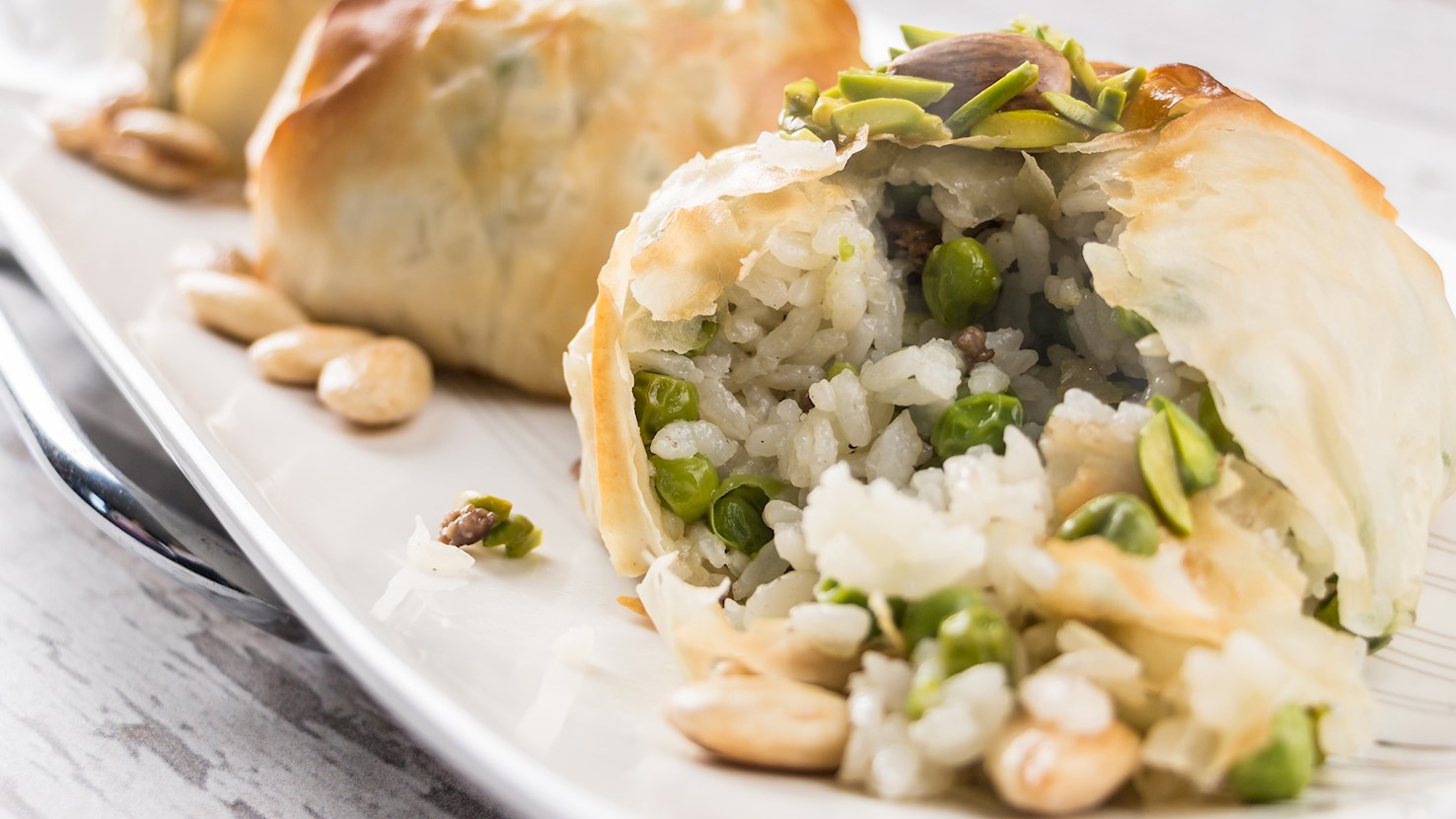
Ouzi is a Syrian phyllo pastry pie filled with a mix of lamb, rice, peas and carrots, seasoned with bay leaves, cardamom, nutmeg, cloves, black pepper, and salt. It is served warm with yogurt and fresh salad and is usually followed by a serving of muhallabia or rice pudding. The dish can be prepared in various sizes, from a large main course to smaller portions suitable for finger food, making it versatile for different serving purposes.
TasteAtlas food rankings are based on the ratings of the TasteAtlas audience, with a series of mechanisms that recognize real users and that ignore bot,
nationalist or local patriotic ratings, and give additional value to the ratings of users that the system recognizes as knowledgeable.
For the “Top 6 Syrian Rice Dishes” list until June 15, 2026, 3,141 ratings were recorded, of which 301 were recognized by the system as legitimate.
TasteAtlas Rankings should not be seen as the final global conclusion about food. Their purpose is to promote excellent local foods,
instill pride in traditional dishes, and arouse curiosity about dishes you haven’t tried.