

shutterstock

Top 10 American Rice Dishes

Last updated on July 15, 2026
01

Uramaki

4.2 ·

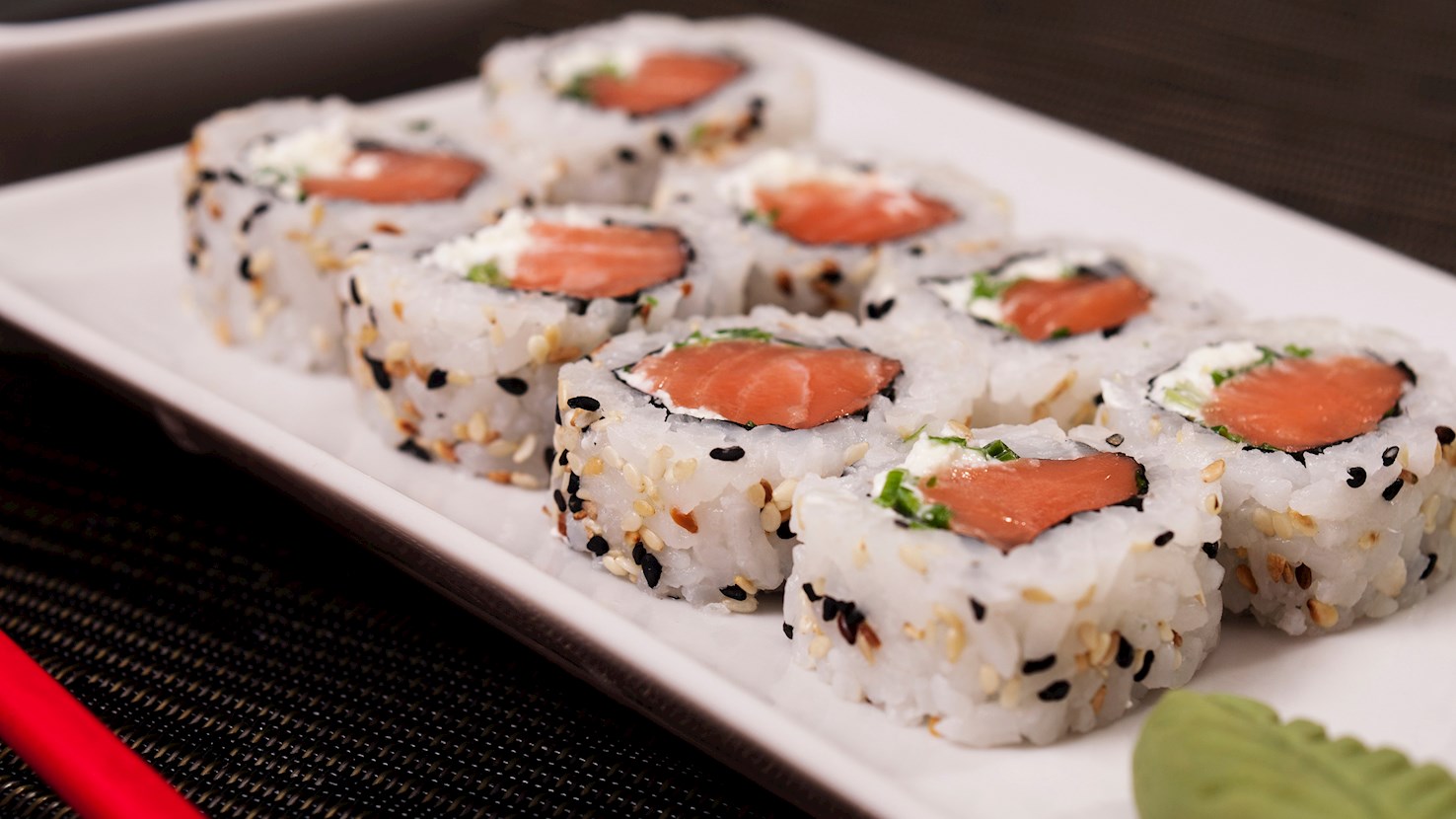
Uramaki, California roll, or upside-down sushi is a unique sushi variety which has its origins disputed between Los Angeles and Vancouver, although most people claim that it was invented in California in the 1960s by a Japanese chef named Ichiro Mashita. This sushi roll is prepared with sushi rice, nori, fish (mostly tuna or salmon), avocado, and cucumber. It differs from other sushi types because the rice is on the exterior, wrapped around nori seaweed that is in the inner part and surrounds the filling. Uramaki is often rolled in roasted sesame seeds. It's recommended to serve this unusual delicacy with soy sauce, gari (pickled ginger), and wasabi on the side.

02

Rainbow Roll

4.1 ·

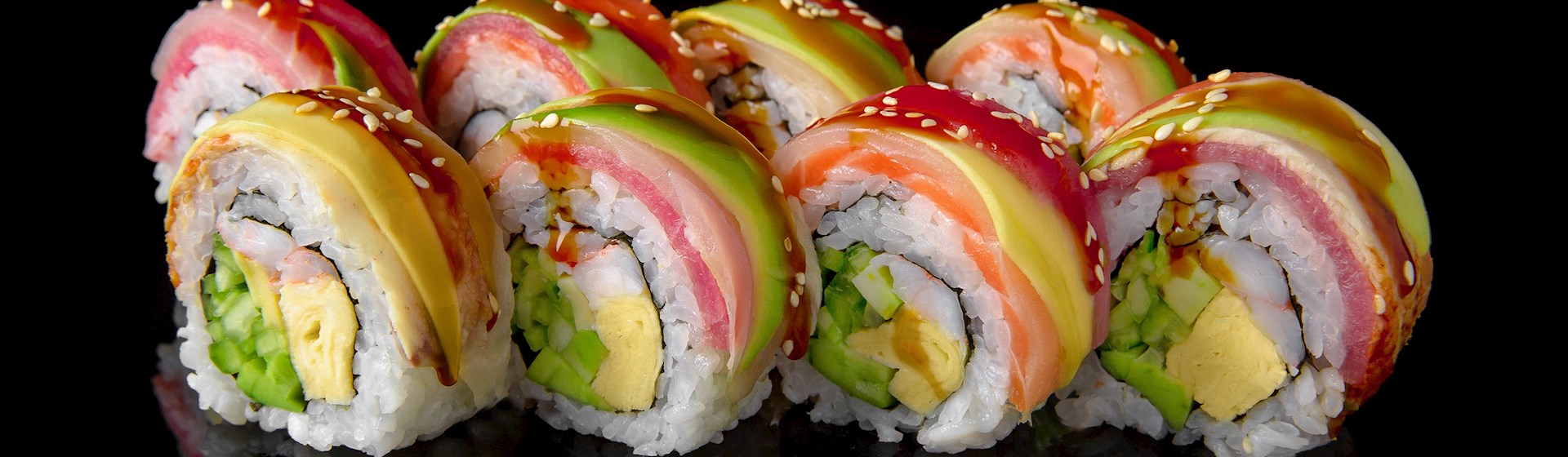
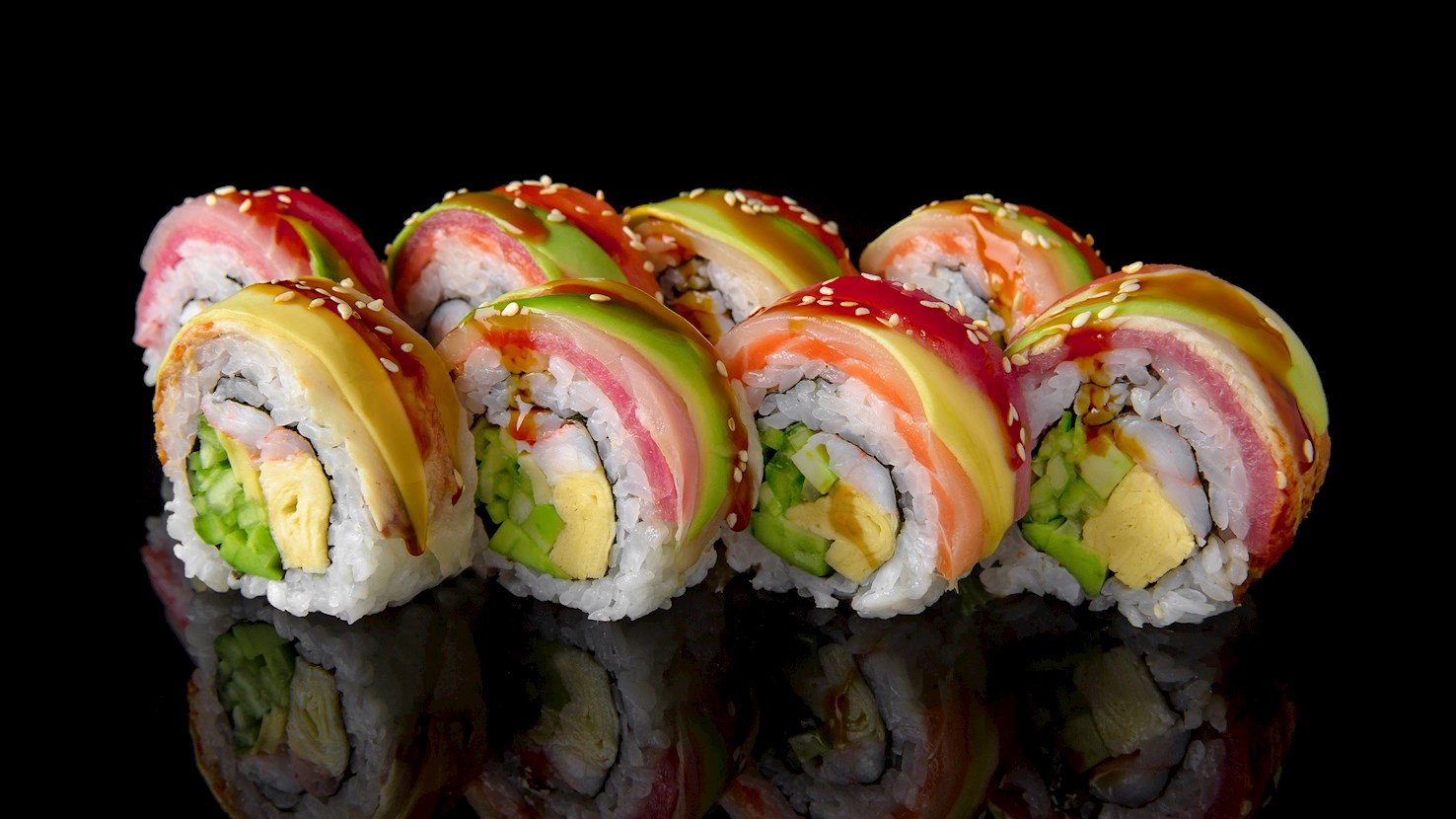
Rainbow roll is a type of uramaki or upside-down sushi, where the rice is on the exterior, wrapped around nori seaweed that holds the other ingredients on the inside. This sushi variety is typically made with rice, nori, tuna, salmon, avocado, and cucumber. Once the uramaki has been assembled, the slices of fish and avocado are carefully arranged on the top of the roll, which is then sliced into pieces. The name of this sushi variety refers to the alternating colors of fish and avocado which are reminiscent of a rainbow. Serve it with soy sauce and wasabi on the side for the best experience.

03

Jambalaya

4.0 ·

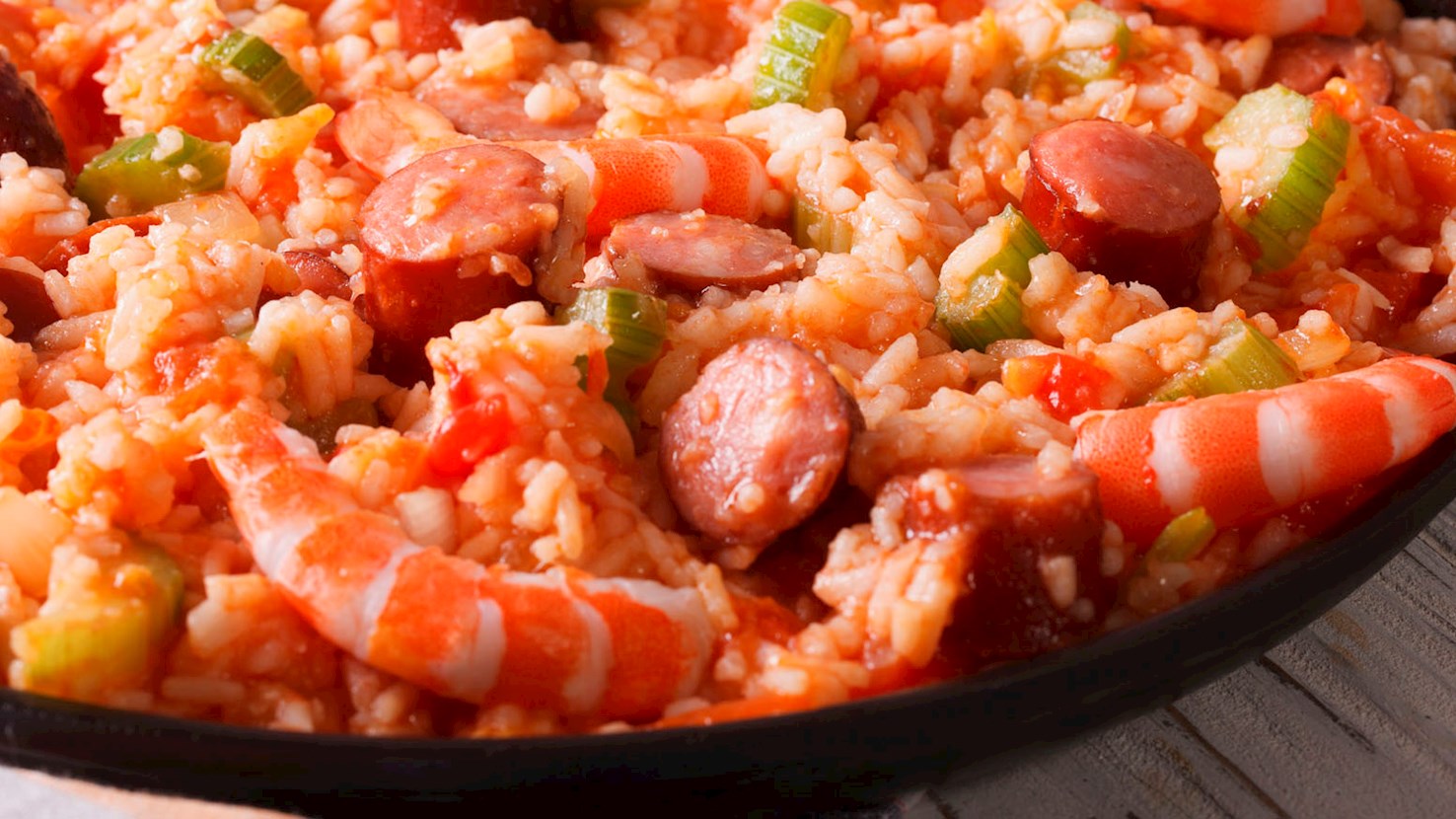
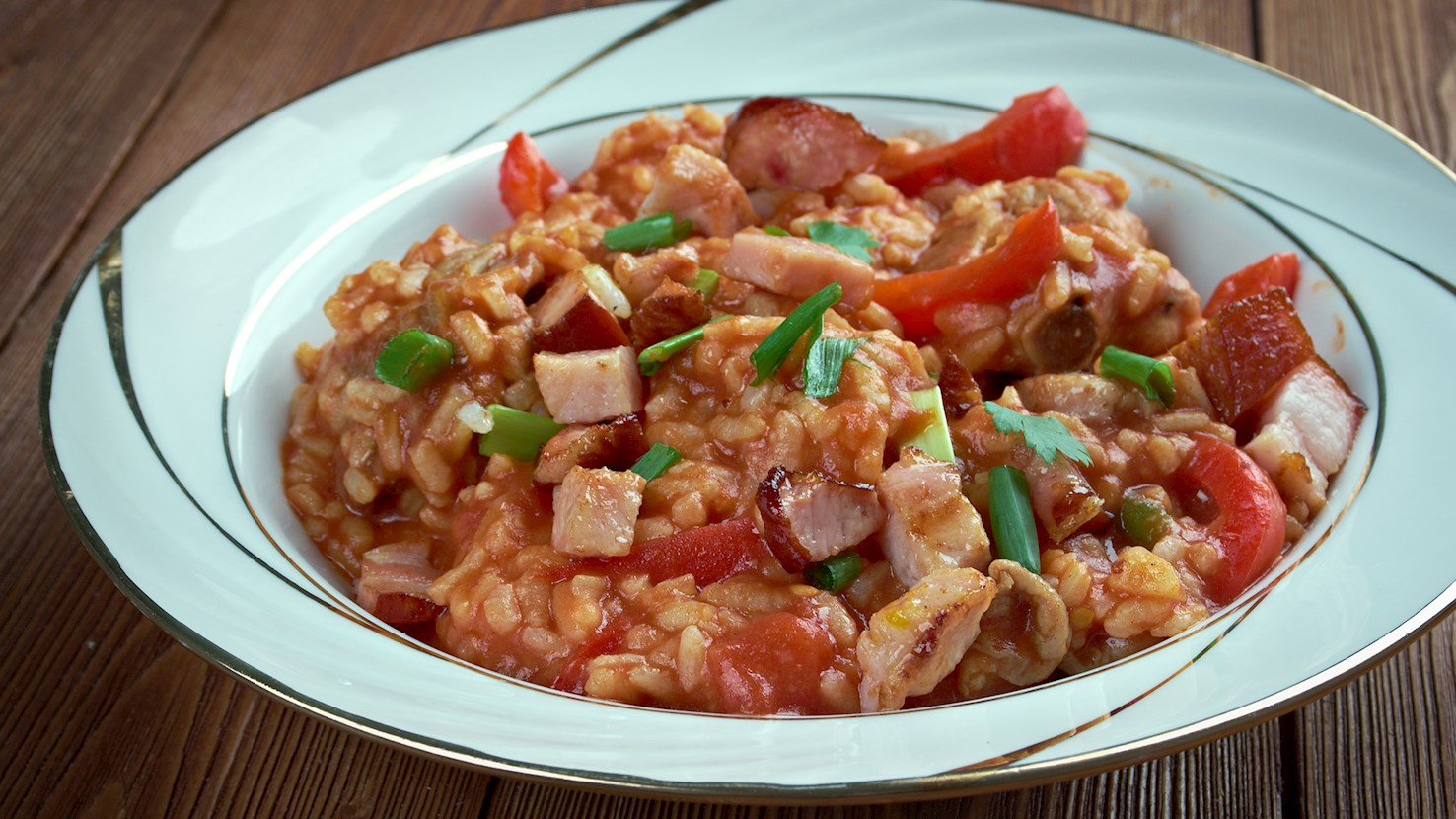
The cheapest way to serve a crowd of people, jambalaya is one of Louisiana's favorite dishes originating from the Cajuns from the southern parts of the country, where food was often scarce. At the time, there were many slaves in the country, so the word jambalaya supposedly derives from the French jambon, or ham, and the African aya, meaning rice. Another theory suggests that it stems from the Provencal jambalaia, meaning a mishmash. Similar to paella, pilaf, or risotto, its key ingredients are rice, shrimp or crab meat, finely cut, spicy, smoked sausage and smoked ham, diced green peppers, garlic, celery, onions, tomatoes, and the obligatory spices - thyme and bay leaves. In some instances, chicken is added to the dish, but today there are also numerous variations from turkey shrimp to alligator meat additions. Rice is added in the end, to absorb the rich flavors from the stock until there is no liquid left. It is cooked in a big, heavy pot and is known to be a crowd-pleaser, so it is not a surprise that it is the most popular dish on the Gulf of Mexico oil rigs, where the employees share a similar food culture.

04

Red Beans and Rice

3.9 ·

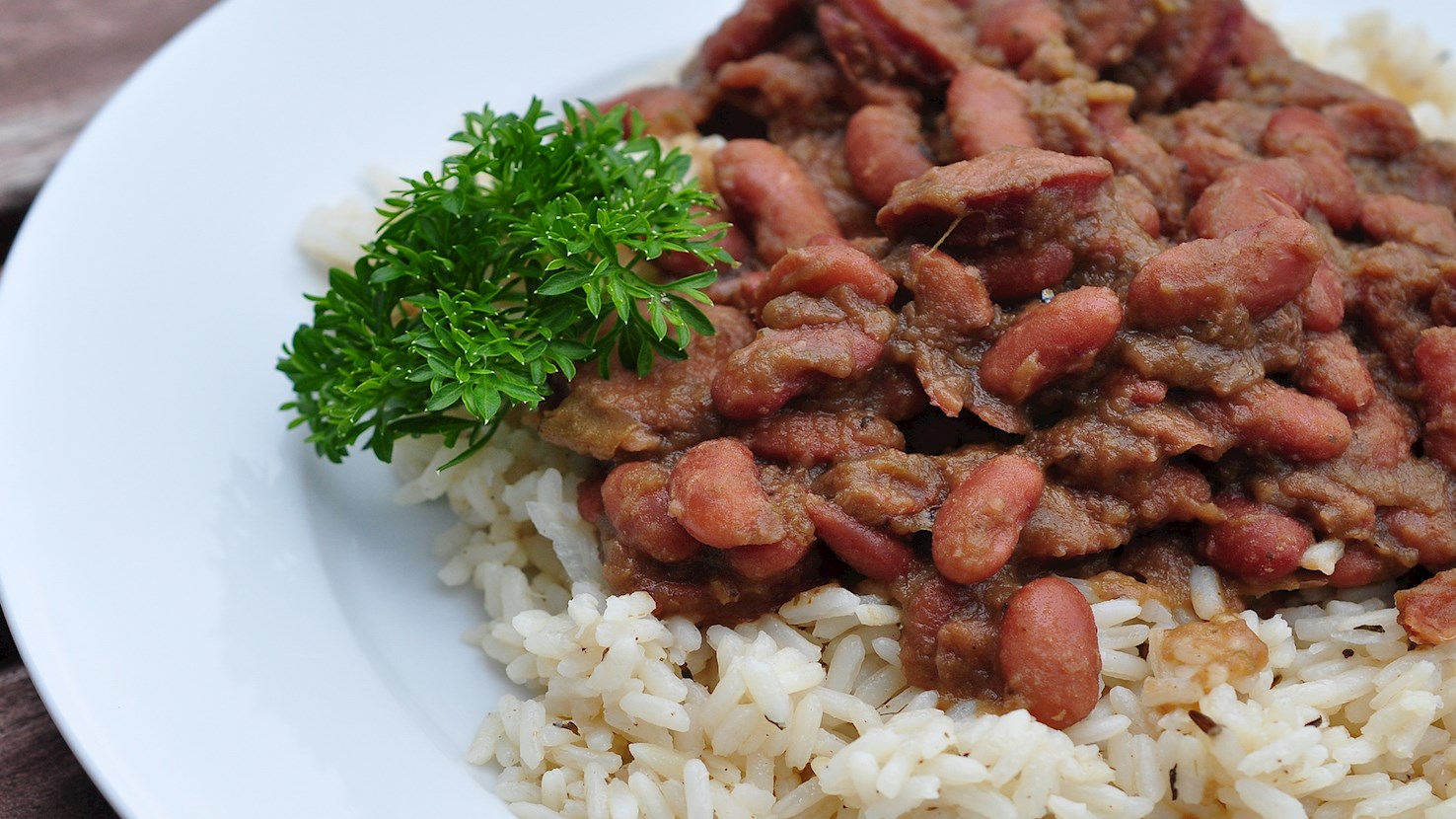
Louisiana's comfort food is nicely represented in red beans and rice, a dish that is traditionally prepared on Mondays, with the aroma of red beans drifting through the neighborhoods. The dish originates from the New Orleans Creole kitchens of the 1700s and the 1800s. The beans are typically cooked over low heat throughout the day, with additions such as ham hock and Andouille sausage. When served, the beans are spooned over hot rice, and the whole thing is often spiced up with some hot sauce.

05

Loco Moco

3.9 ·

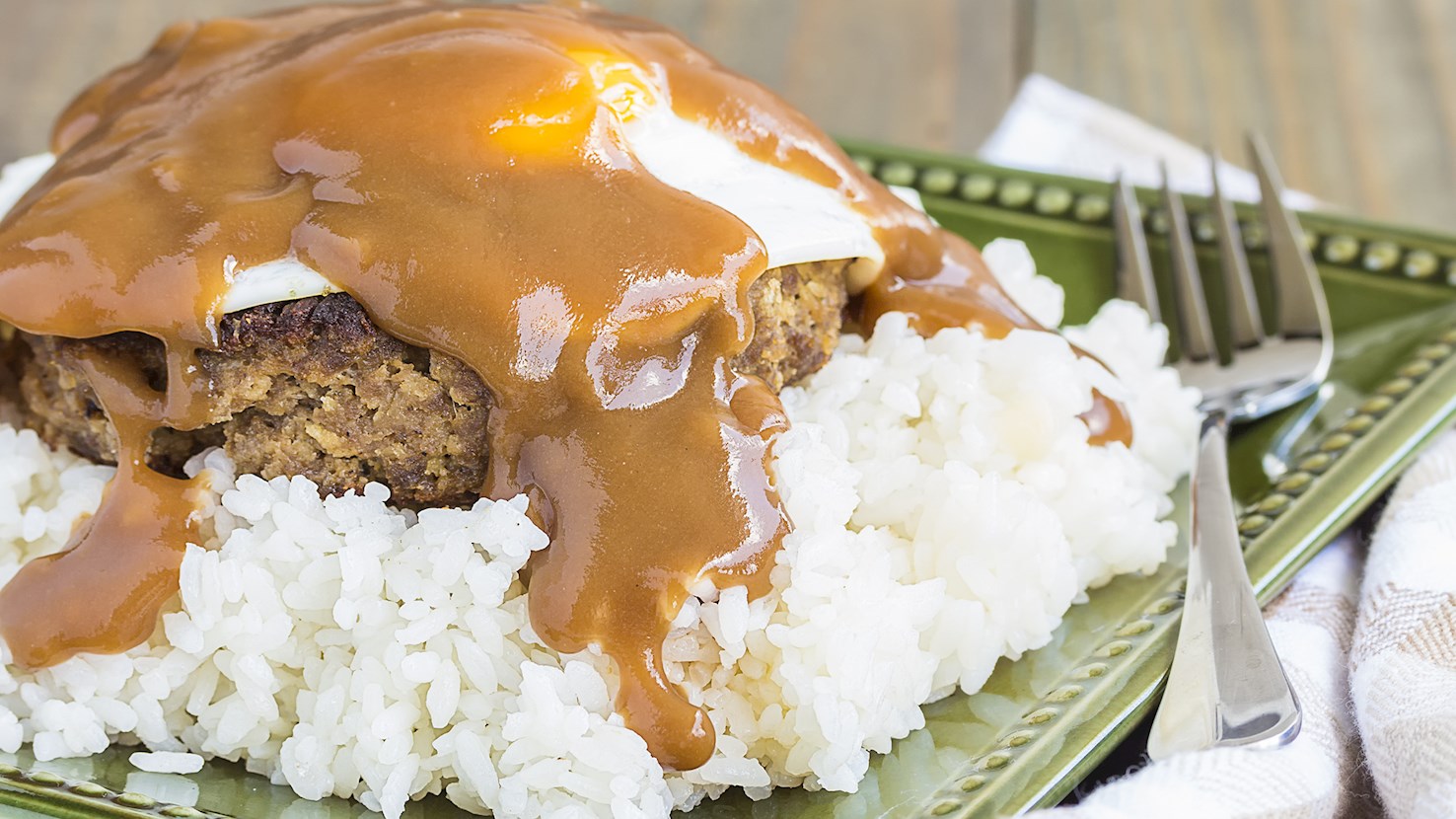
Loco moco is Hawaii's popular comfort food, most often consisting of sticky rice at the bottom, topped with a hamburger patty, a fried egg, and the thick gravy that is poured on top of the whole combination, although there are numerous variations using bacon, ham, chicken, oysters, and shrimp. It is believed that loco moco was invented in Hilo, Hawaii in the 1940s, when Nancy Inouye, the wife of Lincoln Grill owner, prepared it as a meal that was affordable to the local children. When she put it on the menu, her husband Richard said that the kids are crazy (loco), and loco moco was born. Today, the dish is traditionally served on a paper plate, often curing hangovers and satisfying big appetites of numerous Hawaiian surfers.

06

Hoppin' John

3.9 ·

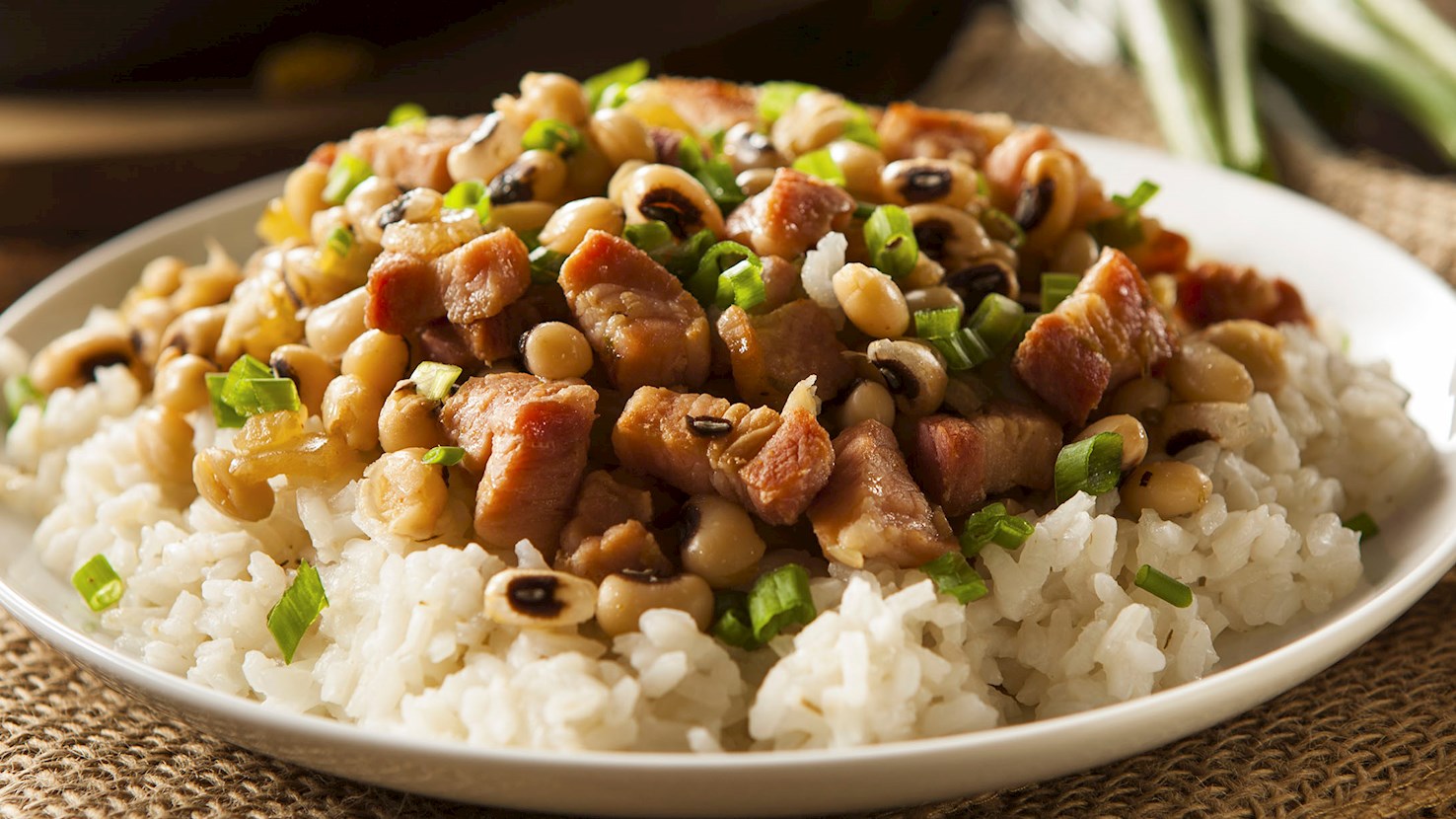
A classic Southern dish, hoppin' John is a hearty combination of rice, black-eyed peas, and ham hock or bacon. Even though the dish is consumed throughout the year, it is typically served on New Year's Day due to the fact that a lot of Southerners believe that eating black-eyed peas on the first day of the year will bring prosperity and good luck. The peas represent pennies or coins, and a real coin is often placed under the bowls. Hoppin' John is often accompanied by cabbage, representing wealth, since it is the color of the US currency, and those who eat it will supposedly earn more money in the following year than those who don't indulge in it. The origin of the dish is still shrouded in mystery, but some claim it stems from Louisiana, where the French Creole name for pigeon peas is pois a pigeon, pronounced "pwah peejon", which sounds similar to hoppin' John to the Southerners. The name has stuck since the early 1800s, but if the leftovers are eaten on the first day of the New Year, it's called skippin' Jenny, showing one's frugality and bringing even greater chances of prosperity in the New Year.

07

Dirty Rice

3.7 ·

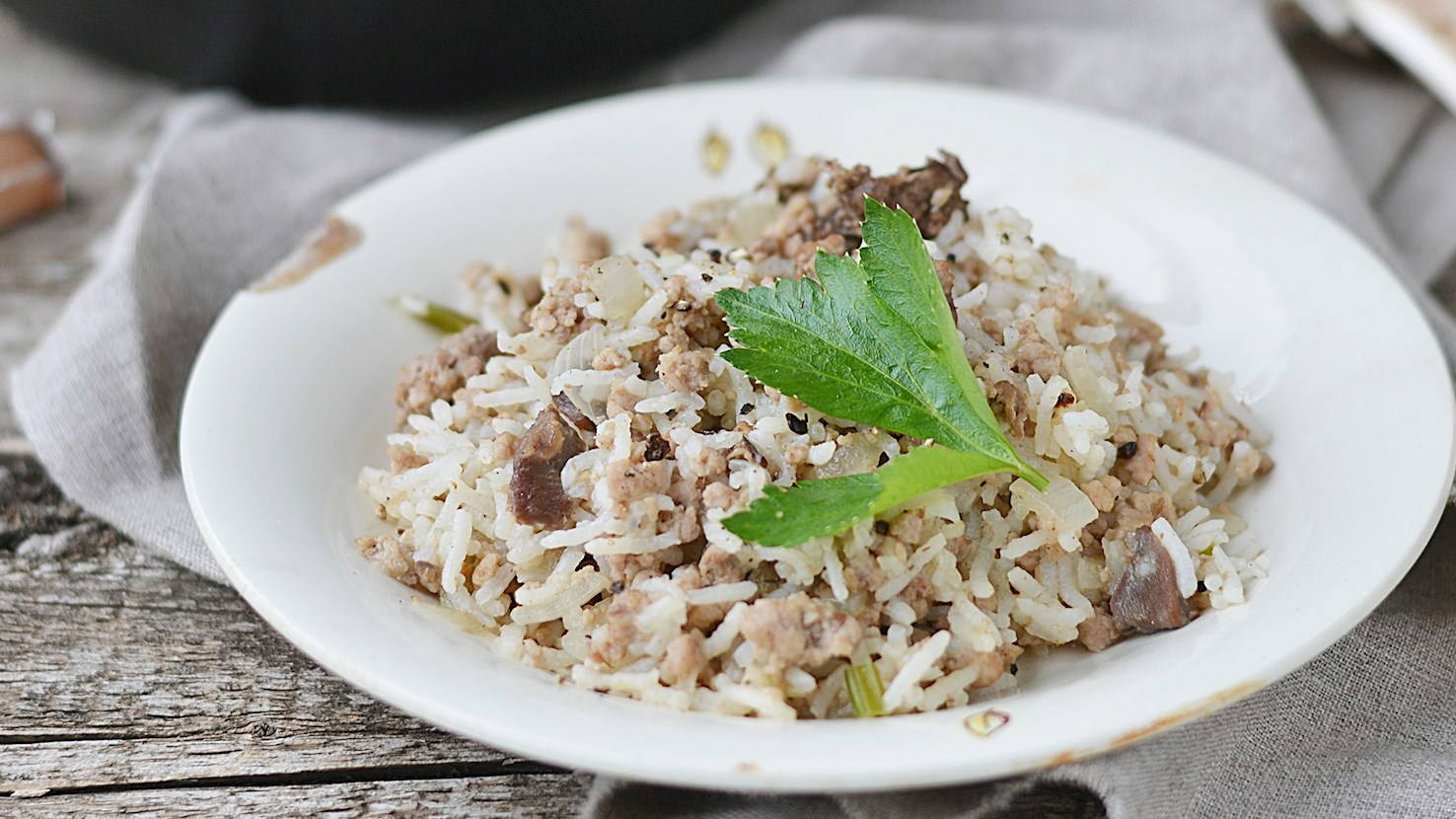
Dirty rice is a Cajun dish consisting of rice, chicken liver and gizzard, onions, bell peppers, and celery. The dish got its name from its color, imparted by the liver and broth. In the past, it was consumed as a main dish, but nowadays it is often served with a salad or as an accompaniment to gumbo or jambalaya. Today, most cooks use ground pork or beef instead of the liver and gizzards.

08

Glorified Rice

2.2 ·

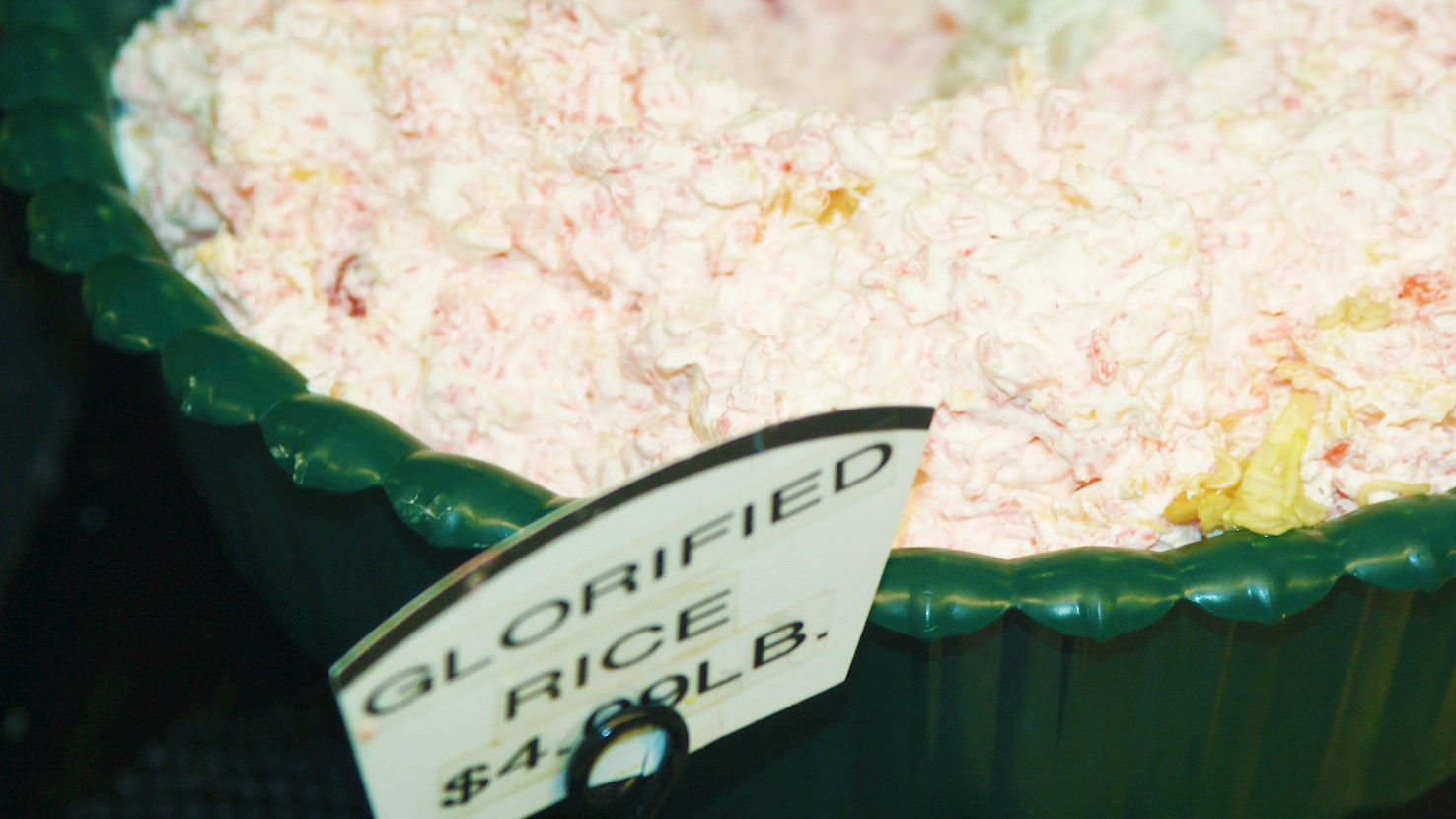
Glorified rice is an American Midwestern dessert consisting of rice, canned pineapple chunks, and whipped cream. The dish is traditionally garnished with a few maraschino cherries on top. Purists claim that the rice should always be cooked in cream in order to develop a tender, melting texture. The dessert was at its most popular from the 1930s to the 1950s, with numerous variations and additions such as bananas, apples, nuts, and gelatin. Today, glorified rice is mostly popular in rural Midwestern areas, and can often be found at church gatherings and potluck dinners.

09

Charleston Red Rice

n/a ·

Charleston red rice is a traditional dish originating from the Georgia coast. It consists of long-grain rice that simmered in a rich broth with chopped tomatoes, bell peppers, onions, celery, and seasonings. Bits of bacon or pork sausages can also be added to the dish for extra flavor and texture, displaying some elements of African or French creolization. It's important to let the rice rest for about 10 minutes before serving. Charleston red rice is often prepared for big parties and potlucks.

10

Hawaiian Haystack

n/a ·

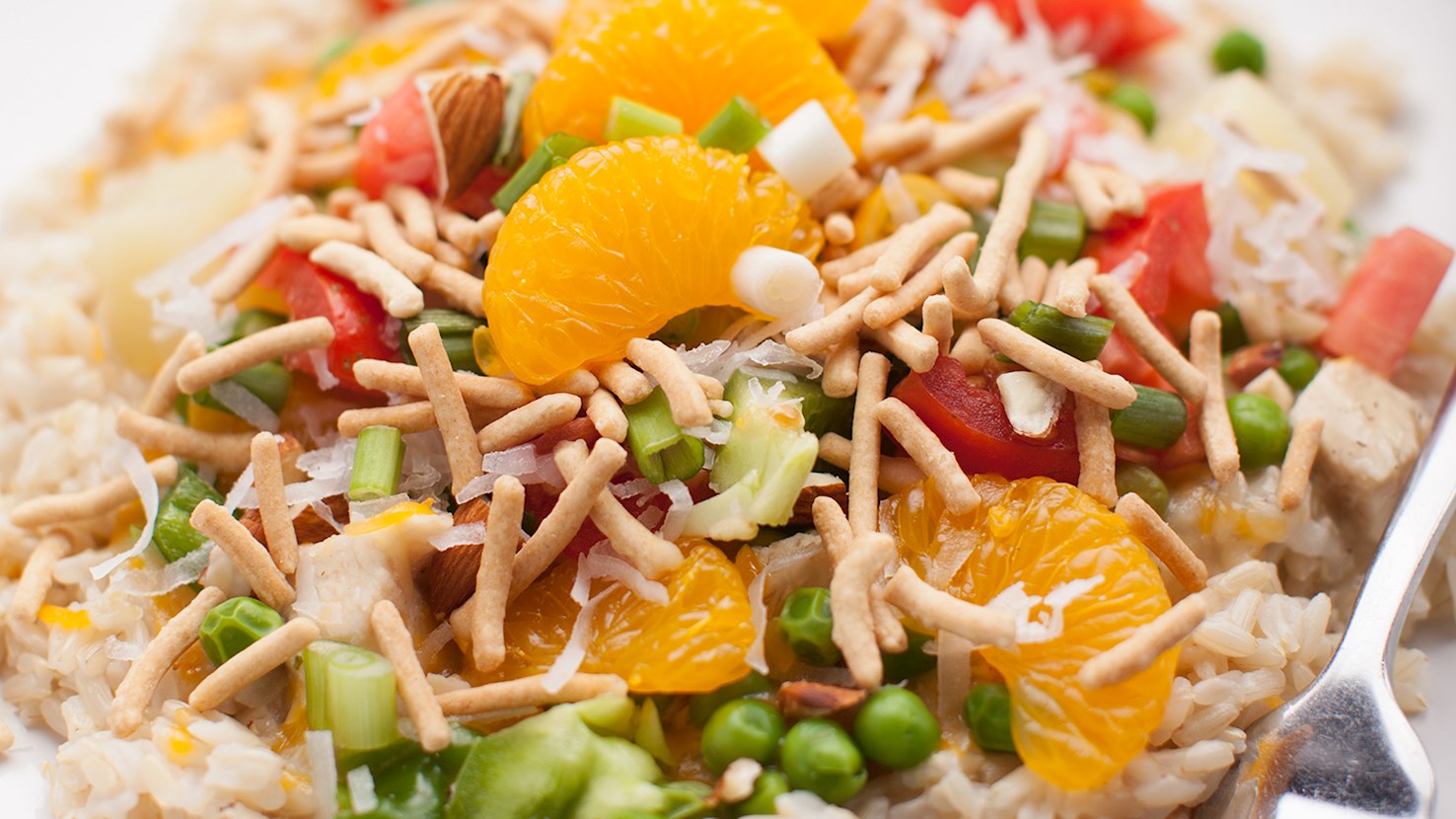
Hawaiian haystack is a traditional dish that's both easily customizable and versatile. Although it has the word Hawaiian in its name, it did not originate in Hawaii, but uses some Hawaiian staples such as pinepple and coconut. This comforting dish is prepared with a base of rice that's topped with anything from pineapple chunks, coconut flakes, chicken, tomatoes, gravy, cheese, and even noodles. If done traditionally, each element will be prepared separately, presented buffet-style, and used as a rice topping. In the United States, Hawaiian haystack is a popular school lunch or an easy dinner.

Read more
View all
View map
About this ranking

TasteAtlas food rankings are based on the ratings of the TasteAtlas audience, with a series of mechanisms that recognize real users and that ignore bot, nationalist or local patriotic ratings, and give additional value to the ratings of users that the system recognizes as knowledgeable. For the “Top 10 American Rice Dishes” list until July 15, 2026, 1,024 ratings were recorded, of which 957 were recognized by the system as legitimate. TasteAtlas Rankings should not be seen as the final global conclusion about food. Their purpose is to promote excellent local foods, instill pride in traditional dishes, and arouse curiosity about dishes you haven’t tried.

Similar lists