

shutterstock

Top 6 Chinese Rice Noodles

Last updated on July 08, 2026
01

Bi hun (Rice vermicelli)

3.9 ·

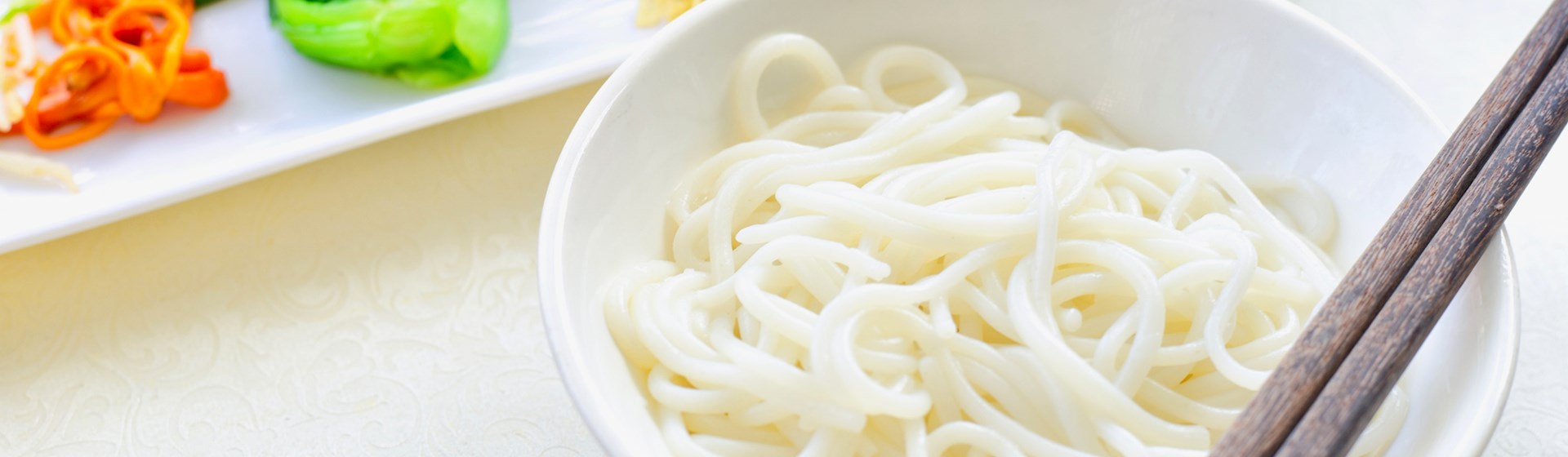
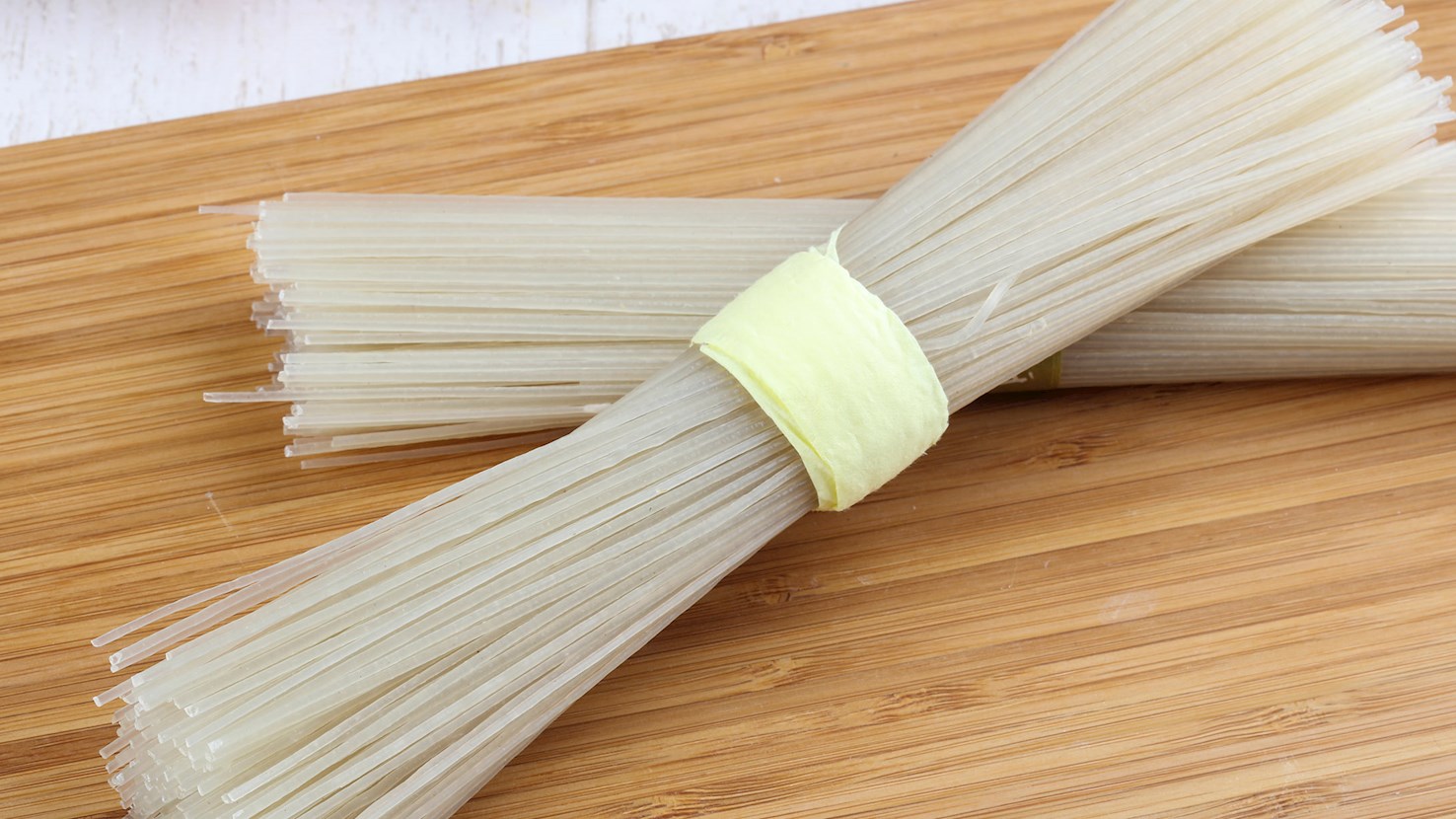
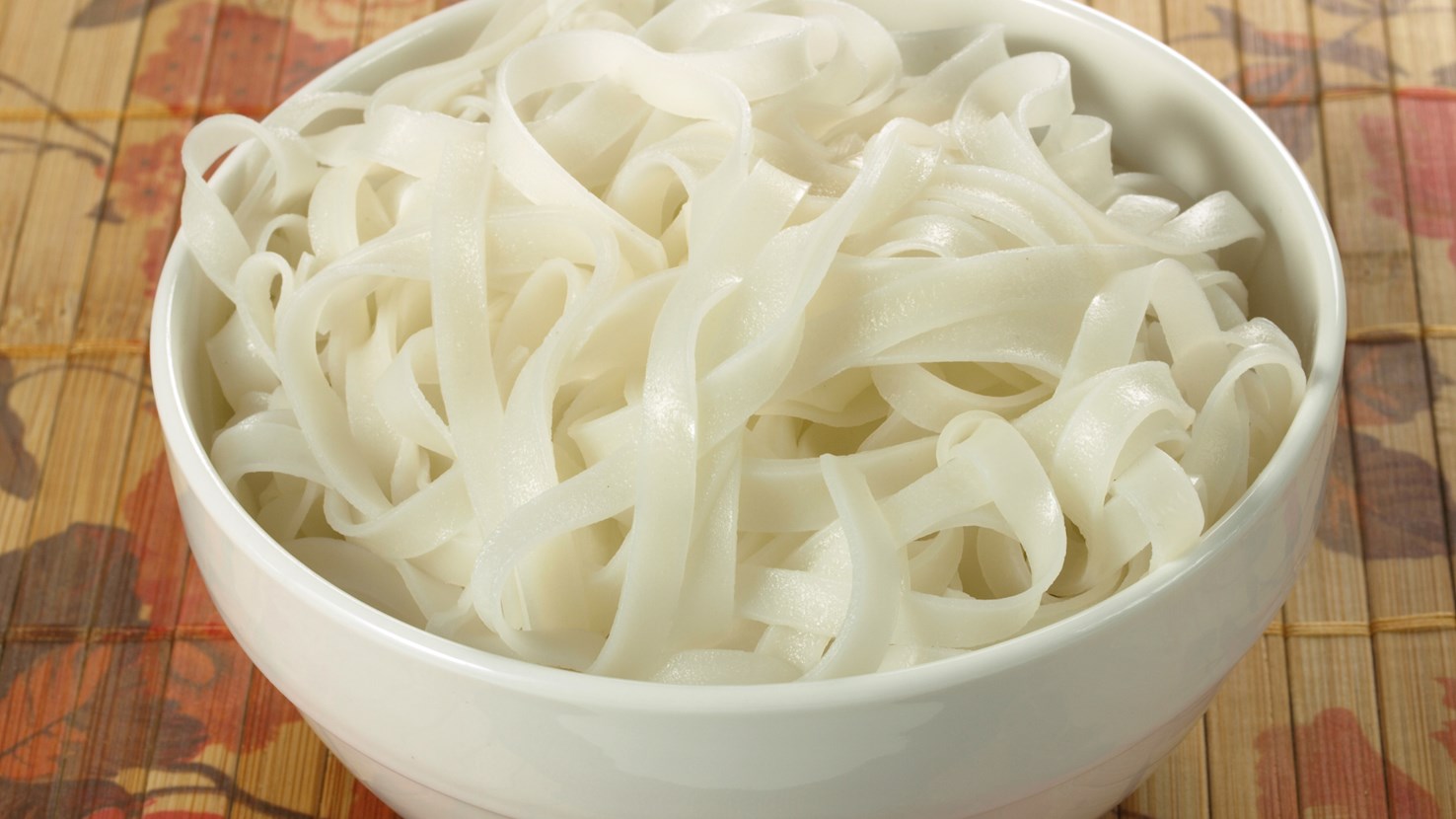
Rice vermicelli are thin noodles made from rice flour and water. They are often used in stir-fries, salads, or soups. The noodles are represented in a variety of notable dishes throughout various countries such as China, Hong Kong, India, Pakistan, Indonesia, Malaysia, Singapore, Myanmar, Taiwan, and Vietnam. Rice noodles are characterized by their shiny white color and their thin structure, reminiscent of silk threads. They originated during the Qin dynasty and had been consumed for more than 2000 years in China. Historical evidence implies that the people from northern China preferred wheat noodles because they were not used to eating rice. When they invaded the south, northern cooks made noodles using rice, inventing rice noodles in the process. Today, rice noodles are served both as a key ingredient and as a side dish. They can be combined with vegetables and meat to create a wide variety of dishes, such as soto, santhakai, bihun sup, and lumpia.

02

Mixian

3.5 ·

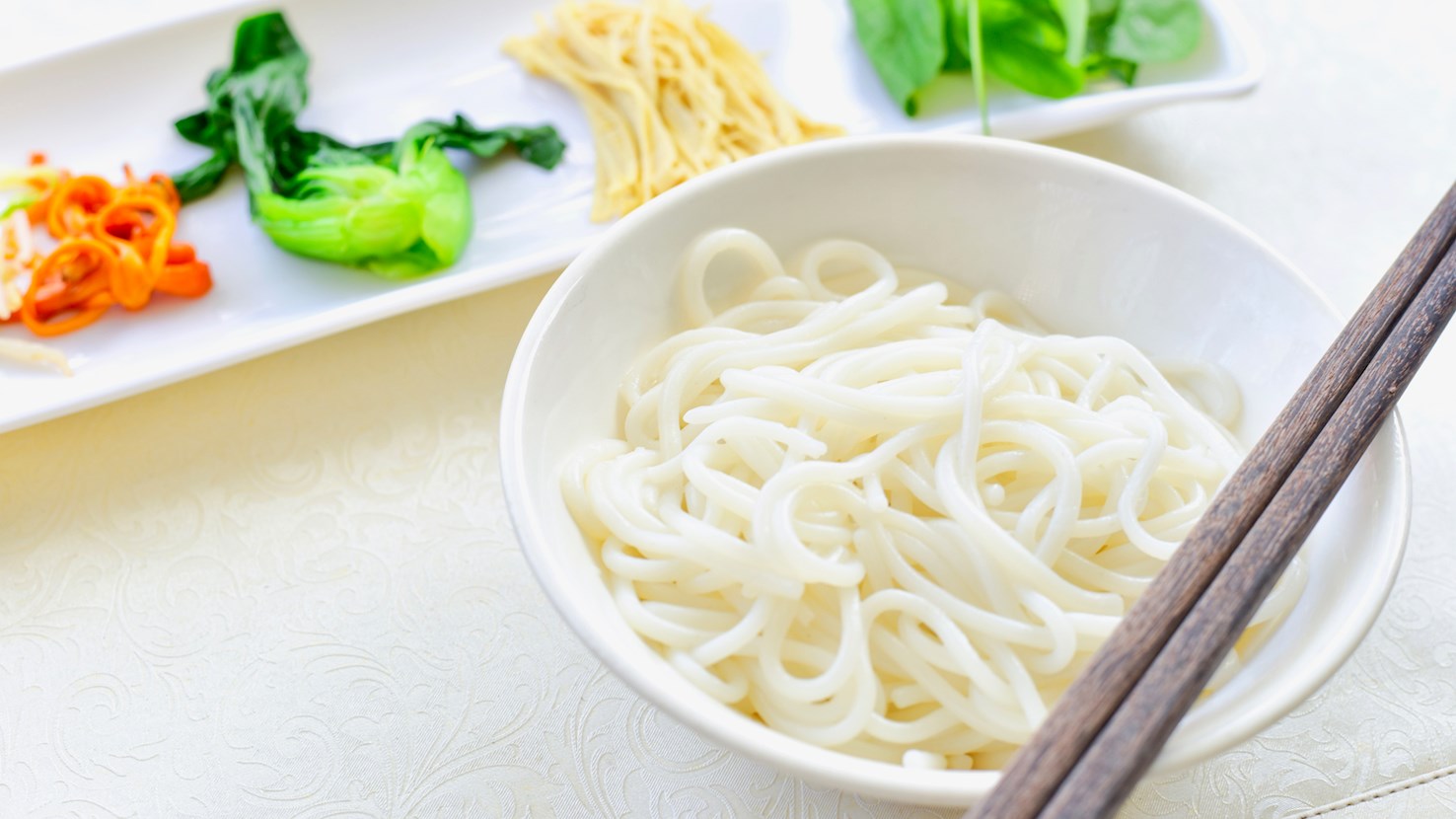
Mixian are traditional rice noodles from the Chinese Yunnan province. They are characterized by their round shape, medium thickness, silky texture, and a subtle, almost nutty flavor. The noodles are usually used fresh, and they are traditionally employed in stir-fry dishes and are often combined with flavorful broths and sauces. The most popular regional dish that incorporates mixian is a rice noodle soup known as over the bridge rice noodles (guo qiao mixian).

03

Yin zhen fen zhēn fěn (Silver needle noodles)

n/a ·

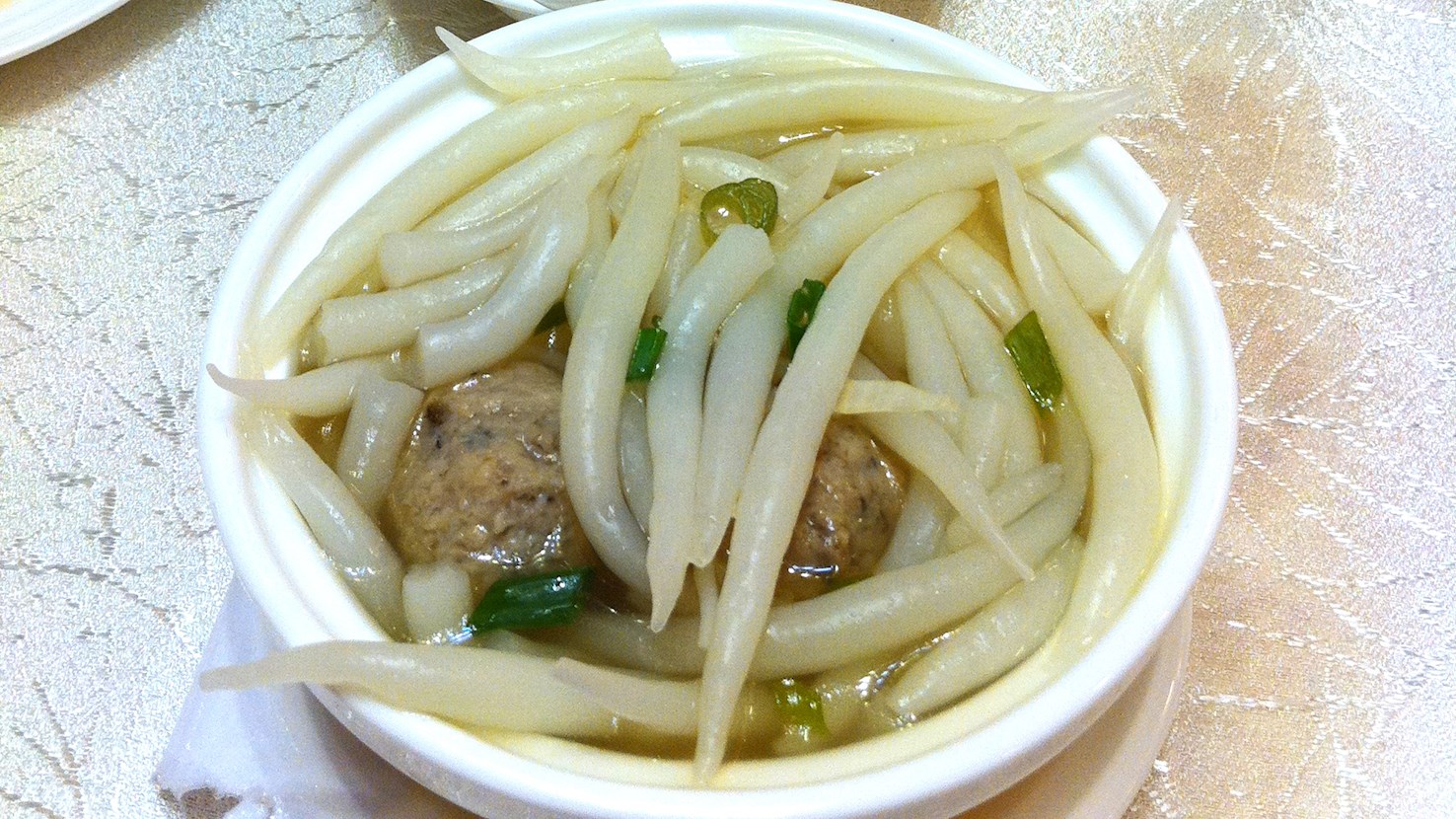
Silver needle is a traditional type of noodle originating from Meizhou. The noodles are short, white, and semi-transparent. They're usually made from a mixture of ground rice flour (glutinous or not) and water, along with cornstarch that's often added in order to prevent breaking when cooked. Nowadays, wheat starch is sometimes used instead of the rice flour. The rice flour and water mixture is pushed through a sieve directly into a pot of boiling water. Silver needle noodles are available in commercial versions or fresh and they're rarely made at home. The noodles are typically stir-fried with sauces, cooked in clay pots, or served in broth. Another name for silver needle noodles is rat noodles, referring to the tapered ends of the noodles that look like rat tails.

04

Lai fun

n/a ·

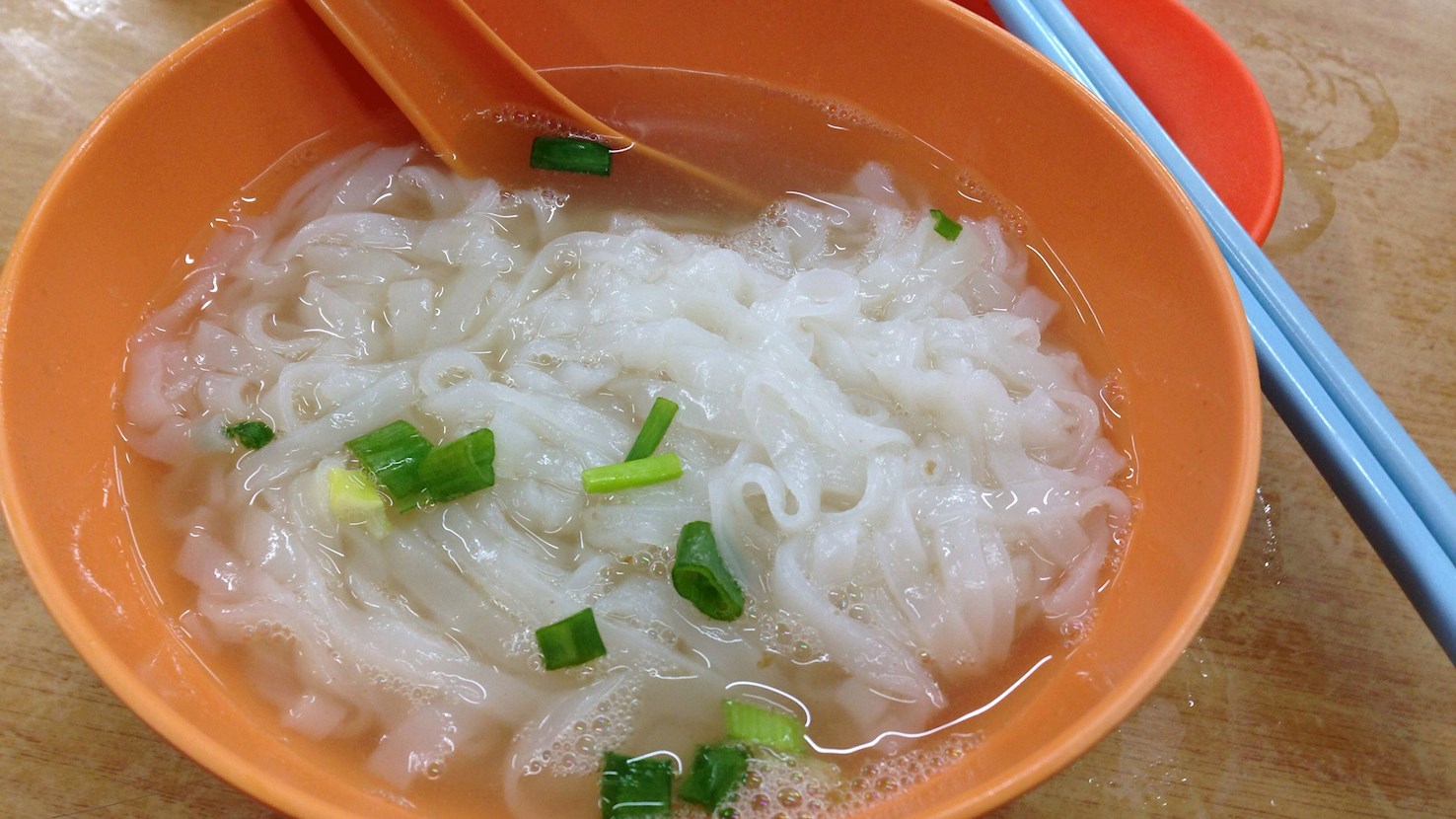
Lai fun is a traditional type of noodle originating from Guangdong and the Pearl River Delta region. The noodles are thick and short, similar to silver needle noodles. It's easy to distinguish one from another – lai fun are cut straight down, as opposed to silver needle noodles that have a tapering tail that looks similar to a rat tail. Lai fun noodles are usually made with a combination of rice flour and tapioca starch. They're often served with vegetables and sliced meat, or used in broths and salads. Sometimes, lai fun is even stir-fried with other ingredients.

05

Migan

n/a ·

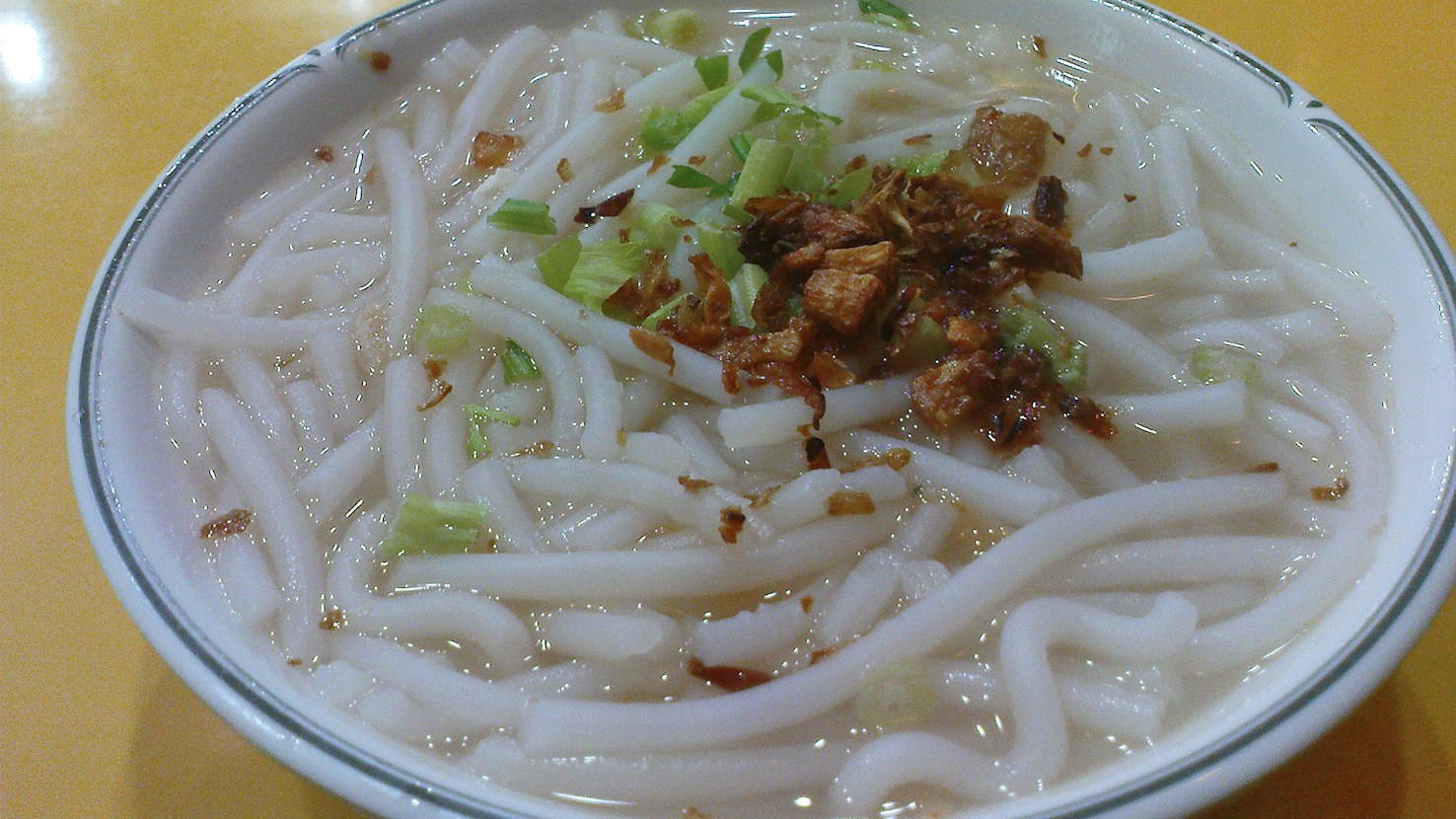
Migan is a traditional type of noodle originating from Yunnan Province and the Dai people. These noodles are made from standard non-glutinous rice flour and they're exclusively sold fresh. The noodles are broad and flat in shape. Migan is usually stir-fried in the evening or served in chicken broth for breakfast and throughout the day. When served in broth, there is a wide variety of condiments that can be added to the bowl such as garlic, coriander, hot peppers, Sichuan pepper, salt, black pepper, soy sauce, scallions, vinegar, and tomatoes. The broth should be extra-rich for migan noodles, and they're typically not broken when prepared by professional chefs.

06

Shahe fen

n/a ·

Shahe fen or he fen or hor fun or guotiao are traditional Chinese noodles originating from Shahe in Guangzhou. In order to make the noodles, rice is soaked, ground into a paste, steamed, and cut into long and thin strips. These broad noodles are white in color, while the texture is slightly slippery, elastic, and chewy. They're often stir-fried with meat, veggies, oil, and spices for a dish called chow fun. Shahe fen don't dry or freeze well, so they're typically bought in fresh or dried form.

Read more
View all
View map
About this ranking

TasteAtlas food rankings are based on the ratings of the TasteAtlas audience, with a series of mechanisms that recognize real users and that ignore bot, nationalist or local patriotic ratings, and give additional value to the ratings of users that the system recognizes as knowledgeable. For the “Top 6 Chinese Rice Noodles” list until July 08, 2026, 164 ratings were recorded, of which 141 were recognized by the system as legitimate. TasteAtlas Rankings should not be seen as the final global conclusion about food. Their purpose is to promote excellent local foods, instill pride in traditional dishes, and arouse curiosity about dishes you haven’t tried.

Similar lists