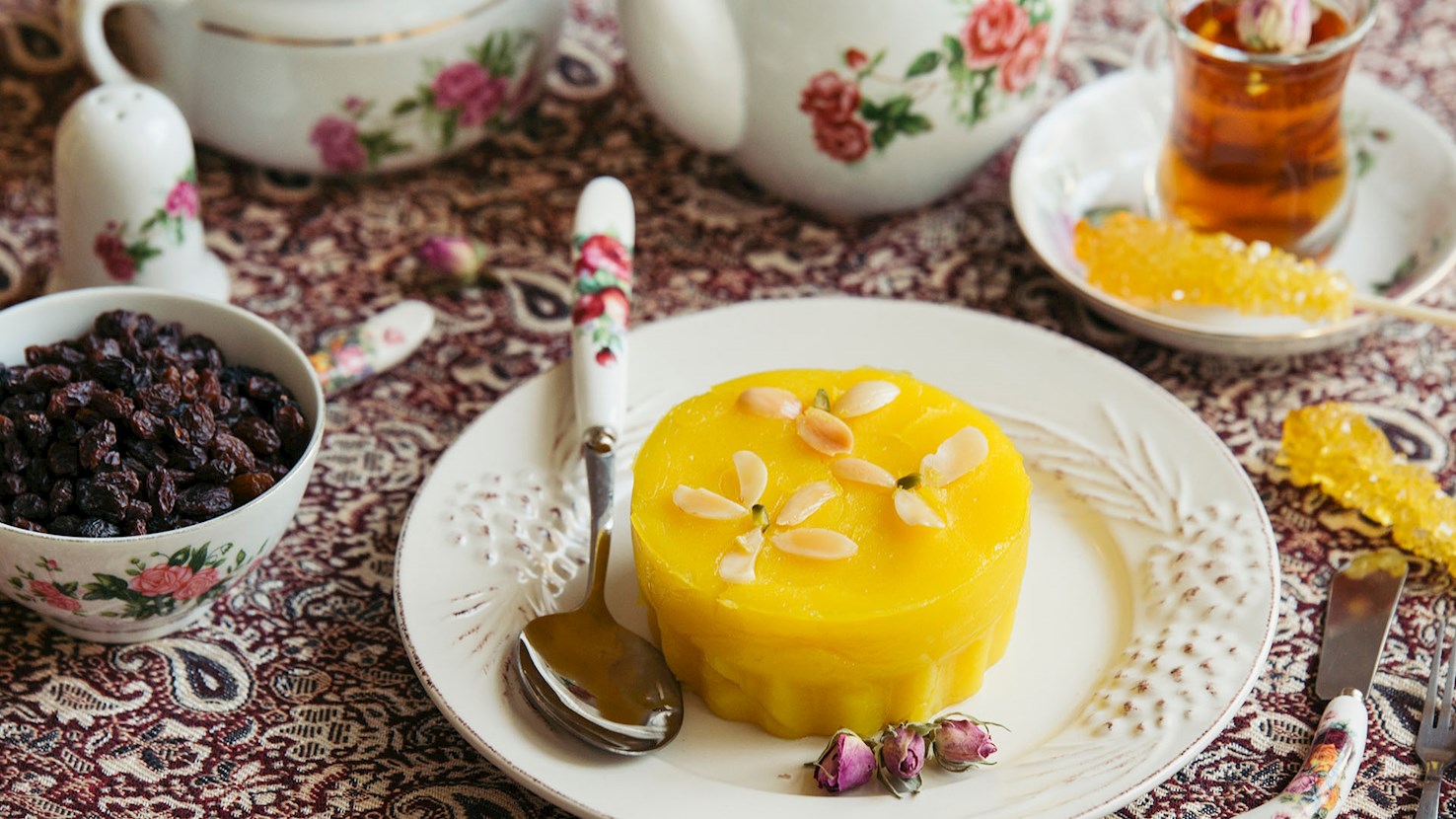
Sholeh zard is a Persian rice pudding known for its vivid golden color and aromatic combination of saffron, rosewater, and cardamom. This dessert is closely associated with Iran, where it is often prepared for special occasions, religious ceremonies, and gatherings that bring families and communities together. The name translates to “yellow flame,” a reference to the bright hue imparted by saffron, which is considered the most prized spice in Persian cuisine. Preparation begins with soaking and slowly simmering rice until it becomes very soft and almost disintegrates into a creamy base. Sugar is added to sweeten the mixture, along with generous amounts of saffron dissolved in hot water, creating a striking yellow color and a distinctive aroma. Rosewater is stirred in near the end of cooking, lending the pudding its floral note, while cardamom brings a gentle warmth. The texture is smooth and thick, somewhere between a custard and a porridge. When the pudding reaches the desired consistency, it is poured into shallow bowls or large serving dishes to set. The surface is traditionally decorated with intricate designs made from ground cinnamon, slivered almonds, and pistachios. These patterns can range from simple lines to elaborate calligraphy and motifs, depending on the occasion and the skill of the cook. Sholeh zard is served chilled or at room temperature, typically alongside tea or other sweets. Although rice puddings are common across the Middle East and South Asia, the Persian version is defined by its use of saffron and rosewater, both ingredients that have a long history in Iranian culinary and cultural traditions. In many households, sholeh zard is prepared to mark commemorations and distributed to neighbors and the needy as part of charitable customs.
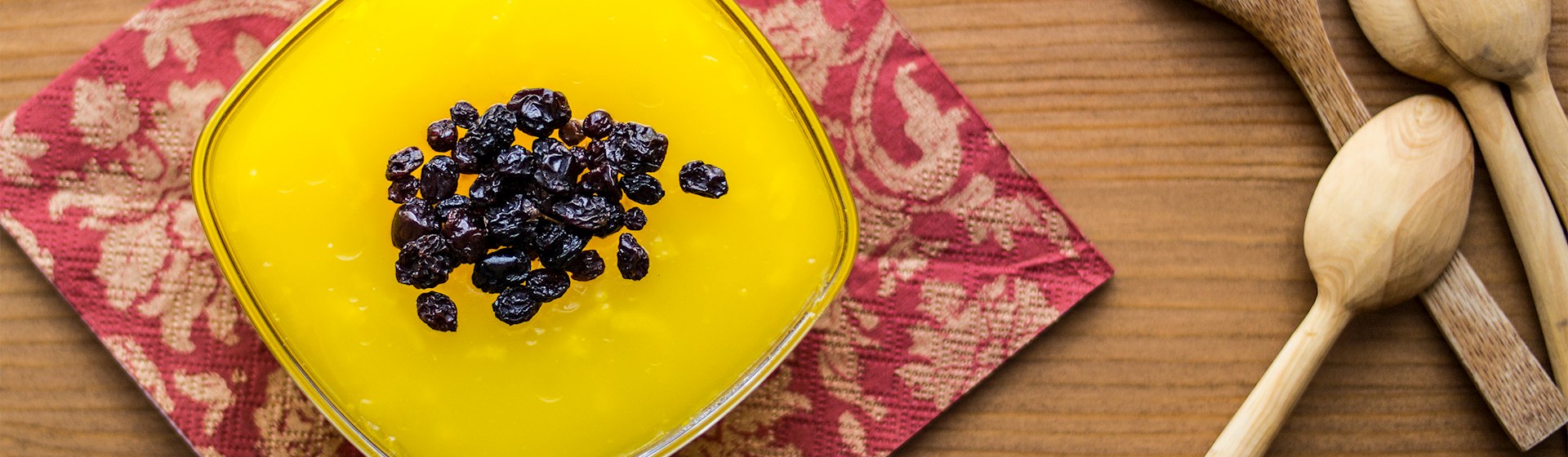
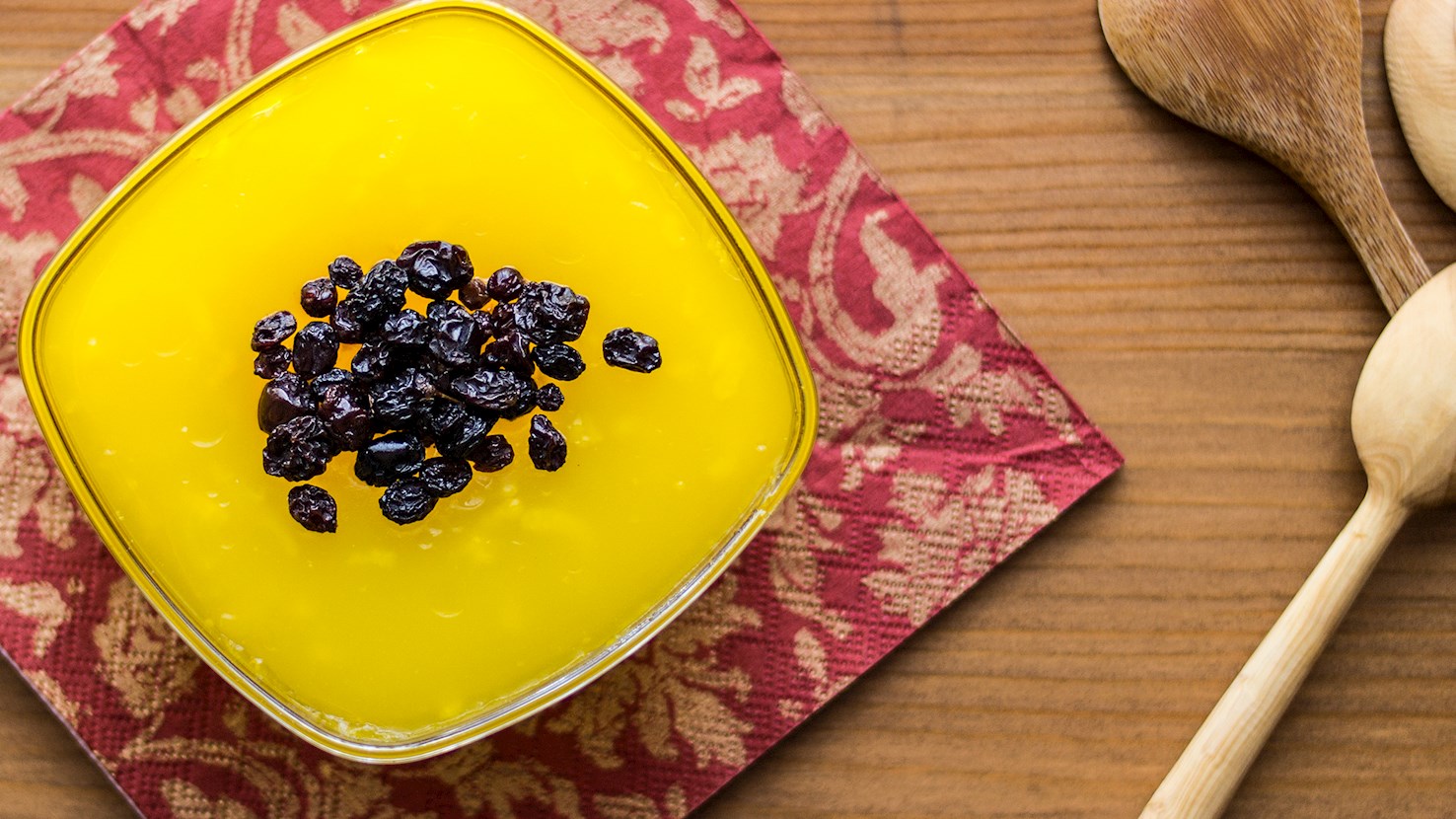
Zerde is a saffron-scented rice pudding found across Türkiye, Iran, and Iraq, celebrated for its bright golden color and delicate sweetness. In Türkiye, it is especially popular in the southeastern regions, where it is commonly prepared for weddings, festive occasions, and religious gatherings. However, its roots reach further east, reflecting the culinary exchanges between Persian and Mesopotamian kitchens over many centuries. Historical records trace the origins of zerde back to ancient Persia, where cooks used saffron and other spices to transform rice into celebratory desserts. The Persian word zard means “yellow,” describing the vivid hue that defines this dish. From Persia, recipes spread westward into Mesopotamia, present-day Iraq, where saffron rice sweets became part of courtly cuisine. Later, with the expansion of the Seljuk and Ottoman empires, these preparations took hold in Anatolia and evolved into regional variations. In Türkiye, zerde developed distinct features, including the use of rose water, pine nuts, and currants, while in Iran and Iraq, versions with slightly different flavorings and proportions persisted alongside similar desserts like sholeh zard. Preparation starts by cooking rice in water instead of milk, which sets zerde apart from other puddings. Saffron, diluted in warm water, imparts both flavor and its characteristic color. Sugar, rose water, and sometimes a little turmeric or cardamom are added to build a layered aroma. When the pudding reaches the right consistency, it is ladled into bowls and garnished with blanched almonds, pine nuts, currants, or pistachios, then served warm or at room temperature. Among the notable aspects of zerde is that it is traditionally made without dairy, making it suitable for communal events when lighter, plant-based desserts are preferred. The dish is still served today in Türkiye during religious holidays like Muharram, in Iran for festive meals, and in Iraq as part of special family gatherings.
Shir birinj is a classic Iranian dessert that consists primarily of rice cooked slowly in milk, sweetened with sugar, and often flavored with rosewater or cardamom. The roots of shir birinj trace back to Persian culinary traditions that emphasize the use of rice and dairy to create soft-textured, aromatic desserts. The slow simmering of rice in milk allows the grains to absorb the liquid fully, resulting in a creamy and smooth consistency that is both satisfying and soothing. Over time, the recipe has been adapted in households across Iran, each adding subtle variations such as saffron threads or nuts to enhance the sensory experience. Preparation begins by rinsing and soaking short-grain rice, which is then combined with milk, sugar, and a touch of flavoring like rosewater or cardamom. The mixture is gently cooked over low heat, stirred regularly to prevent sticking and to develop a creamy texture as the rice softens. Once the desired consistency is reached, shir birinj is typically garnished with crushed pistachios, cinnamon, or rose petals before serving. It is enjoyed warm or chilled, depending on personal preference and seasonal customs. Shir birinj continues to be a beloved dessert throughout Iran, commonly served in homes, cafes, and at celebrations.
TasteAtlas food rankings are based on the ratings of the TasteAtlas audience, with a series of mechanisms that recognize real users and that ignore bot,
nationalist or local patriotic ratings, and give additional value to the ratings of users that the system recognizes as knowledgeable.
TasteAtlas Rankings should not be seen as the final global conclusion about food. Their purpose is to promote excellent local foods,
instill pride in traditional dishes, and arouse curiosity about dishes you haven’t tried.



What People Say