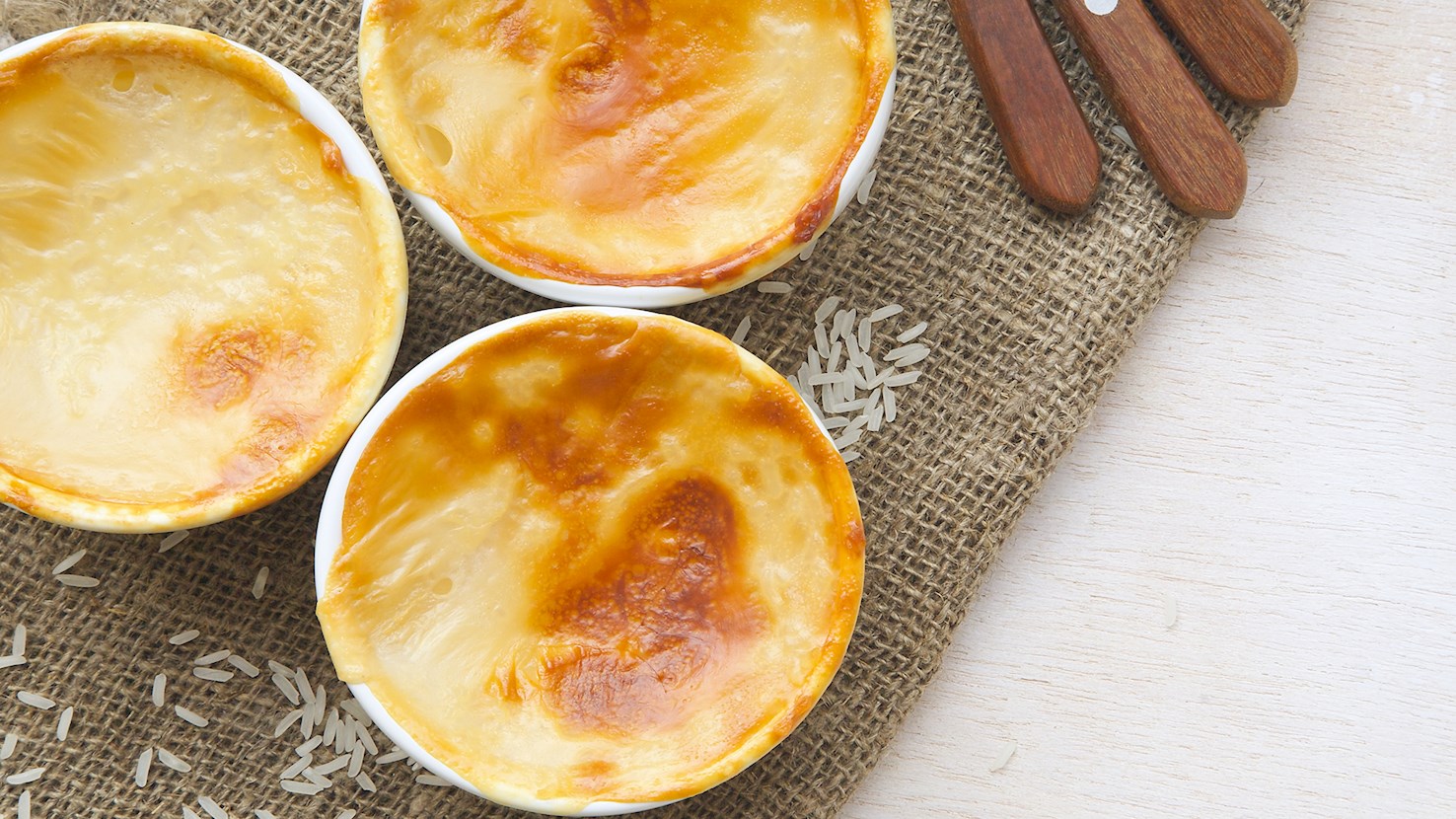
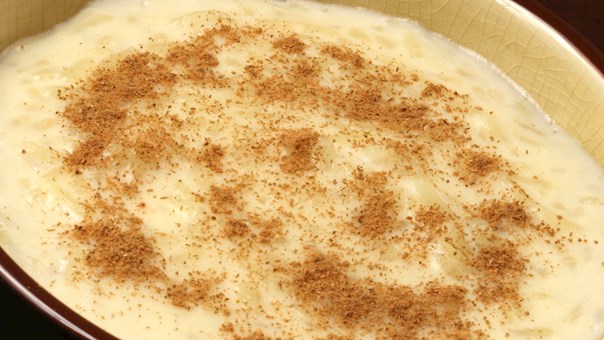
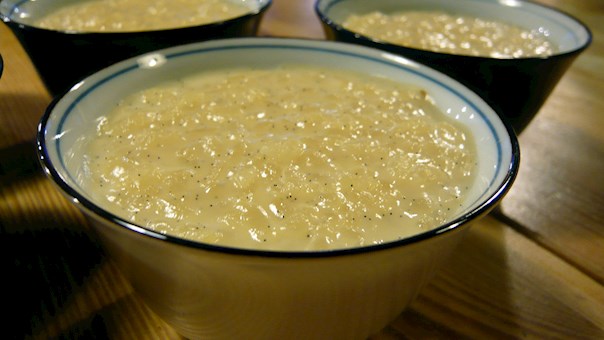
This Turkish oven-baked rice pudding is made with water, milk, sugar, rice, and rice flour. It is a simple, light dessert that is said to have origins in the Ottoman cuisine. Although it has been traditionally flavored with rose water, the modern versions often incorporate vanilla as a flavoring. After cooking, fırın sütlaç is browned in a salamander broiler, and it is usually topped with either ground cinnamon or chopped hazelnuts before serving.
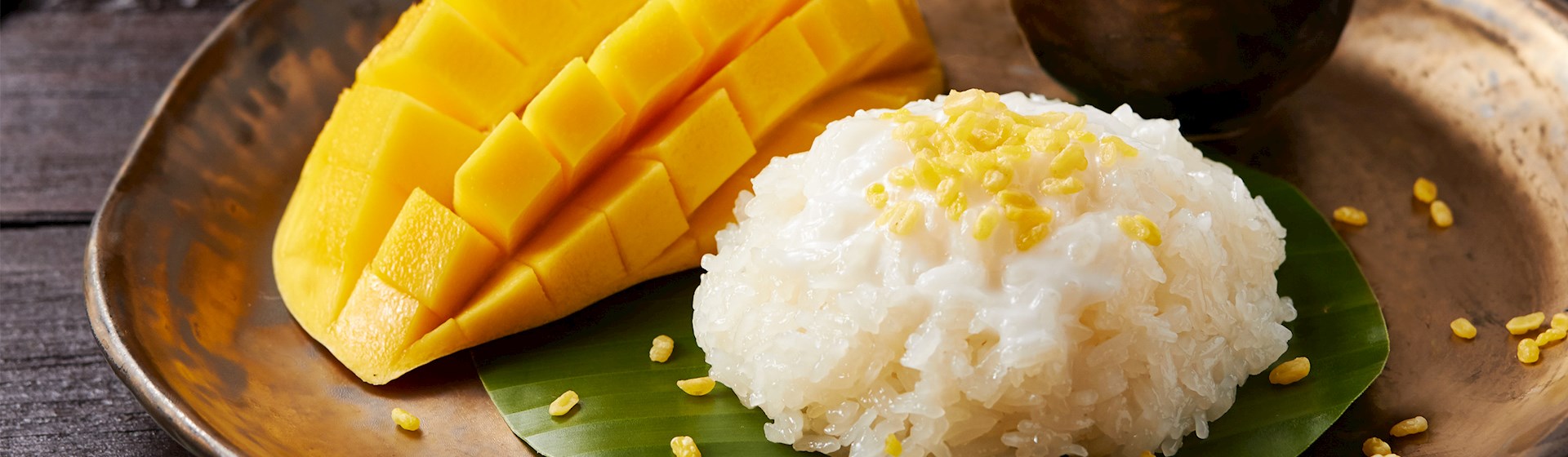
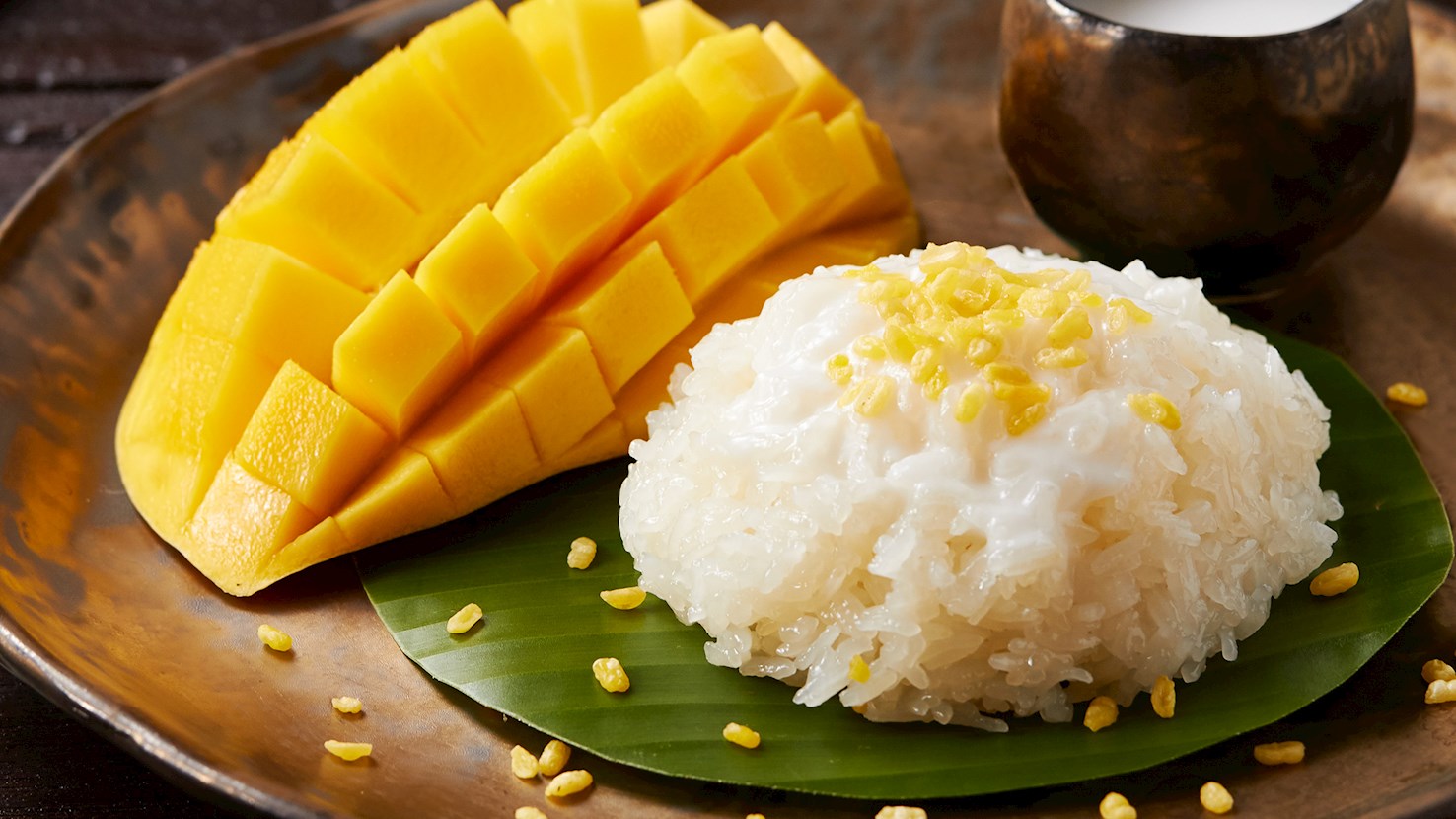
This traditional Thai rice pudding is a favorite way to finish any Thai meal. The dish is prepared with glutinous rice that is first steamed, then doused in sweetened coconut milk. Lastly, the rice is served sided with slices of fresh mango. This simple dessert is incredibly popular, and it can be found at virtually any eatery in Thailand.
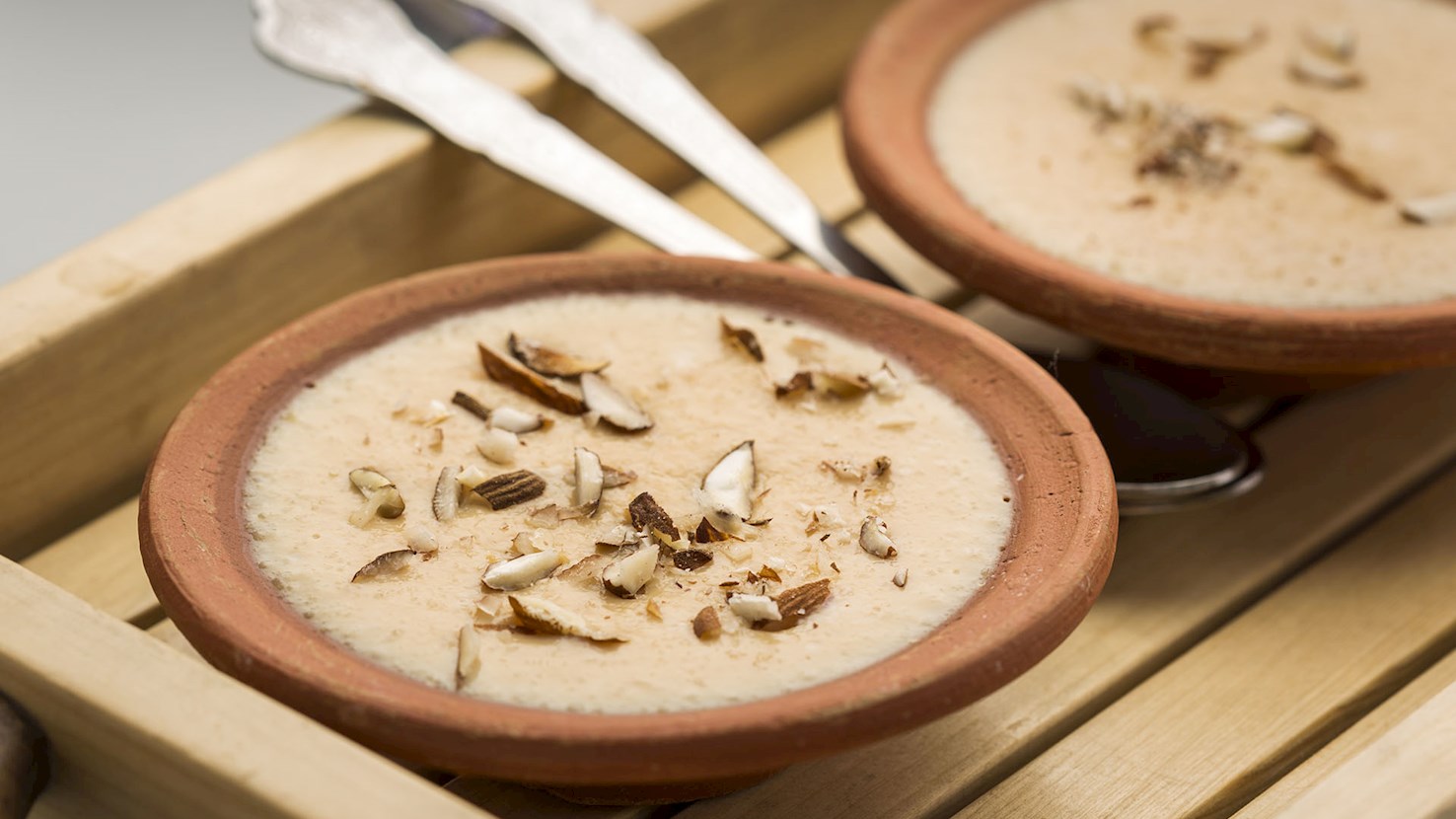
Phirni is a dessert made with ground rice that's cooked in milk and flavored with almonds, saffron, and cardamom. A favorite in North India, it is most often prepared for special occasions or festivals such as Diwali and Karwa Chauth. Traditionally served in small clay bowls known as shikoras, phirni is always eaten well-chilled and garnished with nuts, rose petals, and often with silver paper or chandi warq to make it even more luxurious.
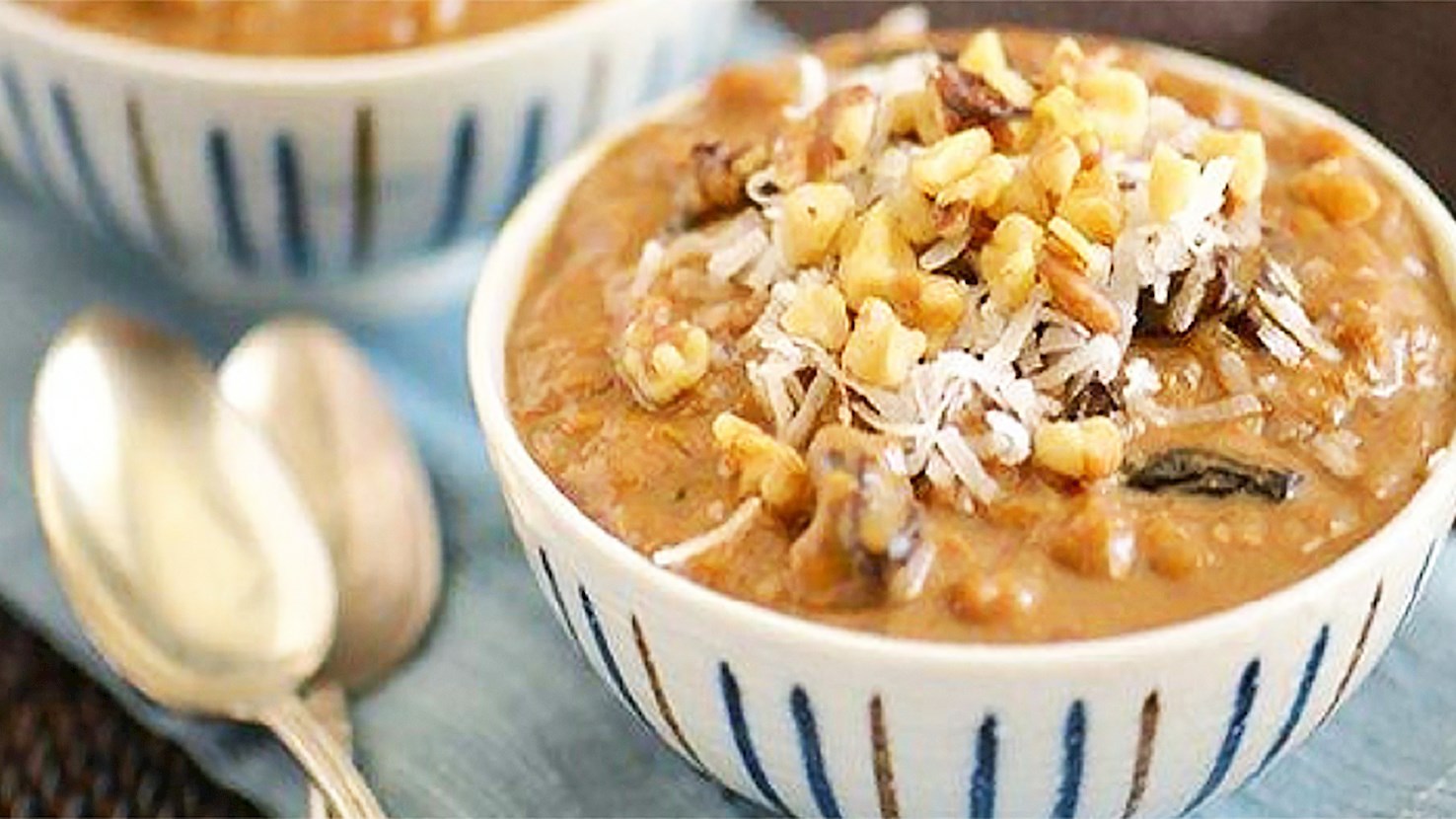
Arroz zambito is a Peruvian take on rice pudding. It is traditionally sweetened with unrefined sugar and flavored with raisins, aniseed, and coconut. This dessert is said to have originated in the 1800s, and it was originally made with water, but over time, cooks started to add milk to give arroz zambito a creamier texture. In Peru, arroz zambito is often consumed after anticuchos – popular and inexpensive meat dishes. It is recommended to garnish arroz zambito with toasted pecans, then serve it at room temperature.
Traditionally prepared and enjoyed during Christmastime, the creamy risalamande is an uplifted, lighter version of the classic Danish rice pudding. While the already flavorful plain pudding is enjoyed on Christmas Eve, on the following day it is typically blended with whipped cream and almonds, then well chilled and served topped with a thick cherry sauce. Ancient tradition suggests that one whole almond is placed inside the pudding, and whoever finds it earns a symbolic prize. Even though risalamande first appeared in the late 19th century, today it represents a valuable part of Danish Christmas tradition. In Norway, the dessert is known as riskrem.
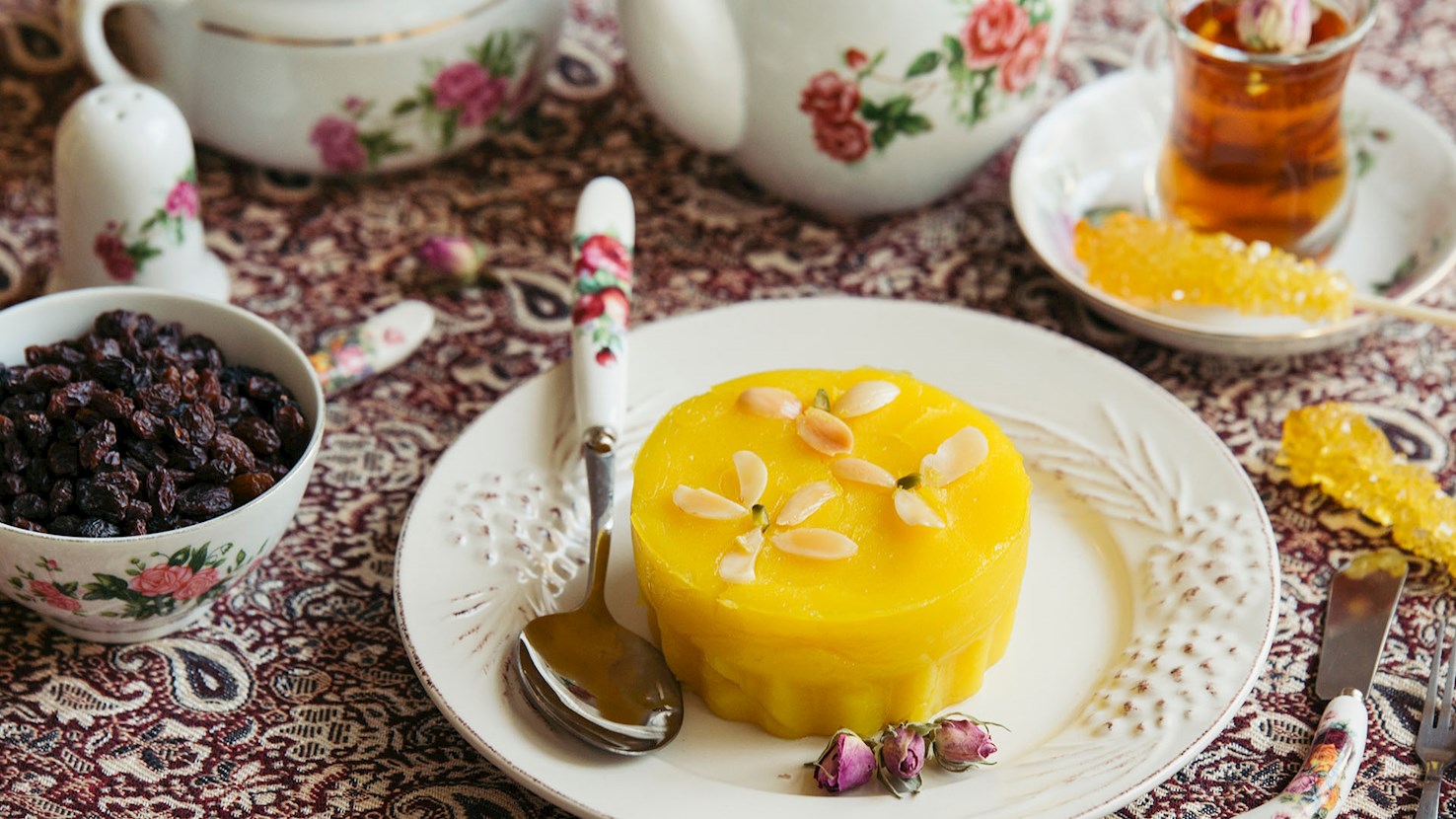
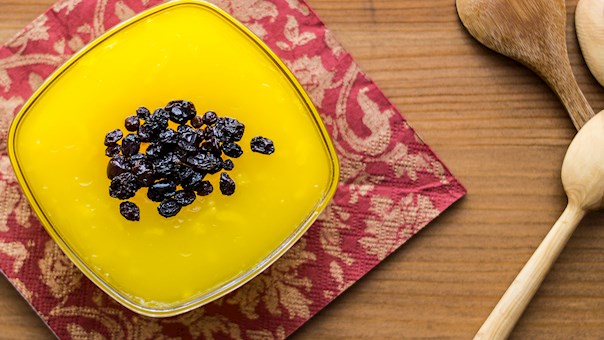
Sholeh zard is a Persian rice pudding known for its vivid golden color and aromatic combination of saffron, rosewater, and cardamom. This dessert is closely associated with Iran, where it is often prepared for special occasions, religious ceremonies, and gatherings that bring families and communities together. The name translates to “yellow flame,” a reference to the bright hue imparted by saffron, which is considered the most prized spice in Persian cuisine. Preparation begins with soaking and slowly simmering rice until it becomes very soft and almost disintegrates into a creamy base. Sugar is added to sweeten the mixture, along with generous amounts of saffron dissolved in hot water, creating a striking yellow color and a distinctive aroma. Rosewater is stirred in near the end of cooking, lending the pudding its floral note, while cardamom brings a gentle warmth. The texture is smooth and thick, somewhere between a custard and a porridge. When the pudding reaches the desired consistency, it is poured into shallow bowls or large serving dishes to set. The surface is traditionally decorated with intricate designs made from ground cinnamon, slivered almonds, and pistachios. These patterns can range from simple lines to elaborate calligraphy and motifs, depending on the occasion and the skill of the cook. Sholeh zard is served chilled or at room temperature, typically alongside tea or other sweets. Although rice puddings are common across the Middle East and South Asia, the Persian version is defined by its use of saffron and rosewater, both ingredients that have a long history in Iranian culinary and cultural traditions. In many households, sholeh zard is prepared to mark commemorations and distributed to neighbors and the needy as part of charitable customs.
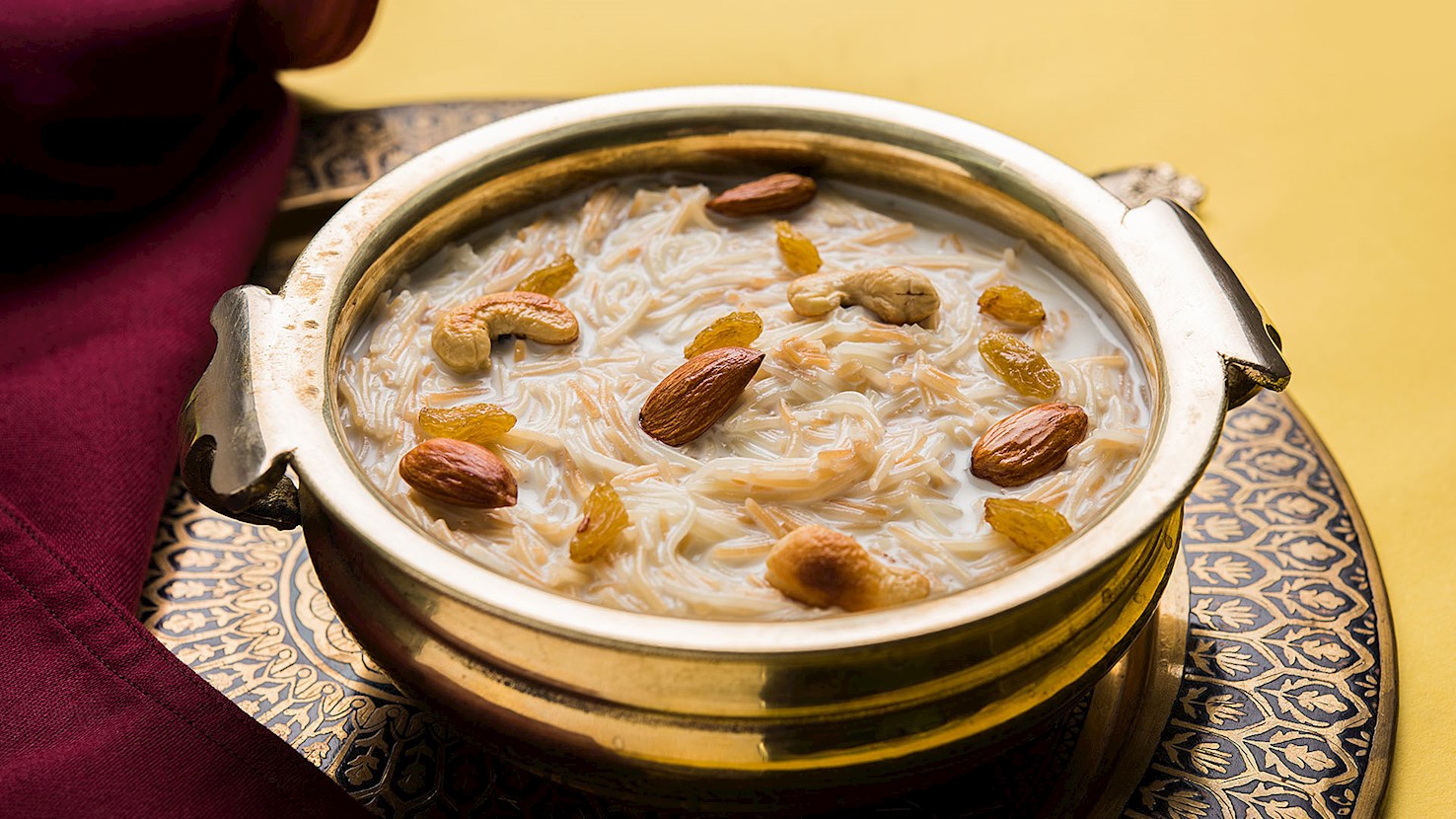
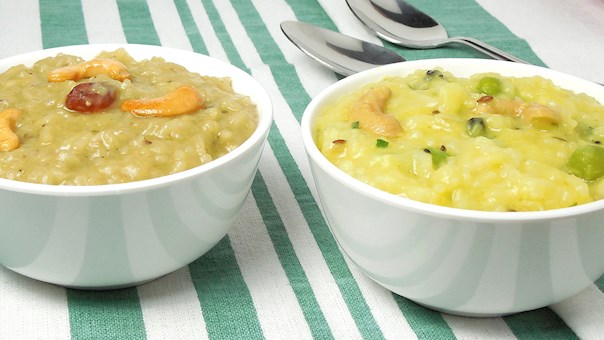
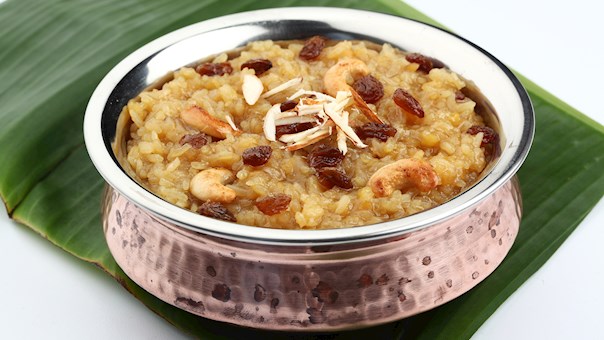
Kheer or payasam is an ancient Indian dessert, a creamy rice pudding that is made in several versions across the country. It is a common dish at numerous Indian ceremonies, festivals, and celebrations, although it can be consumed any time of year. Kheer is made by boiling rice, wheat, or tapioca with milk and sugar, and it can be additionally flavored with dried fruits, nuts, cardamom, and saffron. It is believed that the dessert originated 2000 years ago in the Lord Jagannath Temple in Orissa. Originally, it was prepared as an offering to the gods, a practice that spread to other Hindi temples where the recipe was slightly changed. Today, it is said that a wedding is not fully blessed if kheer is not served at the wedding celebration, and the tradition is still being practiced by the newlyweds.
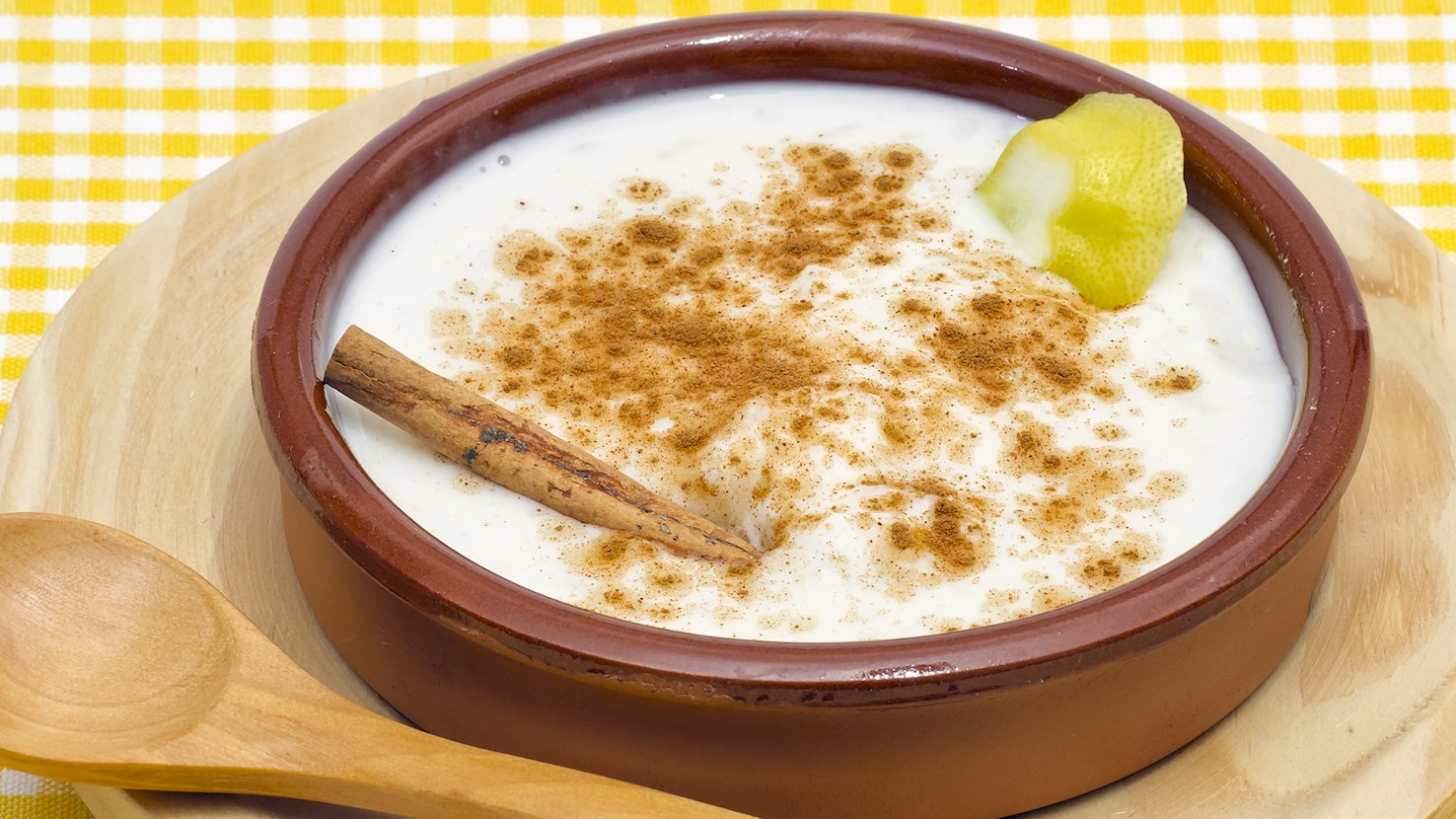
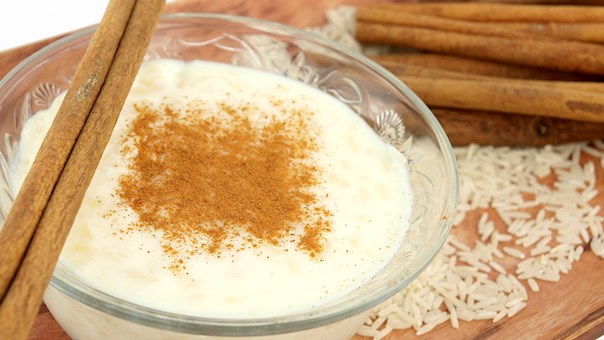
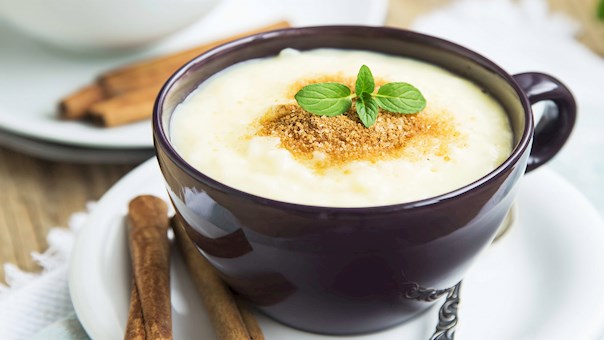
Arroz con leche is a flavorful dessert with a long history, dating back to the period when Spain was under the Moorish influence. Today, this rice pudding is popular in Spain (especially in the North) and throughout Latin America, always consisting of a few key ingredients: cooked rice, milk, sugar, cinnamon sticks for flavoring, and either lemon or orange peel. Some are baked in the oven, while the others are made on the stovetop. The dessert can be served warm or cold, and it is recommended to garnish it with some ground cinnamon on top.
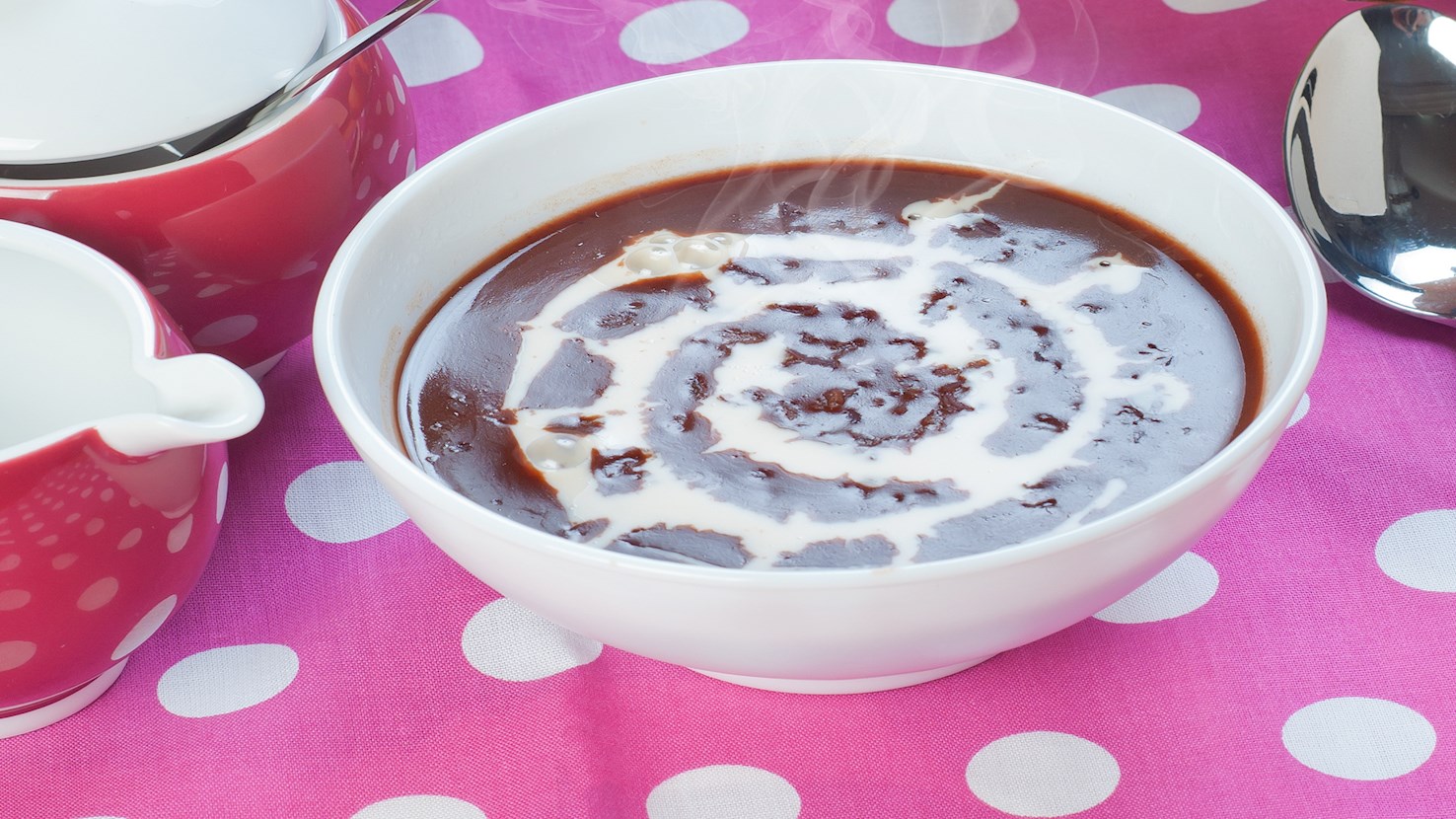
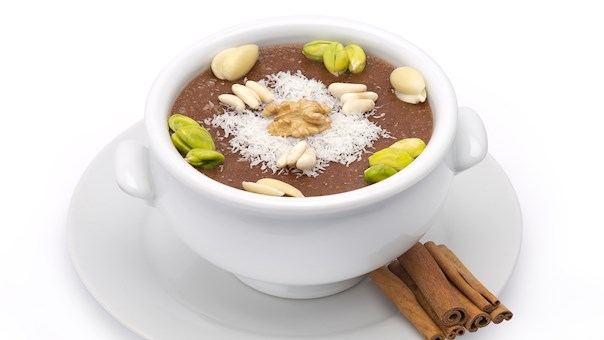
Champorado is a thick Filipino rice pudding. Originally prepared with chocolate, nowadays it is usually made with cooked glutinous rice blended with sugar and cocoa powder. The origins of the dish derive from a Mexican chocolate-based drink known as champurrado, which was introduced during the colonial period. Usually enjoyed as a hearty breakfast or a sweet afternoon snack, Filipino champorado can be served hot or cold, drizzled with condensed milk, or accompanied by salted dry fish.
Danish risengrød is a luscious and sweet rice pudding, an ancient dessert considered a luxurious and rare treat that is reserved for Christmas. It consists of short-grained rice cooked in a mixture of milk and water, with the addition of salt, and, occasionally, vanilla essence. The rice is vigorously stirred until the dish turns into a thick and creamy pudding. The essential addition to a bowl of warm risengrød is a sprinkle of cinnamon sugar on top and a dollop of butter. Cinnamon, sugar, and butter uplift this simple dish and transform it into a fragrant and satisfying treat. Traditionally, this Danish classic is associated with Christmas, when large portions are usually made and enjoyed on Christmas Eve. The leftovers are usually used for another Danish delicacy, risalamande, usually eaten on the days following Christmas. The ancient Danish folk tale claims that risengrød is the favorite dish of a mythological creature known as nisse, the Scandinavian version of the Christmas elf. Nisse is usually described as a short figure with a long beard who lives in the house and acts as a guardian, but also as the one who excites mischief. Since this traditional rice pudding is its favorite treat, a plate of risengrød is usually left exclusively for him, to keep him happy, satisfied, and away from trouble. Similar varieties of this festive dish can also be found in other Nordic countries, such as Sweden, Finland, Norway, and Iceland.
TasteAtlas food rankings are based on the ratings of the TasteAtlas audience, with a series of mechanisms that recognize real users and that ignore bot,
nationalist or local patriotic ratings, and give additional value to the ratings of users that the system recognizes as knowledgeable.
For the “Top 32 Rice Puddings in the World” list until September 15, 2026, 2,625 ratings were recorded, of which 1,674 were recognized by the system as legitimate.
TasteAtlas Rankings should not be seen as the final global conclusion about food. Their purpose is to promote excellent local foods,
instill pride in traditional dishes, and arouse curiosity about dishes you haven’t tried.









What People Say