Brem is a traditional Indonesian fermented rice wine originating from Bali and Java. It is made from glutinous rice that is fermented using a special yeast culture called ragi tape. The fermentation process converts the rice starches into sugar and then into alcohol, resulting in a sweet, slightly tangy alcoholic beverage. There are two main types of brem: liquid brem from Bali, which is a reddish or white rice wine with an alcohol content of around 5-14% ABV, and solid brem from Java, which is a fermented rice cake that is dried and eaten as a snack with a sweet and slightly sour taste. In Balinese culture, brem is considered a sacred offering in Hindu rituals, especially in temple ceremonies, and is believed to be a gift to the gods and spirits, playing an essential role in religious traditions. It has a unique sweet, fruity, and slightly sour flavor due to the fermentation process and is often enjoyed as a dessert wine, served chilled, or used as an ingredient in traditional Balinese cooking. Brem is similar to sake from Japan and tapuy from the Philippines but tends to be sweeter and less strong than distilled rice spirits like rượu đé from Vietnam or lao-lao from Laos.
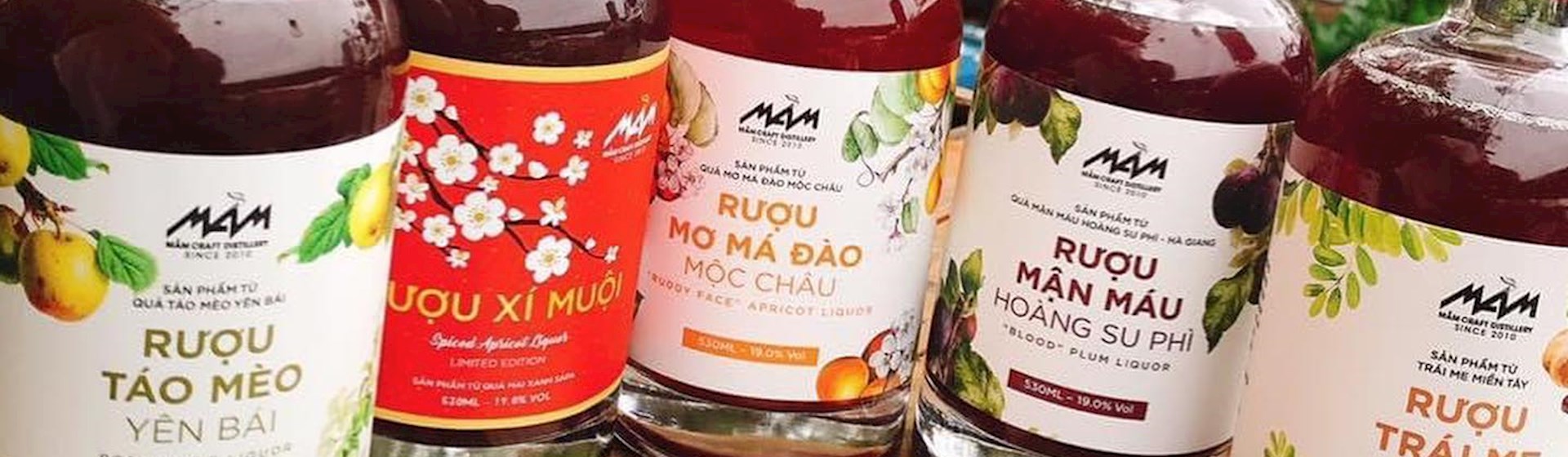
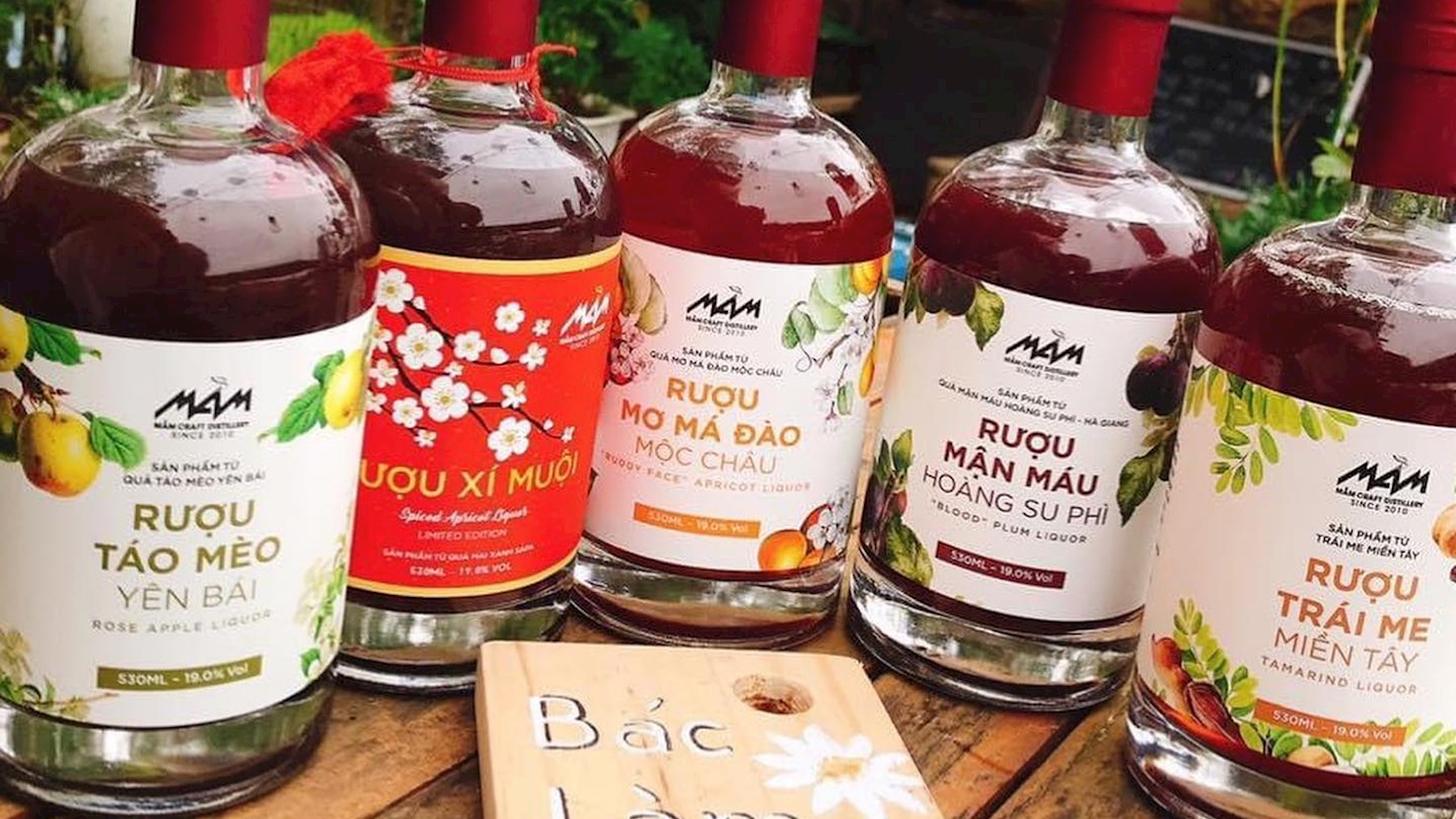
Táo mèo is a type of a liqueur that is traditionally associated with Sapa and the H'Mong ethnic group. It is made from the eponymous wild apples (Docynia indica) that are harvested and then soaked and fermented in water before they are macerated in rice wine (rượu), usually for several months. Optionally, it can also be made with sliced and dried apples. The beverage has an amber color and a subtly sweet flavor, while the aromas are reminiscent of apples and caramel. This traditional drink is often promoted for its numerous health benefits. It is still traditionally produced on a small scale in rural areas, though some bottled versions are available.
Sato is a type of Thai rice wine made from sticky (glutinous) rice. The drink originates from Northeast Thailand (Isan), and it was initially enjoyed as a ceremonial beverage that was traditionally enjoyed on special occasions. It is made with steamed rice and a starter locally known as lukpaeng, consisting of rice starch, yeast, and a mix of herbs and spices. The ingredients are fermented for several weeks before the drink is filtered and is then ready for consumption. This rice wine typically has a short shelf life, and though the best examples are traditionally home-brewed, some commercial varieties are also available. Sato is an easy-drinking beverage, with an alcohol content that typically falls below 15% ABV. Traditionally, it is served at room temperature in a large communal bowl, allowing people to take individual amounts with a glass or small drinking bowls. It can also be served chilled or over ice.
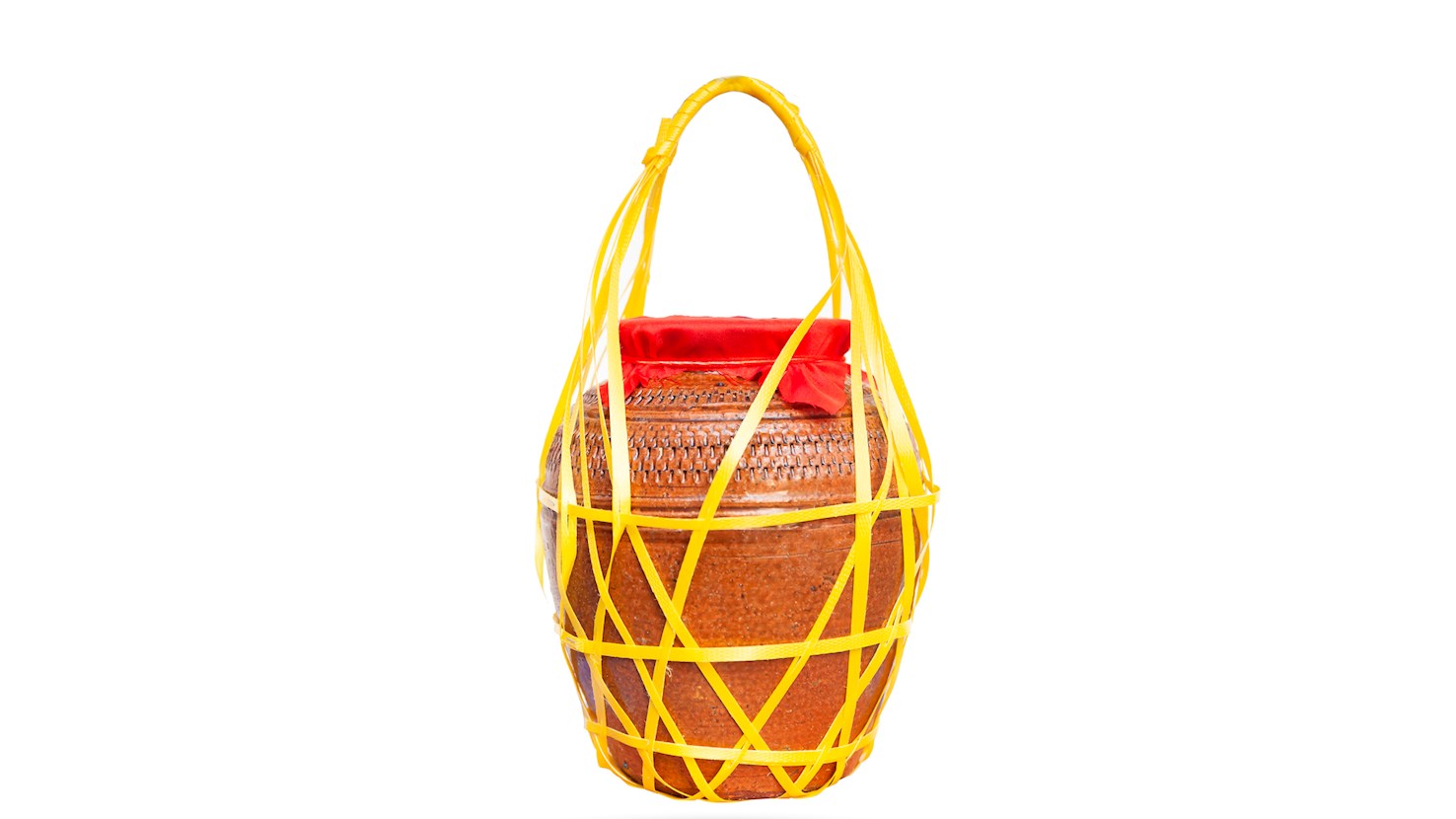
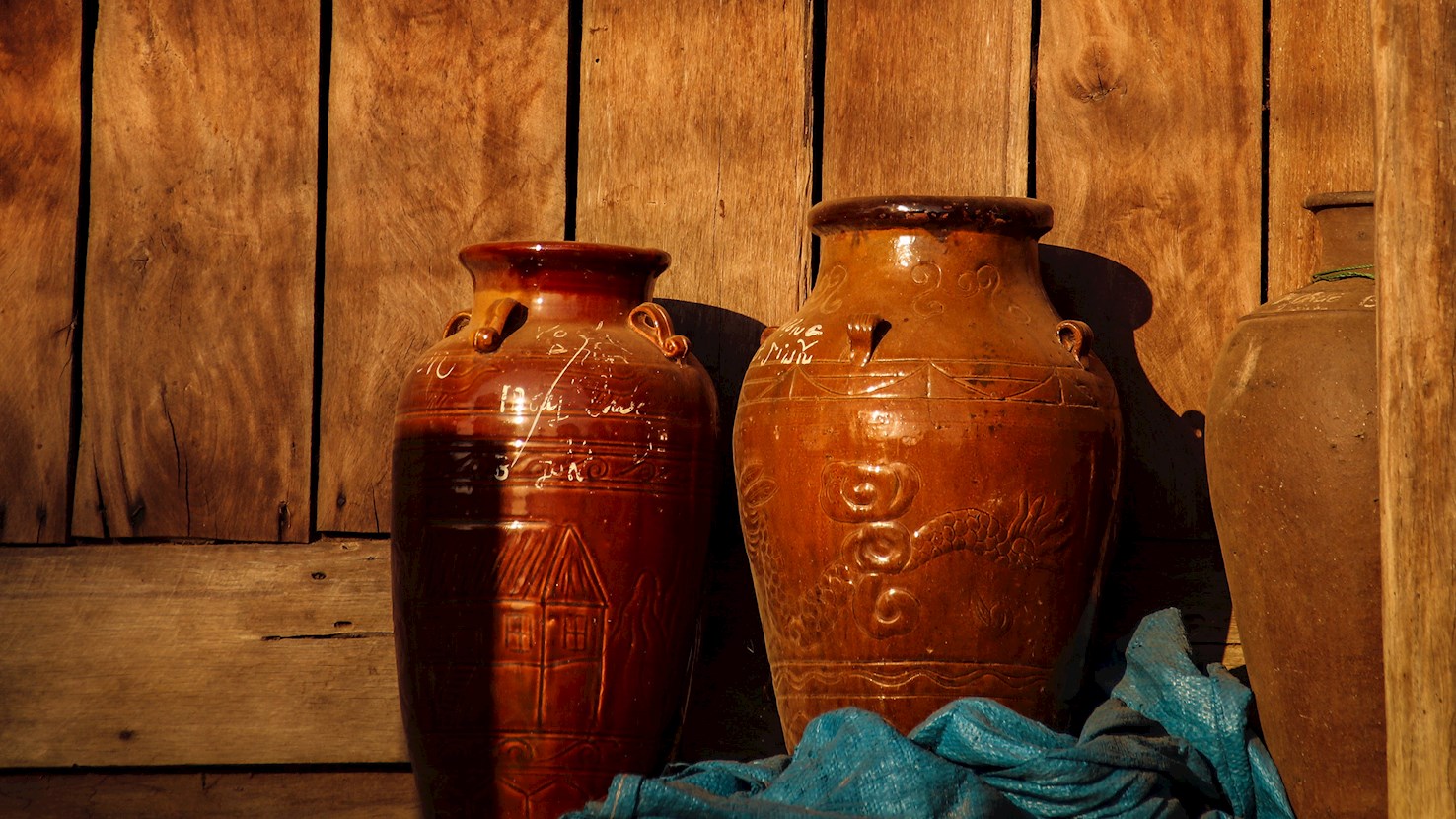
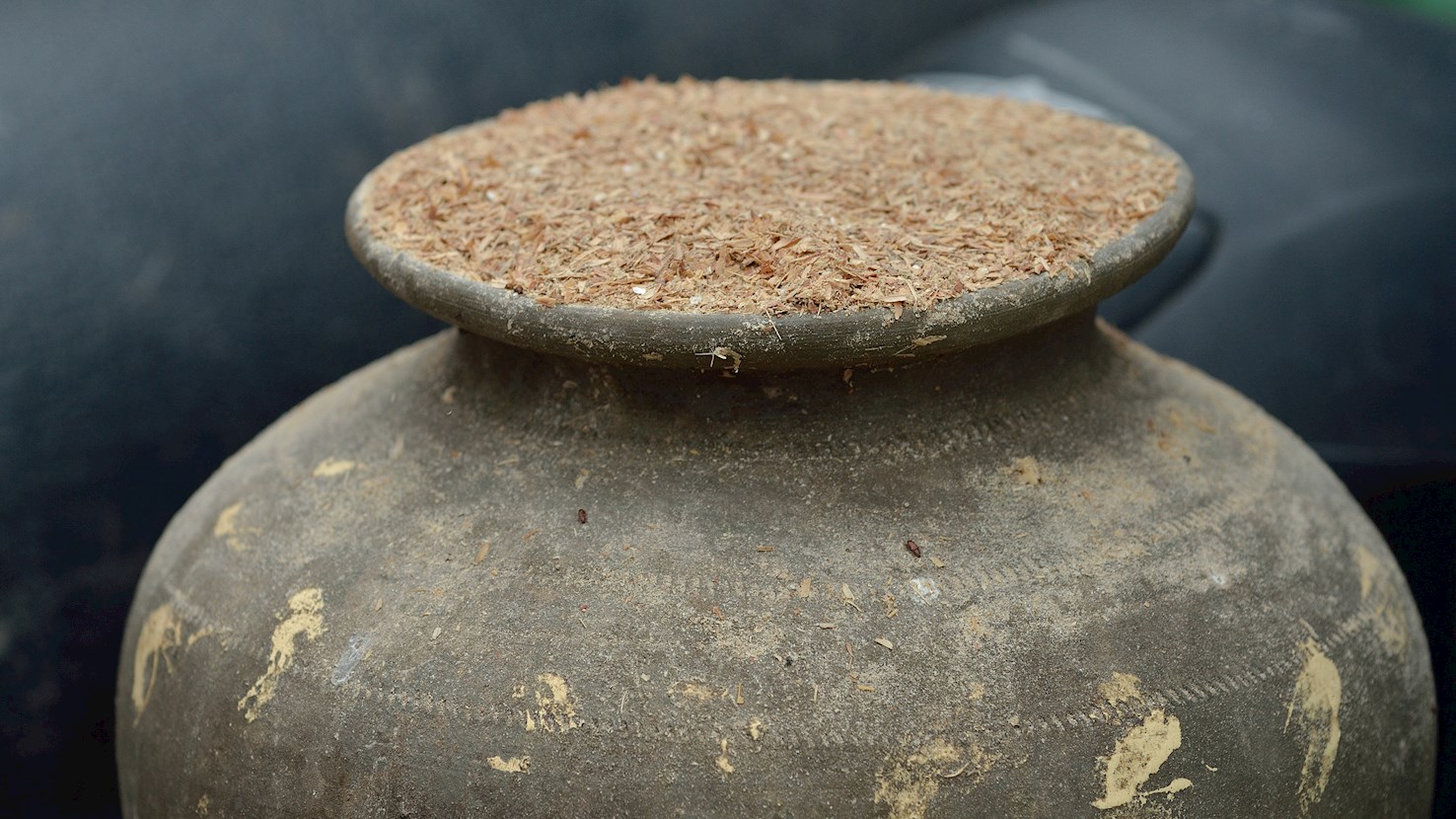
Rượu cần is a variety of Vietnamese rice wine that is usually made with glutinous (sticky) rice, though plain rice, millet, or cassava can also be used as a base. Unlike similar varieties, this type is not distilled, and the rice is usually combined with various herbs, spices, and roots before it is left to ferment for several weeks. The process is traditionally done in large earthenware pots, which are covered with banana leaves. Rượu cần holds ceremonial value in Vietnam, and it is mostly enjoyed during ceremonies and festivities. The pot is usually placed in the center, and the wine is slowly sipped with the help of long bamboo straws. Since this wine is usually associated with ethnic minorities, the final flavor can significantly vary, and it is heavily influenced by the choice of added botanicals and the exact technique of production. Rượu cần is usually found in rural areas of Vietnam.
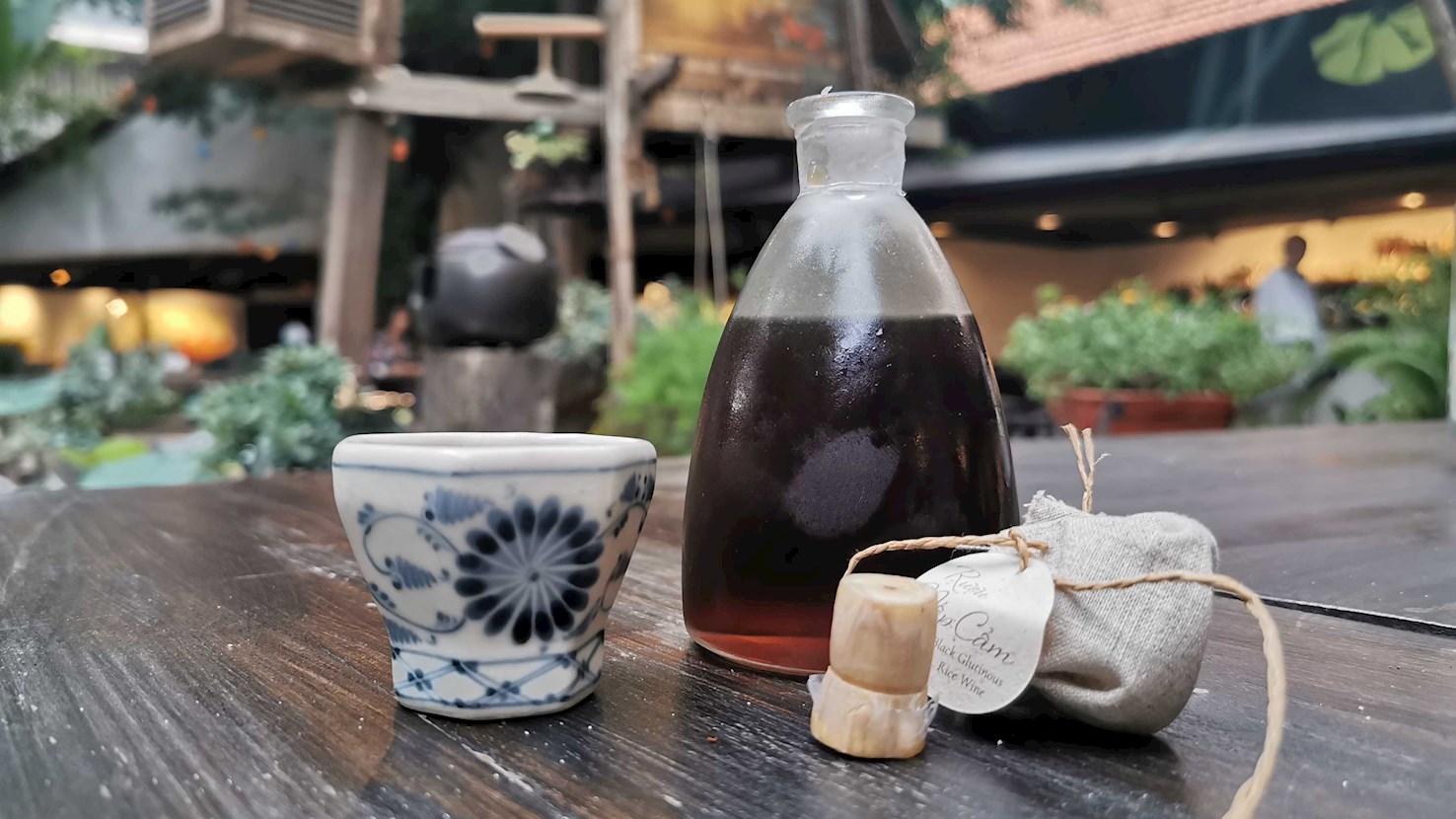
Rượu nếp cẩm is a variety of Vietnamese fermented rice wine. It is made with black rice (gạo nếp cẩm), which attains a distinctive deep purple hue. When the rice is cooked or soaked, it is combined with yeast, and it is then left to ferment. It is also sometimes fortified with the addition of clear rice wine. The resulting beverage is purple in color, and it can be slightly hazy. There are several bottled versions of the drink, but this unique rice wine is also commonly made at home.
Lao hai is a fermented rice wine that originated among the ethnic minorities. It is produced in large earthenware jars by fermenting glutinous (sticky) rice and a herbal starter. The resulting beverage is cloudy, subtly sweet, and usually has a low alcohol content. Lao hai is traditionally enjoyed as a communal drink—the jars in which the wine was fermented are topped with water, and the wine is sipped through thin bamboo straws. It is usually enjoyed on special occasions and is often offered to guests.
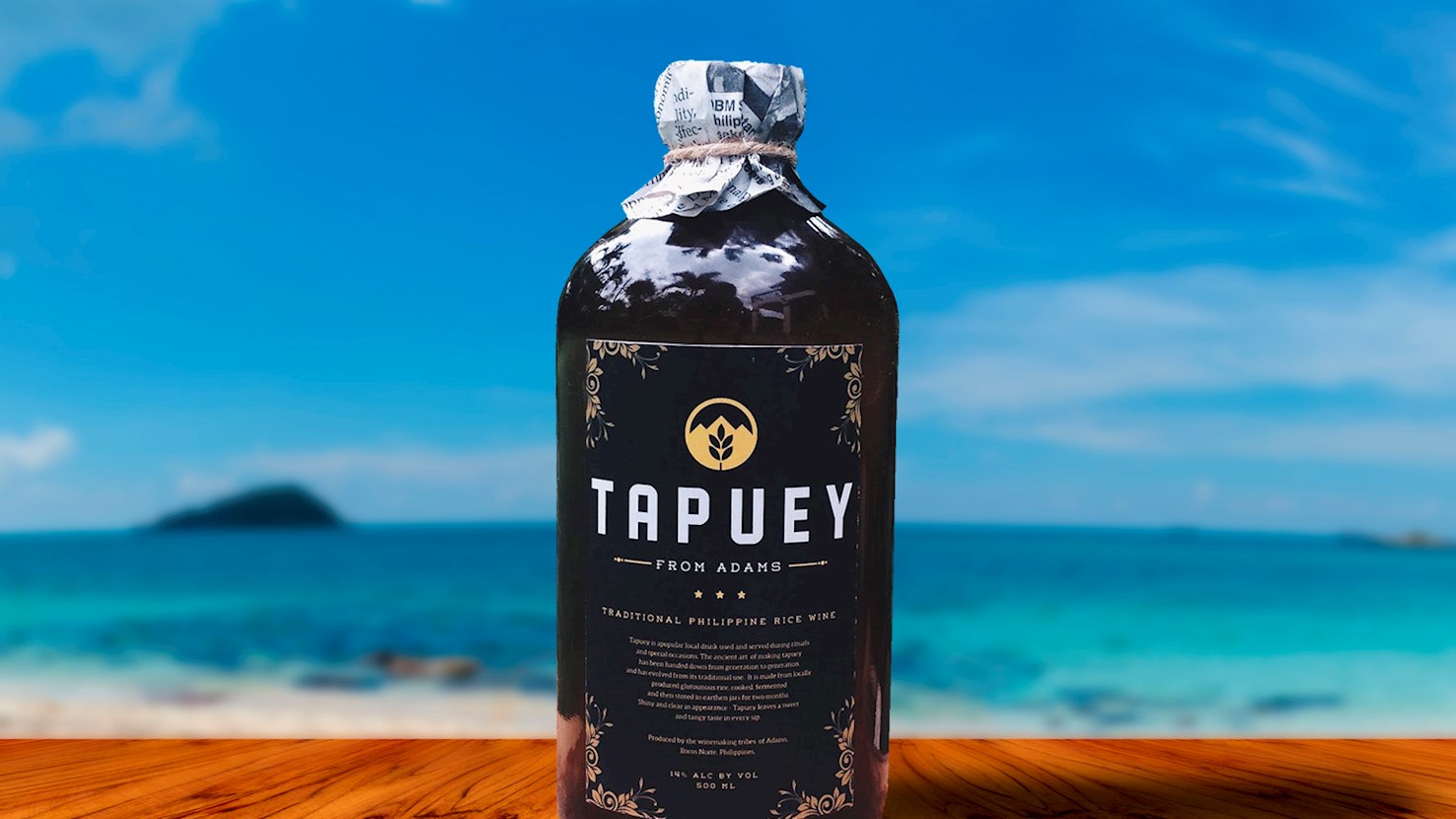
Tapuy is a variety of rice wine that hails from the Philippines. The drink is made from glutinous rice that is fermented with a local starter culture known as bubod. The combination can be left to ferment for several days, but it is best to ferment and age it for several months, preferably in traditional clay jars. Tapuy is never diluted or sweetened, and it can be enjoyed warm or chilled, but it also works well in cocktails or as an ingredient in marinades and sauces. It has a long history among the mountain tribes in the Cordilleras, where it is often served as a ceremonial wine.
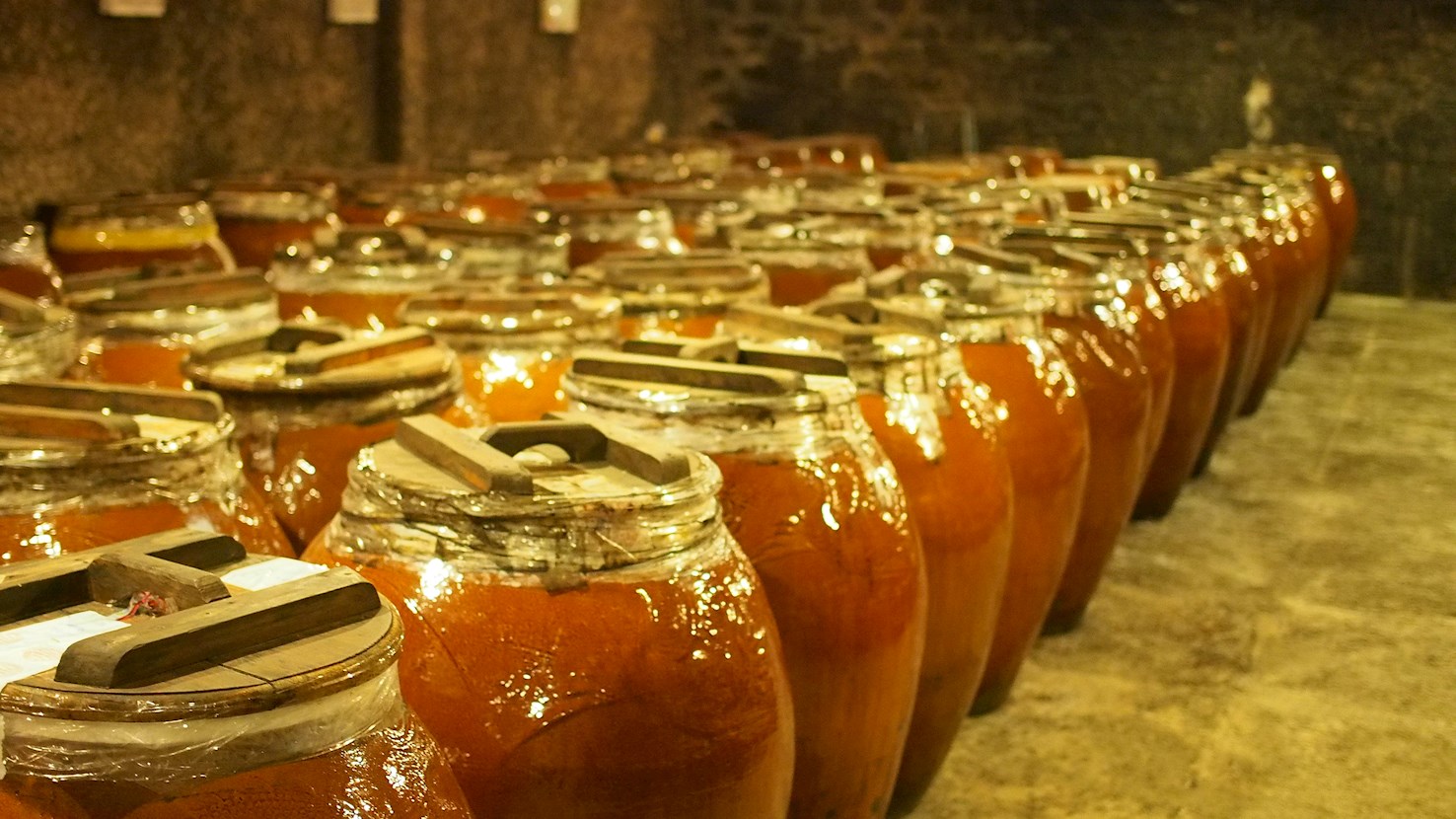
Vietnamese rice wine is known under various names, but it is usually, and somewhat mistakenly, referred to as rượu - a term that is also used for other alcoholic drinks. Two main types include rượu gạo or rượu đế, which is a distilled rice wine that is often infused with fruit, and rượu cần, a fermented variety that is usually made in clay pots and drank with straws. The latter is sometimes made with other base ingredients, and it is also commonly infused with herbs. Another popular option includes rượu thuốc, a distilled variety that is considered a medicine and which is often infused with plants, herbs, or whole animals. Rice wine in Vietnam is still predominantly made in home distilleries that are mostly located in rural parts, and while glutinous rice is the most common base, other types of rice are also used. There is no uniformed way how the wine is produced—resulting in a large number of varieties. However, the most common procedure involves combining cooked rice with yeast and then allowing the mixture to ferment. The type of rice, the combination of botanicals in the yeast, and unique local techniques all influence the final profile of Vietnamese rice wines. The best examples are clear, mellow, and usually quite potent. They appear under various names, and it is not uncommon to name them after a specific region or a place where they are produced.
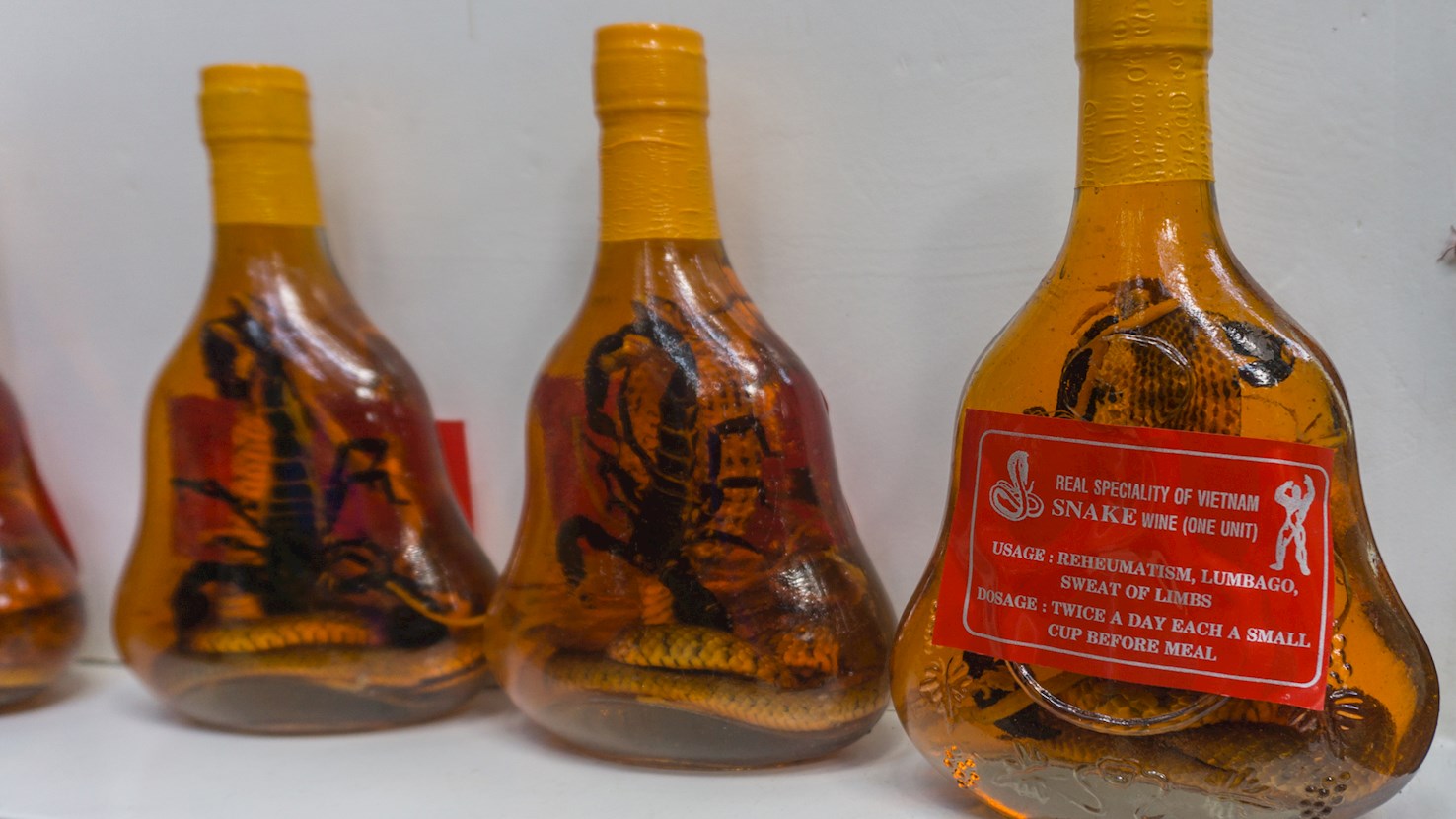
Rượu thuốc is a type of Vietnamese rice wine that is mostly considered as a medicinal beverage used to soothe various types of alignments. The drink is usually made with different ingredients that are infused in distilled rice wine. Typically, herbs, plants, and various animals such as snakes, frogs, geckos, and scorpions are used. The wine can only incorporate one animal or a plant, or a combination of several species. The variations are virtually endless, and some may even include starfish, seahorses, and animal organs. The ingredients can be infused for several days, though longer aging is considered better. Like other types of Vietnamese wine, rượu thuốc is also usually made in home distilleries.
Tuak is a traditional rice wine commonly found in Malaysia, Indonesia, and the Philippines, particularly among indigenous communities in Sarawak, Sabah, Sumatra, and the Visayas. It is made by fermenting glutinous rice with water and natural yeast or ragi (a fermentation starter). The fermentation process produces a mildly alcoholic beverage with a sweet, slightly tangy taste, similar to sake or other rice wines. In Sarawak, Malaysia, tuak is an essential part of Iban and Bidayuh culture and is often served during the Gawai Dayak festival and other communal celebrations. In Indonesia, particularly in Bali and Sumatra, tuak can also refer to palm wine made from the sap of palm trees instead of rice. In the Philippines, tuak is sometimes associated with "tapuy" or "bahal", which are traditional fermented rice drinks. Tuak varies in alcohol content depending on the fermentation period. Fresh tuak is usually mild, around 3-8% ABV, but when aged or further processed, it can become stronger. It is often homemade and consumed in social settings, symbolizing hospitality, friendship, and celebration in many indigenous communities.
TasteAtlas food rankings are based on the ratings of the TasteAtlas audience, with a series of mechanisms that recognize real users and that ignore bot,
nationalist or local patriotic ratings, and give additional value to the ratings of users that the system recognizes as knowledgeable.
TasteAtlas Rankings should not be seen as the final global conclusion about food. Their purpose is to promote excellent local foods,
instill pride in traditional dishes, and arouse curiosity about dishes you haven’t tried.







What People Say