




shutterstock

Top 17 Asian Rindless Cheeses

Last updated on June 05, 2026
01

Tulum Peyniri

4.2 ·

Tulum peyniri is a Turkish cheese made primarely from goat's milk. It is primarily produced in the country's mountainous regions. The cheese is white in color, has a creamy texture, and its flavors range from mild and slightly sweet to strong and somewhat bitter. It is recommended to serve it drizzled with olive oil and pair it with fruit, figs, olives, and fresh vegetables.

02

Dil

4.1 ·

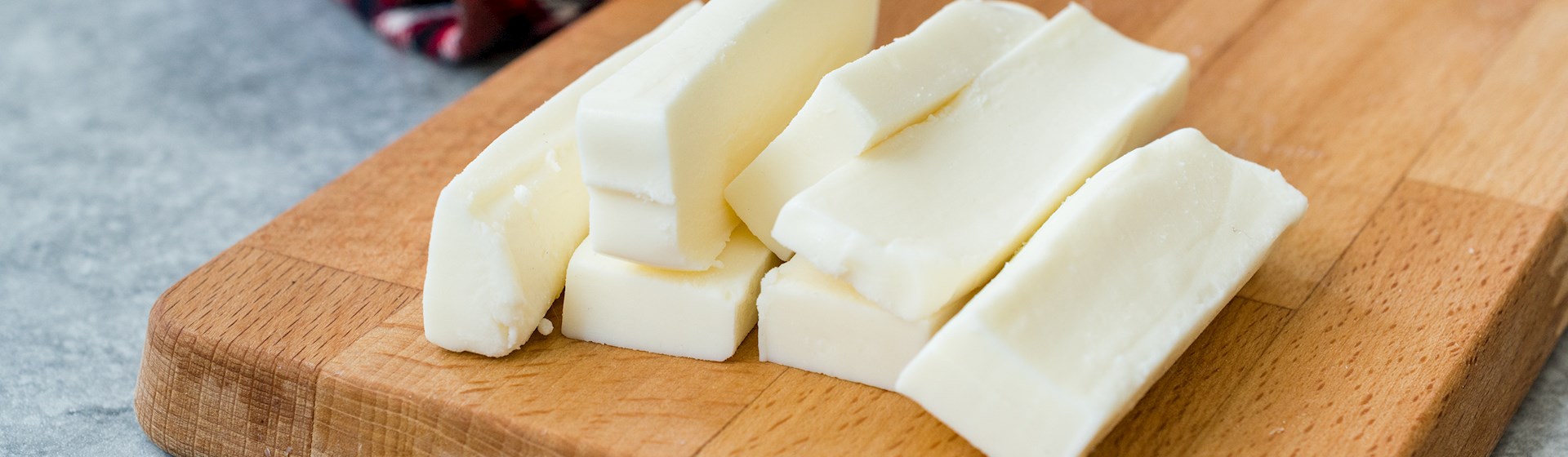
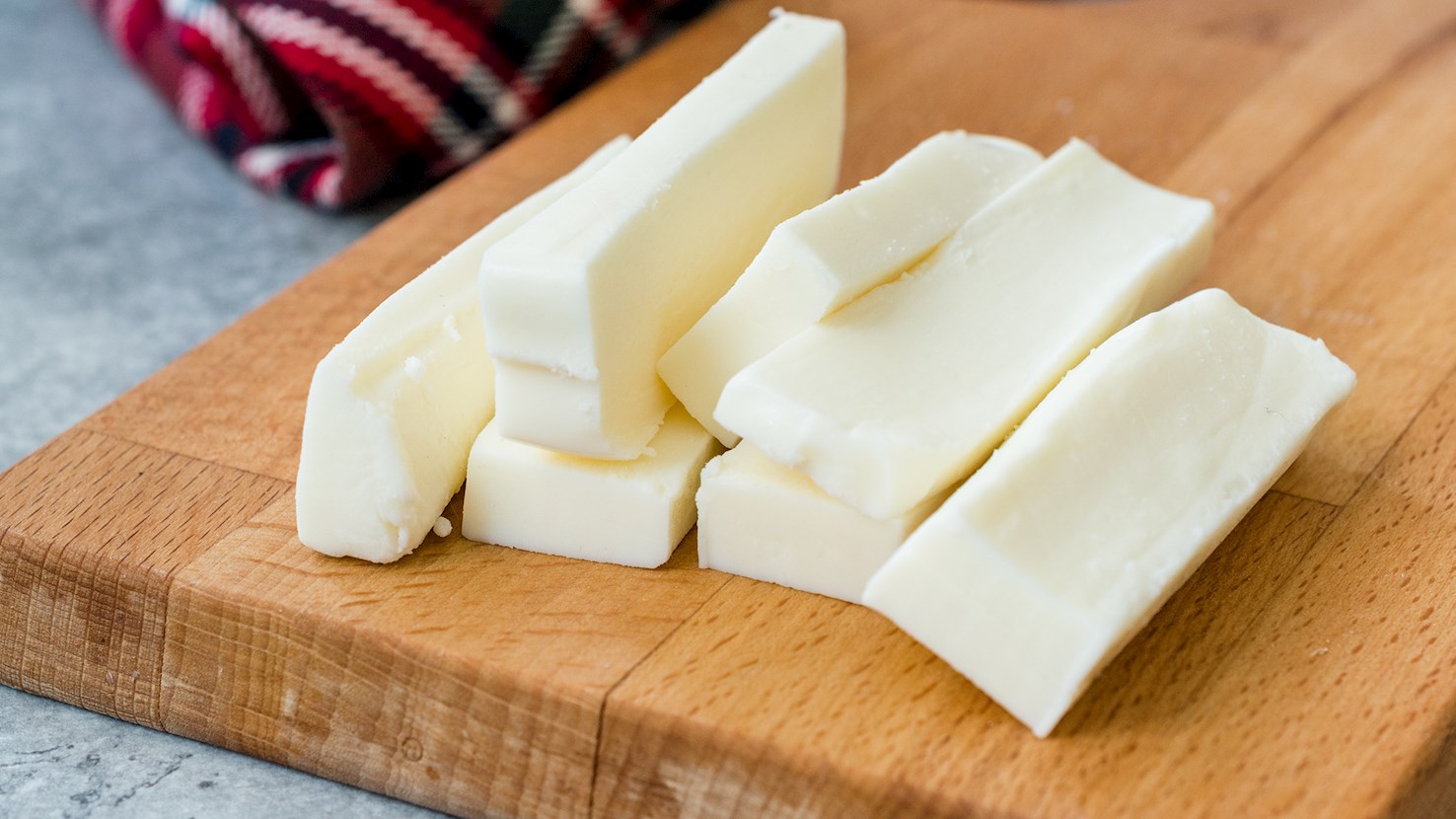
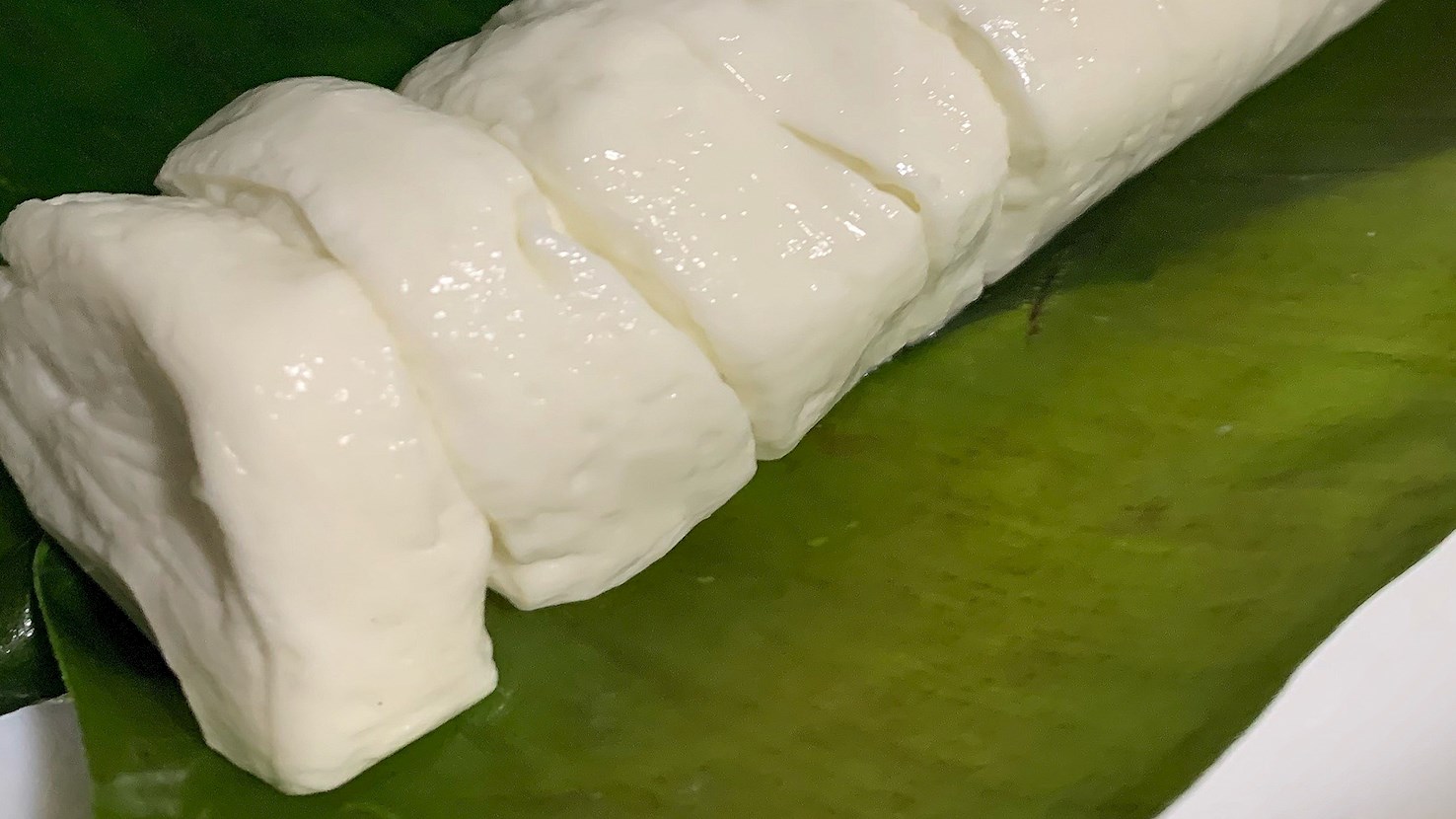
Dil is a traditional cheese made from cow's milk around the cities of Bilecik and Bursa. The cheese is fresh, white, and it has a stringy texture, similar to mozzarella. The texture becomes even more stringy when the cheese is melted, which is the reason why it's not often used on pizza in Türkiye (they usually use kasar cheese instead). The flavors are mild, milky, sweet, and slightly salty. Dil is typically sold in rectangular logs, but it can also be cut in chunks, when it looks similar to a tongue, which is actually the translation of dil (lit. tongue). Fresh dil is usually served for breakfast, and if it comes in a braided version, it's then called orgu (lit. braided) peyniri.

03

Beyaz Peynir

3.9 ·

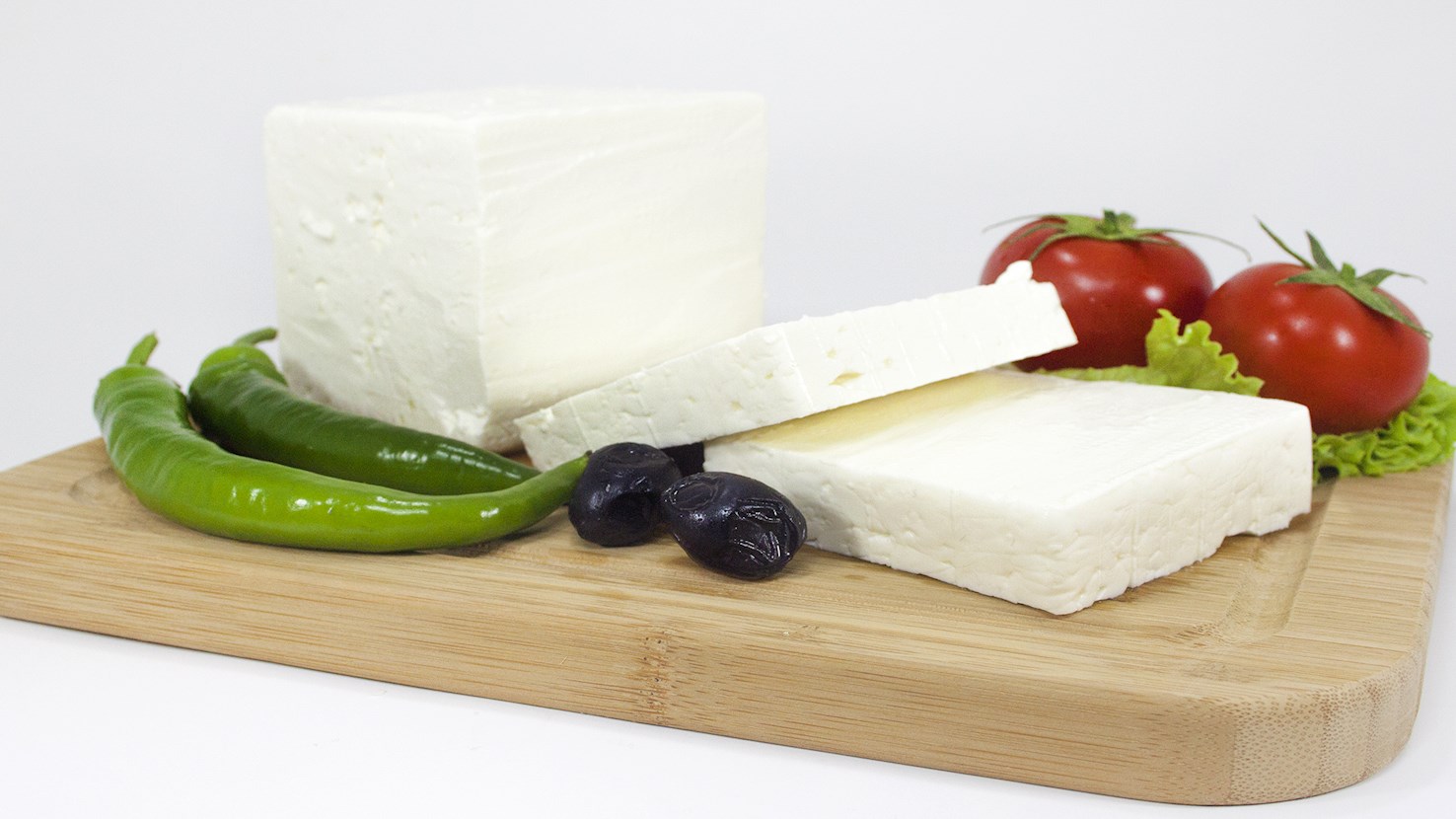
Beyaz peynir is a semi-soft Turkish cheese made from unpasteurized cow’s, sheep's, or goat’s milk. The cheese is pure white in color and does not have a rind. Similar to the Greek feta, beyaz peynir is usually stored in brine, often for more than six months. The flavor is tangy and the texture is crumbly. It is traditionally sold in slices or blocks, and can be used in pastries, salads, or a variety of Turkish dishes. The cheese is a breakfast staple in Turkey, and it is said that the best white cheeses come from the western provinces although beyaz peynir is produced throughout the country.

04

Chhena

3.9 ·

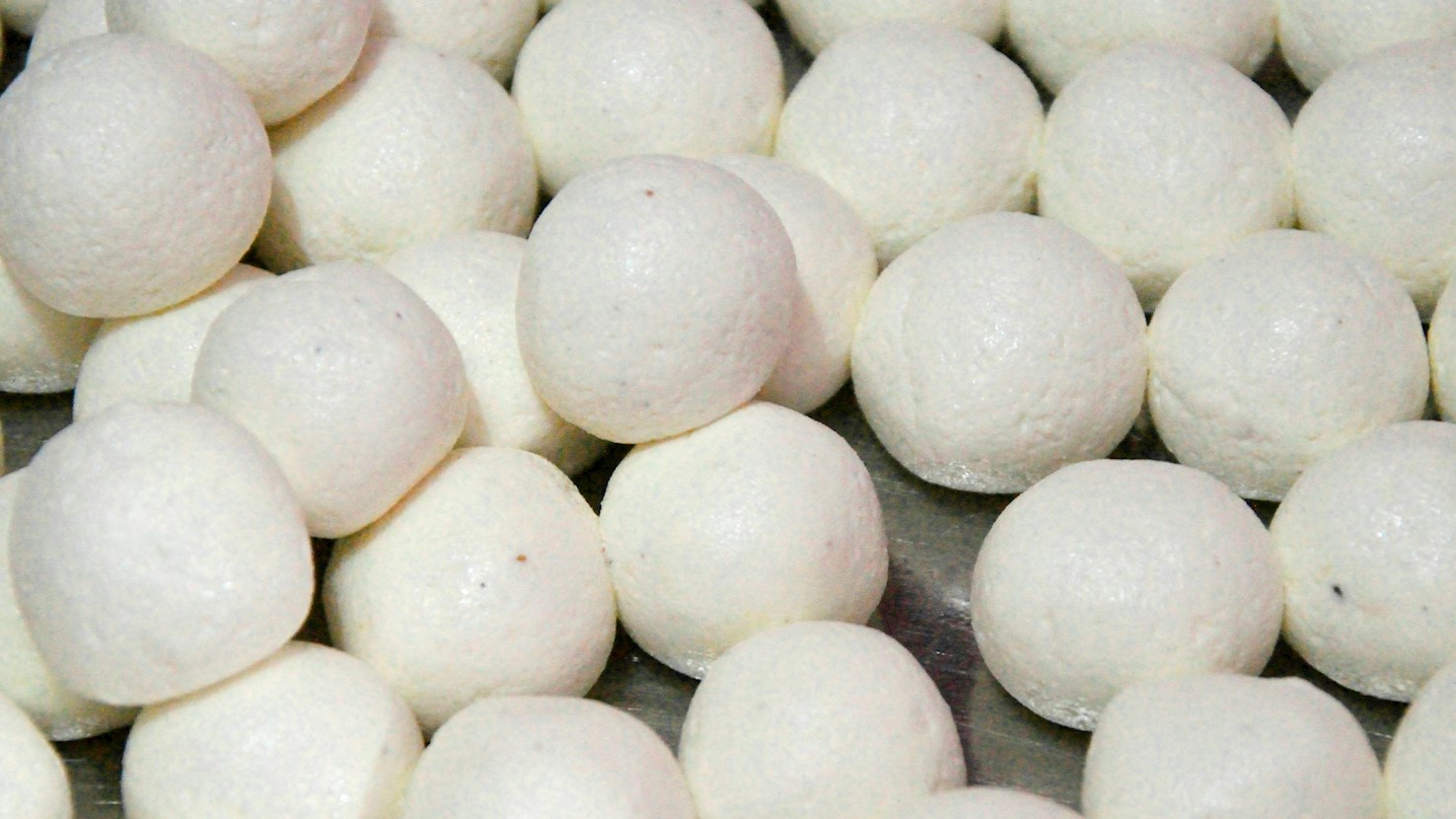
Chhena is a variety of paneer that is commonly consumed in Bangladesh and the Orissa region in India. Although similar to paneer, chhena is not pressed for a long time. This fresh curd cheese made from water buffalo’s or cow’s milk has a moist and crumbly texture. It is typically used for the preparation of desserts such as rasgulla and ras malai.

05

Paneer

3.7 ·

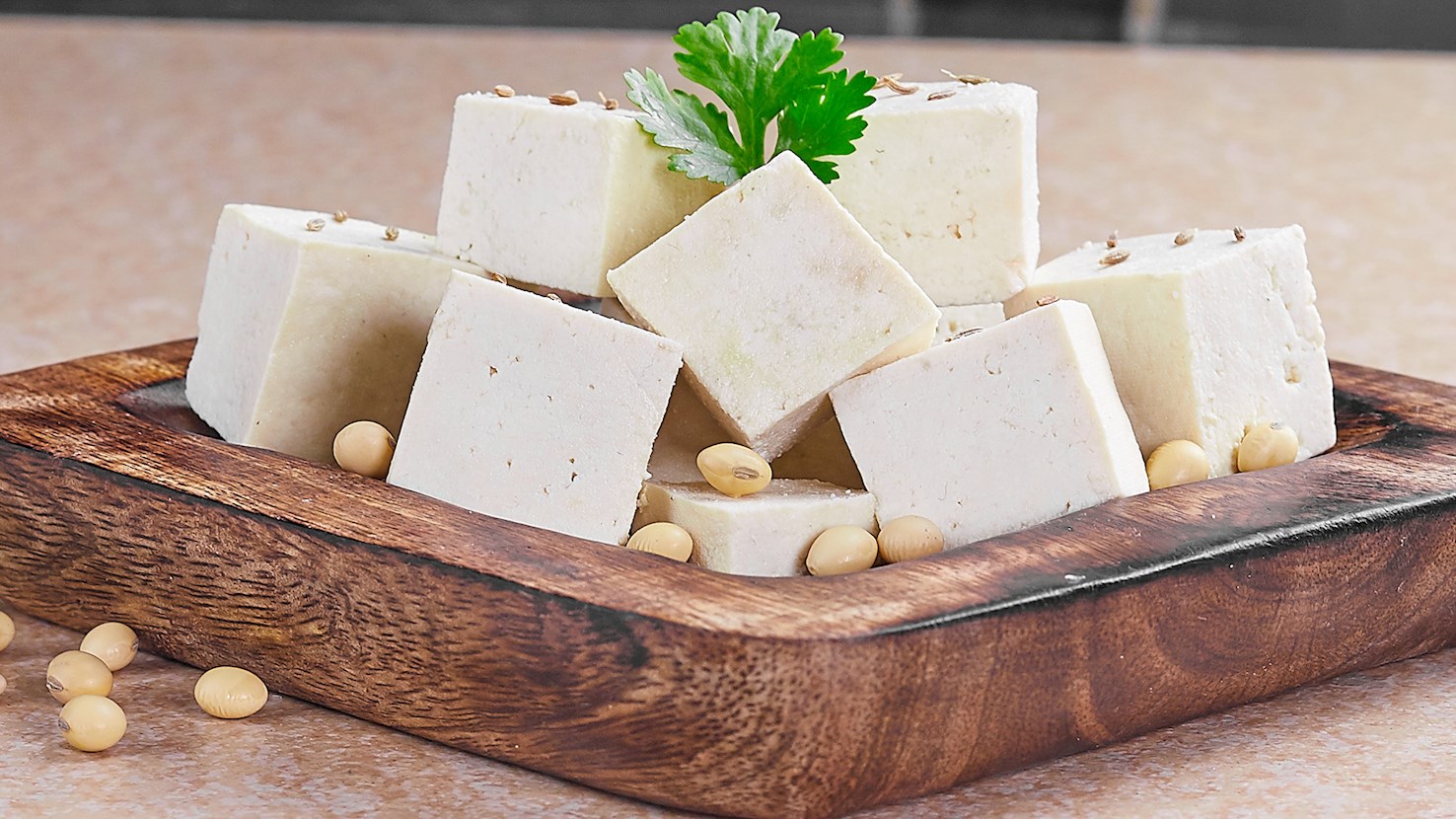
Paneer is a moist fresh cheese with a soft and crumbly texture, made from pasteurized cow's milk or water buffalo's milk. Unlike most cheeses, paneer does not involve rennet in the production process, and that is what makes it completely vegetarian. It has origins in India and Bangladesh, and has been mentioned in the Vedas, dating back to 6000 BC. Its name comes from the Persian and Turkish word for cheese, peynir. This cheese is often used in curries, especially in the north of India, and pairs well with strong and spicy flavors. Paneer is also incorporated in a variety of other Indian dishes such as saag paneer (spinach), shahi paneer (cream, tomatoes, and spices), and the famous mattar paneer (peas and tomatoes). This cheese is so versatile that it's even used in kebabs. Its softer, more crumbly version called chenna is often used to make a variety of popular desserts such as rasgulla and sandesh.

Best producers
06

Lor

3.6 ·

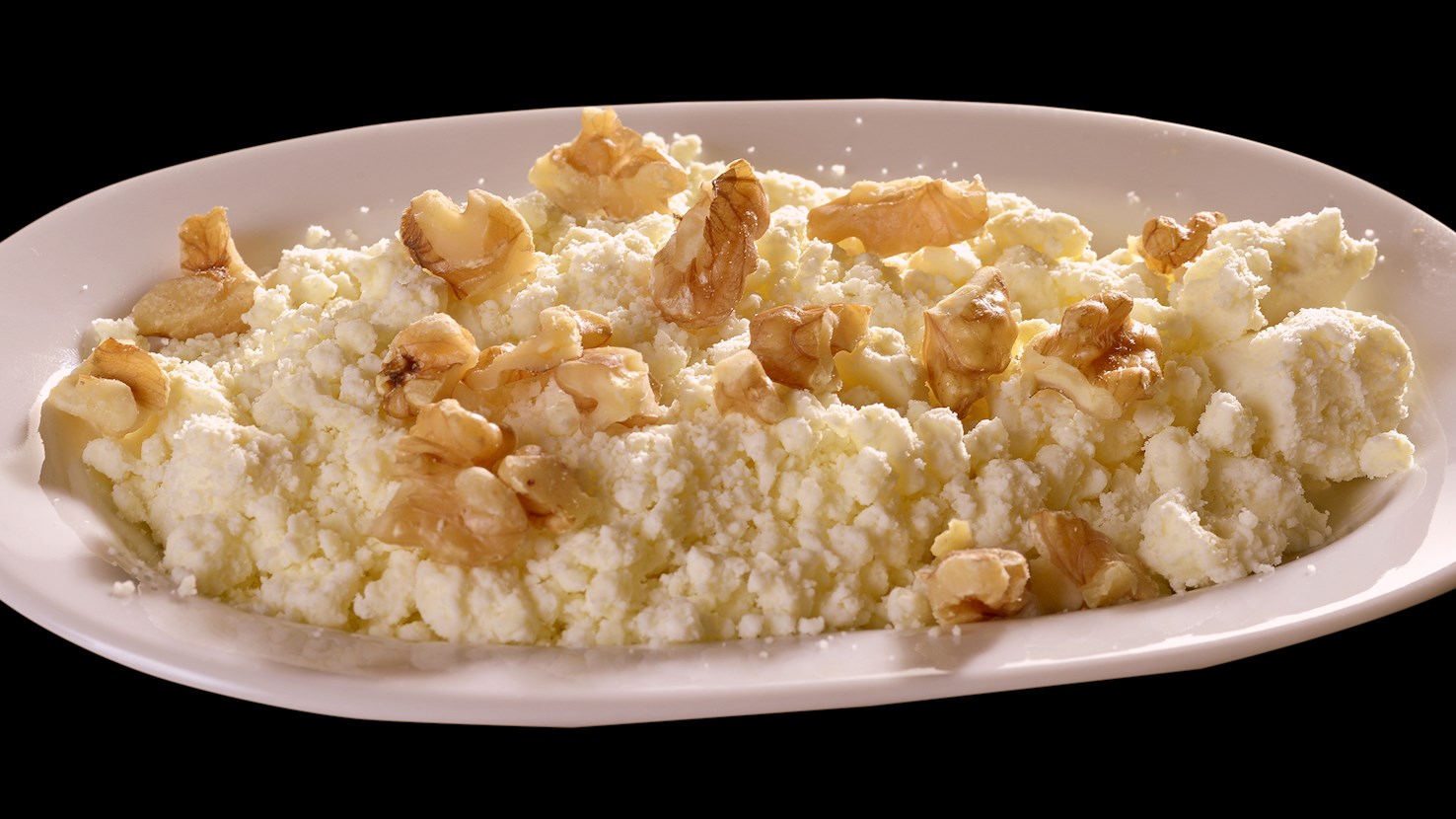
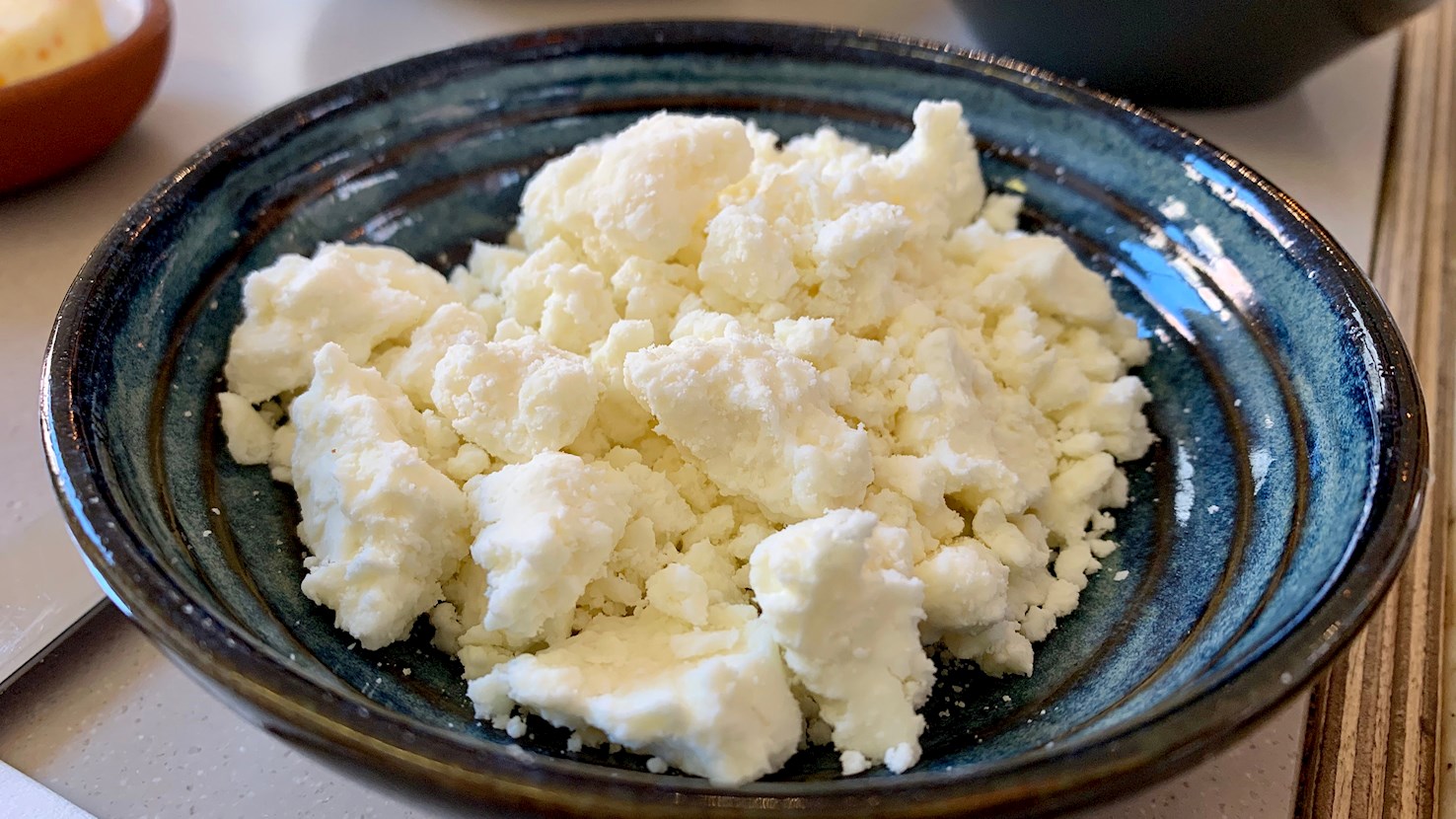
Lor is a Turkish white cheese made from leftovers that are strained out of milk curds. Its texture is very dry and crumbly, and doesn't change much when heated. Due to the fact that Lor has a high protein content, it's very popular with health-conscious people and bodybuilders. Although it's rarely eaten on its own, it can be served for breakfast after being mixed with spices and herbs. The cheese is usually used in börek or gözleme pancakes.

07

Qarehqurut

3.6 ·

Qarehqurut is a concentrated and dried dairy product that has been traditionally prepared throughout Afghanistan, Iran, and Tajikistan. It is made by simmering leftover sheep’s or cow’s milk whey (from making keshk) until it has concentrated before it is allowed to dry into a paste which has a semi-solid, kneaded eraser-like consistency. Also known as gharaghourout or black kashk, this dairy specialty is distinguished by an intensely sour and savory flavor with a lingering finish of animal and herbal notes. High in minerals and lactic acid, qarehqurut is typically eaten as a snack or used in traditional specialties. This dairy product is also a summertime staple in the regions where it is produced because it rehydrates the body.

08

Hatay peyniri

3.6 ·

Hatay peyniri, also known as künefe peyniri, is a soft, rindless cheese usually made from raw cow's or goat's milk (sometimes even a combination of both), produced in the Hatay province of Türkiye. It is white or light yellow in color, has a creamy and stretchy texture, is unsalted, and has a mild taste. It is mostly used in the preparation of the authentic local dessert Antakya künefesi, but it can also be eaten on its own as a part of meze, added as a filling for börek, or topping for pasta, pides, and other dishes.

09

Kesong Puti

3.3 ·

Kesong puti is a white cheese originating from the Philippine provinces of Bulacan, Bacolod, Cebu, Laguna, and Samar. It is made from carabao milk, salt, and either rennet or white vinegar. This fresh cheese contains five times more milk fat and protein than fresh milk. It has a slightly pungent aroma and a salty flavor with a creamy aftertaste. Kesong puti is often consumed for breakfast, when it is served with local bread known as pan de sal, but the cheese is also typically served during Christmas and New Year’s festivities.

10

Jibneh mshallaleh (Tresse cheese)

3 ·

Jibneh mshallaleh, more commonly known as tresse cheese, is a traditional form of string cheese originating from Syria. This cheese is unique because it is mixed with mahleb (a spice made from Mahleb cherry seeds), and it is often flavored with nigella sativa (black cumin), anise, or caraway seeds, giving it a distinctive taste. The cheese is soaked in brine for several weeks before being braided, which is a characteristic feature of its appearance. Once the braiding is done, it is left to age until it develops its full flavor. It's typically made with cow's milk and is known for its stringy texture, which is why it's classified as a string cheese. Tresse cheese can be eaten plain, savored on its own, or with pastries, and added to various dishes for texture and flavor.

11

Datshi

n/a ·
12

Rushan

n/a ·
13

Quroot

n/a ·
14

Rubing

n/a ·
Read more
View all
View map
About this ranking

TasteAtlas food rankings are based on the ratings of the TasteAtlas audience, with a series of mechanisms that recognize real users and that ignore bot, nationalist or local patriotic ratings, and give additional value to the ratings of users that the system recognizes as knowledgeable. For the “Top 17 Asian Rindless Cheeses” list until June 05, 2026, 2,049 ratings were recorded, of which 698 were recognized by the system as legitimate. TasteAtlas Rankings should not be seen as the final global conclusion about food. Their purpose is to promote excellent local foods, instill pride in traditional dishes, and arouse curiosity about dishes you haven’t tried.

Similar lists