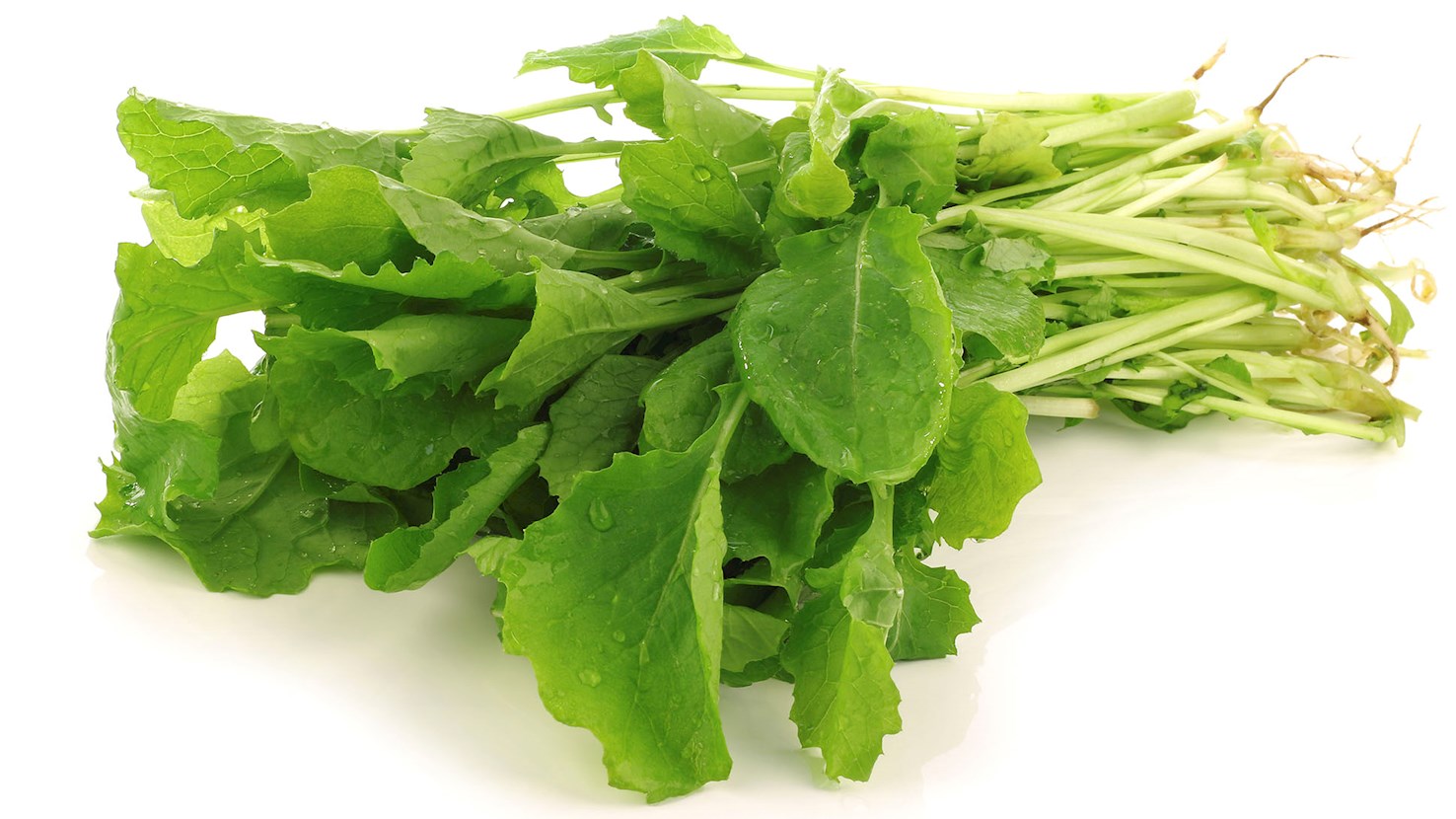
Grelos de Galicia are turnip greens of the species Brassica rapa L. var. rapain, grown in the Autonomous Community of Galicia. These turnip greens are dark green and have a slightly bitter and acidic taste. Their texture is very soft due to their low fibre content. Grelos de Galicia is harvested from October to January by hand and it is very common to see farmers markets full of this colorful vegetable in the winter months. It is a staple ingredient in local cuisine with many traditional dishes such as Galician stew featuring it as the main ingredient. Nutritionally, this vegetable is rich in beta-carotene, vitamin C, and folic acid.
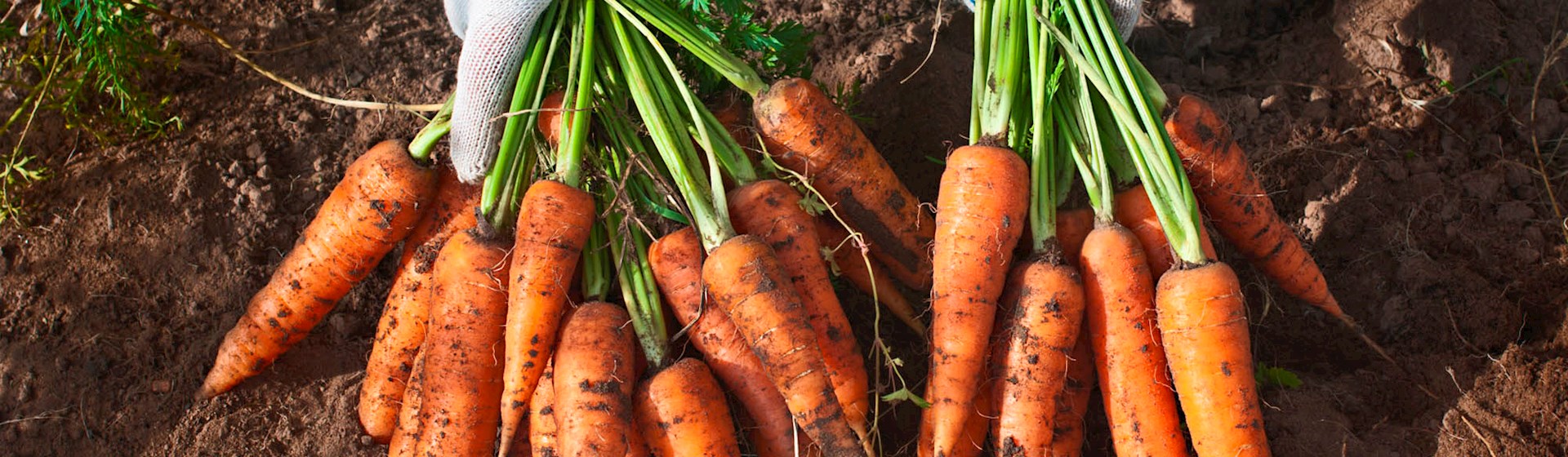
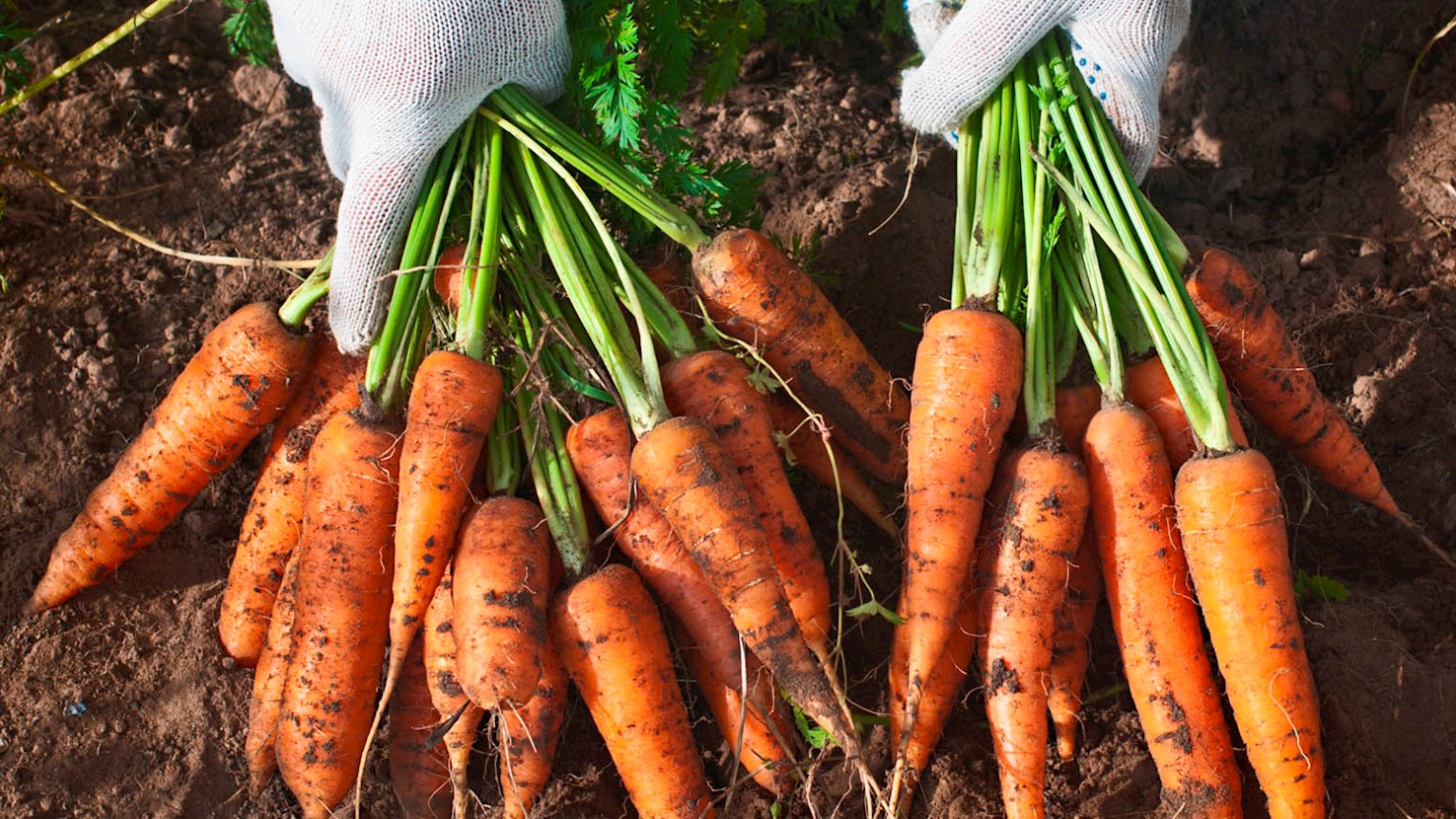
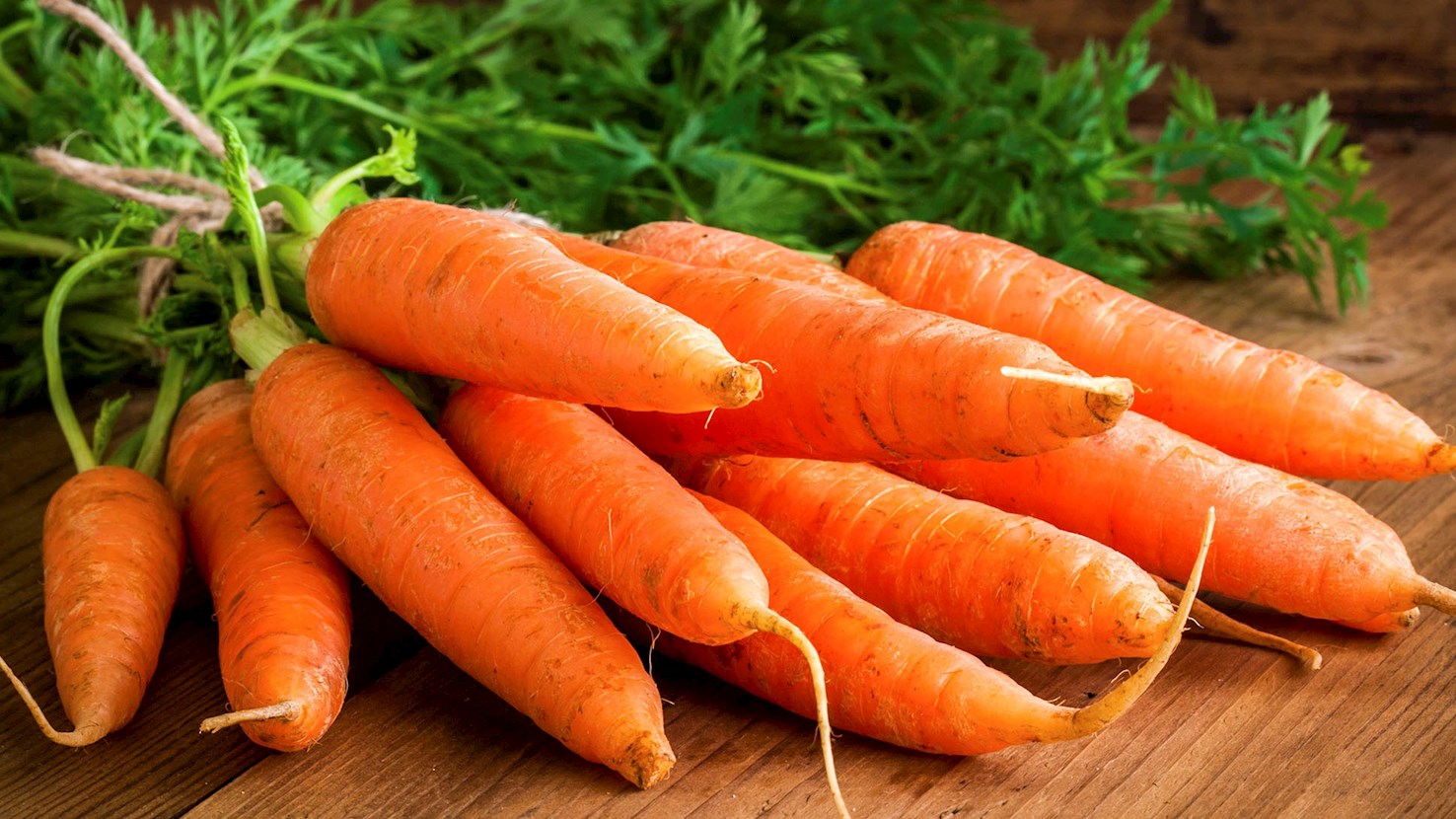
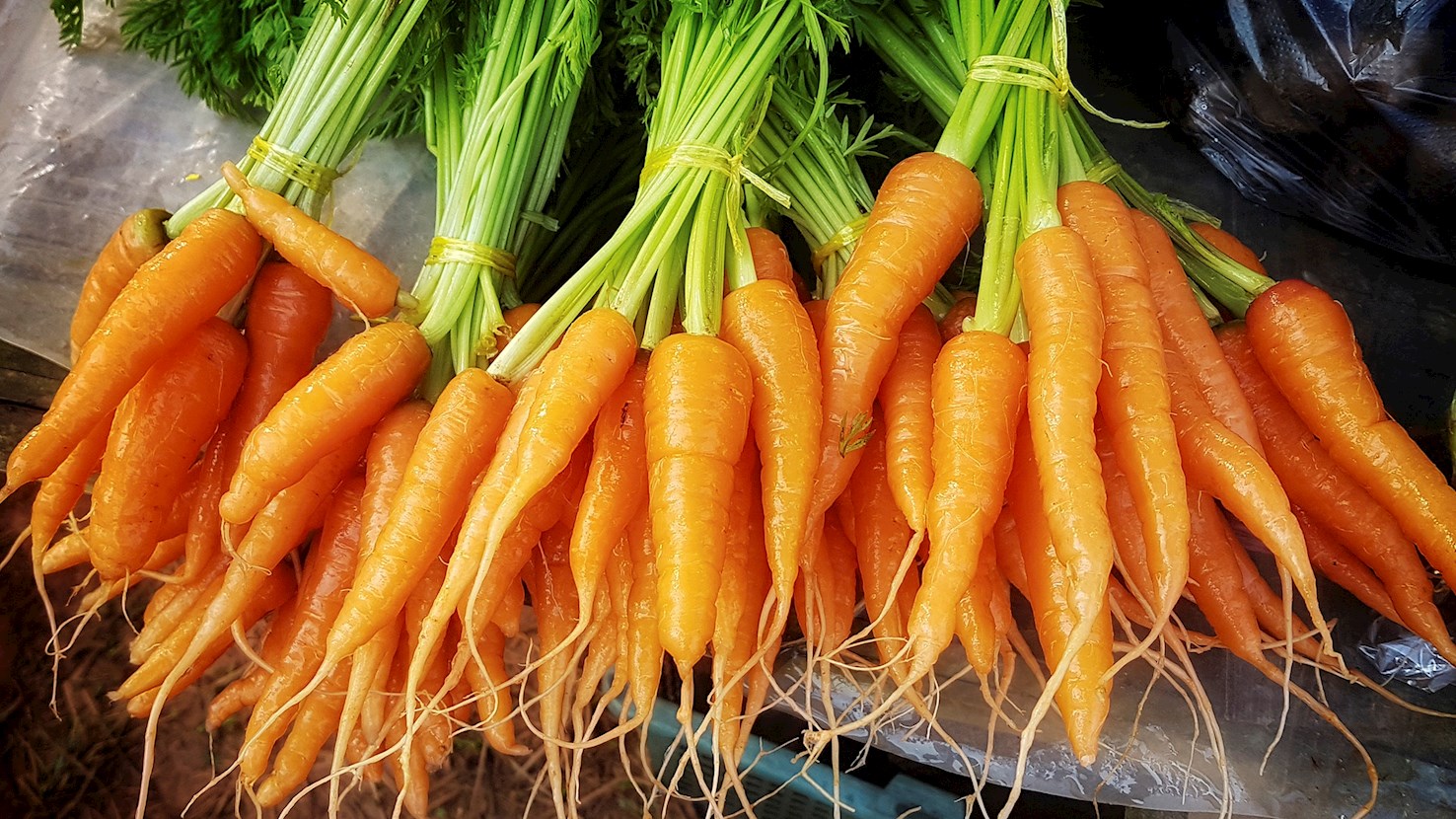
The cultivation of Carota Novella di Ispica began in the 1950s in Syracuse, but later the production spread to the neighboring province of Ragusa, particularly around the town of Ispica, where this variety of carrots is grown even today. They are obtained by cultivating the Daucus carota subspecies Sativus Arcangeli, while the varieties used are derived from the Nantes semi-long carrot group and their hybrids. The Ispica carrots ripen quite early and reach their full market maturity from as early as the end of February up to the beginning of June. Because of its delicate flavor, and a fresh herbal aroma, Carota Novella di Ispica is best enjoyed raw, in salads or various crudité platters, but it is widely used in cooking as well.
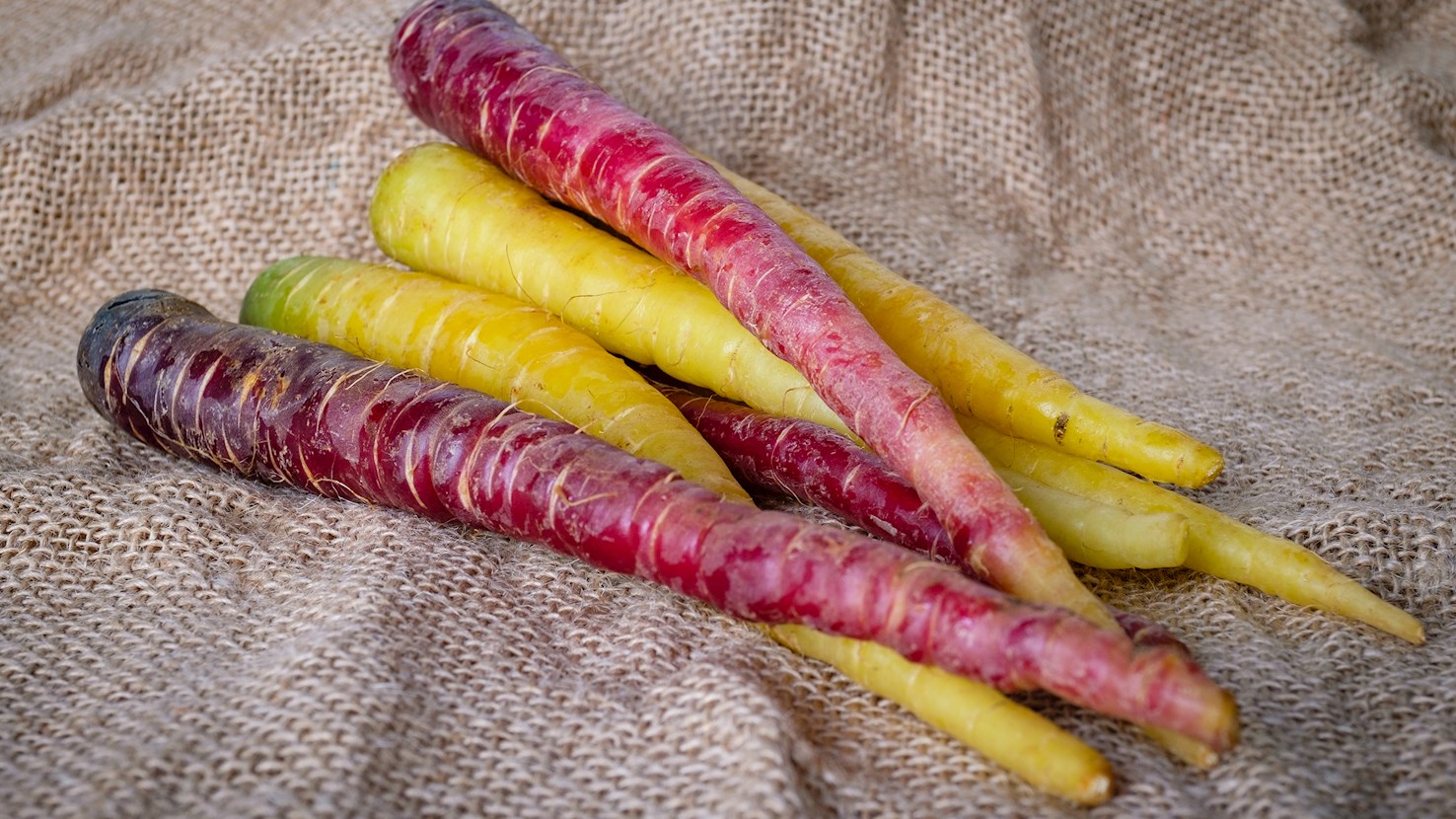
Carote di Polignano is a traditional carrot variety originating from the Polignano area in the province of Bari. These carrots range in color from pale yellow over deep orange to dark purple. The seeds are selected by the growers who plant them in small plots and choose the best plants. The carrots are replanted between August 15 and September 15, while the harvest takes place from the first week of November until early May. The flavors of these carrots are extraordinary due to the sandy fields with high salinity in which they are grown.
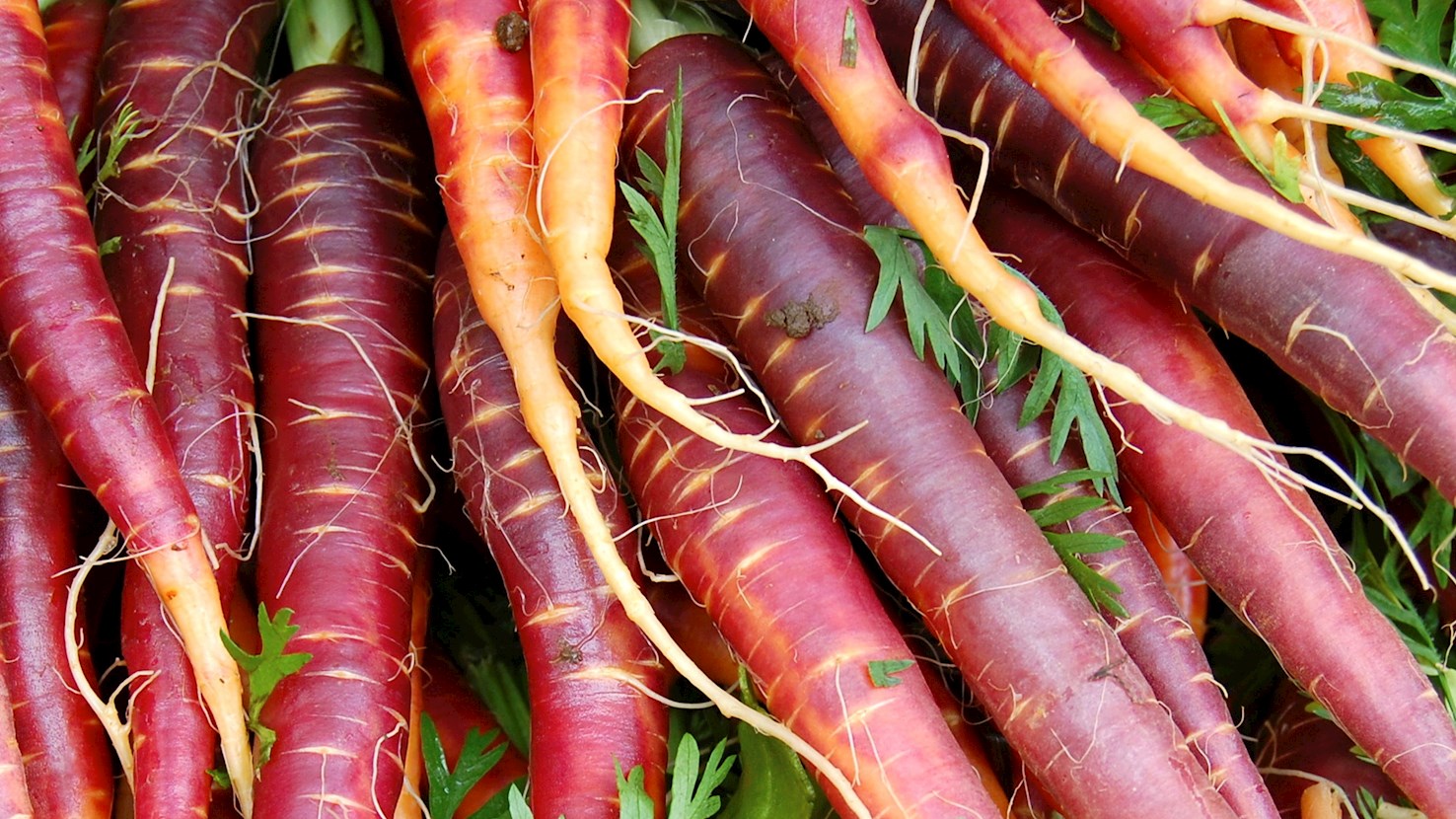
This purple carrot with yellow stripes has been cultivated around the city of Tiggiano since ancient times, and it is still very popular thanks to its juicy, crunchy texture and fragrant flavor. Sometimes called pestanaca or carota di sant'Ippazio (named after the patron saint of Tiggiano), it is a pretty sensitive variety that requires particularly rich soil with high phosphate content, fertilization, and irrigation twice a day. It should be hand-picked to avoid unnecessary damage, then consumed in a day or two because it loses its turgidity very quickly. Carota giallo-viola is a key ingredient in many local specialties such as ravioli with pestanaca or pestanaca cake, and the best opportunity to try all those delicacies is during the annual Festival of pestanaca, held every January in Tiggano.
In the Italian province of L'Aquila, the cultivation of Altopiano del Fucino carrots began in the 1950s. The Fucino basin is nestled between the high Apennine peaks, at an altitude of 700m, and it seems almost unreal that this huge plateau used to be covered with water. However, having no natural outflow and repeatedly flooding the surrounding arable land, the once third largest lake in Italy was drained in 1878. Today, Fucino is a fertile valley planted with vegetables thriving in the humus-rich soil. Formed from the organic matter found at the bottom of the lake, this soil is exactly what gives the vitamin and protein packed Fucino carrots their distinctively sweet flavor. They are available all year round, but the best carrots are harvested between June and October. Carota dell’Altopiano del Fucino is best enjoyed raw but it also makes for an essential ingredient in numerous stews, soups and minestrones.
Carotte de Créances is a carrot variety from France grown in the mielles (sandy fields) around Créances that has a fine texture, deep orange-red colour, absence of fibrous core, and strong sweet flavor. Its cultivation is recorded since the 13th century when farmers on the coastal sands of Créances discovered the suitability of the soil and marine influences to produce a carrot with special flavour and texture; over decades the producers achieved recognition with a Label Rouge since 1967 and protected geographical status, signifying the importance of its place of origin. The cultivation of the carrot involves planting it in deep sandy-alluvial soils enriched with kelp and marine deposits, the seeds are sown in spring and the roots grow through summer into a late harvest season; many growers leave the carrots in the earth under mulch until the winter months to maintain crispness and sweetness and prevent fibrous cores. Carotte de Créances is eaten in homes, restaurants and farmers’ markets, often simply washed and served raw or lightly steamed to deliver its sweetness, and it pairs well with fresh goat cheese, buttered new potatoes or mild vinaigrette salads that highlight its natural flavour and tender texture.
Navet de Cerdagne is a rare turnip variety grown in the Cerdagne valley in southern France. Its cultivation can be traced back to mountain-plateau farms where growers selected a root vegetable adapted to high-altitude, limestone-rich soils and cold winters; the variety survived in limited plantings when many other local crops disappeared and has since been catalogued in the Slow Food Foundation for Biodiversity Ark of Taste for its heritage value. Production involves sowing seeds in early spring or planting young seedlings after last frost, cultivating them on well-drained, rocky or calcareous soils at altitudes around 1000–1300 m, managing moisture carefully to avoid bolting, harvesting generally in late summer to autumn when the roots reach maturity, then cleaning and storing them in cool, humid conditions to preserve firm texture and flavor. Common variations are seen in color (ranging from light-brown-to-brass hues to a more greyish brown depending on soil composition), root size (some growers aim for compact small roots, others allow larger bulbous forms) and harvesting time (earlier harvest yields firmer texture, later yields softer sweetness). A distinct characteristic of the Navet de Cerdagne is its firm flesh that remains non-stringy after cooking and its adaptation to mountain soils where few other turnip varieties perform well. It is eaten cooked — for example peeled, diced and sautéed or used in soup or gratin — and forms part of local menus, often accompanying roasted poultry or game, and pairs well with hearty mountain cheeses, fine olive oil drizzle and a crisp white or light red wine from the region.
Navet noir de Pardailhan is a black-skinned, elongated turnip from France cultivated on the plateau of Pardailhan in the Hérault department, between Béziers and Toulouse. The plateau rises gently from 450 to 800 meters within the perimeter of the Haut-Languedoc Regional Park, a zone distinct from the surrounding Mediterranean vineyards and olive groves. Its cooler and more humid climate prevents vine and olive cultivation, favoring instead pastures, forests, and mixed farming. Within this environment, the turnip found a natural home, nourished by the region’s fogs and rains that allow it to thrive through the autumn. Cultivation of the turnip has been documented since at least the 19th century, when it was canned and awarded prizes at international exhibitions. After the Second World War, agriculture declined across the plateau and the crop almost disappeared, surviving only in family gardens. In the 1990s, renewed interest in the vegetable led to its revival, and by the early 2000s young farmers, supported by older growers who passed on their knowledge, reestablished the culture of the black turnip. Local institutions and the Slow Food movement promoted its value through the creation of the Pardailhan Turnip Producers’ Association and its inclusion in the Slow Food Presidia network. Today, about twenty producers cultivate the crop, organizing an annual fête du navet noir to celebrate and promote it. The cultivation process begins with broadcast sowing in early August on well-prepared clay soils. Adequate rain before the end of the month ensures proper germination and growth before winter sets in. The plateau’s fogs are vital to its development, and locals say that the plant “drinks the fog through its leaves.” Harvesting takes place by hand from November to February, preserving the integrity of each root. The turnip’s outer skin is deep black, contrasting with its white interior, which is tender, mild, and delicately sweet with subtle notes reminiscent of hazelnut or pine nut. It must be cut lengthwise along its fibers to retain its texture. The Navet noir de Pardailhan is eaten both raw and cooked: served cold in vinaigrette, caramelized, or sautéed raw in goose fat with a touch of sugar. It is also used in stews or gratins where its sweetness balances savory elements. The vegetable’s rarity and quality make it a seasonal delicacy available for only a few months each year. Beyond its culinary appeal, its revival has supported small-scale agriculture on the plateau, linking local identity to sustainable production. The Navet noir de Pardailhan pairs naturally with roasted meats, game, or poultry, and its subtle nutty flavor complements dry white wines from the Languedoc region.
Carota di Zapponeta is a traditional agricultural food product from the Apulian province of Foggia. These sweet and crunchy carrots are harvested between January and March, but when properly stored and protected from the moisture, they can hold their nutrient content and remain fresh for several months. Due to their tenderness and sweetness, they are best enjoyed raw, but they can also be boiled, stewed, or fried.
TasteAtlas food rankings are based on the ratings of the TasteAtlas audience, with a series of mechanisms that recognize real users and that ignore bot,
nationalist or local patriotic ratings, and give additional value to the ratings of users that the system recognizes as knowledgeable.
For the “Top 9 Western European Root Vegetables” list until June 24, 2026, 35 ratings were recorded, of which 22 were recognized by the system as legitimate.
TasteAtlas Rankings should not be seen as the final global conclusion about food. Their purpose is to promote excellent local foods,
instill pride in traditional dishes, and arouse curiosity about dishes you haven’t tried.