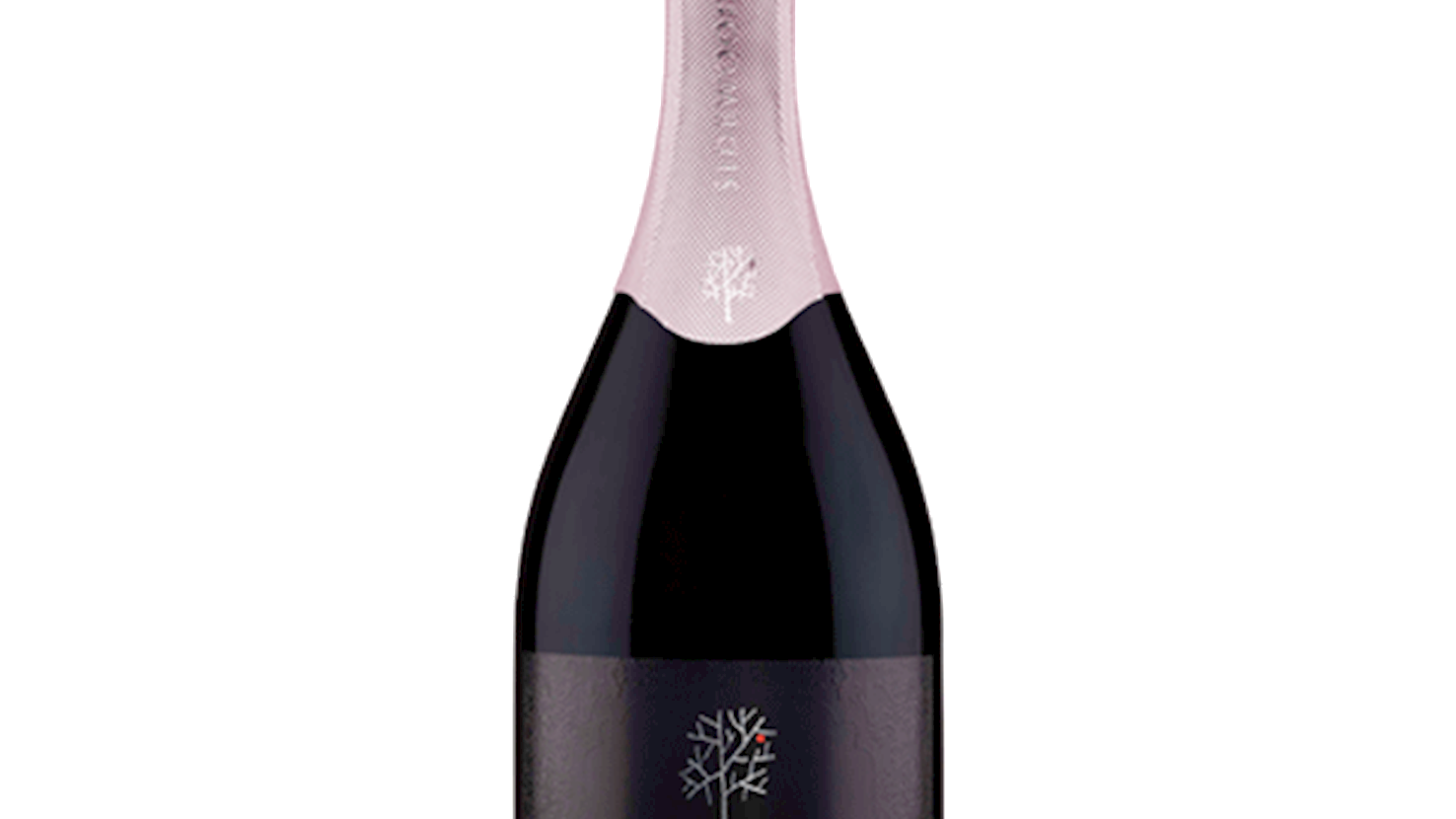
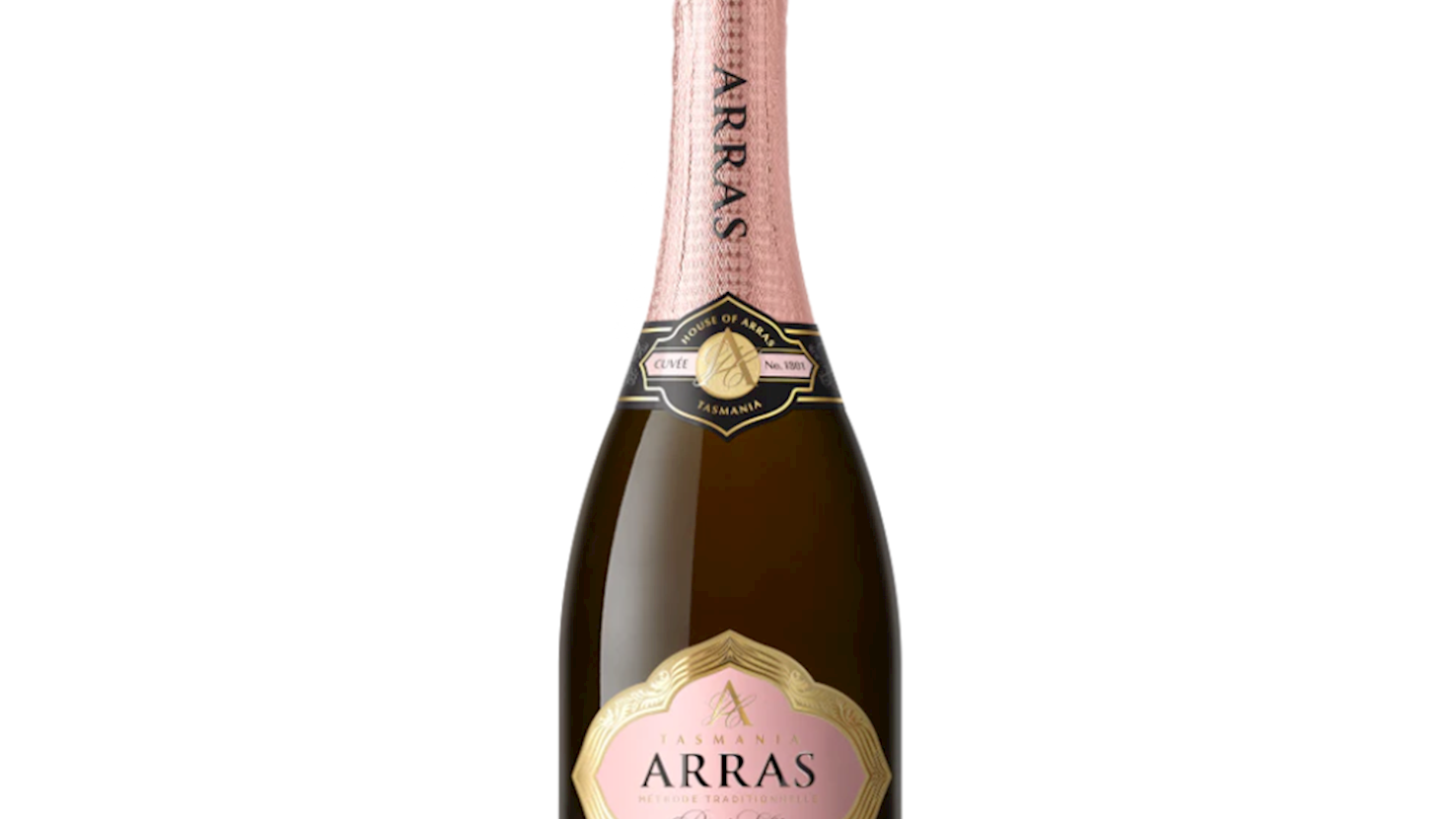
House of Arras is Australia's most awarded winery specializing in the production of sparkling wines, located in the picturesque surroundings of Pipers River in Tasmania. Founded in 1995 by Ed Carr, one of the world’s most respected sparkling winemakers, the winery has set high standards within the Australian wine industry. The winery uses only Chardonnay, Pinot Noir, and Pinot Meunier grapes sourced from carefully selected vineyards across Tasmania. Thanks to the region’s cool climate and unique terroir, House of Arras wines are distinguished by exceptional freshness, complexity, and elegance. The production process follows the traditional method of bottle fermentation and extended aging on the lees, resulting in wines with rich flavor and fine perlage. Visitors can enjoy tastings and guided tours at the winery. Tastings include various masterclasses and vineyard walks, offering a unique opportunity to learn about the sparkling wine production process.
Wines originating from the Frankland River Geographical Indication (GI) represent a premier sub-region of the Great Southern wine zone in Western Australia. The region is defined by a Mediterranean climate with significant continental influences, characterized by cool nights and warm days, and is geographically positioned inland away from the immediate coastal strip. Viticultural development was initiated in 1967 when the Westfield vineyard was planted following a report by Dr. John Gladstones which identified the area as having climatic similarities to the Médoc region in France. This was followed by the establishment of the Roche family’s Houghton vineyards in 1970 and the subsequent growth of independent estates throughout the late 1980s and 1990s. The geological profile of the area is dominated by ancient, weathered granite and ironstone gravelly loams (laterite) over clay, providing efficient drainage and restricted vine vigor. Preparation of Frankland River wine centers on Riesling, Shiraz, and Cabernet Sauvignon, with winemaking techniques focusing on the preservation of primary fruit intensity and structural tannin. Riesling is typically fermented in stainless steel at low temperatures to maintain a high concentration of free-run juice and preserve the characteristic lime and mineral aromatics. Shiraz and Cabernet Sauvignon are often fermented in open-top vessels and matured in French oak to integrate the fine-grained tannins that result from the region’s long, cool ripening season. A specific technical attribute of the region is the "afternoon gully breeze" that moves through the river valley, significantly lowering the ambient temperature during the ripening period and allowing for the retention of high natural acidity in the grapes. The wines are served at temperatures calibrated to their chemical structures, with Riesling served at 7°C to 10°C and red varieties served at 16°C to 18°C. Frankland River wines are consumed as high-quality table selections and are increasingly recognized in international export markets for their aging potential. They are frequently paired with regional Western Australian produce, such as Riesling served with Albany oysters or marron, and Shiraz or Cabernet Sauvignon paired with grass-fed lamb, venison, or hard matured cheeses.
Produced within a Western Australian viticultural zone that encompasses both the coastal reaches of Geographe Bay and the undulating hinterland of the Darling Scarp, Geographe wine constitutes a specific range of Geographical Indication (GI) products. The region is defined by a Mediterranean climate characterized by cooling afternoon sea breezes, known as the "Sou’wester," and topographical variations ranging from sandy coastal plains to the steeper, gravelly slopes of the Ferguson Valley. The establishment of modern viticulture in the area occurred in the early 1970s, specifically in 1971 with the planting of vines in the Ferguson Valley, following earlier 19th-century attempts by European settlers that were primarily focused on fruit orchards. The geological composition of the region is varied, featuring sandy loams over limestone along the coast and ironstone gravels (laterite) over clay in the inland hills. Preparation of Geographe wine focuses on a broad spectrum of varieties including Chardonnay, Shiraz, Cabernet Sauvignon, and an increasing proportion of Spanish and Italian grapes such as Tempranillo, Nebbiolo, and Fiano. The winemaking process for red varieties often involves fermentation in temperature-controlled stainless steel or open-top vessels, followed by maturation in French or American oak to stabilize tannins and integrate flavor profiles. A technical attribute specific to the Geographe region is its rapid adaptation to Mediterranean varieties, as the thermal heat units and soil drainage profiles closely mirror the Iberian Peninsula and parts of Italy, allowing these grapes to maintain structural balance without excessive irrigation. The wines are served at temperatures calibrated to their chemical composition, with white and rosé varieties served at 8°C to 11°C, while red wines like Shiraz and Tempranillo are served at 16°C to 18°C to allow the phenolic compounds to express fully. Geographe wines are consumed as premium table wines and are a significant component of the hospitality industry in the Bunbury and Margaret River periphery. They are frequently paired with regional Western Australian produce, such as Shiraz served with local venison or beef, and Verdelho or Fiano paired with Marron, Dhufish, or various preparations of South West shellfish.
McLaren Vale encompasses the diverse range of wines produced in the coastal McLaren Vale Geographical Indication (GI), a region on South Australia’s Fleurieu Peninsula approximately 35 kilometers south of Adelaide. The area is bounded by the Gulf St Vincent to the west and the Mount Lofty Ranges to the east, creating a Mediterranean climate with cooling sea breezes that mitigate summer heat. The establishment of this wine-producing area followed the 1836 British colonization of South Australia, with the first vines planted in 1838 by John Reynell and Thomas Hardy, who recognized the area's potential for viticulture due to its reliable rainfall and proximity to the coast. The geological profile of McLaren Vale is exceptionally complex, containing over 40 distinct soil types ranging from 15,000-year-old alluvial sands to 600-million-year-old limestone and weathered rock. Preparation of McLaren Vale wine centers heavily on Shiraz, which represents roughly half of the region's total crush, followed by Cabernet Sauvignon, Grenache, and Chardonnay. The winemaking process for red varieties typically involves open-top fermentation and maturation in a mix of French and American oak, resulting in wines with high fruit concentration and ripe tannins. A unique technical attribute of the region is the Sustainable Winegrowing Australia certification program, as McLaren Vale has the highest concentration of organic and biodynamic certified vineyards in the country. Additionally, the region utilizes the "Scarce Earth" project, which identifies specific single-site Shiraz wines that must meet strict criteria regarding vine age and minimal oak intervention to highlight the influence of the diverse soil types. The wines are served according to their structural needs: full-bodied Shiraz and Grenache are typically served at 16°C to 18°C, often decanted to allow the aromatic compounds to aerate, while white wines like Fiano or Chenin Blanc are served chilled. McLaren Vale wines are consumed globally and are integral to the contemporary Australian dining experience. They are frequently paired with regional protein-heavy dishes such as grilled beef, roasted lamb, or game meats. The region's Grenache, known for its red fruit and spice profile, is paired with charcuterie and Mediterranean-style vegetable dishes, while the coastal-influenced white wines are served alongside local seafood such as King George whiting or squid.
TasteAtlas food rankings are based on the ratings of the TasteAtlas audience, with a series of mechanisms that recognize real users and that ignore bot,
nationalist or local patriotic ratings, and give additional value to the ratings of users that the system recognizes as knowledgeable.
For the “Top 3 Australian Rosé Wines” list until June 15, 2026, 0 ratings were recorded, of which 0 were recognized by the system as legitimate.
TasteAtlas Rankings should not be seen as the final global conclusion about food. Their purpose is to promote excellent local foods,
instill pride in traditional dishes, and arouse curiosity about dishes you haven’t tried.
The initial list of top producers was compiled based on available reviews, awards, local recommendations, media and blog coverage, and consumer reviews.
The list will be updated with ratings from TasteAtlas local ambassadors and TasteAtlas users.