



shutterstock

Top 4 Greek Runner Beans

Last updated on June 04, 2026
01

Fasolia Gigantes Elefantes Prespon Florinas

4.4 ·

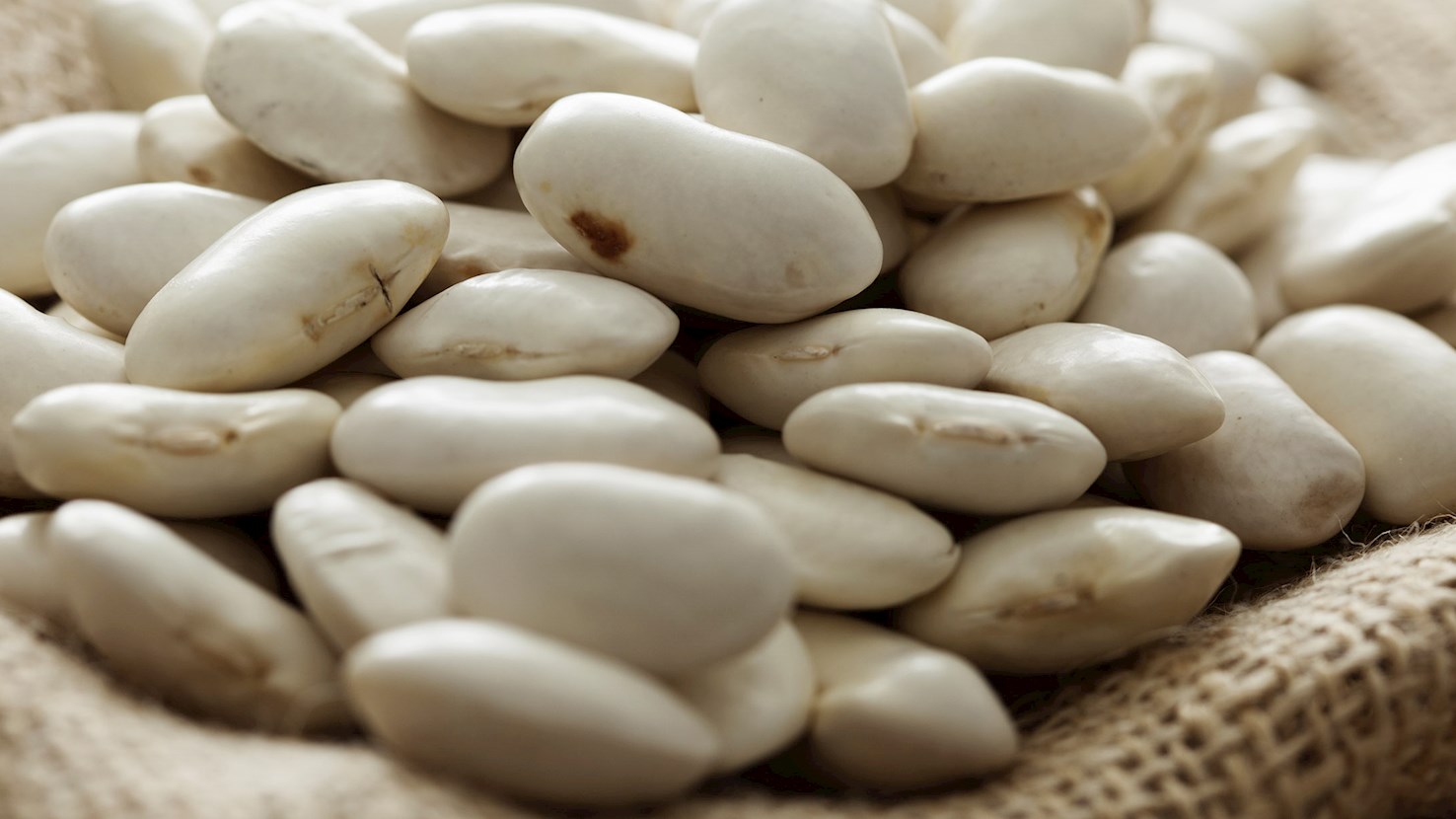
Prespon giant elephant beans are runner beans (Phaseolus multiflorus) grown in the Prespon area (municipalities of Mikrolimni, Karion, Lefkonos, Píateos, Lemou Ag. Germanou, Ag. Ahilios, Vronderou, and Kalithea) in Fiorina prefecture. These large beans have been cultivated in this area since the 16th century. They have a thin, smooth, white skin and a distinctive kidney shape. The unique microclimate and composition of the soil in Prespon area are the main reasons why these beans are so rich in minerals and trace elements and so low in cholesterol and fat. Elephant beans should be soaked overnight before cooking to bring out their fullest flavor. While these giant beans are used to prepare 'Gigantes', a traditional vegetarian meze made with tomato sauce, and a number of traditional soups, they are so rich in flavor that they also go great with nothing more than a drizzle of olive oil and a dash of salt and pepper.

02

Fasolia gigantes

4.2 ·

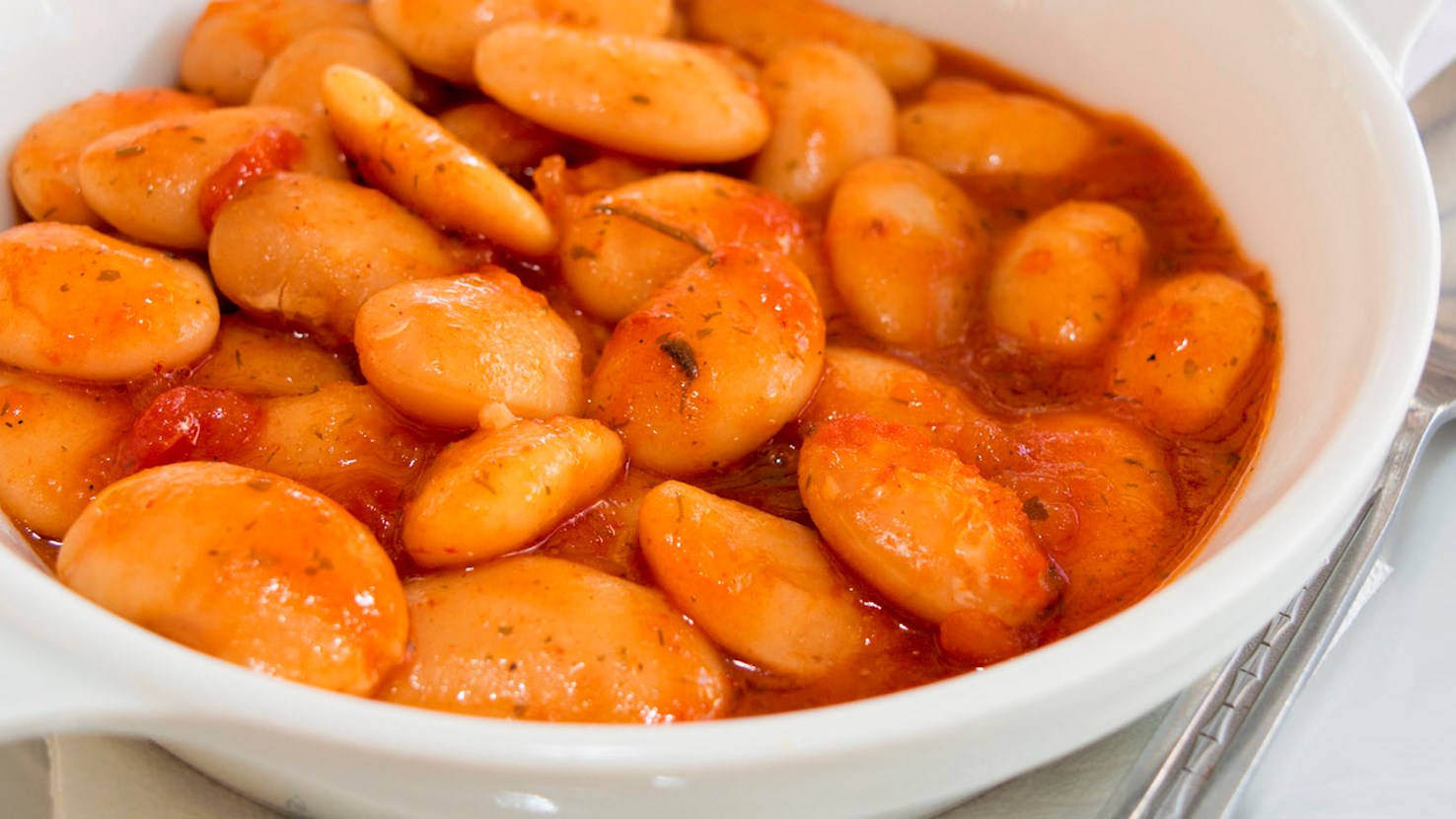
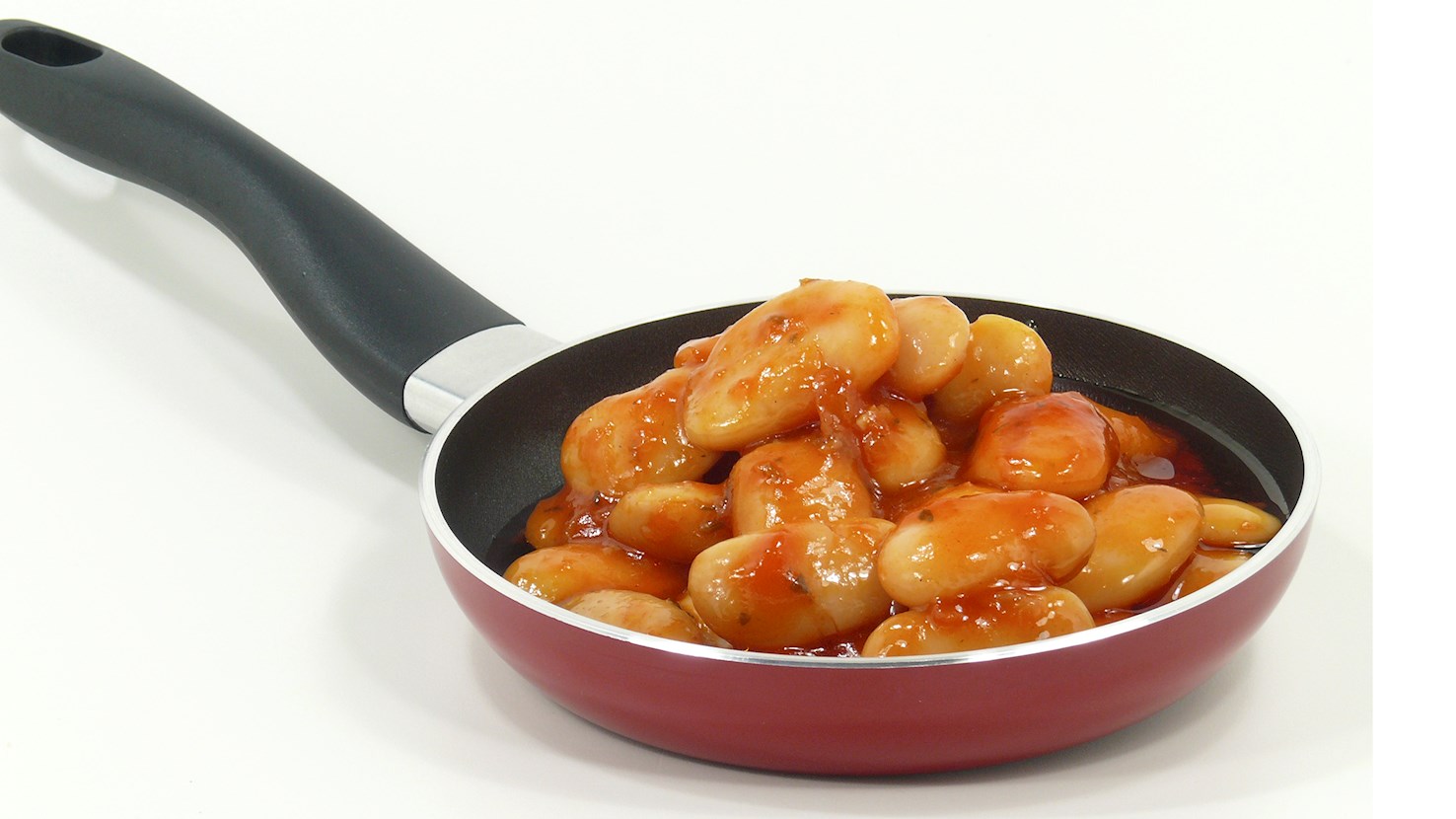
Fasolia gigantes refers to giant white runner beans native to Greece. These beans resemble lima beans but are larger and have a creamy texture when cooked. They are particularly cultivated in regions like Prespes in Northern Greece, where the climate and soil are ideal for growing these large legumes. The beans are significantly larger than typical white beans and are usually white or off-white in color. When cooked, they become soft and creamy, making them suitable for various dishes. They are most famously used in the traditional Greek dish called gigantes plaki, where they are baked in a tomato sauce with herbs and vegetables. Additionally, they are versatile enough to be used in salads, soups, or other Mediterranean recipes, thanks to their mild flavor and rich texture.

03

Fasolia Gigantes Elefantes Kastorias

3.8 ·

The runner bean (Phaseolus coccineus) found its way to Greece in the 16th century. The prefecture of Kastoria where these beans are cultivated is an area with a unique climate and fertile soils sheltered by Vitsi mountain and the Grammos mountain range. These beans are white, kidney-shaped, and have a very thin skin. The harvesting season begins in September and lasts until December. The beans are sorted, put in bags, and transported to the Agrotiki Kastorias grading and packing station, where the packing procedure is electronically controlled. To importance the bean cultivation in Kastoria is witnessed by the many bean festivals held – There is an annual fair in Lakkomata and a winter bean soup festival in nearby Fiorina, and this soup is also traditionally served on St. Nicholas's day. Fasolia Gigantes are often baked or stewed with various vegetables, but the most famous way to prepare them is in Fasolatha, a traditional Greek bean soup made with onions, celery, carrots, and spices.

04

Fassolia Gigantes Elefantes Kato Nevrokopiou

3.6 ·

These giant elephant beans are a variety of runner bean (Phaseolus coccineus) cultivated using traditional techniques in the Kato Nevrokopi basin in Drama prefecture. These beans are white, kidney-shaped, and quite large – 1,000 seeds of this bean weigh around 1,200g. They are harvested manually, sun dried, and sorted before being graded and packed mechanically. Giant elephant beans are usually baked in a tomato sauce. Prior to cooking, they can be boiled in order to keep the skin firm and give them a buttery texture. Kato Nevrokopi giant elephant beans are also often eaten in a bean salad served with a glass of raki.

Read more
View all
View map
About this ranking

TasteAtlas food rankings are based on the ratings of the TasteAtlas audience, with a series of mechanisms that recognize real users and that ignore bot, nationalist or local patriotic ratings, and give additional value to the ratings of users that the system recognizes as knowledgeable. For the “Top 4 Greek Runner Beans” list until June 04, 2026, 180 ratings were recorded, of which 75 were recognized by the system as legitimate. TasteAtlas Rankings should not be seen as the final global conclusion about food. Their purpose is to promote excellent local foods, instill pride in traditional dishes, and arouse curiosity about dishes you haven’t tried.

Similar lists