shutterstock

Top 8 European Saffrons

Last updated on June 10, 2026

Best European Saffrons
01

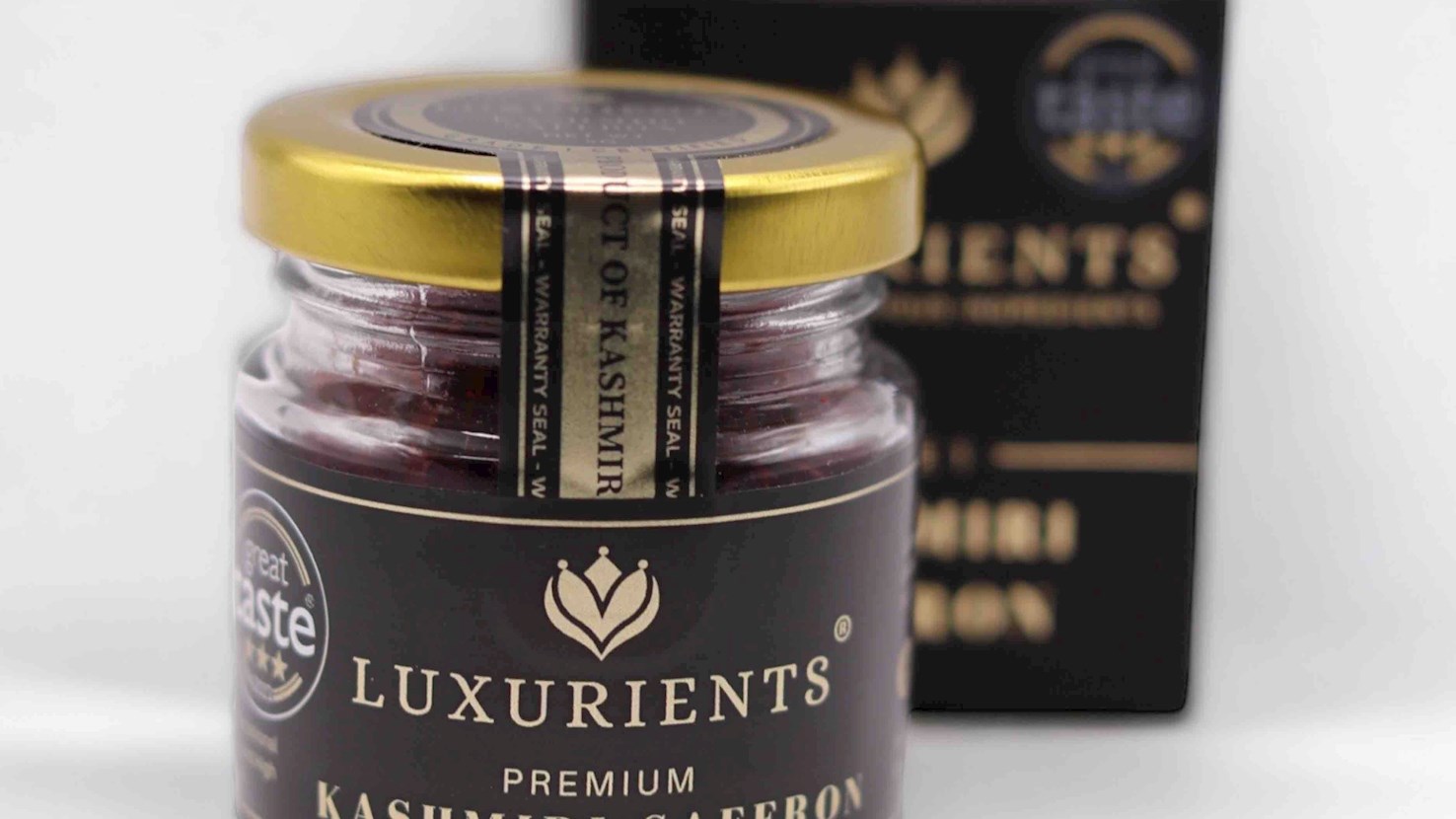
Luxurients

4.8 ·
Awards
Great Taste Awards - 3 Stars (2022)
Great Taste Awards - 2 Stars (2024)
02

Scarlet Saffron

4.5 ·
Awards
Great Taste Awards - 3 Stars (2024)
03

Nadia's Saffron

4.5 ·
Awards
Great Taste Awards - 3 Stars (2024)
04

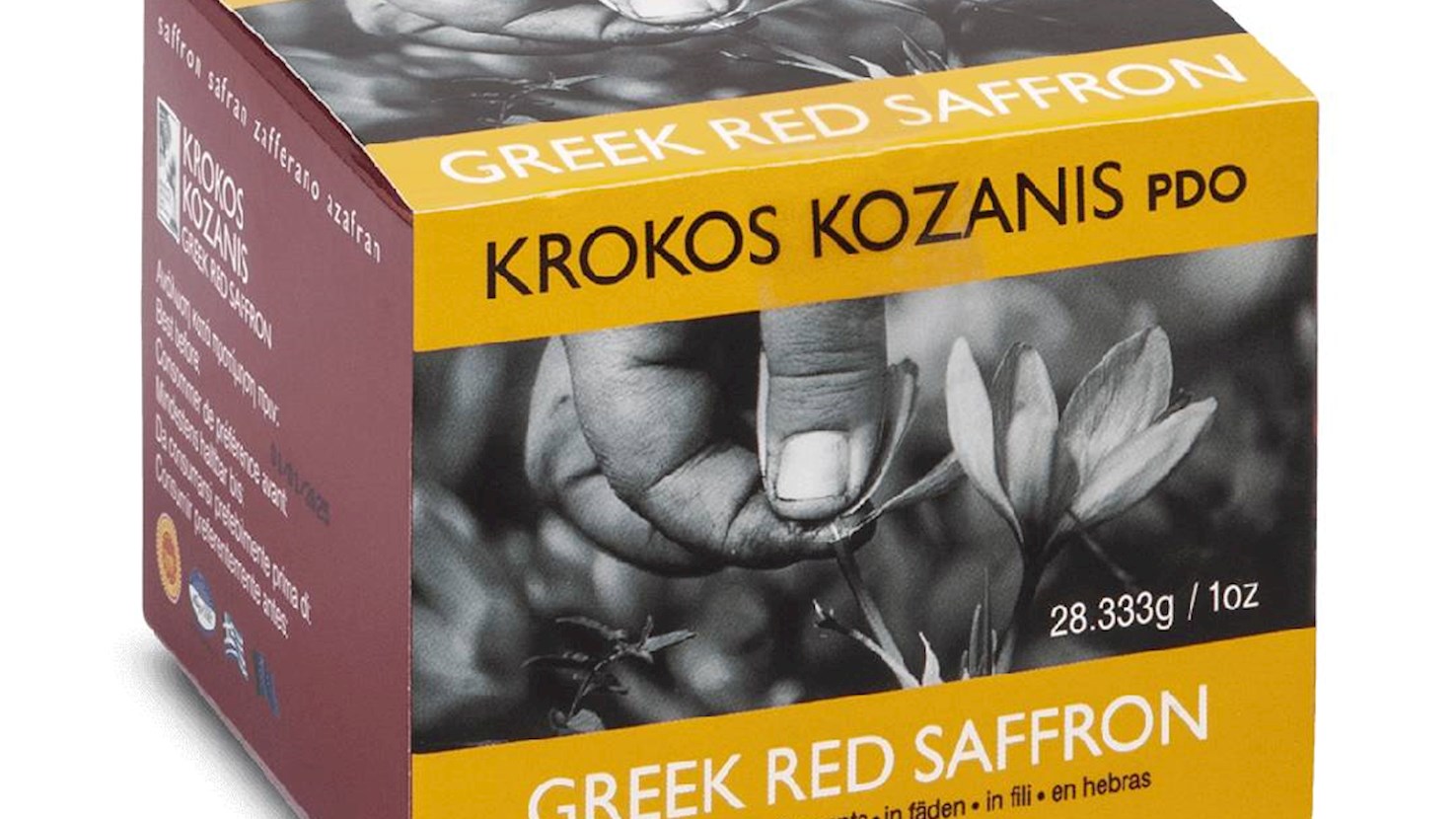
Krokos Kozanis

4.3 ·
The Kozani Saffron Producers Cooperative, established in 1971, is headquartered in the village of Krokos, Kozani Prefecture, Greece. The cooperative comprises approximately 1,000 members and holds the exclusive rights to collect, process, package, and distribute saffron cultivated in the region. The cooperative's primary objectives include coordinating saffron cultivation to enhance both yield and quality, as well as standardizing the product's appearance. To achieve these goals, the cooperative engages in scientific research on saffron cultivation and implements innovative programs to train its staff and farmers. Kozani saffron, also known as "Krokos Kozanis," is renowned for its high quality, characterized by a guaranteed minimum coloring strength of 230 degrees. This superior quality has earned it a Protected Designation of Origin (PDO) status, distinguishing it in both domestic and international markets.

Best European Saffron Types

01

Azafrán de la Mancha

4.6 ·

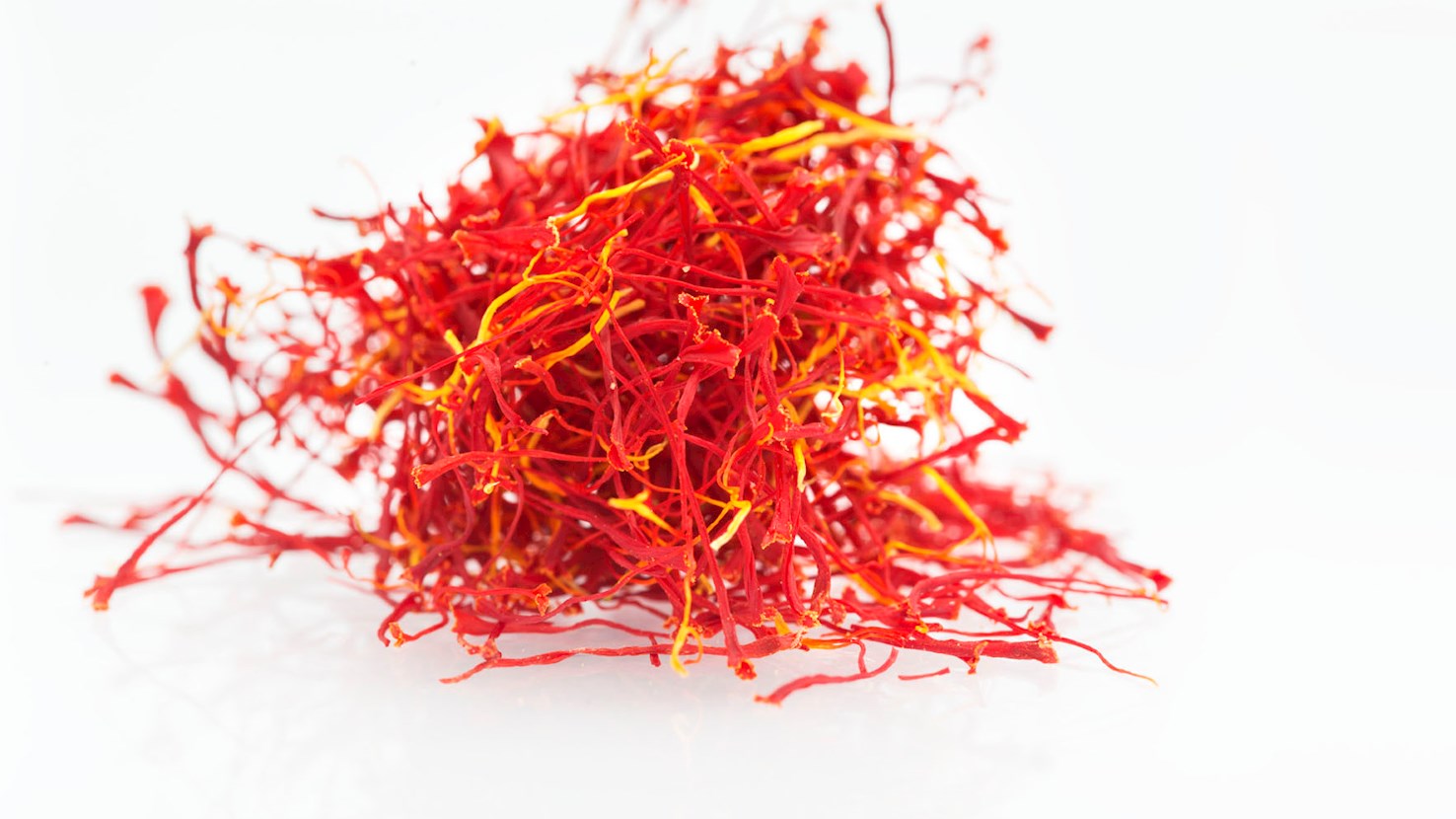
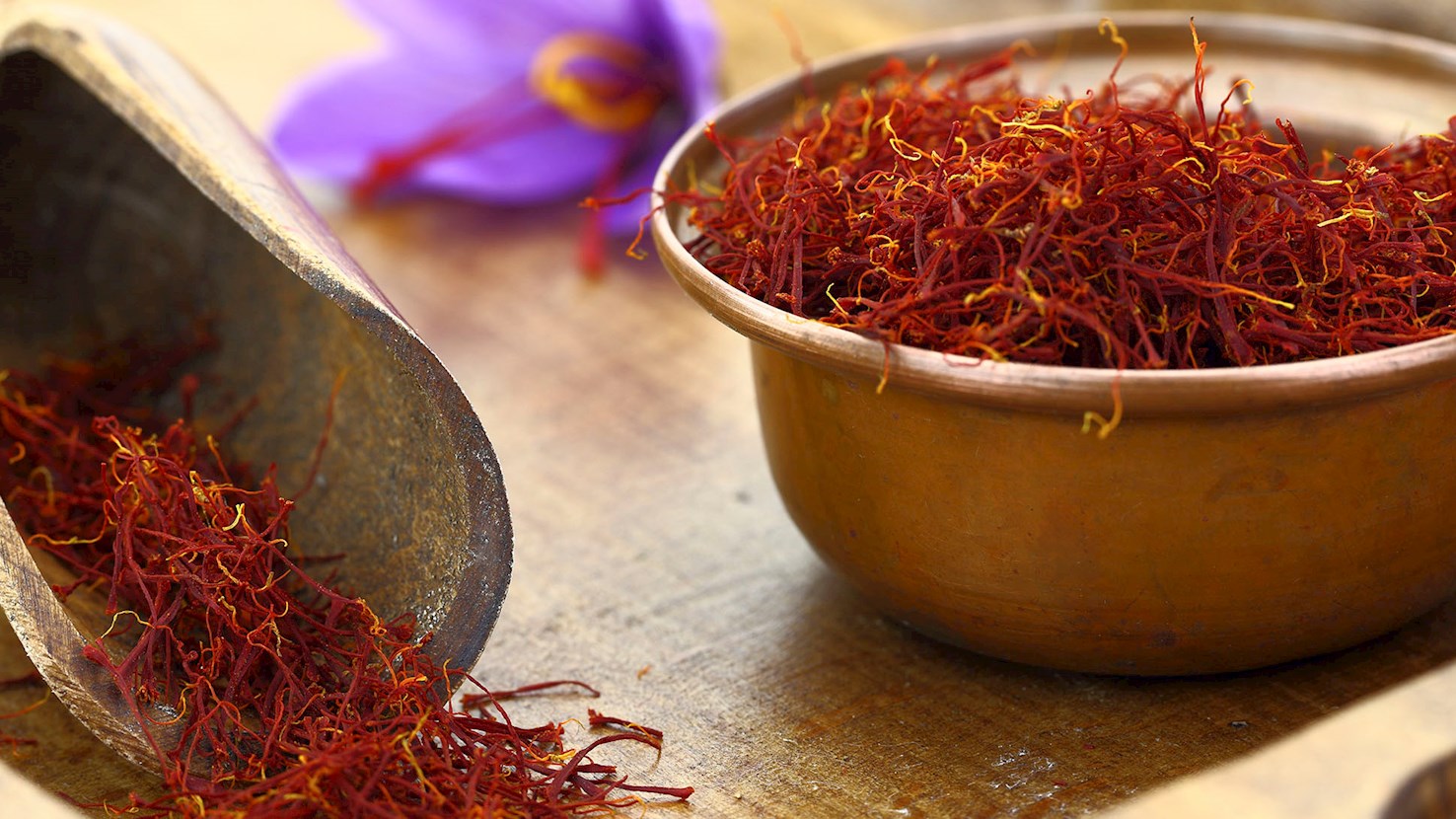
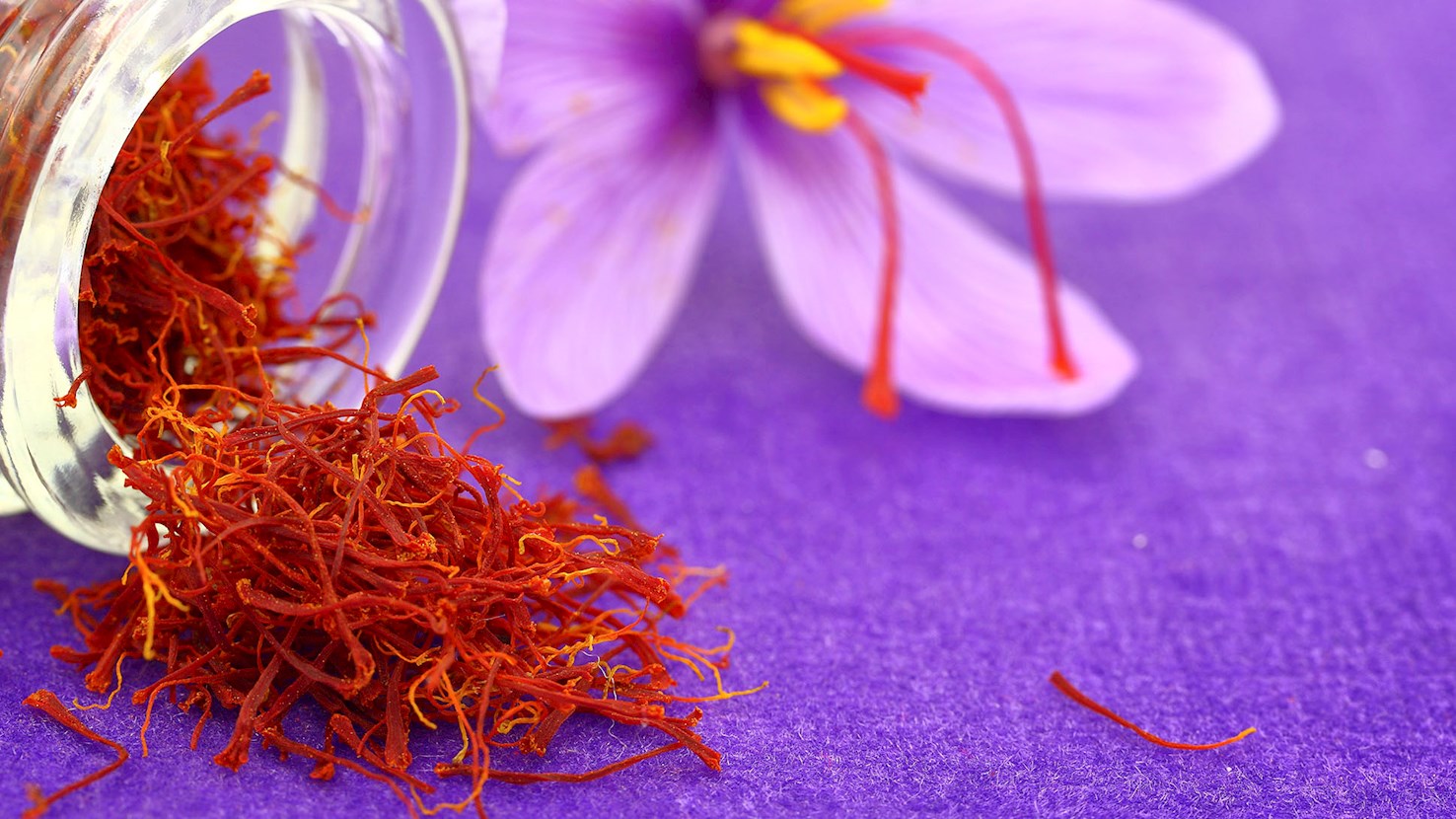
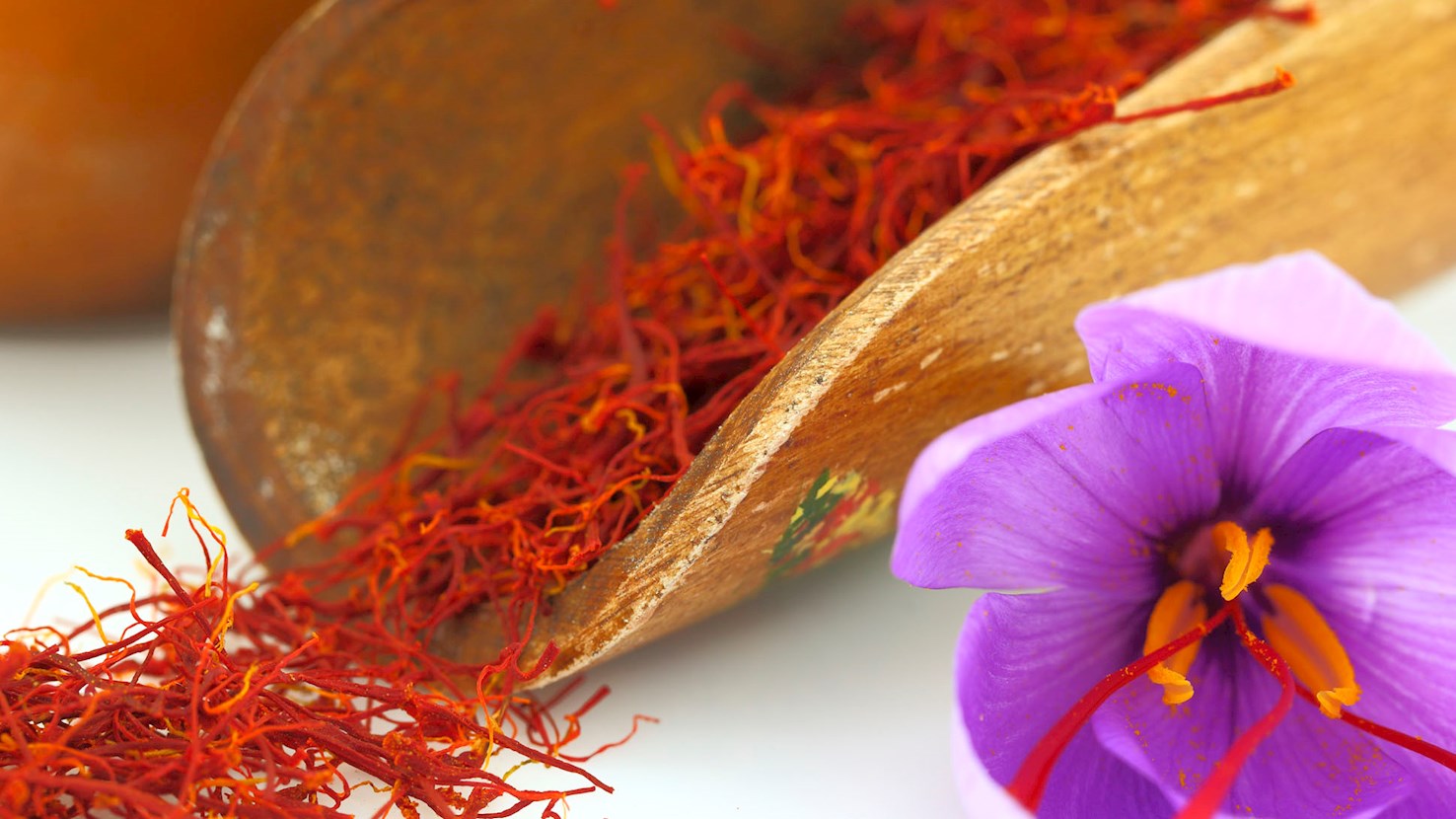
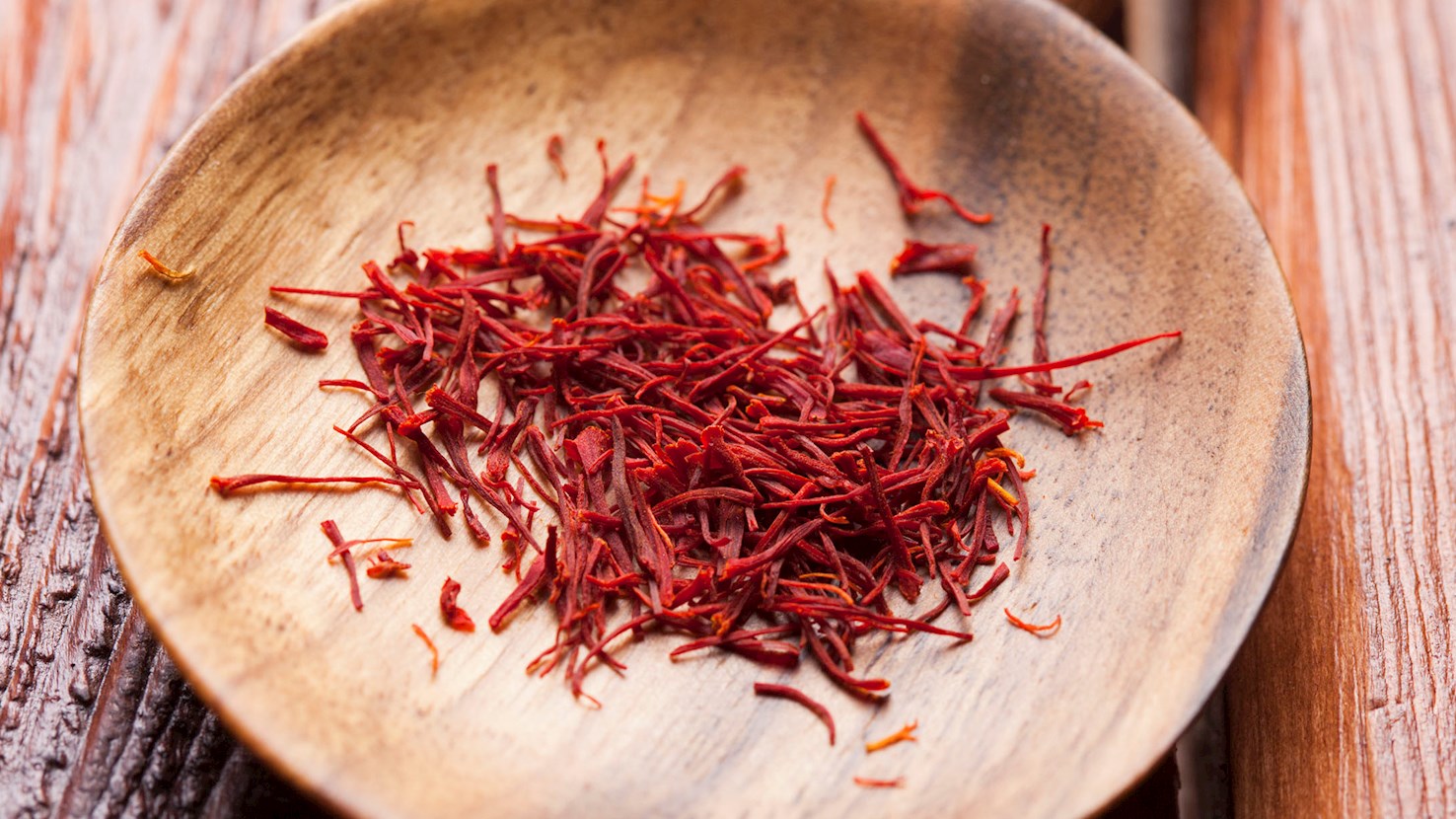
Azafrán de la Mancha is a saffron grown in the autonomous community of Castilla-La Mancha. It is a spice produced by drying the stigmas of the Crocus Sativus, L. plant. It has a floral and slightly bitter flavor and gives the dishes it is cooked in a bright gold yellow color. Saffron is one of the most expensive spices in the world, with the price higher than that of gold, due to the laborious process of its harvesting. To preserve its subtle flavor, saffron grown in La Mancha is never sold powdered, but exclusively in the form of whole threads.

02

Krokos Kozanis

4.2 ·

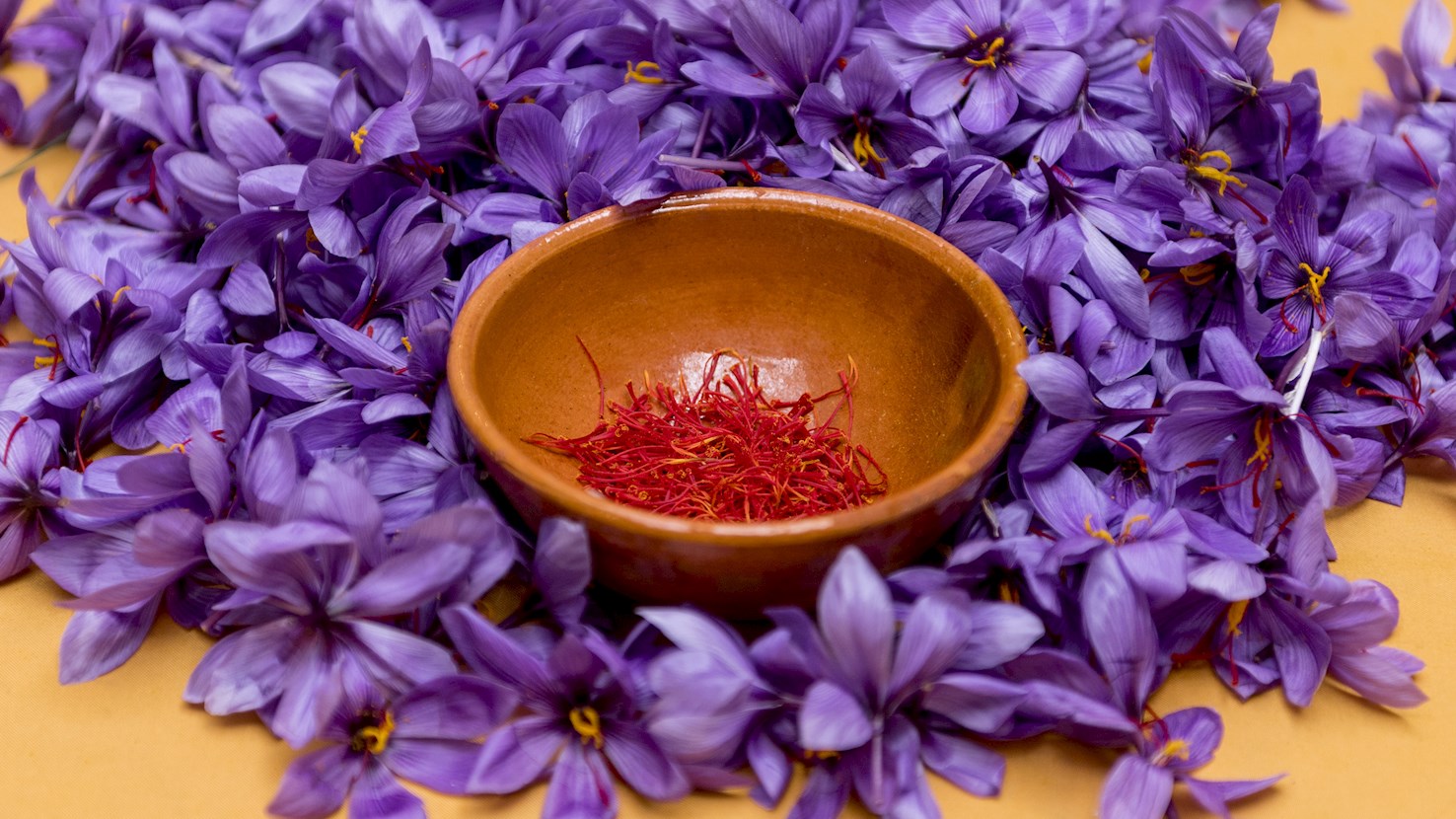
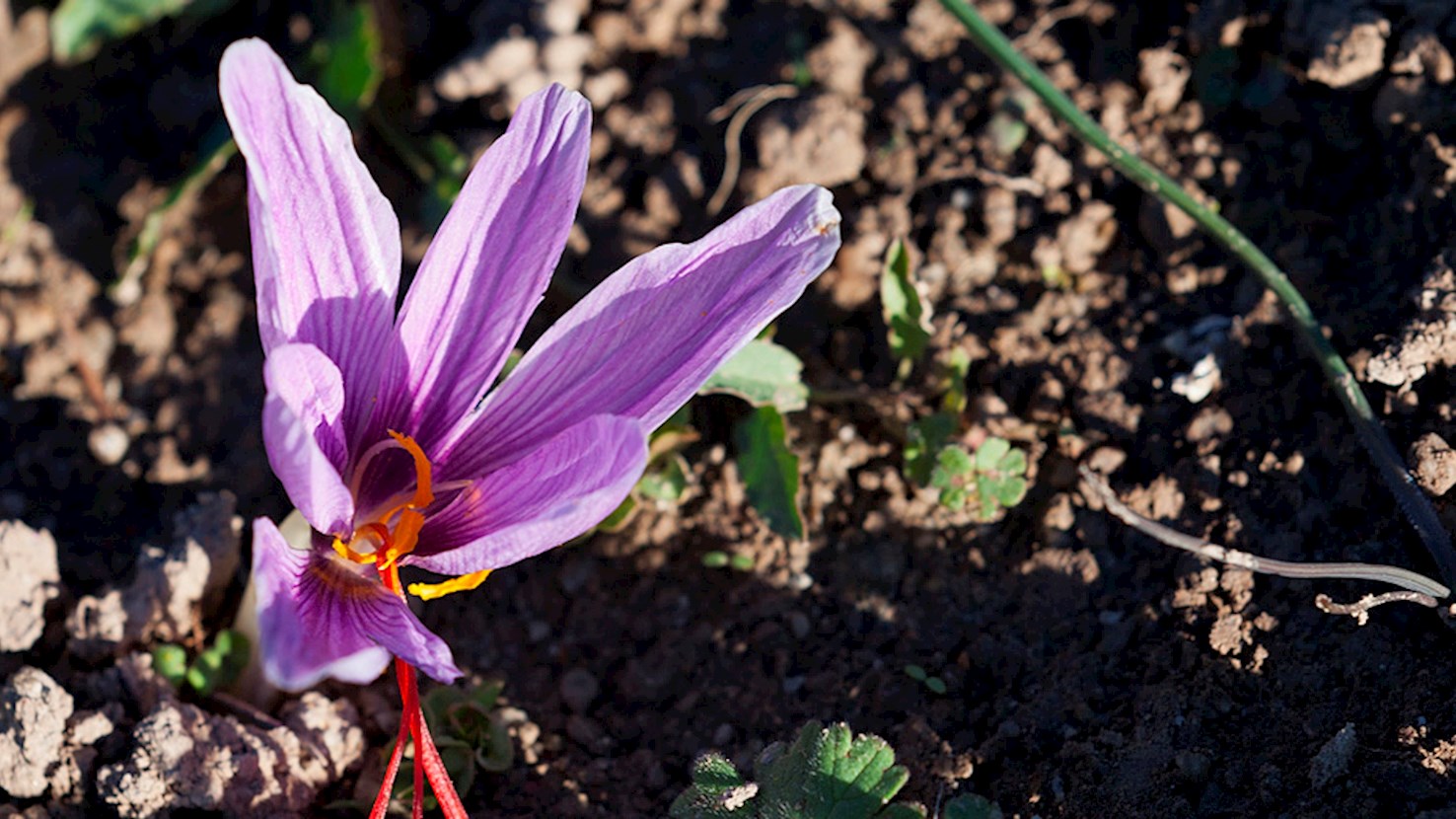
Krokos kozanis is a spice taken from the bulb stigmas of the saffron plant, part of the Iridaceae family. It is produced within the various municipal areas of Kozani, in the region of West Macedonia in the northern part of Greece. The exclusive rights for the collection, distribution and packing of Greek Saffron is held by the Cooperative de Safran. Annual production depends upon weather conditions and ranges from 6 to 12 tons of pure red saffron per year. It takes 150,000 flowers to produce 1 kilogram of dried crocus stigmas and about 50,000 stigmas to obtain 100 grams of red saffron which makes saffron the most expensive spice in the world. The locals are planting saffron every summer and then manually gather them when they start maturing around the middle of October. The stigmas have a shiny red-orange color, a strong flavor and an intense scent. It seems that crocus was cultivated in Greece ever since the Minoan period, but the production in the Kozani area dates back to the 17th century. It should be kept in glass containers, keeping it away from light sources and humidity. With its unique taste, it can enrich a variety of meals, rice dishes, meat or fish courses. It is also perfect served with cheese. Saffron is used to flavor and give color to sweets and ice creams, as well. In Greece, it is also used to flavor coffee or tsipouro. Greek saffron is among the best saffron in the world, quality-wise and, therefore, a very sought after product in Europe and beyond.

Best producers
03

Absheron Saffron

3.6 ·

This saffron variety is grown exclusively on Azerbaijan's Absheron Peninsula for more than a thousand years. It is usually grown in small quantities on farm fields, and currently, 1 kg of Absheron saffron costs about $11,000. The expensive spice is typically used in saffron-rice plov, one of the national dishes of Azerbaijan, which is commonly served with a variety of fresh herbs and vegetables on the side.

04

Zafferano di Sardegna

n/a ·

Sardinia's red gold, Zafferano di Sardegna refers to the dried threads plucked from the saffron flowers which are believed to have been introduced to the island thousands of years ago by the Phoenicians. Today, Sardinian saffron is produced in the province of Medio Campidano, namely the towns of San Gavino Monreale, Turri, and Villanovafranca, where it thrives in the mild Mediterranean climate. It is particularly prized for its intense flavor and fragrance.

05

Zafferano di San Gimignano

n/a ·

Named after the Tuscan town where it's been cultivated since the 1200s, San Gimignano saffron owes its exceptional purity, strong flavor and intense aroma to the pedoclimatic conditions of the designated production area and the mild Mediterranean climate in which these flowers thrive. Zafferano di San Gimignano, often called 'the red gold of Tuscany', was so precious that it was once even used as a currency and the whole medieval town of Gimignano was built on wealth from the saffron trade which peaked by the end of 13th century. Today, the production of saffron in Gimignano is again on the rise and this exotic spice is widely used for flavoring all kinds of sweet and savory dishes. The spicy and somewhat bittersweet San Gimignano saffron is an essential ingredient of the famous risotto Milanese but it also goes particularly well with vegetables, fish and white meat.

06

Munder Safran

n/a ·

Munder safran is a variety of saffron produced in the area around Mund, a small village in the Swiss canton of Valais. This precious, deep red spice is derived from the powdered, dried stigmas of the flower known as Crocus sativus L. Each flower has three stigmas, and the harvest is done exclusively by hand, at latest three days after blossoming. To obtain one gram of the dried spice, almost 180 flowers are needed. Munder safran is widely used in cooking, to add both color and flavor – some of the local delicacies include saffron bread, saffron rice, and even saffron flavored ice-cream.

07

Zafferano dell'Aquila

n/a ·

Grown exclusively in the valley of Navelli located near the town of L'Aquila, at an altitude ranging from 350 to 1000 meters above sea level, in an area comprising of only 8 hectares of land, this variety of saffron was first introduced to the region of Abruzzo by a Dominican monk from Spain, in the late 14th century, during the Spanish inquisition. Zafferano dell'Aquila is considered to be a spice of premium quality because of its high safranal and crocin content. It has a particularly pungent aroma and a quite an intense color.

08

Safran de l’Aveyron

n/a ·

Safran de l’Aveyron is a saffron spice produced in the département of Aveyron in France. Cultivation in that area dates back to the Middle Ages when fields of the autumn-flowering crocus blossomed and pilgrims, monks or farmers began harvesting the vivid stigmas. Over time the crop waned, but in recent decades small-scale growers have revived the cultivation on carefully prepared plots especially suited to the local climate and soils. Production begins in autumn when the crocus flowers emerge; each flower must be picked by hand early in the morning when the blooms are open, then the three red stigmas are separated immediately and carefully dried at controlled temperature so as to preserve both colour and aroma — about 150 to 200 flowers are needed to produce a single gram of dried saffron in this region. Common variations concern drying methods (some growers use a slow-dry process in electric dryers, others rely on wood-fired cabinets), cropping scale (micro-plots versus slightly larger fields) and the way the saffron is graded (length of threads, colour intensity, moisture content). A distinctive feature of safran de l’Aveyron is its extremely small yield per hectare and its requirement for manual work throughout — even the planting of corms and their uplift must be done without heavy machinery in many farms due to terrain and spacing. The spice is used in kitchens typically as an infusion in a little hot water or broth before being added to rice, soups, stews or creams, but in this region it is often paired with regional meats or fish, light pasta or risotto dishes, and serves well alongside a crisp white wine or mild rosé that complements rather than overwhelms the saffron’s delicate floral-hay fragrance and golden-yellow color.

Read more
View all
View map
About this ranking

TasteAtlas food rankings are based on the ratings of the TasteAtlas audience, with a series of mechanisms that recognize real users and that ignore bot, nationalist or local patriotic ratings, and give additional value to the ratings of users that the system recognizes as knowledgeable. For the “Top 8 European Saffrons” list until June 10, 2026, 149 ratings were recorded, of which 84 were recognized by the system as legitimate. TasteAtlas Rankings should not be seen as the final global conclusion about food. Their purpose is to promote excellent local foods, instill pride in traditional dishes, and arouse curiosity about dishes you haven’t tried.

The initial list of top producers was compiled based on available reviews, awards, local recommendations, media and blog coverage, and consumer reviews. The list will be updated with ratings from TasteAtlas local ambassadors and TasteAtlas users.

Similar lists