shutterstock

Top 10 Saffrons
in the World

Last updated on July 01, 2026

Best Saffrons in the World
01

Safran Üretim Çiftliği

4.8 ·

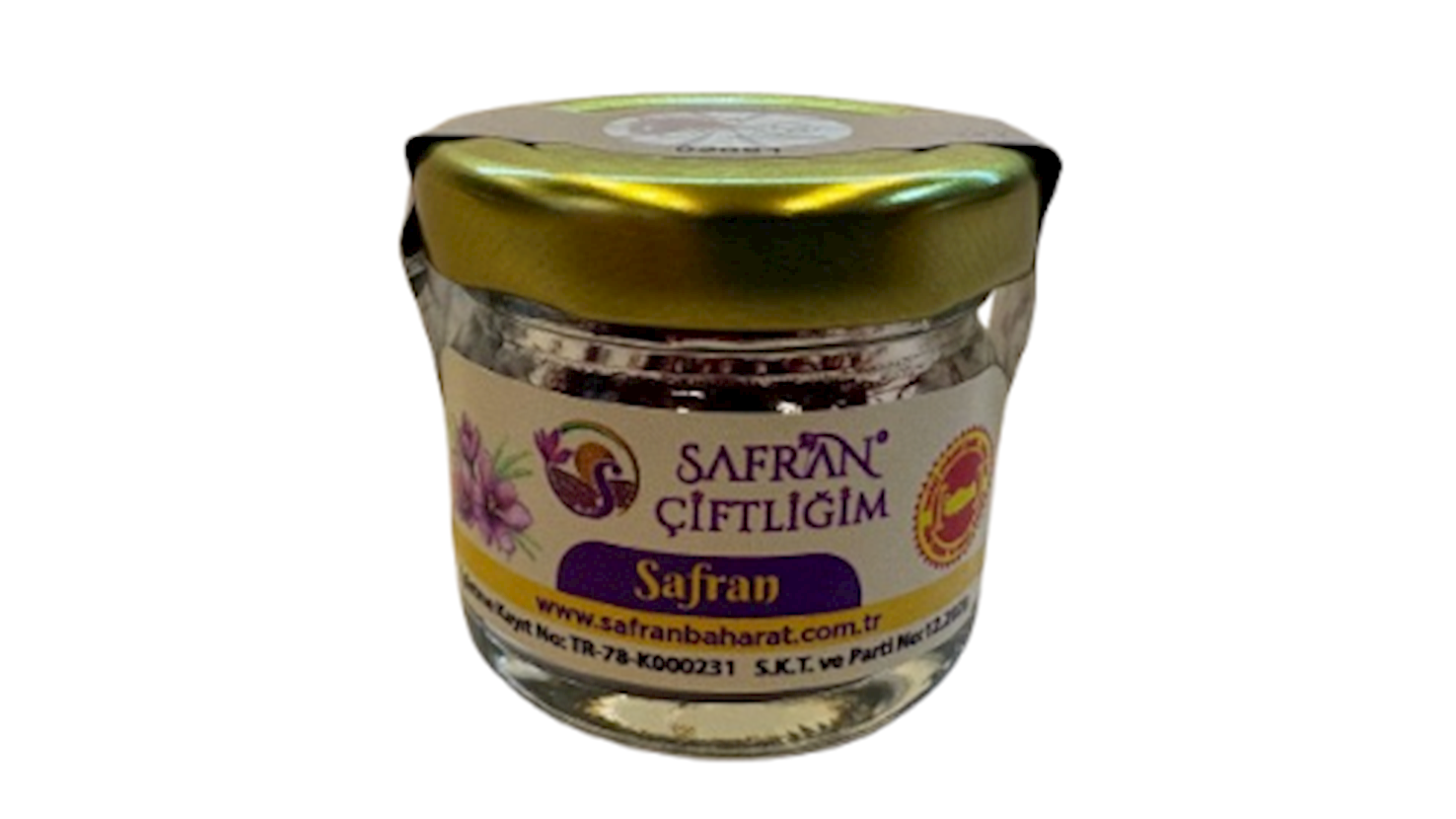
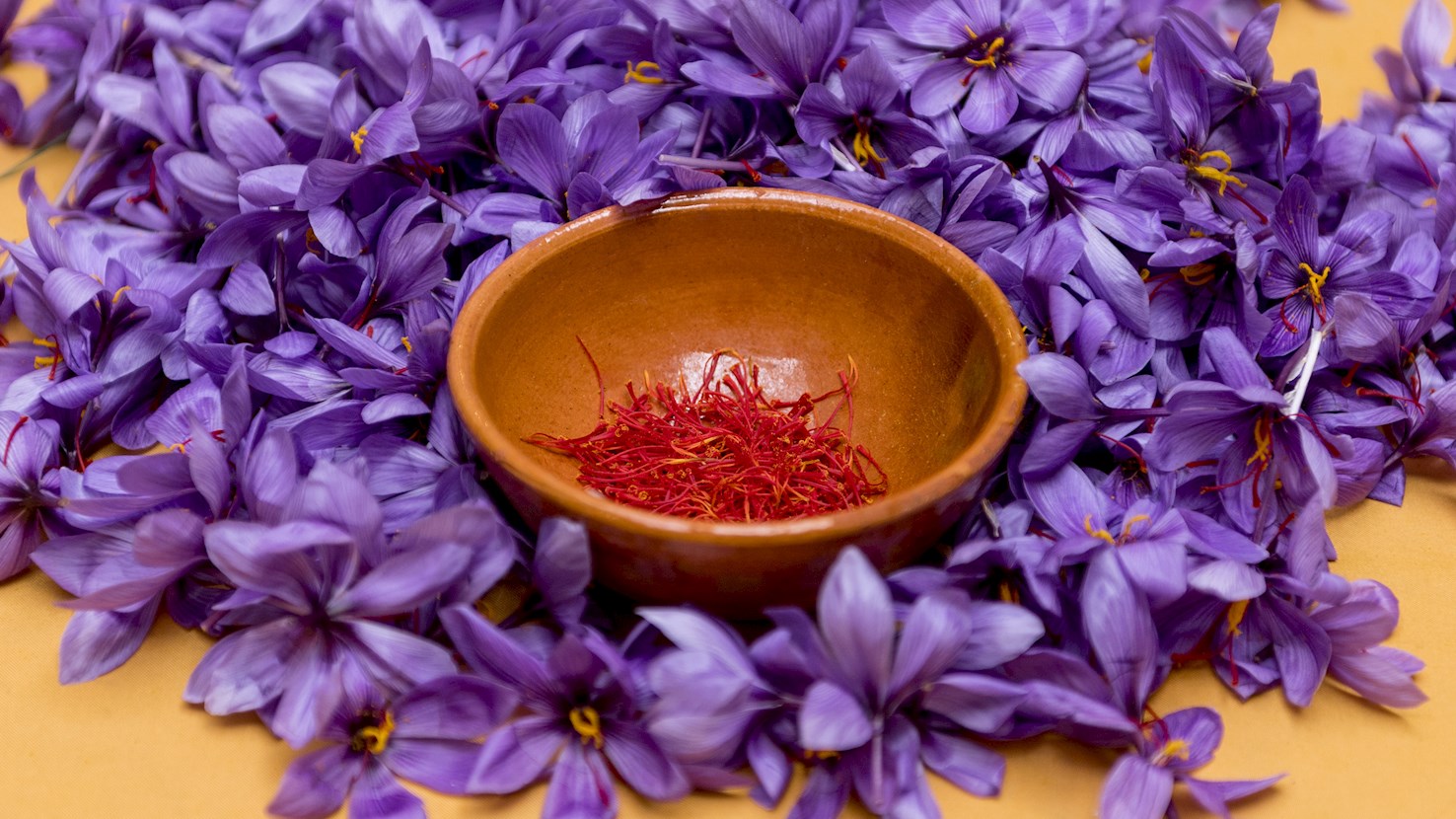
Safran Üretim Çiftliği is a family-run farm from Safranbolu specializing in the cultivation of authentic Turkish saffron, with a focus on small-scale, controlled production and hand-picking of the flowers. The saffron is grown on fields that turn purple in autumn, when crocus blossoms cover the terrain, and the stigmas are carefully separated and dried to preserve their intense aroma and high levels of safranal, picrocrocin, and crocin.

The farm offers saffron in various package sizes, with clearly stated origin and traditional cultivation methods that position it within the premium spice segment. In addition to pure saffron, the farm produces a range of related items - teas, spice blends, dried fruits, jams, soaps, and other natural products based on local ingredients.

Visitors can tour the plantation during the flowering season to observe the harvesting and processing steps, highlighting the transparent and handcrafted nature of the production. Through the combination of traditional know-how, limited quantities, and direct sales, Safran Üretim Çiftliği stands as a representative example of a regional agricultural producer whose identity is deeply rooted in the terroir of Safranbolu.

02

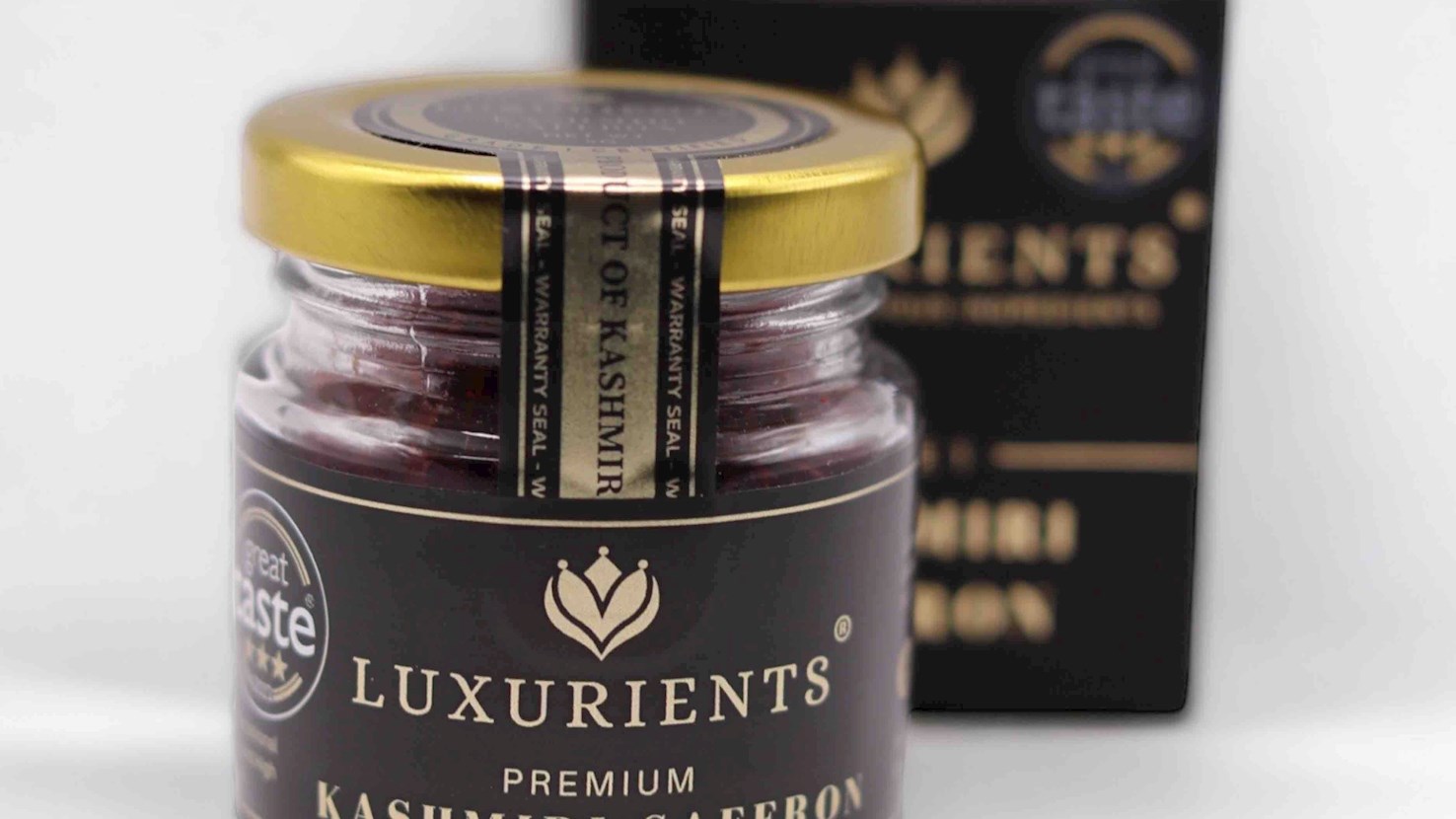
Luxurients

4.8 ·
Awards
Great Taste Awards - 3 Stars (2022)
Great Taste Awards - 2 Stars (2024)
03

Thiercelin 1809

4.7 ·

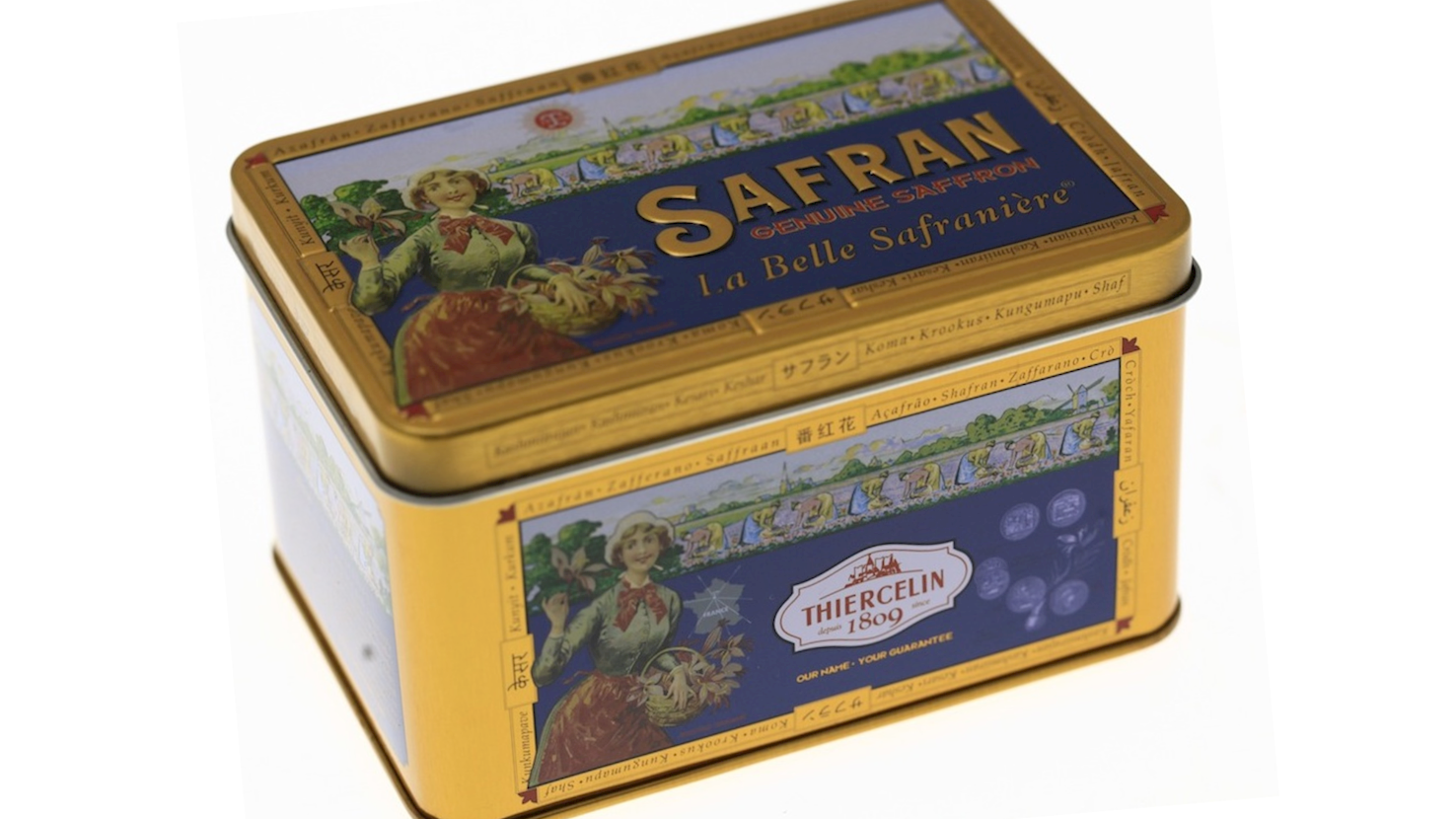
Thiercelin 1809 is a French family-owned producer of spices, aromatic herbs, and gourmet ingredients whose history dates back to 1809. Originating from the Gâtinais region of France, the company is recognized as one of the world's oldest saffron specialists.

For more than two centuries, the Thiercelin family has developed extensive expertise in sourcing, processing, and distributing saffron, vanilla, peppers, spice blends, edible flowers, herbal extracts, and other premium ingredients for the culinary industry. Its products are used by renowned chefs, pastry makers, hotels, and food manufacturers, while also being available to discerning consumers through specialty retailers and the company's own stores.

Thiercelin 1809 has been awarded the prestigious “Maître Artisan” distinction in recognition of its exceptional craftsmanship and long-standing expertise. The company is particularly renowned for its knowledge of saffron, a product the family has traded since the early nineteenth century, as well as for creating distinctive spice blends inspired by historical recipes and global culinary traditions.

Today, the business is managed by the eighth generation of the Thiercelin family, continuing a legacy that combines tradition, innovation, and a commitment to quality that has earned the brand international recognition.

04

Scarlet Saffron

4.5 ·
Awards
Great Taste Awards - 3 Stars (2024)
05

Nadia's Saffron

4.5 ·
Awards
Great Taste Awards - 3 Stars (2024)
06

Zafferano Leprotto

4.4 ·

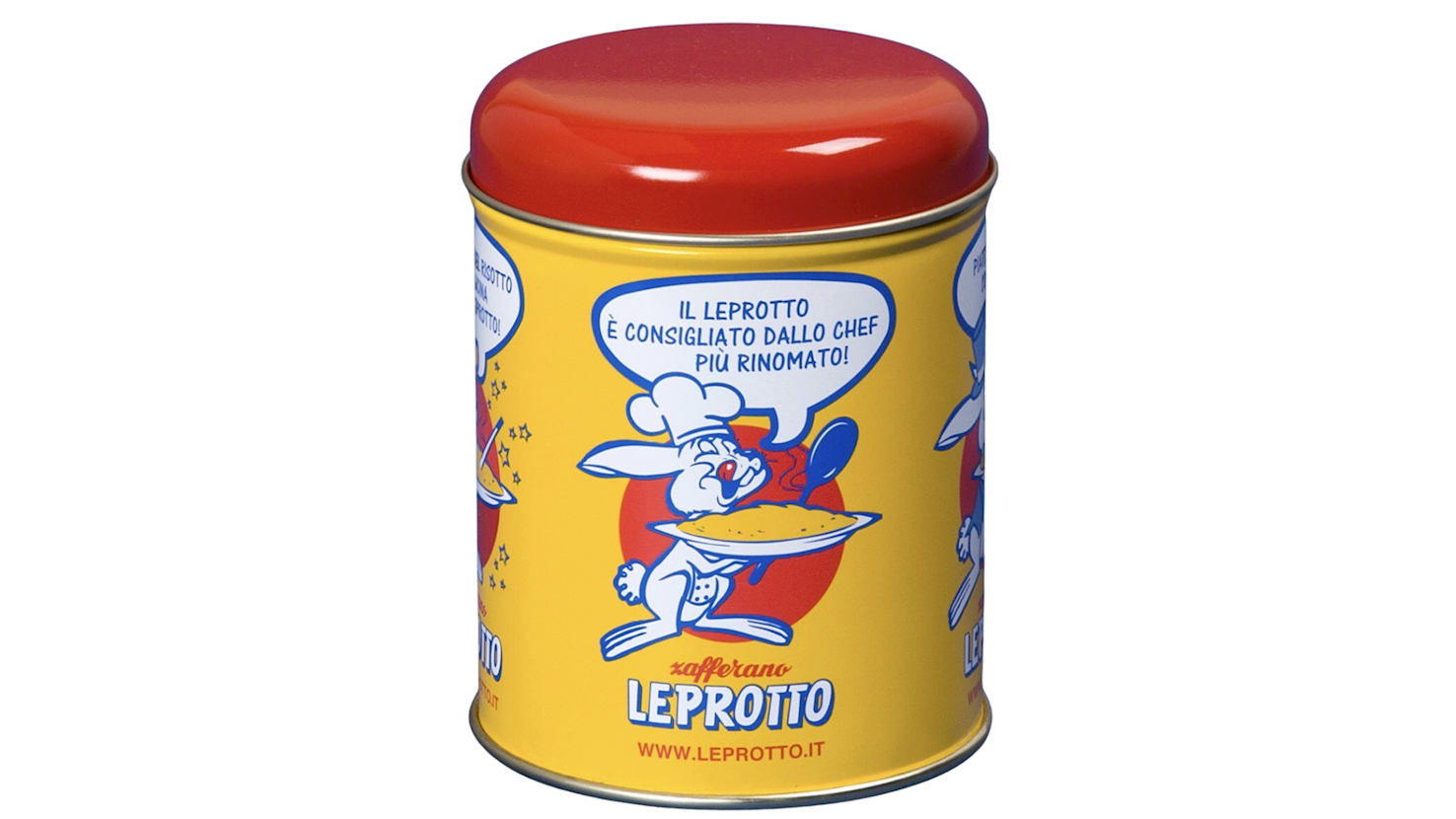
Zafferano Leprotto is a historic Italian saffron brand that originated in Milan in 1963. It was developed by Bonetti with the aim of creating a saffron product known for its distinctive and intense character.

The brand takes its name from a small hare (leprotto in Italian), which became the product’s iconic mascot and visual trademark. During Italy’s economic boom of the 1960s, Leprotto built a strong identity through its recognizable yellow packaging, advertising campaigns, and promotional activities that made it a familiar presence in households across the country.

The packaging traditionally features the slogan “forte sapore” (“strong flavor”), highlighting the product’s characteristic intensity. Today, Zafferano Leprotto remains on the market as one of Italy’s longest-established saffron brands.

It continues to be closely associated with Milan and Italian culinary traditions, particularly dishes such as risotto alla milanese, where saffron plays a central role.

07

Krokos Kozanis

4.3 ·

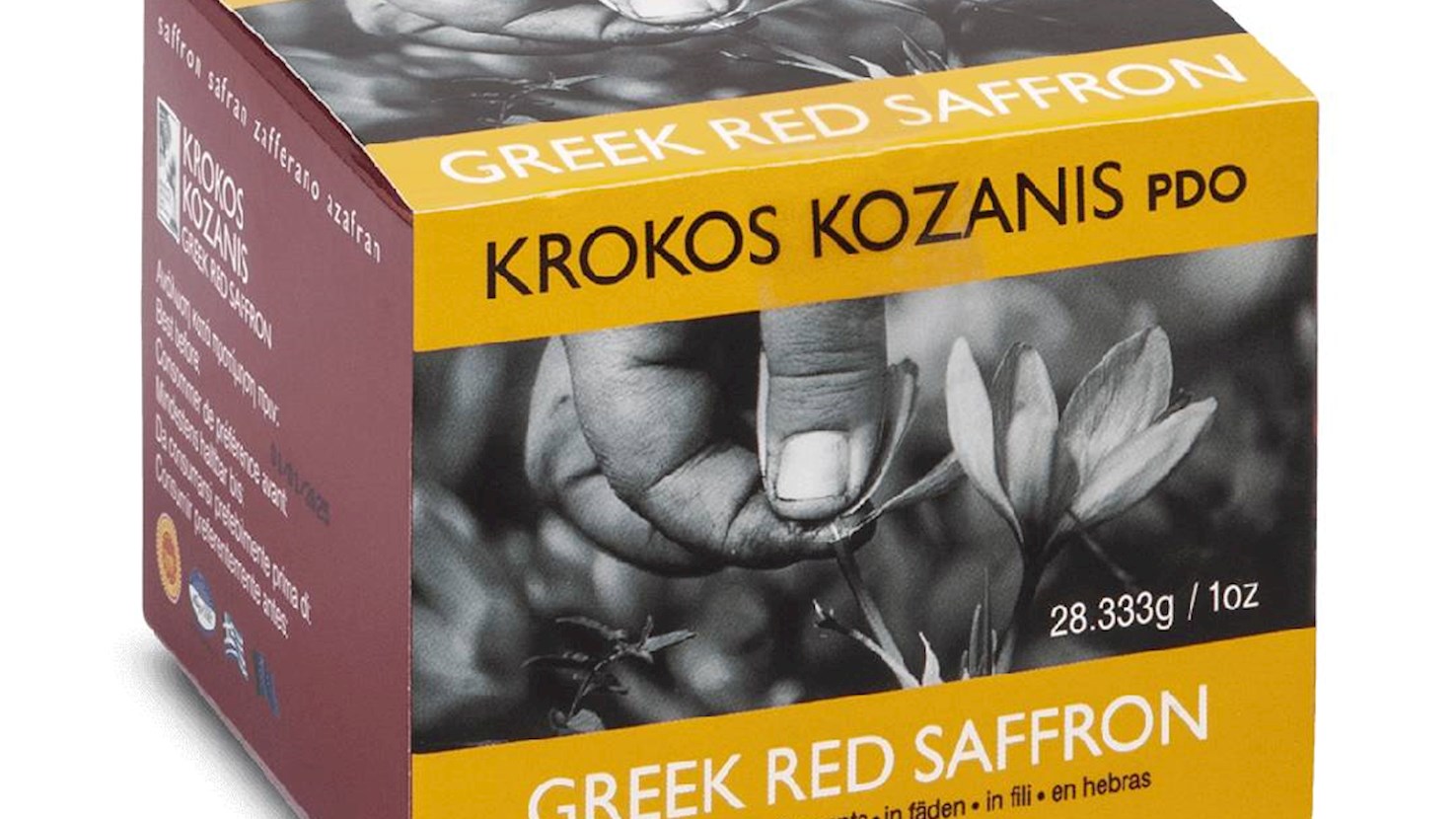
The Kozani Saffron Producers Cooperative, established in 1971, is headquartered in the village of Krokos, Kozani Prefecture, Greece. The cooperative comprises approximately 1,000 members and holds the exclusive rights to collect, process, package, and distribute saffron cultivated in the region. The cooperative's primary objectives include coordinating saffron cultivation to enhance both yield and quality, as well as standardizing the product's appearance.

To achieve these goals, the cooperative engages in scientific research on saffron cultivation and implements innovative programs to train its staff and farmers. Kozani saffron, also known as "Krokos Kozanis," is renowned for its high quality, characterized by a guaranteed minimum coloring strength of 230 degrees.

This superior quality has earned it a Protected Designation of Origin (PDO) status, distinguishing it in both domestic and international markets.

09

Regional Co.

3.8 ·

Regional Co is a Spanish producer of spices, gourmet salts, herbs, botanicals, and specialty food ingredients based in Novelda, Alicante, a region long associated with Spain’s spice and saffron trade. The company traces its origins back to 1921, when Vicente Navarro Navarro founded a family business dedicated to the selection and commercialization of saffron and spices.

Building on more than a century of experience, Regional Co combines this heritage with a contemporary approach to gourmet food, offering products inspired by culinary traditions from around the world. Its portfolio includes premium spices, seasoning blends, flavored salts, dehydrated fruits, superfoods, and botanical ingredients for cocktails and gastronomy.

The brand places particular emphasis on sourcing quality raw materials and showcasing flavors characteristic of regions such as the Mediterranean, Asia, the Middle East, Africa, and Latin America. Among its best-known products are saffron, specialty salts, peppers, and carefully curated spice blends designed for both professional chefs and home cooks.

Through its combination of tradition, expertise, and global culinary inspiration, Regional Co has established itself as a distinctive gourmet brand within Spain’s long-standing spice industry.

Best Saffron Types in the World
01

Azafrán de la Mancha

4.6 ·

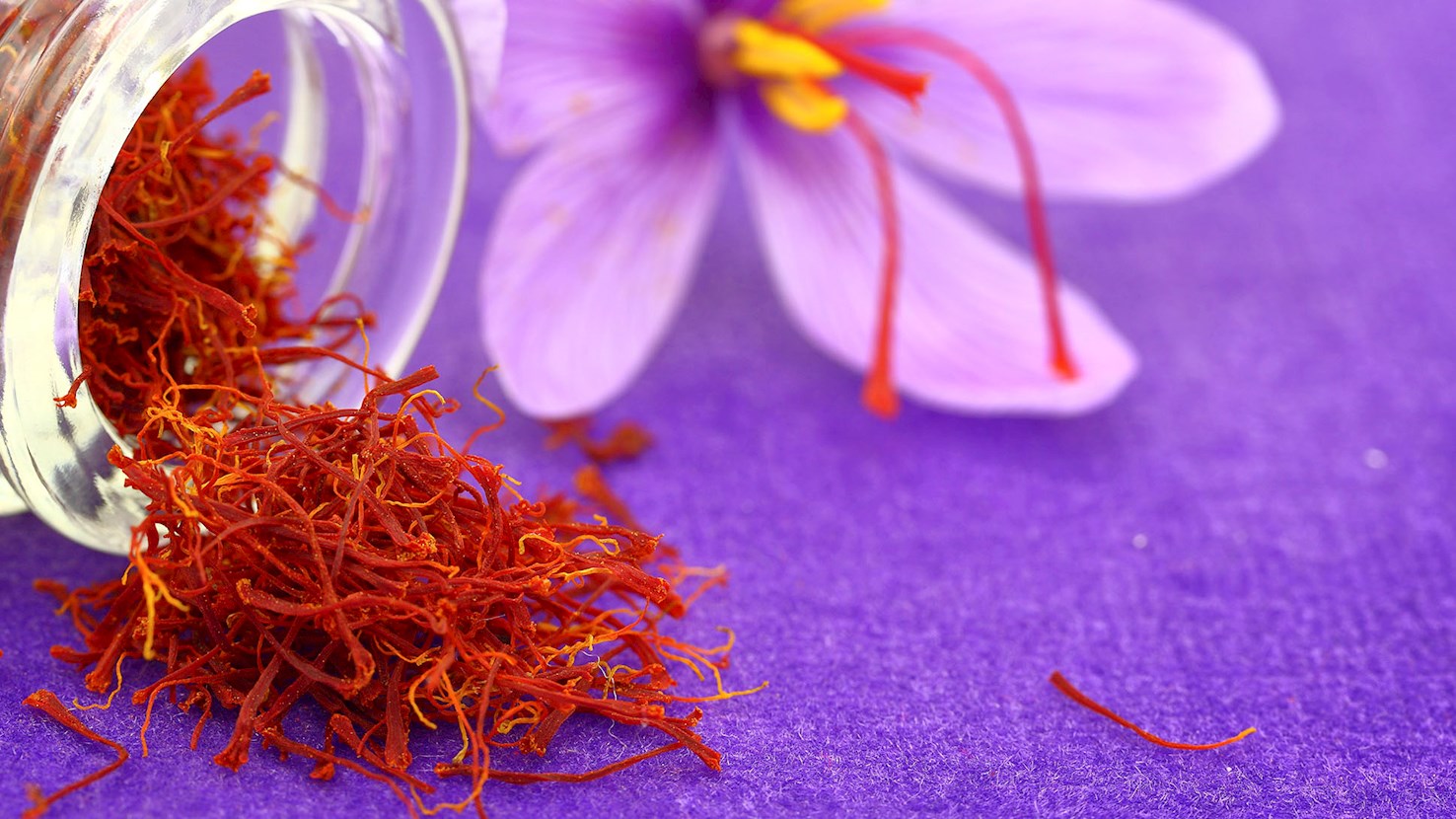
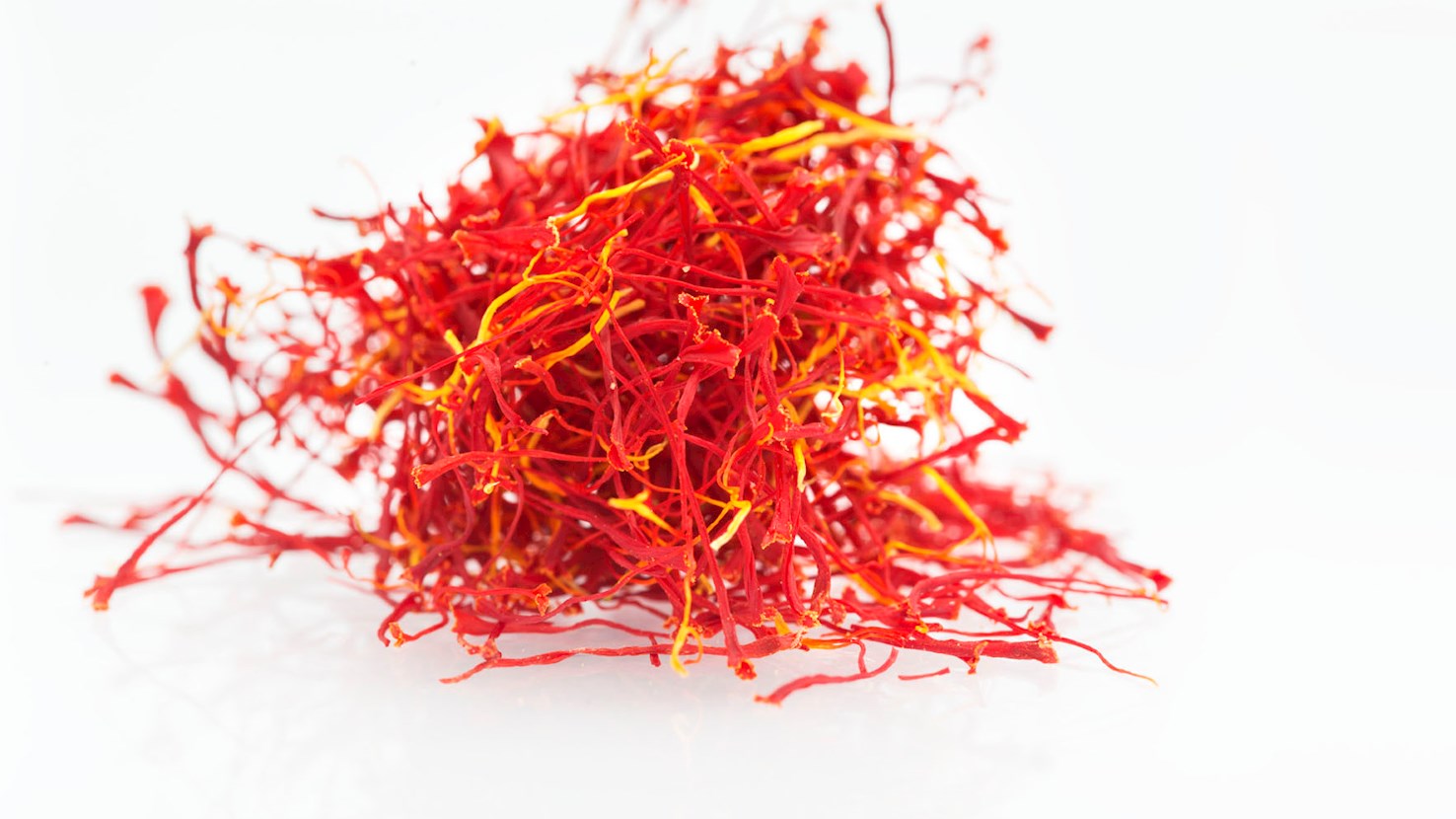
Azafrán de la Mancha is a saffron grown in the autonomous community of Castilla-La Mancha. It is a spice produced by drying the stigmas of the Crocus Sativus, L. plant. It has a floral and slightly bitter flavor and gives the dishes it is cooked in a bright gold yellow color. Saffron is one of the most expensive spices in the world, with the price higher than that of gold, due to the laborious process of its harvesting. To preserve its subtle flavor, saffron grown in La Mancha is never sold powdered, but exclusively in the form of whole threads.

02

Krokos Kozanis

4.2 ·

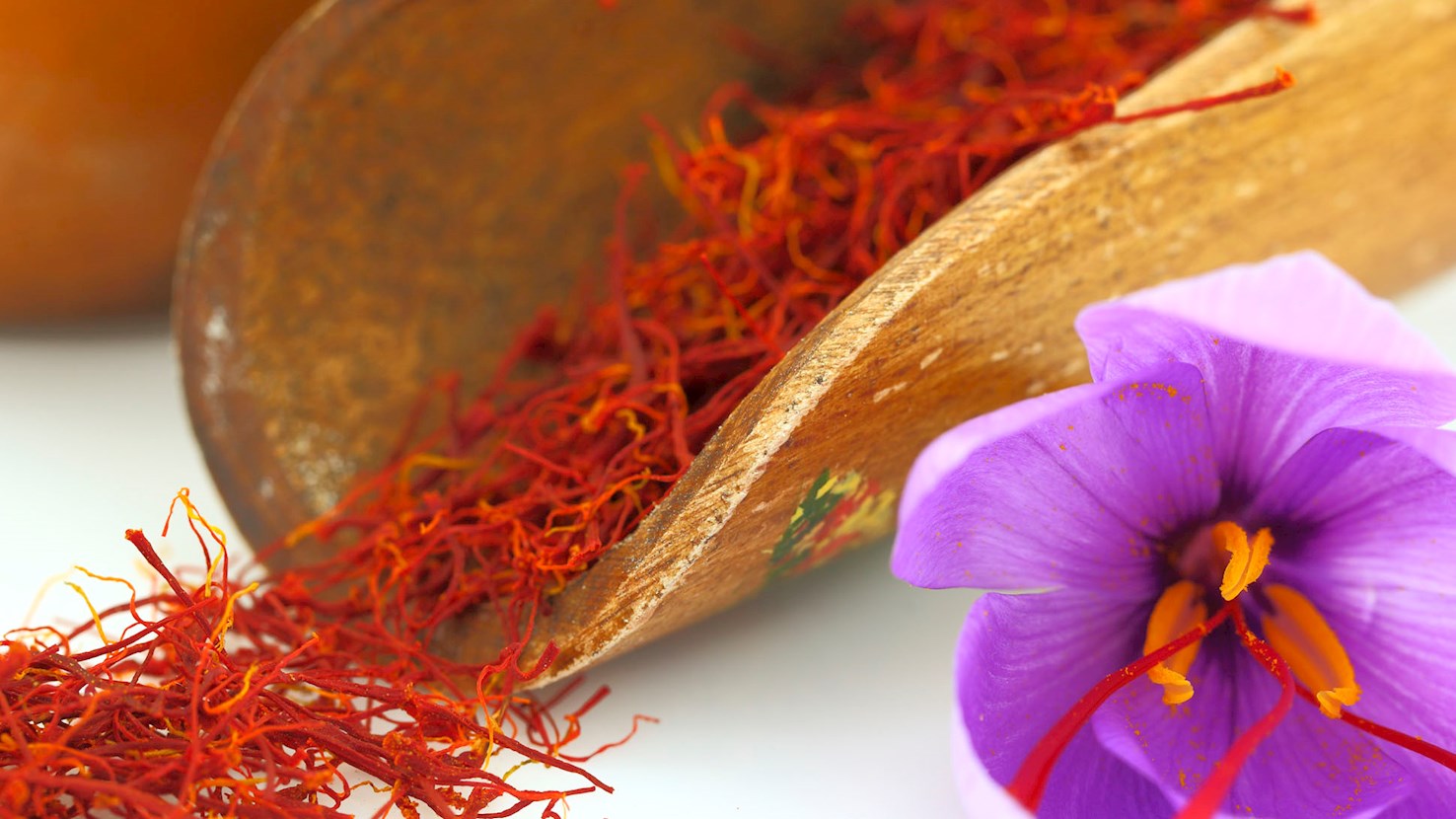
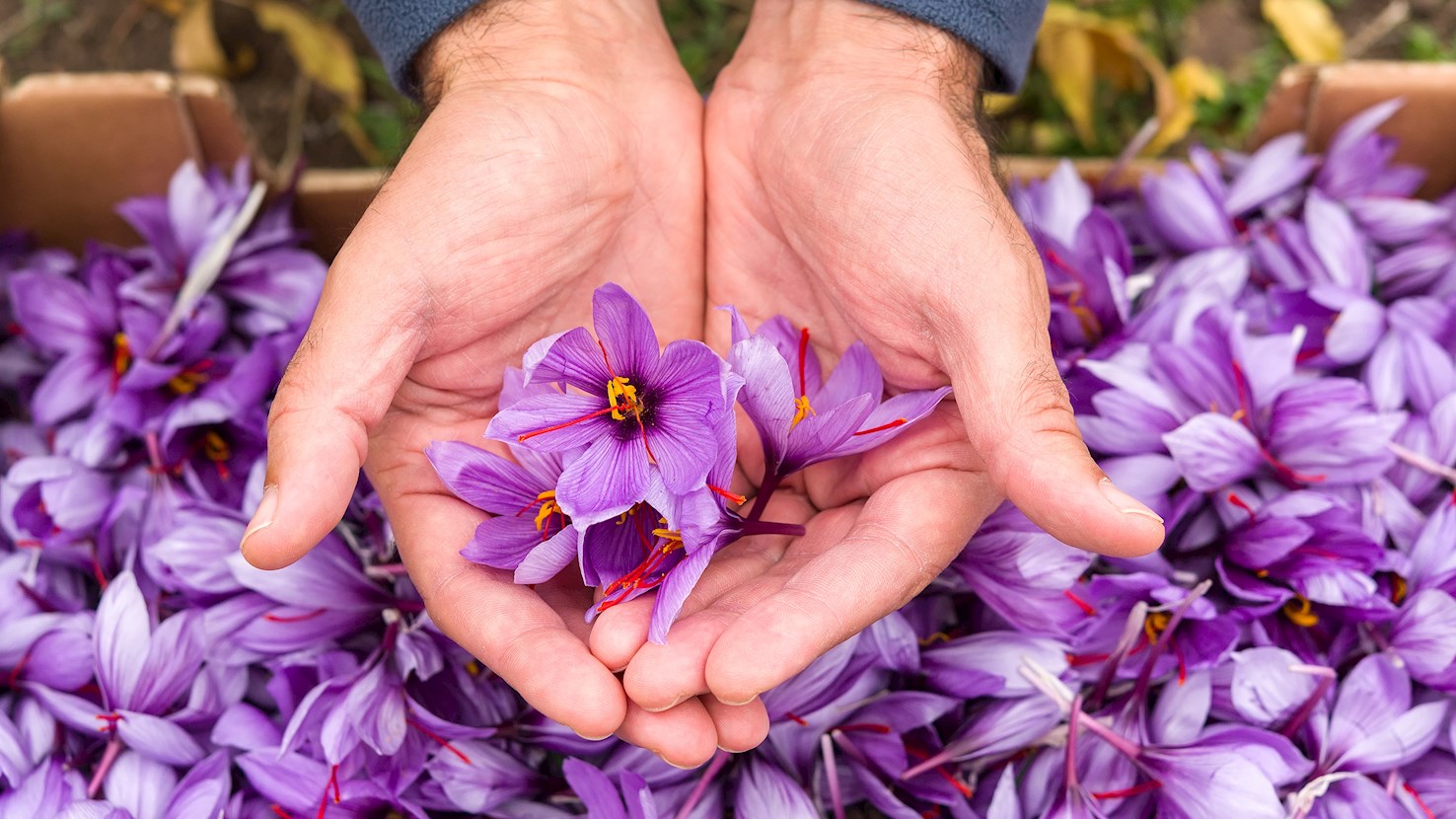
Krokos kozanis is a spice taken from the bulb stigmas of the saffron plant, part of the Iridaceae family. It is produced within the various municipal areas of Kozani, in the region of West Macedonia in the northern part of Greece. The exclusive rights for the collection, distribution and packing of Greek Saffron is held by the Cooperative de Safran. Annual production depends upon weather conditions and ranges from 6 to 12 tons of pure red saffron per year. It takes 150,000 flowers to produce 1 kilogram of dried crocus stigmas and about 50,000 stigmas to obtain 100 grams of red saffron which makes saffron the most expensive spice in the world. The locals are planting saffron every summer and then manually gather them when they start maturing around the middle of October. The stigmas have a shiny red-orange color, a strong flavor and an intense scent. It seems that crocus was cultivated in Greece ever since the Minoan period, but the production in the Kozani area dates back to the 17th century. It should be kept in glass containers, keeping it away from light sources and humidity. With its unique taste, it can enrich a variety of meals, rice dishes, meat or fish courses. It is also perfect served with cheese. Saffron is used to flavor and give color to sweets and ice creams, as well. In Greece, it is also used to flavor coffee or tsipouro. Greek saffron is among the best saffron in the world, quality-wise and, therefore, a very sought after product in Europe and beyond.

Best producers
03

Taliouine Saffron

3.9 ·

Taliouine saffron hails from the eponymous mountain village, located on the Souktana plateau, at an altitude of 1300-1500 meters above sea level, in Morocco’s region of Souss-Massa. The saffron is cultivated by a small number of producers, all of whom are members of the Coopérative Agricole de Taliouine, and the harvest typically takes place from October till November. With a more intense flavor and aroma but less vivid colors than other types of saffron, this highly-prized saffron variety is considered to be the result of a unique combination of perfectly suited territory, the region’s unique climate, and the indispensable knowledge of the people who are involved in its production. Saffron used to be sold by Jewish merchants, who commonly treated saffron pistils with olive oil - a method that is no longer practiced, while today, the primary saffron merchants are Arabs and Berbers. Although it is quite inexpensive when purchased and sold locally, this highly sought-after spice becomes a luxury food item as it reaches big markets in the country and Europe. In Taliouine, apart from using the spice in traditional Moroccan specialties, the local population typically adds saffron to their tea to warm themselves up and prevent disease in winter.

04

Absheron Saffron

3.6 ·

This saffron variety is grown exclusively on Azerbaijan's Absheron Peninsula for more than a thousand years. It is usually grown in small quantities on farm fields, and currently, 1 kg of Absheron saffron costs about $11,000. The expensive spice is typically used in saffron-rice plov, one of the national dishes of Azerbaijan, which is commonly served with a variety of fresh herbs and vegetables on the side.

05

Zafferano di Sardegna

n/a ·

Sardinia's red gold, Zafferano di Sardegna refers to the dried threads plucked from the saffron flowers which are believed to have been introduced to the island thousands of years ago by the Phoenicians. Today, Sardinian saffron is produced in the province of Medio Campidano, namely the towns of San Gavino Monreale, Turri, and Villanovafranca, where it thrives in the mild Mediterranean climate. It is particularly prized for its intense flavor and fragrance.

06

Zafferano di San Gimignano

n/a ·

Named after the Tuscan town where it's been cultivated since the 1200s, San Gimignano saffron owes its exceptional purity, strong flavor and intense aroma to the pedoclimatic conditions of the designated production area and the mild Mediterranean climate in which these flowers thrive. Zafferano di San Gimignano, often called 'the red gold of Tuscany', was so precious that it was once even used as a currency and the whole medieval town of Gimignano was built on wealth from the saffron trade which peaked by the end of 13th century. Today, the production of saffron in Gimignano is again on the rise and this exotic spice is widely used for flavoring all kinds of sweet and savory dishes. The spicy and somewhat bittersweet San Gimignano saffron is an essential ingredient of the famous risotto Milanese but it also goes particularly well with vegetables, fish and white meat.

07

Munder Safran

n/a ·

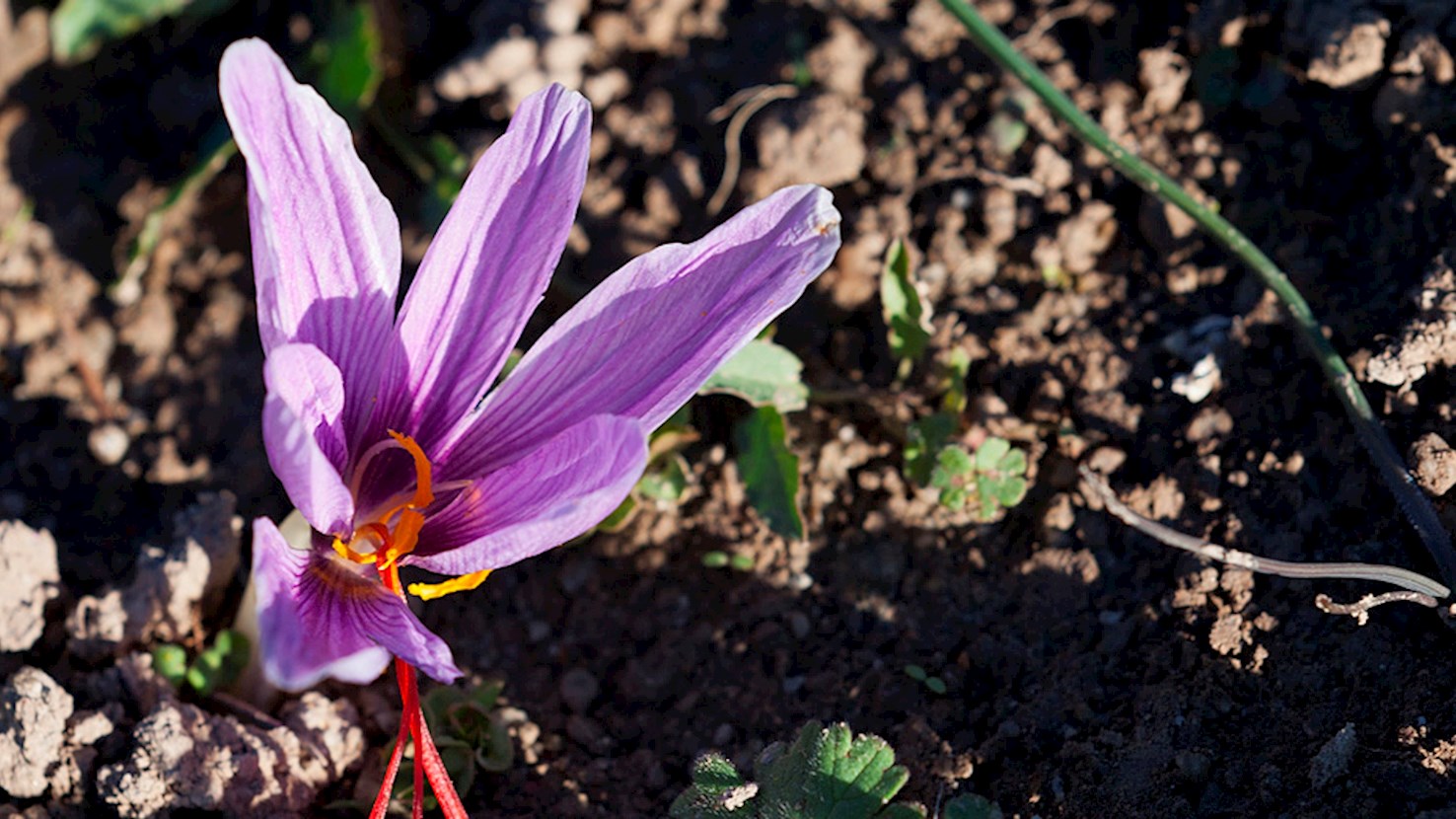
Munder safran is a variety of saffron produced in the area around Mund, a small village in the Swiss canton of Valais. This precious, deep red spice is derived from the powdered, dried stigmas of the flower known as Crocus sativus L. Each flower has three stigmas, and the harvest is done exclusively by hand, at latest three days after blossoming. To obtain one gram of the dried spice, almost 180 flowers are needed. Munder safran is widely used in cooking, to add both color and flavor – some of the local delicacies include saffron bread, saffron rice, and even saffron flavored ice-cream.

08

Zafferano dell'Aquila

n/a ·

Grown exclusively in the valley of Navelli located near the town of L'Aquila, at an altitude ranging from 350 to 1000 meters above sea level, in an area comprising of only 8 hectares of land, this variety of saffron was first introduced to the region of Abruzzo by a Dominican monk from Spain, in the late 14th century, during the Spanish inquisition. Zafferano dell'Aquila is considered to be a spice of premium quality because of its high safranal and crocin content. It has a particularly pungent aroma and a quite an intense color.

09

Safran de l’Aveyron

n/a ·

Safran de l’Aveyron is a saffron spice produced in the département of Aveyron in France. Cultivation in that area dates back to the Middle Ages when fields of the autumn-flowering crocus blossomed and pilgrims, monks or farmers began harvesting the vivid stigmas. Over time the crop waned, but in recent decades small-scale growers have revived the cultivation on carefully prepared plots especially suited to the local climate and soils. Production begins in autumn when the crocus flowers emerge; each flower must be picked by hand early in the morning when the blooms are open, then the three red stigmas are separated immediately and carefully dried at controlled temperature so as to preserve both colour and aroma — about 150 to 200 flowers are needed to produce a single gram of dried saffron in this region. Common variations concern drying methods (some growers use a slow-dry process in electric dryers, others rely on wood-fired cabinets), cropping scale (micro-plots versus slightly larger fields) and the way the saffron is graded (length of threads, colour intensity, moisture content). A distinctive feature of safran de l’Aveyron is its extremely small yield per hectare and its requirement for manual work throughout — even the planting of corms and their uplift must be done without heavy machinery in many farms due to terrain and spacing. The spice is used in kitchens typically as an infusion in a little hot water or broth before being added to rice, soups, stews or creams, but in this region it is often paired with regional meats or fish, light pasta or risotto dishes, and serves well alongside a crisp white wine or mild rosé that complements rather than overwhelms the saffron’s delicate floral-hay fragrance and golden-yellow color.

10

Tasmanian Saffron

n/a ·

Saffron was introduced in Tasmania by an Australian couple, Terry and Nicky Noonan, who founded the first Tasmanian saffron company Tas-Saff in Huon Valley, back in 1990. Tasmanian saffron is renowned for its high-quality characteristics due to the exceptional growing conditions provided by the pristine Tasmanian environment in which it grows. In Tasmania, the saffron season takes place in April, and it typically lasts for about four or five weeks. During this period, the saffron crocus flowers are hand-picked, dried, processed, and then strictly graded to ensure that the spice meets international standards. Tasmanian saffron is supplied to both local and Australian mainland markets, and it is also exported to numerous countries in Asia and the Middle East. This expensive and highly sought-after spice is a versatile food item that is widely used in the kitchen, but also for personal health and lifestyle purposes. Tasmanian saffron is also used in the production of a range of saffron products including saffron tea, saffron chocolate, and saffron gin.

About this ranking

TasteAtlas food rankings are based on the ratings of the TasteAtlas audience, with a series of mechanisms that recognize real users and that ignore bot, nationalist or local patriotic ratings, and give additional value to the ratings of users that the system recognizes as knowledgeable. For the “Top 10 Saffrons in the World” list until July 01, 2026, 253 ratings were recorded, of which 105 were recognized by the system as legitimate. TasteAtlas Rankings should not be seen as the final global conclusion about food. Their purpose is to promote excellent local foods, instill pride in traditional dishes, and arouse curiosity about dishes you haven’t tried.

The initial list of top producers was compiled based on available reviews, awards, local recommendations, media and blog coverage, and consumer reviews. The list will be updated with ratings from TasteAtlas local ambassadors and TasteAtlas users.

Similar lists