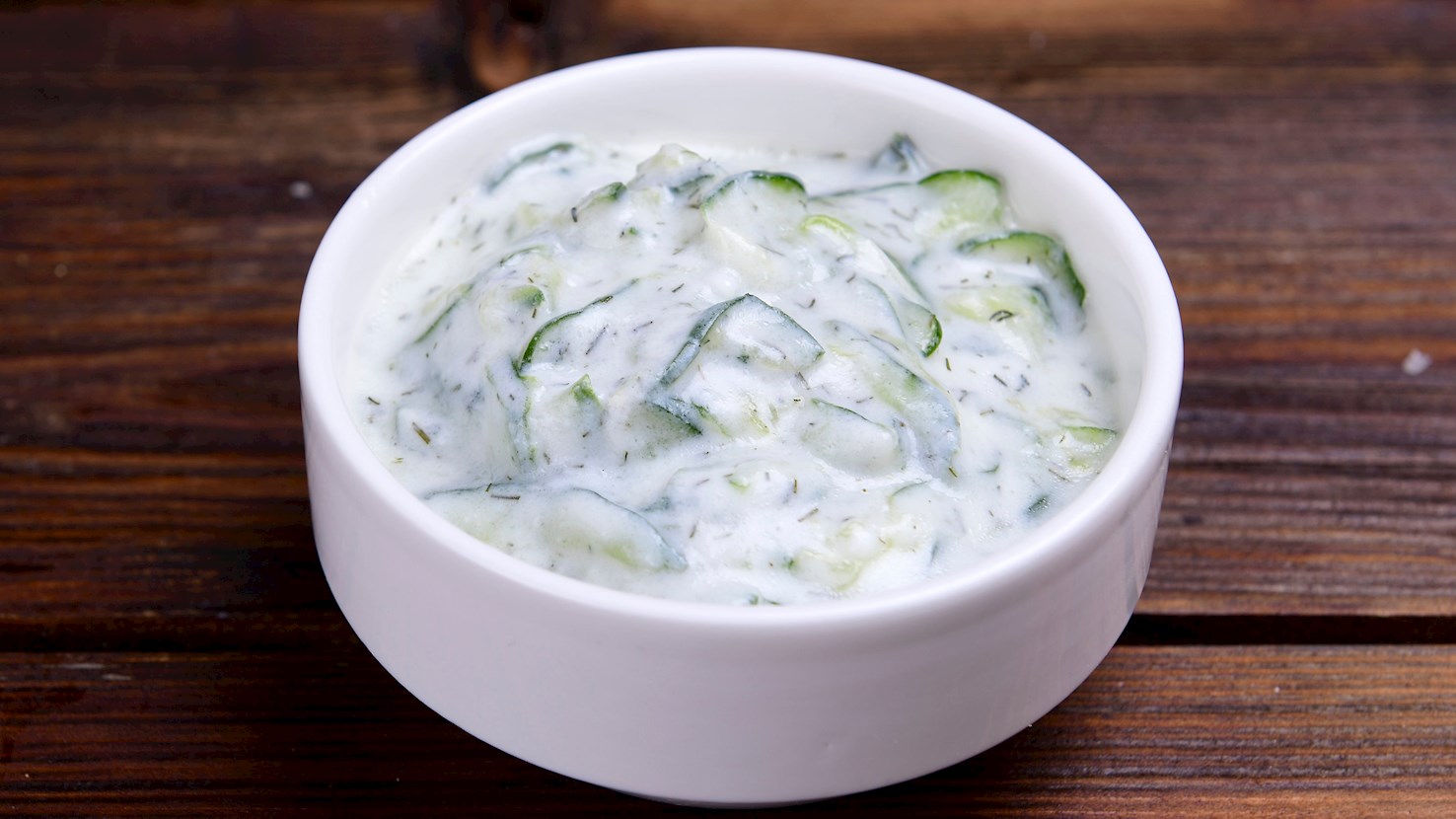
Jajukh is a traditional salad originating from Armenia. The salad is usually made with a combination of sliced cucumbers, yogurt, crushed garlic, chopped mint, and salt. The ingredients are stirred until combined, and ice cubes are then added to the bowl and left to slightly melt. The salad is then stirred once more and served cold. Jajukh is especially popular on hot summer days due to its refreshing properties. It’s recommended to serve it with pita or lavash on the side.
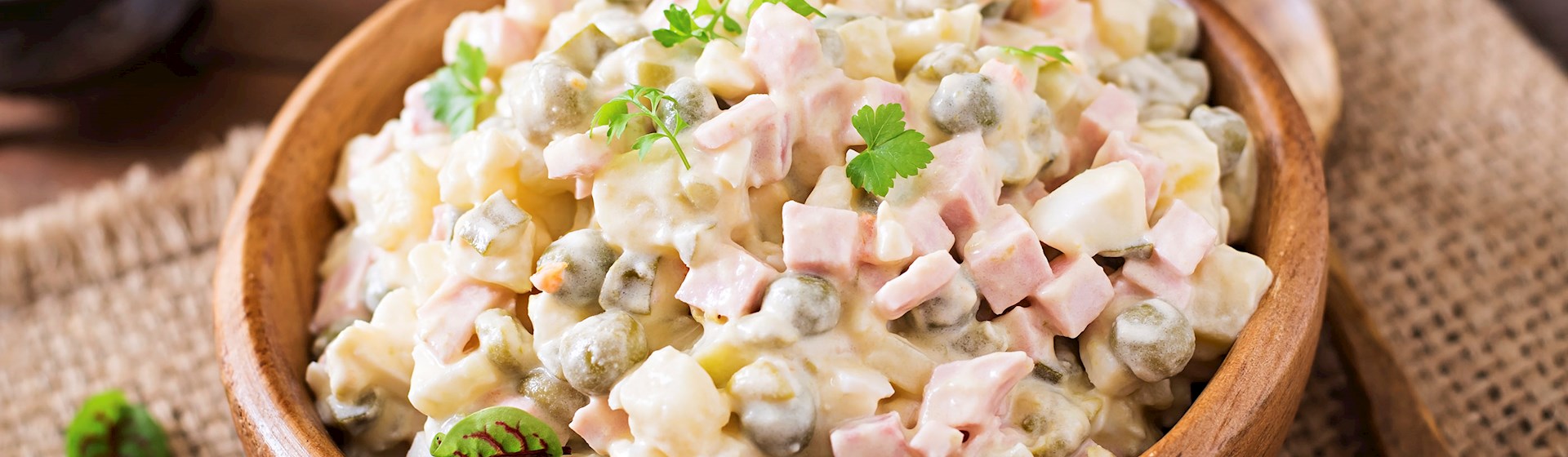
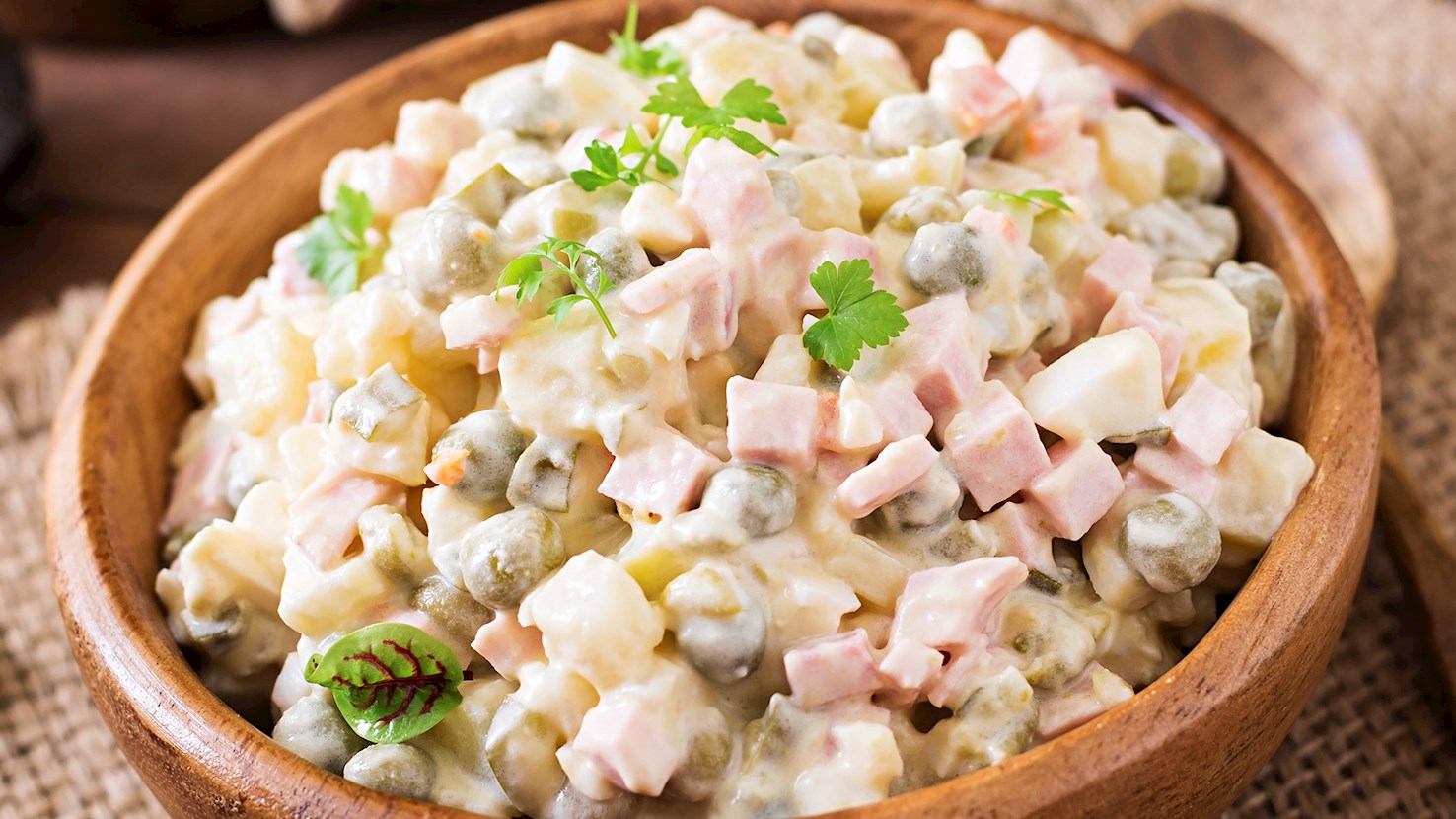
Olivier salad is a salad with variable ingredients, but it is typically made with chopped vegetables, meat, and mayonnaise. The key ingredients include diced potatoes, vegetables, eggs, chicken, or ham. This salad is one of the most important appetizers at the New Year's salad buffets in Russia, as well as in some of the other countries of the former USSR. The original was invented in the 1860s by Lucien Olivier, a chef in the popular Moscow restaurant called L'Hermitage. Olivier guarded the recipe until he died, but it is believed that the recipe was stolen by an employee who watched the chef at work, so the salad is still made today. Another theory says that the recipe for the new Olivier salad was developed by one of the restaurant's customers who wanted to keep the salad alive after the chef passed away. Olivier salad as we know it today is nothing like the original version, because it was called game bird mayonnaise, made with gourmet ingredients such as black caviar, capers, hen, and crayfish tails. Over time, the salad evolved and most of the gourmet ingredients have been replaced with more common ones such as peas, chicken, ham, and pickles. Today, the variations are endless, but most Russian chefs agree on one thing: adding carrots to the Olivier is a heresy. Interestingly, Olivier salad is also sometimes called Russian salad, while the meatless version is called French salad or francuska salata, probably due to the French name of its creator. The Spanish version is known as ensaladilla rusa. It is so popular in Spain that it's an important part of the Spanish gastronomy as well as being a staple in schools and summer camps all over the country. Ensaladilla rusa is also one of Spain's most popular tapas – in some cases, it's even served free of charge if you order a beer. There's also the Piedmontese insalata russa, typically consumed as an appetizer, and with many variations, so the salad might also include ingredients such as pickled cauliflower, anchovies, and tuna. Interestingly, in the Italian municipality of Carrù, tuna is an obligatory element of the salad.
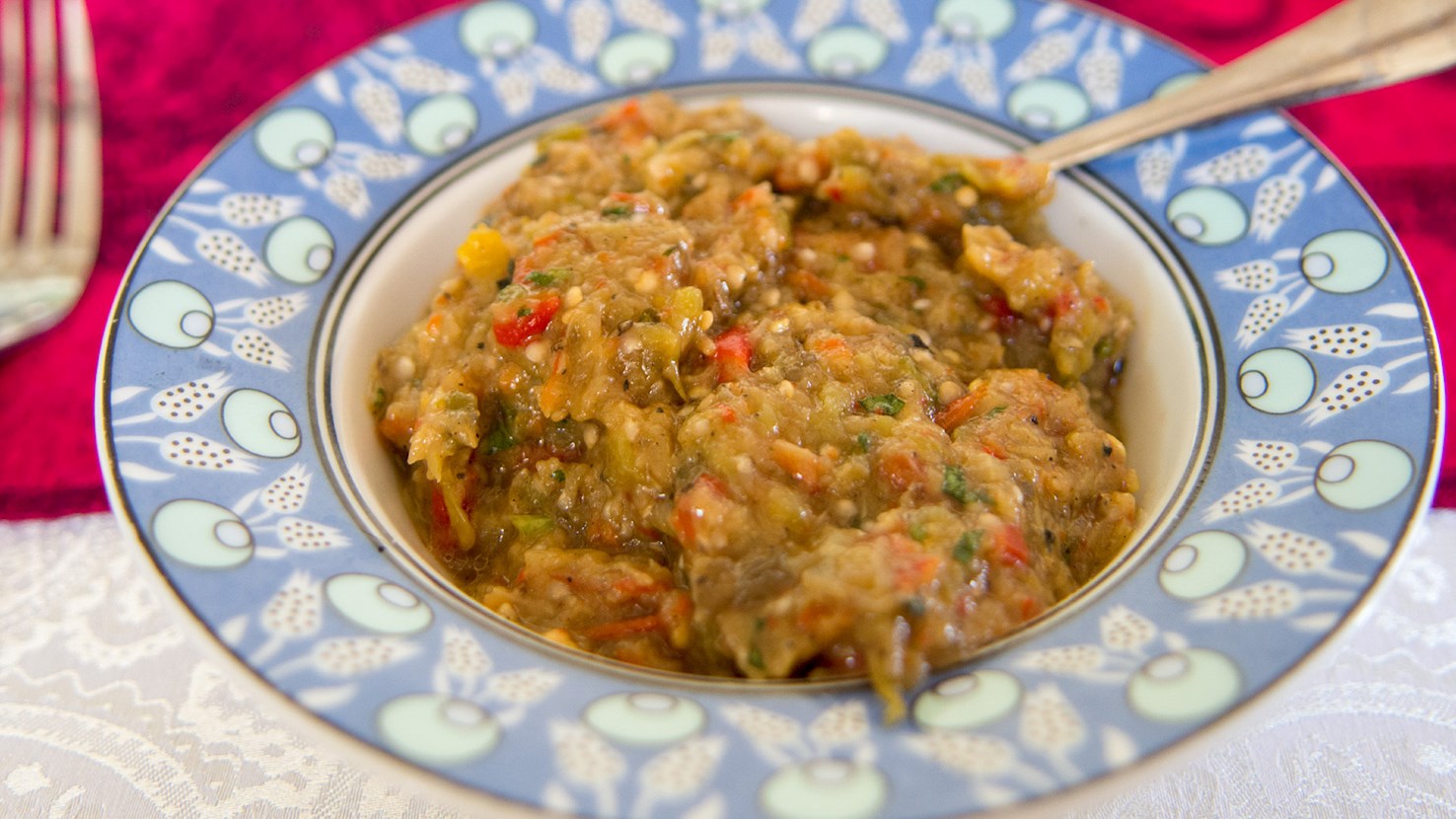
Manqal salatı is a refreshing Azerbaijani salad that is especially popular during summer. It consists of eggplants, tomatoes, bell peppers, hot peppers, and onions. The vegetables are traditionally grilled on skewers on a mangal (Caucasian-style grill), then chopped and combined with minced garlic, olive oil, and fresh herbs such as cilantro, dill, or basil. The salad is usually served as an accompaniment to grilled meat dishes, but it can also be served with bread or a piece of Motal cheese.
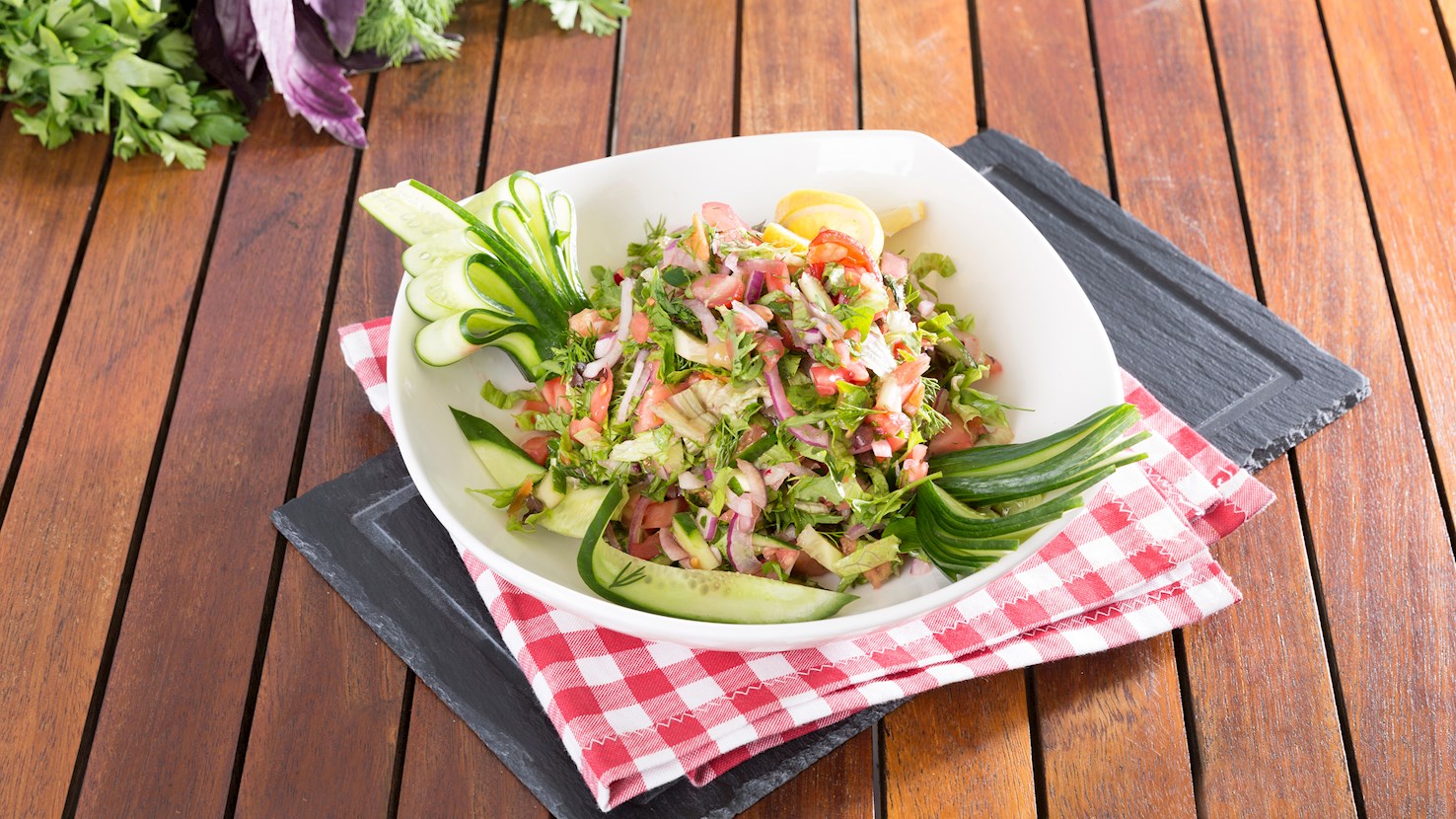
Çoban salatası or shepherd's salad is a traditional salad that can be found throughout the country, especially during summer. It's also popular in Azerbaijanai cuisine. The salad is made with a combination of chopped tomatoes, cucumbers, onions, green peppers, lemon juice, olive oil, and parsley. The ingredients are finely chopped, dressed with olive oil, seasoned with salt and pepper, then mixed together. It's recommended to serve this simple salad with crusty bread on the side for mopping up the juices.
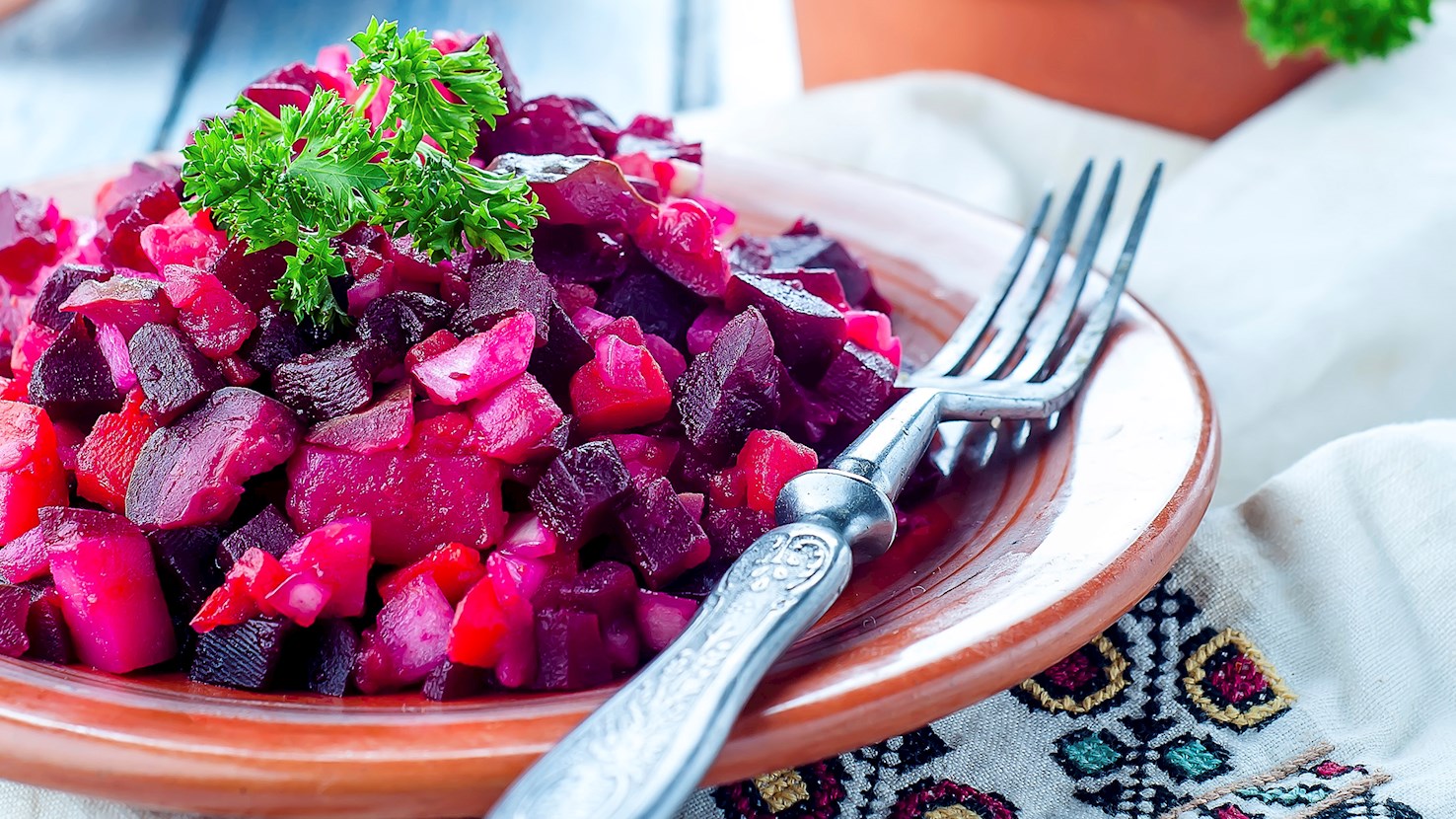
Originally invented in the 19th century, vinegret is the oldest, extremely popular Russian salad usually consisting of boiled beets, potatoes, and carrots combined with diced pickles, sauerkraut, and onions. The name of the salad is derived from the French term vinaigrette, which denotes an oily salad dressing in France. Vinegret is traditionally dressed with a combination of oil, vinegar or lemon juice, and sometimes mustard. It is often prepared for holidays and on festive events such as New Year's celebrations, so it is recommended to make it a day in advance. Customarily, the salad is served with Russian black bread on the side, along with meat or fish such as sausages or herrings.
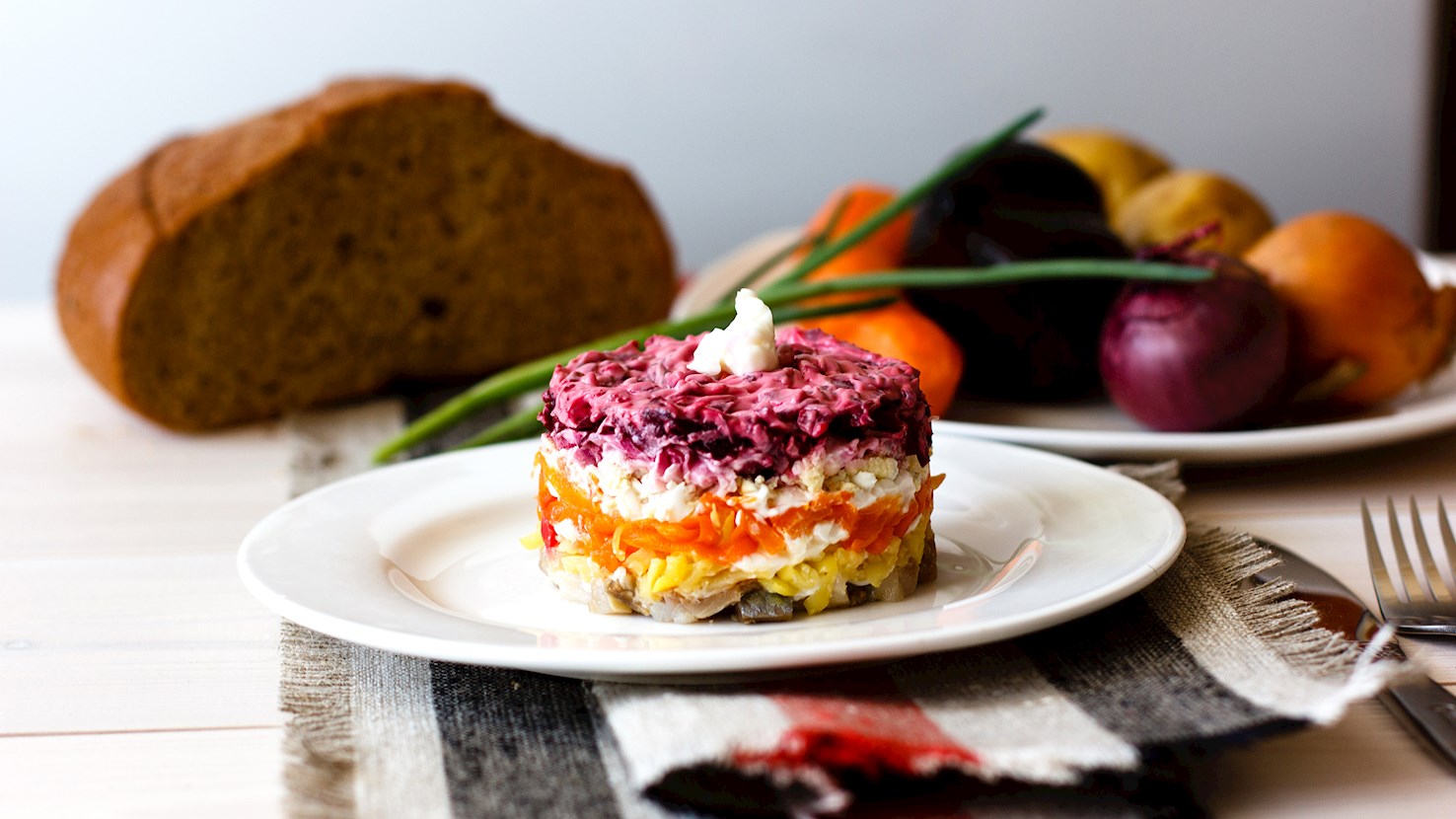
Shuba or herring under a fur coat is a unique Russian salad consisting of three distinctive layers: salted herring, potatoes, and beets. The salad often has more than three layers, mostly consisting of apples, onions, or hard-boiled eggs. Most people believe that it was invented by a tavern owner named Anastas Bogomilov at the beginning of the 20th century. The red color of the beets symbolizes the red flag, and potatoes symbolize the staple food of peasants and workers. Today, the salad is a well-known staple at Russian New Year celebrations.
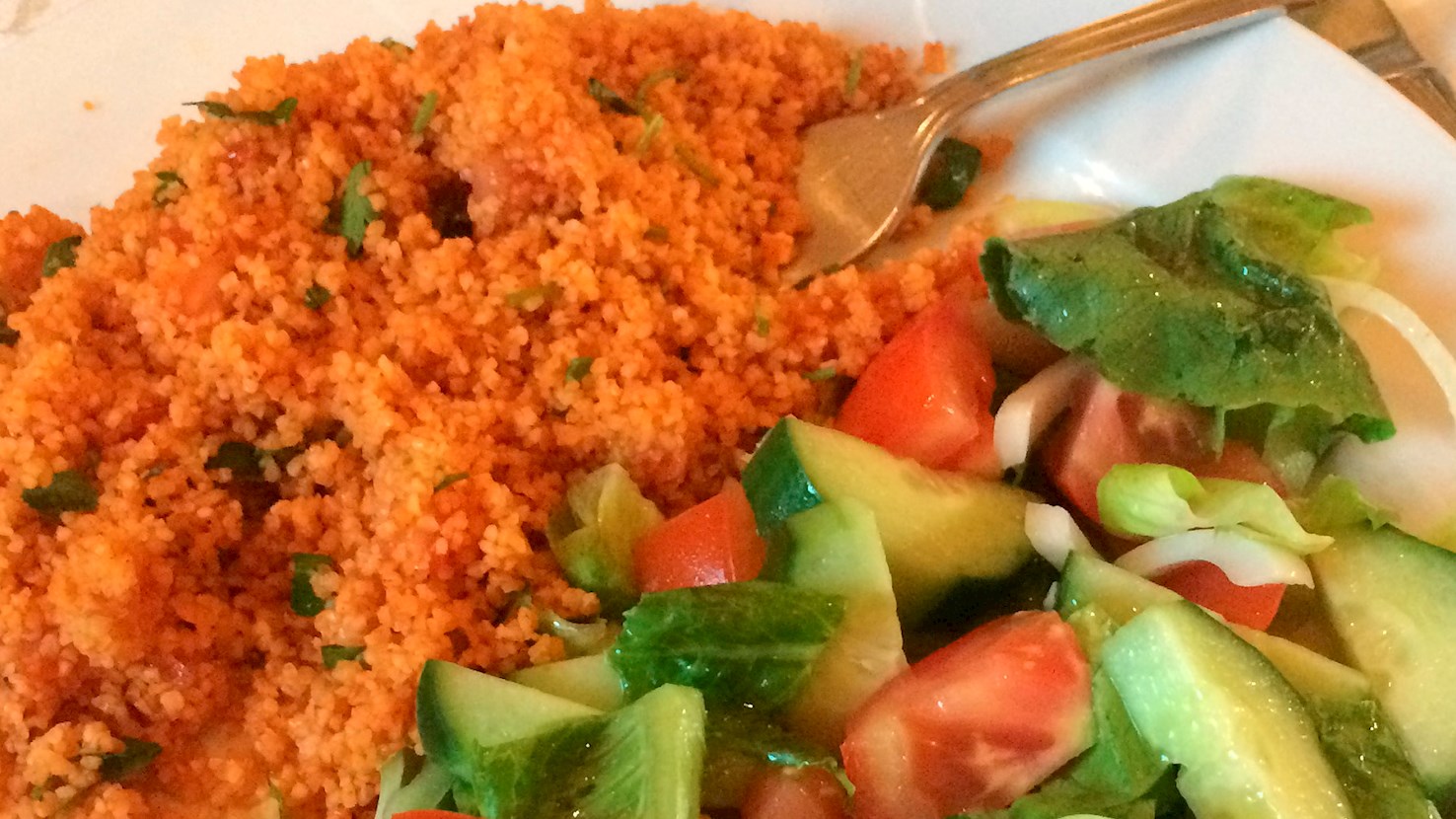
Eetch is a traditional dish mainly consisting of bulgur. It is typically consumed as a salad, a side dish, or as a spread over slices of bread or crackers. A common Lenten dish, eetch, also known as mock kheyma or meatless kheyma, has numerous variations, but the typical ingredients include fine bulgur, onions, tomatoes, tomato paste, bell peppers, lemon juice, olive oil, green onions, parsley, spices, and seasonings, incorporated well to make a robust and fragrant dish. Tangy, sweet, and savory, the bulgur mixture is consumed warm, at room temperature, or chilled, usually drizzled with some olive oil and garnished with chopped parsley, green onions, and (sometimes) pomegranate seeds. Reminiscent in flavor of the Levantine dish known as tabbouleh, eetch is commonly eaten with pita bread and makes a perfect accompaniment to grilled or roasted meat or fish dishes.
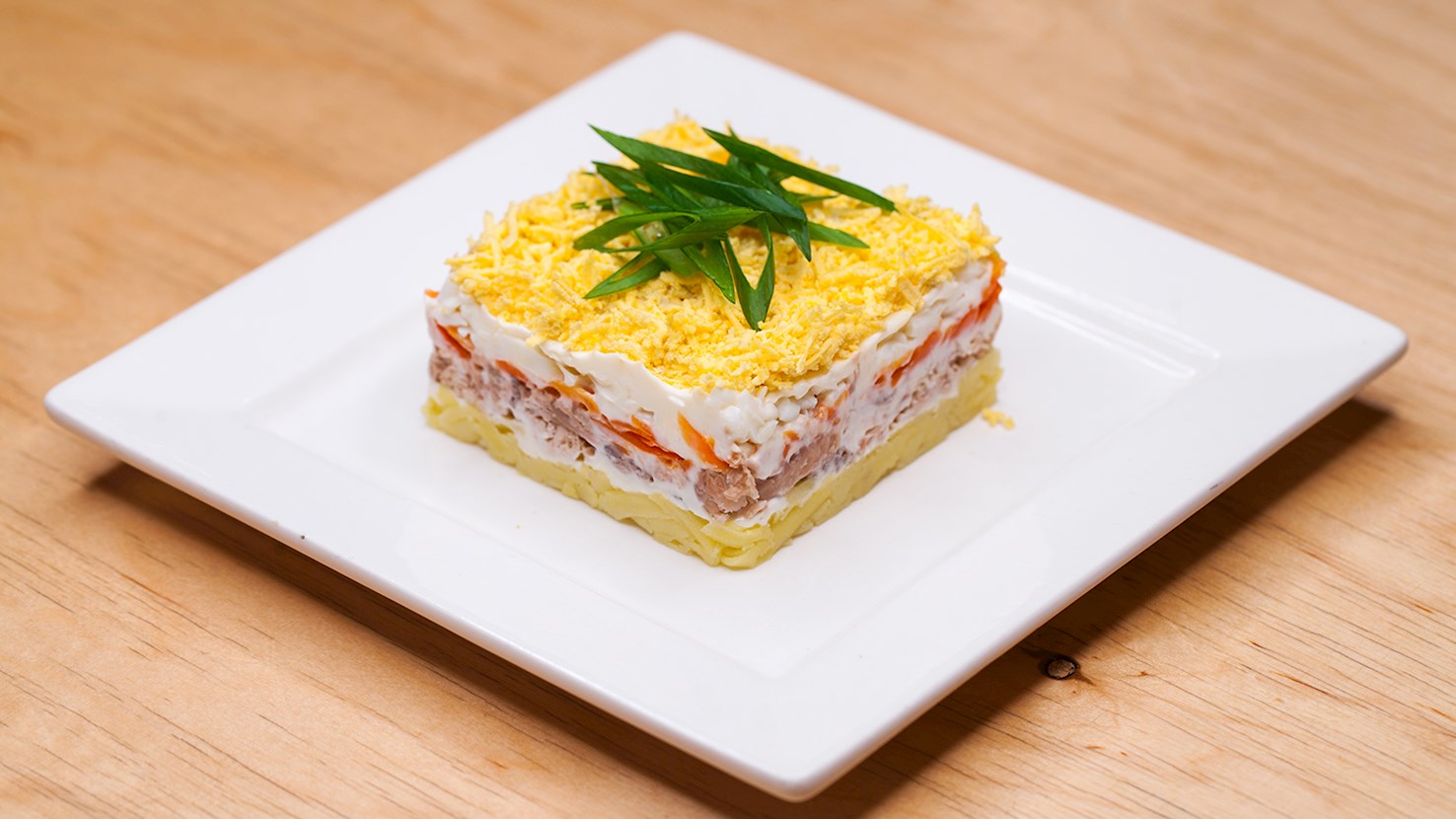
Mimoza is a traditional salad. It's prepared by layering different ingredients, and each one is separated by a light layer of mayonnaise. The ingredients include canned and mashed fish such as tuna, mackerel, salmon, or trout, boiled egg whites and yolks, onions, crumbled cheese, and sometimes boiled potatoes and carrots. Almost all of the ingredients used in the salad are finely grated. The boiled egg yolks are usually the final layer, hence the name of the salad, because it looks similar to the spring flowers. The salad is often garnished with chopped dill before serving.
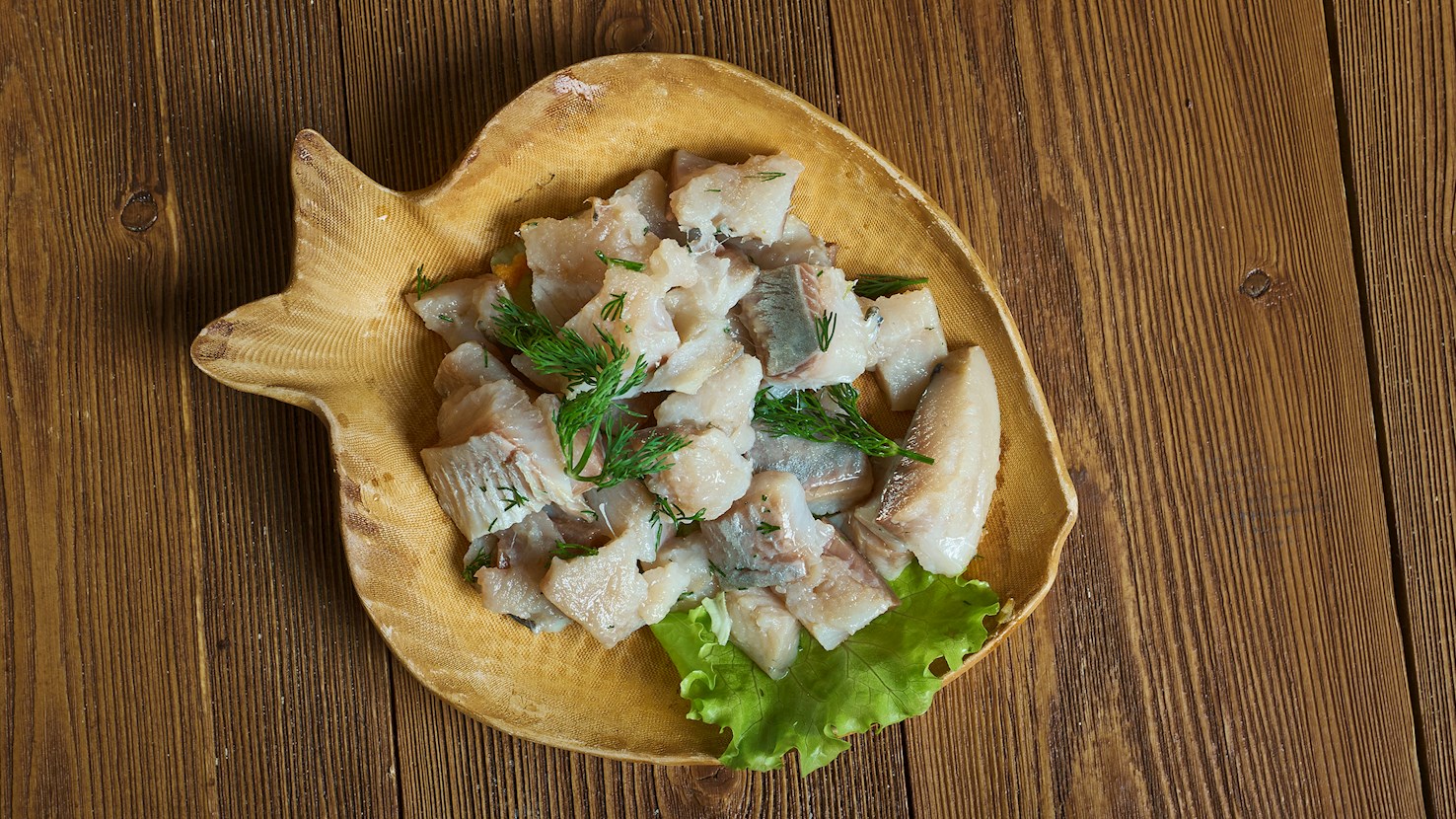
Indigirka is a Russian fish salad that has its origins in Yakutia (Sakha). It consists of diced frozen fish that is combined with onions, oil, salt, and pepper. The salad is typically made from whitefish such as broad whitefish (also known as chir), nelma, and muksun, and it is traditionally served in ice bowls. Indigirka salad first appeared in the middle of the 20th century and was named after the Indigirka River, one of the major Yakutian rivers. It is believed it was created by chef Innokenty Tarbakhov, who based it on a similar ethnic Yakutian dish made with raw fish called raw in the Yakut language or five minutes in Russian. The salad is occasionally accompanied by lemon wedges, but modern variations may include fish roe, fennel, as well as various dressings. This well-chilled appetizer ideally pairs with vodka.
Ispanakhi matsvnit is a traditional salad originating from Georgia. Although it looks like a very thick soup, this is a salad that’s prepared with a combination of spinach and yogurt. While the dish is being prepared, salt, coriander, and garlic are added for extra flavor. Ispanakhi matsvnit can be served as an accompaniment to main dishes or as a full meal with bread on the side.
TasteAtlas food rankings are based on the ratings of the TasteAtlas audience, with a series of mechanisms that recognize real users and that ignore bot,
nationalist or local patriotic ratings, and give additional value to the ratings of users that the system recognizes as knowledgeable.
For the “Top 14 Eastern European Salads” list until October 15, 2026, 1,715 ratings were recorded, of which 998 were recognized by the system as legitimate.
TasteAtlas Rankings should not be seen as the final global conclusion about food. Their purpose is to promote excellent local foods,
instill pride in traditional dishes, and arouse curiosity about dishes you haven’t tried.









What People Say