

shutterstock

Top 4 Malaysian Salads

Last updated on June 15, 2026
01

Yee sang

3.2 ·

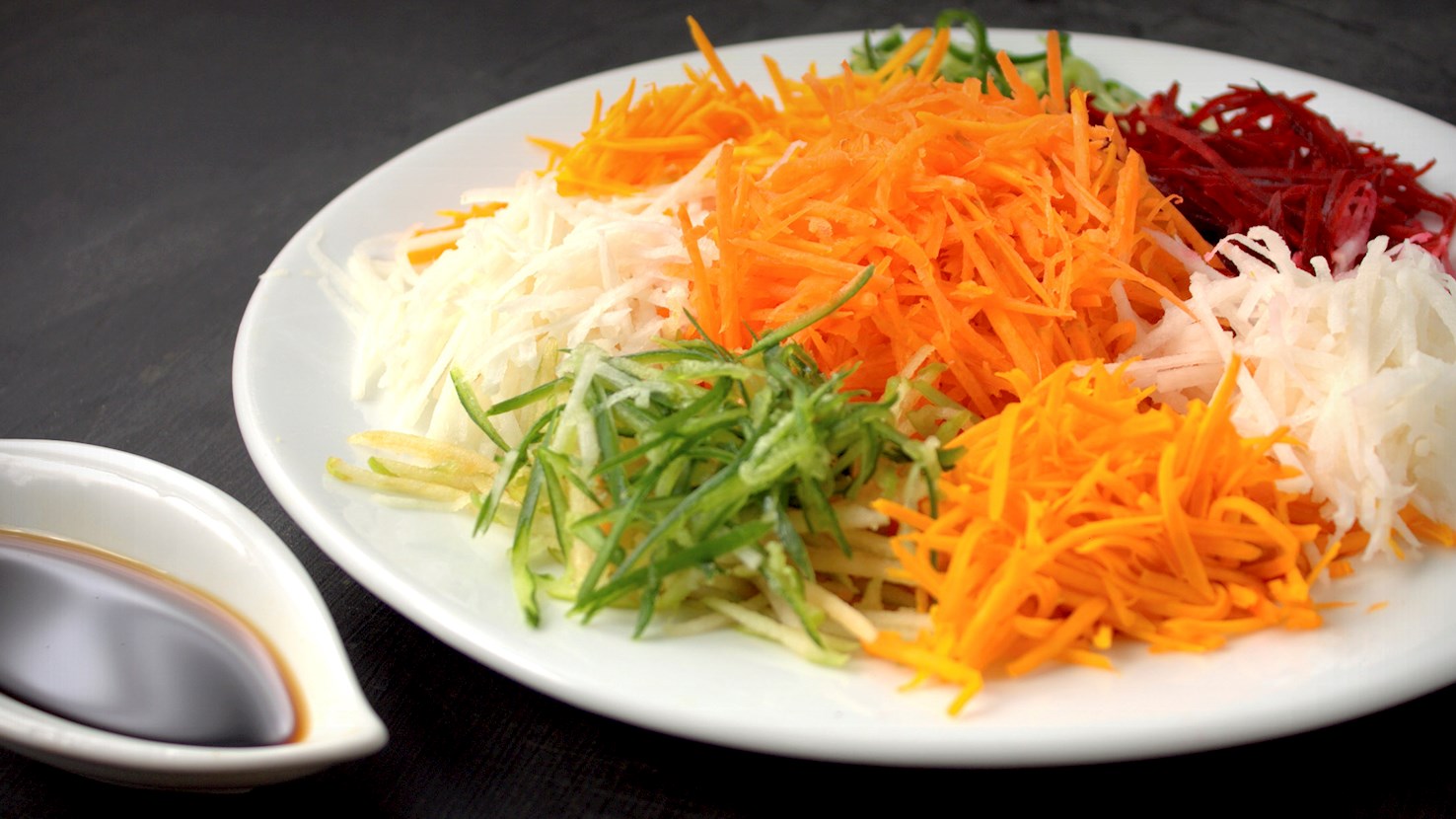
Usually consumed during the Chinese New Year celebrations, yusheng is a tasty salad made with slices of raw fish and shredded vegetables which are seasoned with spices and various toppings such as peanuts and sesame seeds. The dish is additionally flavored with yusheng sauce, most commonly consisting of plum sauce and sesame oil. The origins of the dish can be traced to south China, but nowadays, especially since the dish was repopularized in the 1960s in Singapore, the dish is eaten predominantly by the Chinese living in Singapore and Malaysia. Yusheng is typically presented as an appetizer in a multi-course dinner and is served in a very peculiar way - in a ceremony known as lo hei, as each ingredient is added to the plate, people gathered around the table will say auspicious greetings related to that ingredient. Once all the ingredients have been introduced on the plate, everyone will (on cue, and by using their chopsticks) toss the ingredients as high as they can while at the same time loudly proclaiming their New Year's wishes, and by doing so, predestine themselves to have a prosperous year.

02

Kerabu

n/a ·

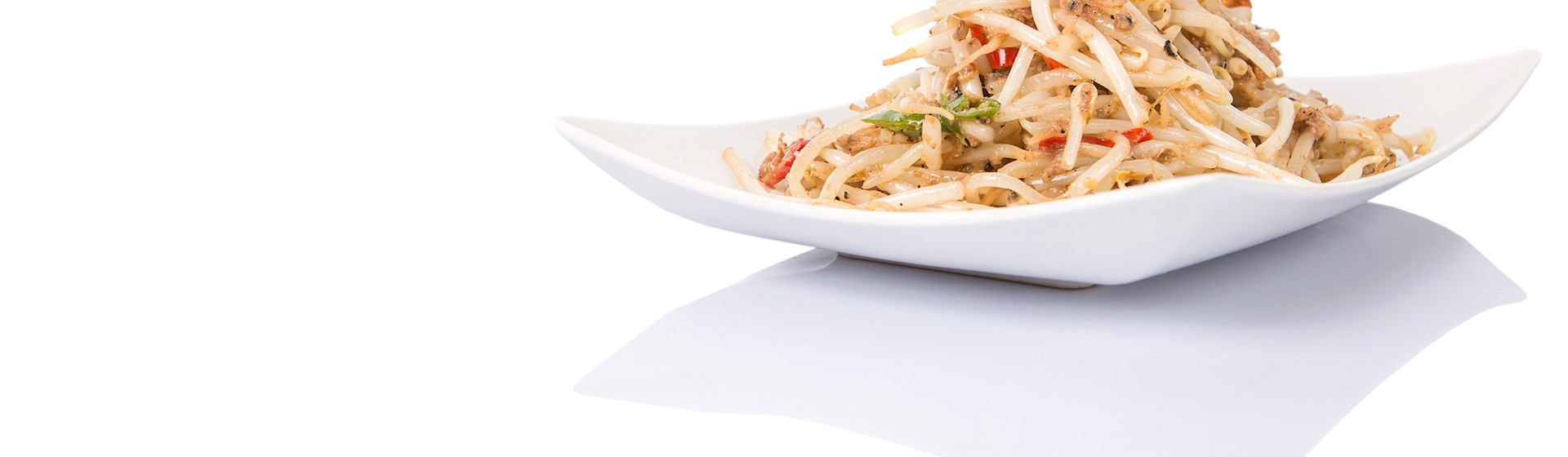
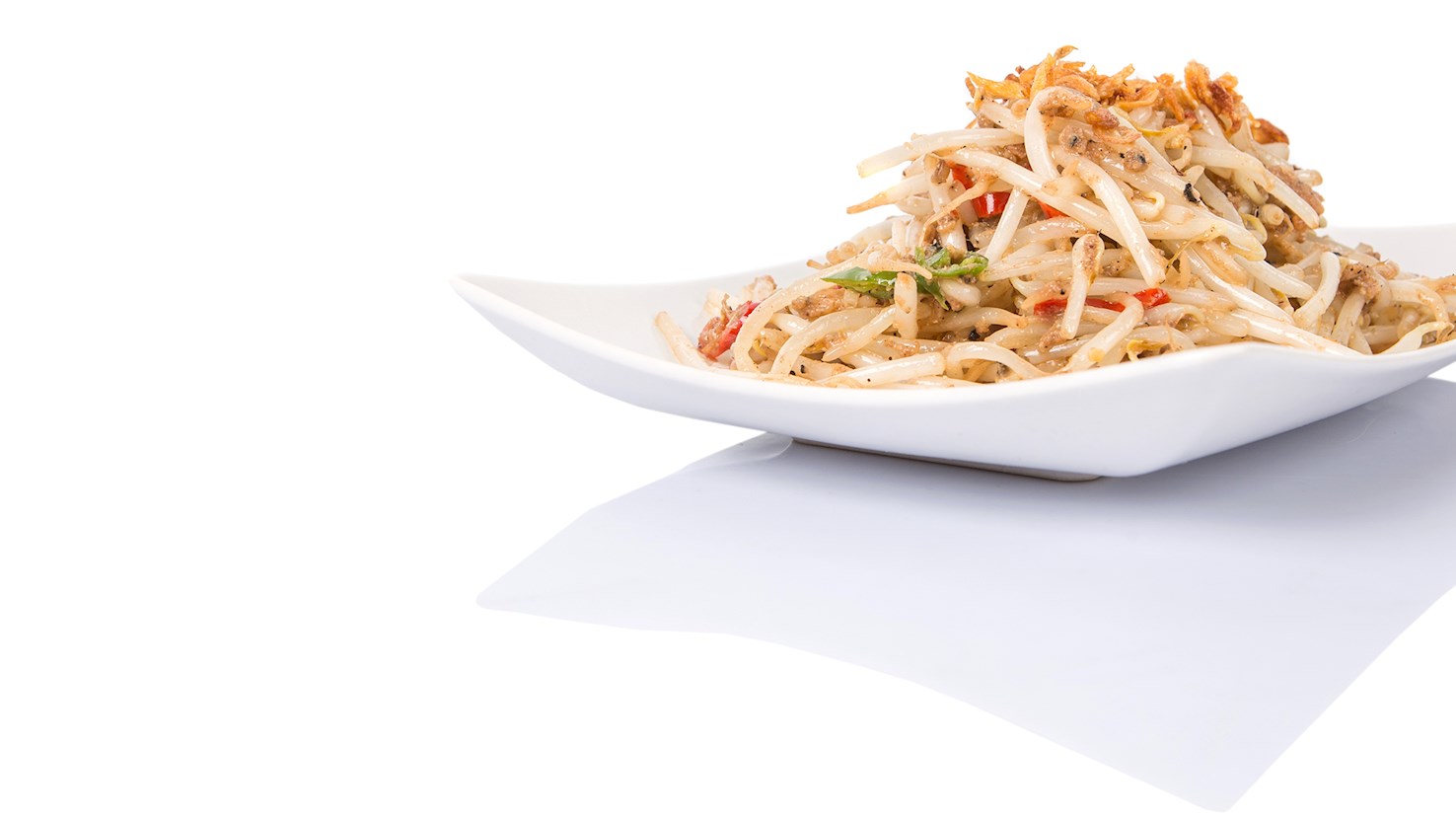
Malaysian kerabu dishes typically denote various combinations of fresh vegetables and zesty dressings that are usually served alongside rice. The dish can include different vegetables and fruits such as cucumbers, bean sprouts, mangos, shallots, winged beans, (four-angled beans), coconut, bamboo shoots, and peppers, while common additions include shrimps, fish flakes, pork skin, and chicken feet. The dressing is usually based on shrimp paste (belacan), lime juice, sugar, and chili peppers. The term kerabu is occasionally used in other parts of Southeast Asia to refer to similar salads.

03

Ulam

n/a ·

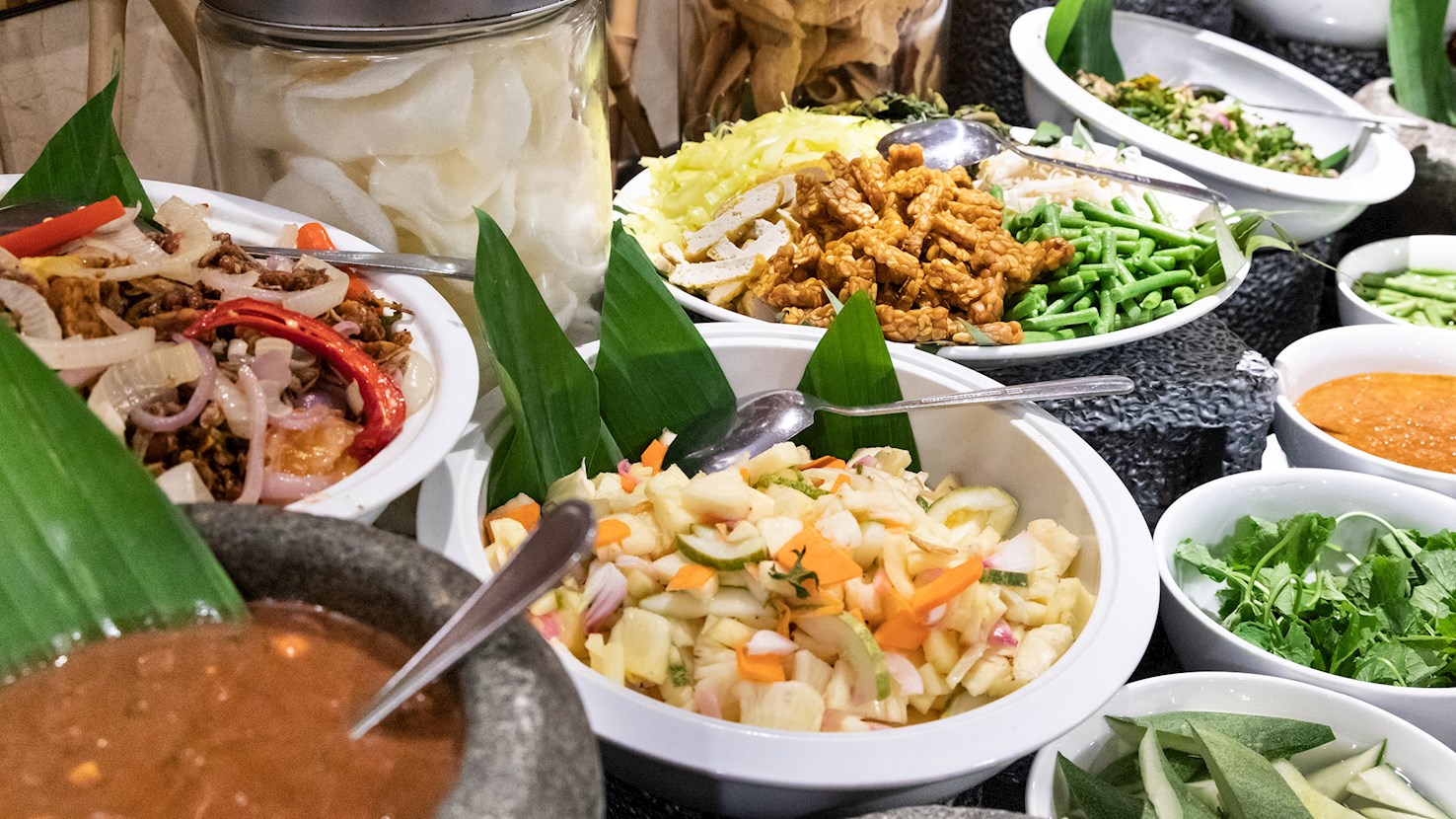
Ulam is a term that denotes different Malaysian-style salads that are typically prepared with a variety of fresh herbs and vegetables such as betel leaves, cucumbers, or banana blossom, but they can also incorporate shoots, roots, seeds, and fruits. All the ingredients can be blanched or served raw. Ulam salads are enjoyed as a side dish and are commonly topped with various Malaysian sauces such as sambal belacan, shrimp-based cincalok, or tempoyak.

04

Rojak bandung

n/a ·

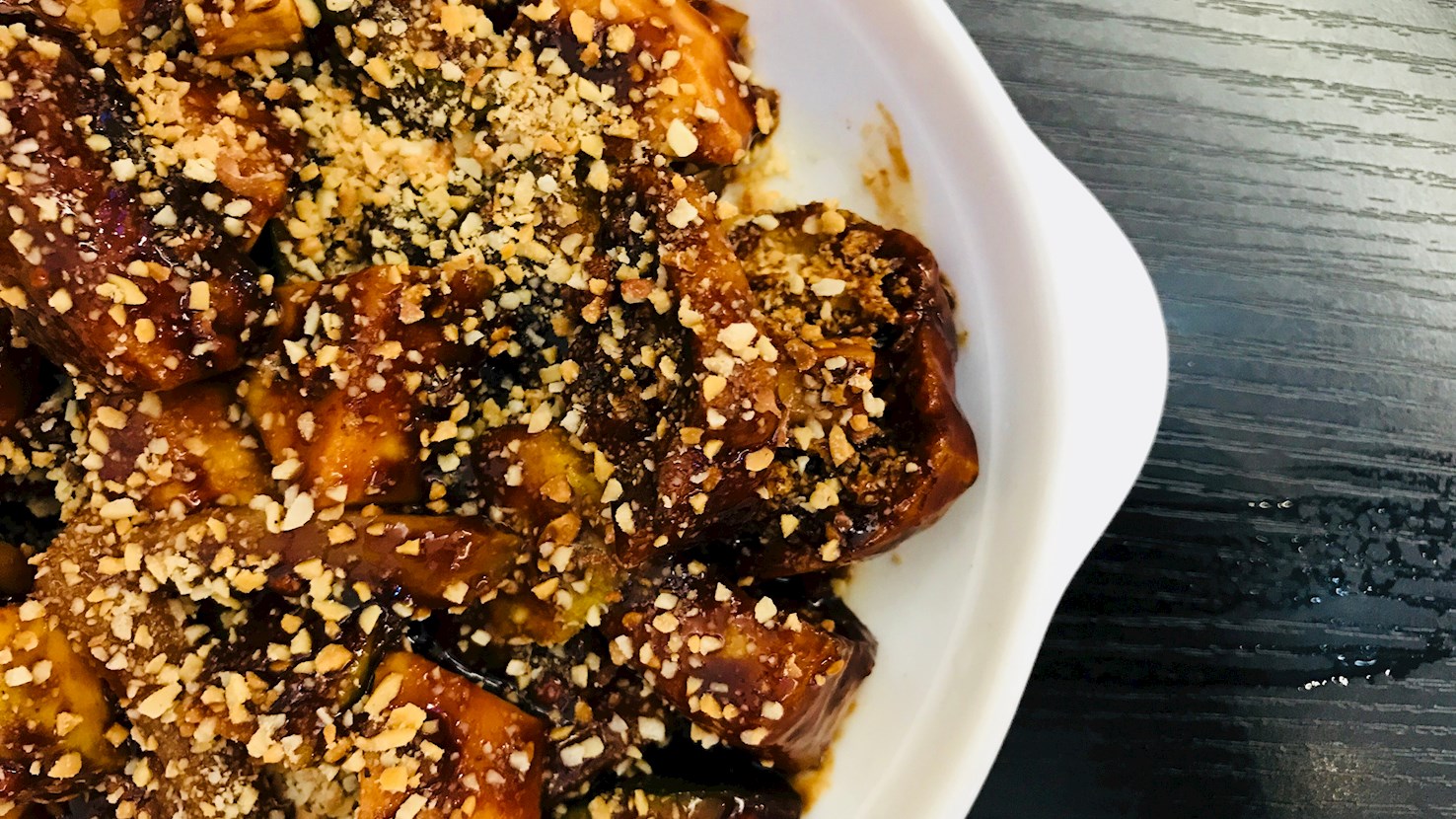
Rojak bandung is a spin on rojak, an Indonesian salad that is widely consumed throughout Singapore and Malaysia and comes in many versions. This version offers a unique blend of flavors and textures: fresh and crunchy cucumber slices, soft, blanched pieces of cuttlefish and water spinach, and crispy fried tofu puffs all drenched in a sweet, sour, and spicy sauce. The sauce is typically made with a combination of black shrimp paste, tomato sauce or ketchup, palm sugar, tamarind paste or lime, garlic, and chili paste. Just like other versions of Singaporean rojak, this one also comes with a generous amount of ground peanuts on top, and it's commonly garnished with toasted sesame seeds. Rice vermicelli (bee hoon) is a common accompaniment to this dish, while some versions may also add boiled eggs to the combination.

Read more
View all
View map
About this ranking

TasteAtlas food rankings are based on the ratings of the TasteAtlas audience, with a series of mechanisms that recognize real users and that ignore bot, nationalist or local patriotic ratings, and give additional value to the ratings of users that the system recognizes as knowledgeable. For the “Top 4 Malaysian Salads” list until June 15, 2026, 72 ratings were recorded, of which 45 were recognized by the system as legitimate. TasteAtlas Rankings should not be seen as the final global conclusion about food. Their purpose is to promote excellent local foods, instill pride in traditional dishes, and arouse curiosity about dishes you haven’t tried.

Similar lists